Posts in History
Crossroads Podcast: Faith At The World Cup Is Not All Smiles And Hugs

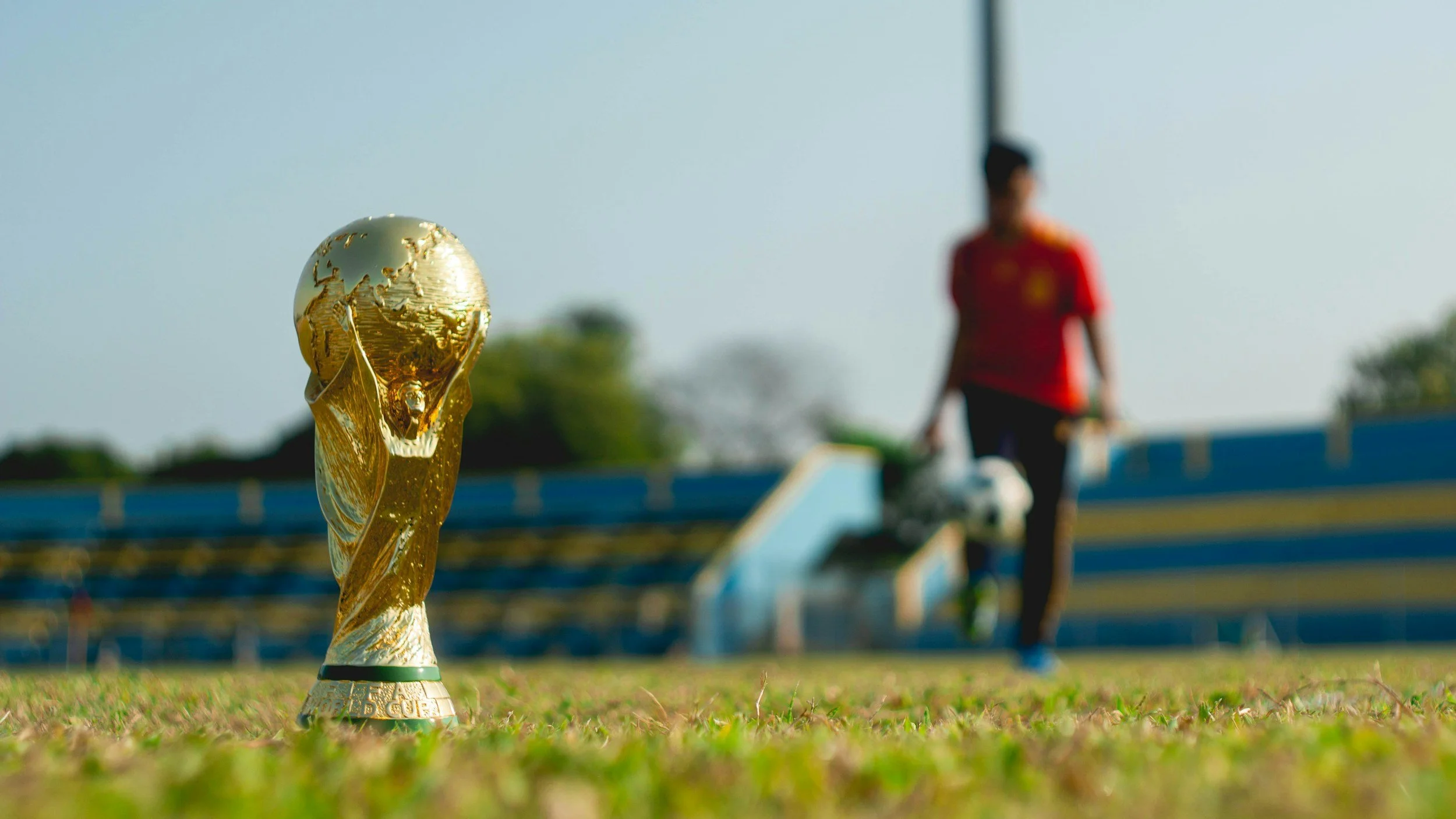
The World Cup is Planet Earth’s most-watched sporting and cultural event. No one should be surprised that it receives waves of news coverage and that religious beliefs and customs affect some of the drama and tensions. Thus, this week’s “Crossroads” podcast focused on religion news at the 2026 tournament — what was covered and what was not.

Read More
‘Integrating Sports And Fellowship’: Soccer Is Bringing Singapore’s Churches Together

(ANALYSIS) Singapore’s national soccer team made it to the second round of qualifiers, but fell short of making it to the FIFA World Cup again this year. Nonetheless, the spirit of the game still very runs strong through the help of church congregations. Many parishes and congregations organize games and leagues open to their members, friends and the wider public.

Read More
A Religious Freedom Martyr Took Risks. A Book About Him Should, Too.

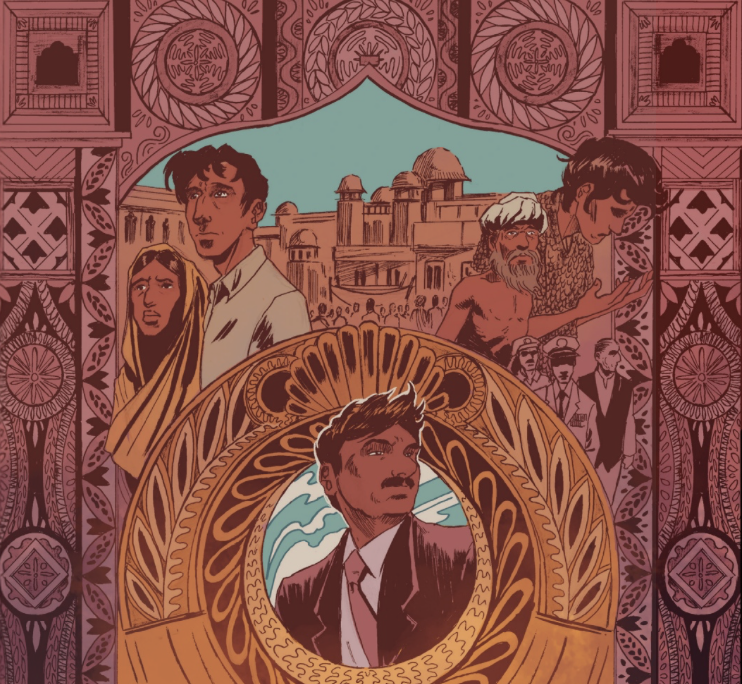
(REVIEW) Shahbaz Bhatti united religious and ethnic minorities in Pakistan to bring about greater equality in the nation — until he was assassinated for his work. A new graphic novel about him is tragic and moving, but it also lacks narrative depth and character development.

Read More
Even At The World Cup, England’s Flag Carries Meanings Beyond Soccer

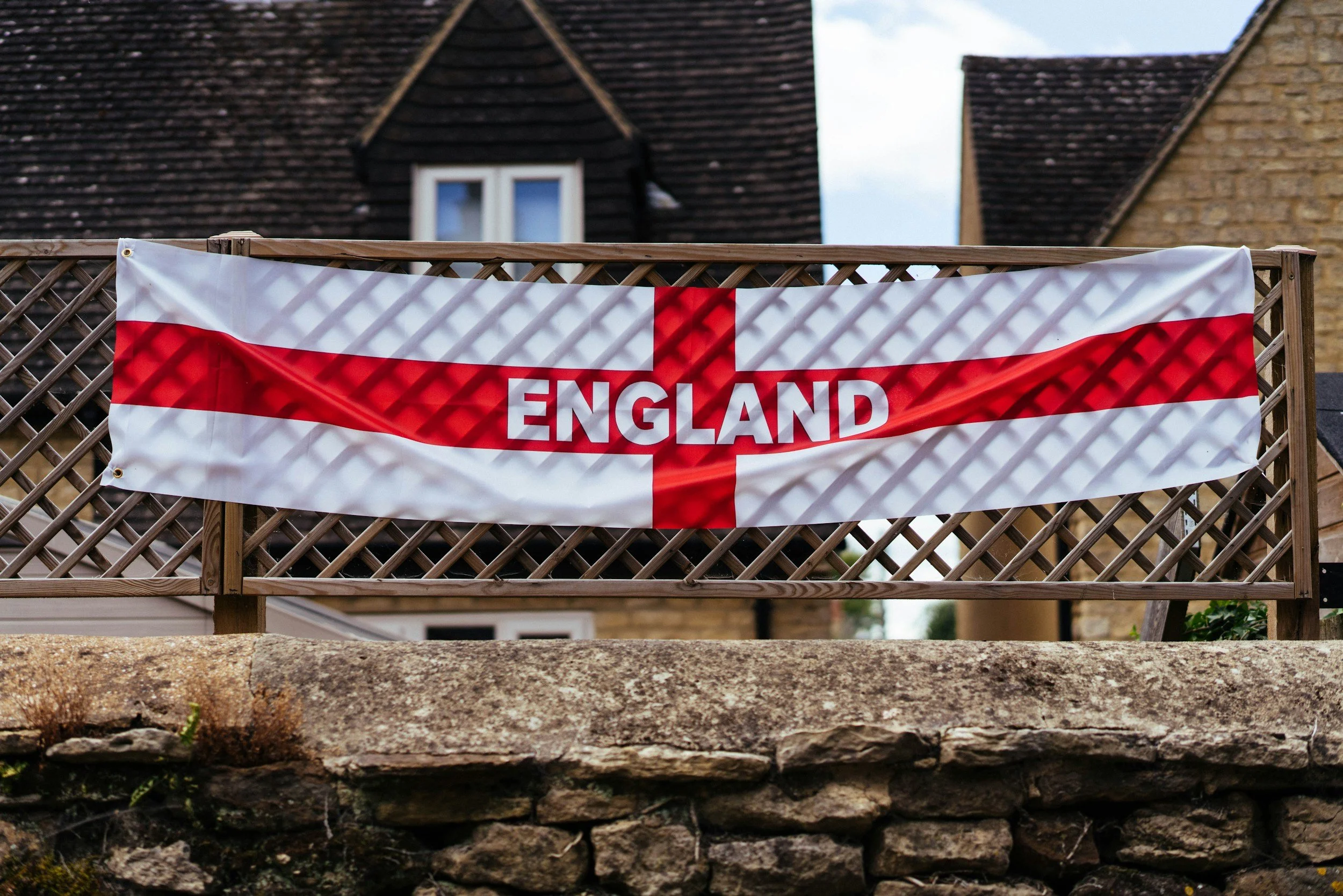
(ANALYSIS) When England walk onto the field to face Norway in the World Cup quarterfinals, thousands of St. George’s flags will wave inside Hard Rock Stadium in Miami. Millions more will adorn pubs and homes across England. For many fans, the flag — which from the Late Middle Ages has been associated with Saint George — remains inseparable from soccer itself.

Read More
Advocates Seek Expanded Understanding Of Antisemitism

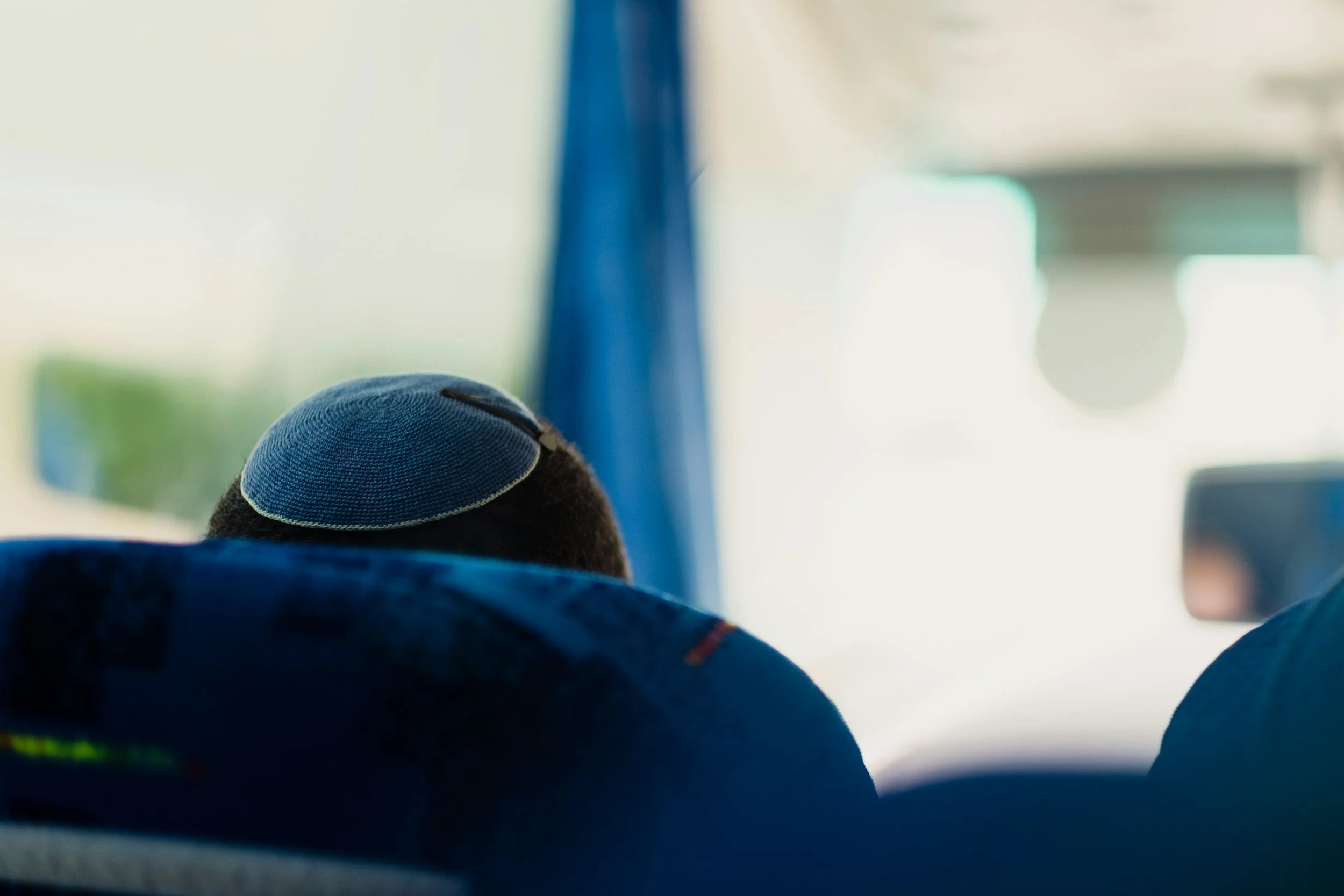
Antisemitism spans the political spectrum. On the far right, antisemites may support a vision of America under white supremacy. On the far left, antisemites may consider Jews oppressors and white colonialists. 

Read More
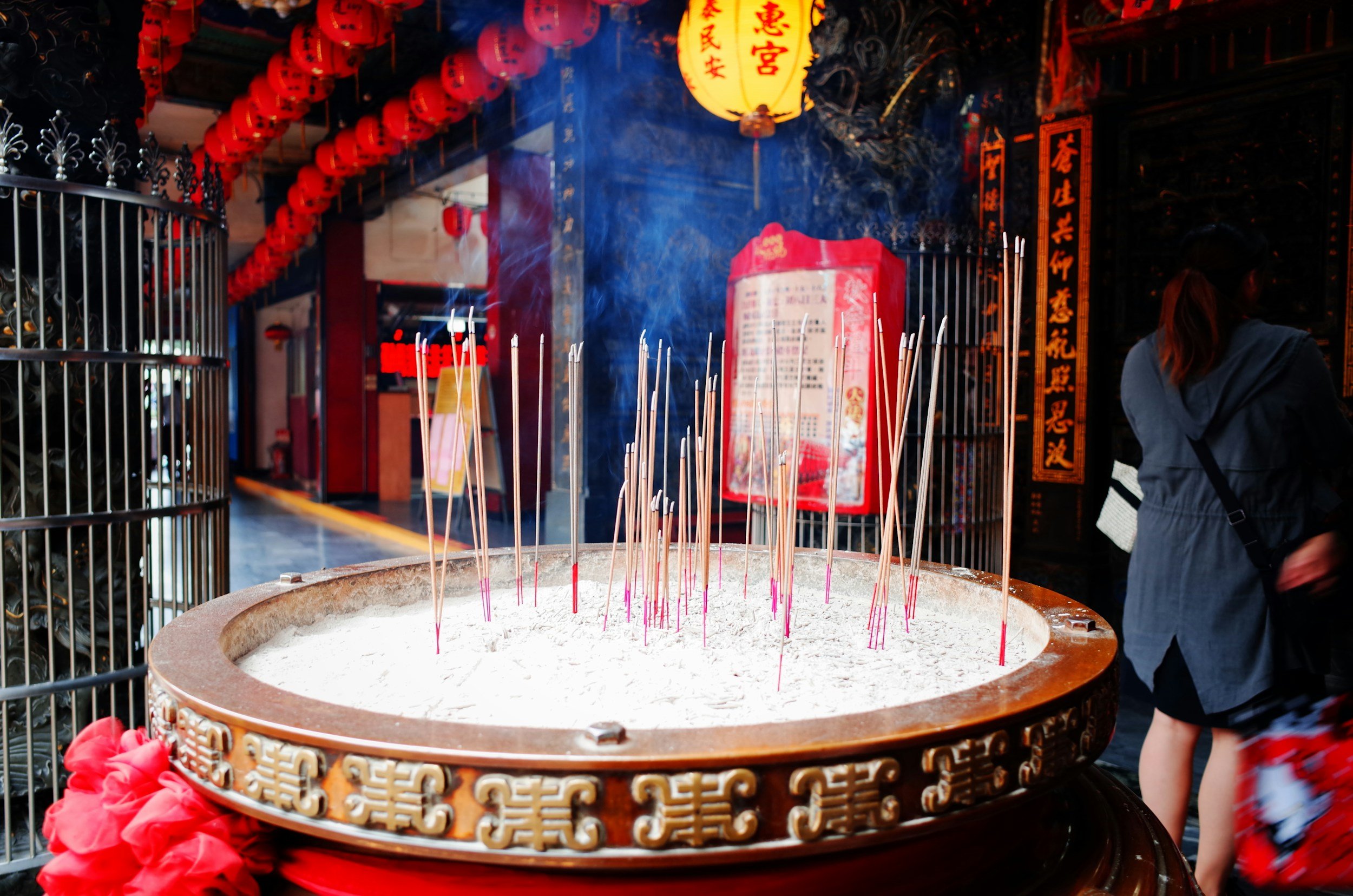
How Daoism Provides A Framework For Understanding The World

(ANALYSIS) Throughout its history, Daoism never lost touch with the local traditions. Local gods and even vengeful ghosts come to be incorporated into Daoist pantheons, where they now serve to keep troublesome spirits from upsetting the community. As a result, Daoism continues to be an integral part of everyday life.

Read More
Analytical Thinking Doesn’t Make People Less Religious

(ANALYSIS) A culture that laughs off the parting of the Red Sea will nod along when a man declares himself a woman. A culture that calls the Jesus’ resurrection absurd will assure you civilization can thrive after dismantling family, faith and biology. Walking on water is preposterous. Walking away from every inherited moral guardrail is sophisticated.

Read More
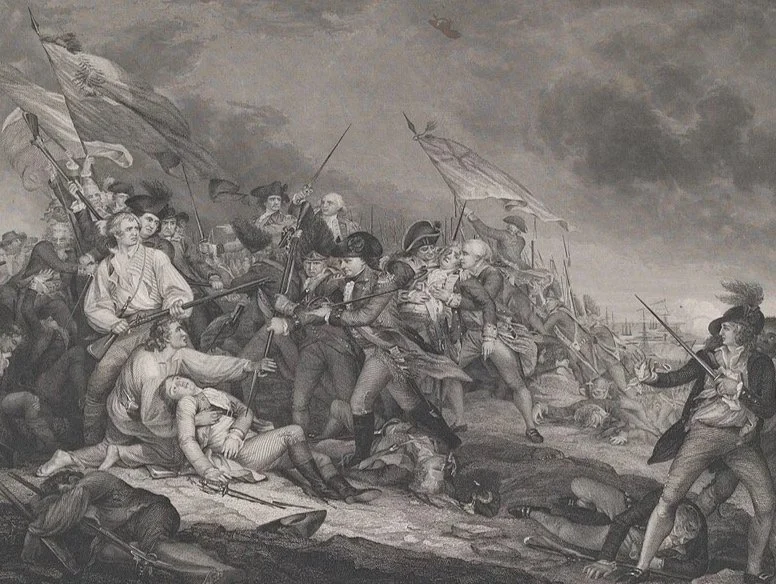
What Was Religion In The United States Really Like In 1776?

The United States had its 250th birthday last week. And, in the last few episodes we have tried to understand the role of Christianity in America’s founding. But what kinds of Christians were the first Americans? And what role did Catholics, Jews and Atheists play in the Revolution? Were there muslims or Hindus on U.S. soil in 1776?

Read More
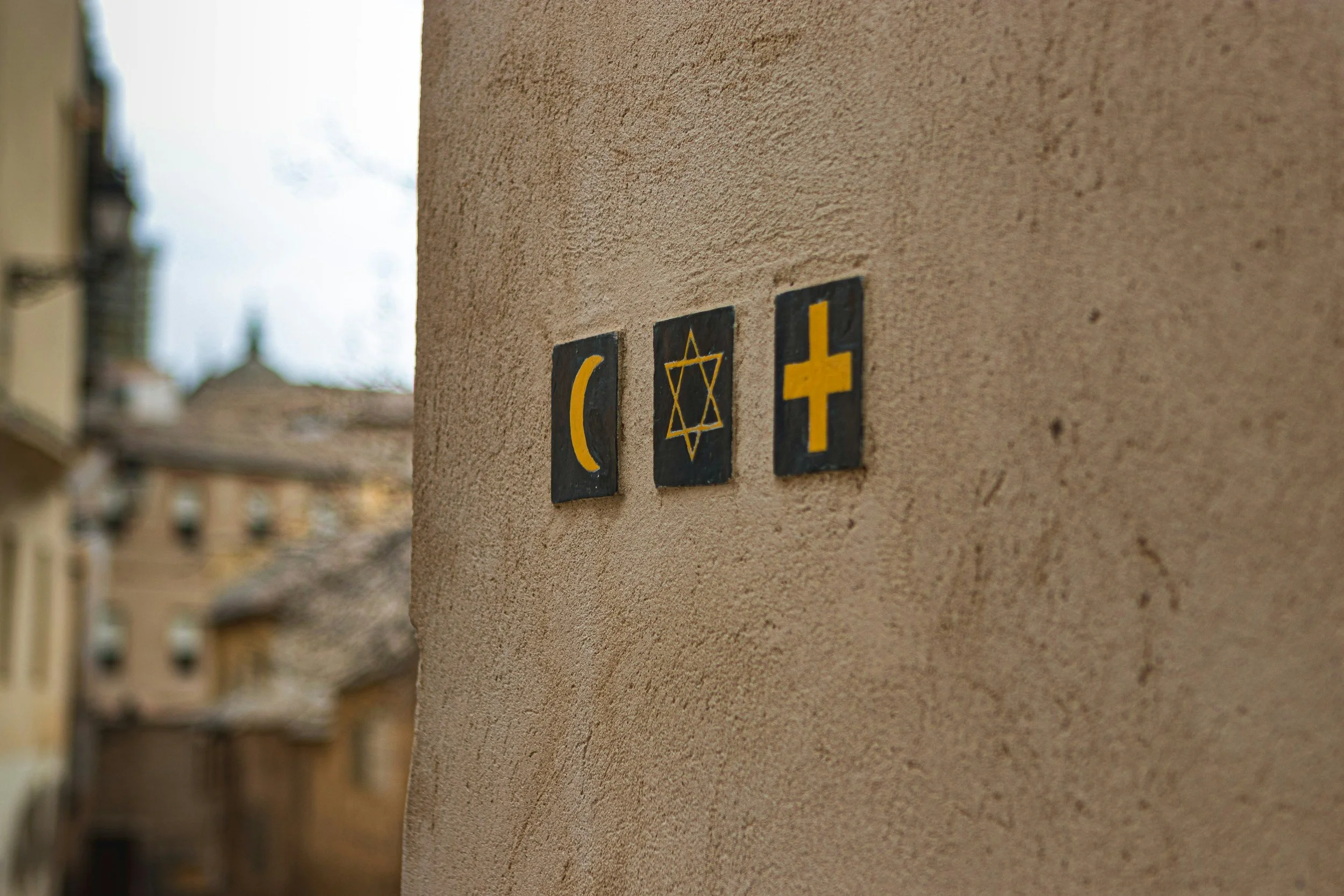
‘Modeling Religious Pluralism’ Puts Forth An Ambitious And Timely Collection

(REVIEW) At a time when religious differences are frequently portrayed as sources of division, a new book — featuring a collection of pieces from various authors — provides a thoughtful and hopeful alternative grounded in education, justice and, more importantly, mutual respect.

Read More
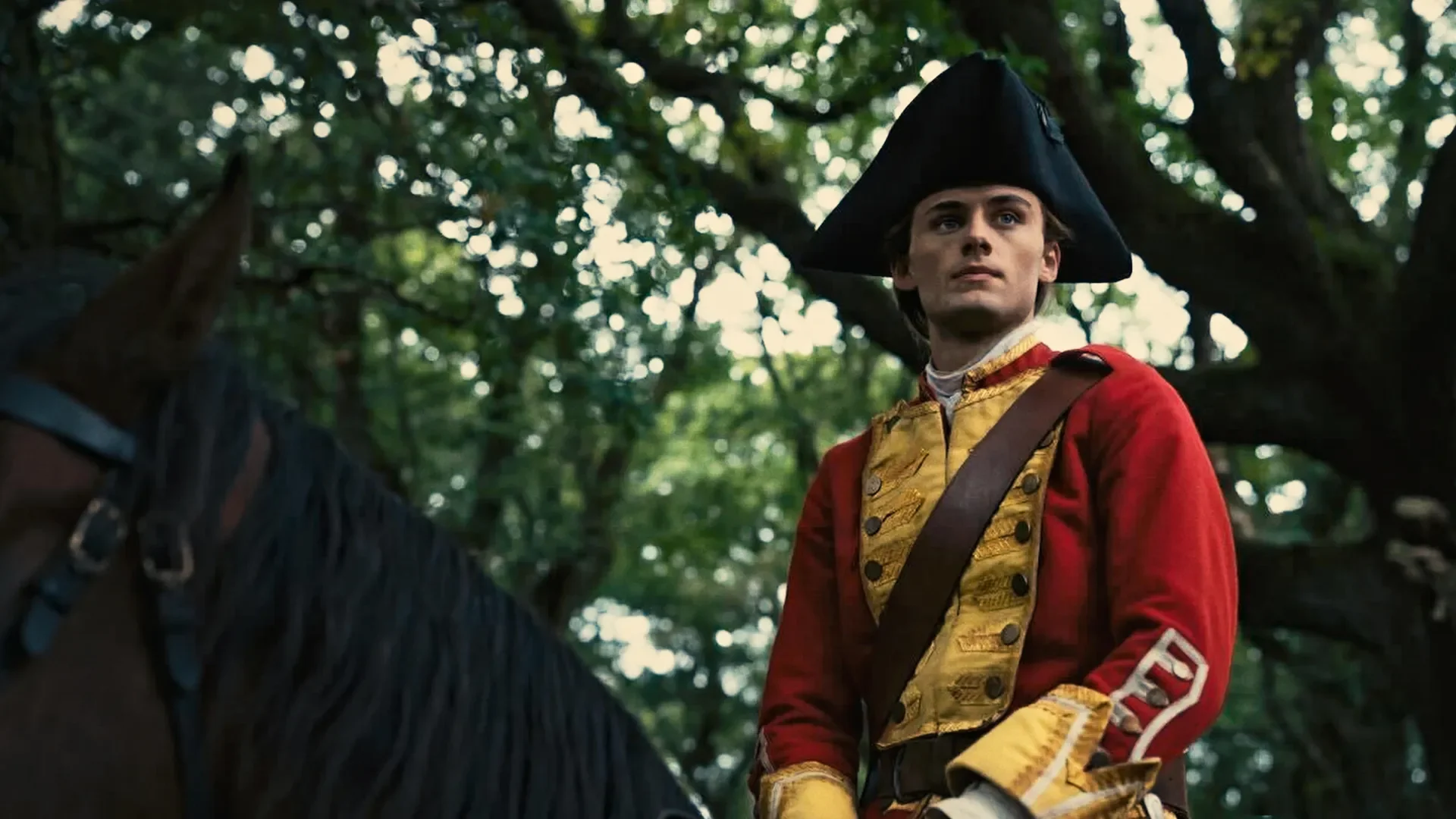
‘Young Washington’ Mixes Faith And The Limits Of A Hero’s Transformation

(REVIEW) The faith-based film industry is shifting from family-friendly dramas toward male-focused, patriotic stories for conservative Christian audiences. “Young Washington” reflects that evolution with strong action, but ultimately weakens its emotional impact by oversimplifying George Washington’s ambition and spiritual transformation, limiting its cultural and thematic potential.

Read More
The Founders’ Revolutionary Choice: Separating Religion And Government

(ANALYSIS) Did the founders of the United States intend to create a Christian nation? Political leaders who addressed a prayer rally on the National Mall on May 17 seem to think so: House Speaker Mike Johnson led the crowd in rededicating) the United States of America as “one nation under God.”

Read More
500 Years Ago, The First New Testament In English Caused An Uproar

(ANALYSIS) In 1526, books appeared in England that no one had seen before: printed New Testaments in the English language. The public snapped them up. For the first time, people read now-common phrases such as “the powers that be” and “the spirit is willing but the flesh is weak.” But religious authorities condemned the English Bible and burned the copies they could find.

Read More
Native Peoples, Christianity And Empire In Colonial America

As colonists and Native nations navigated war, alliances, disease, displacement and competing claims to land, Christian missions became intertwined with politics and survival. Some Indigenous people rejected Christianity, others adapted it to their own traditions, revealing a complex history shaped by both faith and colonial expansion in early America.

Read More
Prayer Never Disappeared From Public Schools — But New Laws Could Change Role

(ANALYSIS) For decades after Supreme Court rulings barred school-sponsored prayer and Bible reading, faith remained present in public schools through student-led religious expression and community culture. Now, a series of new state laws mandating displays like the Ten Commandments are testing long-standing church-state boundaries and reigniting debate.

Read More
Iranian Christians Are Leaning Dangerously Into Christian Nationalism

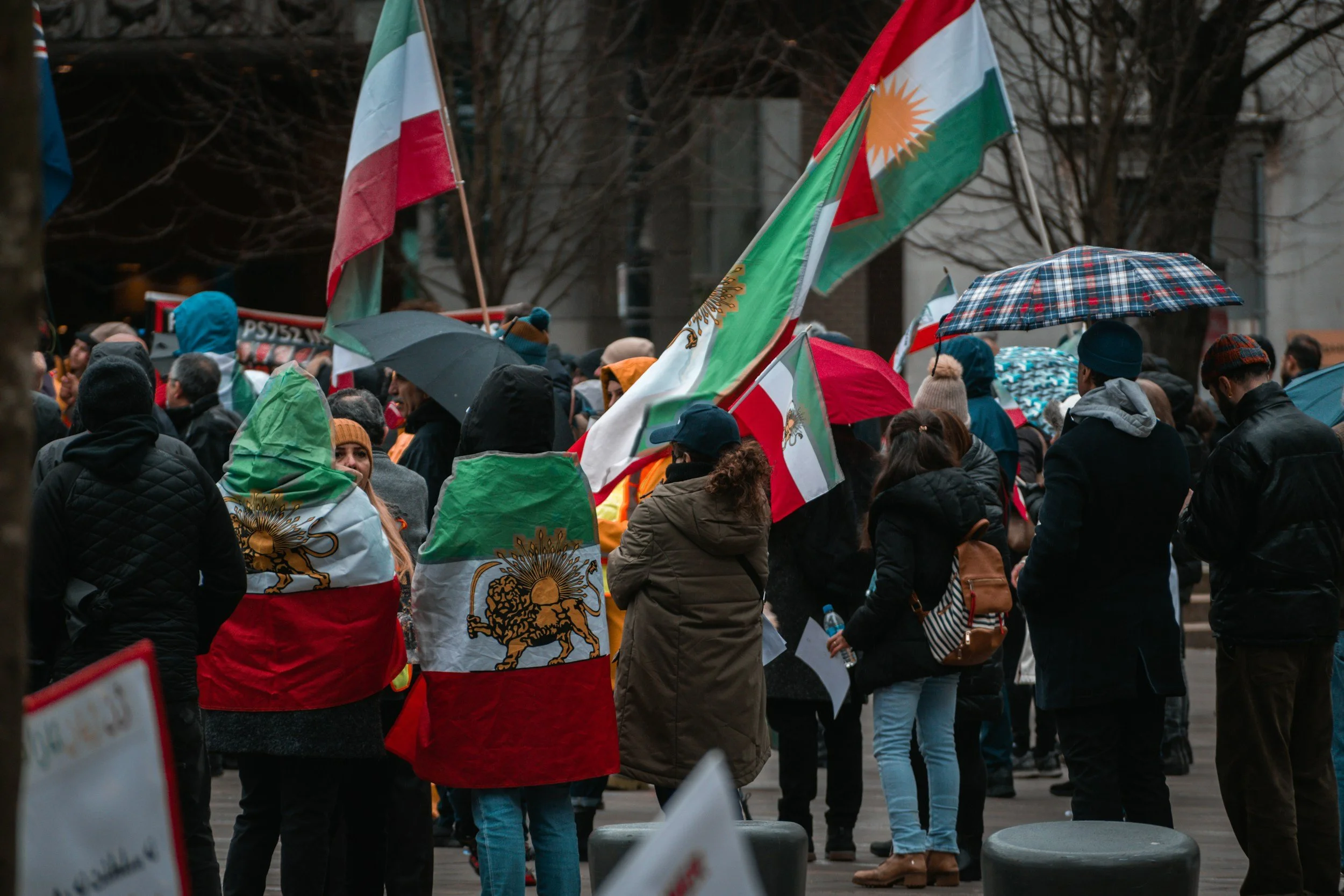
(OPINION) In their legitimate efforts to oppose tyranny, many Iranian Christians are dangerously mixing politics, nationalism and their Christian faith. Christian leaders present Crown Prince Reza Pahlavi as the best, or even the divinely appointed, option for Iran’s transition and churches are displaying the Iranian flag during worship services.

Read More
Bonfires And A Saint’s Day: How Europe Celebrates The Year’s Longest 24 Hours

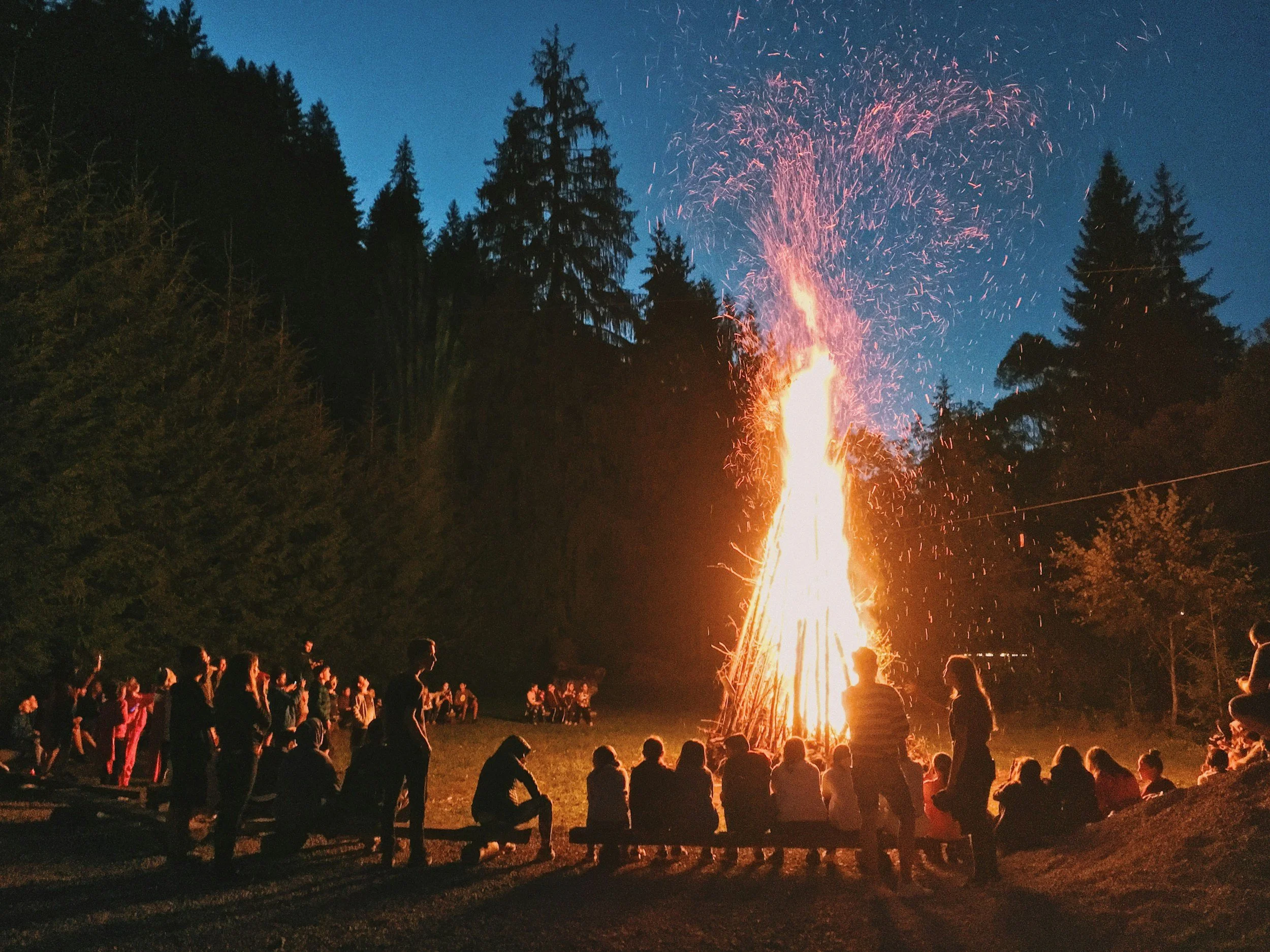
(ANALYSIS) Whether cities or villages, many communities across Europe spend the day and night of June 24 celebrating Midsummer. Congregating around bonfires, or sometimes maypoles, sporting handwoven wreaths of wildflowers or oak leaves, they’ll sing, jump, dance, eat, drink, catch up and celebrate the arrival of the longest day of the year.

Read More
How Evangelicals Helped Shape Indigenous Reconciliation In Canada

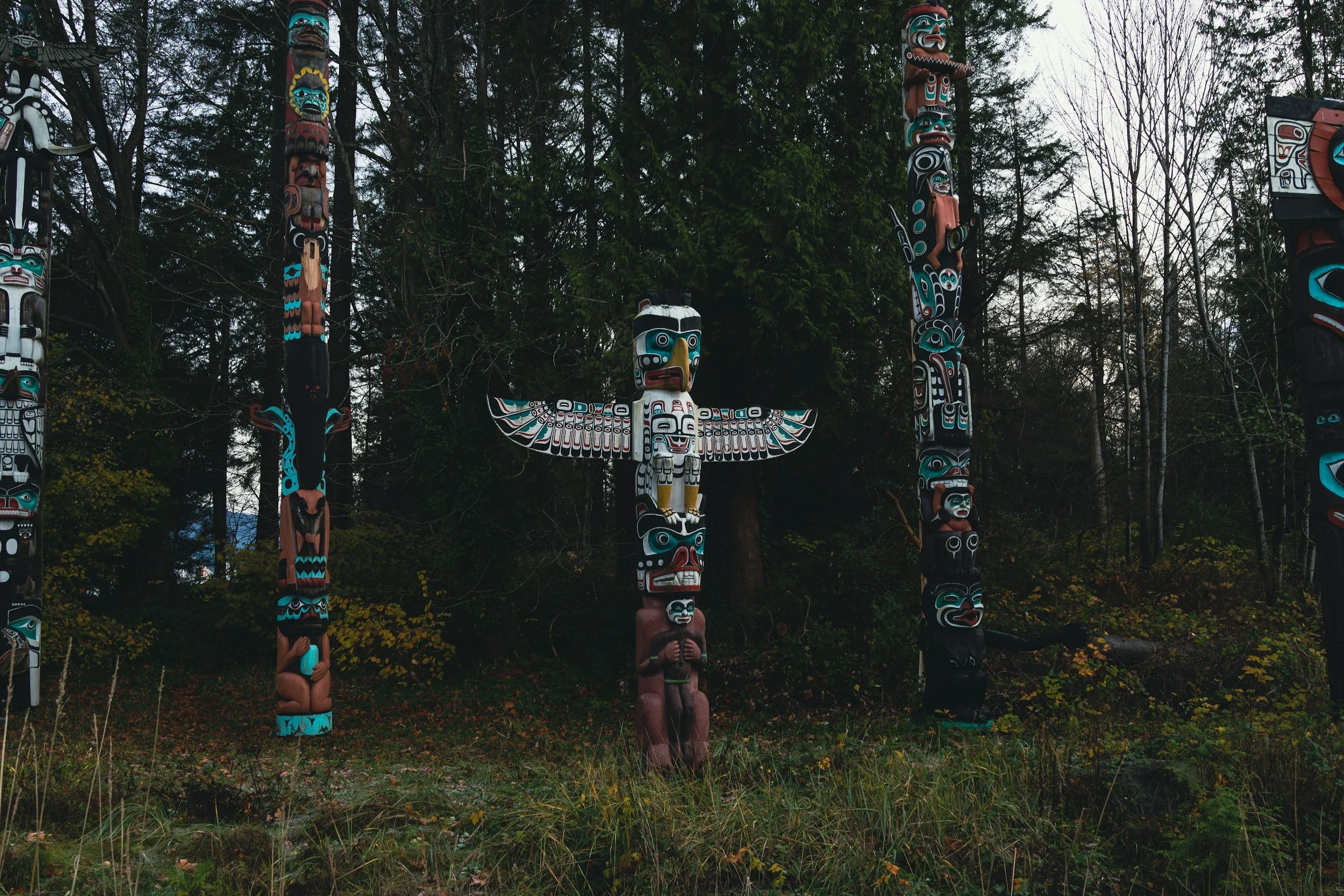
(ANALYSIS) As Canada marks National Indigenous Peoples Day, the often-overlooked partnership between evangelicals and Indigenous leaders deserves recognition. From Elijah Harper’s Sacred Assembly to ongoing reconciliation efforts, Canadian evangelicals have helped advance healing, Indigenous rights and renewed relationships between Indigenous and non-Indigenous peoples.

Read More
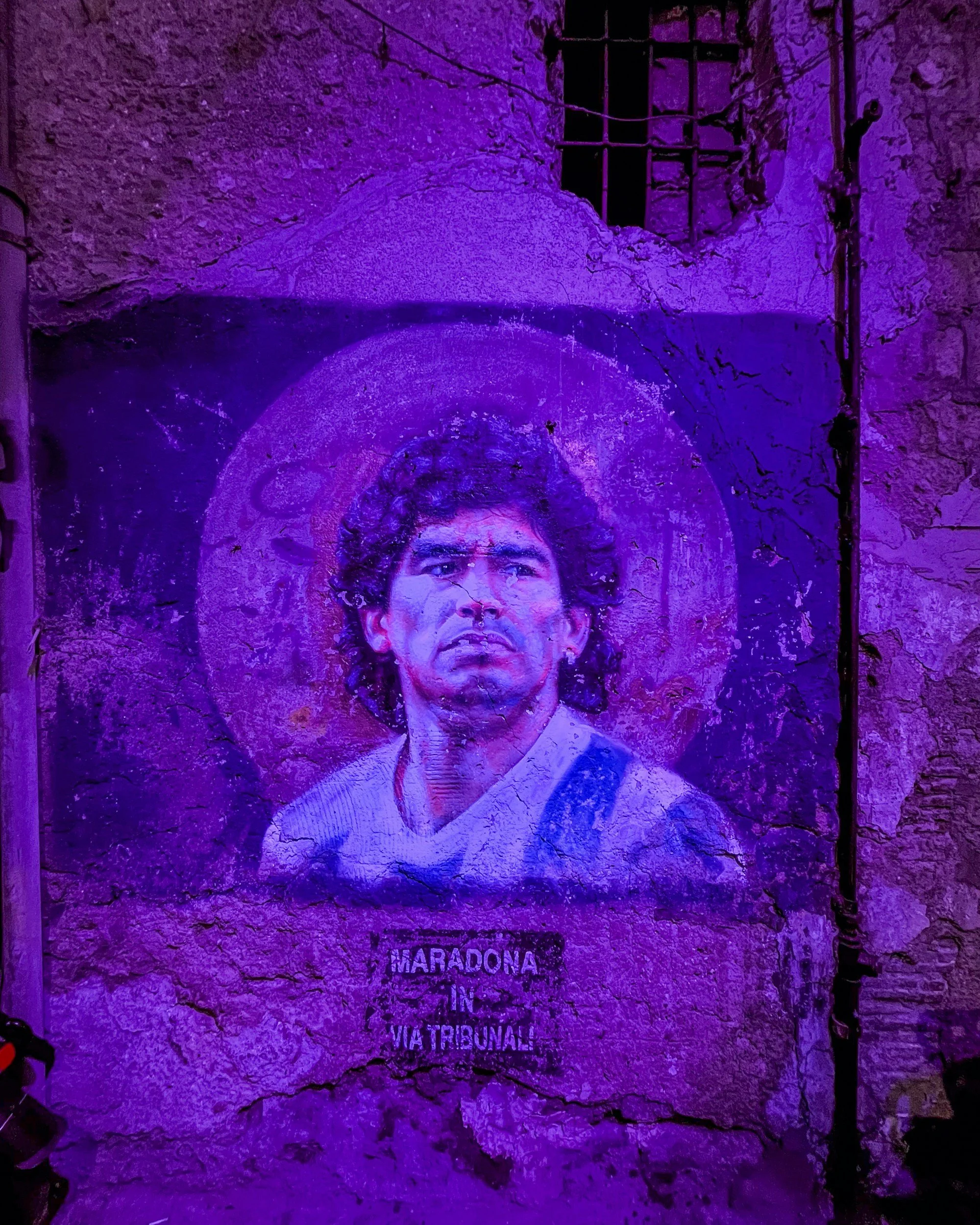
Maradona’s ‘Hand Of God’ Goal 40 Years Later: Should It Be Celebrated?

(ANALYSIS) Memorable goals are generally linked to the players who scored them. Few can be recalled without mention of the individual — or even the team — involved. Yet, two goals in one game 40 years ago have attained that status. One is known universally as the “Hand of God,” and the other is widely acknowledged as the “Goal of the Century.” Both were scored by Diego Maradona.

Read More