(ANALYSIS) The war in the Middle East is rapidly expanding across the Gulf countries, including Iran and Lebanon. The conflict has already targeted the region’s civilians, natural resources, tourist destinations and U.S. military bases. Some Muslim community leaders in the U.S. warn that people far from the conflict could experience backlash.
Read More(ANALYSIS) For millions of Iranians — especially religious minorities — the central political question is no longer simply whether the Islamic Republic can reform itself. After decades of repression, including the criminalization of peaceful religious expression and the systematic restriction of independent faith communities, the deeper question is what kind of political future could realistically secure freedom of religion or belief (FoRB) for all Iranians.
Read More(ANALYSIS) As the American and Israeli war with Iran unfolds, some American Christians are speaking of the conflict in biblical terms — mapping end-time prophecies on to current events in the Middle East. In a sermon on March 1, for example, John Hagee, founder of Christians United for Israel, described the war as part of a divine plan.
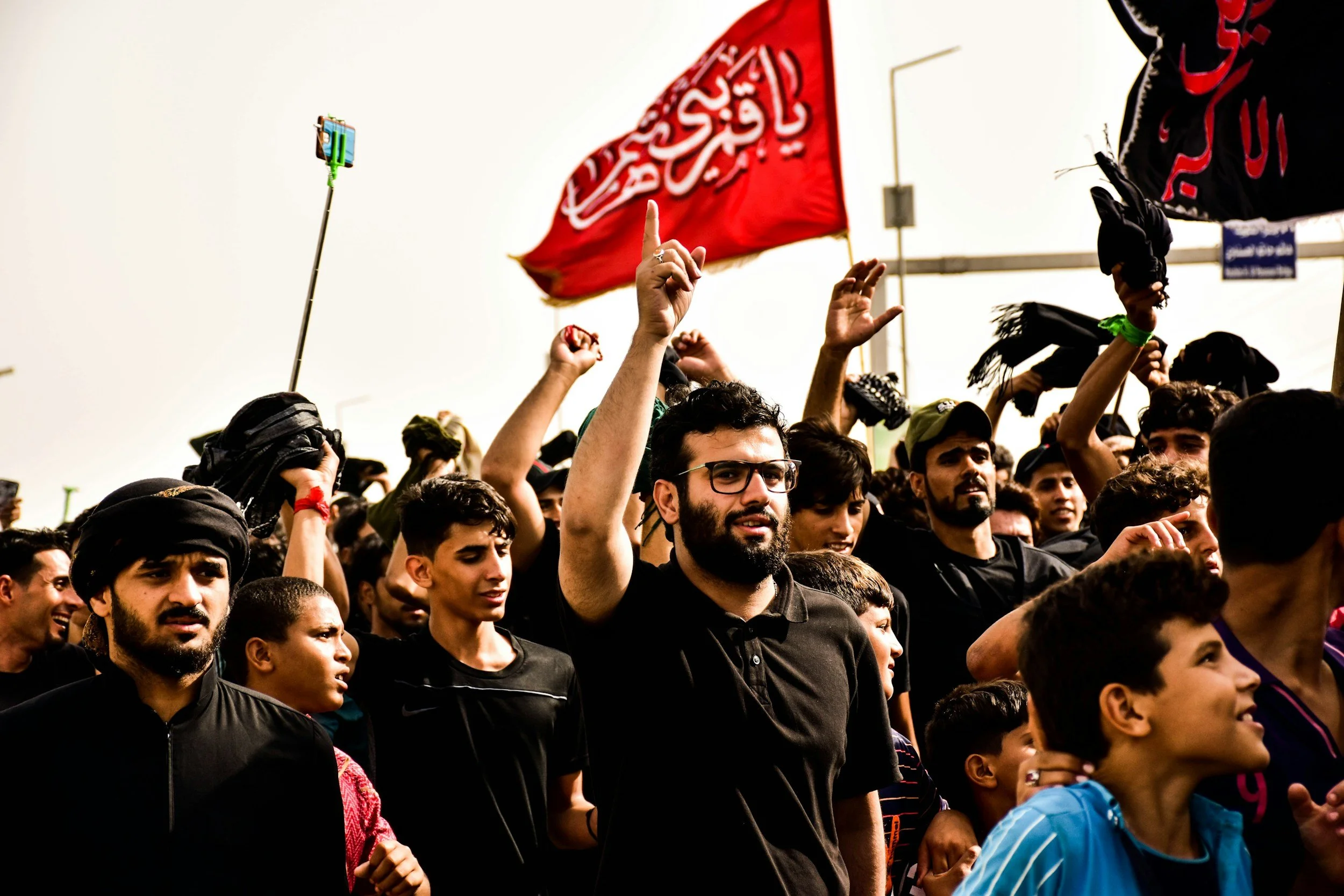
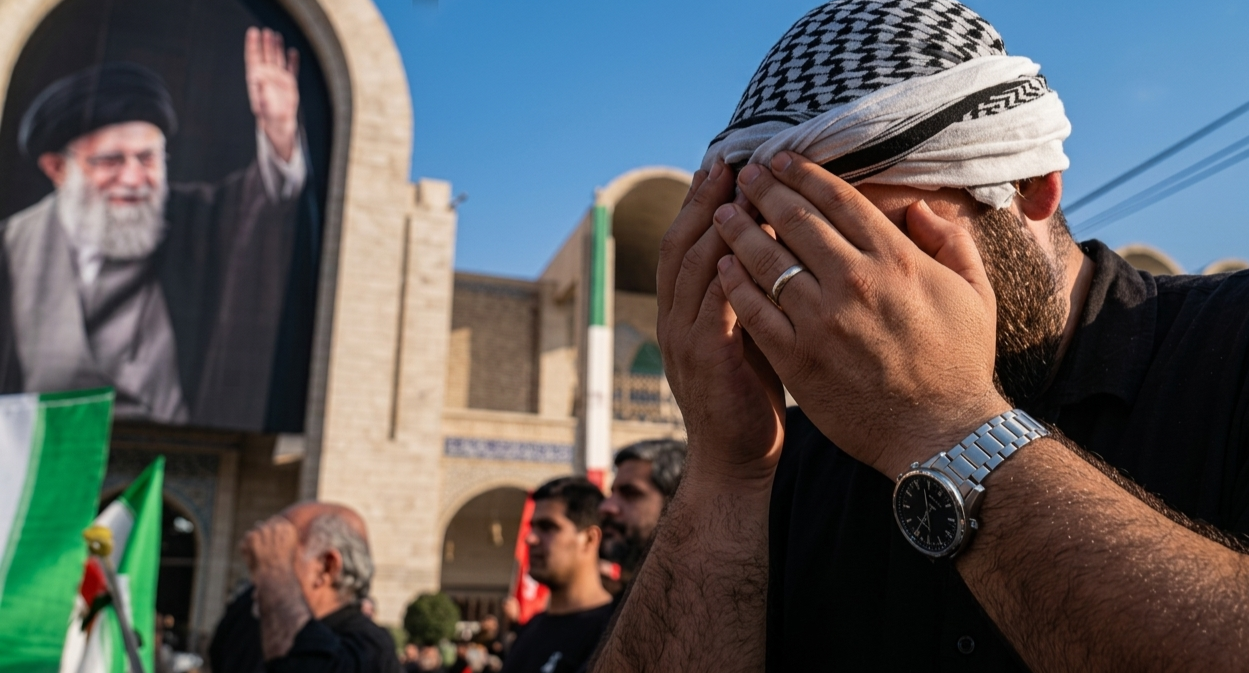
Read MoreAs you approach Iranian houses of worship, you’ll hear it: Locals striking their chests and rhythmically chanting laments to grieve the recent death of Supreme Leader Ali Khamenei’s death. Each movement carries a dual meaning — expressing both personal grief while signaling loyalty to both a religious leader and a totalitarian state.
Read More(ANALYSIS) The appointment of Mojtaba Khamenei as Iran’s new supreme leader on Sunday marks a pivotal moment for the country’s political and religious future — and for the religious minorities who have long lived under the constraints of the Islamic Republic’s theocratic government. As the war rages on, it remains to be seen what his elevation means for Iran and the region.
Read MoreIt’s a tough time for Christian farmer Jorge Sanchez. A U.S. blockade on oil shipments to this Caribbean island nation has spurred Cuba’s deepening humanitarian crisis.
Read MoreThe summit unfolded against a backdrop of escalating geopolitical tension, coinciding with U.S.-Israeli airstrikes on Iran that resulted in the death of Supreme Leader Ayatollah Ali Khamenei and the prospect of regime change in a country gripped by Shi’a rule for nearly 50 years. For many of the attendees who flew to Malta, regime change in Iran is the start of a new era.
Read More(ANALYSIS) Understanding this distinction can help get past oversimplified narratives. The Middle East’s conflicts are not simply ancient religious feuds. They are modern political struggles shaped by history, identity and political interests. Here’s what you need to know about Sunni and Shia Islam — and how it impacts Iran and the current situation there.
Read More(ANALYSIS) Three rounds of nuclear talks between the U.S. and Iran failed to persuade President Trump that a solution to the nuclear impasse lay in diplomacy, rather than military action. A perceived lack of progress on Feb 26, was enough to prompt Trump to green-light a massive onslaught of missiles that has degraded Iran and killed Ayatollah Ali Khamenei.
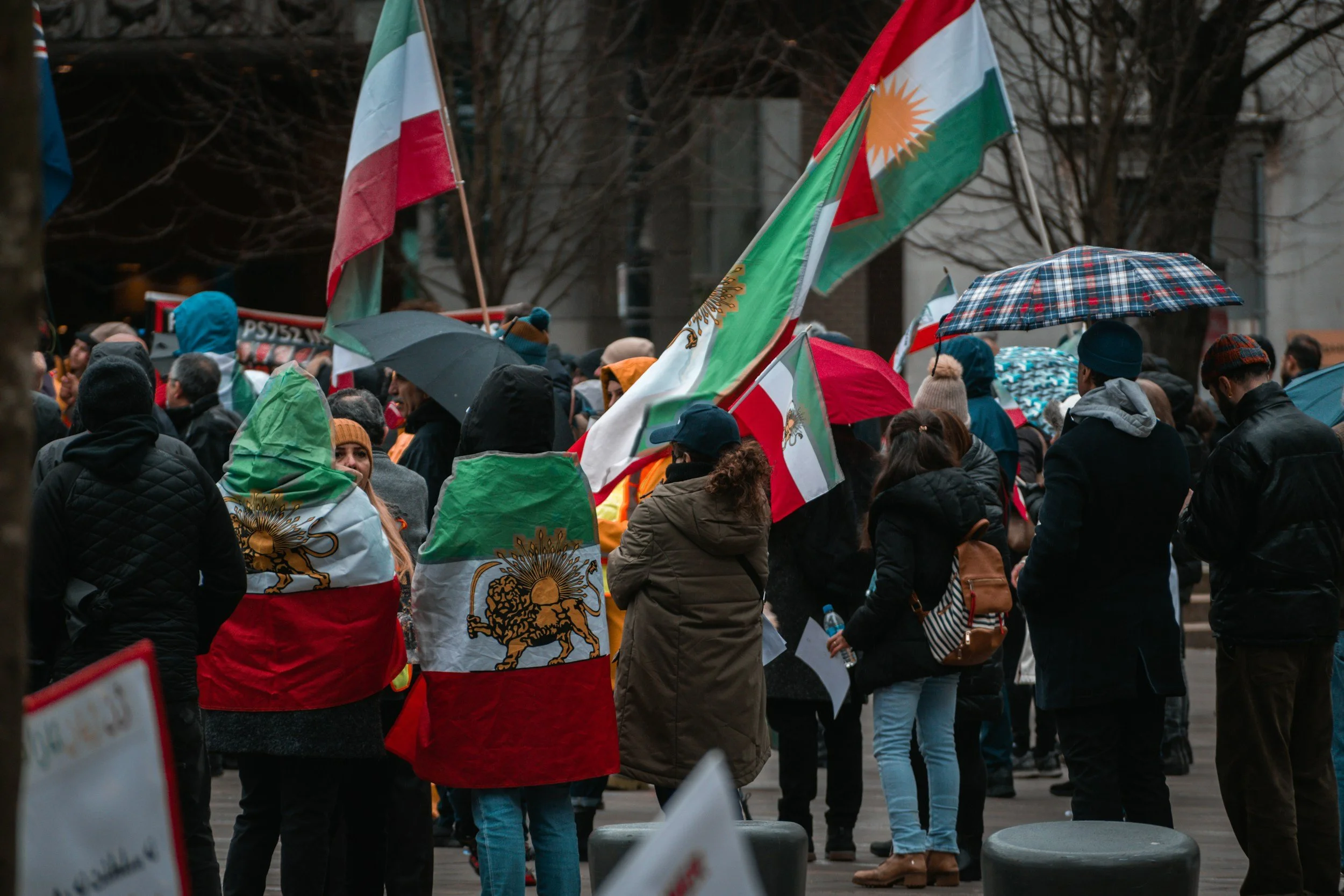
Read MoreWith a U.S.-Israel bombardment underway and President Donald Trump and Prime Minister Benjamin Netanyahu openly pressing for regime change, related questions now loom large: What are the Iranian people prepared for — and who, exactly, is positioned to lead them if the Islamic Republic falls?
Read MoreThe assassination — announced by President Trump hours after Saturday’s airstrikes — is expected to throw the Islamic Republic of Iran’s future into doubt and raises the prospect that the country’s theocratic government could be overthrown after nearly five decades. Trump said the airstrikes and Khamenei’s death is “the single greatest chance for the Iranian people to take back their country.”
Read MoreReligious minorities in Iran are facing more persecution, human rights watchdog organizations warned in a report released on Thursday. Some policy analysts said last year’s conflict with Israel and the U.S. may have pushed the regime to look for a “scapegoat” to blame — and found it in religious and ethnic minorities.
Read More(ANALYSIS) You’ve seen the headlines about Iran’s uprising, but there is a deeper story: Two-thirds of the nation’s mosques, 50,000 out of 75,000, have been closed due to declining worship attendance, according to a high-ranking cleric. What does that mean for Iran and for Islam?
Read More(OPINION) Days of protest across Iran left hundreds dead as authorities imposed an unprecedented internet blackout to suppress dissent. Social media nevertheless shaped mobilization, documentation and global awareness through diaspora networks and dissident media, revealing escalating demands for regime change through the use of technology.
Read MoreChristians are bringing light amid the evil, with many treating the wounded at homes to avoid certain arrest at hospitals. Christians are also taking food and water into crowds of protesters amid Iran’s humanitarian crisis. One Christian couple prepared 50 sandwiches, put them in their backpacks along with bottles of water and distributed the food to protesters.
Read More(ANALYSIS) Iran’s leaders warned the United States and Israel of retaliation as nationwide protests challenged the Islamic Republic’s theocracy. Facing mounting deaths and unrest, Iranian officials framed dissent as foreign-backed chaos, tightened repression and escalated external threats, revealing a regime prioritizing clerical survival over popular consent.
Read MoreIn 2006, I was able to travel to Israel for the first time. Even as a child, I had learned from my father about the spiritual legacy of the Jewish people, the land God had given them, and how He had protected them. And, best of all, during that amazing year, I was able to set foot on the land myself. There I began to meet and come to know Israelis as friends and allies, and to see with my own eyes the biblical heritage I had inherited as a Christian believer.
Read More(ANALYSIS) International lawyers from a U.K.-based Doughty Street Chambers and Howard Kennedy raised the dire situation of Iranian journalists globally, with several of them being subjected to serious threats. According to their statement, over the past six weeks, Iranian authorities have intimidated and threatened 45 journalists and 315 of their family members.
Read MoreActivist Hooman Khalili hopes to inspire Iranian women to resist abuse and terrorism through murals displayed on college campuses across the United States. The murals, he said, are meant to spark civil discourse — especially among students — and draw attention to the fight for human rights in Iran at a time when all the focus is on Gaza and Ukraine.
Read MoreIran is increasingly persecuting Christians under its ceasefire with Israel, arresting at least 21 believers, raiding house churches and promoting incendiary propaganda, according to religious freedom advocate Article 18.
Read More