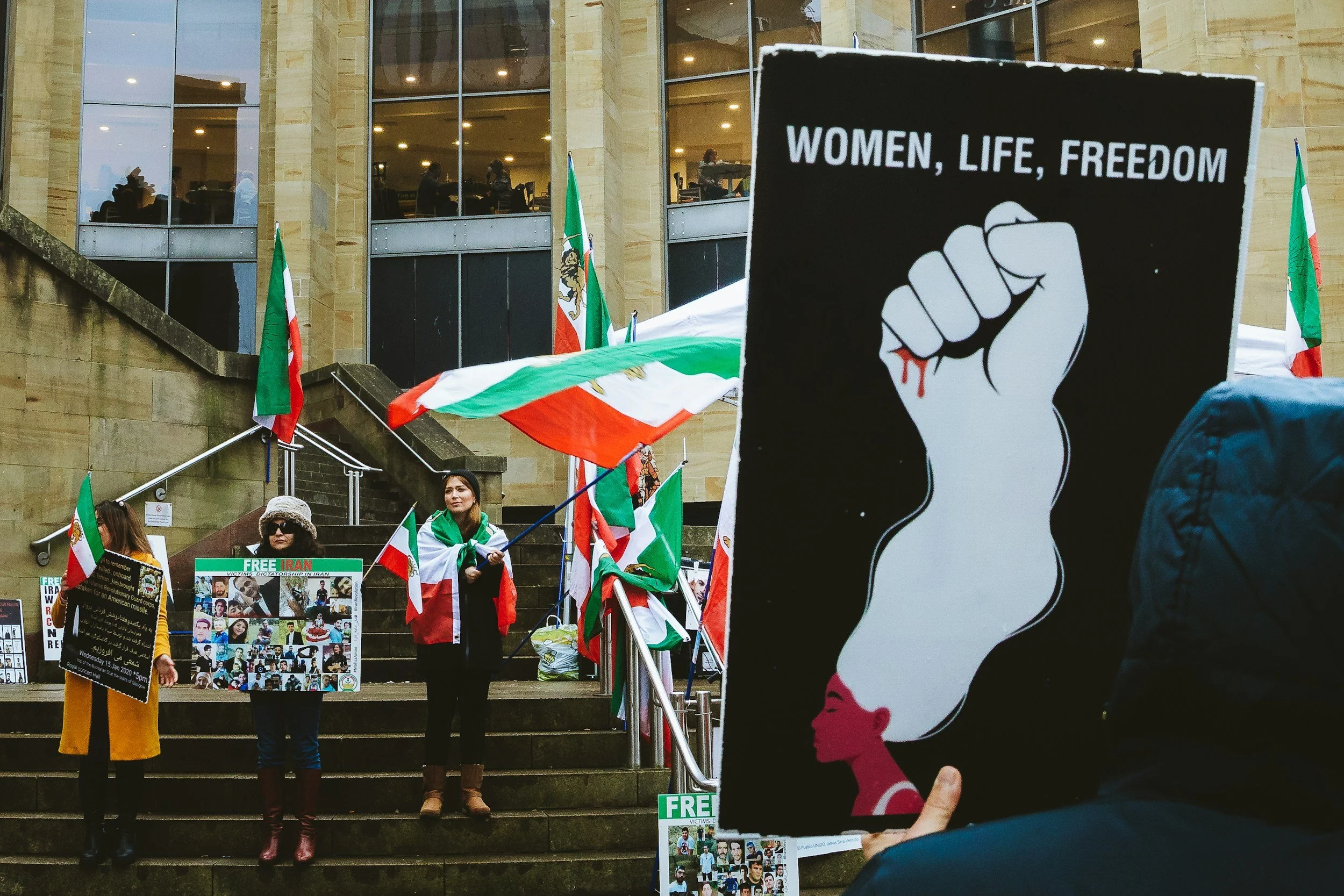
These prisoners are not only eyewitnesses to what happened inside Iran’s prisons. They are also earwitnesses: people whose knowledge of imprisonment comes partly through what they heard when they could not see.
Read More
These prisoners are not only eyewitnesses to what happened inside Iran’s prisons. They are also earwitnesses: people whose knowledge of imprisonment comes partly through what they heard when they could not see.
Read MoreDozens of Christians connected to Iran Alive Ministries have been killed and hundreds arrested amid escalating persecution in Iran, ministry leaders report. Despite imprisonment, surveillance and criminalization of Christian broadcasts, the underground church continues growing, with thousands reportedly converting to Christianity and imprisoned believers sharing the Gospel.
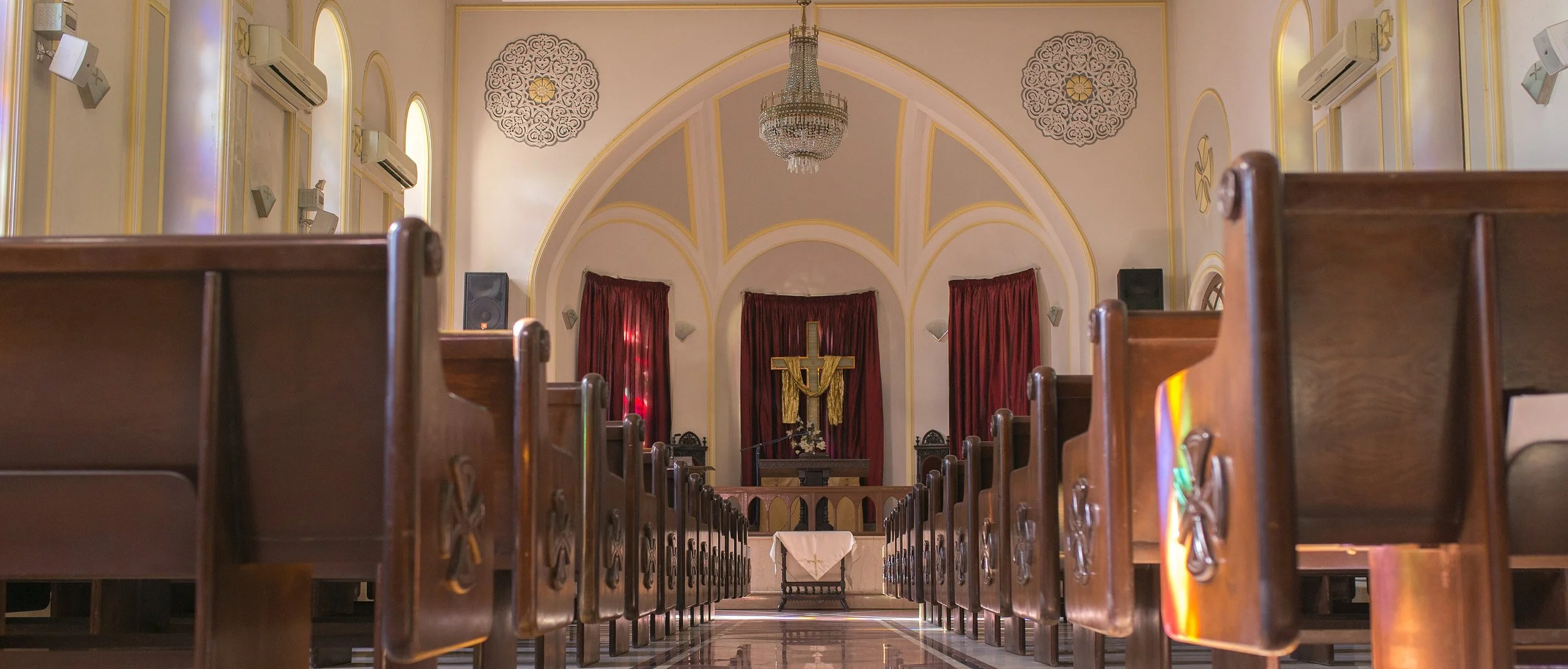
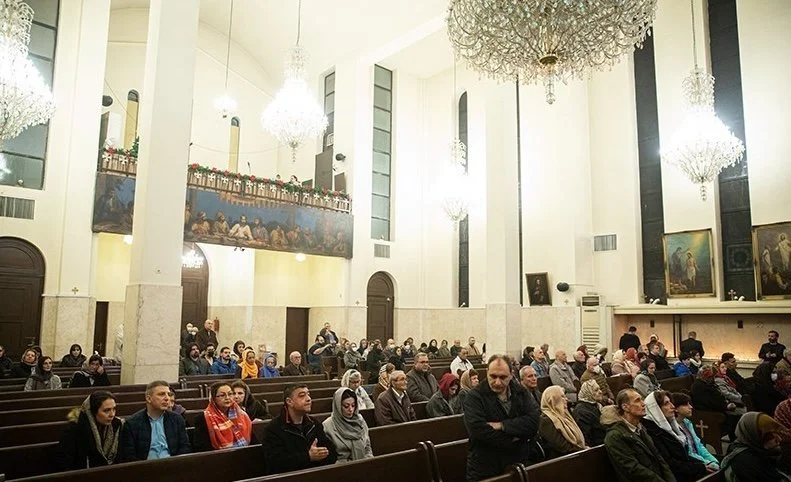
Read More(ANALYSIS) (ANALYSIS) The Iranian government seized control of the historic St. Peter Evangelical Church earlier this month in Tehran, despite repeated warnings from U.N. human rights experts and international Christian organizations, revealing a broader pattern of violence against religious minorities in Iran.
Read More(OPINION) The problem is not that Christians care about justice or participate in public life. The problem arises when Christianity becomes a vehicle for advancing political agendas.
Read More(ANALYSIS) For Iran’s Baha’i community, the country’s latest political upheaval has revived a painful historical pattern: Whenever the Islamic Republic faces existential pressure, one of its first responses is to intensify its campaign against vulnerable religious minorities. The case of Peyvand Naimi and his cousin Borna Naimi illustrates this dynamic.
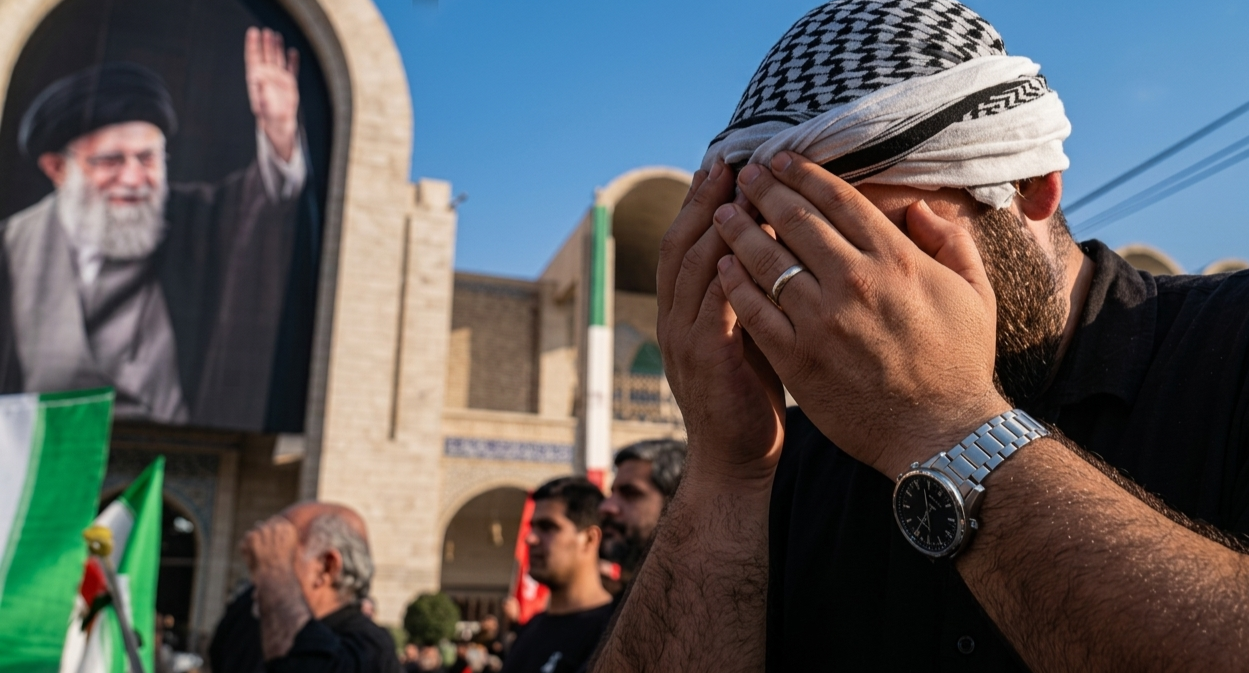
Read MoreAyatollah Ali Khamenei’s funeral is unlike any other in the history of Iran’s Islamic Republic and the wider Middle East. The country’s longtime supreme leader was killed four months ago in U.S.-Israeli strikes, but his burial has been delayed until now, making the ceremony a rare departure from Islamic tradition.
Read MoreThere’s that question again: How can mainstream media cover this story? Do elite journalists want to cover it? Is it cynical to thinkthat this story could, finally, end up on the front page of The New York Times if, and only if, it can be framed as yet another failure linked to Orange Man Bad?
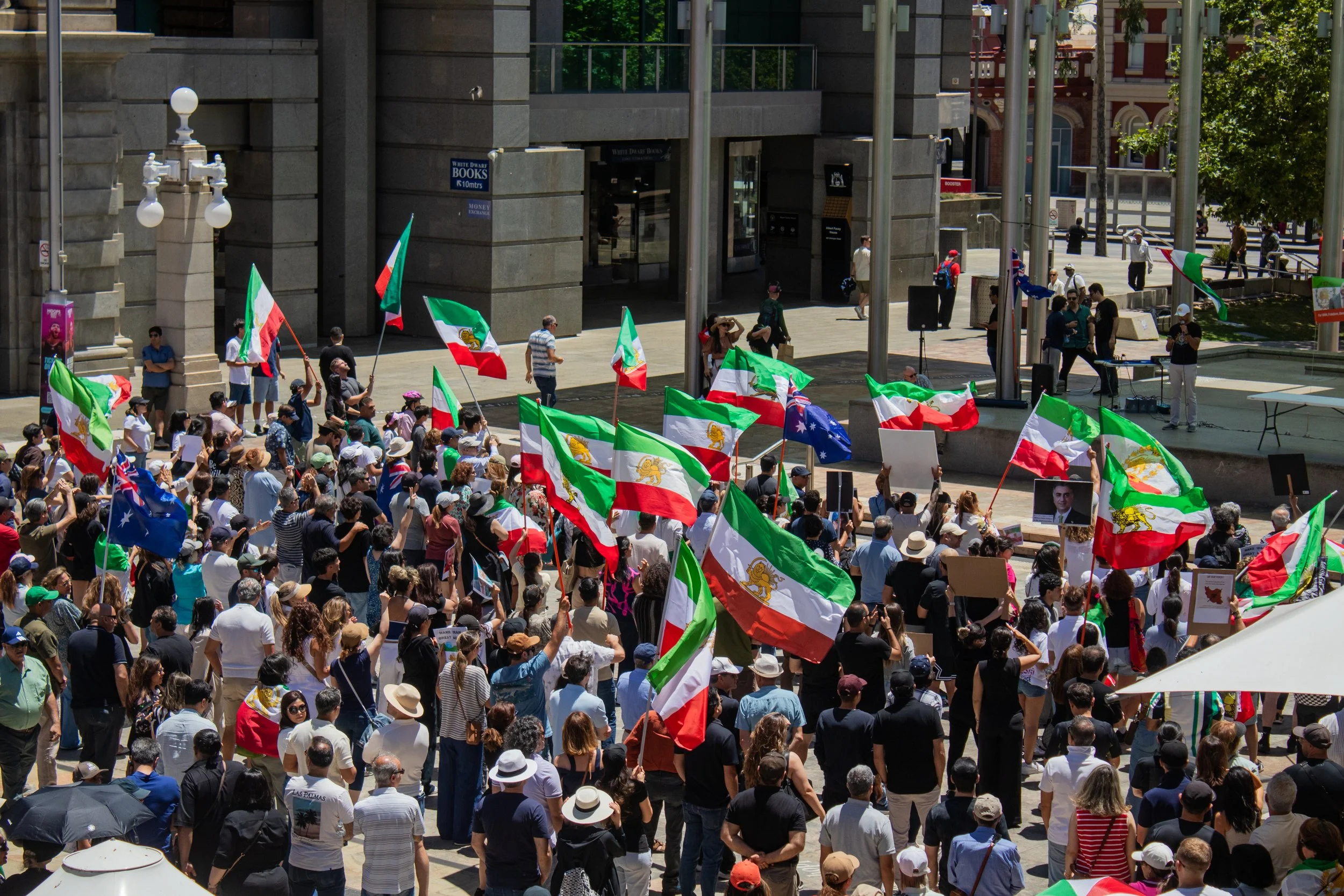
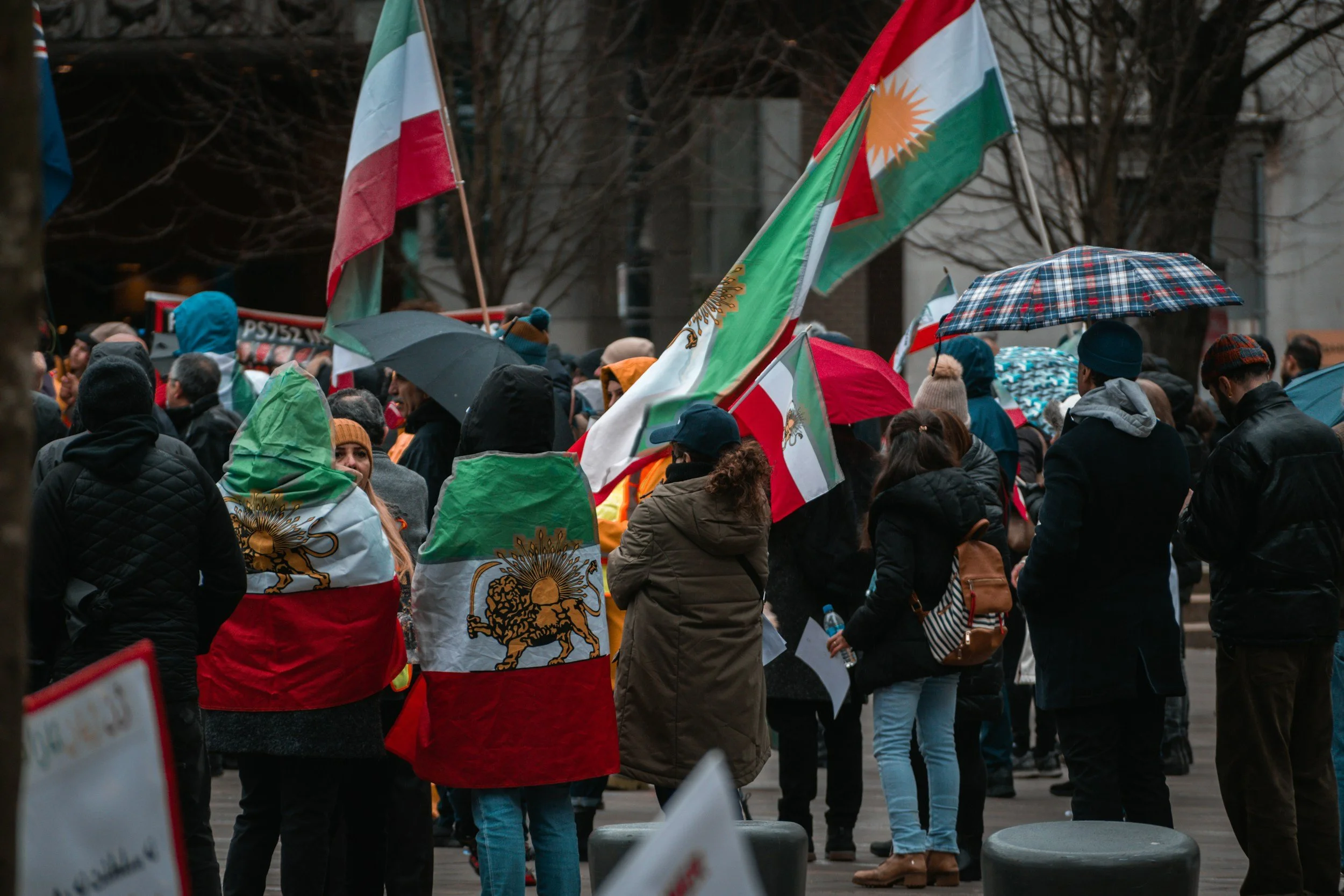
Read More(OPINION) In their legitimate efforts to oppose tyranny, many Iranian Christians are dangerously mixing politics, nationalism and their Christian faith. Christian leaders present Crown Prince Reza Pahlavi as the best, or even the divinely appointed, option for Iran’s transition and churches are displaying the Iranian flag during worship services.
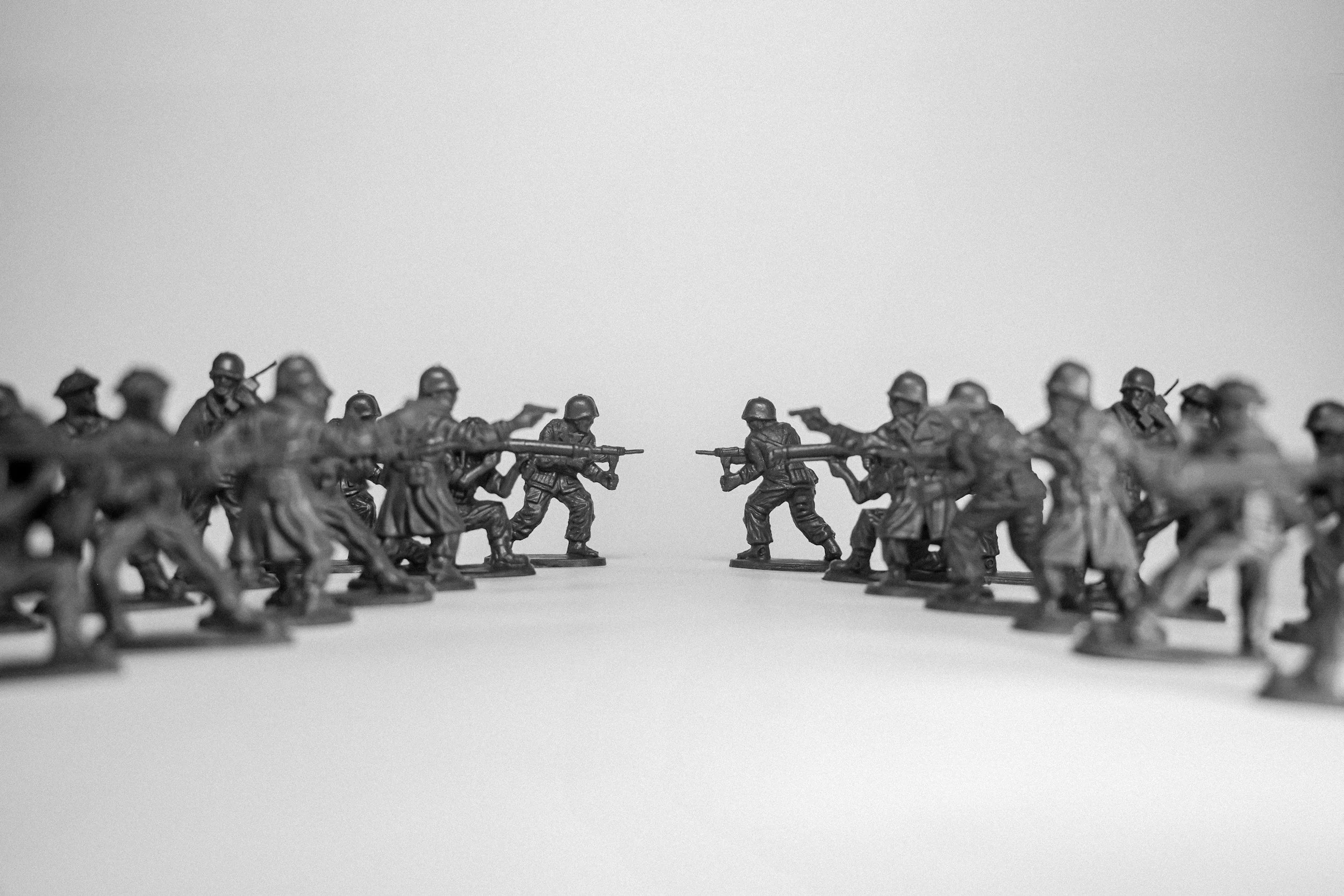
Read MoreThe Iran war has triggered several instances of unity among Sunnis and Shiites — two major Muslim groups that have historically been at odds. Young people lead the displays of solidarity, finding a common cause in the wake of Ayatollah Ali Khamenei’s assassination.
Read MoreThe multicultural excitement around soccer’s World Cup feels palpable in host cities across the nation and a recent survey shows that most Americans want the U.S. to be multicultural. But the celebrations at MetLife Stadium in New Jersey stand in stark contrast with the alleged inhumane conditions at the ICE facility just a few miles away.
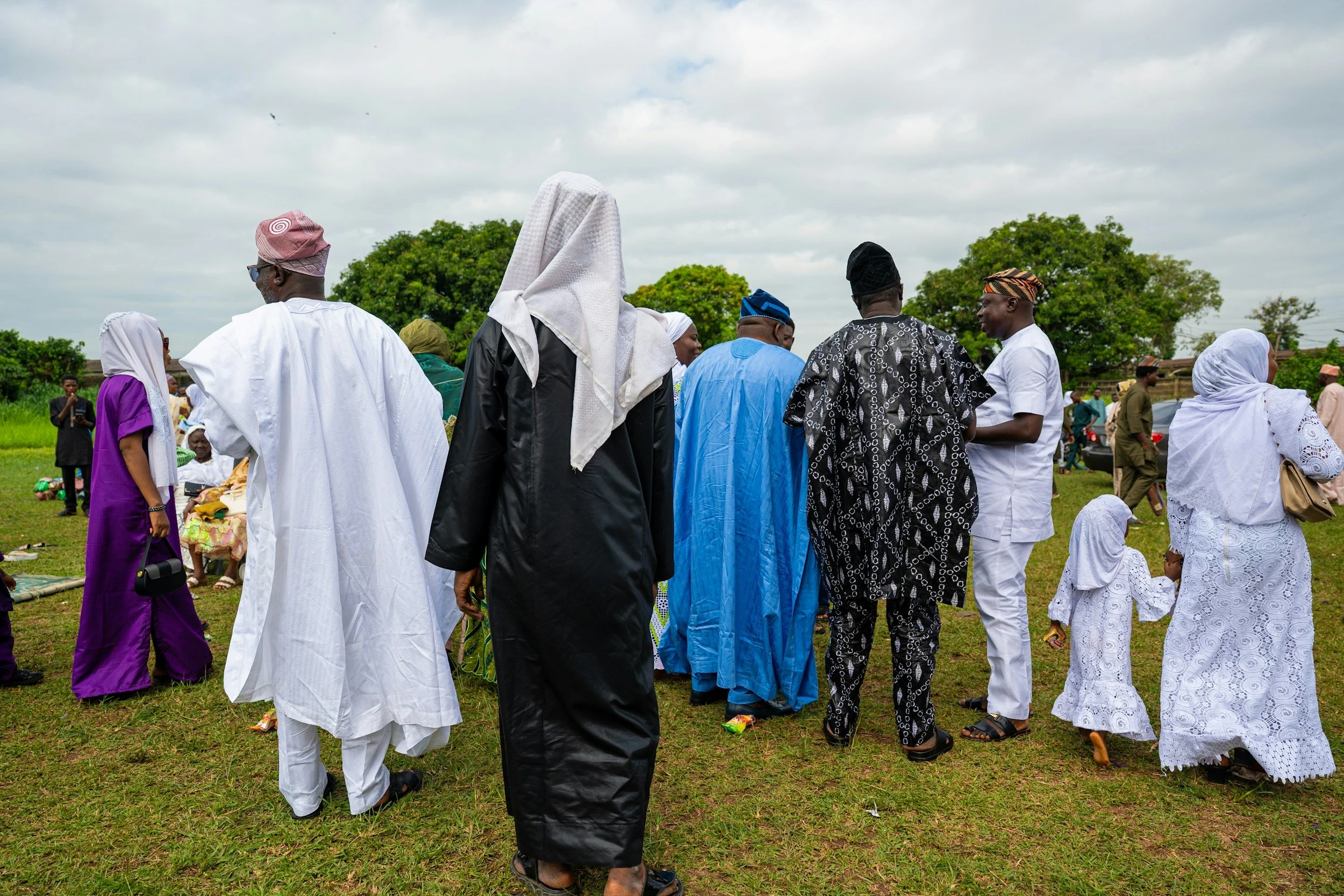
Read MoreFollowing Ayatollah Ali Khamenei's death in a US-Israeli strike and the renewed Israel-Iran conflict, Nigeria's Islamic Movement mobilized nationwide protests, reflecting deep ideological and spiritual ties to Iran while raising concerns among authorities about security, sectarian tensions and regional stability.
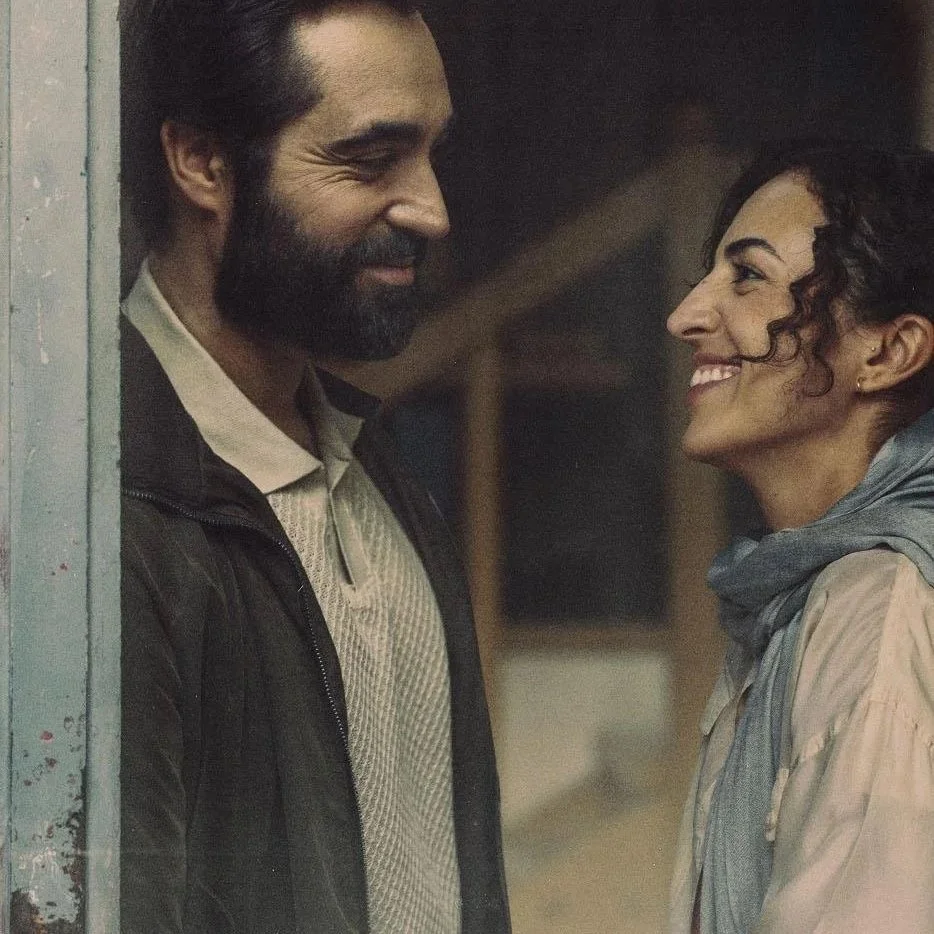
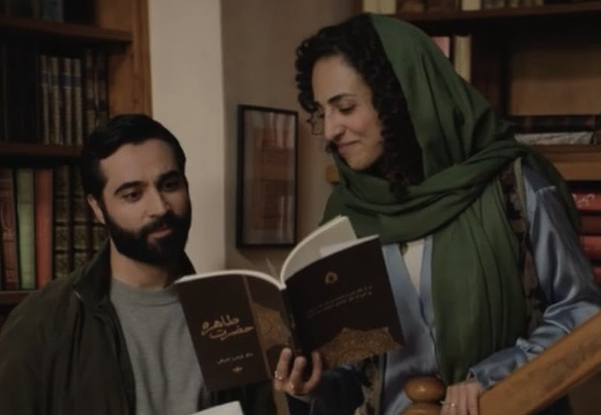
Read MoreJoseph Holmes speaks with the director of “Cast Aside The Clouds” about why she wanted to make a film about a Bahá'í/Muslim love story, her own journey with the Bahá’í faith, and the unity and conversations she hopes will come about as a result of its release.
Read More(REVIEW) A “Romeo and Juliet” style love story, “Cast Aside The Clouds” that protests how religious intolerance — such as the kind regularly levied against the Baháʼí people in Iran — threatens love by targeting innocent people for oppression.
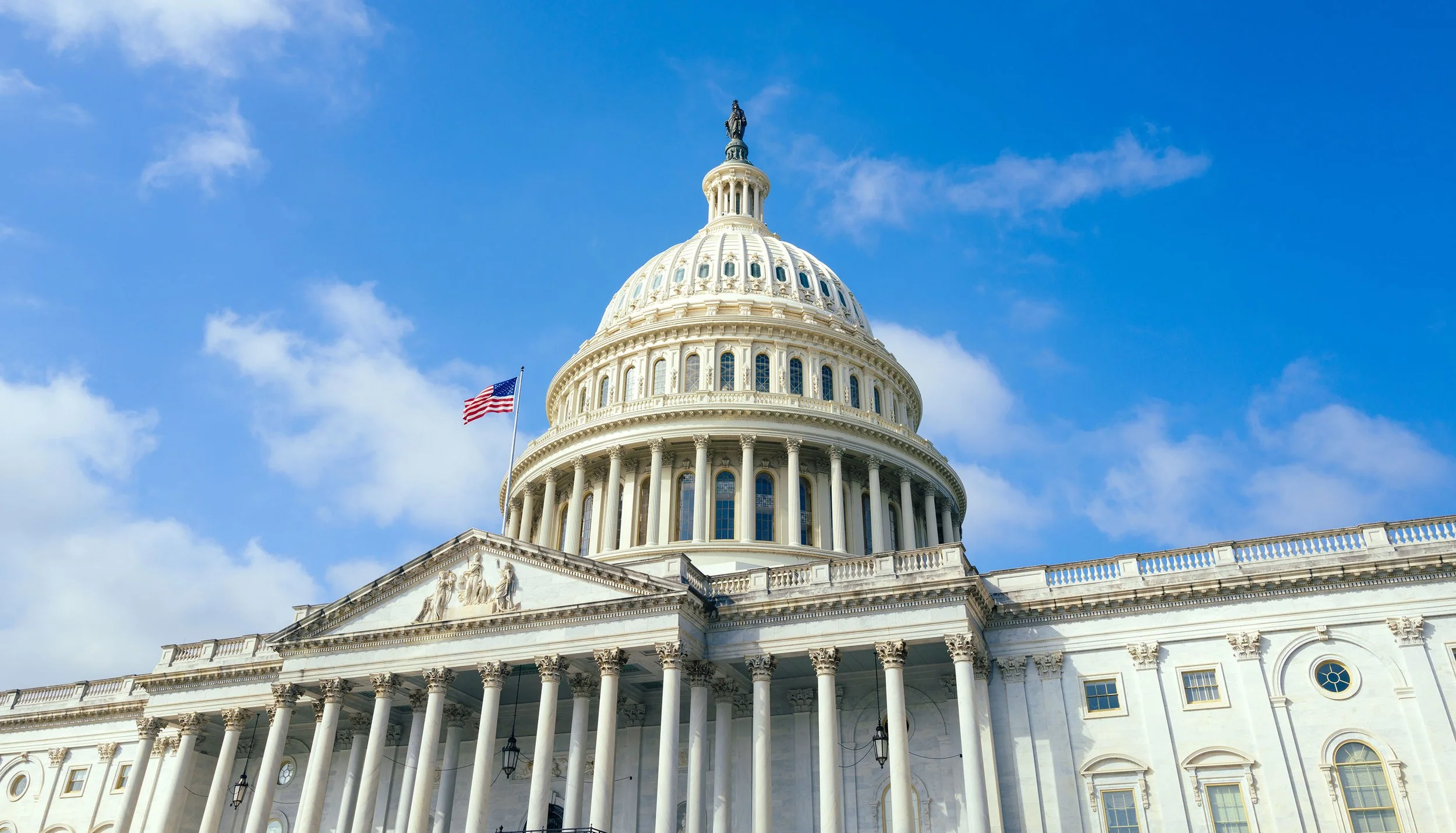
Read MoreJackson Lahmeyer and Frederick D. Haynes III couldn’t be any more different politically. But both are pastors. Both are running for Congress. And both could win in November.
Read More(ANALYSIS) Liberal democracies promise freedom and prosperity, yet they often struggle to answer a deeper question: What is this freedom for? When shared narratives and moral horizons fade, individuals may experience fragmentation and a loss of meaning. Politics shrinks into technocratic management.
Read More(ANALYSIS) The United States is on the verge of being burned again for not seeing the importance of religious belief driving human behavior in global conflicts. The Islamic Revolutionary Guard Corps is not defending Iran as a state but its version of Islam as a global religion.
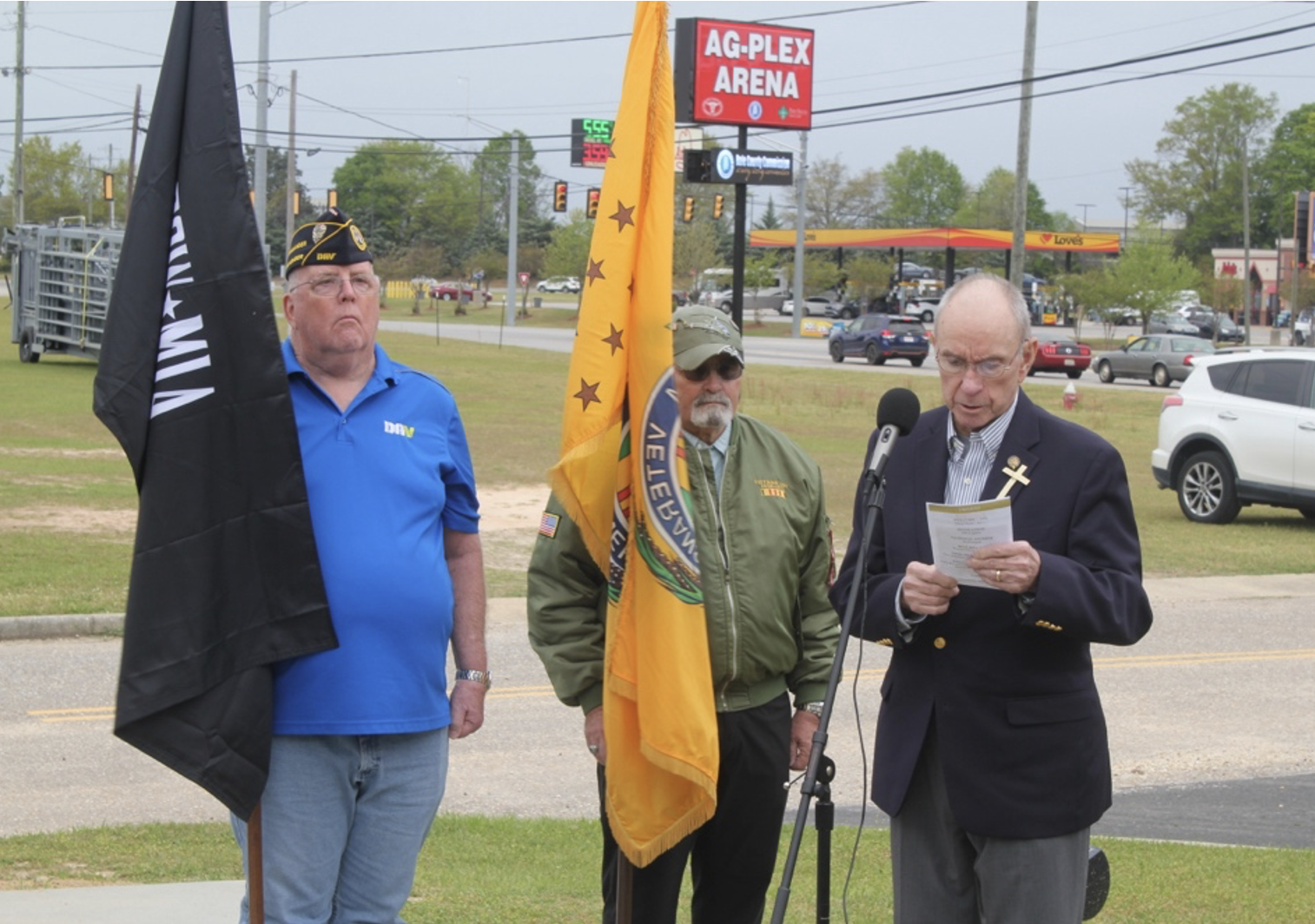
Read MoreAn Alabama town honors Vietnam veterans during a memorial ceremony, reflecting deep ties between faith and military life in this part of the country. Residents and leaders have increasingly used Christian rhetoric to frame U.S. military actions in the Middle East, drawing both support and criticism over religion’s role in government and war.
Read More(ANALYSIS) Muslim Americans can often feel helpless in combating the hate they experience – more awareness and advocacy could reduce Islamophobia and address the mental health needs of an already vulnerable community. As the war with Iran continues, these issues will continue to persist among America’s Muslim community.
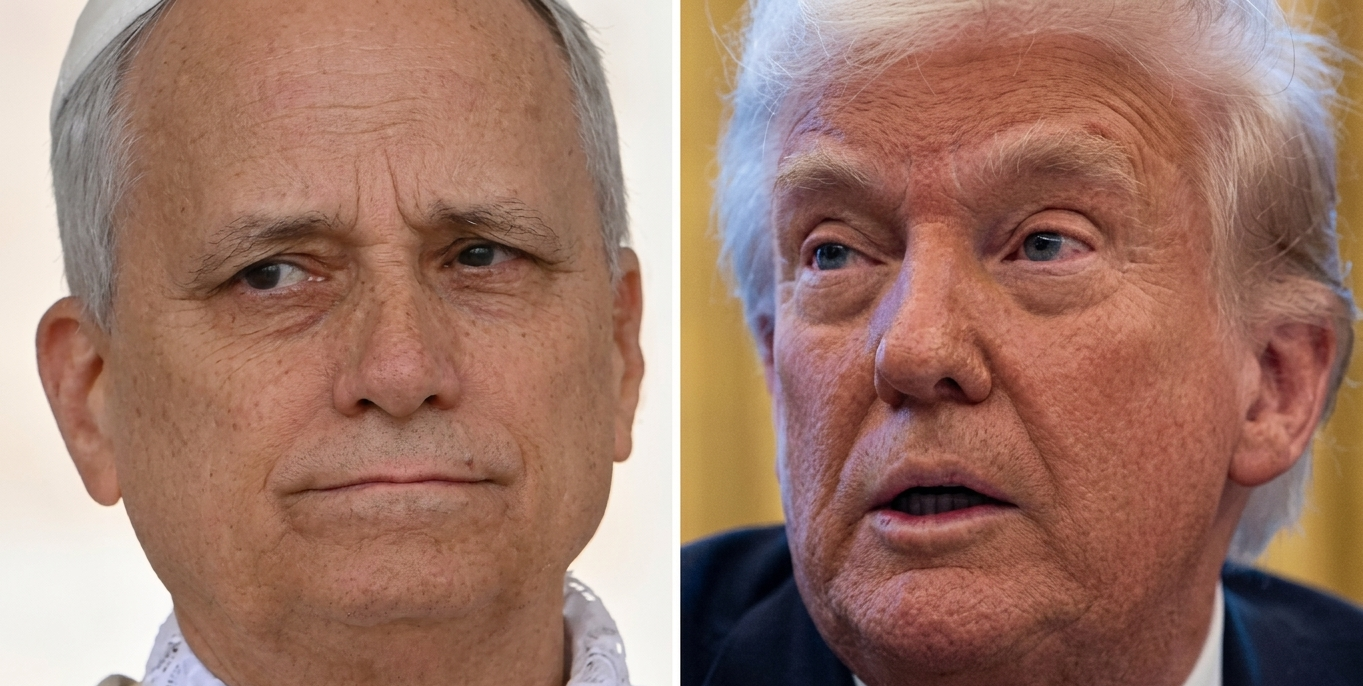
Read More(ANALYSIS) American religion has rarely, if ever, seen anything quite like these past weeks. Start with President Donald Trump’s profane Easter Sunday message to Iran. Making matters worse, the president then took on Pope Leo, saying the pontiff is a “very liberal person” who is “weak on crime” and “terrible on foreign policy.”
Read More(ANALYSIS) For two decades, Christian television channels produced in the United States and Europe have made their way into Iranian homes. Some of this programming echoes apocalyptic ideas from American figures promoting the war, drawing on scriptural interpretations long present in evangelical teachings.
Read More