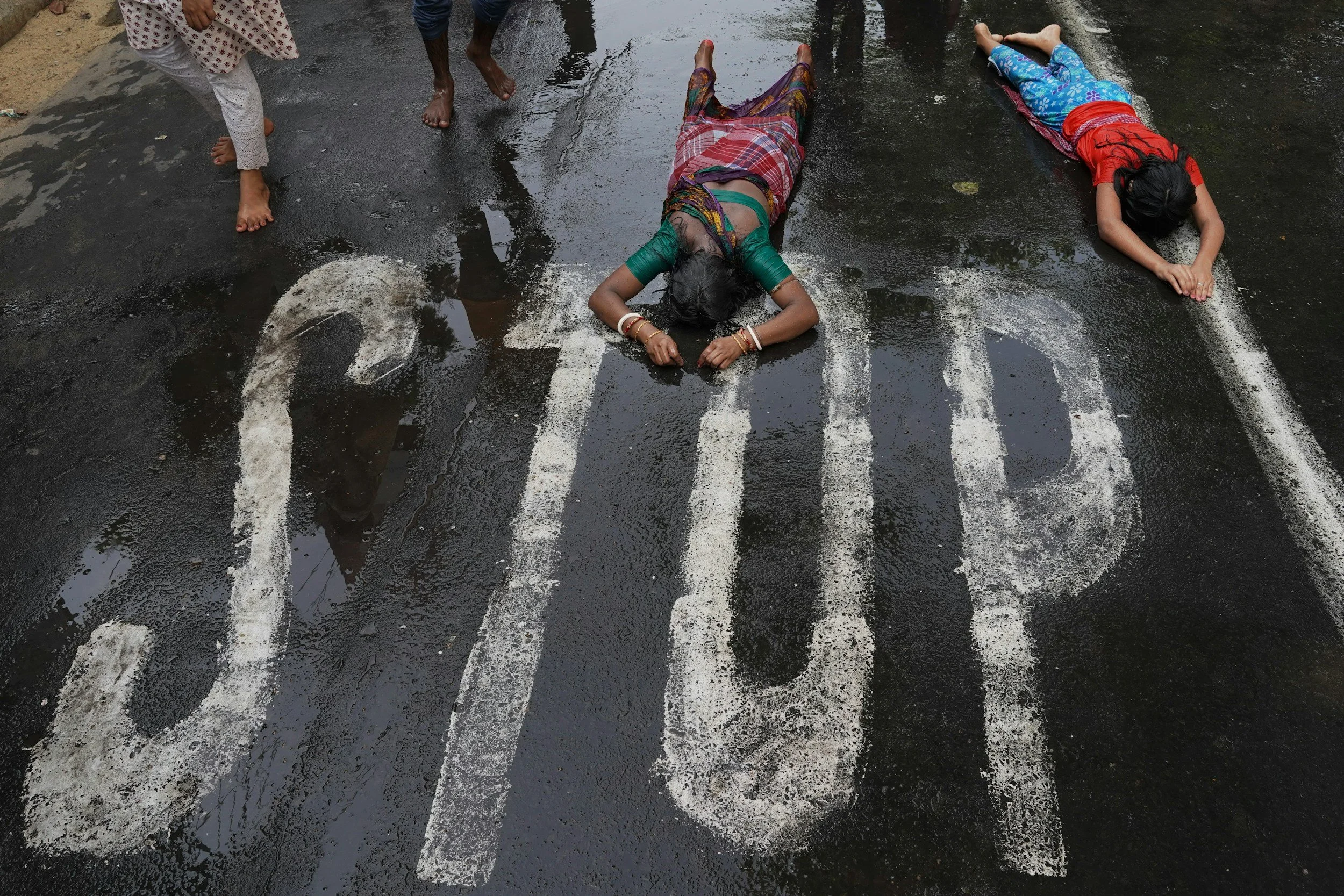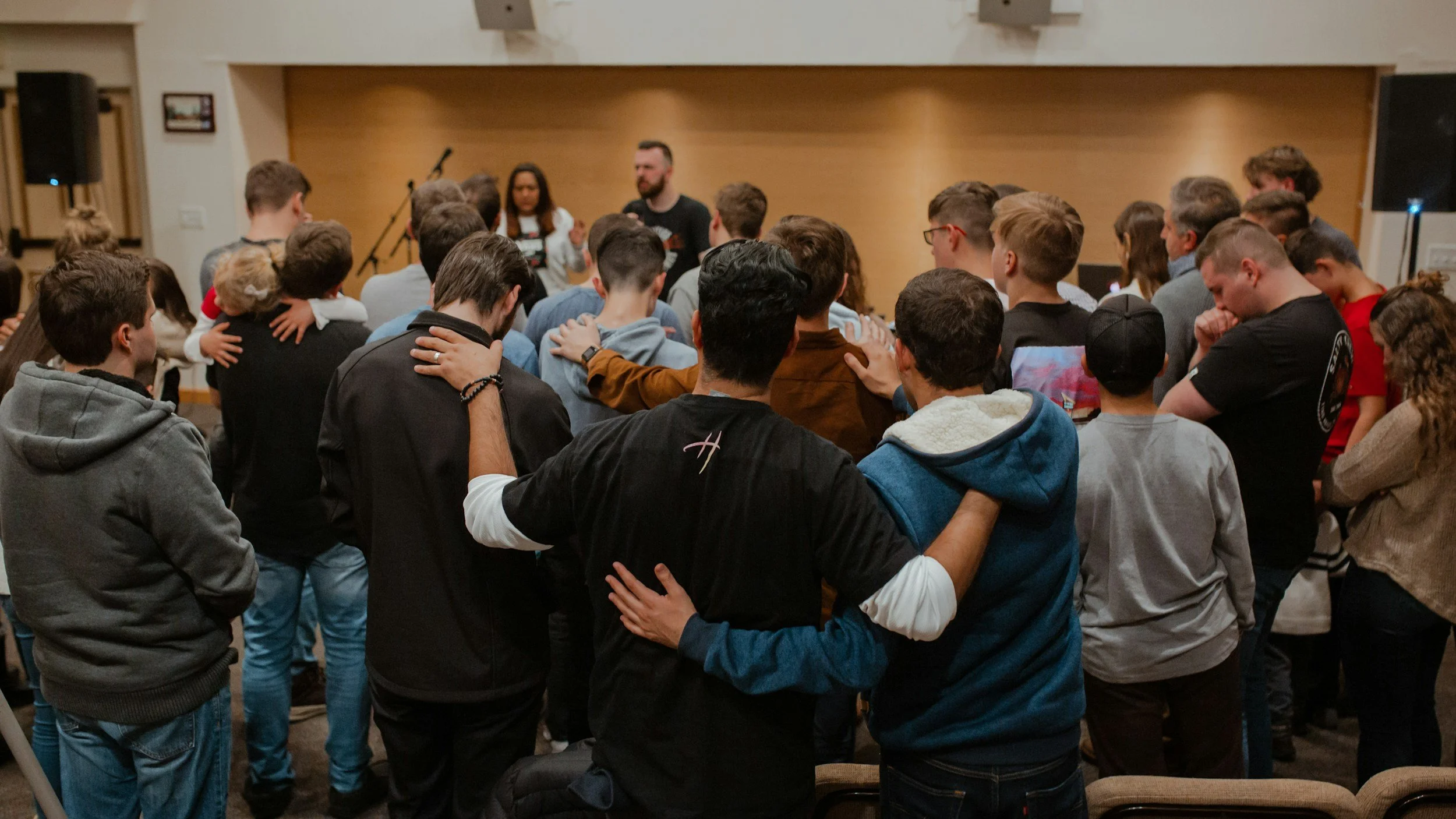
(ANALYSIS) In theory, many Christians support pacifism or non-violent resistance, but for Iranian Christians, those theories are challenged by the harsh realities of a hellish regime and an ongoing war. This question of ‘just war’ has a long history, going back to the first centuries of the church.
Read MoreMoody Bible Institute will be allowed to participate in Chicago Public Schools’ student teaching program after the college alleged religious freedom violations in being excluded. Chicago Public Schools (CPS) first said Moody couldn’t participate in the student-teacher internship unless the institute abandoned its religious-based hiring practices, but agreed to drop the requirement after Moody filed a federal lawsuit.
Read More(ANALYSIS) As the United States marks the 250th anniversary of the Declaration of Independence, debates about religious freedom continue to occupy the center of American public life.
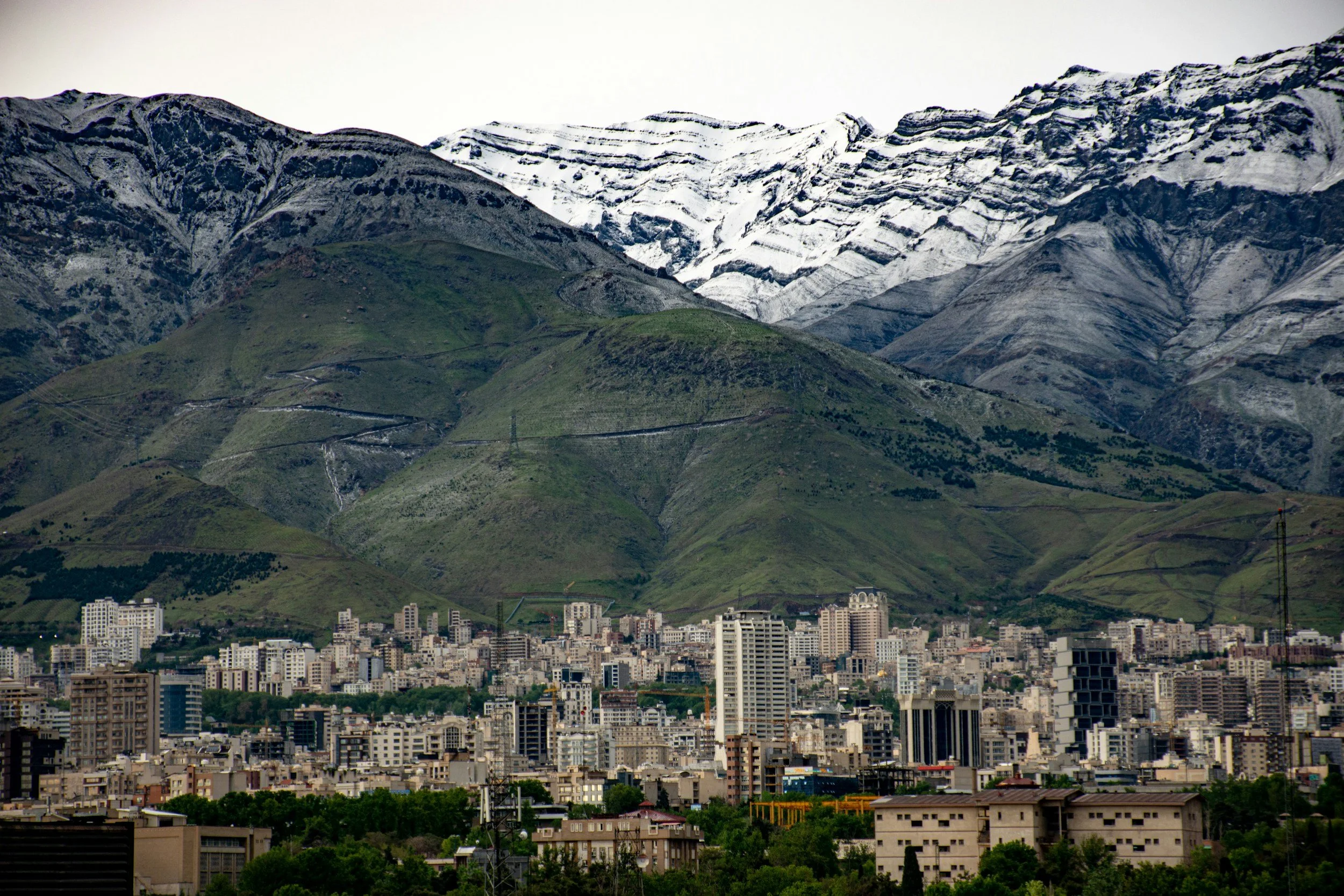
Read More(ANALYSIS) For millions of Iranians — especially religious minorities — the central political question is no longer simply whether the Islamic Republic can reform itself. After decades of repression, including the criminalization of peaceful religious expression and the systematic restriction of independent faith communities, the deeper question is what kind of political future could realistically secure freedom of religion or belief (FoRB) for all Iranians.
Read MoreEvery morning begins the same for Paul Ridlon, who also goes by Magnus de Rhuddlan. No matter the weather, he steps out of the round yurt where he lives in Portland, Maine, and lights incense at his southern altar, a tree stump topped with two crane statues and a figurine of the Egyptian god Horus.
Read MoreThe report critiqued other branches of the U.S. government that have undercut protections for religious freedom. It criticized, for example, cuts to USAID programs, since many of those programs were specifically aimed at protecting religious freedom.
Read More(ANALYSIS) The appointment of Mojtaba Khamenei as Iran’s new supreme leader on Sunday marks a pivotal moment for the country’s political and religious future — and for the religious minorities who have long lived under the constraints of the Islamic Republic’s theocratic government. As the war rages on, it remains to be seen what his elevation means for Iran and the region.
Read MoreCoverage of a Supreme Court decision blocking a California policy on student gender identity reveals starkly different media frames. Some outlets emphasize protecting transgender students from being “outed,” while others stress parental rights and religious liberty. The contrasting headlines highlight how newsrooms shape public understanding of contentious legal and cultural debates.
Read MoreThe summit unfolded against a backdrop of escalating geopolitical tension, coinciding with U.S.-Israeli airstrikes on Iran that resulted in the death of Supreme Leader Ayatollah Ali Khamenei and the prospect of regime change in a country gripped by Shi’a rule for nearly 50 years. For many of the attendees who flew to Malta, regime change in Iran is the start of a new era.
Read More(ANALYSIS) Understanding this distinction can help get past oversimplified narratives. The Middle East’s conflicts are not simply ancient religious feuds. They are modern political struggles shaped by history, identity and political interests. Here’s what you need to know about Sunni and Shia Islam — and how it impacts Iran and the current situation there.
Read MoreVenezuela's president has been in U.S. custody for two months now. But has the situation in Venezuela improved, and what does it mean for religious freedom? We talk with human rights experts about concerns for Latin American liberty at large.
Read More(ANALYSIS) Three rounds of nuclear talks between the U.S. and Iran failed to persuade President Trump that a solution to the nuclear impasse lay in diplomacy, rather than military action. A perceived lack of progress on Feb 26, was enough to prompt Trump to green-light a massive onslaught of missiles that has degraded Iran and killed Ayatollah Ali Khamenei.
Read MoreThe assassination — announced by President Trump hours after Saturday’s airstrikes — is expected to throw the Islamic Republic of Iran’s future into doubt and raises the prospect that the country’s theocratic government could be overthrown after nearly five decades. Trump said the airstrikes and Khamenei’s death is “the single greatest chance for the Iranian people to take back their country.”
Read More(ANALYSIS) The joint U.S.–Israeli strike on Iranian targets on Saturday marked a dramatic escalation in the decades-long confrontation with the Islamic Republic — and raised two profound questions: Is this a real attempt at regime change? What would that mean for religious freedom inside Iran?
Read More(ANALYSIS) Recent events in Minnesota have exposed a thin understanding of religious freedom, reducing it to boundary enforcement rather than sustaining institutions that form moral life. The moment calls for deeper discernment: protecting worship without criminalizing dissent.
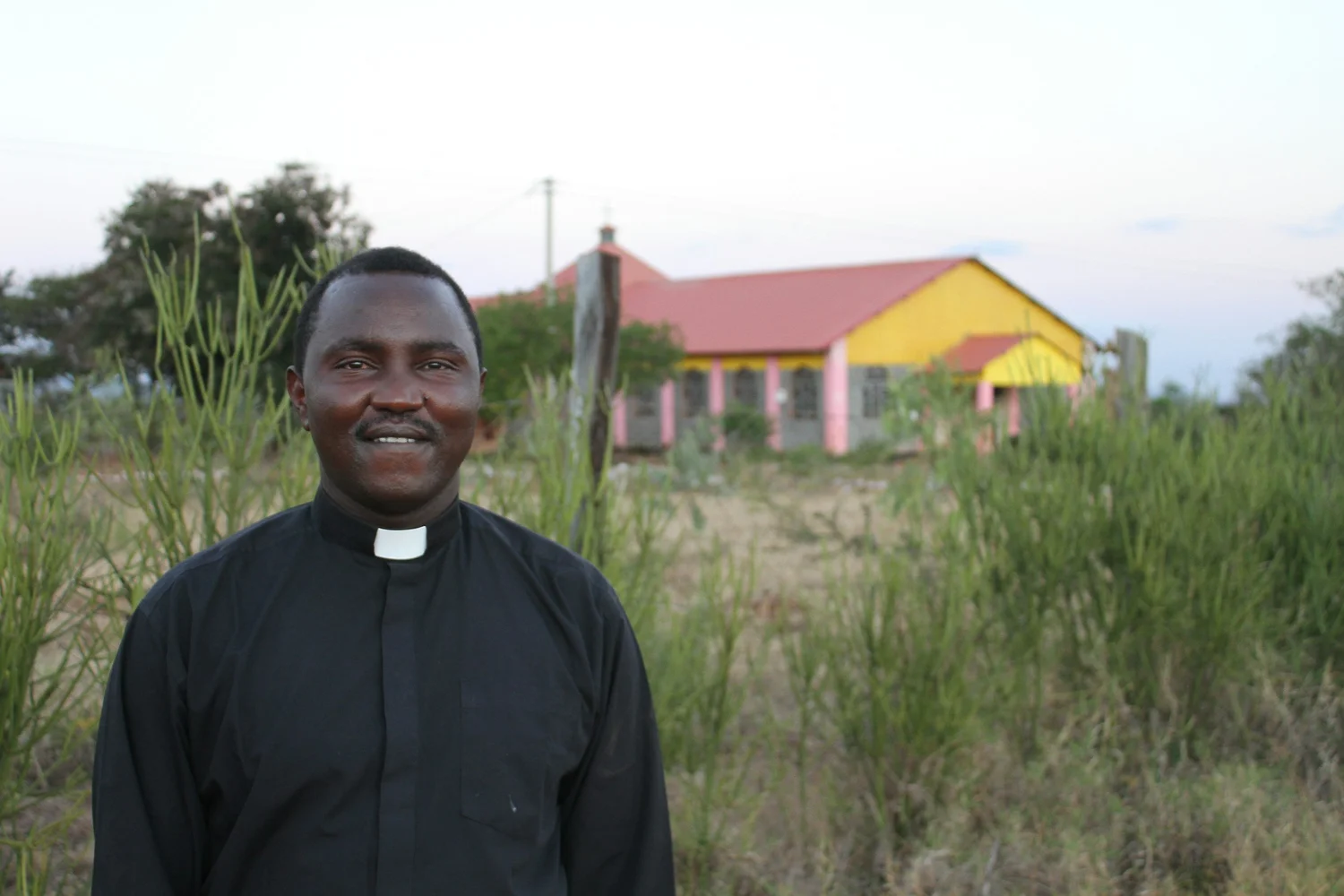
Read MoreIn a nation defined by profound Christian commitment, theologians said that the construction and dedication of an LDS temple shows the growth of the faith in a country where many people still struggle to equate Mormons with other Christian denominations. The temple, which opens on March 1, will now serve as a home to the thousands of Mormons who live in Zimbabwe.
Read MoreIn Ukraine, Christian leaders say the war with Russia since 2022 is a fight for national survival and religious freedom. Citing clergy deaths and widespread casualties, advocates urge global prayer and support, calling Ukraine a vital hub for Gospel witness in Europe and the former Soviet region.
Read MoreThe City of Mansfield, a suburb of about 80,000 in the Dallas-Fort Worth area, is the latest in a string of municipalities that have enacted regulations restricting the activities of Christian ministries.
Read MoreReligious minorities in Iran are facing more persecution, human rights watchdog organizations warned in a report released on Thursday. Some policy analysts said last year’s conflict with Israel and the U.S. may have pushed the regime to look for a “scapegoat” to blame — and found it in religious and ethnic minorities.
Read MoreSince Frederick Chiluba declared Zambia a Christian nation in 1991, religious rhetoric has shaped governance and elections in the African nation. Despite widespread faith, political corruption, poverty and inequality persists — leading some critics to argue the declaration remains largely symbolic rather than transformative in practice today.
Read More