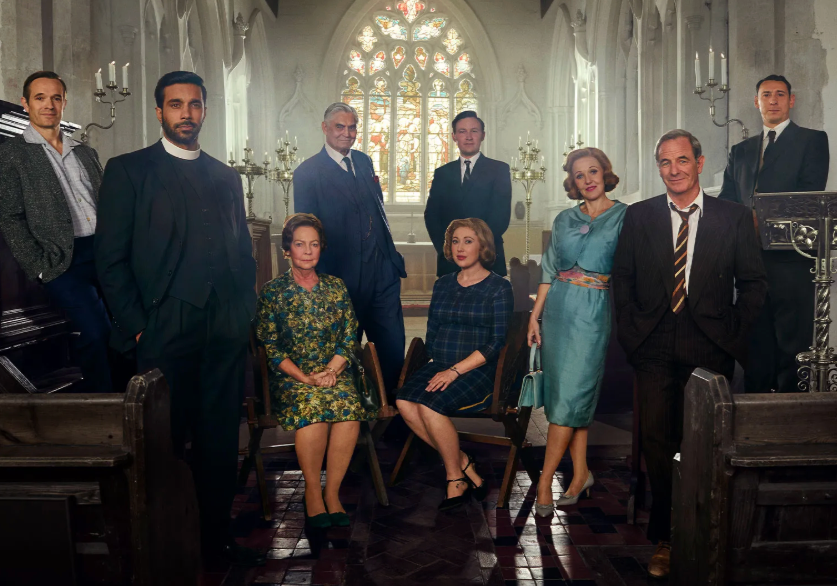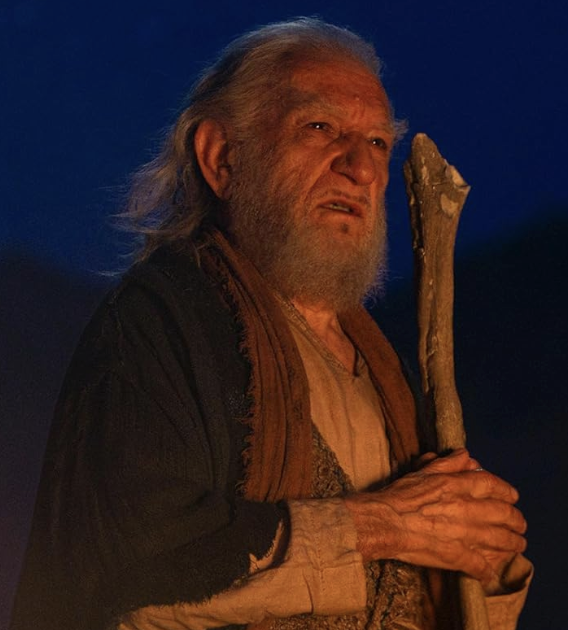
When “The Faithful: Women of the Bible” trusts the Bible’s voice, it does a great job of giving voice to the women that it portrays. Unfortunately, far too often, the filmmakers shout their own voices too loud for you to hear the real women they claim to be elevating.
Read MoreThe movie has all the beats you want: Likeable characters, a clear villain, good pacing, decent scares and a clear social fear it’s tapping into. It also has the typical horror contrivances where characters have to be extremely obtuse or be insanely unlucky to keep them from getting out of the situation almost immediately.
Read More(ANALYSIS) “KPop Demon Hunters,” a global hit, has sparked debate among Christians over whether its themes are spiritually dangerous. The controversy reflects deeper cultural shifts in Korea and the U.S., where declining organized religion and rising spirituality are widening divides between traditional beliefs and a newer ethos.
Read More(ANALYSIS) This year’s nominees’ bias toward personal faith over organized religion reflects the move our own society is making in that direction. It remains, however, to be seen whether that spirituality will evolve to meet the challenges of hyper-individualism, or if organized religion will simply outlast it. The Academy Awards will be handed out March 15 in Los Angeles.
Read More(REVIEW) When it came out, the film was a watershed moment for the faith-based film industry. It was the highest-grossing independent film of 2018. This showed that faith-based films could succeed in the mainstream commercially and critically. Not only did this create more investment in faith-based projects, but also shaped future films.
Read More(REVIEW) “Dracula” stands apart from recent pagan-leaning vampire films by embracing an explicitly Christian worldview. Framing vampirism as rebellion against God and redemption through repentance, it centers a heroic Catholic priest and divine mercy. Though weakened by its reincarnation premise, the film uniquely treats Christianity as true and redemptive.
Read MoreClarkson’s work goes against the cultural current. In an age where many loud voices urge us to put away thoughts of self-criticism and turn instead toward radical self-acceptance, he argues that to truly value ourselves is to understand where we have failed and where we need to grow. He encourages readers to spend less time bemoaning the people who are making the world worse.
Read More(REVIEW) Faith-based films about sex trafficking are becoming more common, reflecting cultural anxieties and a push toward grittier storytelling. “Still Hope” exemplifies this trend, offering a sincere portrayal of recovery, but ultimately faltering through one-dimensional characters, didactic messaging and a tendency to prioritize education over authentic stories.
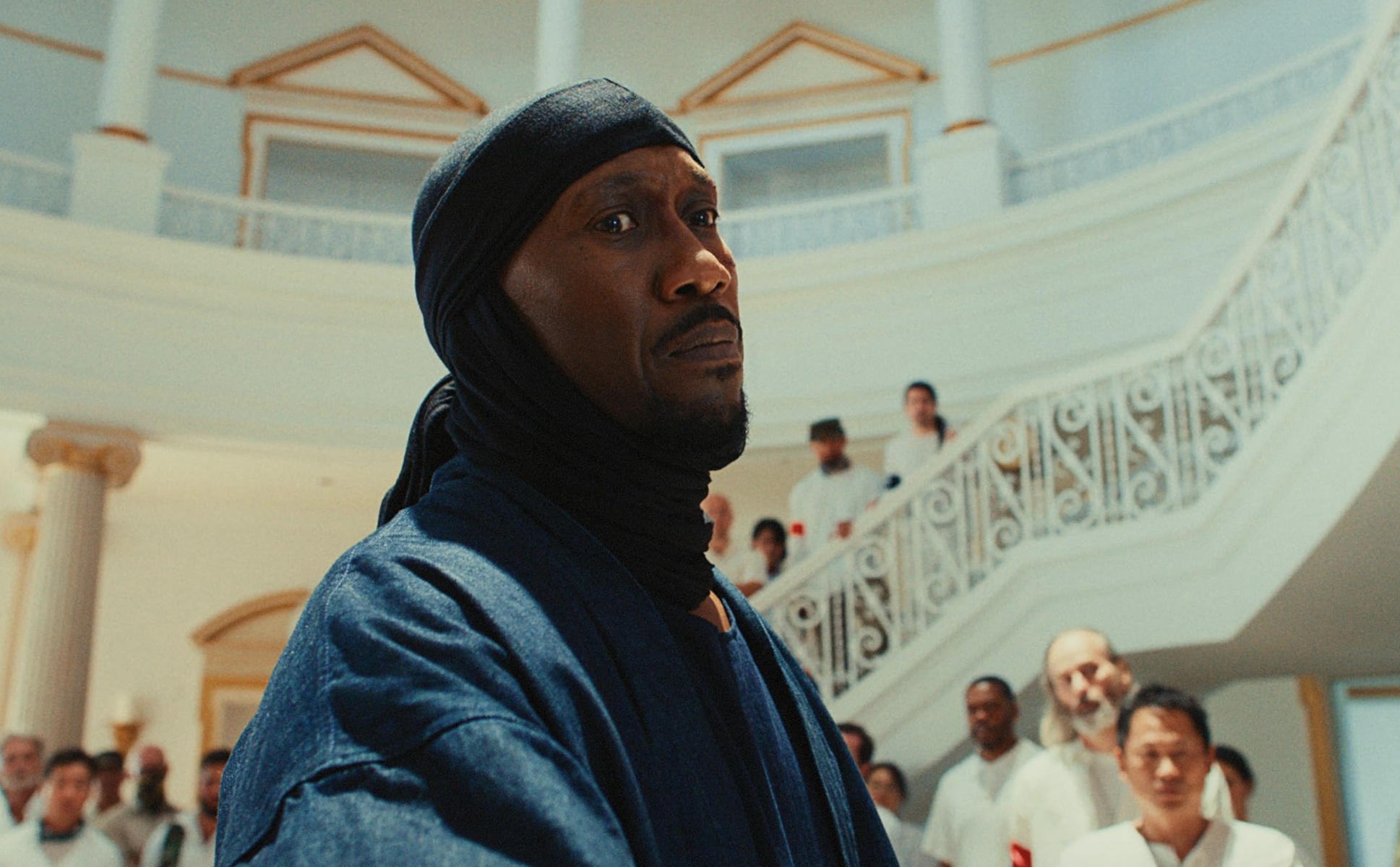
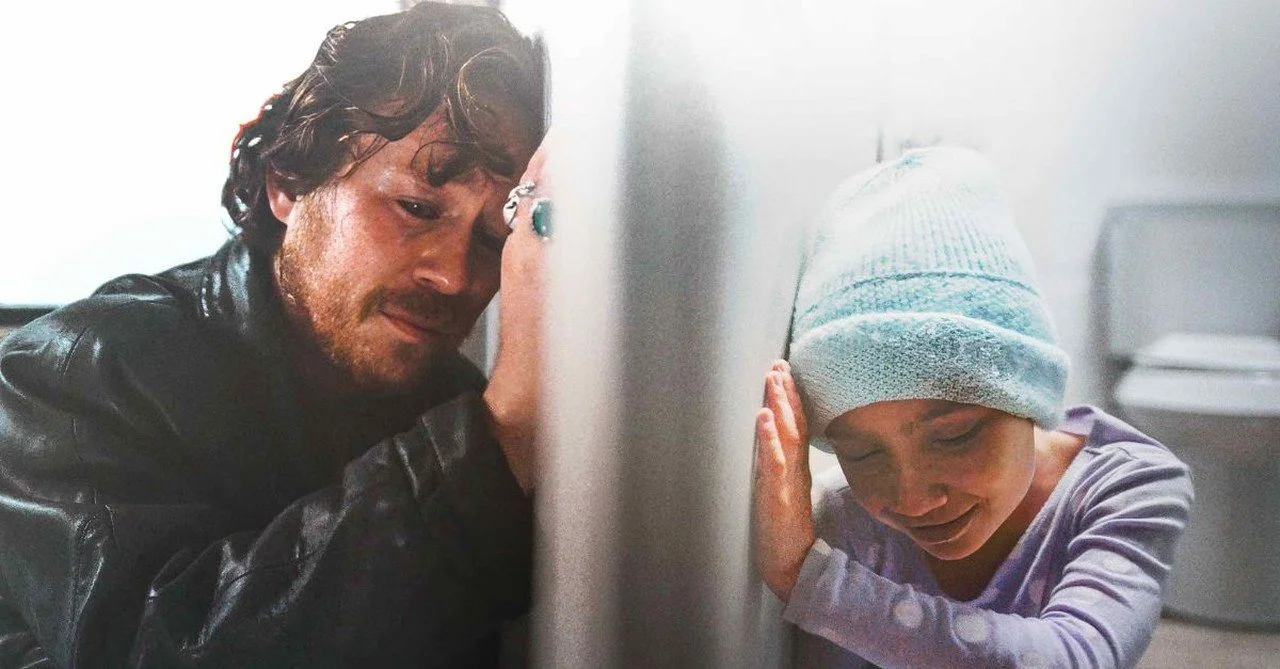
Read More(REVIEW) “Moses the Black” is a gritty, well-crafted independent film exploring faith, violence and redemption through a Chicago gang leader’s encounter with a historical saint. Anchored by strong performances and confident direction, it offers a rare, authentic portrayal of religious experience largely absent from Hollywood and deeply rooted in lived belief.
Read More(REVIEW) “28 Years Later: The Bone Temple” comes out. This film functions less as a fourth sequel to “28 Days Later” and more as a direct one to “28 Years Later,” following the events from that film. In a shift, “The Bone Temple” makes the antagonists Satanists rather than Christians. This reflects a world, very much like ours, where Christianity is no longer atheism’s chief rival.
Read More(REVIEW) Ryan Burge has created the most important and readable book right now to understand religious decline and polarization in the U.S. His message to commit your life to a shared community is one America needs right now. But it will be up to others to create and maintain the compelling shared vision that binds together the community that Burge wants.
Read More(ANALYSIS) One of the things few people discuss about the “Avatar” films is how deeply “faith-based” they are. In fact, their spirituality may be one of the most influential things about the franchise in Hollywood. Since the first film graced theaters in 2009, Hollywood has followed its example in portraying religiosity on film — both for good and ill.
Read More(ANALYSIS) There’s no doubt that faith-based films blew up in 2025. Whether that’s in the faith-based film industry putting out record-breaking theatrical releases of “The Chosen” and other Jesus movies or Hollywood exploring religion with a newfound earnestness in the horror genre or blockbusters, faith was everywhere this year.
Read More(REVIEW) The film follows the real-life story of Ann Lee, who in the 18th century was the founding leader of the Shaker Movement and was proclaimed as the female Christ by her followers. “The Testament of Ann Lee” is an example of why Hollywood is interested in stories about faith. It’s also an example of why it’s hard for them to capture the experience in a way that resonates with believers.
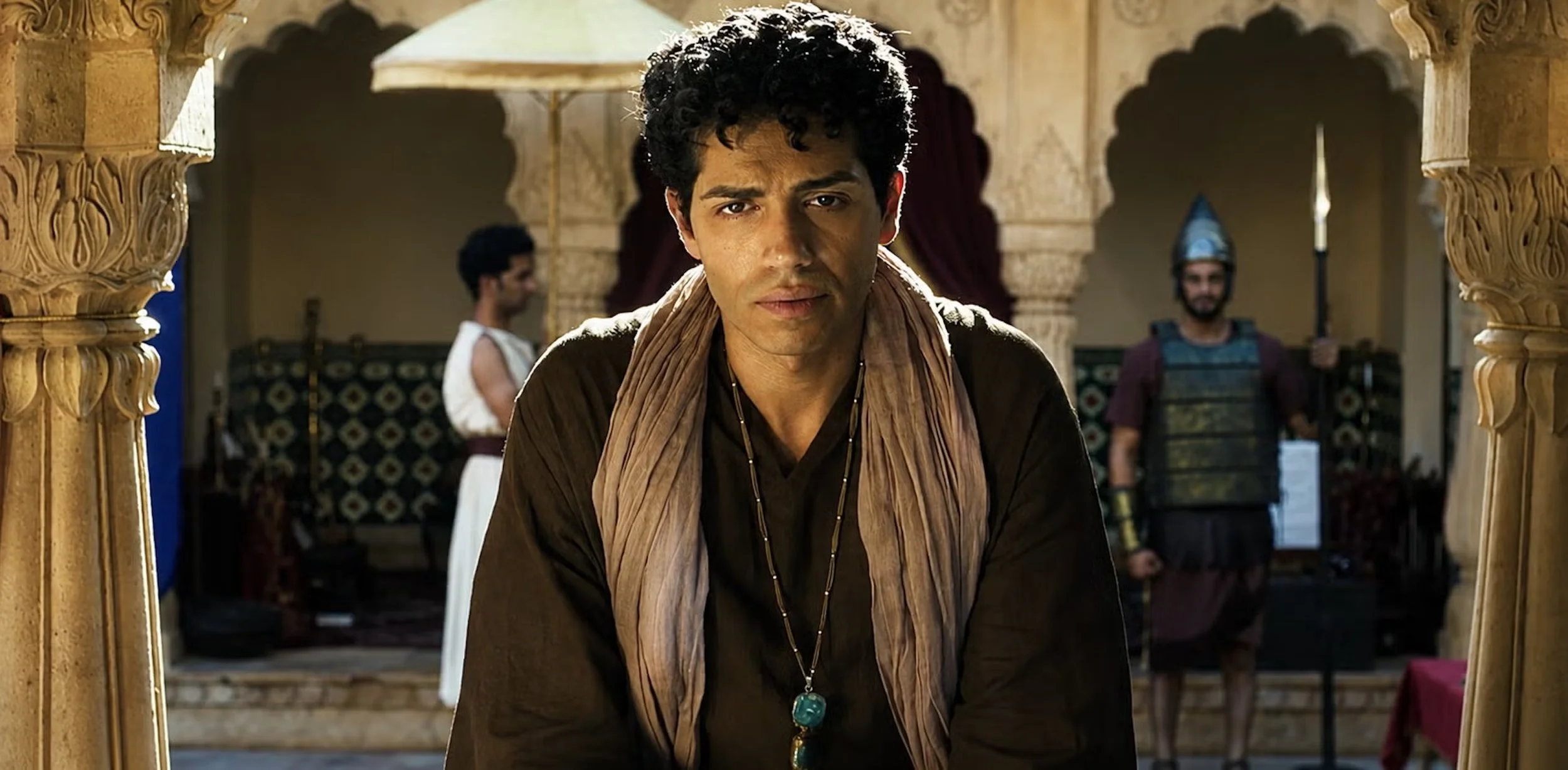
Read More(REVIEW) The film follows Biblical hero David, and while the film itself is rather underwhelming, its very existence is cause for celebration and optimism. We’ll likely see more, and better, animated faith-based films on the big screen in the coming years.
Read More(REVIEW) “The Case for Miracles” attempts to encourage all of these groups with belief in the miraculous. Unfortunately, it tries to do too much and please too many potential audiences. The result is that, though its heart is in the right place, almost everyone, even those who agree with it, will likely go away unpersuaded and unsatisfied.
Read More(ANALYSIS) These films give us hints as to potential “whys” behind rising Western antisemitism. When you look at the lessons the historical dramas teach, and the movies made about their legacy today, you see deep tensions. These tensions suggest that some of the popular secular lessons our culture has derived from the Holocaust are also planting the seeds of its rejection.
Read More(REVIEW) The rom-com is about Joan and Larry, an elderly couple who are reunited in the afterlife as their younger, happier selves. They find themselves in a waiting room where souls have just a week to decide which “eternity zone” they want to spend forever in. Larry and Joan can’t be together if he’s in “beach” world and she’s in “mountain” world.
Read More(REVIEW) This makes film’s presentation feel extremely — for lack of a better word — basic. The movie, however, never figures out exactly which of these threads it wants to follow. Is it about the trials? The nature of evil and whether the Nazis were unique or not? Is it trying to educate viewers about Holocaust history, or say something new about it?
Read More(REVIEW) “The Carpenter’s Son” is a horror-spun story following Joseph, played by Nicolas Cage, as he tries to raise Jesus. The film claims to ask hard questions about the biblical narrative — but it just ends up merely recapitulating simplistic modern narratives.
Read More