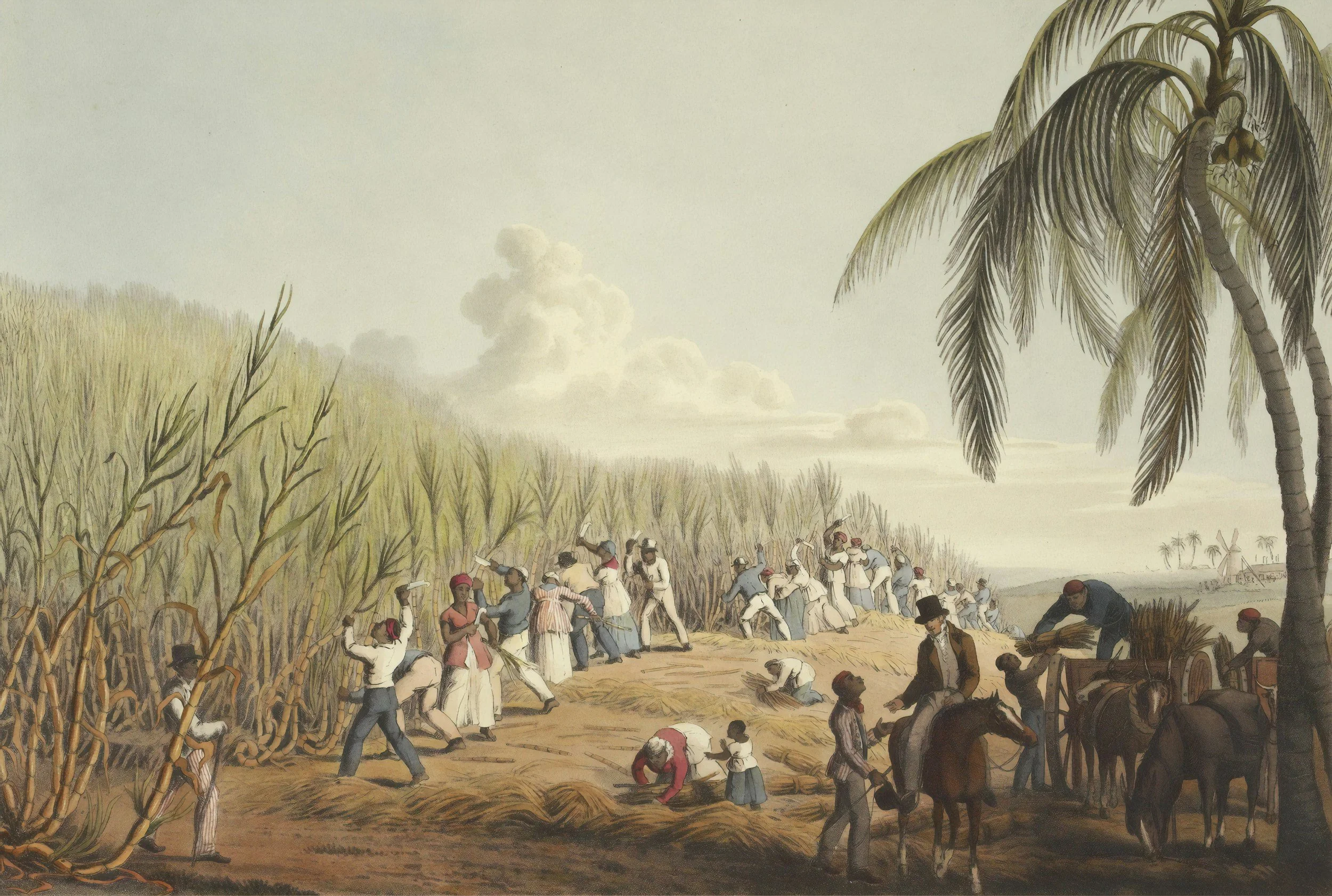
Enslaved Africans sustained diverse faith traditions while adapting Christianity to their circumstances. In Philadelphia, Black religious leaders built independent institutions, while spiritual freedom increasingly became inseparable from demands for physical freedom and equality.
Read MoreThe results demonstrate that faith and politics often intersect in various ways. Moral questions are often put to voters, candidates’ interpretations of religious teachings and debates over the constitutional place of religion in public life were all on the ballot this year. These results are a prelude as voters prepare for the 2028 presidential race.

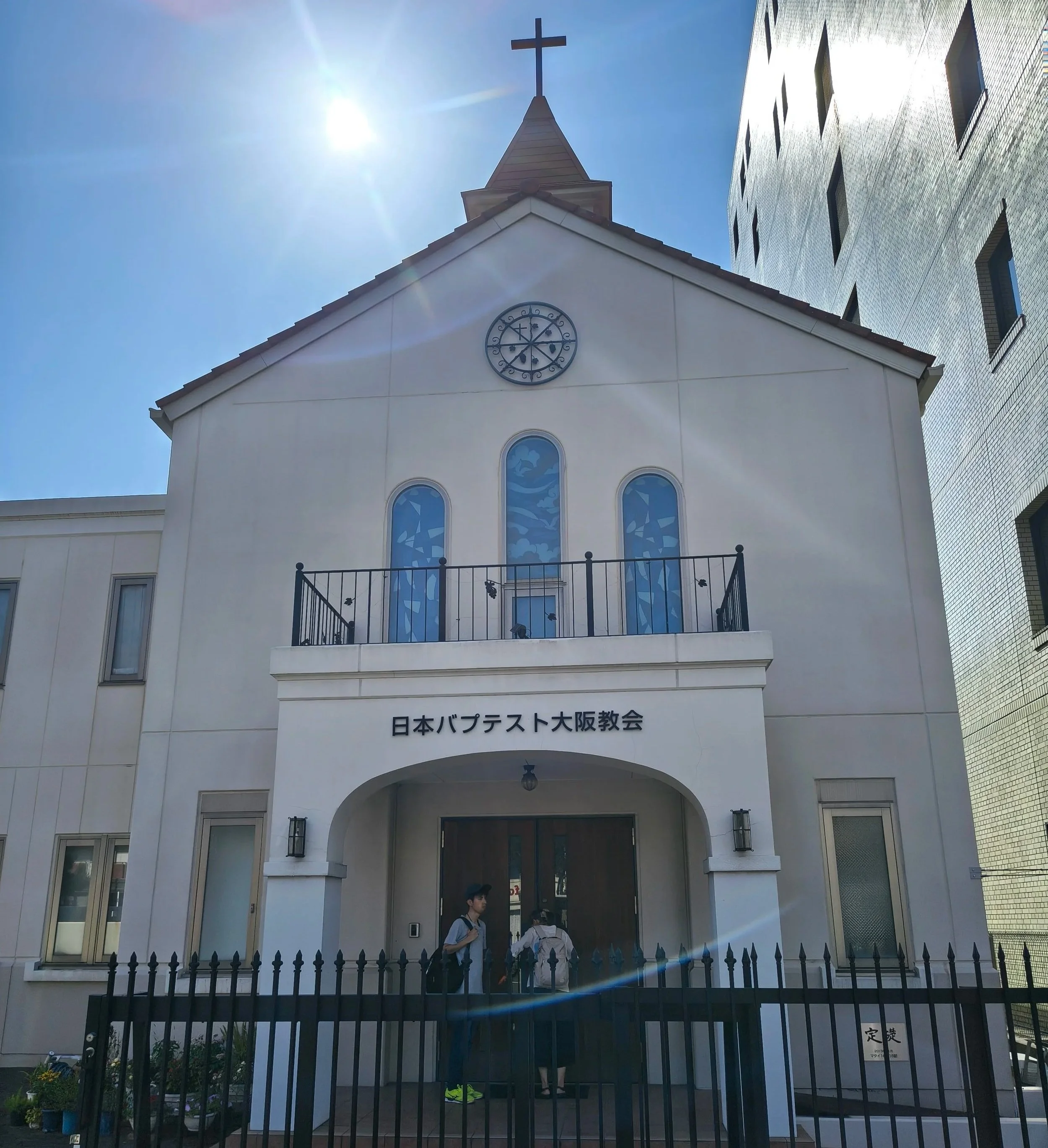
Read MoreChristians make up roughly 1% of Japan’s population, and churches are increasingly multicultural, welcoming immigrants from neighboring countries. However, national politics have taken a decidedly nationalistic turn in recent years — worrying Christians that they will once again be ostracized and even face persecution.
Read More(ANALYSIS) From the Yazidis to the Rohingya, from the Uyghurs to other communities facing growing threats around the world, the use and abuse of AI, technology and social media must not go unpunished. Ignoring these new methods of persecution means that responses to such atrocities will never be adequate.
Read MoreThere used to be only a few regionalized mainline churches to choose from and husbands were once in total control of family decisions. When the African continent started to rapidly urbanize, family dynamics changed and it has become common for marriages to form across different church denominations, sparking a trend called “two-church families.”
Read MoreFindings are based on several data sets, including surveys distributed in seven languages to experts in 100 countries, in-depth interviews with country-specific experts, and onsite visits to select countries to verify data and collect additional information, as well as established resources including the World Christian Database, the World Watch List and World Development Bank indicators.
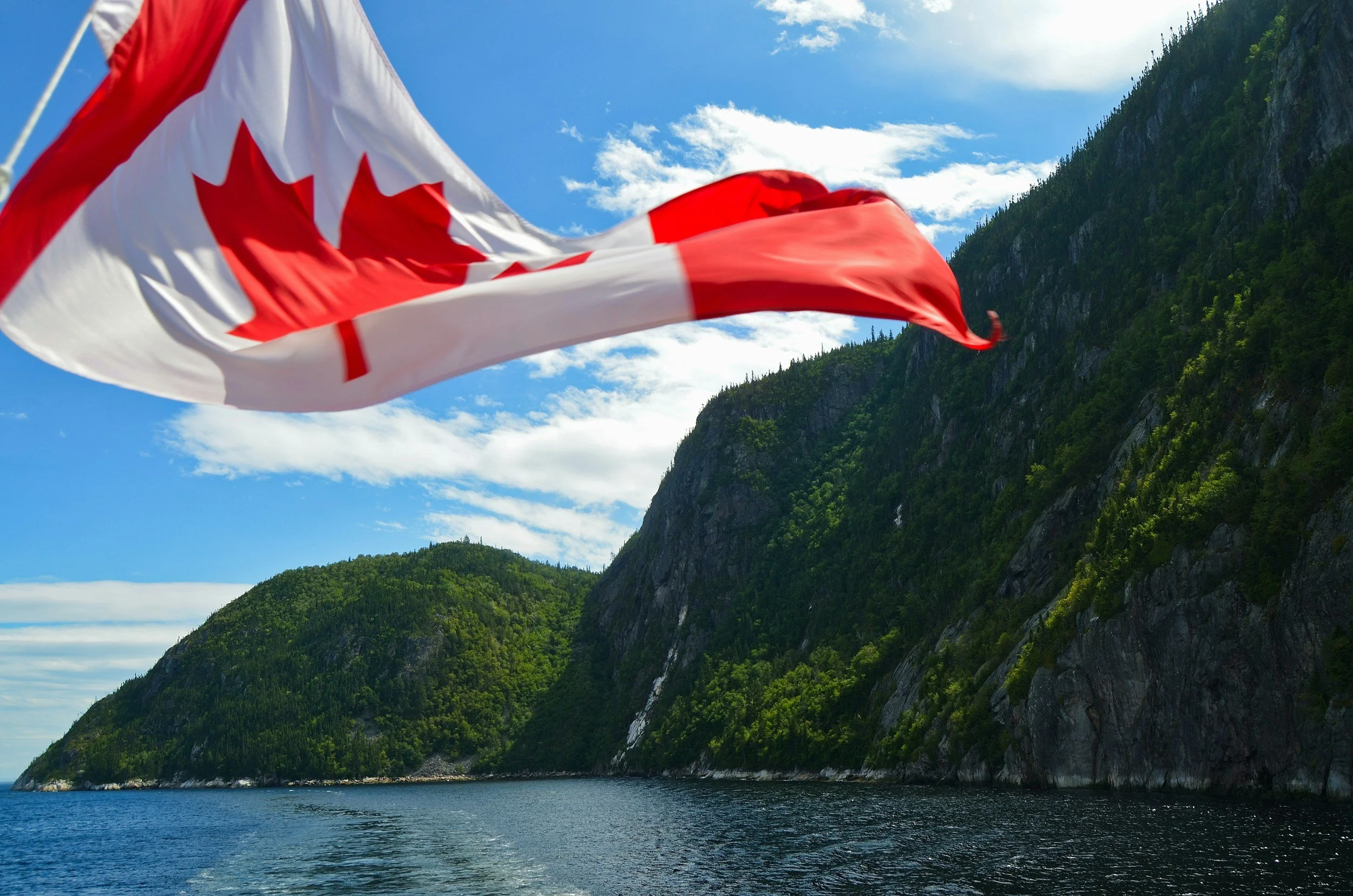
Read More(OPINION) By demanding that public discourse be scrubbed of distinct theological substance, the state is fundamentally rewriting the rules of the Canadian public square. What is promoted as a welcoming gesture functions in reality as an institutional restriction on authentic faith, replacing shared cultural roots with administrative conformity.
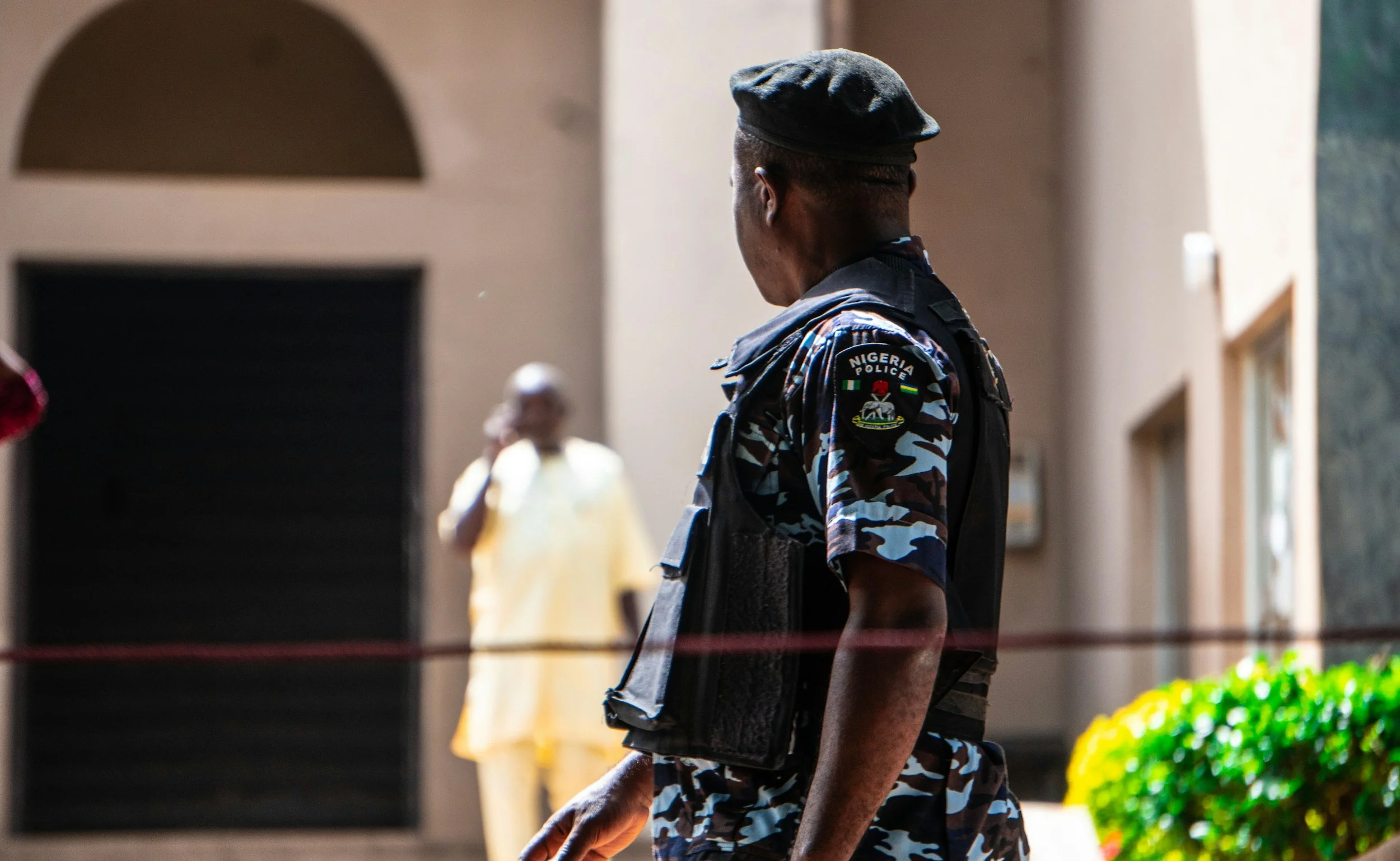
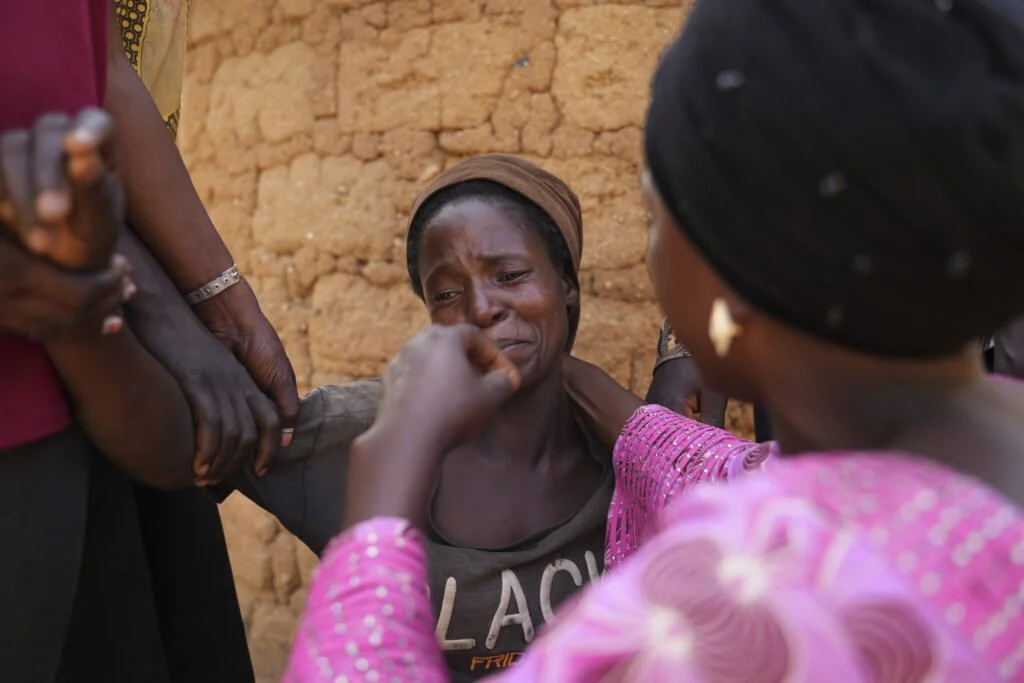
Read MoreCivilian deaths increased 51 percent and abductions rose 153 percent between October and December 2025, compared to the same period a year before, researchers said. Months later, beginning in April, the government began arresting and convicting Boko Haram terrorists and others of related crimes.
Read More(ANALYSIS) Texas politicians, however, portray sharia as a threat to American law. That suspicion has now produced official action against the Islamic Tribunal, a Dallas-based organization that offers religious arbitration, a process where parties agree to submit disputes to a religious panel, the way any two businesses might agree to skip court and use a private arbitrator instead. Much of the tribunal’s caseload is Muslim women seeking religious divorces.
Read More(ANALYSIS) As the situation in the country continues to deteriorate, important questions must be asked about where to go from here. What is the future of Afghanistan for women and religious minorities?
Read MoreWhat happens in this New Jersey town can have ramifications for the whole country: The Fellowship of Christian Athletes has filed a federal lawsuit against a district, alleging the district unlawfully barred outside volunteers from attending religious student clubs.
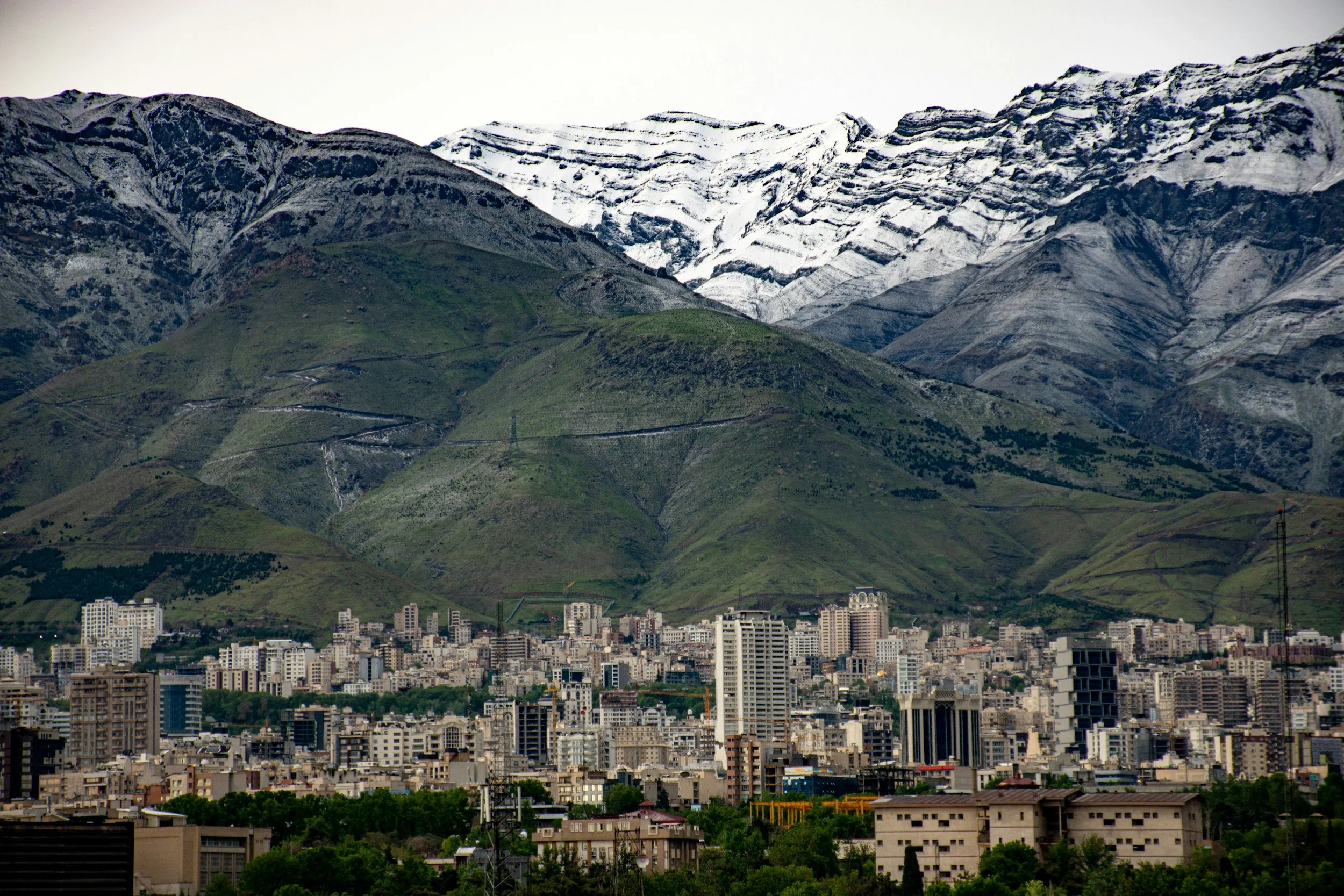
Read MoreDozens of Christians connected to Iran Alive Ministries have been killed and hundreds arrested amid escalating persecution in Iran, ministry leaders report. Despite imprisonment, surveillance and criminalization of Christian broadcasts, the underground church continues growing, with thousands reportedly converting to Christianity and imprisoned believers sharing the Gospel.
Read More(ANALYSIS) News from around the world gives little hope for the prospects of addressing violence based on religion or belief — nations need to act now in accordance with UN policies to ensure everyone has freedom of religion.
Read MoreThey’ve survived ISIS, genocides and persecution. Their homeland has been destroyed. Now the Yazidis in Iraq are rallying together to build their own soccer stadium — a symbol of resilience and hope despite their difficult past.
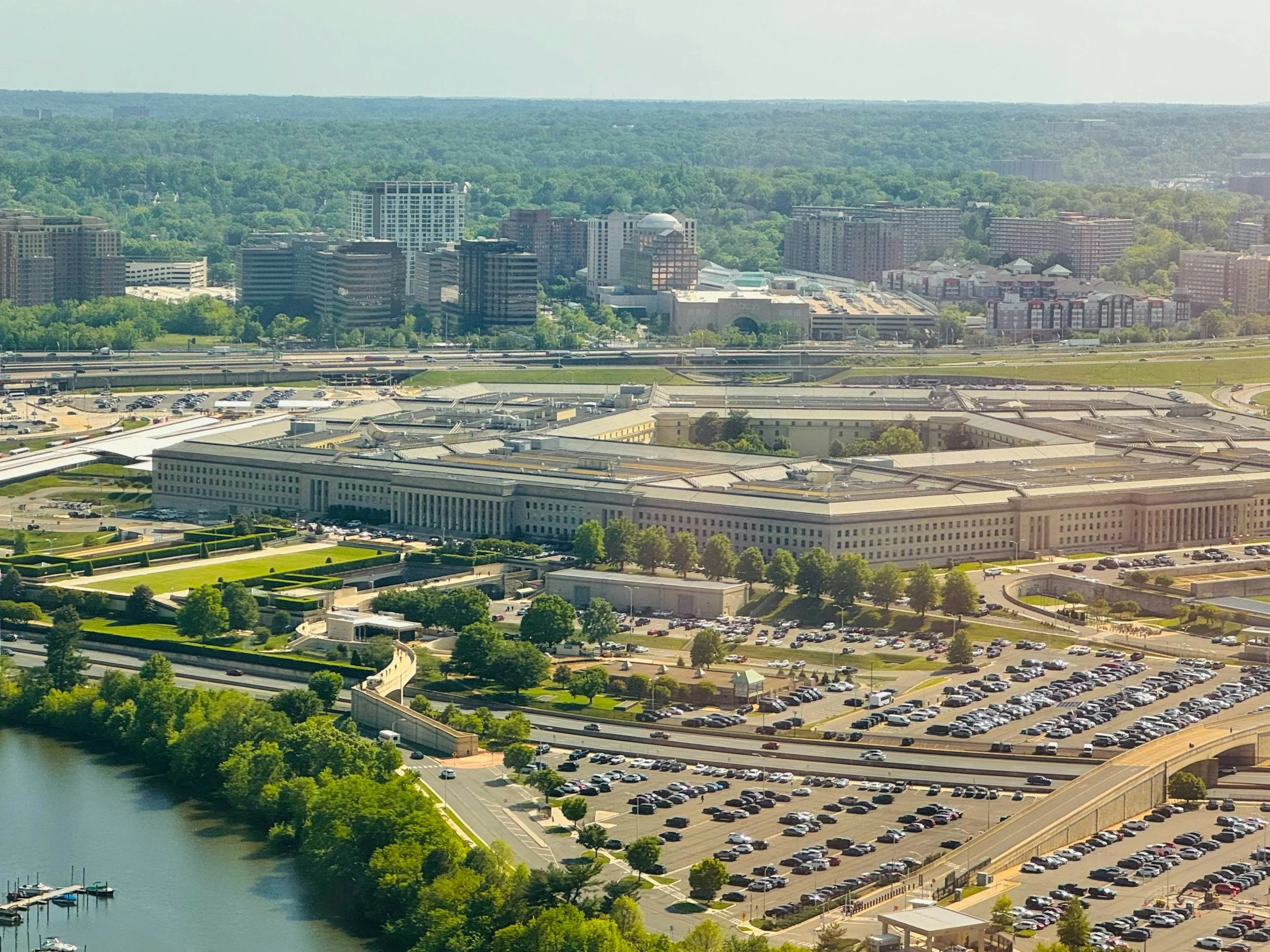
Read More(ANALYSIS) The Pentagon needs to define America’s religious categories due to chaplains’ responsibility to handle the spiritual needs of soldiers as effectively as possible. The problem is that Americans’ religious choices are pretty much uncountable.
Read MoreTerrorism that began in northeast Nigeria with the founding of Boko Haram in 2002 spread to the northwest, has become common in the Middle Belt and is now spreading to southern Nigeria — leaving safe for daily living only perhaps 20 to 40 percent of Nigeria, the largest nation in Africa and the sixth most populous in the world. Nigeria is the deadliest country for believers globally.
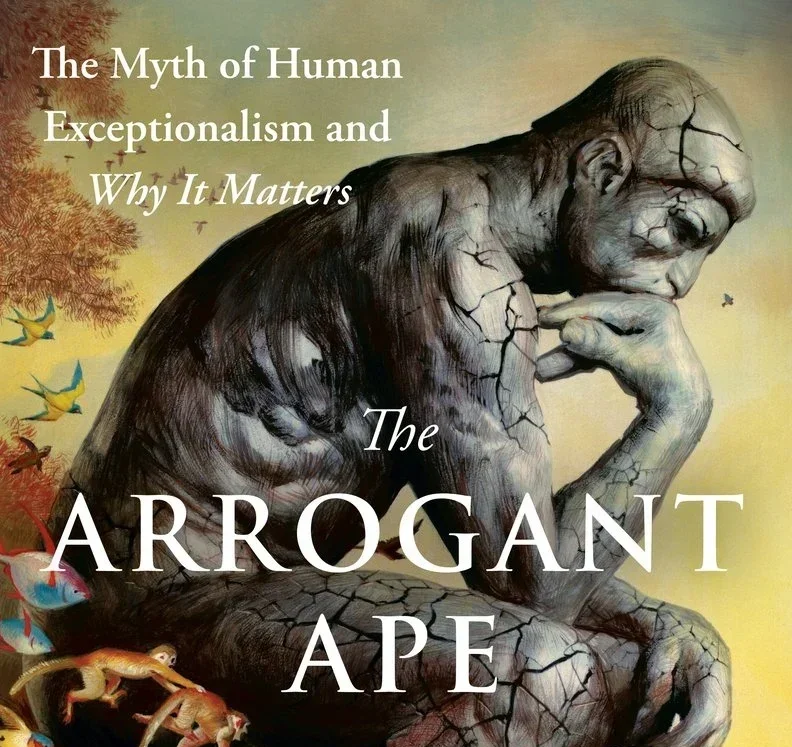
Read More(REVIEW) Are humans really all that different than primates? Harvard primatologist Christine Webb blends science, philosophy and legal developments to challenge humanity’s presumed supremacy over nature. Drawing on evolution, animal cognition research and Indigenous worldviews, she argues that consciousness extends beyond humans.
Read MoreChristian Chinese human rights lawyer Wu Shaoping, who represented persecuted religious believers and other victims of government repression before fleeing China, was released on bond July 24. He had spent nine days in federal immigration custody despite having been granted asylum in the U.S.
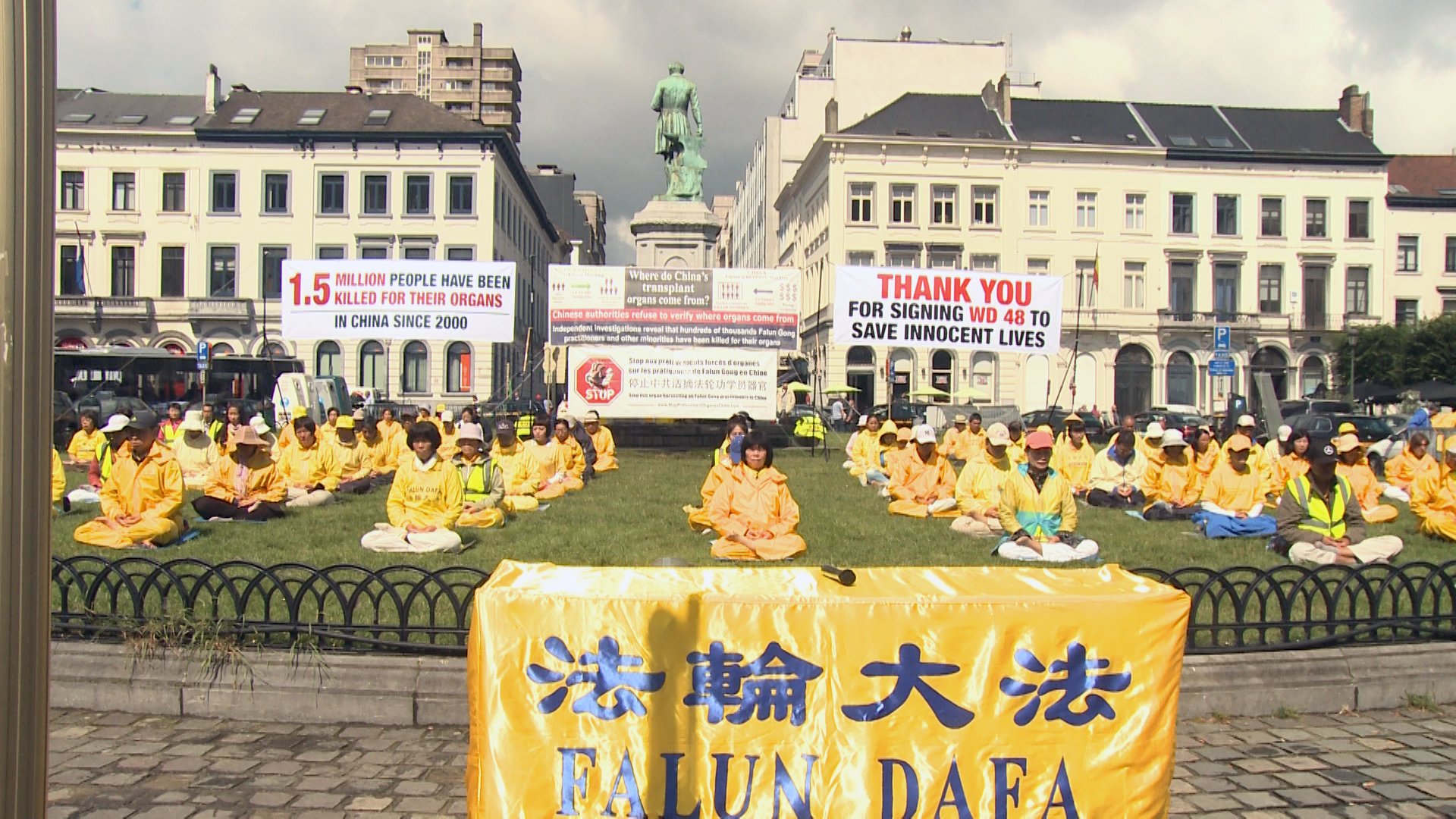
Read More(ANALYSIS) What began as an exercise movement of primarily older adults in China’s northeast has proved to provide the largest, best-organized and most-sustained resistance to Chinese government rule since the founding of the People’s Republic of China.
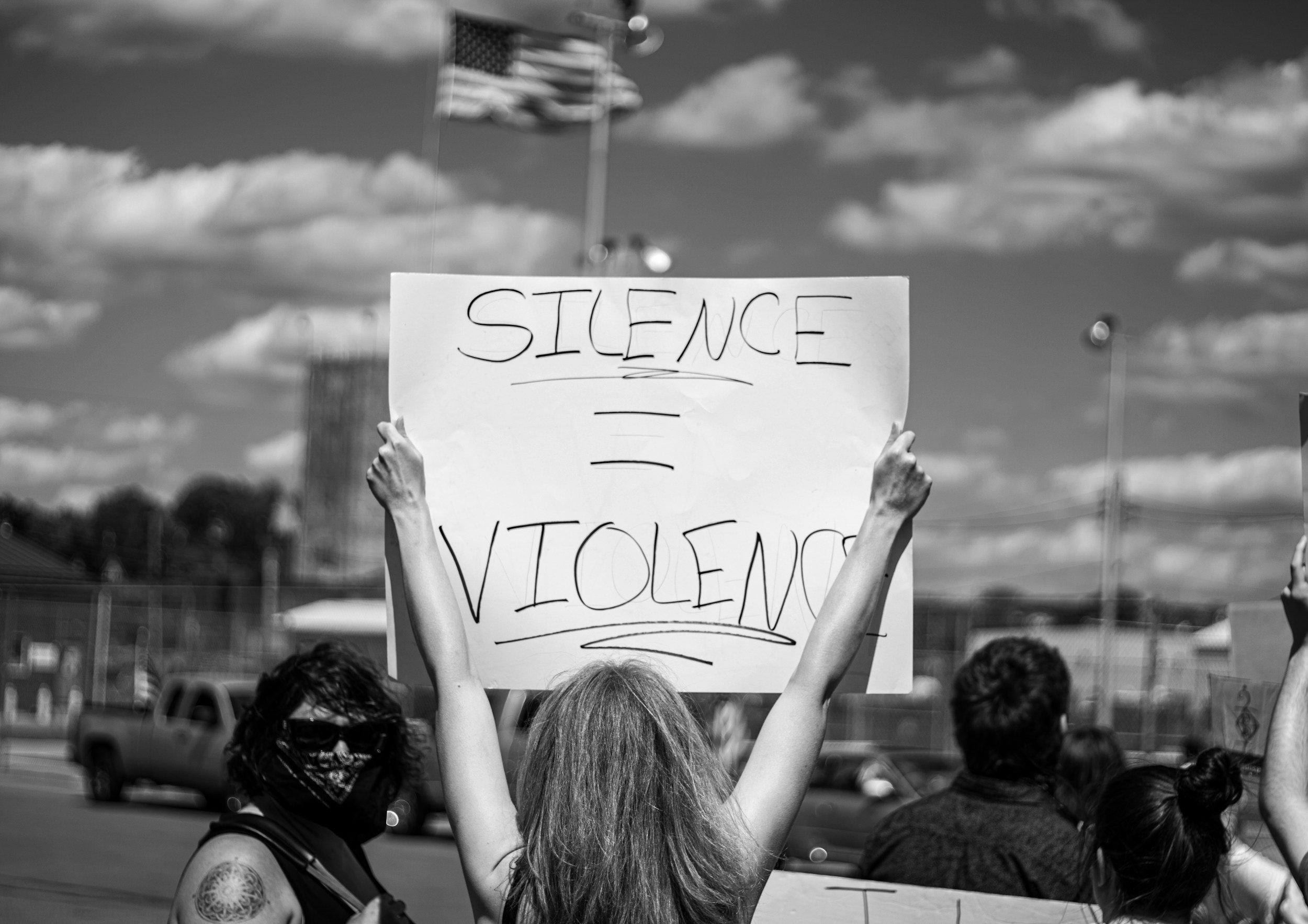
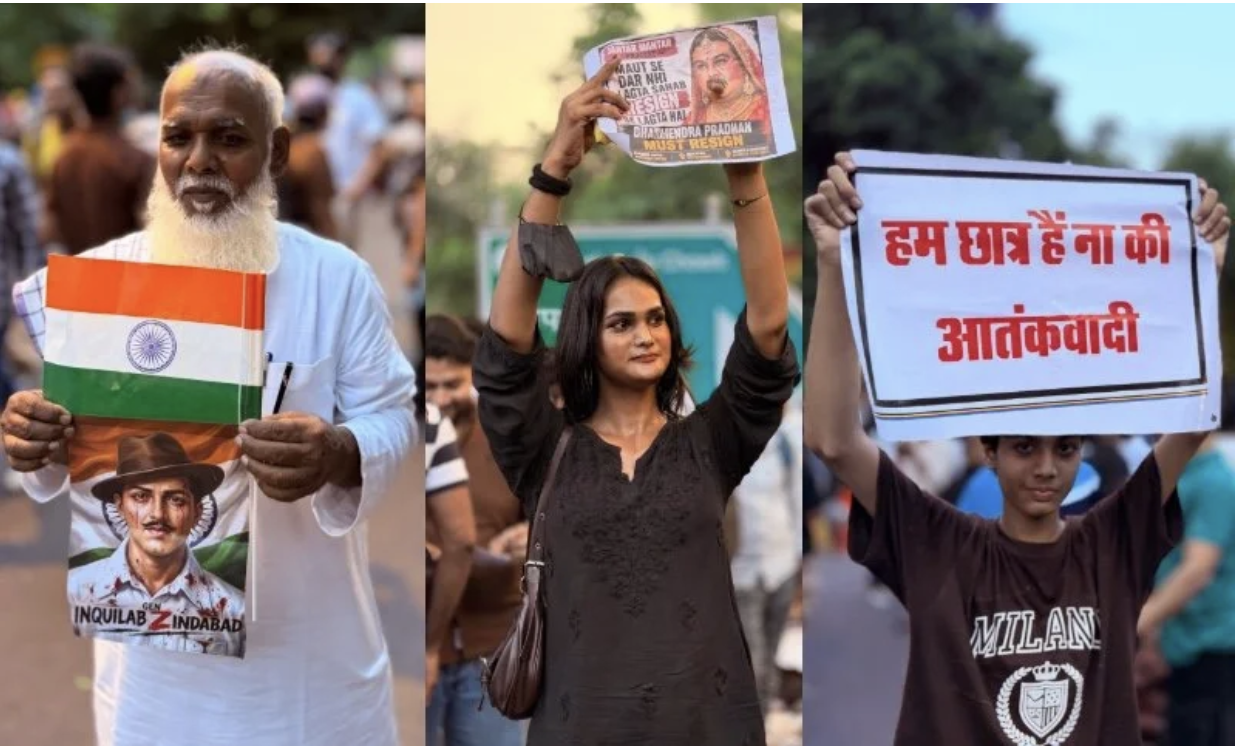
Read More(ANALYSIS) A leaderless protest movement in New Delhi has evolved into a broader rejection of the divisive politics associated with Hindu nationalism. Sparked by a police crackdown, demonstrators have created an unusually inclusive public space where people of different faiths, castes, genders and backgrounds gather in solidarity.
Read More