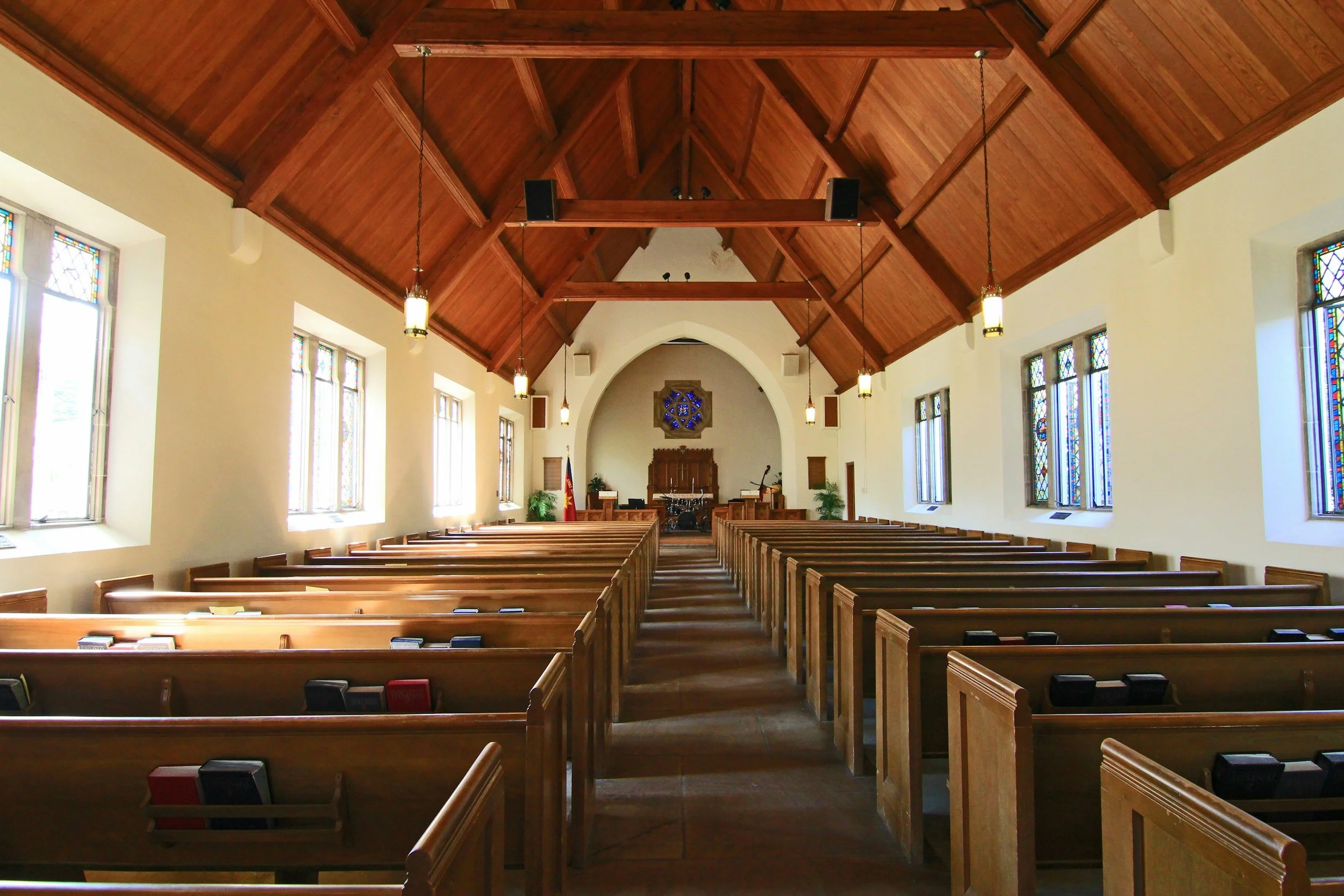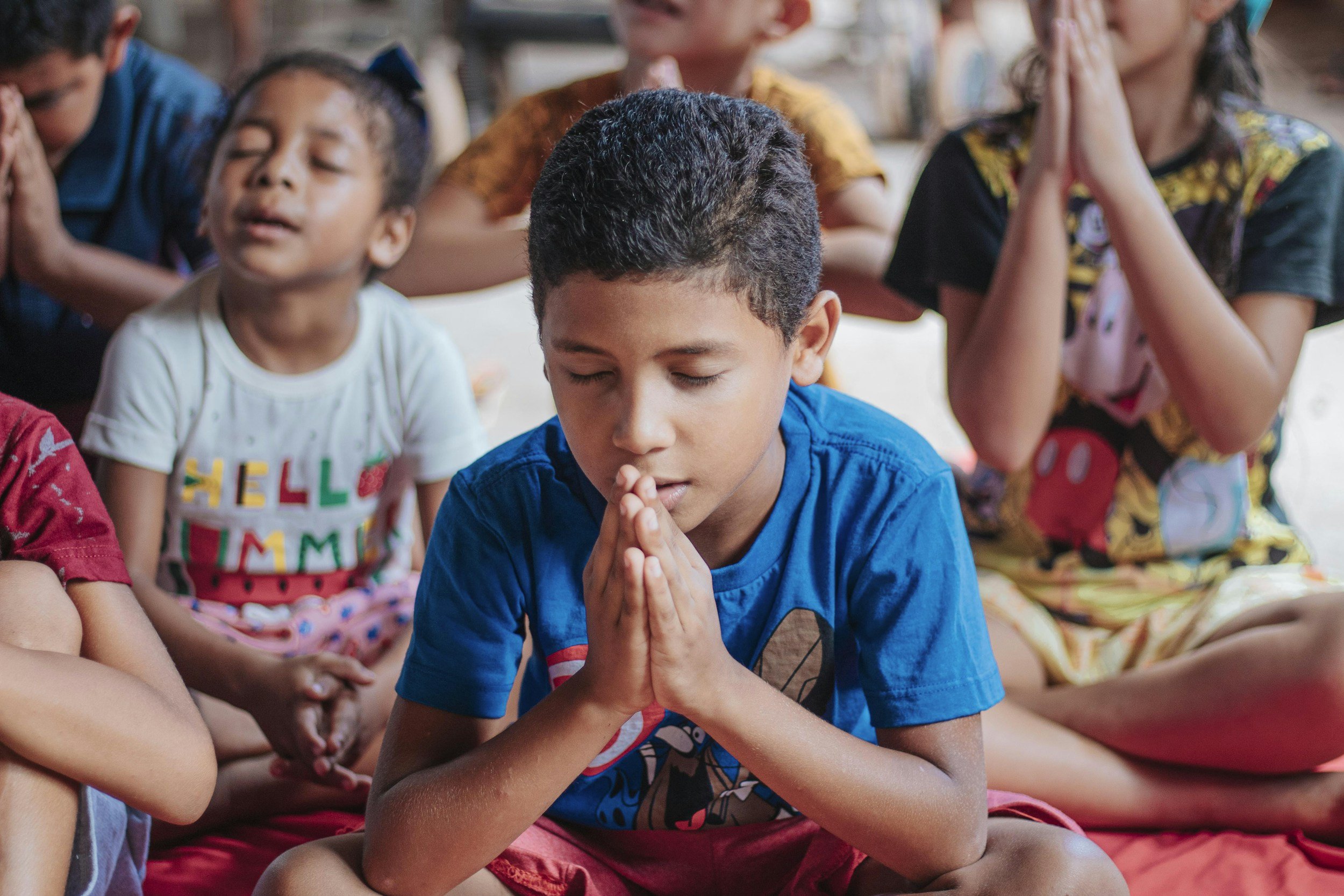
There used to be only a few regionalized mainline churches to choose from and husbands were once in total control of family decisions. When the African continent started to rapidly urbanize, family dynamics changed and it has become common for marriages to form across different church denominations, sparking a trend called “two-church families.”
Read More(ANALYSIS) It’s a fact that surprises people who don't follow the data and history very closely: Throughout the 1990s and even in the 2000 presidential election, a majority of Muslim Americans voted Republican. But now, most lean Democrat. Can the Democrats hold on to their new base in the 2026 elections?
Read More(OPINION) Once we start using this lexicon, we have been successfully “groomed” into a new discourse we might not quite “get” — but which we begin to accept as normal. No, I’m not a signed up conspiracy theorist, and yes, language evolution is part of the dynamic of a lively society whose moods and modes it carries. But is that all it is?
Read More(OPINION) By demanding that public discourse be scrubbed of distinct theological substance, the state is fundamentally rewriting the rules of the Canadian public square. What is promoted as a welcoming gesture functions in reality as an institutional restriction on authentic faith, replacing shared cultural roots with administrative conformity.
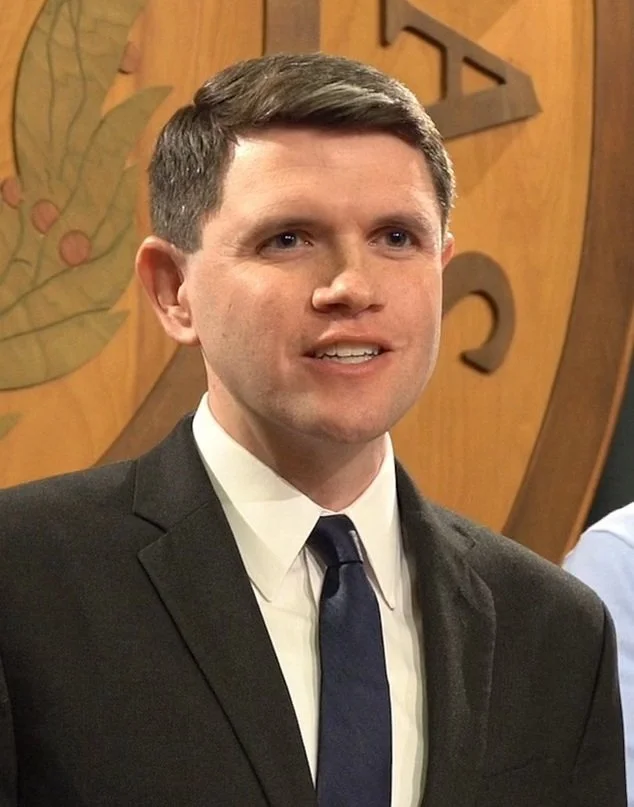
Read More(ANALYSIS) Long considered politically marginal, mainline protestantism is unexpectedly prominent in 2026 Democratic campaigns. Clergy candidates James Talarico in Texas, Adam Hamilton in Kansas and Sarah Trone Garriott and Lindsay James in Iowa are competing in closely watched races, reviving questions about mainline Christianity’s enduring political influence.
Read MoreToday the Christian legal movement is worth hundreds of millions of dollars and has touched many aspects of American life. Firms have been on a winning spree at the Supreme Court, overturning long-standing legal limits on religious expression by public officials, expanding religious exemptions and elevating the place of religious exercise to its highest point in modern times.
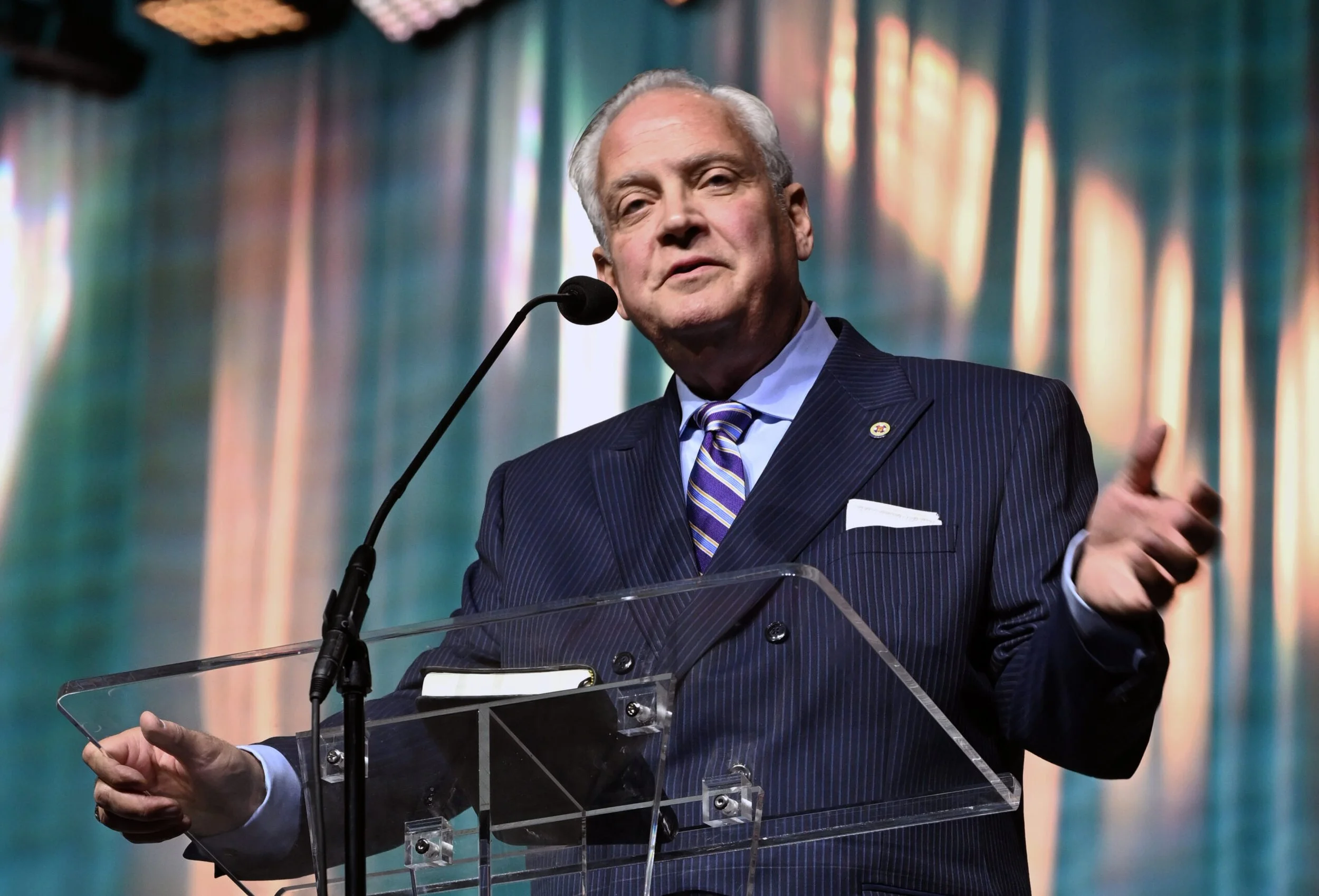
Read MoreMohler’s comments in the 2026 book “Five Views on Christian Nationalism,” which proved contentious, were based on the supposition of drafting a new constitution for a fractured nation in the year 2099.
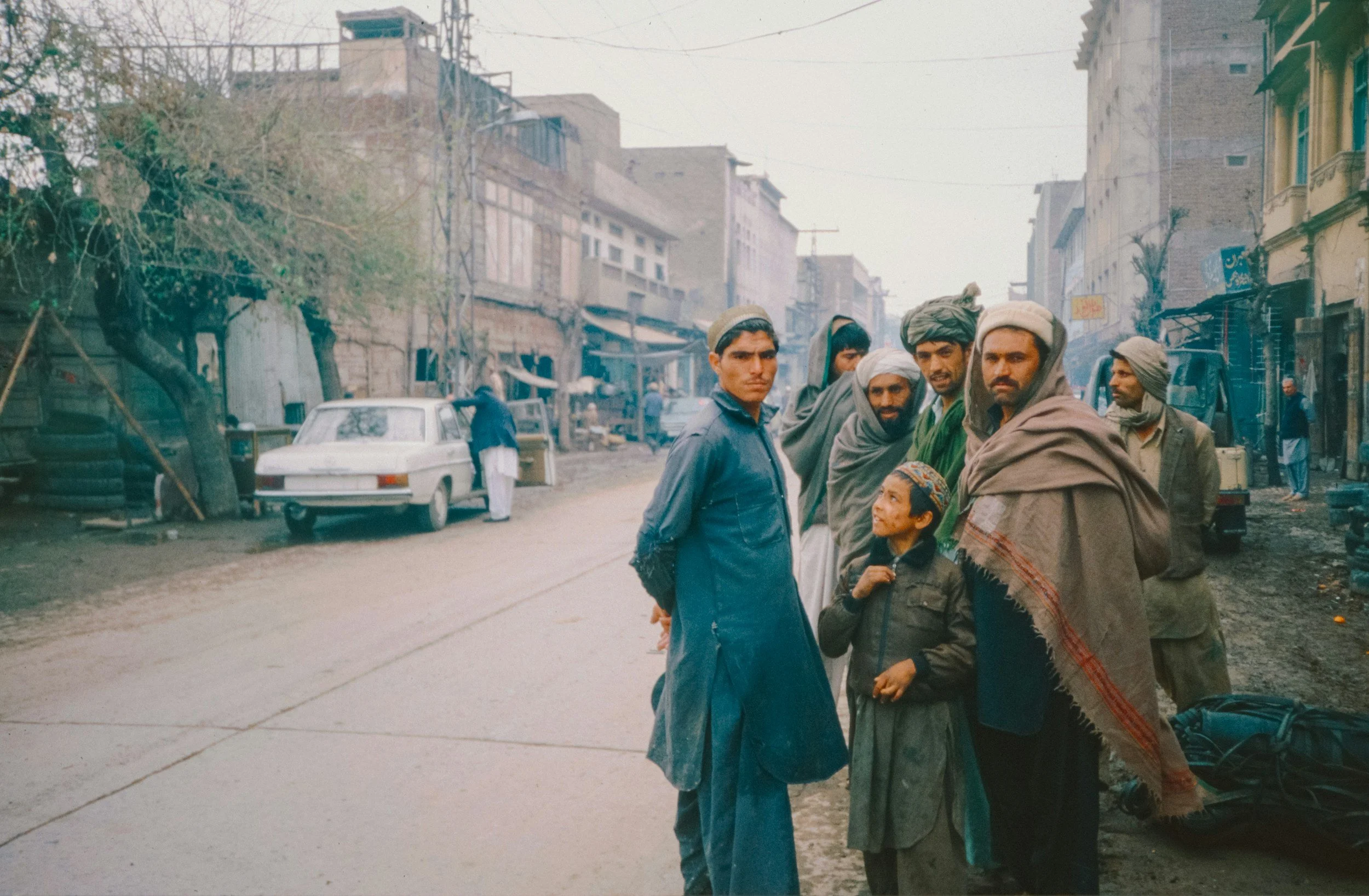
Read More(ANALYSIS) As the situation in the country continues to deteriorate, important questions must be asked about where to go from here. What is the future of Afghanistan for women and religious minorities?
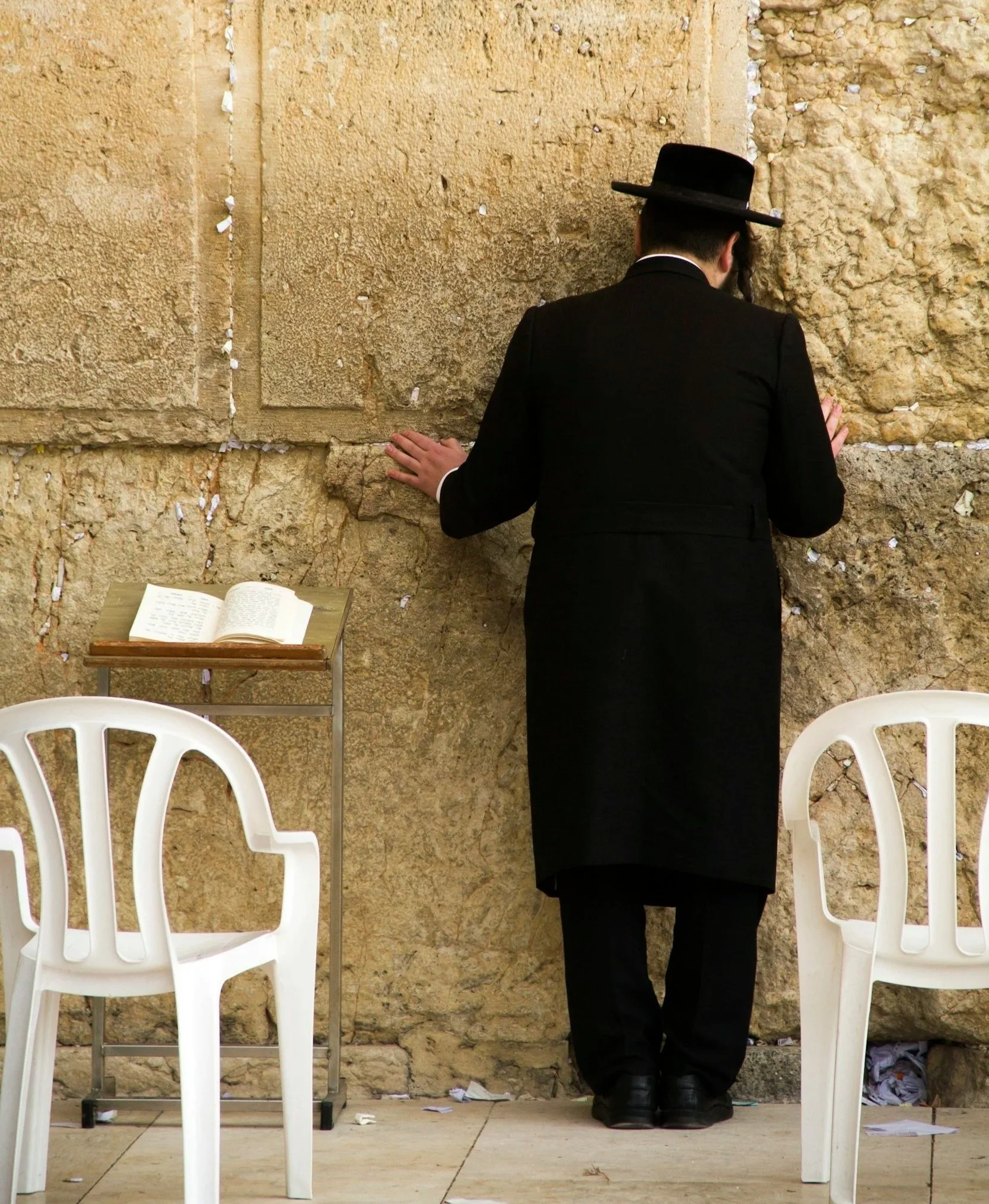
Read More(ANALYSIS) As Israel enters its third year of war on multiple fronts, the question of whether ultra-Orthodox men should be exempt from mandatory military service has become a much larger argument about citizenship itself: Who bears responsibility for defending the Jewish state?
Read MoreThey’ve survived ISIS, genocides and persecution. Their homeland has been destroyed. Now the Yazidis in Iraq are rallying together to build their own soccer stadium — a symbol of resilience and hope despite their difficult past.
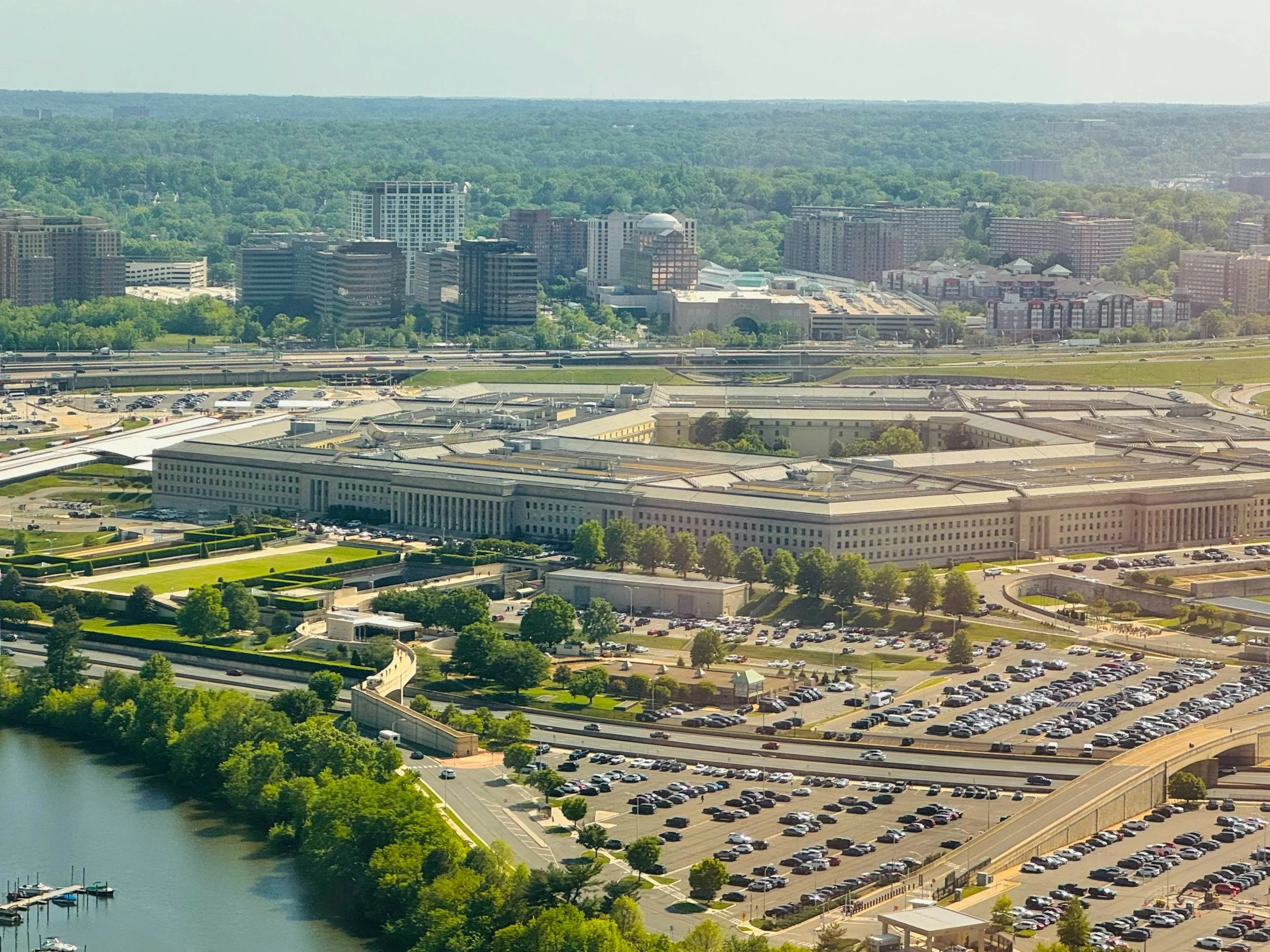
Read More(ANALYSIS) The Pentagon needs to define America’s religious categories due to chaplains’ responsibility to handle the spiritual needs of soldiers as effectively as possible. The problem is that Americans’ religious choices are pretty much uncountable.
Read More(ANALYSIS) Disestablishment was not just a cornerstone of American democracy. It was also an engine for the extraordinary growth of philanthropy, which played an important role in fueling American churches’ growth and innovation.
Read MoreFifty years ago, America celebrated its Bicentennial. The 200th anniversary of the nation’s founding occurred on a Sunday. For many, celebrations mixed faith, family and fireworks.
Read More(ANALYSIS) Did the founders of the United States intend to create a Christian nation? Political leaders who addressed a prayer rally on the National Mall on May 17 seem to think so: House Speaker Mike Johnson led the crowd in rededicating) the United States of America as “one nation under God.”
Read More(ANALYSIS) In honor of America’s 250th anniversary, faith-based filmmakers have pushed out multiple patriotic and history-themed films. This summer has seen a mix of historical dramas, war epics and documentaries — all of which are widely available for Christians (and non-Christians) to watch this Fourth of July weekend.
Read MoreA federal judge dismissed a class-action lawsuit accusing Texas megachurch Gateway Church and former senior pastor Robert Morris of misrepresenting tithing expenditures, marking a significant legal victory for the scandal-plagued congregation.
Read More(ANALYSIS) For decades after Supreme Court rulings barred school-sponsored prayer and Bible reading, faith remained present in public schools through student-led religious expression and community culture. Now, a series of new state laws mandating displays like the Ten Commandments are testing long-standing church-state boundaries and reigniting debate.
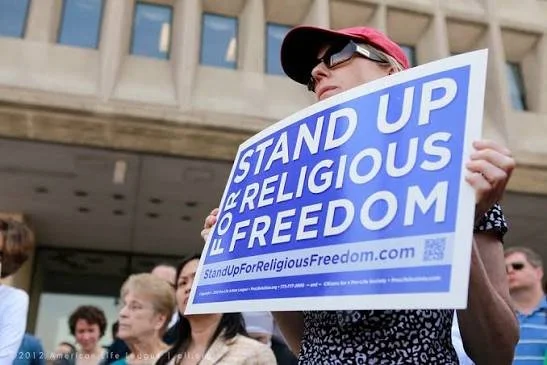
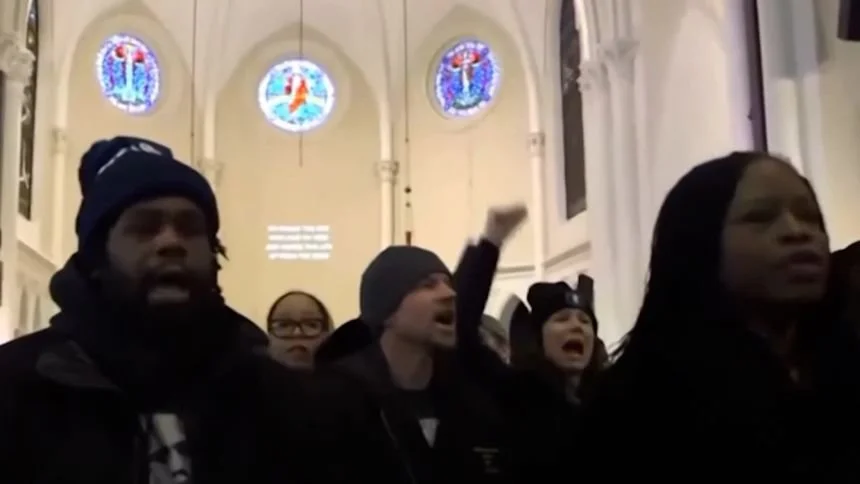
Read MoreThe St. Paul city attorney declined to file state charges against protesters who disrupted a Southern Baptist church service in January, citing insufficient evidence. Pastor Jonathan Parnell and legal advocates criticized the decision as a failure to protect religious freedom.
Read MoreOn Jan. 18, a cell of anti-ICE demonstrators crashed a Sunday service at the Cities Church, a Southern Baptist congregation in St. Paul, Minnesota. Debates about the legality of this protest have been defined by the Red vs. Blue divide in American politics, which has dominated the Donald Trump era. On the cultural right, this protest was seen as a violation of the First Amendment religious-liberty rights of the worshippers. On the left, efforts to prosecute the activists were seen as a violation of their First Amendment free-speech rights.
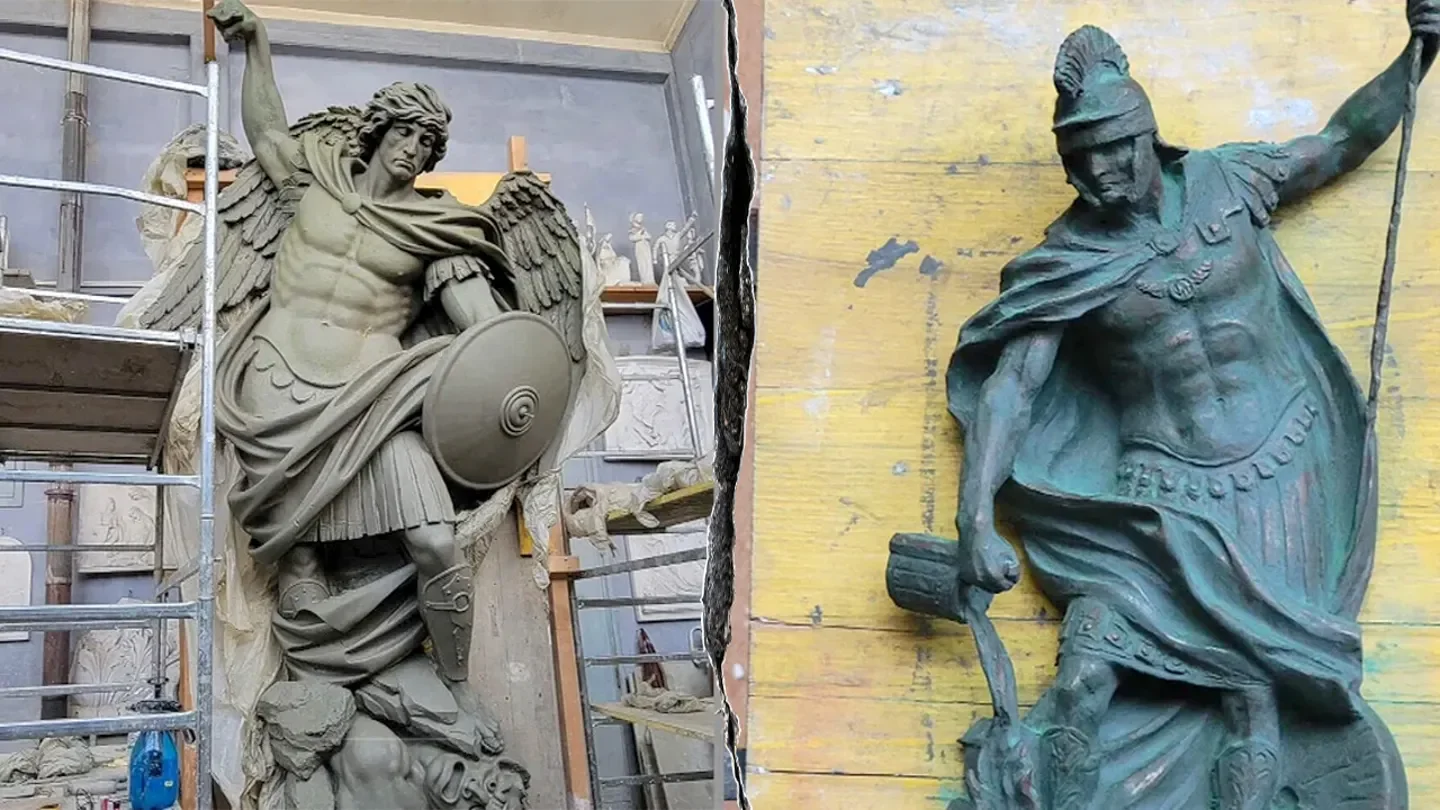
Read MoreAt a time when statues are coming down, this is a case about two that are proposed to go up. A city in Massachusetts plans to erect two statues featuring Catholic saints, but some residents have said that it shows favoritism to one religion. Now, it’s up to the courts to decide what to do next in a case that could reach the Supreme Court.
Read More