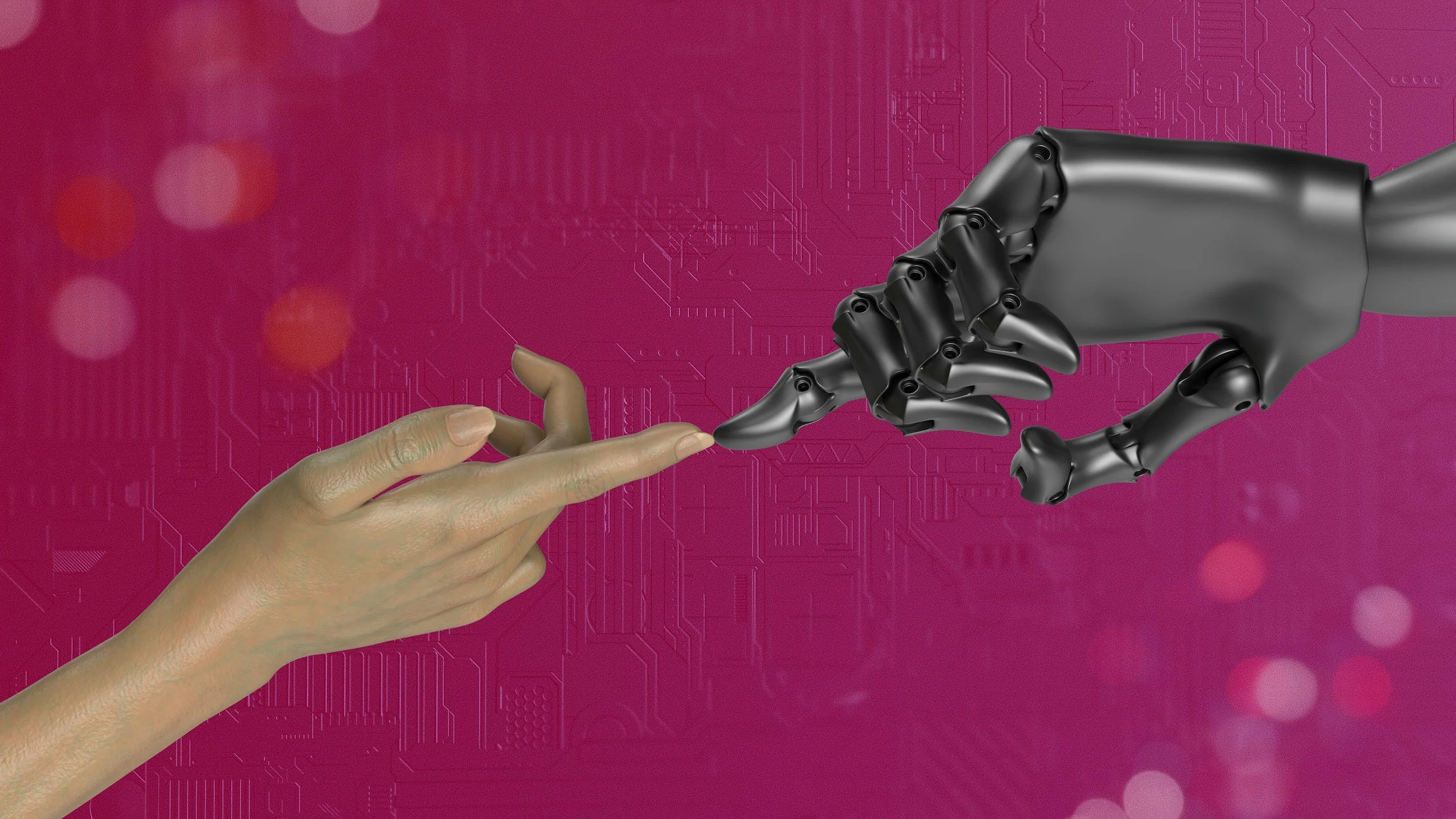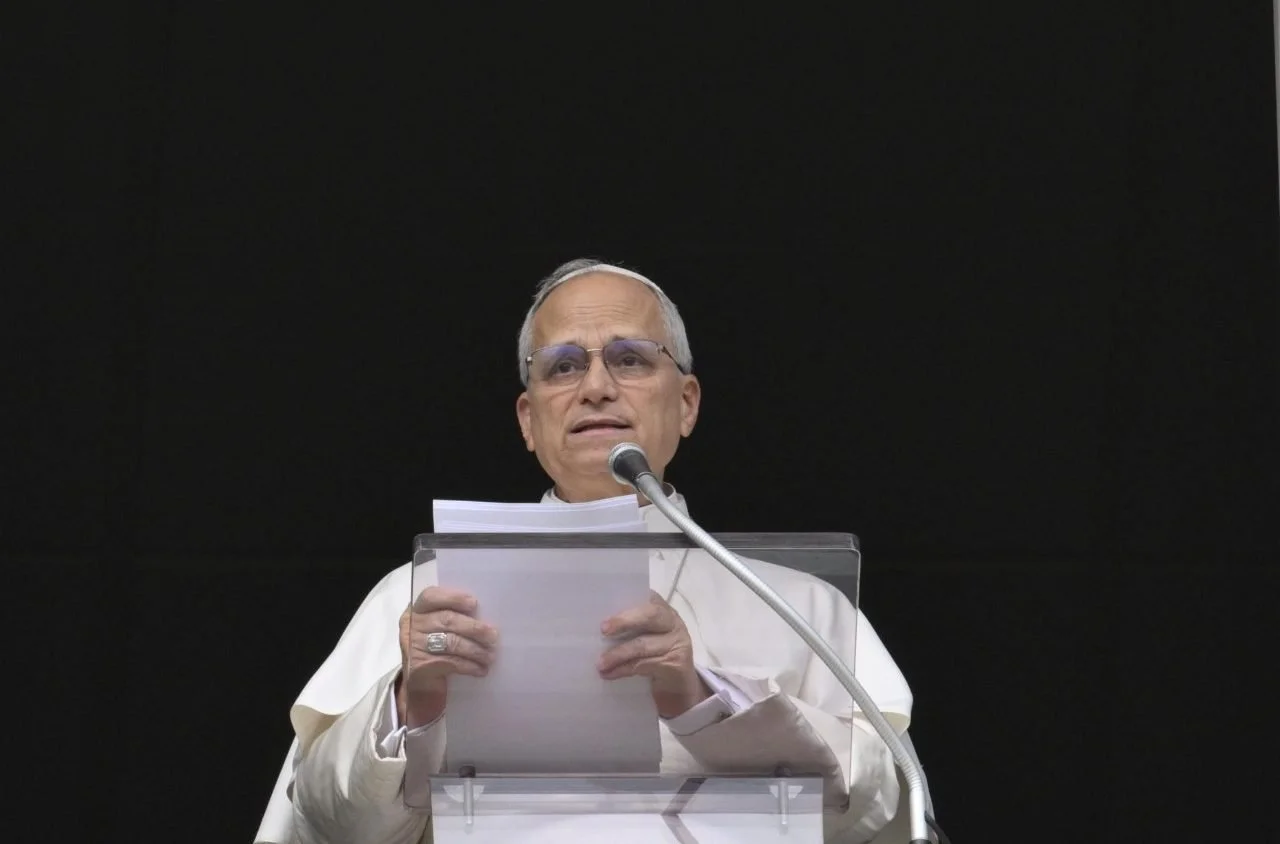
Matthew Peterson speaks with reporter Joseph Maina about how African AI developers are using their skills to in church services and how pastors view the rise of artificial intelligence.
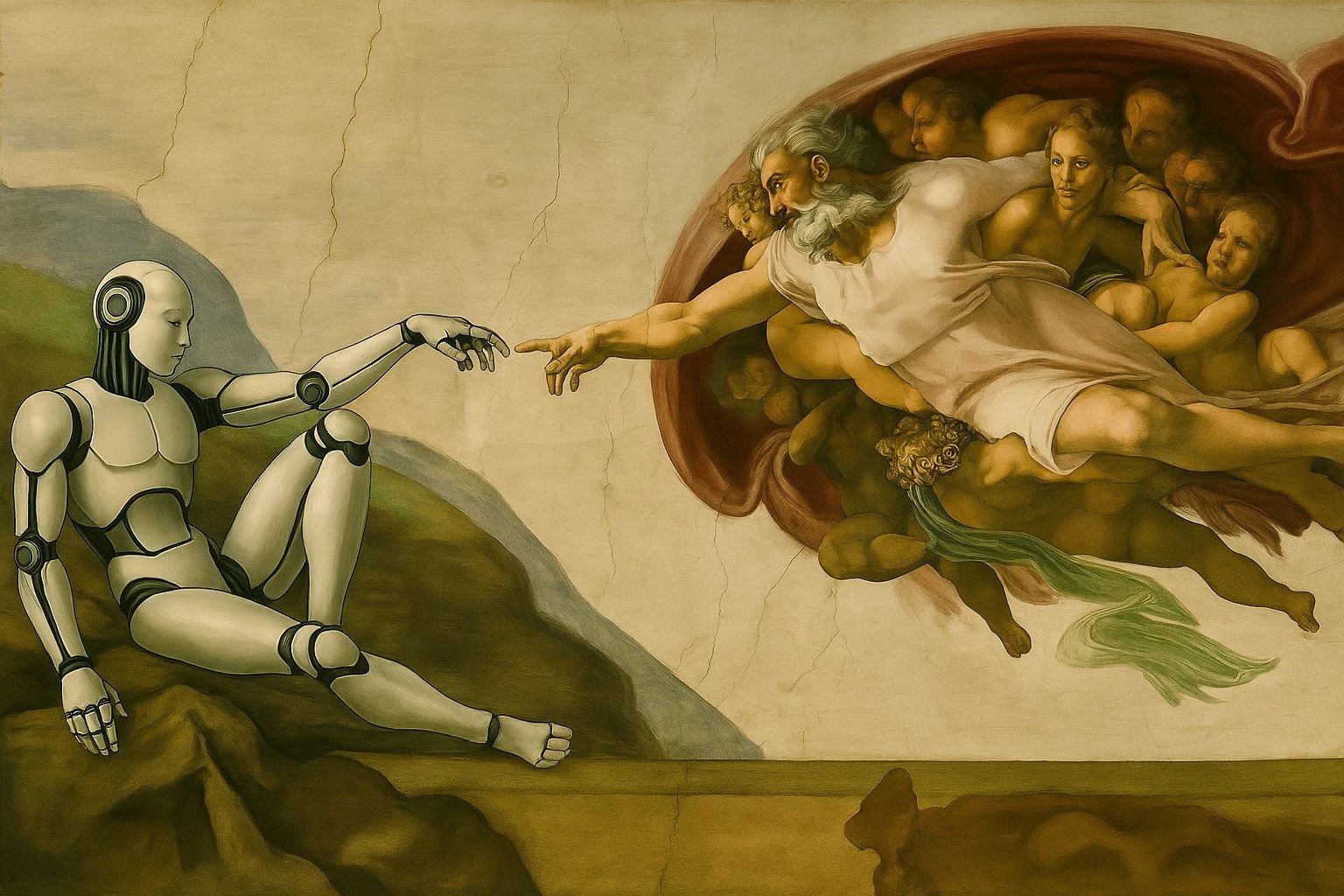
Read More(ANALYSIS) It seemed inevitable that the first encyclical from the first American pope, the forward-looking and worldly-wise Leo XIV, would focus on the growing furor over artificial intelligence. The pope’s encyclical comes as the culmination of various articles during recent weeks about the implications of AI on faith, ethics and morals.
Read MoreIn this week’s episode, we tackle Pope Leo’s first encyclical and what it means for AI, politics and, more importantly, Catholic doctrine.
Read More(ANALYSIS) With the release of his encyclical letter “Magnifica Humanitas” on May 25, Pope Leo XIV has signaled that he wants the church to respond to artificial intelligence much as a predecessor, Pope Leo XIII, responded to upheavals during the Industrial Revolution over a century ago.
Read More(ANALYSIS) In his first encyclical, Pope Leo XIV warned that artificial intelligence poses a profound threat to human dignity, labor and global stability if left unchecked. Calling for strong regulation and ethical oversight, he condemned AI-driven warfare, corporate concentration of power and profit-first development, framing AI as this century’s Industrial Revolution.
Read MoreMove over, pastors. New research reveals your counseling and pastoral care may no longer be needed. A new study shows that congregations might increasingly be turning to AI to deal with their spiritual needs and help with personal growth. The research shows 1 in 3 adults now believes AI's spiritual guidance is just as trustworthy as that of a pastor.
Read More(ANALYSIS) History shows that at every moment of profound technological change in our communication systems, incidents targeting Jews or other minority groups go up dramatically. This era’s technical innovation is unprecedented — but unfortunately, hate speech now travels around the globe almost instantly.
Read MoreThirty years ago, a woman was found dead by the side of the road in Arizona. Today, her body has still not been identified. To find out the strange reason why, I spoke to Hannah Feuer, a reporter at Forward.
Read More(ANALYSIS) From Enheduanna to Plato and Aristotle, ancient thinkers viewed writing as a deeply human act that expresses experience and transforms audiences. AI may generate convincing text, but lacking thought, emotion and lived experience, it may produce something closer to “generwriting” than true writing.
Read MoreThe Big Idea for this podcast? The social-credits system shifted into high gear the year after China, in 2018, launched sweeping new regulations to crush religious activities that lacked formal government approval. Digital technology is at the heart of China’s efforts to control the beliefs of its citizens.
Read MoreIn 1968, the three Apollo 8 astronauts, while the world focused on their Christmas Eve effort to orbit the moon, read the opening verses of Genesis, beginning with: “In the beginning God created the heaven and the earth. And the earth was without form, and void; and darkness was upon the face of the deep. And the Spirit of God moved upon the face of the waters. And God said, Let there be light: and there was light.”
Read MoreAfter the first wave of Bible chatbots, independent developers are now building AI tools to solve problems that arise during live worship, and that can operate despite Nigeria’s spotty internet. However, some groups question just how involved an AI tool should be during Sunday services. Critics have said AI will only help spread misinformation in Nigeria and across Africa.
Read MoreBoth U.S. Protestant pastors and churchgoers have a mixed view of artificial intelligence, according to a Lifeway Research study. They aren’t completely opposed to it, but they have concerns about how AI is implemented and its potential influence on Christianity.
Read More(ANALYSIS) For two decades, Christian television channels produced in the United States and Europe have made their way into Iranian homes. Some of this programming echoes apocalyptic ideas from American figures promoting the war, drawing on scriptural interpretations long present in evangelical teachings.
Read More(ANALYSIS) When the movie “Her” debuted in 2013, its plot felt like science fiction. The protagonist, Theodore, is a jaded man with no vigor for life. He comes alive after talking daily with his AI chatbot, with whom he falls in love. Today people actually report being in relationships with AI companions.
Read More(ANALYSIS) When Rational Sheep opened for business two-plus years ago, there was a huge signpost just ahead for people interested in debates about technology, smartphones, social media and screens-culture issues in general. We were getting close to the release of Jonathan Haidt’s “The Anxious Generation: How the Great Rewiring of Childhood Is Causing an Epidemic of Mental Illness.”
Read MoreChurch leaders across the United States are increasingly embracing technology as a vital part of ministry — even as concerns about authenticity, privacy and spiritual impact continue to shape how digital tools are used, according to a new report.
Read MoreUntil recently, DNA technology was not widely available in most African countries. However, in the past few years, it has not only become widely available but also increasingly affordable for many. At the same time, various social media platforms are abuzz with cases of ‘paternity fraud’, creating increased demand for these tests.
Read MoreLewis’s 1945 novel “That Hideous Strength” was marketed as fiction, but it read like more like a prophecy. Lewis’ warning at the time cuts deep for modern-day readers. The danger is not artificial intelligence itself. The danger, Lewis argues, is what happens when humans regard tech tools as oracles. It’s about what happens when humanity stops kneeling before God and starts bowing to its own tools.
Read MoreWhile most “Crossroads” podcasts focus on religion angles in major news stories, this week’s episode focused, you guessed it, on a short news “brief.” The problem is that we are talking about a brief about a Lutheran Church-Missouri Synod story that, if the details had been accurate, was worthy of an A1 feature.
Read More