(REVIEW) When it came out, the film was a watershed moment for the faith-based film industry. It was the highest-grossing independent film of 2018. This showed that faith-based films could succeed in the mainstream commercially and critically. Not only did this create more investment in faith-based projects, but also shaped future films.
Read More(ESSAY) Robert Duvall, the Oscar-winning actor whose six-decade career spanned from “To Kill a Mockingbird” to “The Apostle,” died on Sunday at 95. Known for his soulful, searching performances, Duvall wove faith, redemption and human frailty into his movies, leaving behind a legacy defined by conviction, craft and spiritual depth.
Read More(REVIEW) “Dracula” stands apart from recent pagan-leaning vampire films by embracing an explicitly Christian worldview. Framing vampirism as rebellion against God and redemption through repentance, it centers a heroic Catholic priest and divine mercy. Though weakened by its reincarnation premise, the film uniquely treats Christianity as true and redemptive.
Read MoreClarkson’s work goes against the cultural current. In an age where many loud voices urge us to put away thoughts of self-criticism and turn instead toward radical self-acceptance, he argues that to truly value ourselves is to understand where we have failed and where we need to grow. He encourages readers to spend less time bemoaning the people who are making the world worse.
Read More(REVIEW) Faith-based films about sex trafficking are becoming more common, reflecting cultural anxieties and a push toward grittier storytelling. “Still Hope” exemplifies this trend, offering a sincere portrayal of recovery, but ultimately faltering through one-dimensional characters, didactic messaging and a tendency to prioritize education over authentic stories.
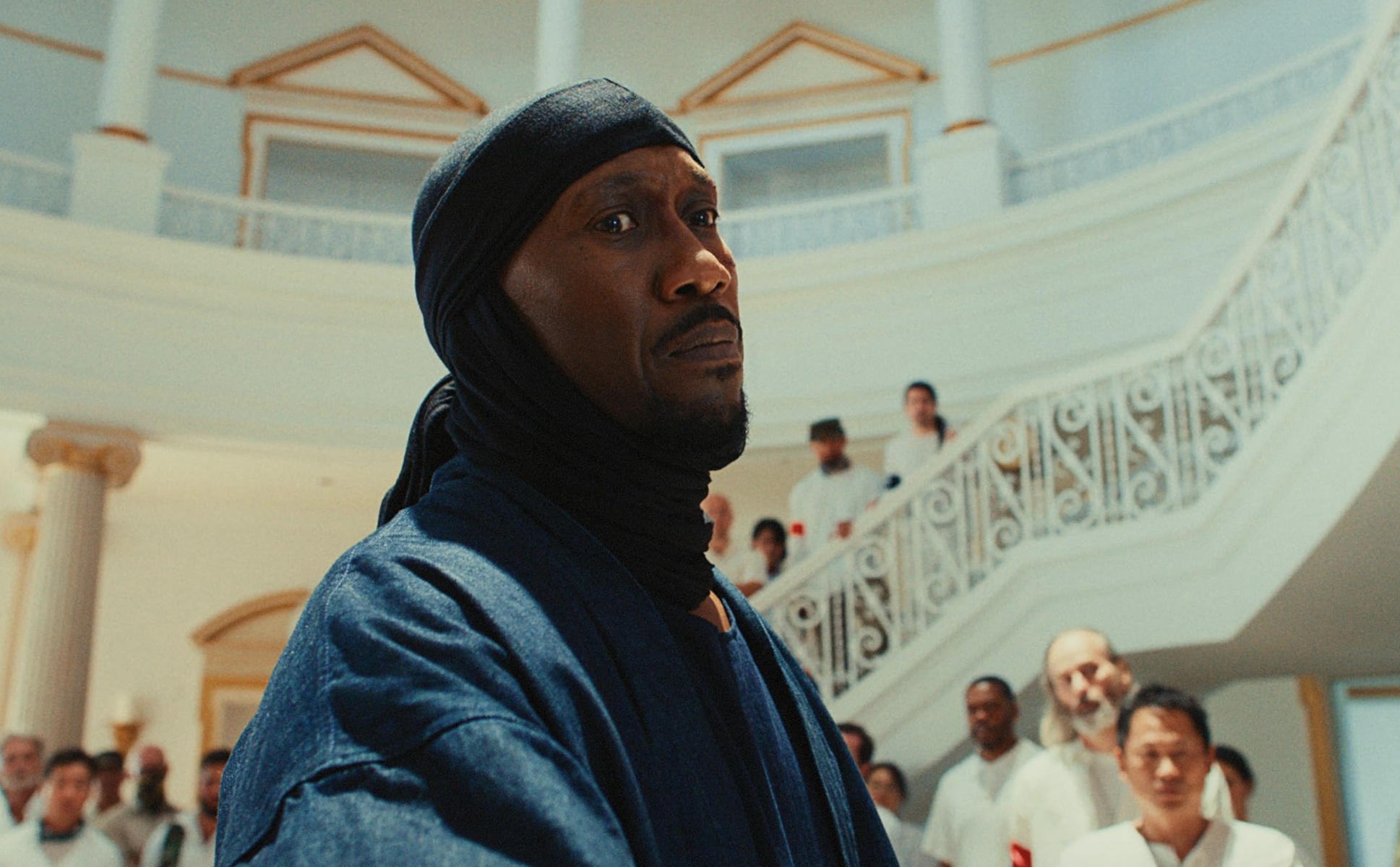
Read More(REVIEW) “Moses the Black” is a gritty, well-crafted independent film exploring faith, violence and redemption through a Chicago gang leader’s encounter with a historical saint. Anchored by strong performances and confident direction, it offers a rare, authentic portrayal of religious experience largely absent from Hollywood and deeply rooted in lived belief.
Read More(REVIEW) “28 Years Later: The Bone Temple” comes out. This film functions less as a fourth sequel to “28 Days Later” and more as a direct one to “28 Years Later,” following the events from that film. In a shift, “The Bone Temple” makes the antagonists Satanists rather than Christians. This reflects a world, very much like ours, where Christianity is no longer atheism’s chief rival.
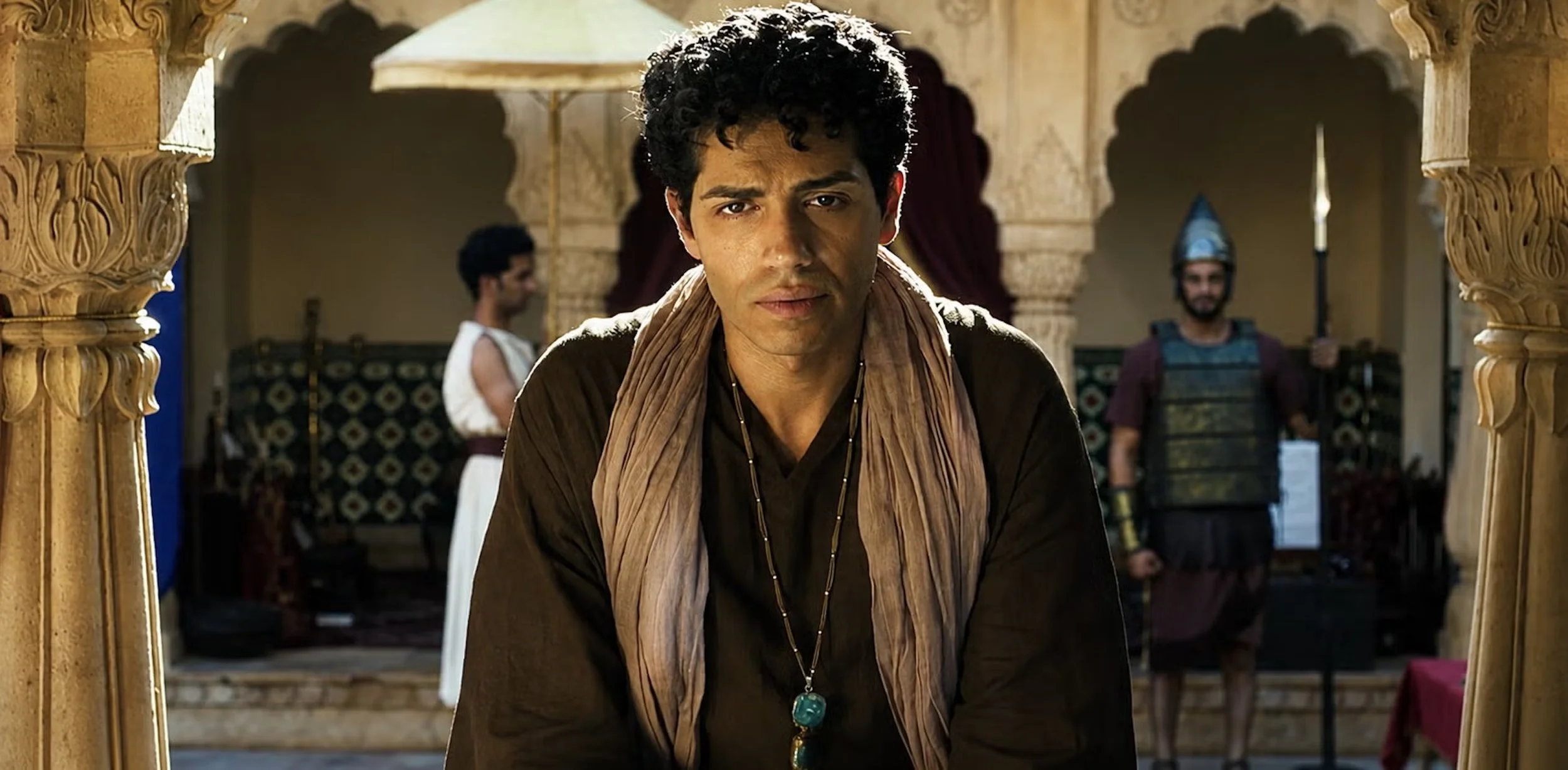
Read More(REVIEW) The faith-based film industry is going through major changes. It’s starting to break into the mainstream, with critical and box office success. As a result, there’s a new film genre called “based faith” targeting conservative, Christian male audiences, but if “The Pendragon Cycle: Rise of the Merlin” premiere is any indication, this new genre has a rocky road ahead.
Read More(ANALYSIS) Sam Kinison, the famed comedian, is remembered for his intensity, volcanic punchlines and the wild nights that carried him far beyond the boundaries most people never cross. But long before the fame, he lived in a world far more holier. Born into a family of Pentecostal preachers, he grew up where faith was the structure around which life revolved.
Read More(ANALYSIS) One of the things few people discuss about the “Avatar” films is how deeply “faith-based” they are. In fact, their spirituality may be one of the most influential things about the franchise in Hollywood. Since the first film graced theaters in 2009, Hollywood has followed its example in portraying religiosity on film — both for good and ill.
Read More(ANALYSIS) The hit Netflix series “Stranger Things” has consistently woven religious symbolism into its supernatural horror storytelling. Nowhere is this more striking than in the way the villain Vecna functions as a dark, inverted reflection of Jesus — especially in the show’s fifth and final season.
Read More(ANALYSIS) Many characteristics of Shaker life and belief set them apart from other Protestants, but their name derives from one of the most obvious. Early Shakers manifested the holy spirit they believed dwelled within them by shaking violently in worship. The film “The Testament of Ann Lee” brings this movement to life for modern audiences.
Read More(ANALYSIS) There’s no doubt that faith-based films blew up in 2025. Whether that’s in the faith-based film industry putting out record-breaking theatrical releases of “The Chosen” and other Jesus movies or Hollywood exploring religion with a newfound earnestness in the horror genre or blockbusters, faith was everywhere this year.
Read More(ANALYSIS) “A Charlie Brown Christmas,” the beloved animated television program, turns 60 this year. It is hard to imagine that it almost did not air. Network executives thought it moved too slowly for a Christmas special. They also were convinced that the absence of a laugh track, a staple of 1960s-era comedies, would be the kiss of death.
Read More(REVIEW) The film follows the real-life story of Ann Lee, who in the 18th century was the founding leader of the Shaker Movement and was proclaimed as the female Christ by her followers. “The Testament of Ann Lee” is an example of why Hollywood is interested in stories about faith. It’s also an example of why it’s hard for them to capture the experience in a way that resonates with believers.
Read More(REVIEW) What does it mean when we finds moral clarity from not just punishing criminals, but making it a spectacle? When the most reviled offenders are exposed and humiliated in public view, few feel compelled to object. After all, who would defend a child sex predator? All this is examined in a new must-see Paramount+ documentary.
Read More(REVIEW) The film follows Biblical hero David, and while the film itself is rather underwhelming, its very existence is cause for celebration and optimism. We’ll likely see more, and better, animated faith-based films on the big screen in the coming years.
Read More“Wake Up Dead Man: A Knives Out Mystery” has been celebrated by Christians and non-Christians alike. It has a 92% from critics and 94% from audiences on Rotten Tomatoes, and Christian outlets like Christianity Today have given the film glowingly positive reviews and specifically for its representations of faith.
Read More(ANALYSIS) Living in a culture that largely closes down each Dec. 25, many Jews have found ways of making meaning in the day — be that sharing family time over beef and broccoli, followed by a holiday blockbuster, or working to make sure that more of their colleagues can have a family day. And those, too, are Christmas traditions.
Read More(REVIEW) “The Case for Miracles” attempts to encourage all of these groups with belief in the miraculous. Unfortunately, it tries to do too much and please too many potential audiences. The result is that, though its heart is in the right place, almost everyone, even those who agree with it, will likely go away unpersuaded and unsatisfied.
Read More