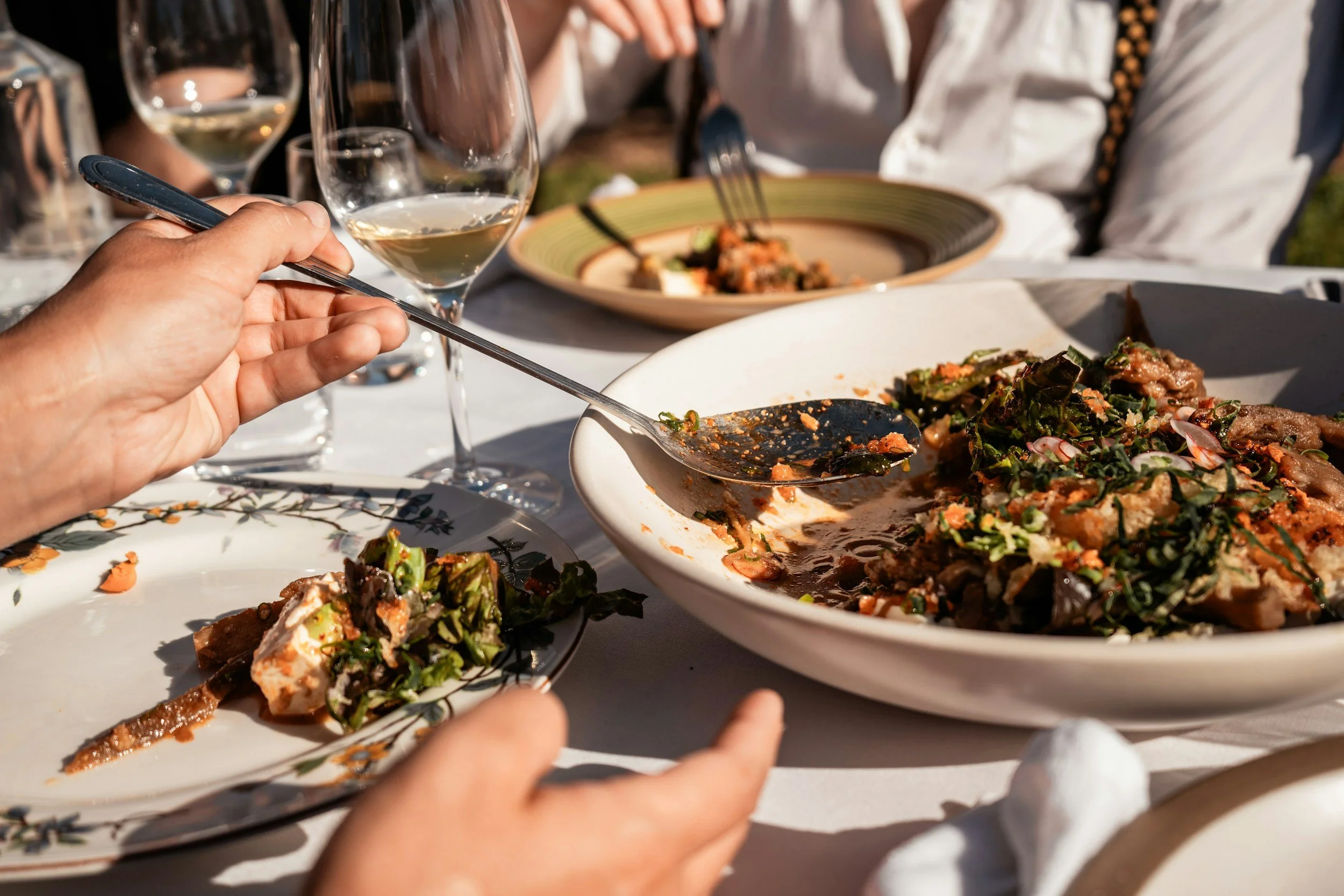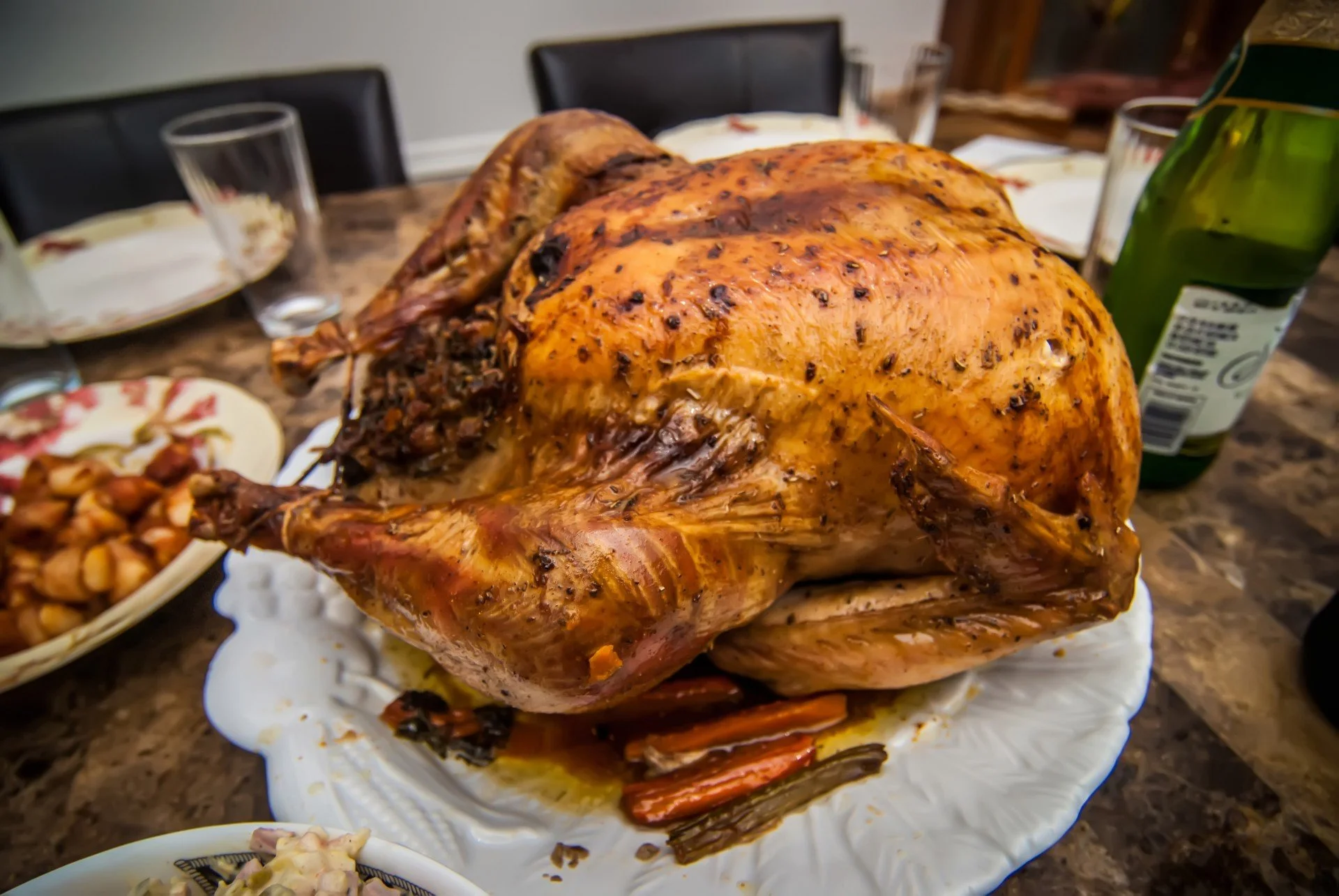
(ANALYSIS) Thanksgiving evolved from early colonial religious observances into a national holiday largely through Sarah Josepha Hale’s efforts. Promoted as a celebration of family, gratitude and national identity, it also became a way for immigrants to embrace American traditions while incorporating their own cultural customs.
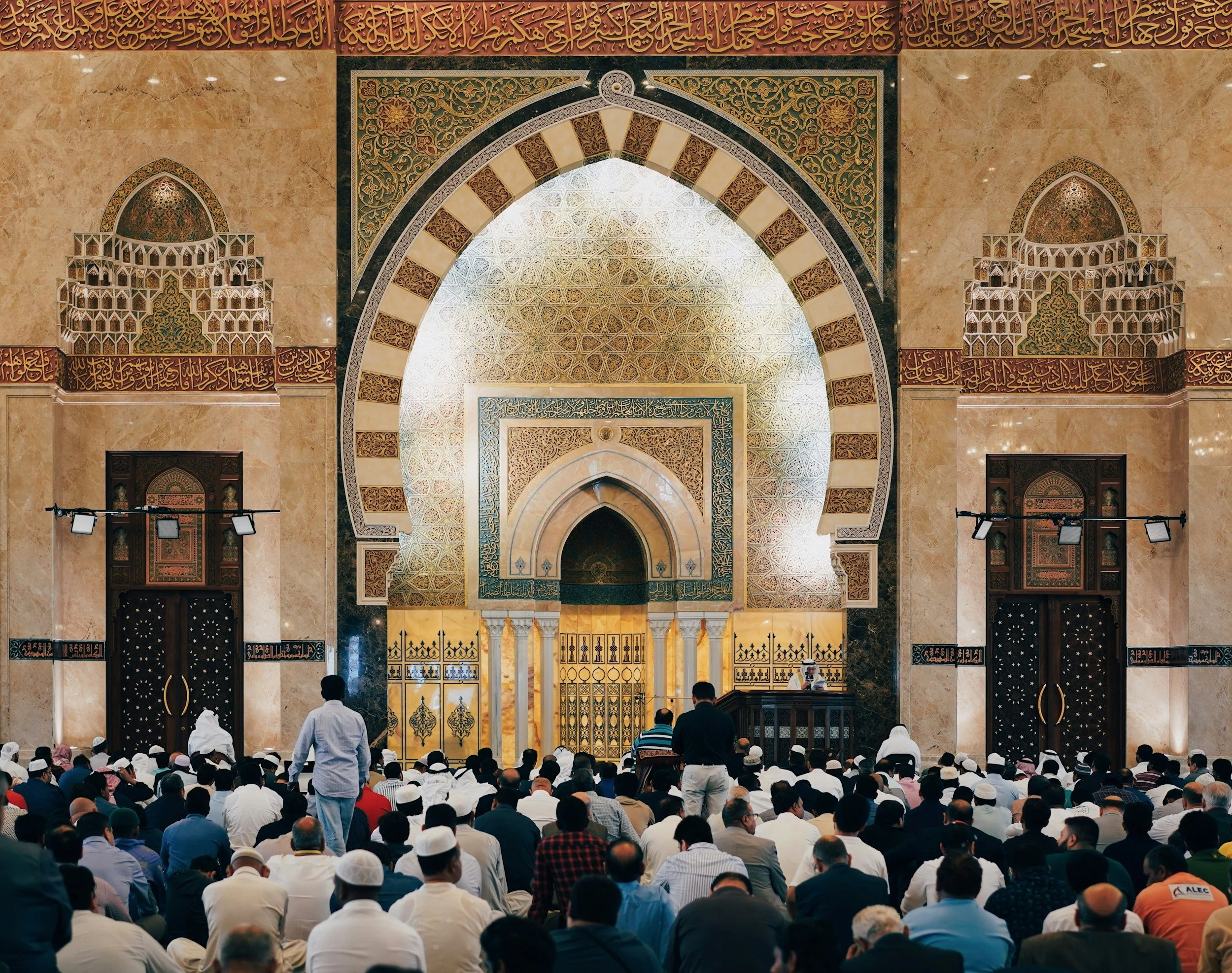
Read MoreA new study projects Islam will surpass Christianity as the world’s largest religion by 2035, driven largely by higher birthrates. The article argues that this demographic shift must be understood alongside religious persecution — particularly in sub-Saharan Africa, where Christianity and Islam are both growing amid violent religious conflicts.
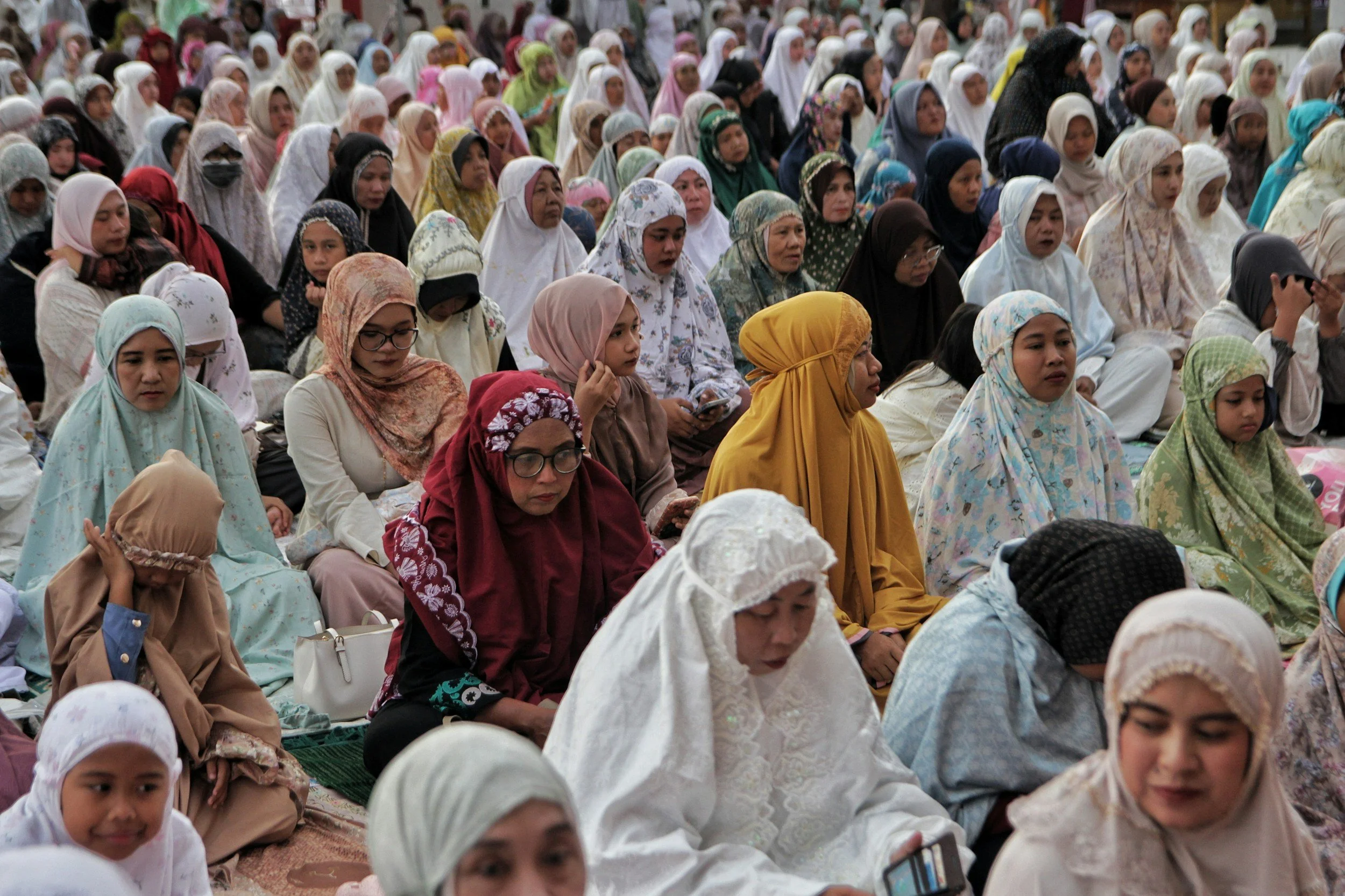
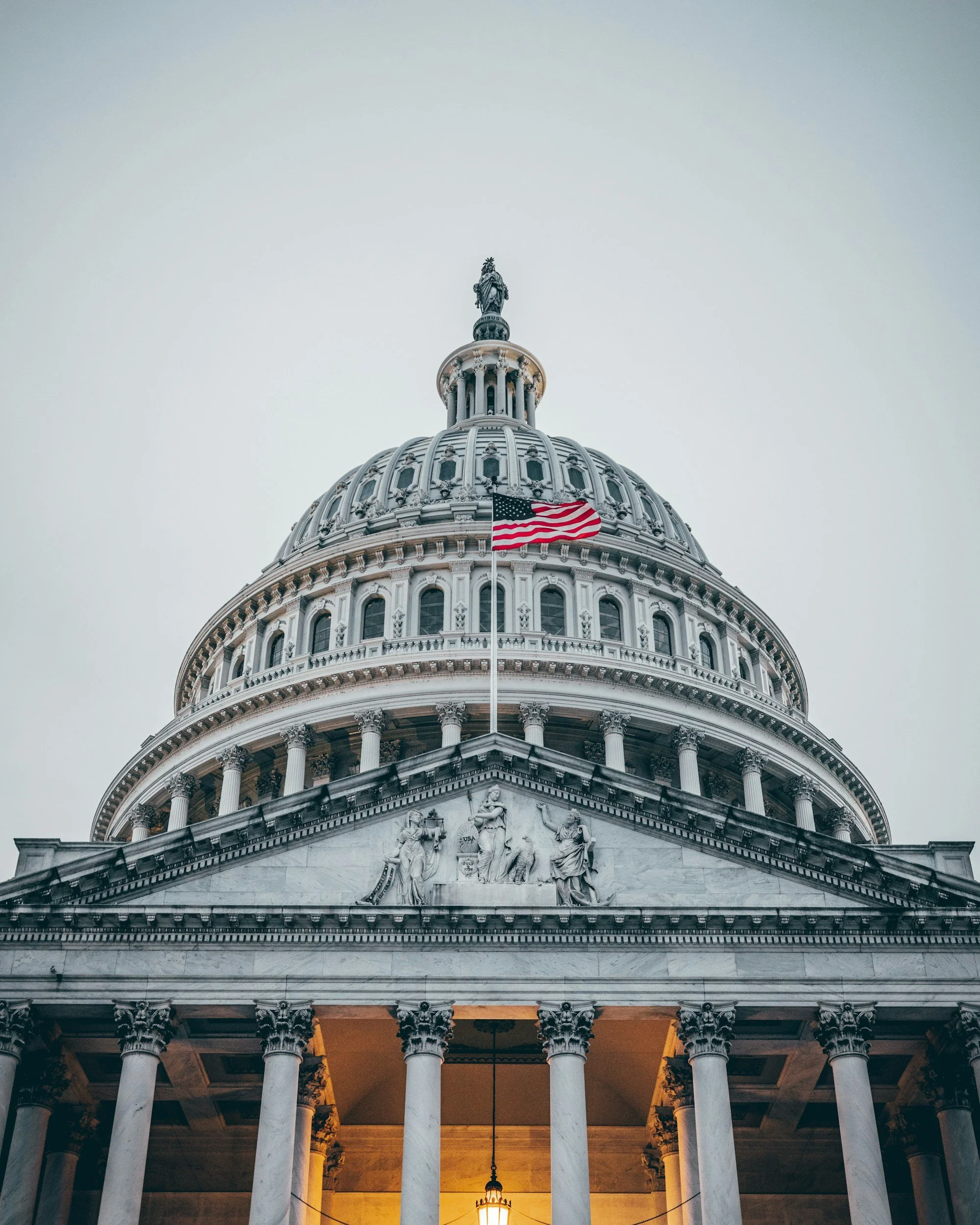
Read MoreHistorians disagree on whether America’s founders intended to establish a Christian nation. While many valued religion’s role in civic life, they sought to prevent religious coercion and conflict. The Constitution enshrined religious pluralism, reflecting compromise amid deep divisions that continue shaping America’s identity today.
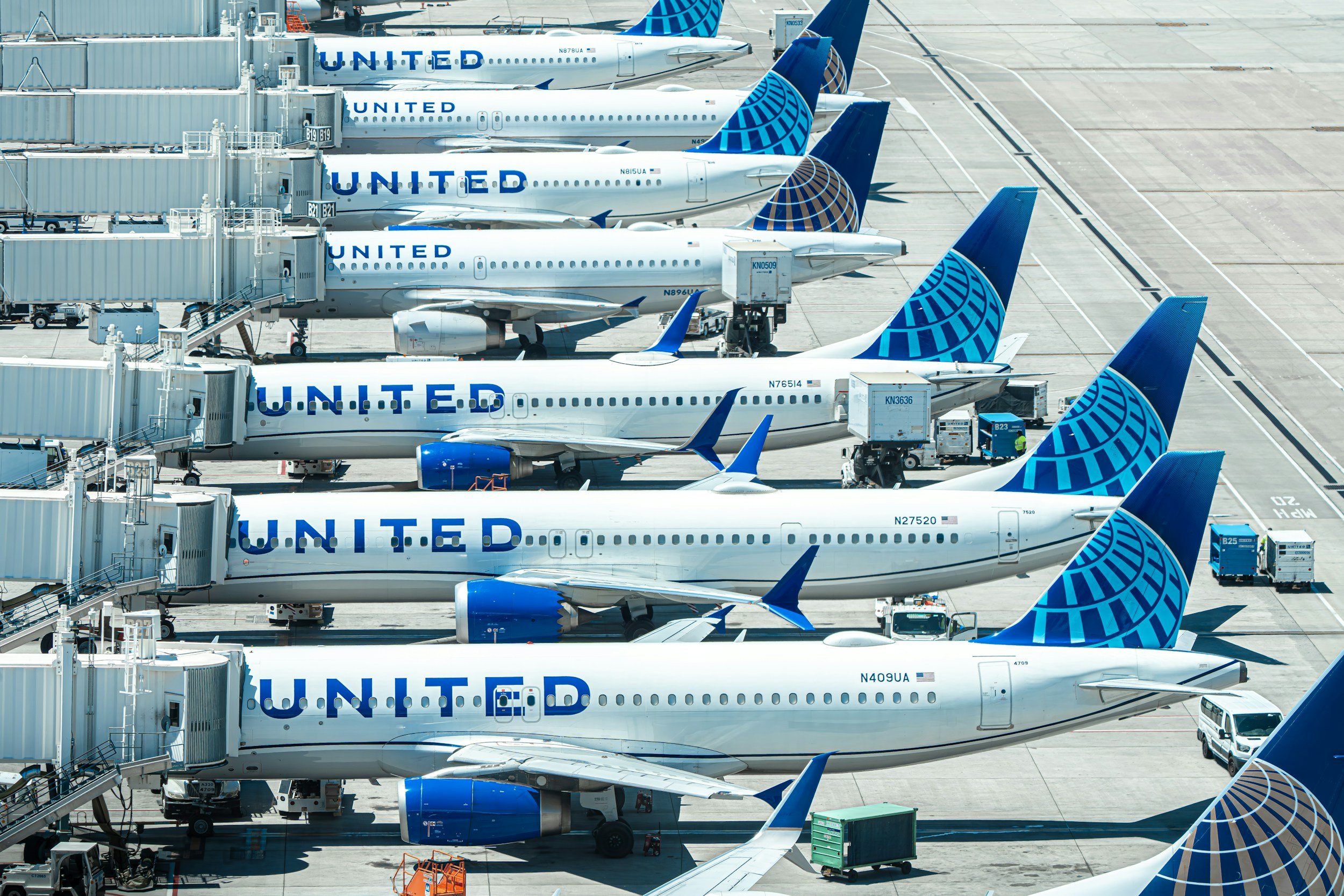
Read More(OPINION) Headphones plugged in, settled in as comfortably as possible, excited about the free Wifi, it took me a while to notice that my plane had not yet taken off. I was halfway to my destination: A weekend in Nashville to celebrate a close friend’s birthday. Waiting to take off during my brief connection in Salt Lake City, the intercom suddenly pinged.
Read MoreBased on recent trends, Pew Research Center said Muslims will outnumber Christians worldwide by 2035, driven by higher birth rates, younger populations and rapid growth in sub-Saharan Africa. By the year 2070, Muslims could represent 36% of the planet’s population, while Christianity faces declining shares in several regions, including Europe and the United States.
Read MoreToday, in a national landscape complicated by both secularists and religious zealots, compromise and collaboration are in short supply. So, whose fault is that? Are we too religious, or are we not religious enough? This week’s podcast guests argue strongly for the latter.
Read More(ANALYSIS) One of the questions that just continues to haunt me is one that I wish I had a better answer to in the data: Are young men more or less religious than young women? The fact that women are more religious than men has been “known” by social scientists studying religion for years. So the fact that we just can’t assume that to be true anymore is certainly noteworthy.
Read More(ANALYSIS) The 2026 midterms delivered sweeping Democratic victories, reshaping the political landscape and elevating religious leaders, minority candidates and LGBTQ+ officials. The results also exposed shifting religious voting patterns and growing divisions over Israel, setting the stage for 2028.
Read MoreBrooks Potteiger, pastor to Defense Secretary Pete Hegseth, discusses Christian nationalism, religion’s role in American politics and his congregation’s controversial views on gender, abortion and immigration. With Hegseth attending services and participating in Pentagon worship, the church has become a focal point of national debate.
Read MoreIt isn’t normal for the New York Times to publish a Bible study about a huge story in American politics.
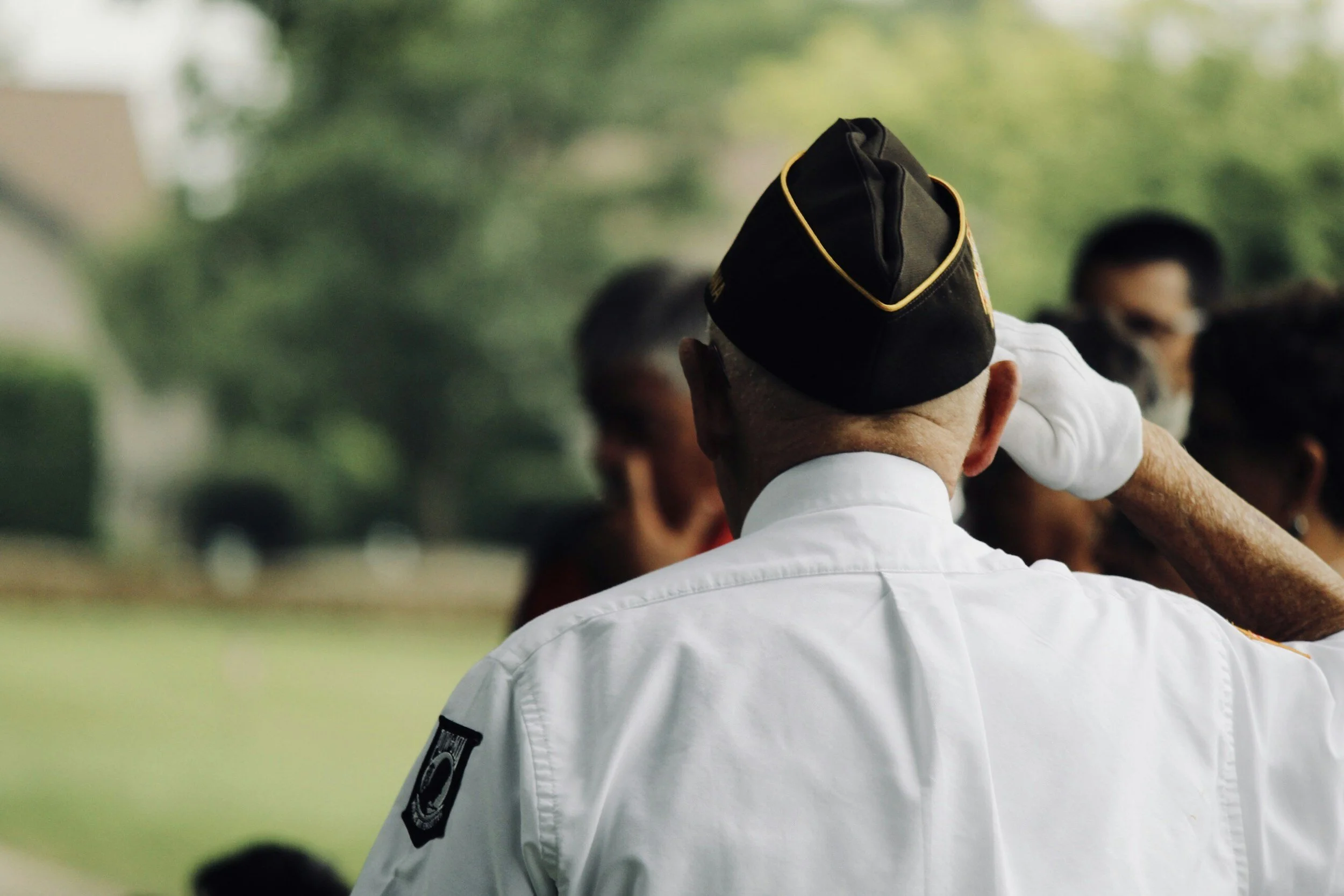
Read More(OPINION) This Veterans Day, we commemorate more than 251 years of American military service. Established on June 14, 1775, the Continental Army preceded the nation whose independence it would help secure. From the beginning, American patriots took up arms to defend a people who would soon appeal in the Declaration of Independence to the “Supreme Judge of the world for the rectitude of our intentions.”
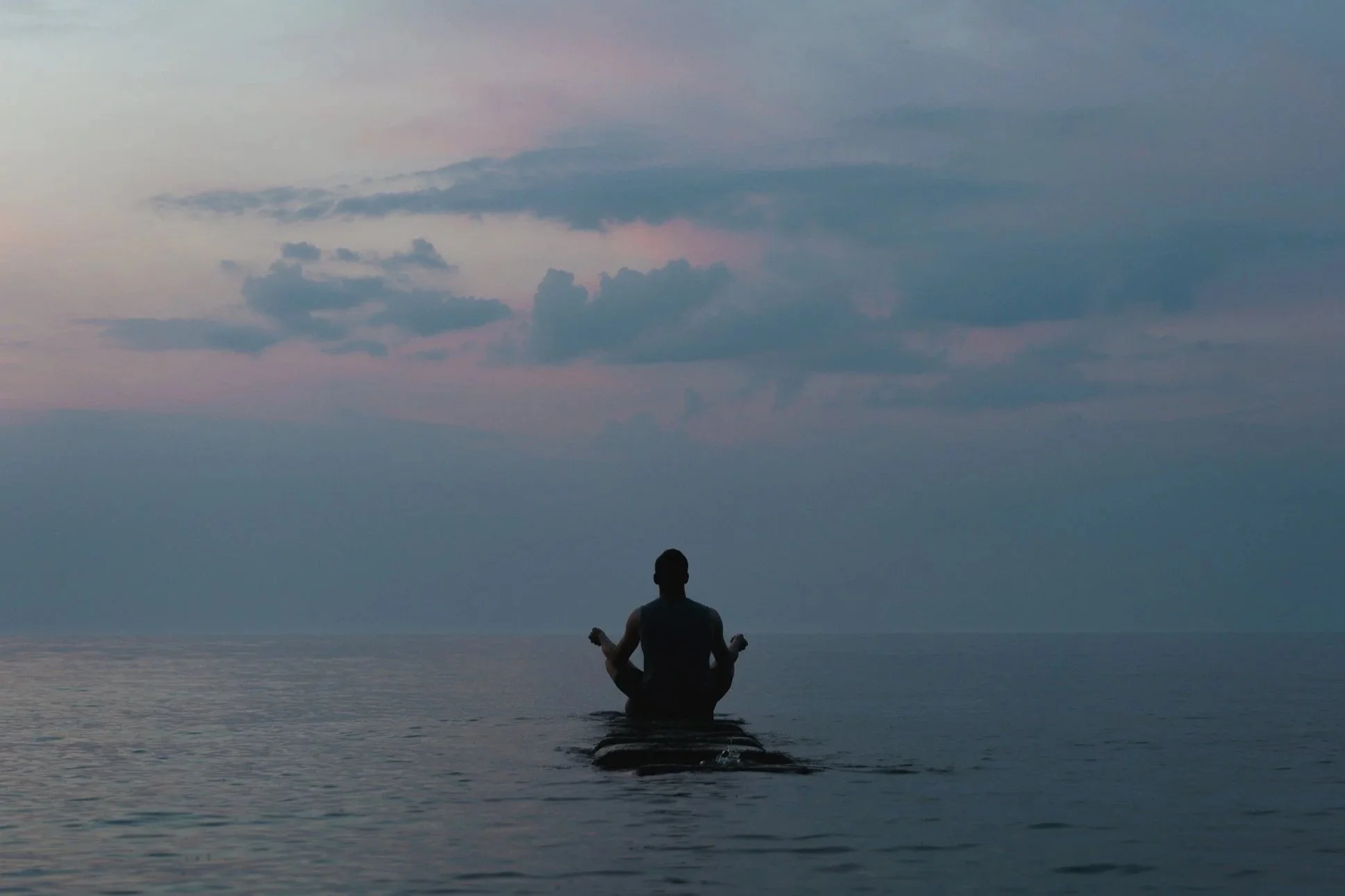
Read MoreToday, meditation is practiced by 17% of U.S. adults, up 10% from 20 years ago. But is this popular practice actually helpful or is it just a corporatized interpretation of an ancient spiritual technique meant to distract us? And was it ever helpful to us, even before western civilization got its hands on it? Find out on this week’s podcast.
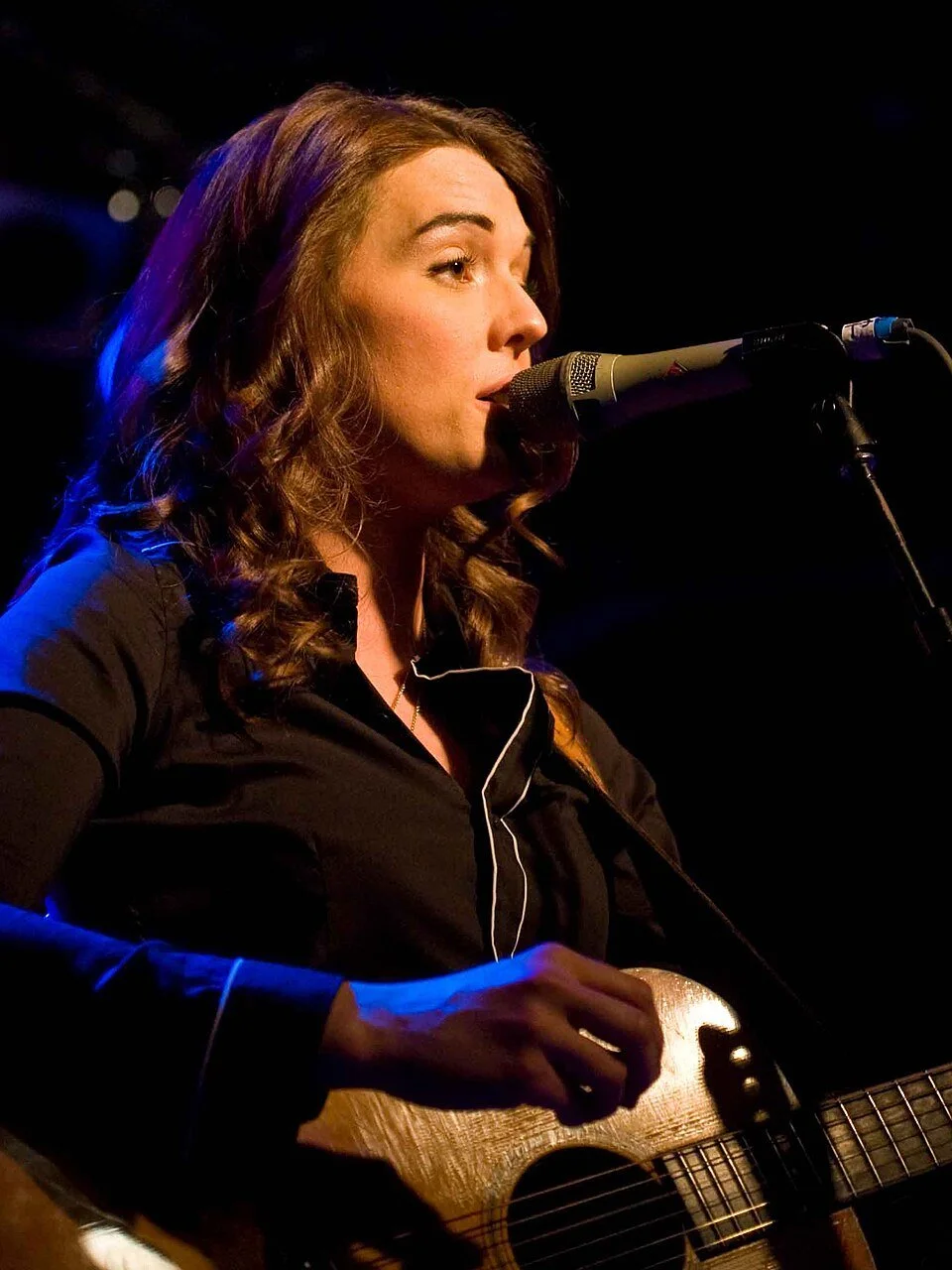
Read More(OPINION) I have a confession: I’ve tried for years to interview Carlile about the spirituality in her music. It hasn’t happened yet, but I’m holding onto the dream. Brandi, if you’re reading this, it’s OK to change your mind!
Read More(ANALYSIS) What does the future of faith look like? That’s a question I get asked all the time by folks who are interested in what’s just over the horizon when it comes to American religion.
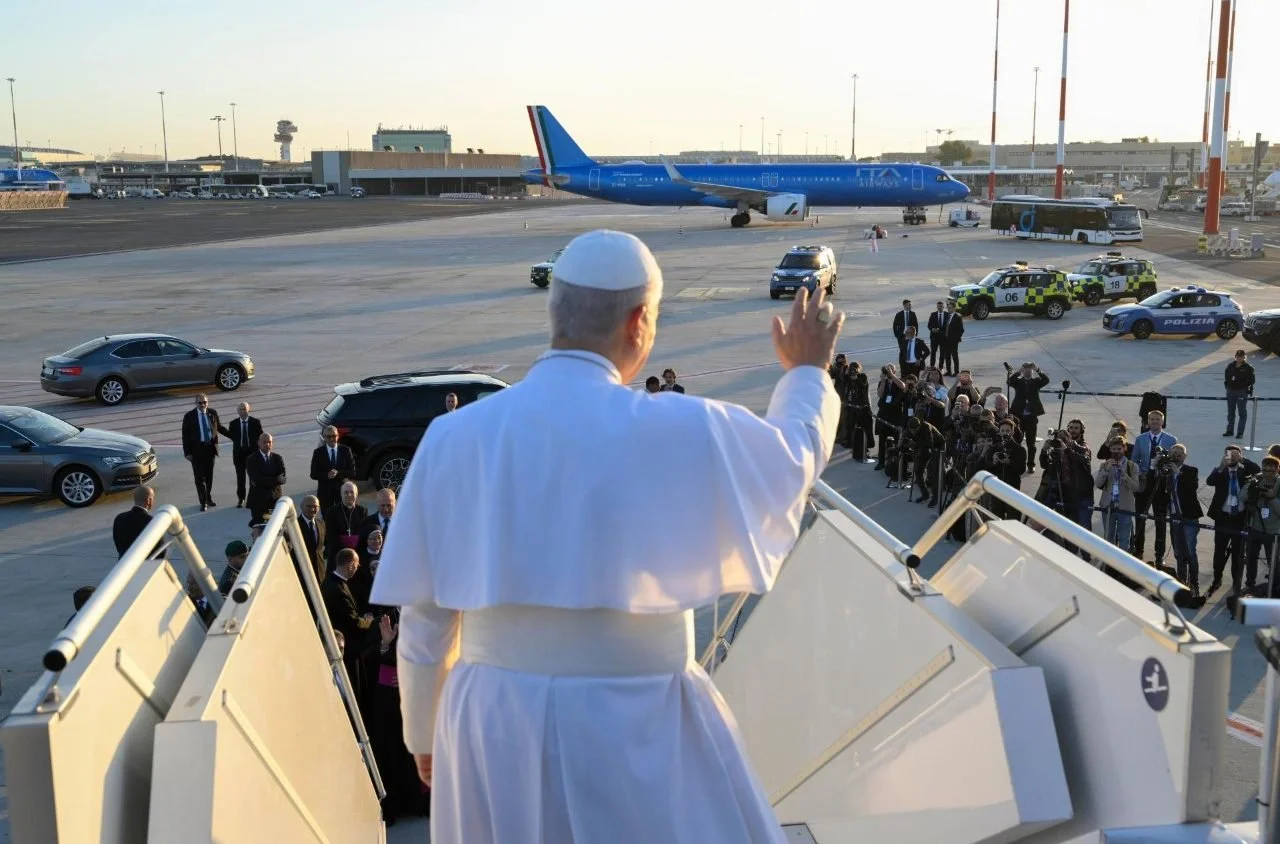
Read More(ANALYSIS) Pope Leo XIV travels to Latin America on Nov. 6, 2026, with a packed itinerary that will bring him through Uruguay, Argentina and Peru. It is Leo’s first trip to the region since his elevation to the papacy — and a homecoming for a pope who spent two decades in Peru and holds Peruvian citizenship.
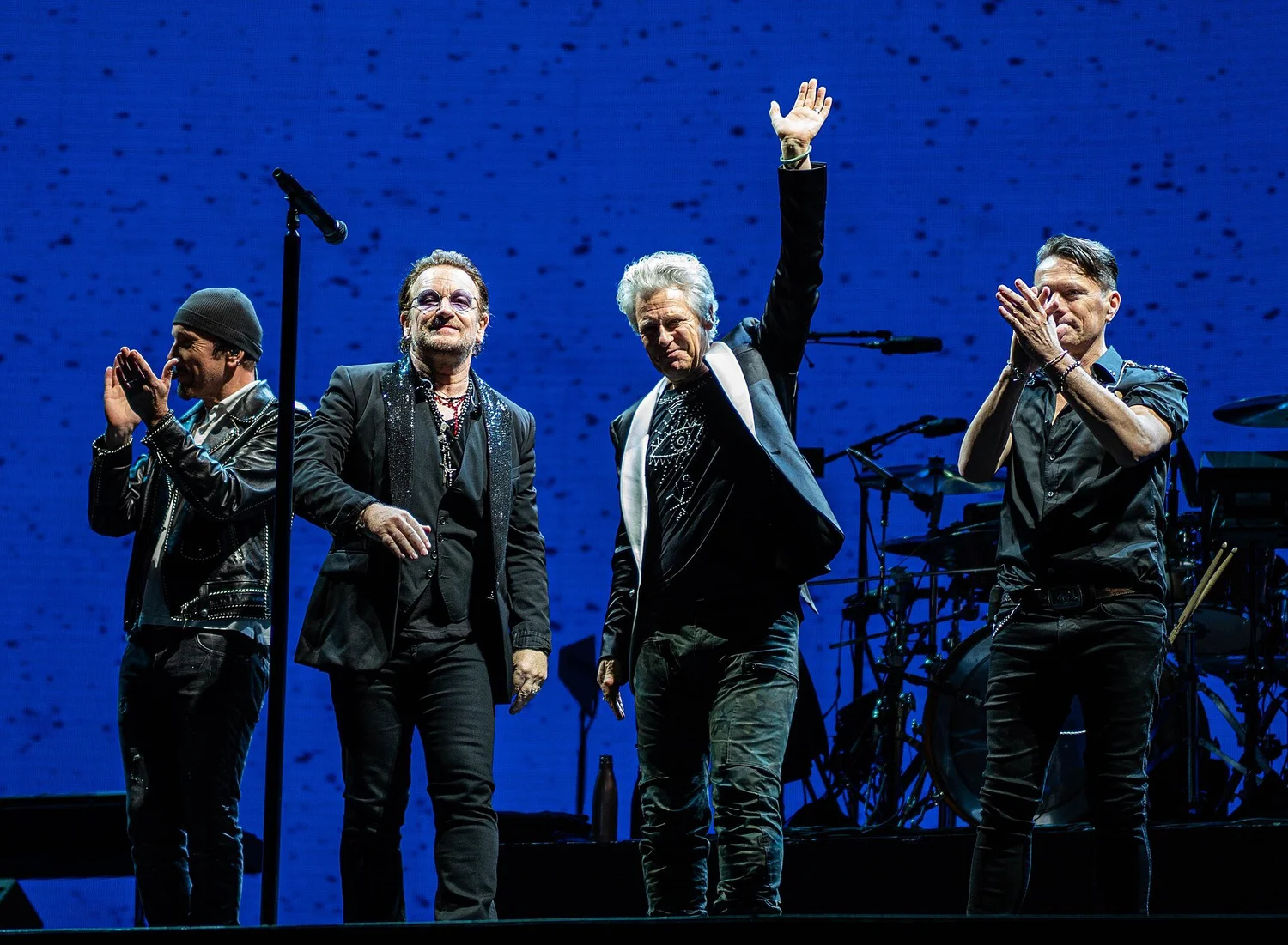
Read MoreThe New York Times feature marking the band’s 50th anniversary — the hook for this week’s “Crossroads” podcast — starts with U2 returning to Mount Temple to celebrate on the stage where the quartet did one of its first gigs. The lengthy interview: “50 Years In, What’s the Point of U2? Bono and the Edge Have Answers.”
Read More(ANALYSIS) I am not here to judge those taking mind-altering medication. Rather, my point is that biology and theology now overlap in ways that make spiritual disconnection especially difficult to identify and understand. A parishioner who feels nothing while kneeling at the altar rail might be undergoing an enormous test of faith.
Read More(ANALYSIS) Most surveys are not particularly good at digging into the reasons why people aren’t reproducing anymore. However, we have a great new addition to the discourse about fertility because Pew has posted their American Trends Panel 147 on the Association of Religion Data Archives. The first line of the summary tells the whole story.
Read MoreHow does a non-religious person who desires to be religious fully embrace a faith community? And how do religious people make their communities ones in which this is possible? Rabbi Noa Kushner’s new book, “Pretend You Believe,” might just have the answers you’re searching for.
Read More(ANALYSIS) Americans increasingly turn to religion for guidance on what to eat amid rising food costs, nutrition concerns and conflicting advice. Drawing on research into four religious alternative food movements, one researcher explores how faith shapes eating habits and inspires efforts to transform the American food system.
Read More