The story of Faith Forward Community Church demonstrates how religious institutions can play a vital role in addressing the needs of their surrounding communities. Rather than prioritizing the preservation of its own building, the church chose to replace its former space with 67 units of affordable housing in response to New York City’s growing housing crisis.
Read More(ANALYSIS) What does the future of faith look like? That’s a question I get asked all the time by folks who are interested in what’s just over the horizon when it comes to American religion.

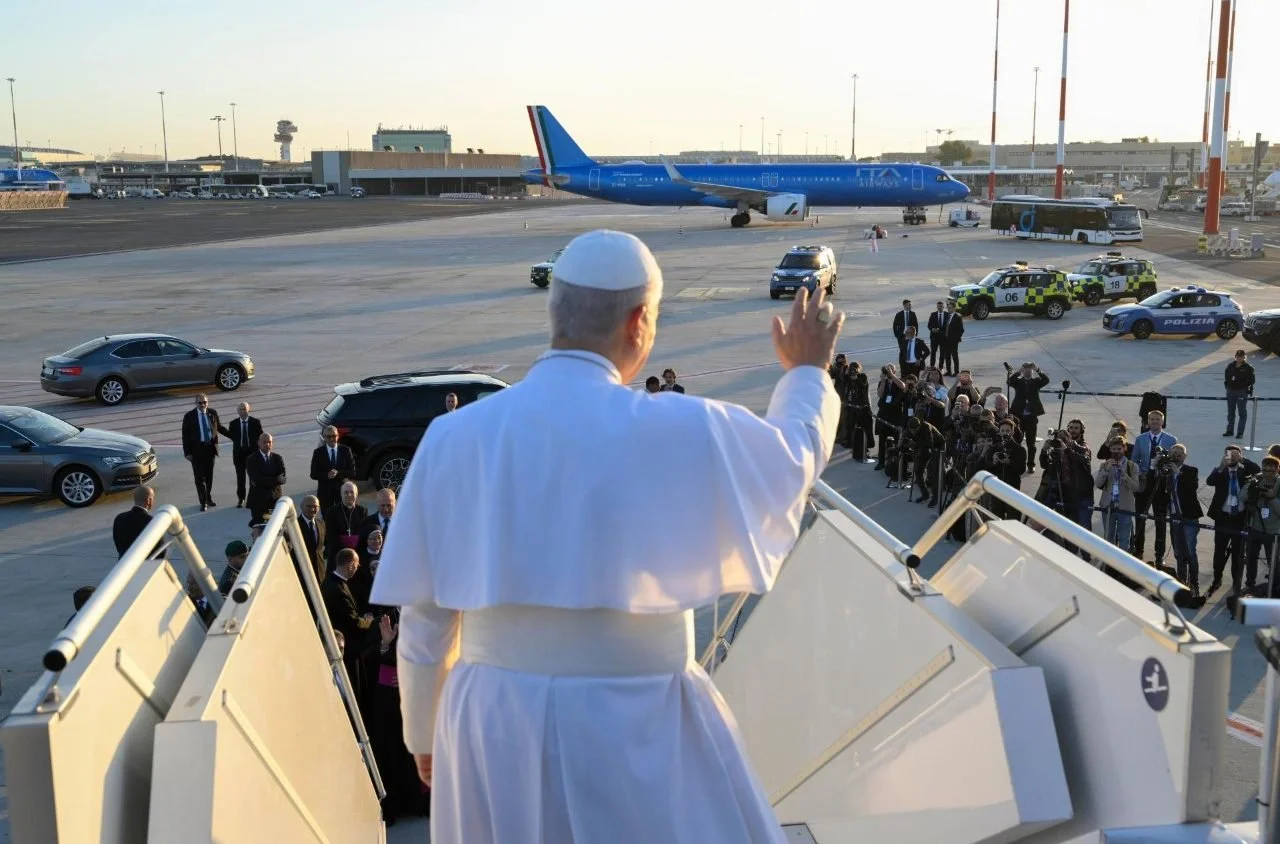
Read More(ANALYSIS) Pope Leo XIV travels to Latin America on Nov. 6, 2026, with a packed itinerary that will bring him through Uruguay, Argentina and Peru. It is Leo’s first trip to the region since his elevation to the papacy — and a homecoming for a pope who spent two decades in Peru and holds Peruvian citizenship.
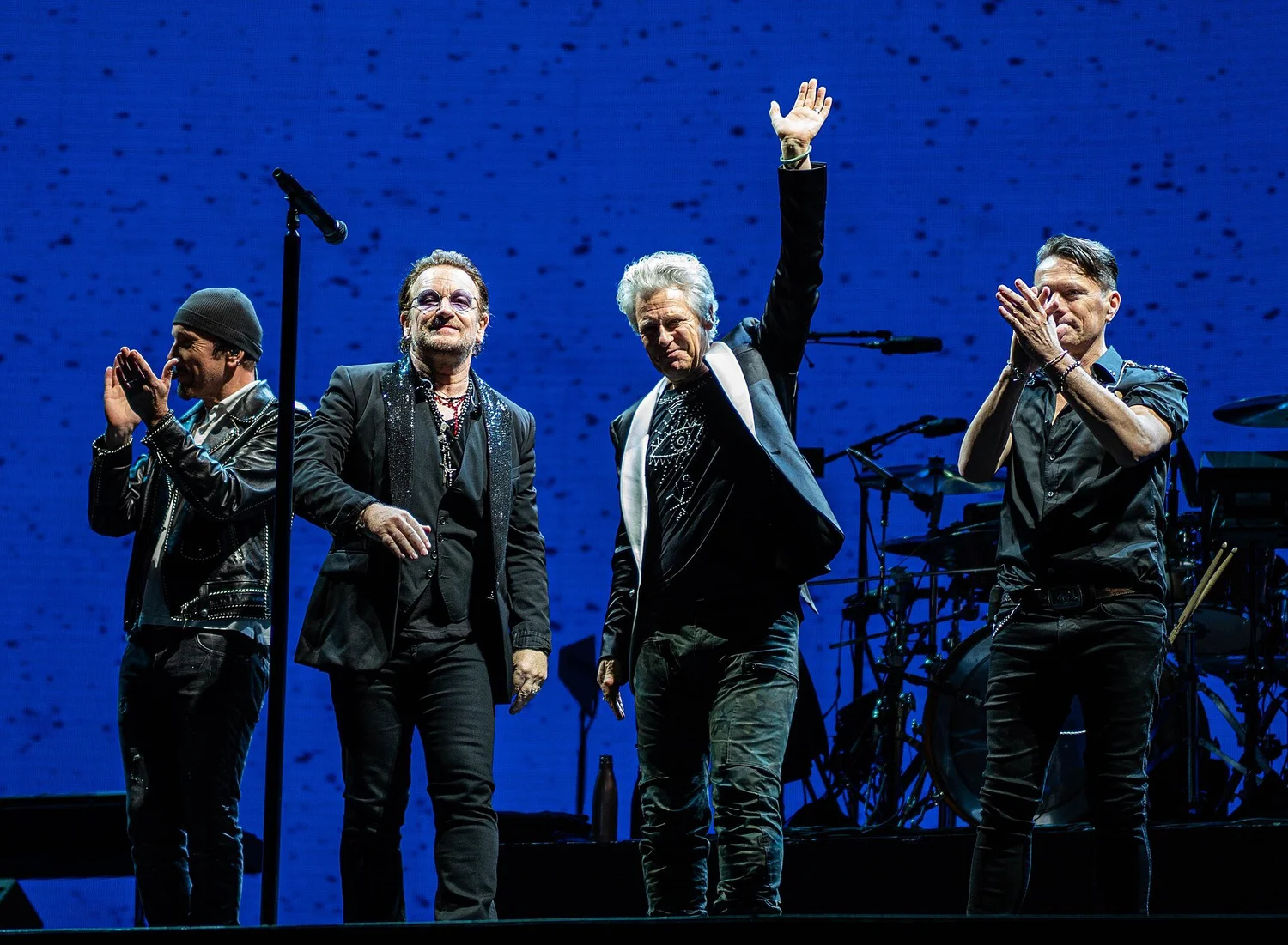
Read MoreThe New York Times feature marking the band’s 50th anniversary — the hook for this week’s “Crossroads” podcast — starts with U2 returning to Mount Temple to celebrate on the stage where the quartet did one of its first gigs. The lengthy interview: “50 Years In, What’s the Point of U2? Bono and the Edge Have Answers.”
Read More(ANALYSIS) Most surveys are not particularly good at digging into the reasons why people aren’t reproducing anymore. However, we have a great new addition to the discourse about fertility because Pew has posted their American Trends Panel 147 on the Association of Religion Data Archives. The first line of the summary tells the whole story.
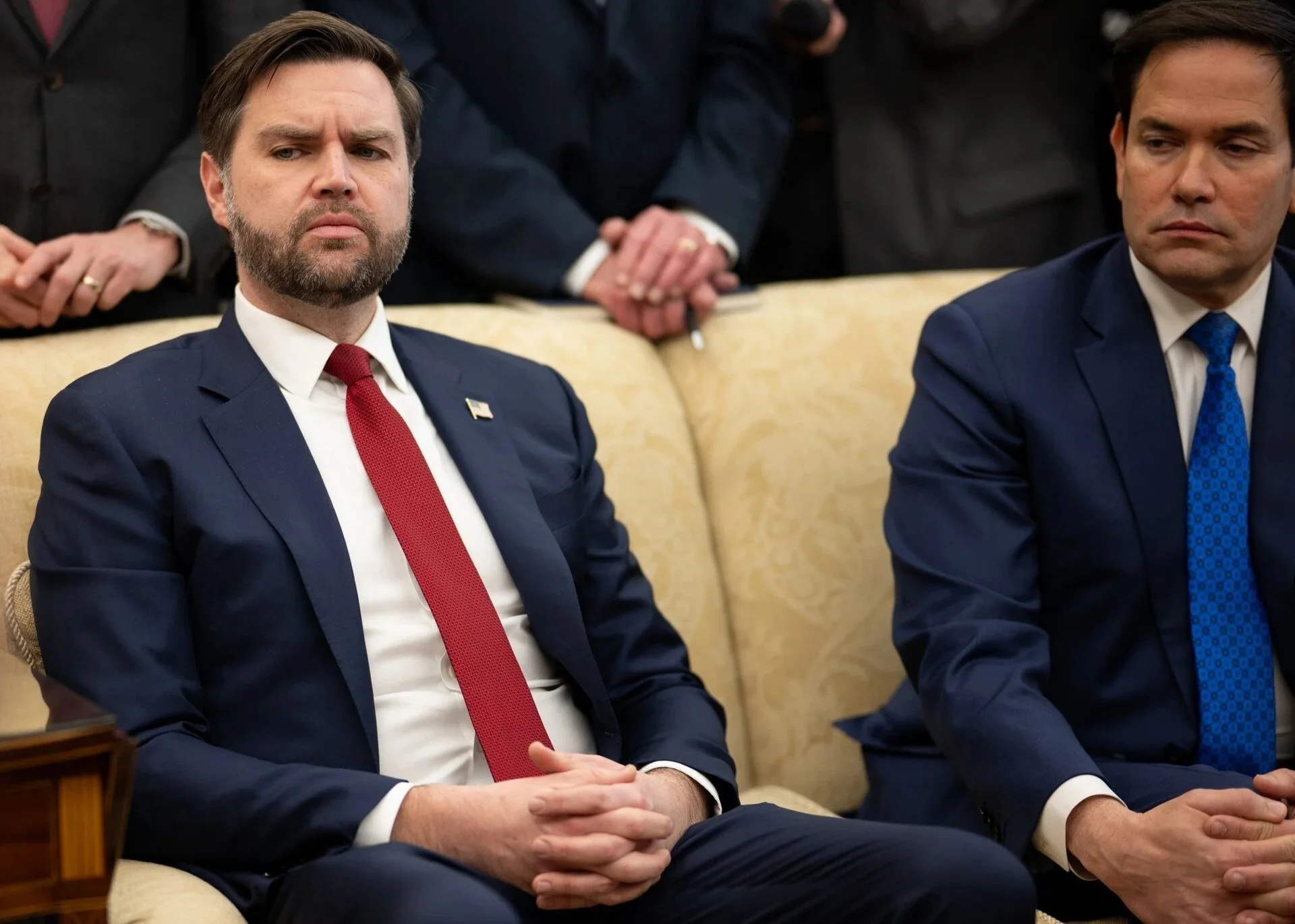
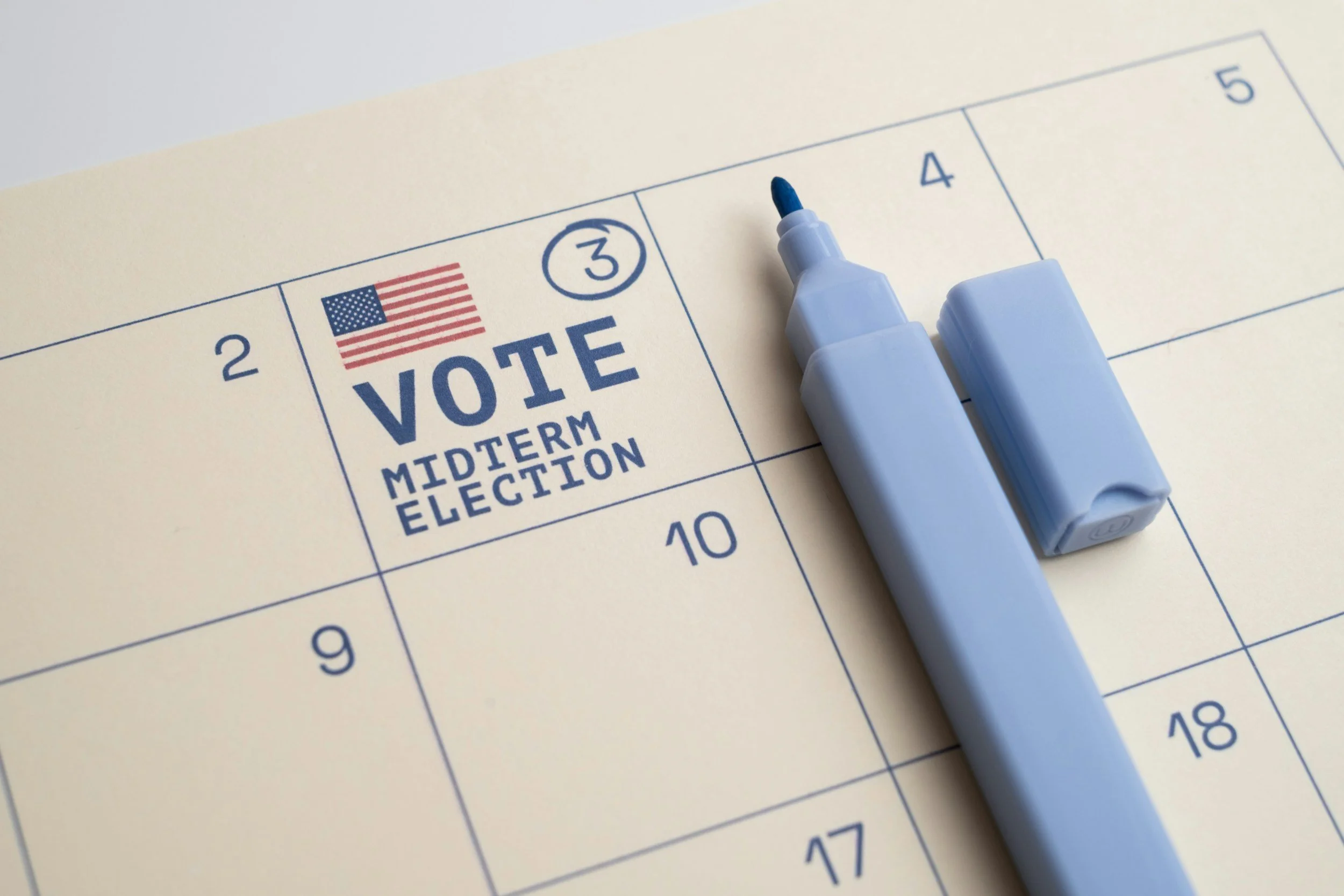
Read More(ANALYSIS) As both parties begin positioning themselves for the 2028 presidential election, faith could become one of the defining factors in determining which candidates connect with voters. The lesson from the midterms is that religious voters should no longer be viewed as a single political constituency.
Read More(ANALYSIS) No doubt about it, artificial intelligence agents are great at providing answers to basic questions that shape ordinary life.
Read MoreFaith emerged as one of the defining storylines of this election, influencing how candidates presented themselves, how voters understood issues and how young people connected their personal beliefs with their political choices. From James Talarico’s progressive interpretation of Christianity to Abdul El-Sayed, a practicing Muslim, religion became more than personal identity.
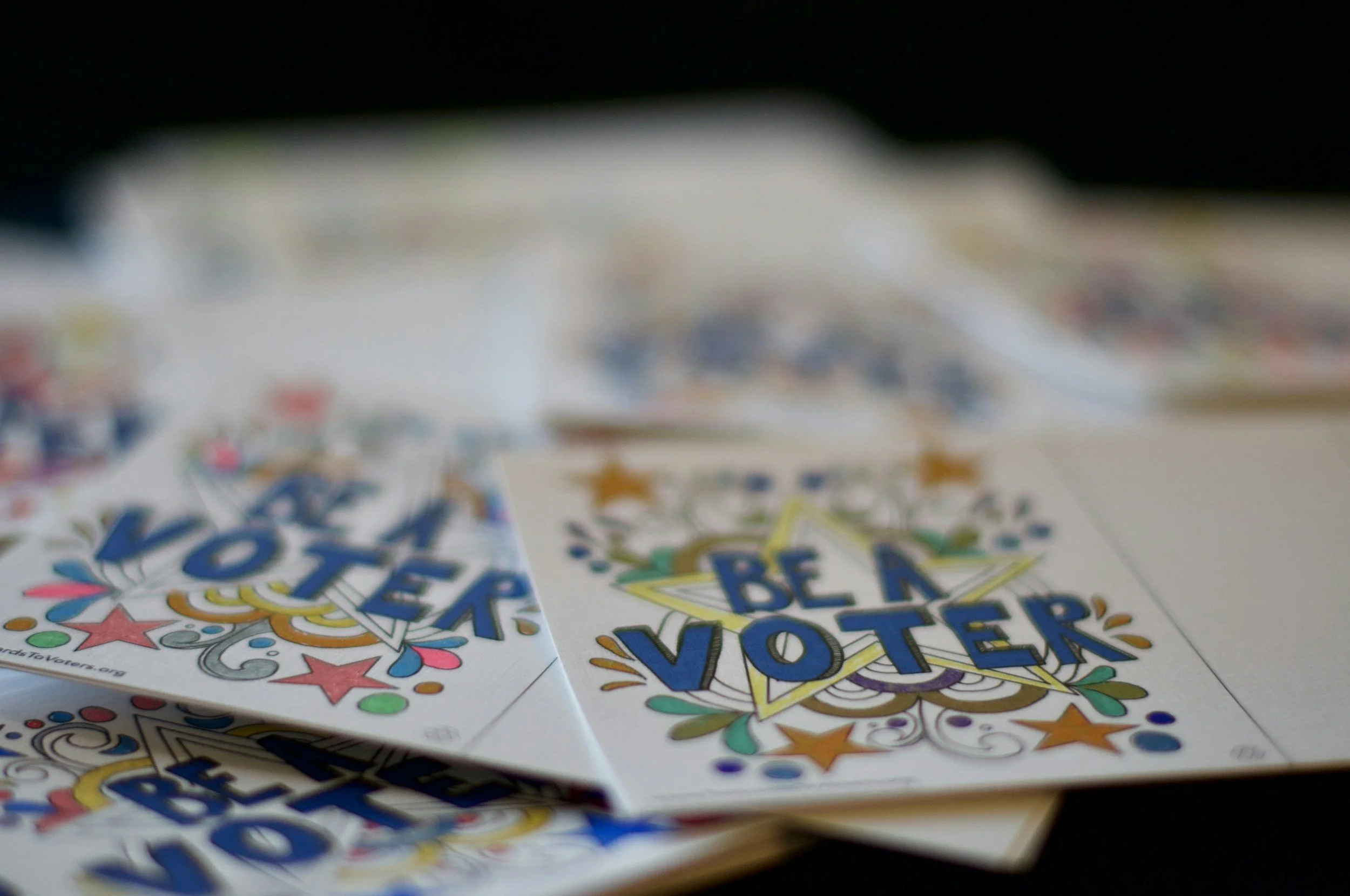
Read MoreThe results demonstrate that faith and politics often intersect in various ways. Moral questions are often put to voters, candidates’ interpretations of religious teachings and debates over the constitutional place of religion in public life were all on the ballot this year. These results are a prelude as voters prepare for the 2028 presidential race.
Read More(ANALYSIS) Americans increasingly turn to religion for guidance on what to eat amid rising food costs, nutrition concerns and conflicting advice. Drawing on research into four religious alternative food movements, one researcher explores how faith shapes eating habits and inspires efforts to transform the American food system.
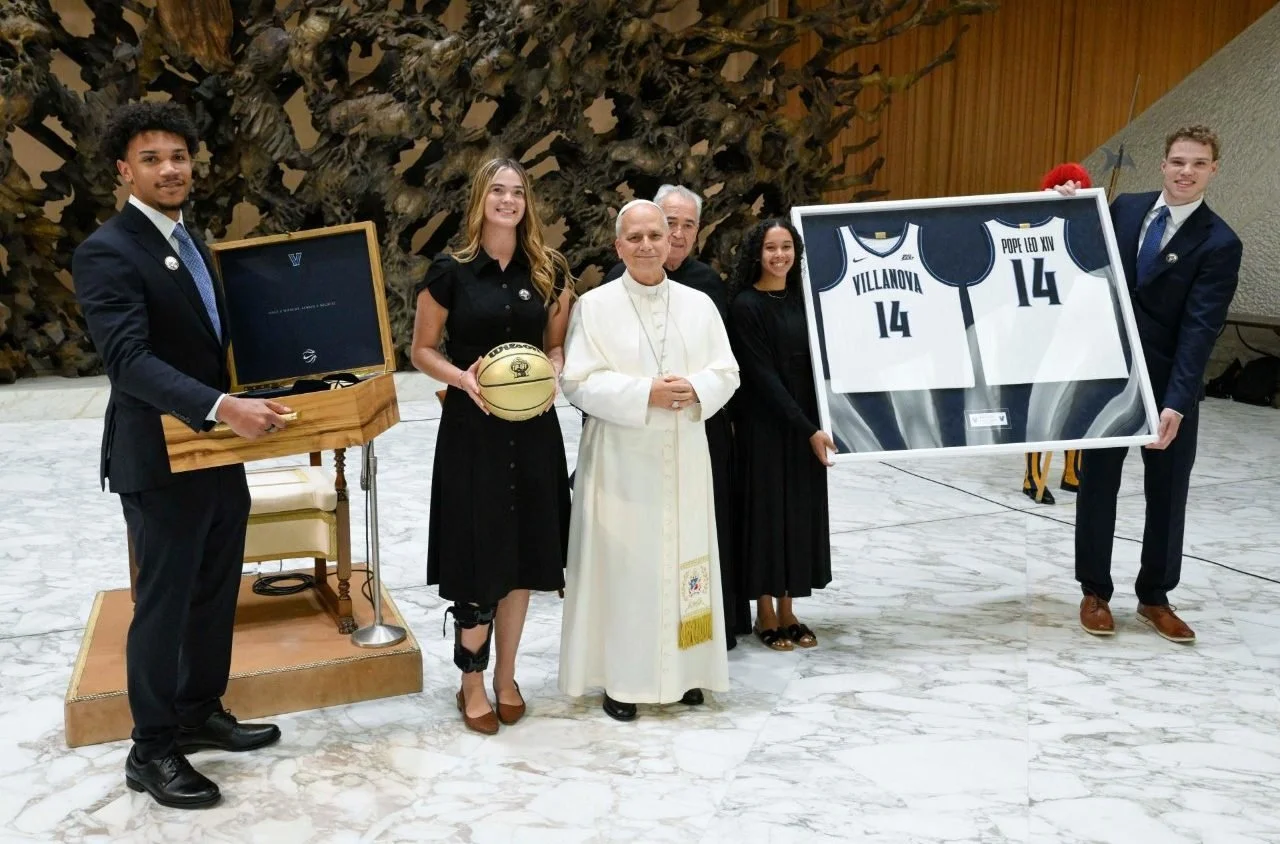
Read More(ANALYSIS) Pope Leo XIV’s playful balancing act between his papal neutrality and his enduring Villanova loyalties offered more than a lighthearted moment at the Vatican. The gathering of Villanova and Notre Dame in Rome demonstrated how sports can transcend school rivalries and national boundaries, bringing people together through shared traditions, faith and community.
Read More(ANALYSIS) A 2025 Vantage Point Counseling Services study found that 28% of adults say they have had an intimate AI interaction or relationship. The same study said 54% of Americans mentioned AI friends, colleagues or confidants.
Read More(OPINION) Never damage another person’s reputation simply for sport or to build your own social currency. Don't assume the worst about people; instead, try to assume the best. If you say something harmful that turns out to be untrue, make every effort to set the record straight.
Read More(REVIEW) “Brotherhood” is a new film that seems to agree with the second viewpoint. It’s a Christian musical focused on the American immigration debate. Its constant sermonizing in nearly every line of dialogue and song lyric is a good reminder that preachiness undermines good filmmaking, regardless of the message.
Read MoreWithin a decade of hitting the religion beat, around 1980, it was obvious to me that the demographic collapse of the “seven sisters” of liberal Protestantism was going to create a giant hole in American life. We are talking about these flocks — American Baptists, the Disciples of Christ, the Evangelical Lutheran Church, the Presbyterian Church (USA), the Episcopal Church, the United Church of Christ and the United Methodist Church.
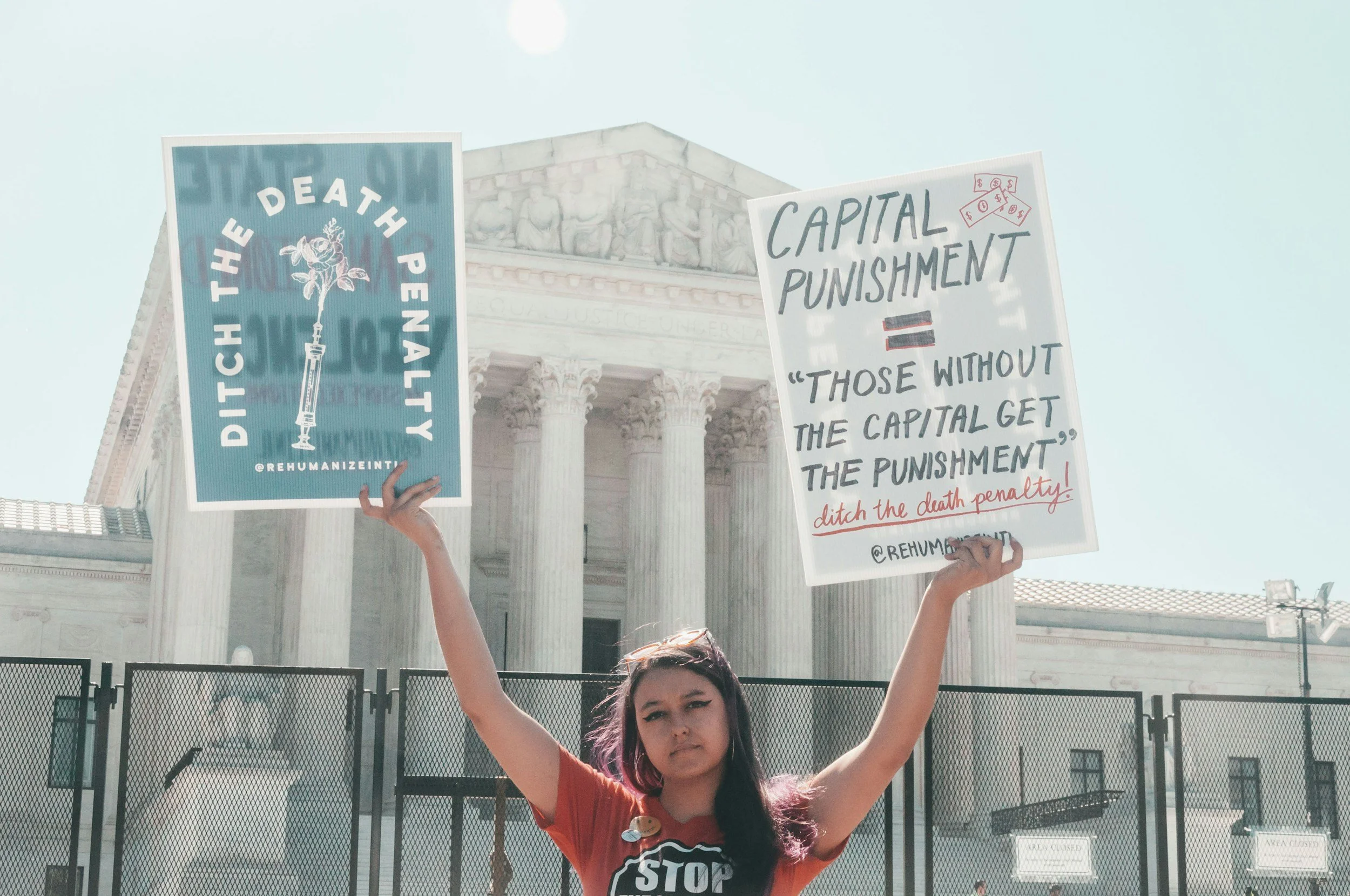
Read More(ANALYSIS) The planned execution of Fort Hood shooter Nidal Hasan sparked renewed debate among Christians over capital punishment. Catholic leaders cited church teaching opposing the death penalty, while some evangelical leaders defended it biblically. Disagreement also centered on whether televising executions promotes justice or glorifies violence.
Read More(ANALYSIS) As some religious studies scholars argue, the charge that Hindus worship false gods and idols took hold in American national culture nearly two centuries ago. Nineteenth-century American schoolbooks, shaped by Protestant beliefs, sorted religions into “true and false,” treating Hindu “idolatry” as proof of moral degradation.
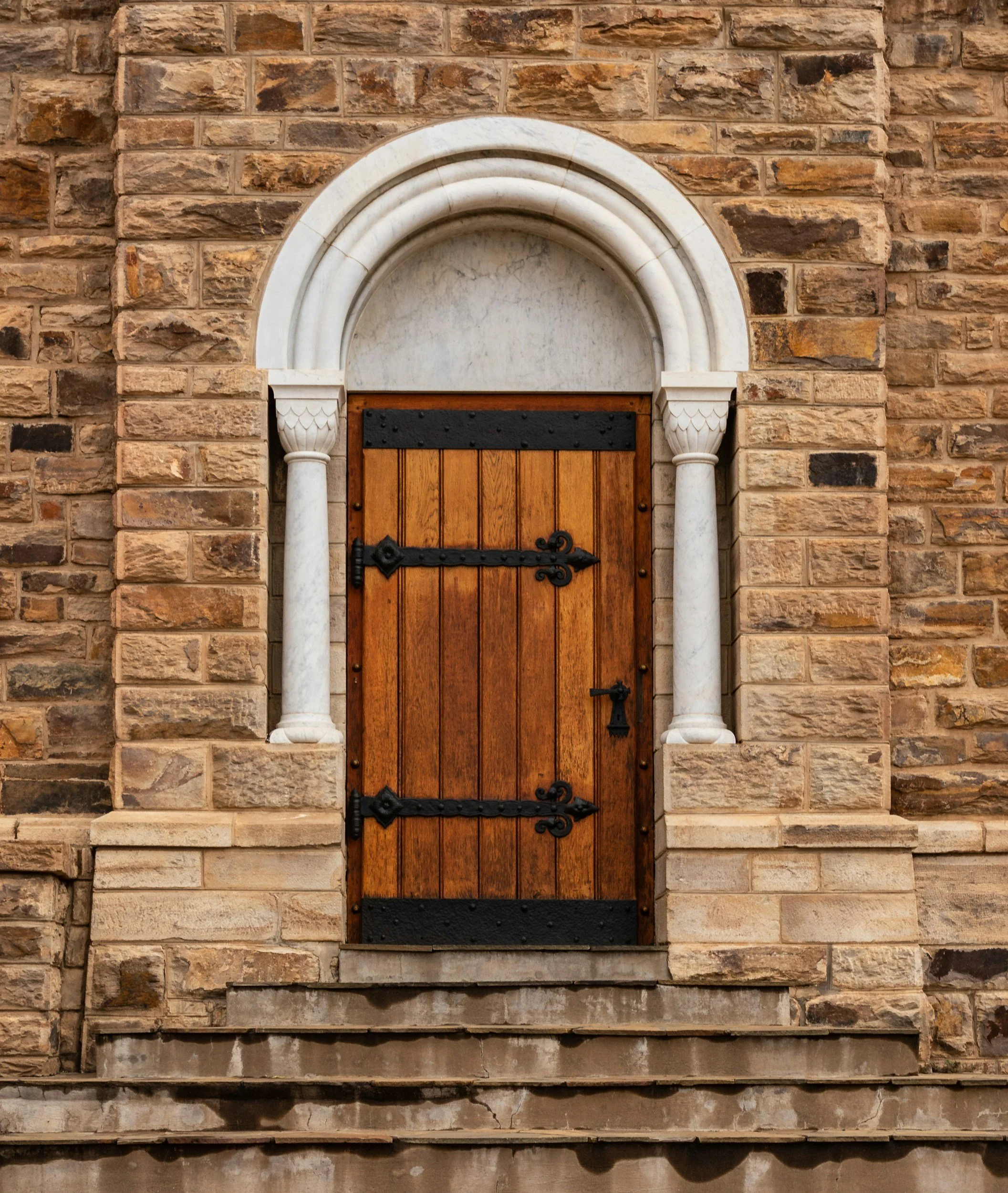
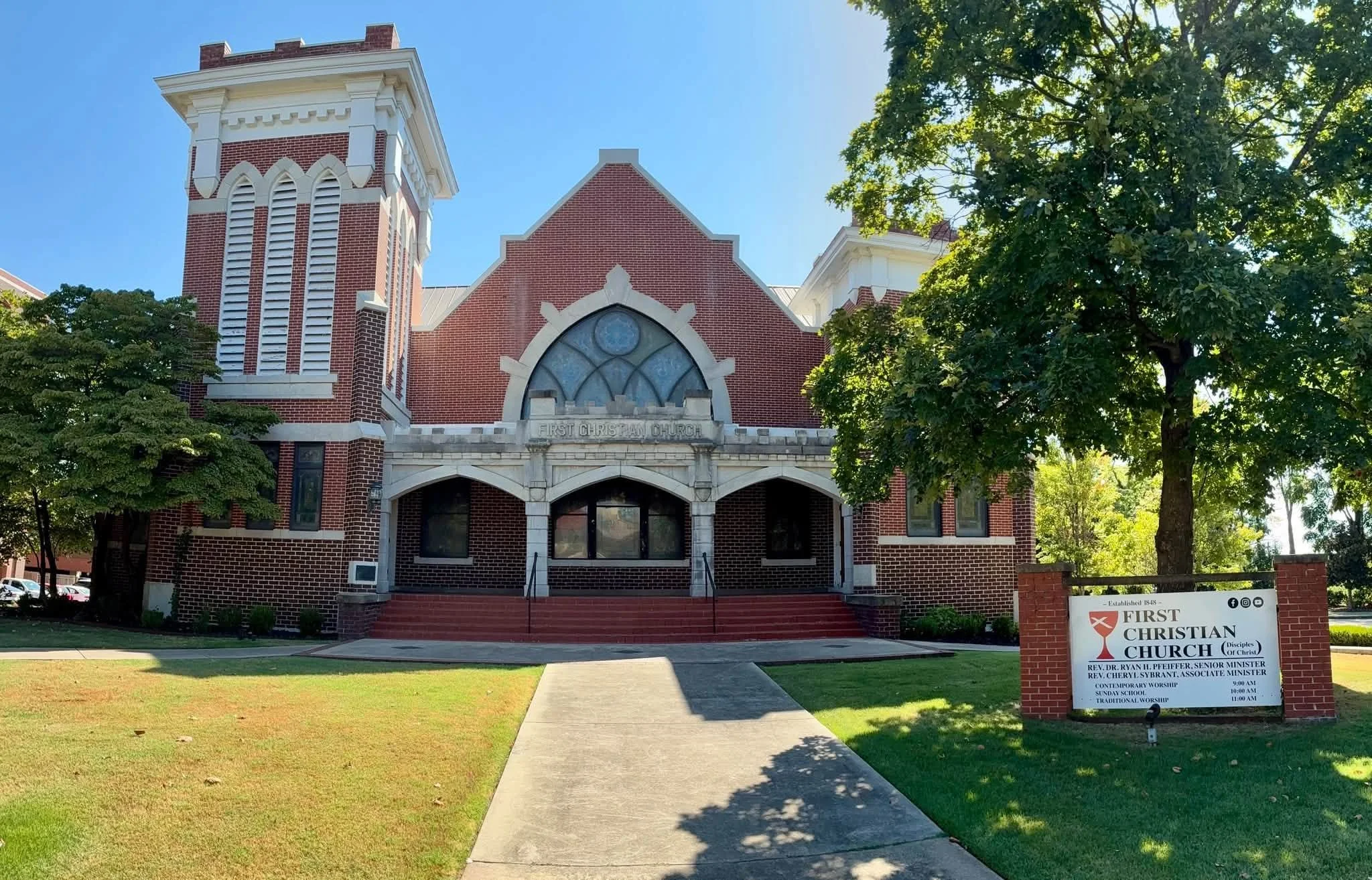
Read MoreThe latest grant round drew 466 applicants and includes the program’s first recipient in Arkansas, as historic houses of worship seek funding to preserve their buildings and community services.
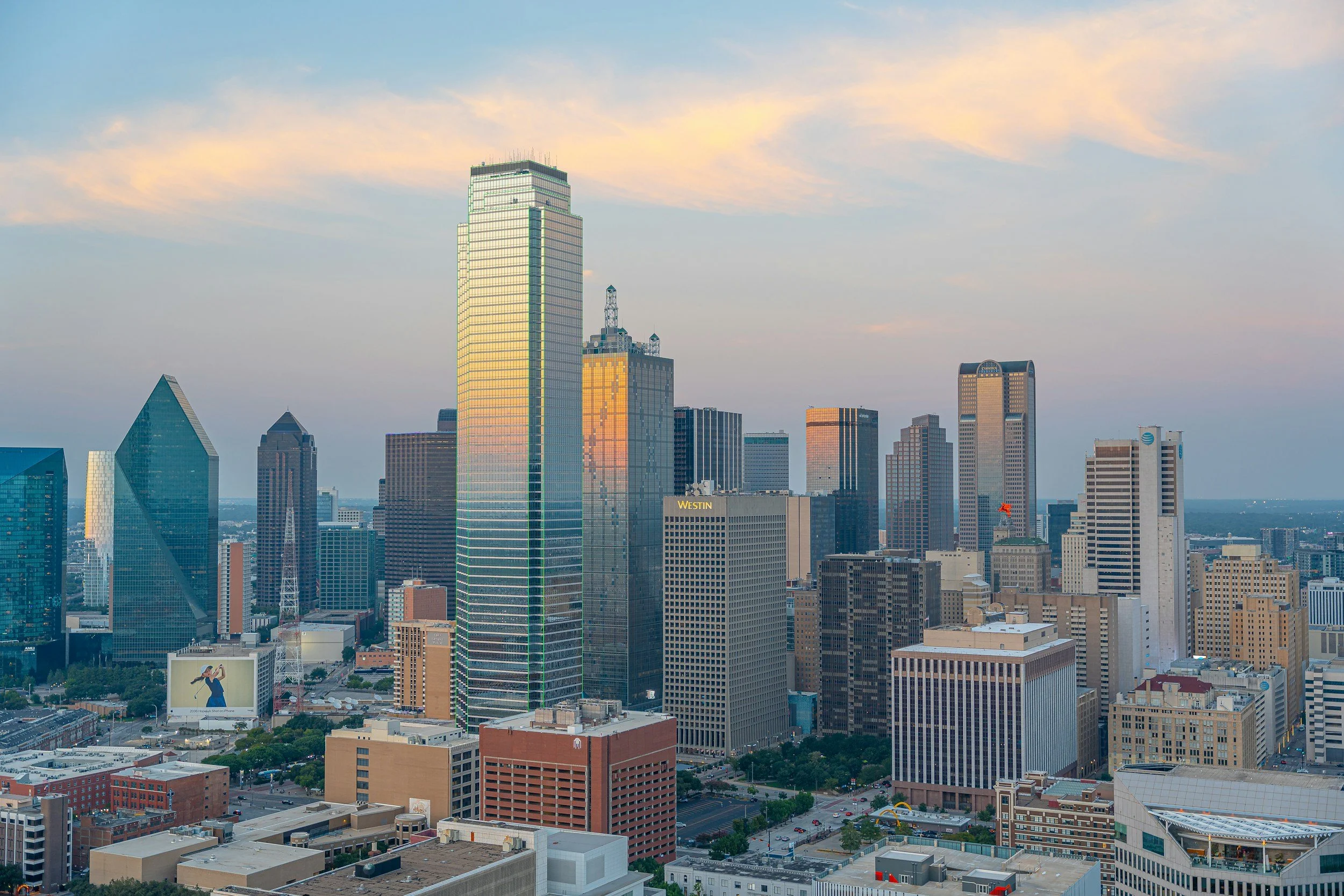
Read MoreWall Street investment banks have discovered what Southern Baptist financial ministries long have known: Dallas is a great place to do business. Goldman Sachs, JPMorgan Chase and Morgan Stanley are among the banks that have established or are considering major offices in Dallas. They join the headquarters of GuideStone Financial Resources and the Baptist Church Loan Corporation.
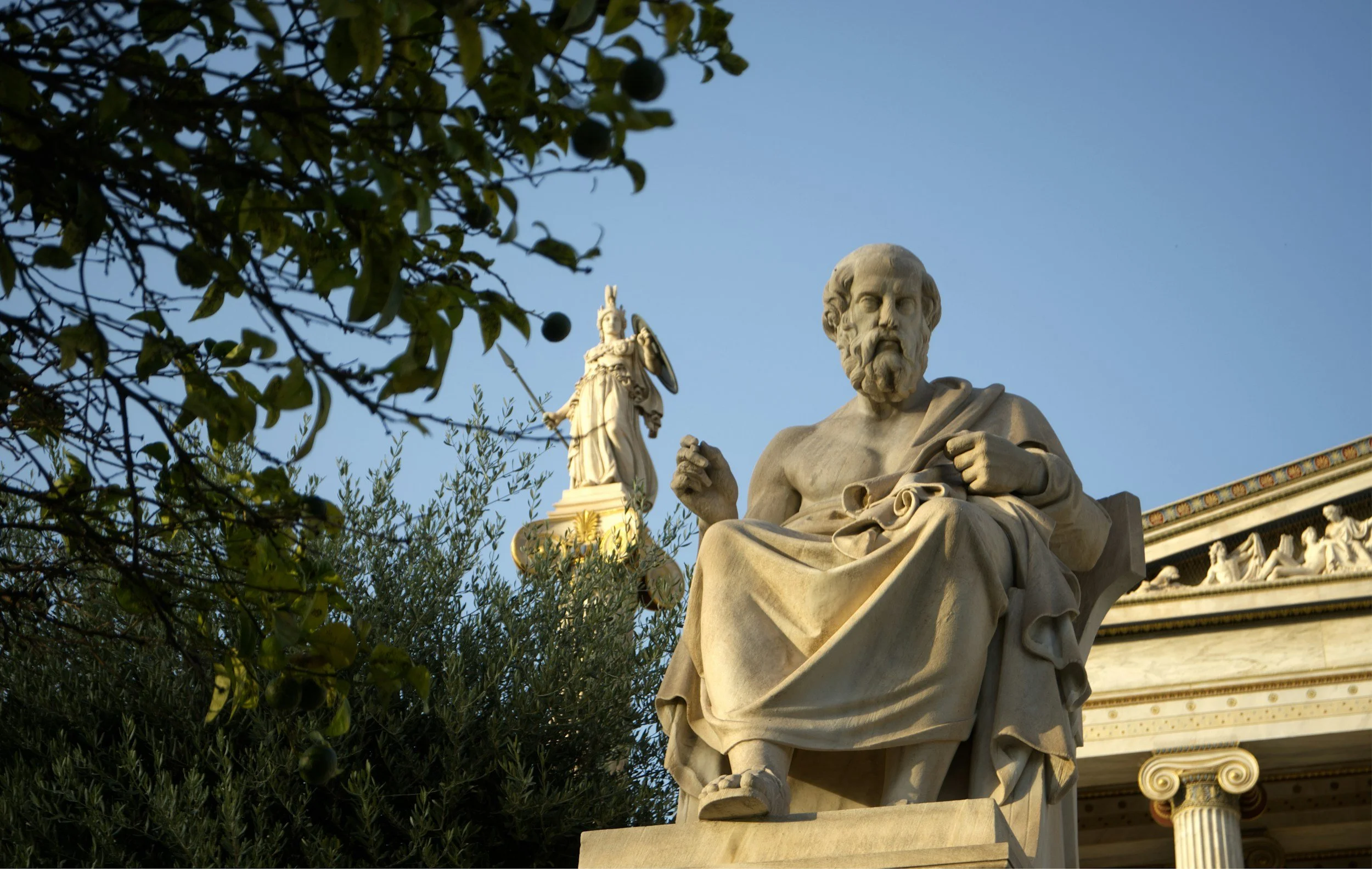
Read More(ANALYSIS) Political shamelessness threatens democracy by weakening leaders’ respect for ethical principles and the rule of law. Drawing on Plato’s Laws, this article explores reverence as a virtue that encourages humility, self-restraint and recognition of human limitations, arguing that responsible leadership requires accountability and respect for principles beyond personal interests.
Read More