As New York City Mayor Zohran Mamdani marks four months in office, a new survey of New York City’s Jewish voters shows he’s done little to ease concerns among a community that overwhelmingly did not support his election and remains uneasy about his handling of antisemitism and Israel.
Read MoreAdam Miller, a Los Angeles mayoral candidate and former tech executive, is beginning to highlight his Jewish identity after initially downplaying it. He frames his background and leadership at Ikar as key qualifications, while criticizing city leadership on antisemitism, positioning himself as a moderate alternative in a competitive race.
Read More(ANALYSIS) All this has happened even as President Donald Trump has emphasized a particular idea of religious liberty throughout his second term. In his proclamation for Religious Freedom Day in 2026, he emphasized familiar ideas of Americans’ “God-given right to practice their faith, follow their conscience, and worship their God freely and without fear.” But the statement also seemed to reflect a broader project of lending government support to Christianity.
Read MoreA yarmulke-wearing basketball prospect who gained online fans with highlight-reel dunks announced his next major leap this week: He’ll try to be the first Orthodox player to play four years of Division I men’s college basketball.
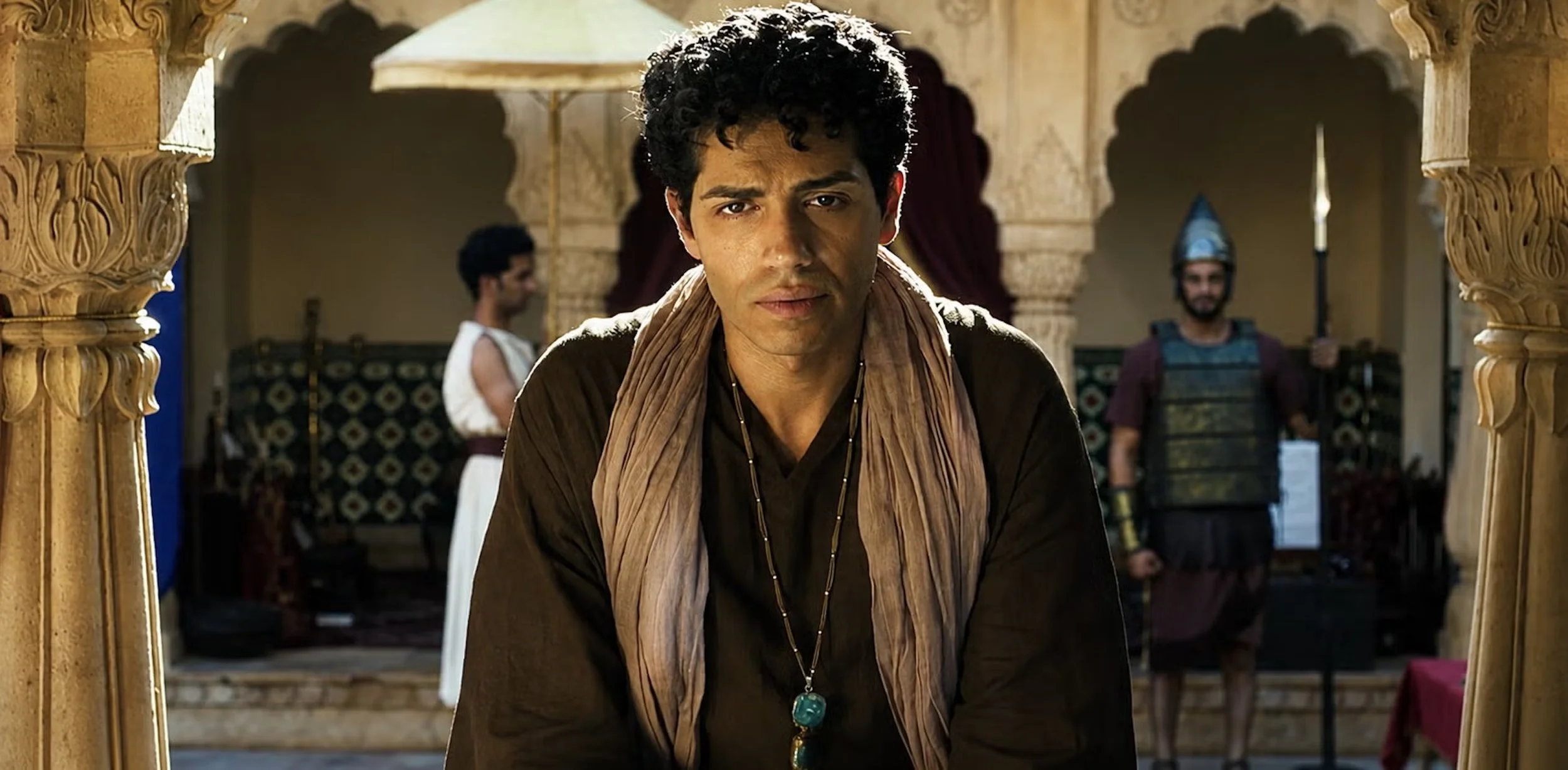
Read MoreOn this week’s show, Joseph Holmes interviewed Jon Gunn, “House of David” executive producer. The two talked through this balance of myth and reverence, the evolution of faith in film, the complications of portraying romance in a time when arranged marriage was the norm and much more.
Read More(ESSAY) In the Bay Area, a backyard feast is held to celebrate the end of Passover. The main event of Mimouna is the homemade treats. White tablecloths are meticulously arranged with pink and green marzipan cookies representing spring, dried fruits and muffleta, a silken, thin crepe doused in honey and butter.
Read More(ANALYSIS) The manosphere is a catchall term for websites, forums, blogs and influencers promoting hypermasculinity, from the belief that women and feminism are the cause of men’s problems to calls to legalize rape. Groups within it — including pickup artists, men’s rights groups and “involuntary celibate” or “incel” communities — portray themselves as victims of modernity.
Read MoreCategorizing those who do violence is a messy business. The very individuals who are called heroes, warriors and revolutionaries by some can be categorized as villains, murderers and radicals by others. But when the morality of a violent person is highly controversial or just ambiguous, we have a separate, more fuzzy term – we call them a vigilante.
Read MoreBaptists in Lebanon are suffering the escalation of Israel’s war with Hezbollah, as the war zone has expanded to include areas surrounding Arab Baptist Theological Seminary (ABTS) and the Beirut Baptist School, both founded by Southern Baptists.
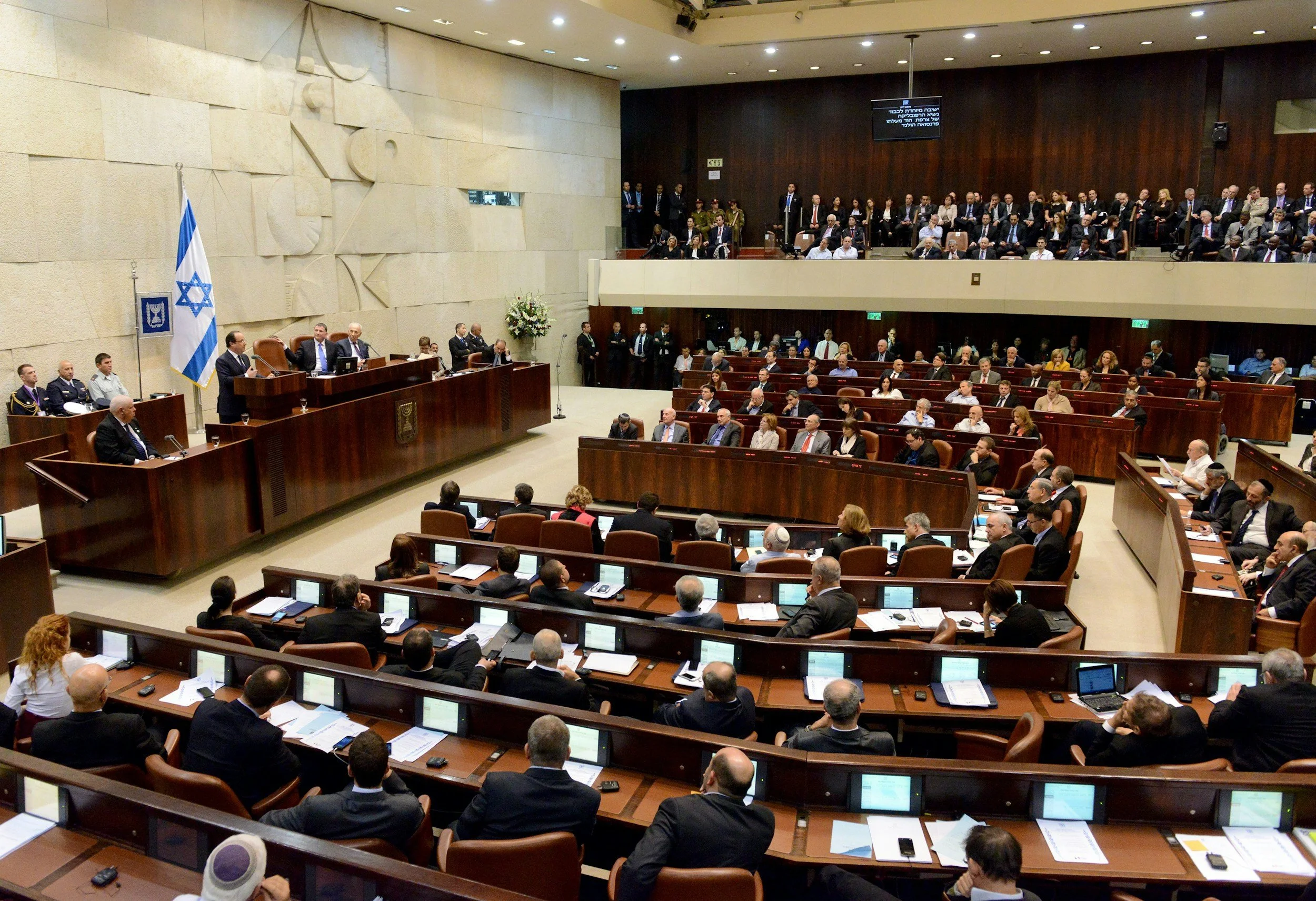
Read MoreThe meeting is being held during an election cycle in which rejecting AIPAC support has become a defining issue in Democratic races. It also comes amid concerns from some Jewish Democrats — including ones critical of AIPAC — that the group’s emergence as a bogeyman in American politics is inappropriate or even antisemitic.
Read More(ESSAY) When Passover arrives each spring, Jewish families around the world gather at their tables to retell a story passed down for thousands of years. At ritual dinners known as Seders, they recount the Exodus, the biblical story of the Israelites’ liberation from slavery in Egypt — asking questions, singing songs and explaining the meaning behind symbolic foods like matzo.
Read More(REVIEW) “The House of David” Season Two improves on its strengths while refining its flaws, delivering a compelling biblical epic about power, faith and leadership. Despite some uneven pacing and character development, it offers a timely, countercultural vision of heroism grounded in moral responsibility.
Read MorePassover plans this April 1 are a tossup for Israel, including the nation’s 20,000 to 30,000 Christians.
Read More(REVIEW) In 1954, the Oscar-winning composer Erich Wolfgang Korngold staged a European homecoming with a new operetta. How this came to pass — and how his planned comeback failed to materialize — is even more convoluted than the piece’s farcical plot. Korngold, a Jewish refugee from Vienna, first came to Hollywood to adapt Felix Mendelssohn’s music for Max Reinhardt’s 1935 film of “A Midsummer Night’s Dream.”
Read More(ANALYSIS) Every major escalation in the Middle East sends shock waves far beyond the region. In the United States, those shock waves arrive not as distant tremors — but as catalysts for domestic radicalization and violence, particularly against Jewish communities. The data, in this regard, is unambiguous.
Read More(ANALYSIS) In theory, many Christians support pacifism or non-violent resistance, but for Iranian Christians, those theories are challenged by the harsh realities of a hellish regime and an ongoing war. This question of ‘just war’ has a long history, going back to the first centuries of the church.
Read More(ANALYSIS) It’s Oscars season and some of Hollywood’s most notable films about religion — from “Ben-Hur” to “A Man for All Seasons” — were made many decades ago. Why do explicitly faith-centered films appear less often in mainstream Hollywood today? How does spirituality continue to shape storytelling in different ways? We answer all these questions and more.
Read More(ANALYSIS) One thing I am always probing the edges of is how deeply religion is embedded in each one of us. There’s a saying that bounces around the sociology of religion: “you may be done with religion but religion is not done with you.”
Read More(ANALYSIS) As the American and Israeli war with Iran unfolds, some American Christians are speaking of the conflict in biblical terms — mapping end-time prophecies on to current events in the Middle East. In a sermon on March 1, for example, John Hagee, founder of Christians United for Israel, described the war as part of a divine plan.
Read MoreThe report critiqued other branches of the U.S. government that have undercut protections for religious freedom. It criticized, for example, cuts to USAID programs, since many of those programs were specifically aimed at protecting religious freedom.
Read More