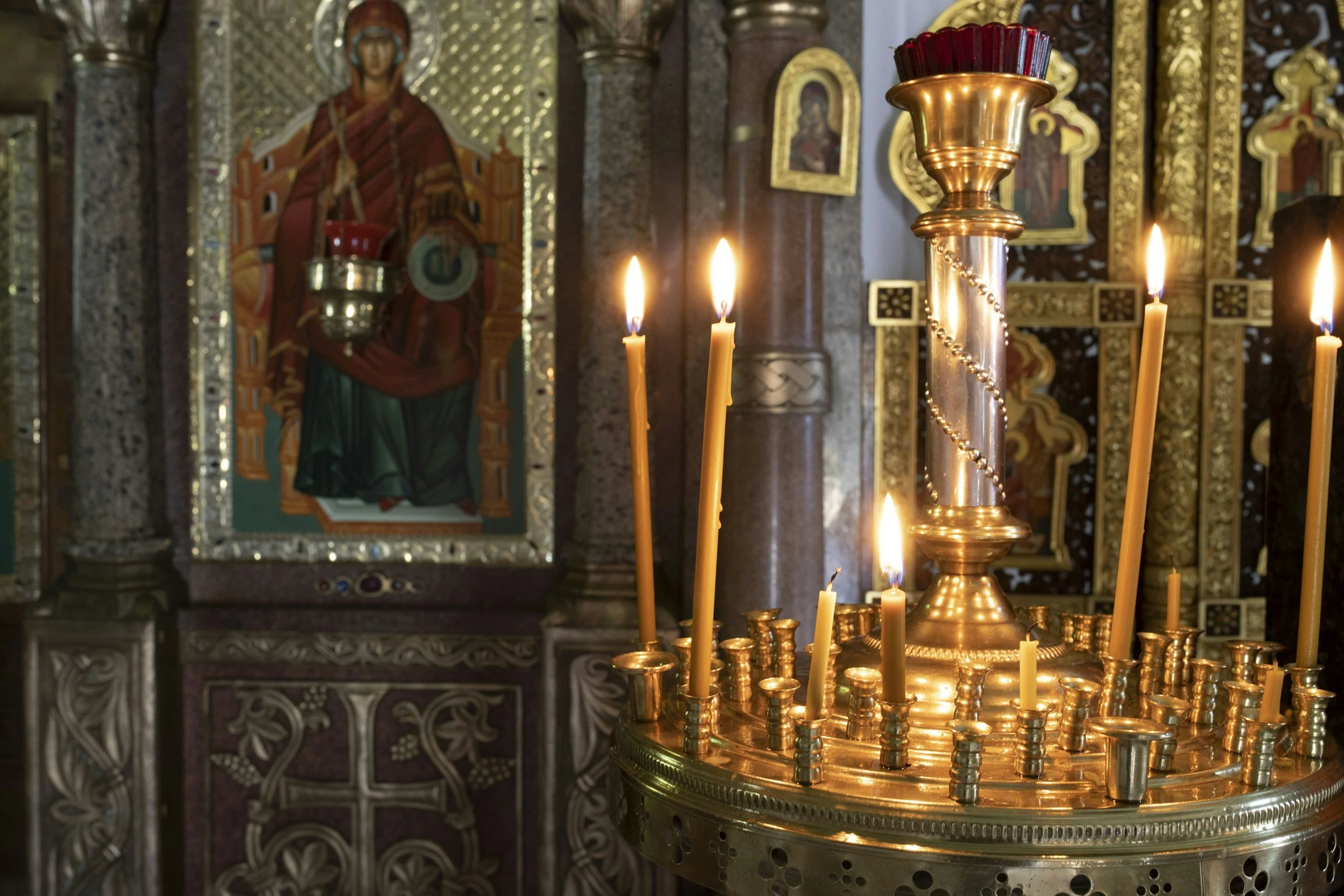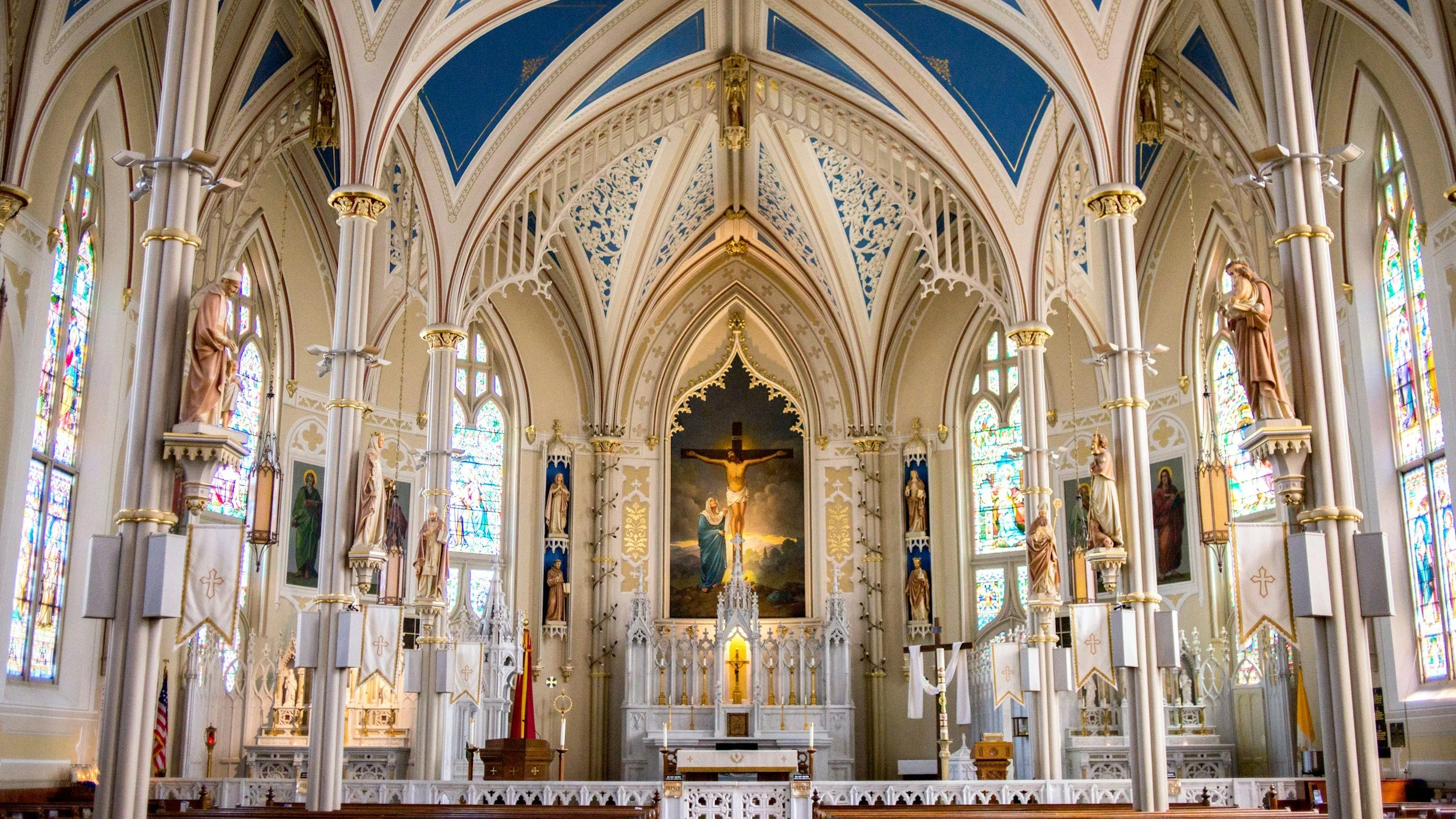
(ANALYSIS) On Easter, U.S. churches fill with worshippers, yet few are led by women despite rising numbers in clergy training. This disparity contrasts with Gospel accounts that name women, especially Mary Magdalene, as the first to witness and proclaim Jesus’ resurrection, underscoring their foundational role.
Read MoreAhead of Easter, newsrooms often chase predictable religion stories, but recent reporting highlights a more complex reality. While Catholic and Orthodox churches are seeing notable increases in converts, broader trends show ongoing decline in attendance and affiliation. The result is not a single revival, but a fragmented landscape of growth and loss.
Read MoreA new documentary film “explores how baseball and faith intertwine in powerful and surprising ways.” It’s based on the 2013 book “Baseball as a Road to God: Seeing Beyond the Game” by former New York University President John Sexton.
Read More(ANALYSIS) In April 1300, Dante Alighieri stepped into a dark wood and started walking. He didn’t pick that time of year by accident. Holy Week — the week Christians set aside to remember death and resurrection — is precisely when the Italian began his tour of the afterlife in his epic poem “The Divine Comedy.”
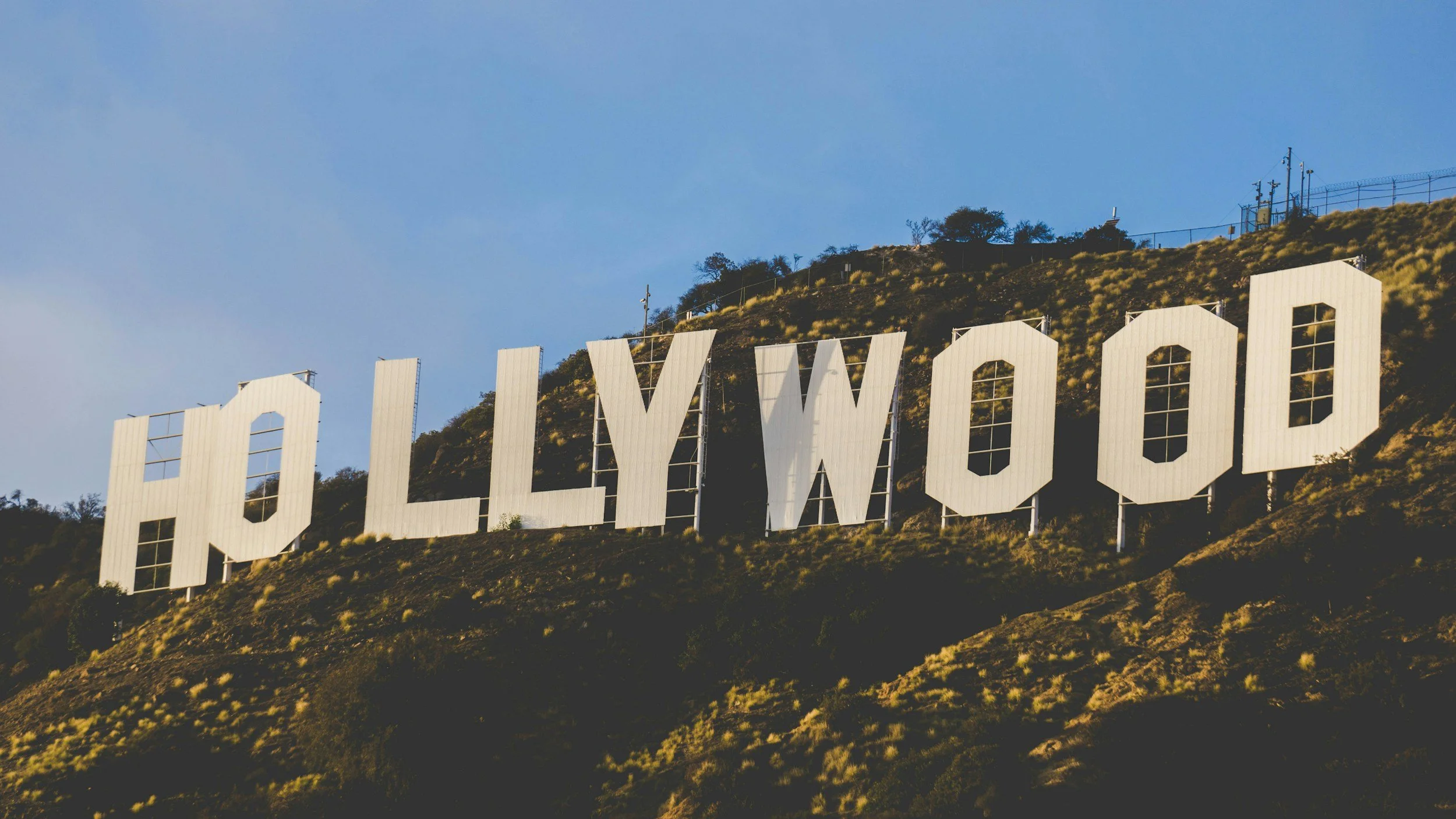
Read More(ANALYSIS) “Solo Mio,” a low-budget romantic comedy starring Kevin James, blends classic rom-com tropes with overt Catholic elements, raising questions about whether it’s faith-based or mainstream. Its strong box office return highlights growing interest in profitable, faith-friendly films as Hollywood shifts away from big-budget franchises toward niche genres.
Read More(ESSAY) When Passover arrives each spring, Jewish families around the world gather at their tables to retell a story passed down for thousands of years. At ritual dinners known as Seders, they recount the Exodus, the biblical story of the Israelites’ liberation from slavery in Egypt — asking questions, singing songs and explaining the meaning behind symbolic foods like matzo.
Read More(ANALYSIS) I think that I’m a lot like the folks who read this newsletter — I don’t actually watch the news that much anymore. I used to be a regular viewer of our local news station that is based close to Carbondale and covers our county, but then they literally fired all of their meteorologists and outsourced that part of the broadcast to some command center in Atlanta or some such place.
Read More(ANALYSIS) Finland’s Supreme Court convicted Päivi Räsänen and Bishop Juhana Pohjola over a 2004 booklet on homosexuality, ordering its removal. The ruling, alongside developments in Canada and Iceland, raises concerns about expanding hate speech laws and their impact on religious expression and free speech in Europe and beyond.
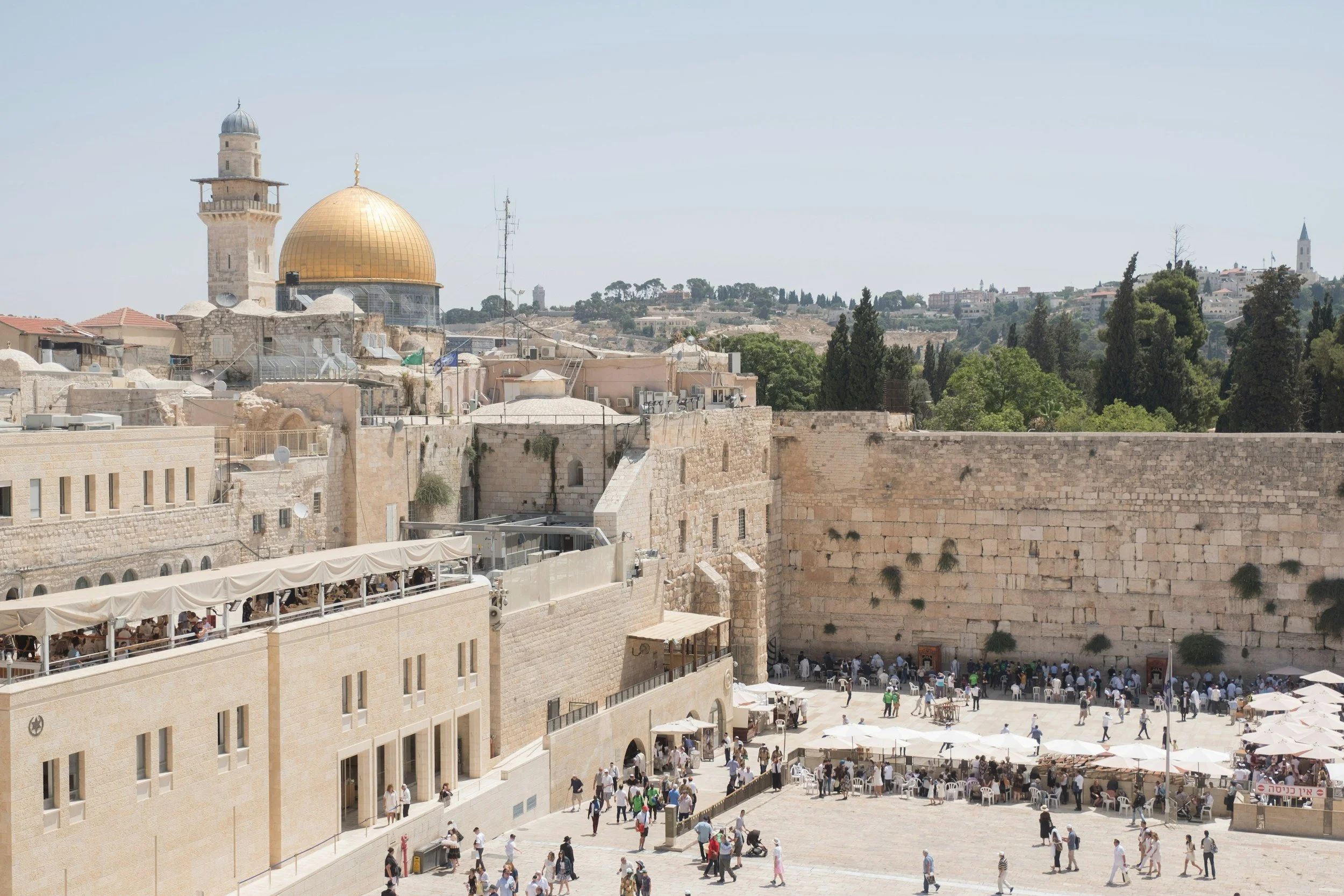
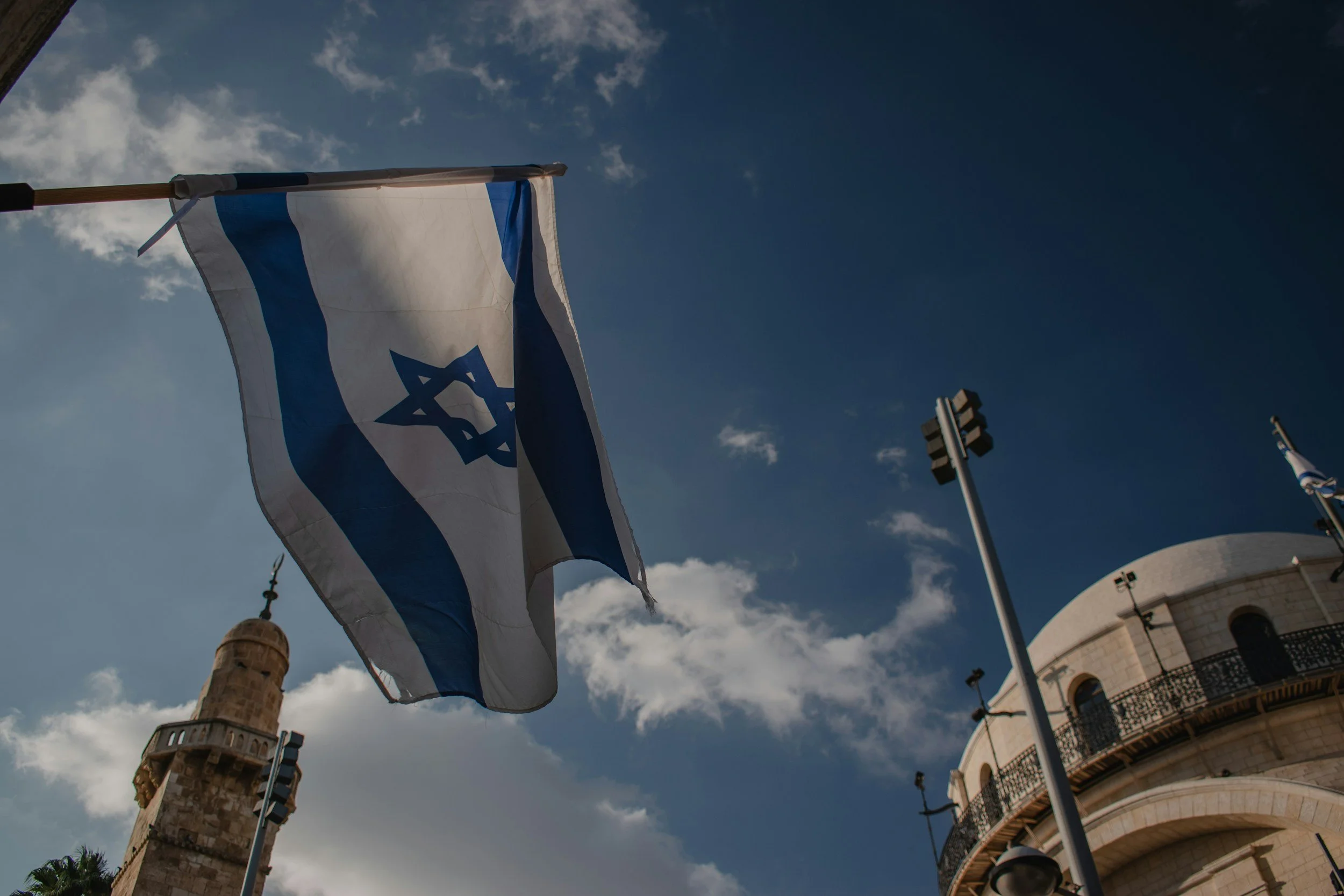
Read More(ANALYSIS) Israel briefly barred Cardinal Pierbattista Pizzaballa from the Church of the Holy Sepulchre on Palm Sunday, citing wartime security and triggering concerns over religious freedom. Prime Minister Benjamin Netanyahu reversed the decision, highlighting tensions between security measures and preserving Jerusalem’s sensitive religious status quo.
Read More(ANALYSIS) Mark Leibovich, author of The Atlantic’s “Why Do Democrats Hate Winning,” is among those who think it is. He expresses his concern to James Talarico, who is now running to represent Texas in the U.S. Senate. In 2021, Talarico made such a declaration. Leibovich posits that this could cause trouble for him as a candidate.
Read More(ANALYSIS) A couple of months ago, the Heritage Foundation released a report entitled, “Saving America by Saving the Family: A Foundation for the Next 250 Years.” You can probably guess the contents of said report from just the title, but to summarize: People aren’t walking down the aisle that much anymore.
Read More(ANALYSIS) March 31 marks 50 years since a landmark decision that shapes American patients’ rights every day: the New Jersey Supreme Court ruling in the case of Karen Ann Quinlan, who had suffered an irreversible coma. Quinlan’s case established for the first time that decisions near the end of life should be made by patients and families, not by doctors and hospitals alone.
Read MoreWhen Americans call President George Washington the “Father of His Country” it’s an honorary title based on politics and history. When modern citizens of the Republic of Georgia refer to Patriarch Ilia II as the “Godfather of Our Land” they are being quite literal, in terms of the rites and traditions of the Eastern Orthodox Christian faith.
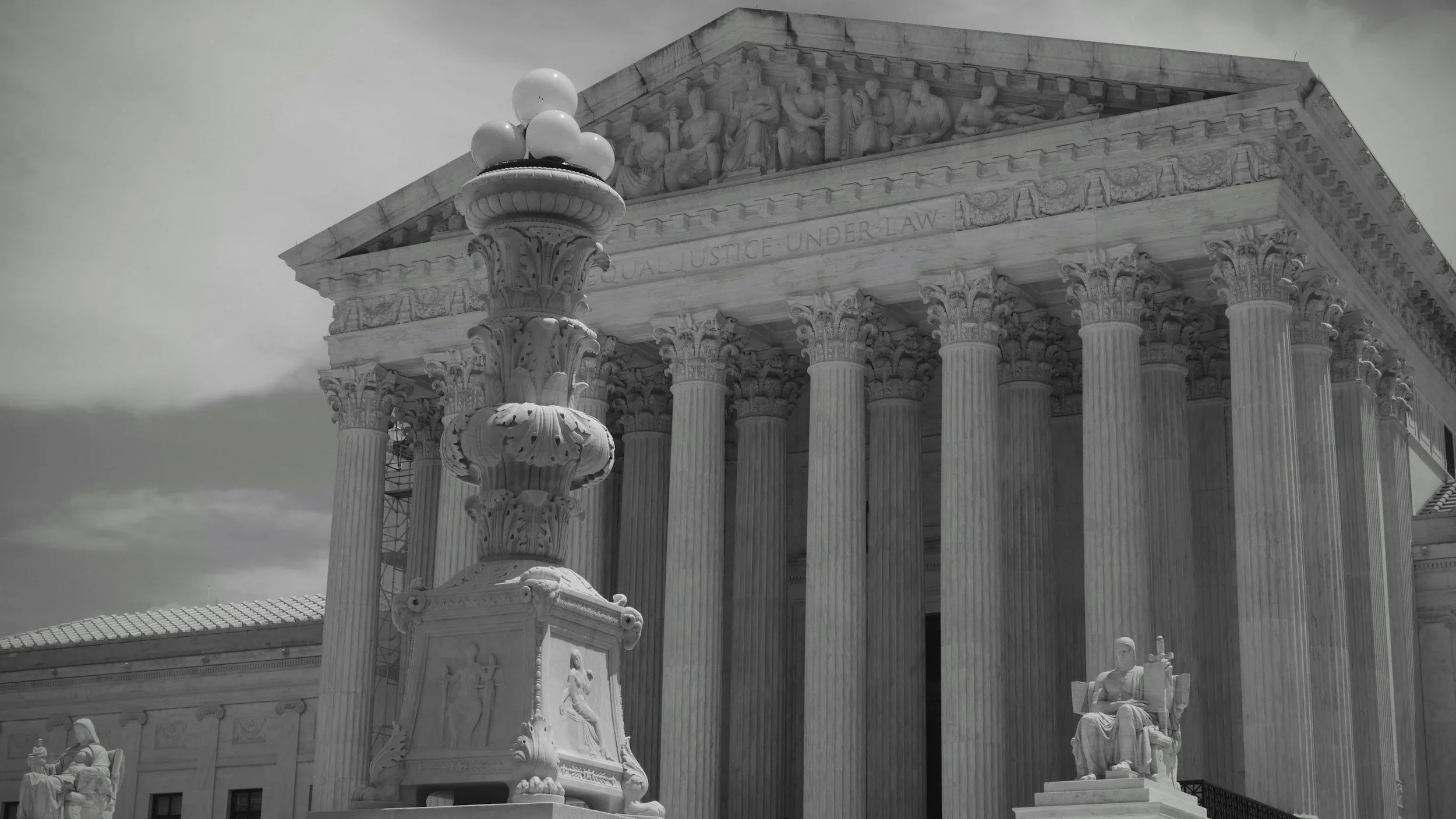
Read More(ANALYSIS) The Supreme Court recently announced a major decision in what seems like a quintessential religious freedom case: A Christian preacher charged with violating a city ordinance for sharing his faith in a public park. But outrageous as it may have been, the preacher’s arrest was not actually at the heart of this case.
Read More(ANALYSIS) Don Mattingly, a pioneering Southern Baptist leader, created Centrifuge youth camps to “spin” teens toward meaningful futures in faith, service and careers. Launched in 1979, the program has reached millions. Remembered as both a visionary and organizer, Mattingly shaped generations by helping young people explore calling, purpose and lifelong decisions.
Read More(ANALYSIS) Cesar Chavez, revered labor leader and co-founder of the United Farm Workers, built a legacy of nonviolent activism rooted in the Catholic faith. New allegations of decades-old sexual abuse now challenge his image, raising questions about power, morality and how society should reassess historical figures and their complicated legacies.
Read MoreBefore the war broke out, knowledgeable observers agreed that a vast majority of long-suffering Iranians despised the ruling theocracy’s incompetence and oppression. So a revolution now might seem as likely as in 1979, when such widespread revulsion brought down one dictator, only to be replaced by another one.
Read MoreIn the past three years, Bahrain, a small Middle-Eastern country off the coast of the Arab Peninsula, has been promoting women’s empowerment despite its strict religious laws and criticism from religious clerics.
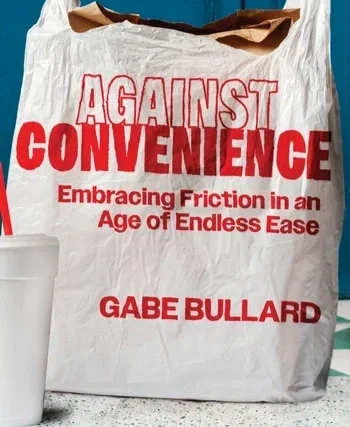
Read More(ANALYSIS) If you’ve ever taken a sociology course in college, there’s a good chance that the instructor spent at least a little bit of time talking about the power of symbols in a society. They can be nothing more than a single word or just a short phrase that can convey a world of meaning, purpose and solidarity.
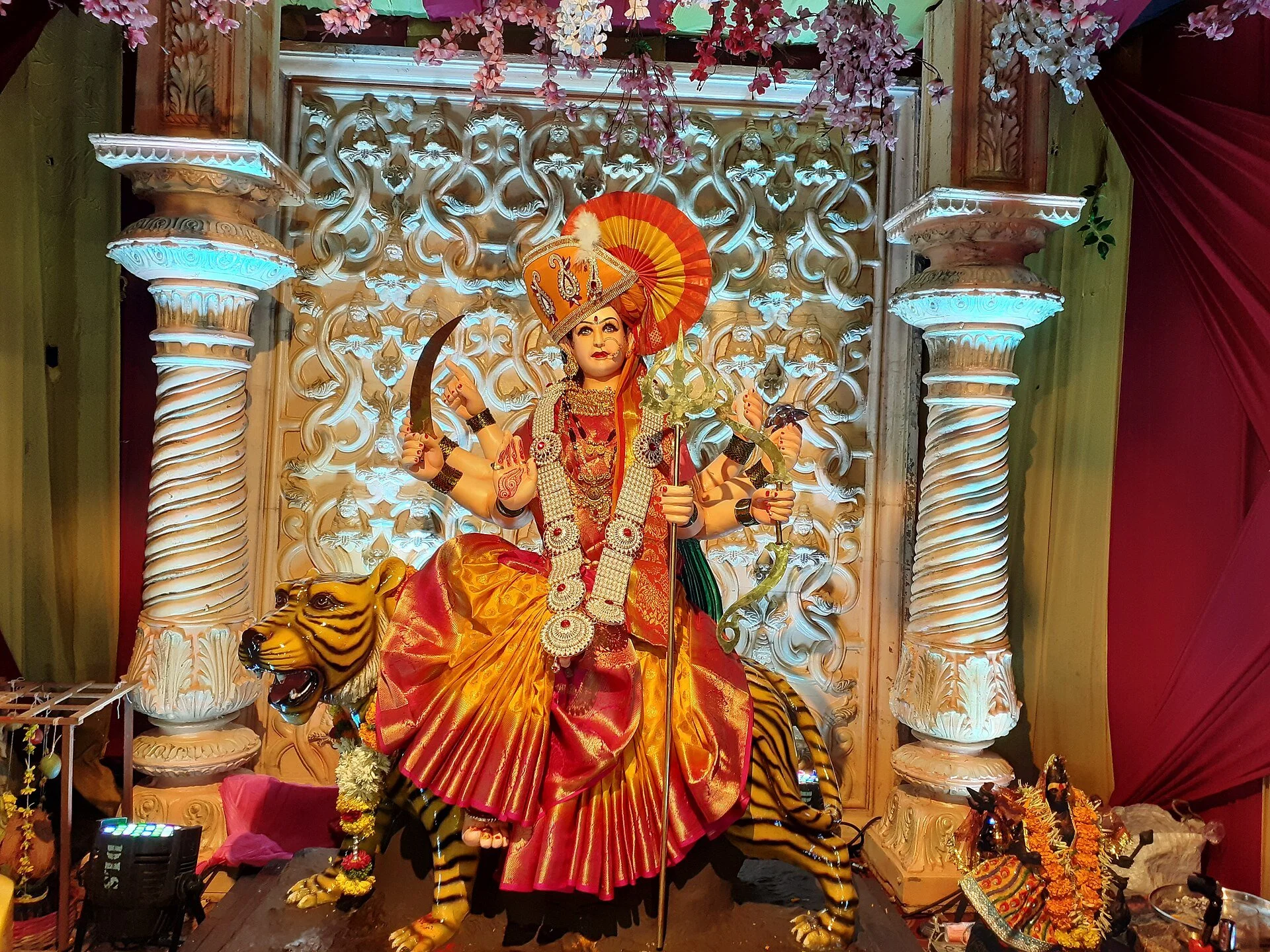
Read More(ANALYSIS) Modern culture claims to have outgrown religion, yet quietly rebuilds it through astrology, crystals and spiritual wellness. These practices offer meaning without authority and comfort without discipline. Paganism hasn’t vanished; it has adapted, trading temples for timelines and gods for vibes, while preserving the same ancient hunger for order.
Read More