Books
The Pennsylvania governor’s new memoir, “Where We Keep the Light,” explores his Jewish identity, principled stances on Israel and political risks. He recounts antisemitic attacks, early ties to Israel and his refusal to soften controversial views during 2024 VP vetting, offering a candid reflection ahead of a potential 2028 run.
(REVIEW) Ryan Burge has created the most important and readable book right now to understand religious decline and polarization in the U.S. His message to commit your life to a shared community is one America needs right now. But it will be up to others to create and maintain the compelling shared vision that binds together the community that Burge wants.
Robert D. Wolgemuth, a respected Christian author, publisher and literary agent whose quiet leadership helped shape evangelical publishing for more than five decades, died on Jan. 10. He was 77. His family said Wolgemuth succumbed after “a brief but intense battle” with pneumonia complications. He was widely regarded as a servant-leader whose influence extended far beyond book contracts.
Popular Christian writer Philip Yancey has confessed to “a sinful affair with a married woman” that lasted eight years. The 76-year-old author of “What’s So Amazing About Grace?” and “Where Is God When It Hurts?” said he would not share more details about the adultery out of concern for the privacy of the other family. Yancey said his actions “caused deep pain” for his wife and family.
(REVIEW) Children’s constant attachment to their screens — and how that behavior impacts their mental health and development — is an issue of much consternation for parents today, and one that’s virtually impossible to avoid or ignore. “Connected: Parenting Faithfully in the Digital Age” looks to equip parents to combat the ill effects of unlimited digital access — centered around a God-seeking family life.
Art & Music
A California artist walks the streets of Los Angeles, drawing portraits of and talking with unhoused people, producing moving art, and life-changing conversations about self-worth, dignity and resilience. Before his first semester at Biola University, Leith, a practicing Christian, prayed, asking whether he should do art or missions. The response was clear.
The final months of 2025 brought another dimension to the ongoing discussion about AI among church leaders as a music “artist” named Solomon Ray climbed the charts. It came as another AI artist, Breaking Rust, did the same on the country digital charts. AI can help generate ideas, it cannot be a final source for the music sung during worship
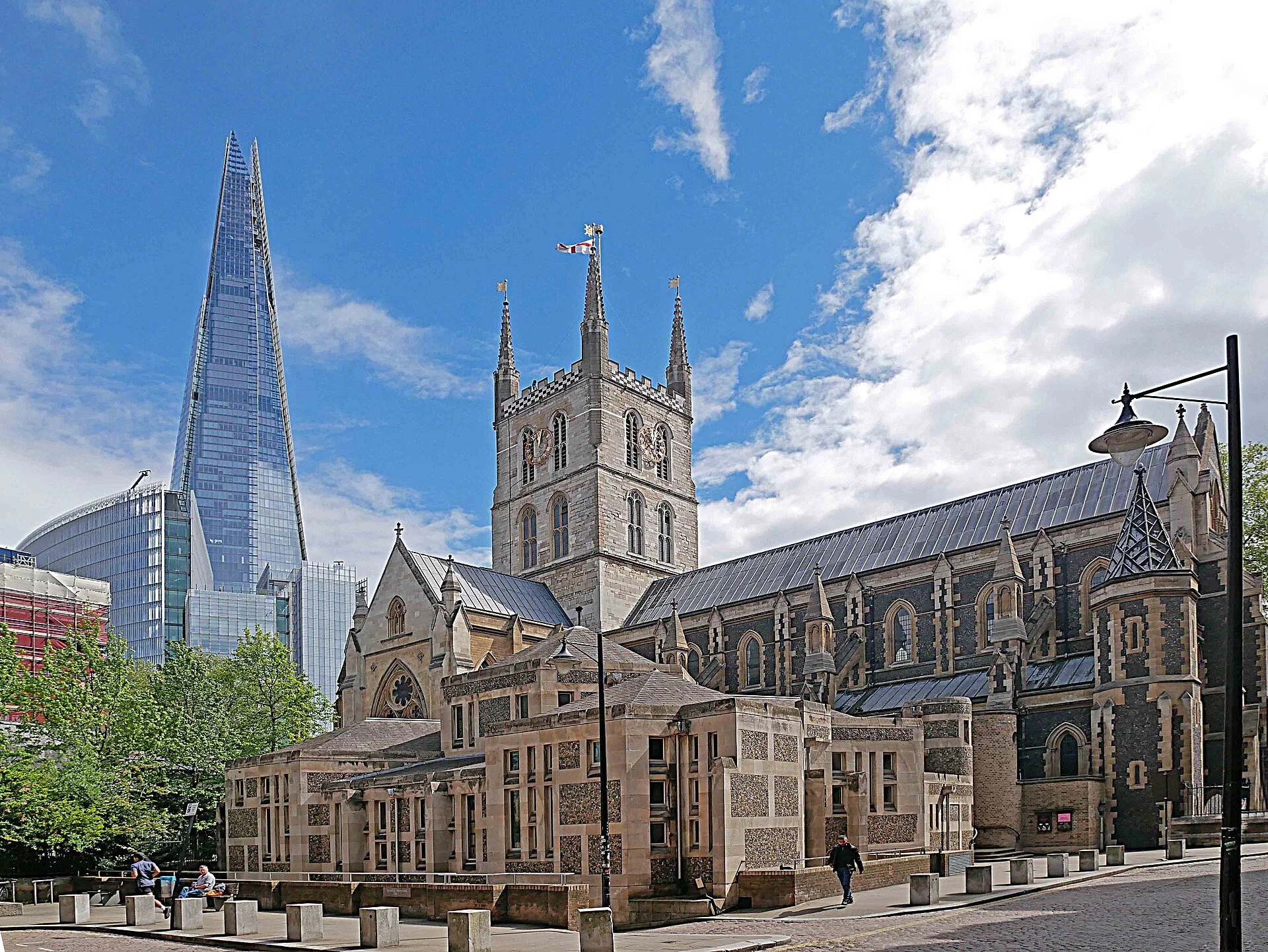
Churches and cathedrals around the U.K. hold works of art by some of the most important and exciting artists of the past 100 years. But unless you know where to look, many can be hard to find. High-profile examples include significant commissions by Elisabeth Frink, John Piper and Graham Sutherland at Coventry Cathedral.
Because Mary herself was from the eastern Mediterranean, the subtle incorporation by Renaissance painters of abstractly rendered Arabic or Hebrew in religious art linguistically linked their sacred subjects to the region’s Biblical past as well as its bounteous wealth.
In a small Santa Clara classroom at Mission City Church in Northern California, a group of students huddle together, their voices rising in harmony. Leading them stands Makayla Hannah, their vocal coach for Youth Utilizing Power and Praise. Hannah is teaching more than pitch and breath control. She believes hope is not lost in a generation often dismissed.
When Western Christian missionaries arrived in Africa in the 19th century, they disallowed the use of native musical instruments in church, which they associated with demonic worship. But now, all these years later, the instruments are making a comeback in churches across the continent to the delight of millions.
Their historic building awaiting sale just a block away, former members of the Central Church of Christ gathered with guests including singer Amy Grant at a downtown campus of Lipscomb University to celebrate what would have been their congregation’s 100th anniversary.
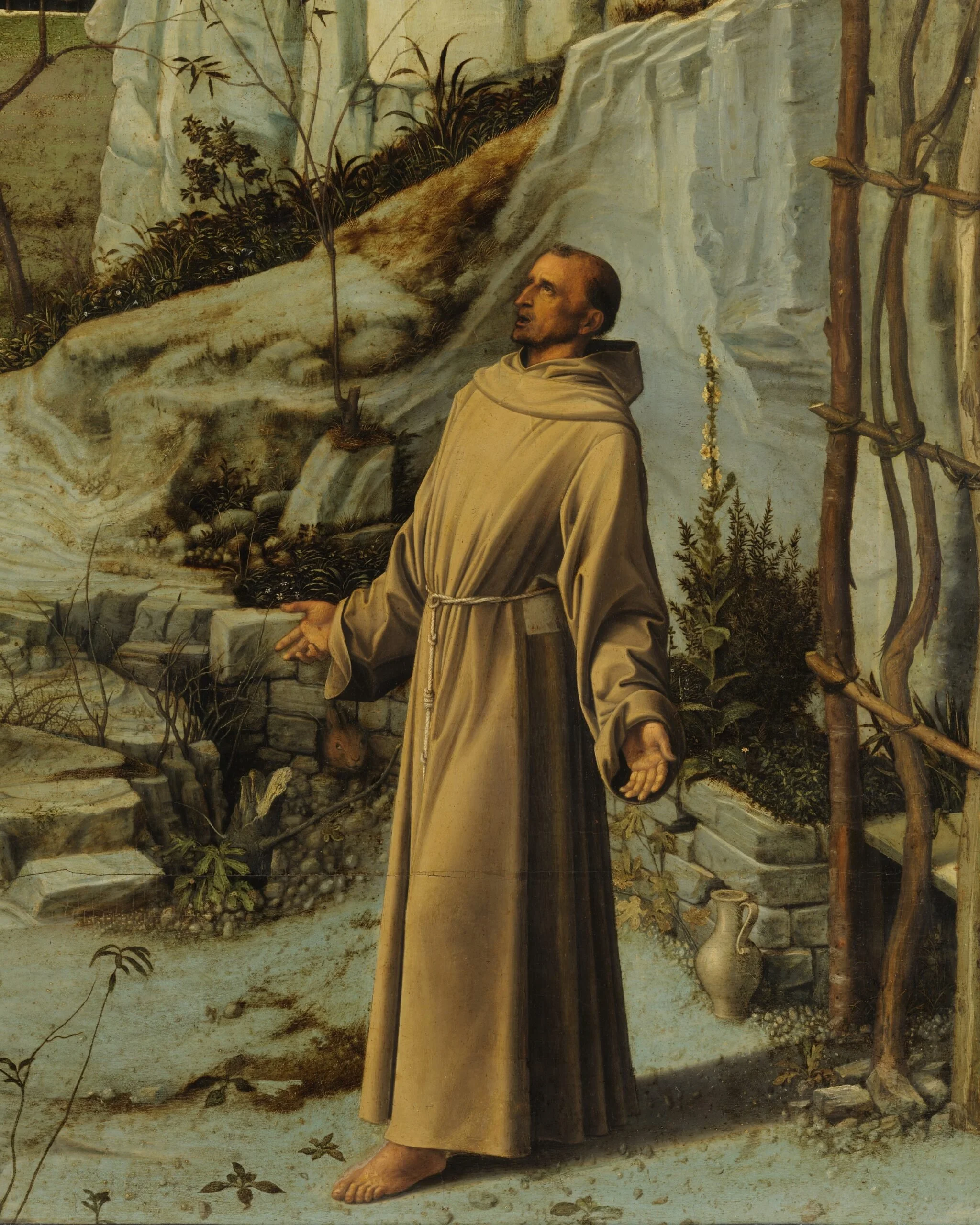
It’s been occupied twice by military forces; it’s been expanded to house Franciscan friars, and these days, it’s part museum, part sacred space. The Church of San Francisco’s building tells the history of its host city, La Paz. Founded in 1549, the church is best known by the name of the founder of the Franciscans, which was one of the first orders to arrive with the Spanish conquerors.
(ANALYSIS) Bad Bunny is more than a global music phenomenon; he’s a bona fide symbol of Puerto Rico. The church choir boy turned “King of Latin Trap” has songs, style and swagger that reflect the island’s mix of pride, pain and creative resilience.
(REVIEW) Visitors to Canterbury Cathedral in the U.K. have been surprised to find that parts of the building’s majestic architecture are currently daubed with eye-catching graffiti. But this is not the work of vandals. The colorful graphics are part of a thought-provoking art installation centered on the idea of asking questions to God.
Film & TV
(REVIEW) Faith-based films about sex trafficking are becoming more common, reflecting cultural anxieties and a push toward grittier storytelling. “Still Hope” exemplifies this trend, offering a sincere portrayal of recovery, but ultimately faltering through one-dimensional characters, didactic messaging and a tendency to prioritize education over authentic stories.
(REVIEW) “Moses the Black” is a gritty, well-crafted independent film exploring faith, violence and redemption through a Chicago gang leader’s encounter with a historical saint. Anchored by strong performances and confident direction, it offers a rare, authentic portrayal of religious experience largely absent from Hollywood and deeply rooted in lived belief.
(REVIEW) “28 Years Later: The Bone Temple” comes out. This film functions less as a fourth sequel to “28 Days Later” and more as a direct one to “28 Years Later,” following the events from that film. In a shift, “The Bone Temple” makes the antagonists Satanists rather than Christians. This reflects a world, very much like ours, where Christianity is no longer atheism’s chief rival.
(REVIEW) The faith-based film industry is going through major changes. It’s starting to break into the mainstream, with critical and box office success. As a result, there’s a new film genre called “based faith” targeting conservative, Christian male audiences, but if “The Pendragon Cycle: Rise of the Merlin” premiere is any indication, this new genre has a rocky road ahead.
(ANALYSIS) Sam Kinison, the famed comedian, is remembered for his intensity, volcanic punchlines and the wild nights that carried him far beyond the boundaries most people never cross. But long before the fame, he lived in a world far more holier. Born into a family of Pentecostal preachers, he grew up where faith was the structure around which life revolved.
(ANALYSIS) One of the things few people discuss about the “Avatar” films is how deeply “faith-based” they are. In fact, their spirituality may be one of the most influential things about the franchise in Hollywood. Since the first film graced theaters in 2009, Hollywood has followed its example in portraying religiosity on film — both for good and ill.
Travel
(ESSAY) Flee the clamor of urban life, and take a drive through this beautiful desert and wilderness area. Meet three faith leaders who found the solitude and peace they were looking for — and who ultimately made this stunning landscape their home. Across New Mexico, religious communities locate themselves in remote areas in order to gain solitude and silence.
(ANALYSIS) The Maldives, the small South Asian island nation, recently passed a new law to tighten the noose of the media. But this new law also indirectly strengthens the state’s restriction on religious freedom. Under this law, media outlets will be punished if they publish any content that contradicts Islamic principles or that could be seen as offensive to Islamic sentiments.
(ANALYSIS) The Japanese tea ceremony is deeply rooted in the ideals of Zen Buddhism, but the current matcha hype has little to do with the tea ceremony. Green tea has become part of the on-the-go coffee culture. On social media, a centuries-old spiritual practice is compressed into a 15-second reel.
(REVIEW) A new book traces the footsteps of Christian pilgrims to Jerusalem for nearly a millennium before the Crusades, and the path differs significantly from the path tour guides take travelers on today. “But do the walk as you wish, and commemorate each station however you choose. From revisiting the material to simply enjoying the walk.”
Churches and cathedrals around the U.K. hold works of art by some of the most important and exciting artists of the past 100 years. But unless you know where to look, many can be hard to find. High-profile examples include significant commissions by Elisabeth Frink, John Piper and Graham Sutherland at Coventry Cathedral.
(REVIEW) “The Case for Miracles” attempts to encourage all of these groups with belief in the miraculous. Unfortunately, it tries to do too much and please too many potential audiences. The result is that, though its heart is in the right place, almost everyone, even those who agree with it, will likely go away unpersuaded and unsatisfied.
It’s been occupied twice by military forces; it’s been expanded to house Franciscan friars, and these days, it’s part museum, part sacred space. The Church of San Francisco’s building tells the history of its host city, La Paz. Founded in 1549, the church is best known by the name of the founder of the Franciscans, which was one of the first orders to arrive with the Spanish conquerors.
La Basílica y Convento de San Francisco, fundados en el siglo XVI, son un símbolo fundamental de la identidad paceña. Reconstruida tras el colapso de su primera estructura, la actual iglesia barroca mestiza se erigió entre 1743 y 1800. A lo largo de la historia, el complejo fue ocupado por fuerzas independentistas y remodelado varias veces, siendo declarado monumento nacional en 1967.
(REVIEW) Visitors to Canterbury Cathedral in the U.K. have been surprised to find that parts of the building’s majestic architecture are currently daubed with eye-catching graffiti. But this is not the work of vandals. The colorful graphics are part of a thought-provoking art installation centered on the idea of asking questions to God.
(ESSAY) Again and again, deadly incidents occur at Cuba’s largest garbage dump — sometimes from sudden eruptions of violence, sometimes from hunger or disease. But a group of about 50 locals, led by a pastor, have banded together to look out for one another. “Sometimes they kill each other over a piece of copper,” said one local woman.
Sports
Behind the medals and records, some Olympians say faith and spirituality play a meaningful role in how they train and compete. Faith can offer athletes a framework for resilience, especially in a world defined by so much pressure and scrutiny. This year’s Winter Games in Milan/Cortina will conclude on Feb. 22.
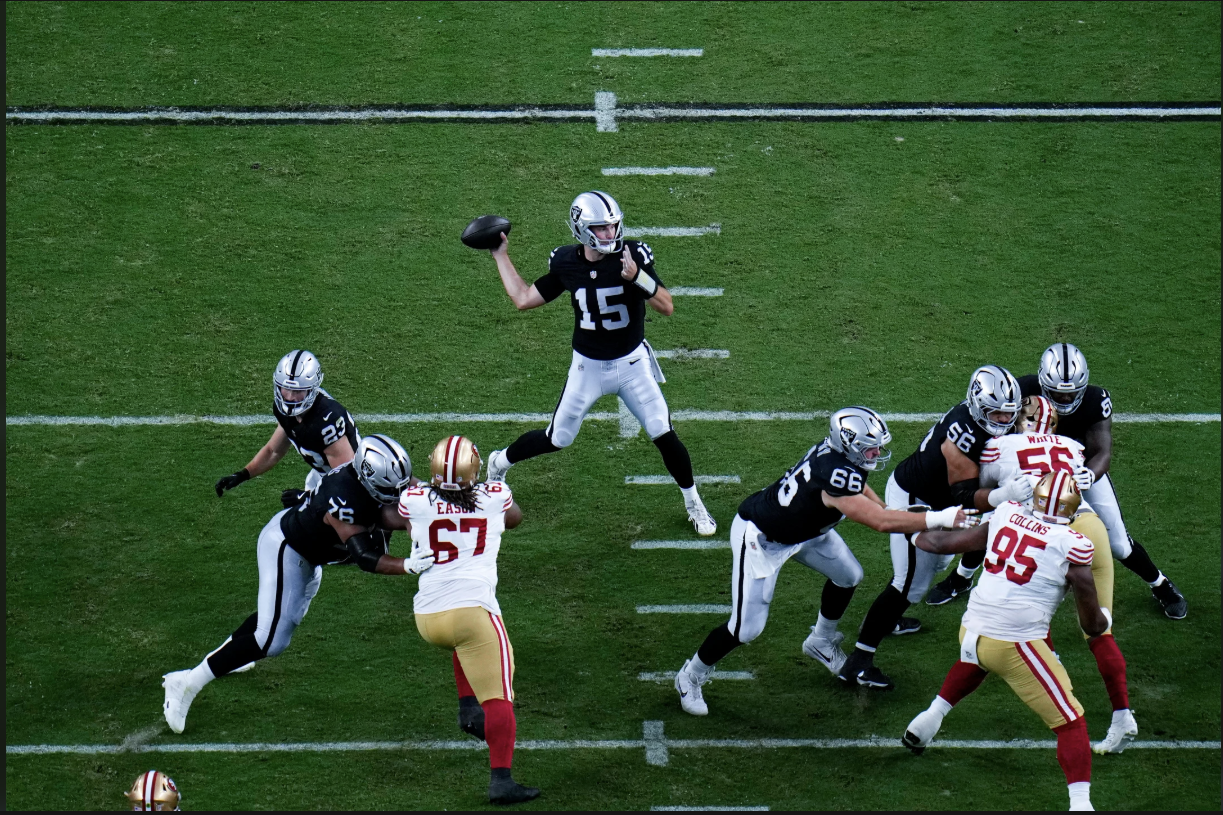
As Super Bowl Sunday approaches, the focus is fixed on the New England Patriot and Seattle Seahawks. Beyond the game, the Super Bowl is a cultural touchpoint. Watched by millions, it remains the most-viewed event on American TV. While commercials and the halftime show are all big draws, faith once again plays a part in the biggest football game of the year.
It all began on a sunny day at a local park. missionaries Russell and Tori Minnick were watching their kids have fun on a playground when, at the far end of a field, a group of men were running routes and huddling over playbooks. Both men could tell they were practicing American football, so he made an inquiry.
David Halimi grew up Jewish in Tehran, watching “Bonanza.” He now produces rodeos in Northern California and owns a bar modeled on “Cheers.” At 73, Halimi is known as the man behind a Western wear store stocked with cowboy boots, a rodeo circuit and a U-shaped bar where locals joke about who might be the town’s version of Norm.
(OPINION) Christians understand what science reveals: masculinity and femininity are fixed moral categories that God has made and declared to be good. When societies reject God’s moral law, anarchy results. God’s people must boldly declare to the world what is true. At the same time, we must communicate the good news of the Gospel to those who disagree.
(REVIEW) “The Gridiron Gospel” is a wonderful addition to the study of religion and sport. It focuses on schools like Notre Dame, BYU and Liberty University. Historian Hunter M. Hampton convincingly shows that college football was not just shaped by faith, but actively helped form how millions of Americans understood Christianity throughout the twentieth century.
Did a touch of the divine play a key role in the Pittsburgh Steelers’ dramatic AFC North title clincher? Steelers fans — especially if you’re Catholic — certainly believe so. Father Maximilian Maxwell sprinkled holy water in one end zone — the same one where Baltimore Ravens kicker Tyler Loop missed as time ran out.
The most-striking element of the London event was knowing that faith remains a big part of some players’ lives: Arsenal players praying together, Crystal Palace’s Bible study groups and the rise of social media accounts like “BallersinGod” suggest a generational shift. Younger players are more willing to publicly integrate belief into their lives.
James Tabor opens his book, “Lost Mary: Rediscovering the Mother of Jesus,” with a paradoxical statement: “Jesus’s mother, Mary, is the best-known, least-known woman in history.” He argues that she’s been lost through “the thick fog of later tradition and theology” and “systematically erased over the past two millennia.”