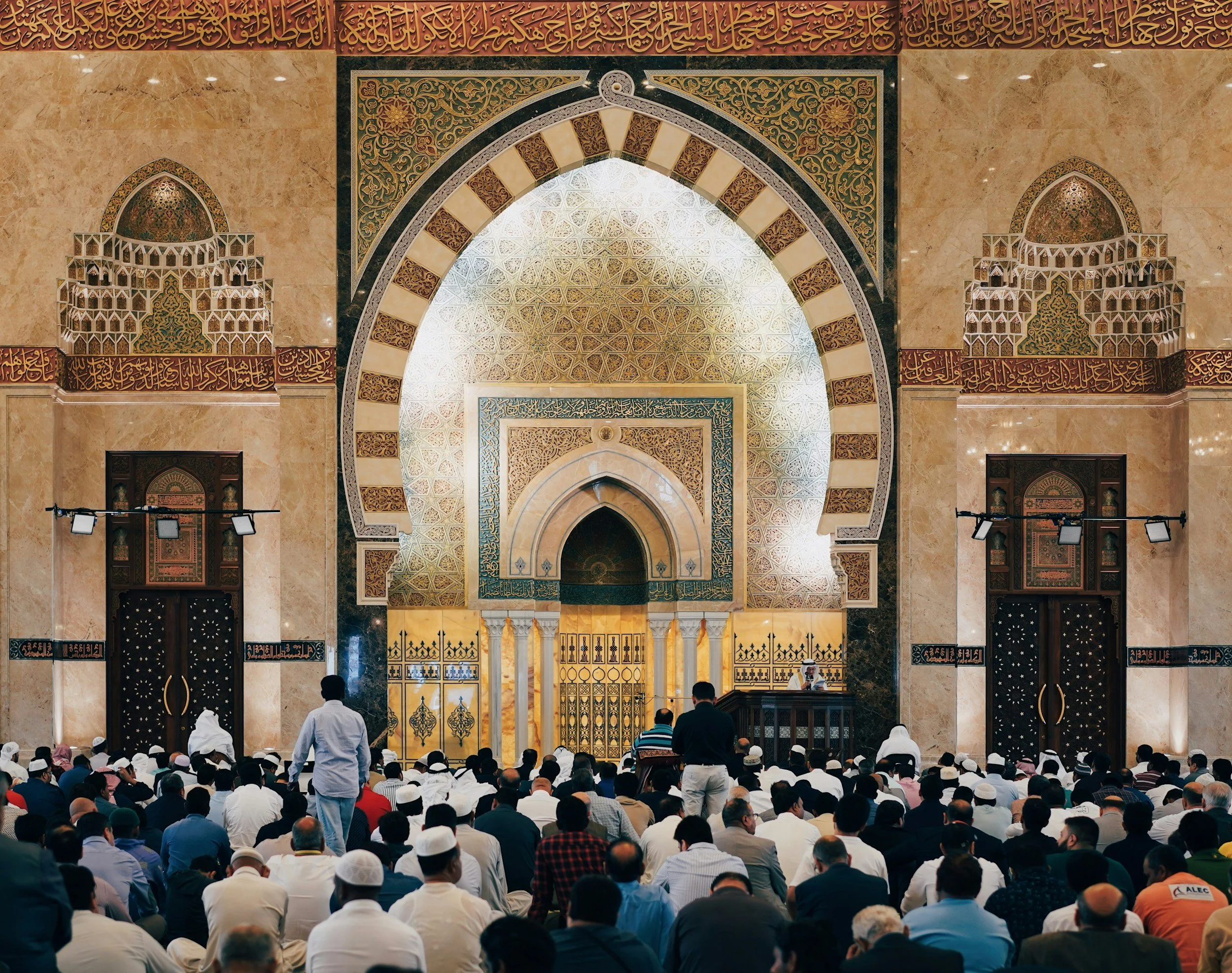
Physical health and religious practice can help you live longer. Research points to religious involvement being positively correlated with longer life spans. Frequent religious attendance is associated with an average reduction in mortality risk of approximately 34%. In a nationwide BYU study, frequent religious attendees lived seven years longer than non-attenders.
Read MoreA low-budget movie, cheesy horror that is literally just “The Exorcist” meets “Speed” and whose theology is as thin as a communion wafer. In theory, this can be an opportunity for an actually really fun campy horror experience. Unfortunately, it’s far more interested in stale religious deconstruction than it is in classic scares.
Read More(ANALYSIS) G.K. Chesterton blended humor and philosophy; he turned belief into something wondrous, culturally alive, and fiercely imaginative. The man made God fun. That sounds like a modest achievement until you consider how desperately the task still needs doing, and how spectacularly everyone since has failed at it.
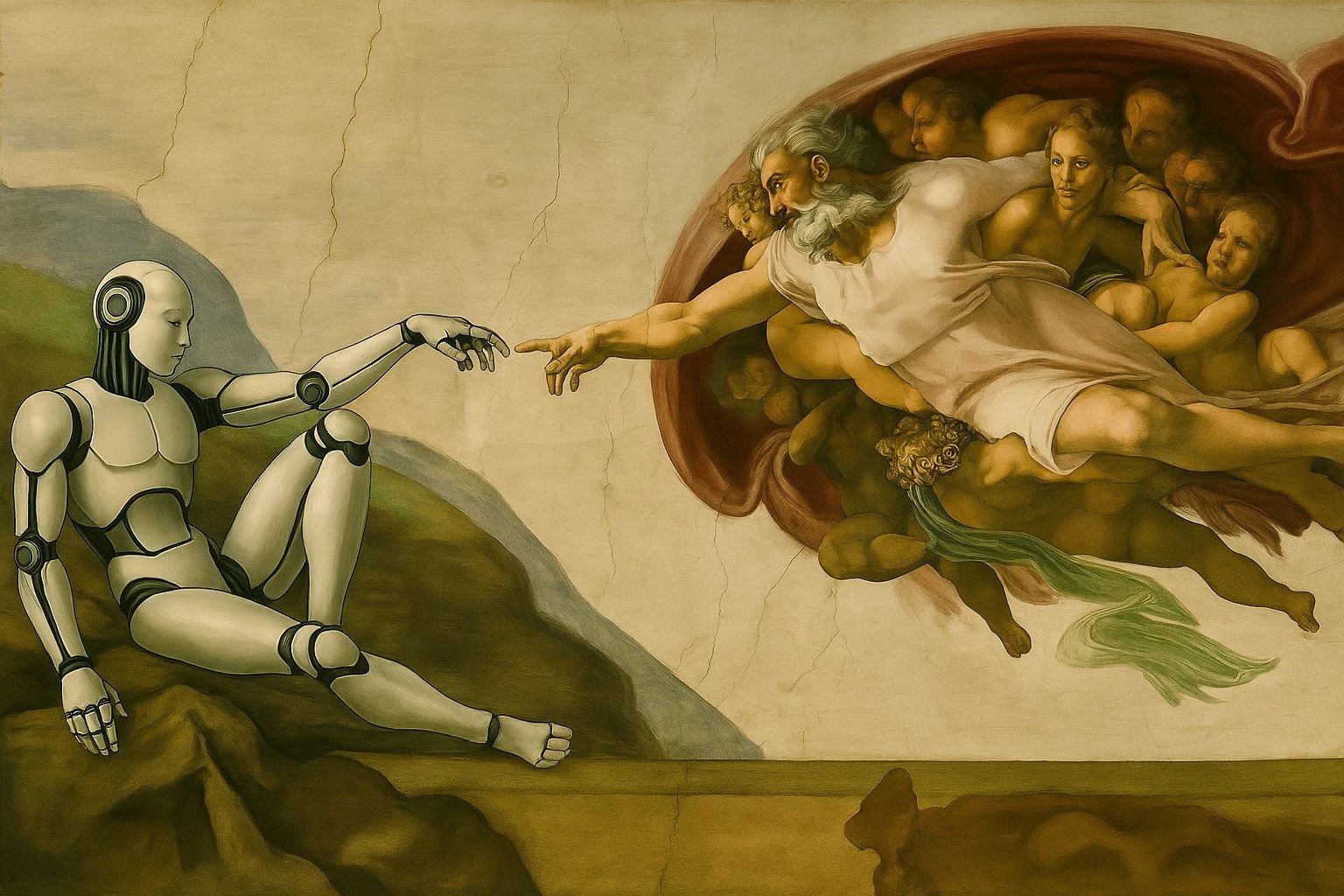
Read MoreWho is AI for and who is it leaving behind? Those were the central questions of Pope Leo’s first encyclical “Magnifica Humanitas” (“Magnificent Humanity”). By addressing the challenge and comparing it to the Industrial Revolution, the pope positioned the Catholic Church not as a casual observer of the tech age change, but an active participant in shaping its future.
Read MoreLand of Milk and Honey Farms in Deep Gap, North Carolina — nestled in a mountainous region called the High Country — has found a niche: Faith-based agritourism, offering visitors nature, serenity and even cuddle sessions with lambs. The farm’s name was inspired by a Bible passage in which God promises his people “a good and spacious land, a land flowing with milk and honey.”
Read More(ANALYSIS) It seemed inevitable that the first encyclical from the first American pope, the forward-looking and worldly-wise Leo XIV, would focus on the growing furor over artificial intelligence. The pope’s encyclical comes as the culmination of various articles during recent weeks about the implications of AI on faith, ethics and morals.
Read MoreIn the heart of Budapest lies a theater unlike any other. Founded 20 years ago, Gólem Theater stands as the only professional Jewish theater in Hungary. By blending humor with questions of identity, the theater seeks to engage audiences with a different side of Jewish culture.
Read More(OPINION) An international investigator will visit Nigeria to assess the religious persecution occurring across the country, and there are so many issues that it’s hard to know where she should begin. Will she detail the mass kidnappings that have occurred regularly over the past decade? The religious and tribal fighting? The terrorist organizations wreaking havoc on the country?
Read MoreSoccer’s global reach and emotional intensity have long invited comparisons to religion. Both scholars and fans testify that the analogy is more than just a metaphor. From local club loyalties to the sweeping unity of the World Cup, the game functions in ways that closely resemble systems of shared belief, ritual and identity.
Read More(ANALYSIS) In the data from 2024, 57% of white evangelicals were weekly attenders compared to 25% of white Catholics. So not controlling for attendance gives us a much different sample when analyzing evangelicals and Catholics.
Read MoreIn this week’s episode, we tackle Pope Leo’s first encyclical and what it means for AI, politics and, more importantly, Catholic doctrine.
Read More(REVIEW) “Is God Is” follows twin sisters on a quest to kill their father, who disfigured them as children. Unfortunately, the movie does more than simply offer fictional frontier-style justice to typically underrepresented audiences. It goes so far as to renounce the virtue of forgiveness altogether.
Read More(REVIEW) How did Christianity shape North Korea? A new 745-page book argues the regime built by Kim Il Sung resembles a national religion that borrows some ideas from Christianity — complete with myths, rituals and a central, quasi-divine figure — rather than a typical authoritarian state.
Read More(ANALYSIS) The way Hollywood portrays faith is changing because American culture is changing. The growing divide in these portrayals reflects the same growing divide in America. Next year may be when this clash gets its biggest arena — and we will all be watching, popcorn in hand.
Read MoreA new Pew Research survey shows that at least some political messages emerge during sermons or formal teaching from clergy — but most churchgoers aren’t aware of their pastor’s political leanings.
Read MoreAt the dawn of the new millennium in northern Nigeria, while a Christian man was petitioning God with his midnight prayers, his 19-year-old Muslim neighbor was calling upon Allah, also through prayer. What the Muslim teen didn’t know is that he would someday convert to Christianity, something that in the African nation can prove to be dangerous.
Read MoreTravel to Cairo and you’ll find Muslims and Christians intertwining their faiths, borrowing one another’s saints and celebrating religious festivals side by side. The official iconography of Saint George, for example, shows a knight on horseback — an image that echoes ancient Egyptian depictions of Horus striking a hippopotamus with a spear.
Read More(REVIEW) A “Romeo and Juliet” style love story, “Cast Aside The Clouds” that protests how religious intolerance — such as the kind regularly levied against the Baháʼí people in Iran — threatens love by targeting innocent people for oppression.
Read More(ANALYSIS) In his first encyclical, Pope Leo XIV warned that artificial intelligence poses a profound threat to human dignity, labor and global stability if left unchecked. Calling for strong regulation and ethical oversight, he condemned AI-driven warfare, corporate concentration of power and profit-first development, framing AI as this century’s Industrial Revolution.
Read More(ANALYSIS) Measuring happiness is a real problem for social scientists. It’s an area of intense interest because I think all of us would like to be just a little bit happier. But it all seems pretty subjective and transient at some level, right? Take the often hyped-up “World Happiness Report,” published annually by Oxford’s Wellbeing Research Centre in partnership with Gallup.
Read More