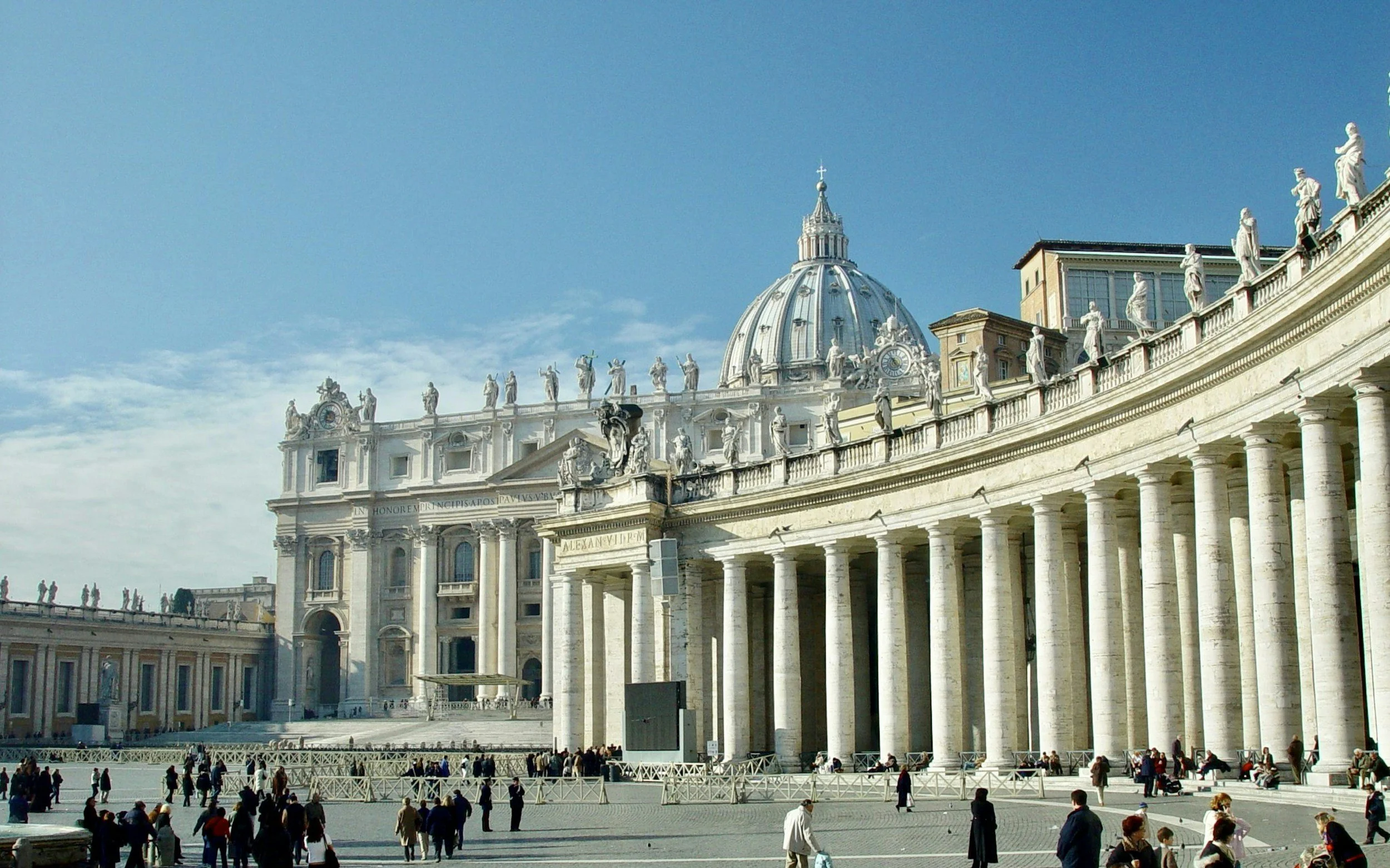
(ANALYSIS) In a world in which the Vatican has only soft power, the pope’s decrees carry only as much power as they are given. But however soft the pope’s power may be, that surreal Vatican visit to the Pentagon suggests that even the best-armed military in the world is afraid of it.
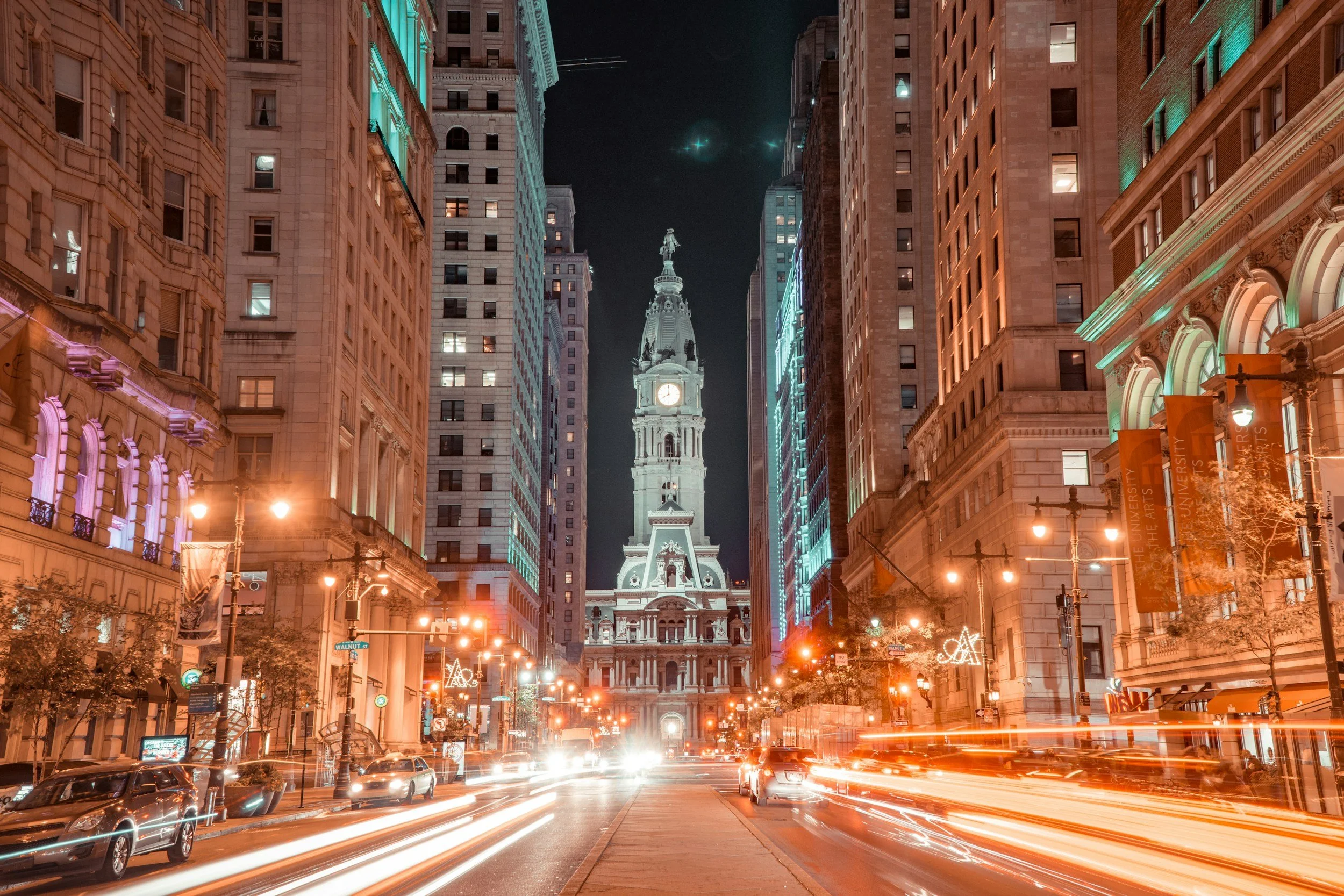
Read More(ANALYSIS) In the midst of a civil war, married couple Ernesto and Linda Fuentes fled their home country of El Salvador and headed for Philadelphia, via Mexico, in November 1983. Ernesto was an activist who dispensed food and medicine in Salvadoran refugee camps. Linda was a union organizer for banks and clothing factories.
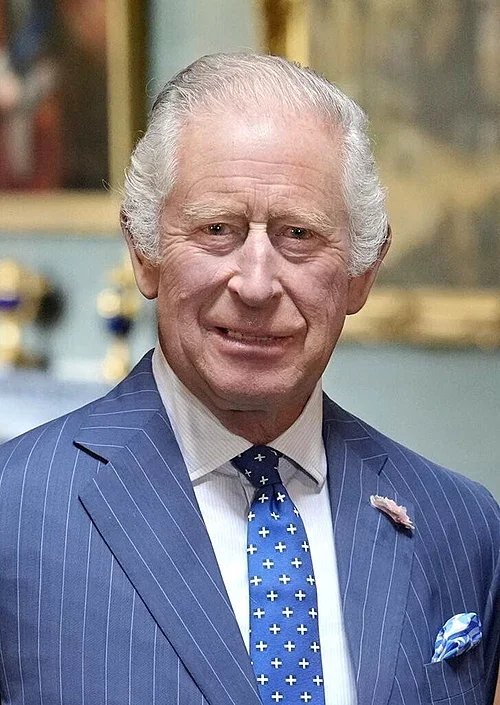
Read More(ANALYSIS) A year ago, King Charles III, in an Easter message that made little news, proclaimed that the love Jesus showed “when he walked the Earth reflected the Jewish ethic of caring for the stranger and those in need, a deep human instinct echoed in Islam and other religious traditions. ... The abiding message of Easter is that God so loved the world — the whole world — that He sent His son to live among us to show us how to love one another, and to lay down His own life for others in a love that proved stronger than death.”
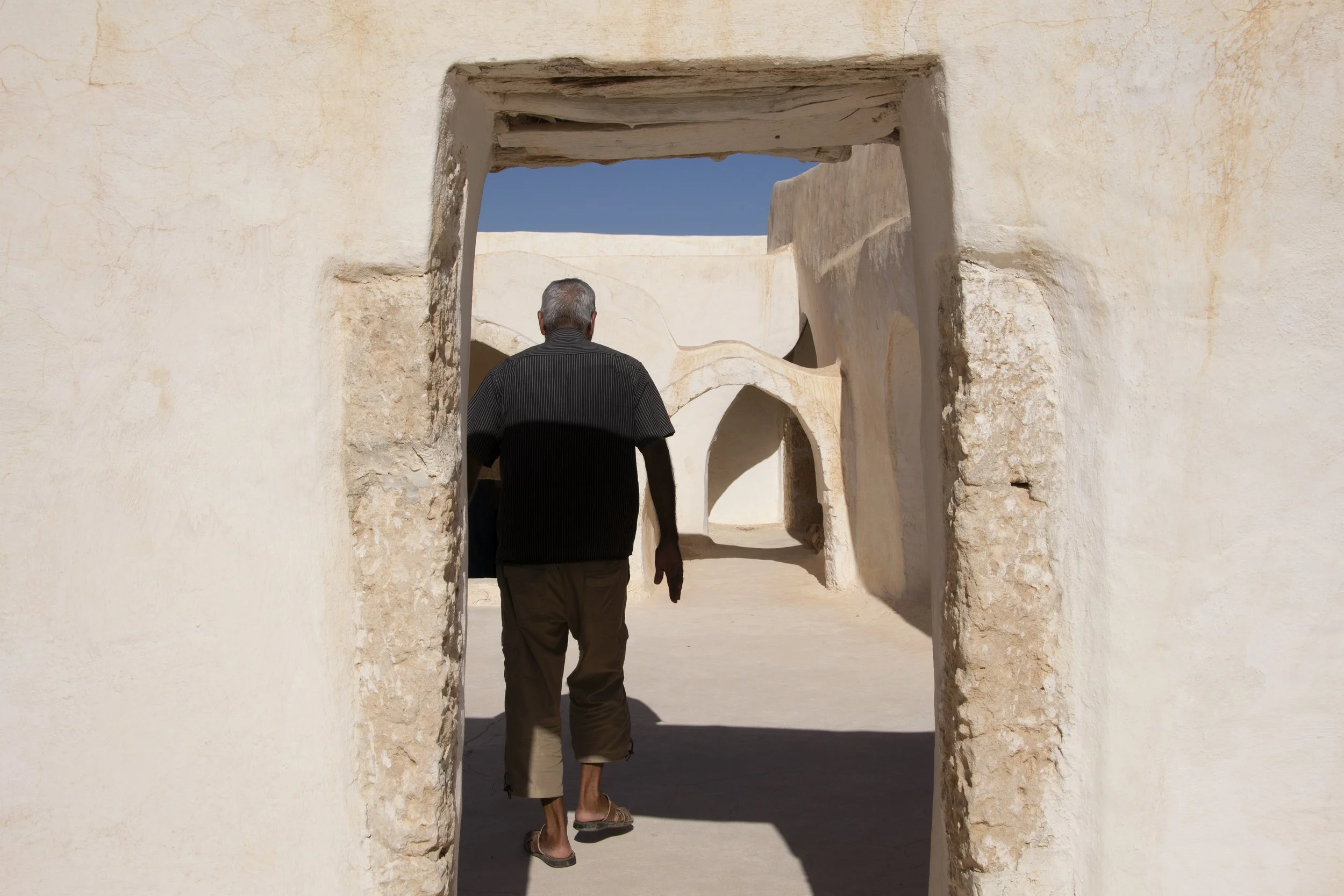
Read MoreWedged between a pizzeria and a clothing shop in Houmt Souk, the capital of Tunisia’s island of Djerba, lies an ancient treasure. The El Barounia Library is one of the oldest centers preserving Ibadi heritage in North Africa. Ibadism presents itself as a third path — between the two major branches — within Islam.
Read More(ANALYSIS) The man who would become one of Christianity's most formidable minds spent his early life doing things he knew were wrong and deploying his considerable intelligence to explain why that was probably fine. Saint Augustine of Hippo would go on to forever change his life, and with it, Christianity.
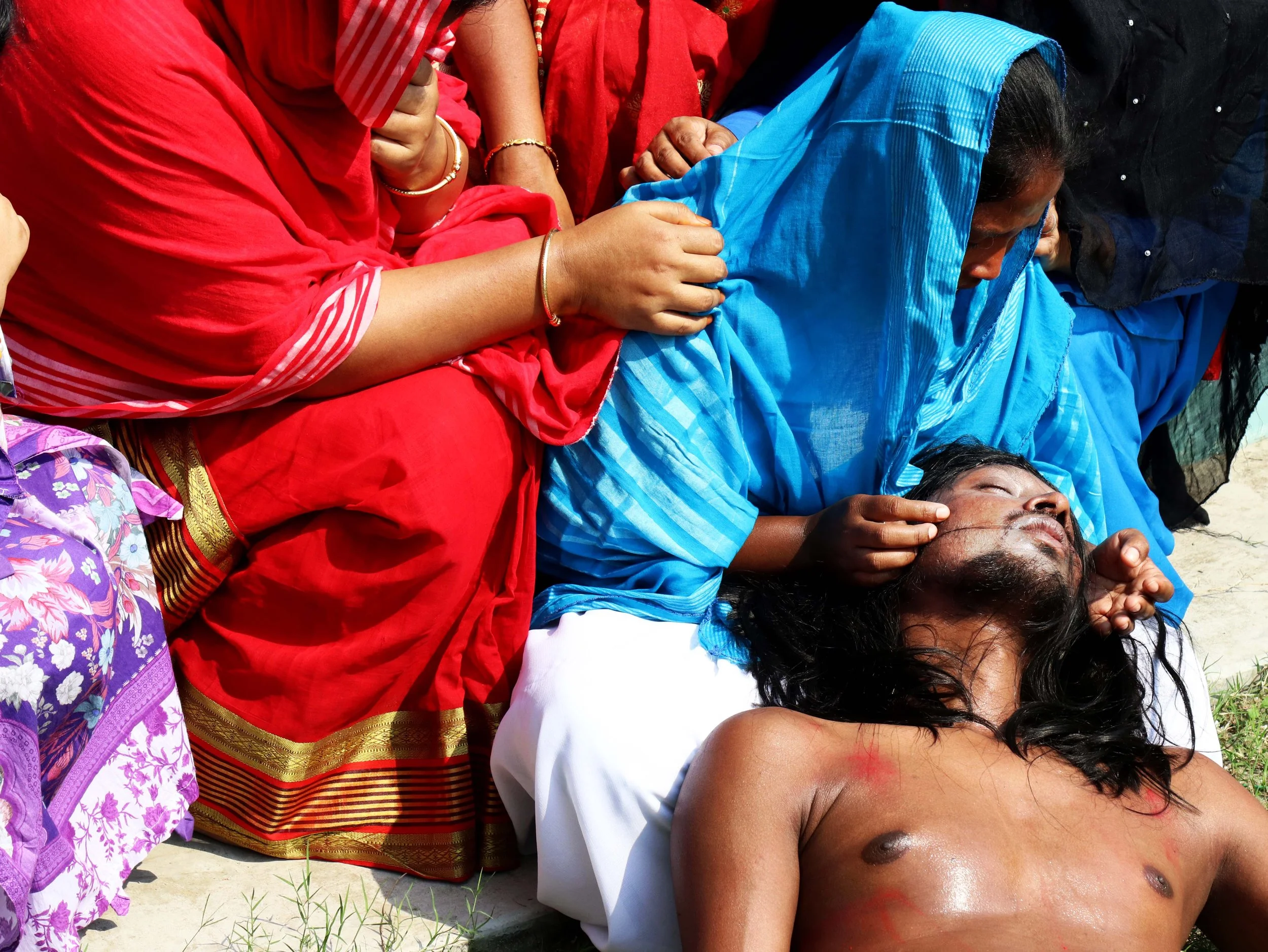
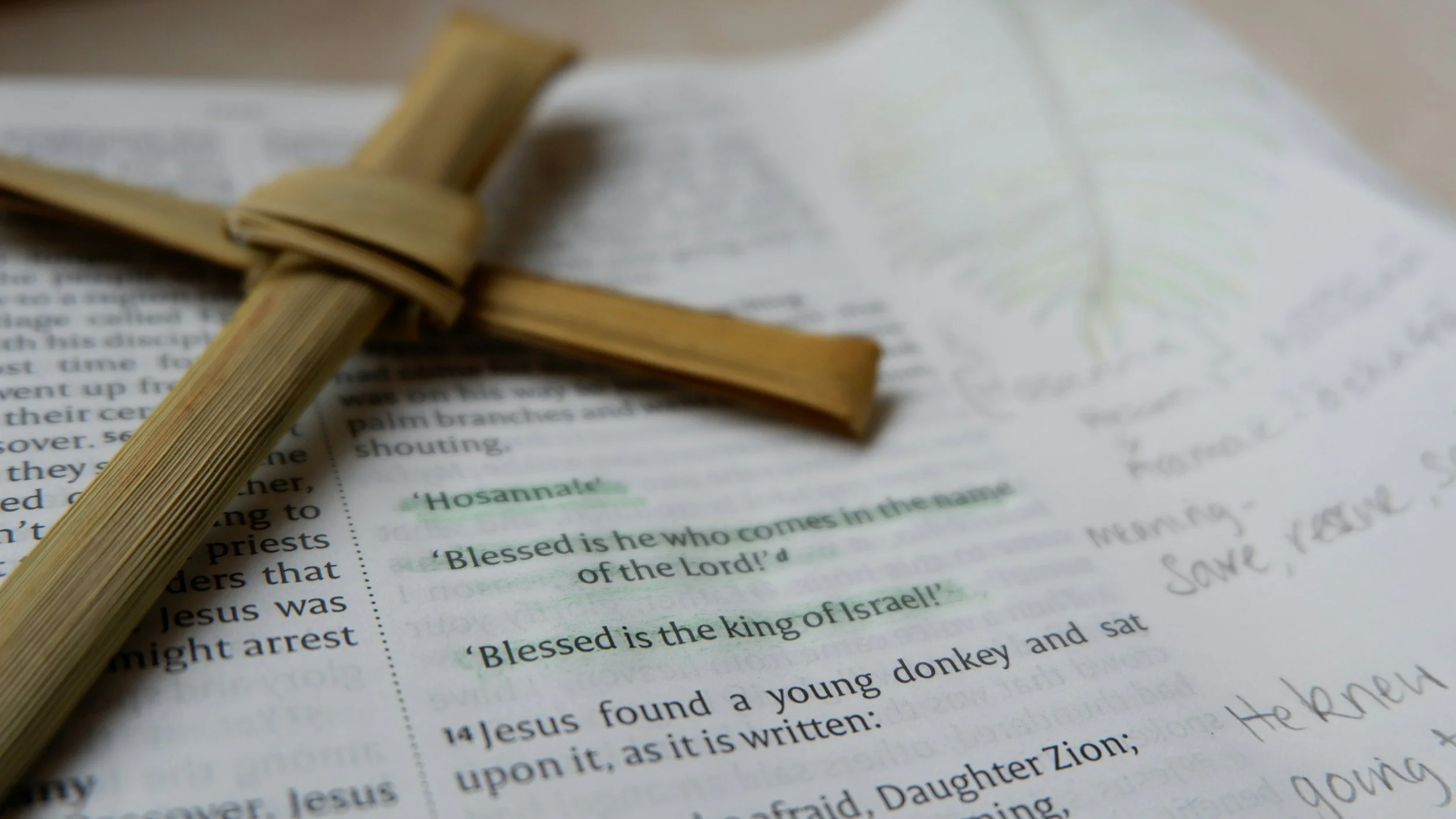
Read More(PHOTO ESSAY) About 200 Catholic workers in Bangladesh’s Zirani industrial area marked Good Friday by staging the Way of the Living Cross. Despite demanding jobs, mostly in garment factories, they practiced and performed the devotion, reflecting their strong faith. In Muslim-majority Bangladesh, Easter Sunday is not an official holiday.
Read More(ANALYSIS) In April 1300, Dante Alighieri stepped into a dark wood and started walking. He didn’t pick that time of year by accident. Holy Week — the week Christians set aside to remember death and resurrection — is precisely when the Italian began his tour of the afterlife in his epic poem “The Divine Comedy.”
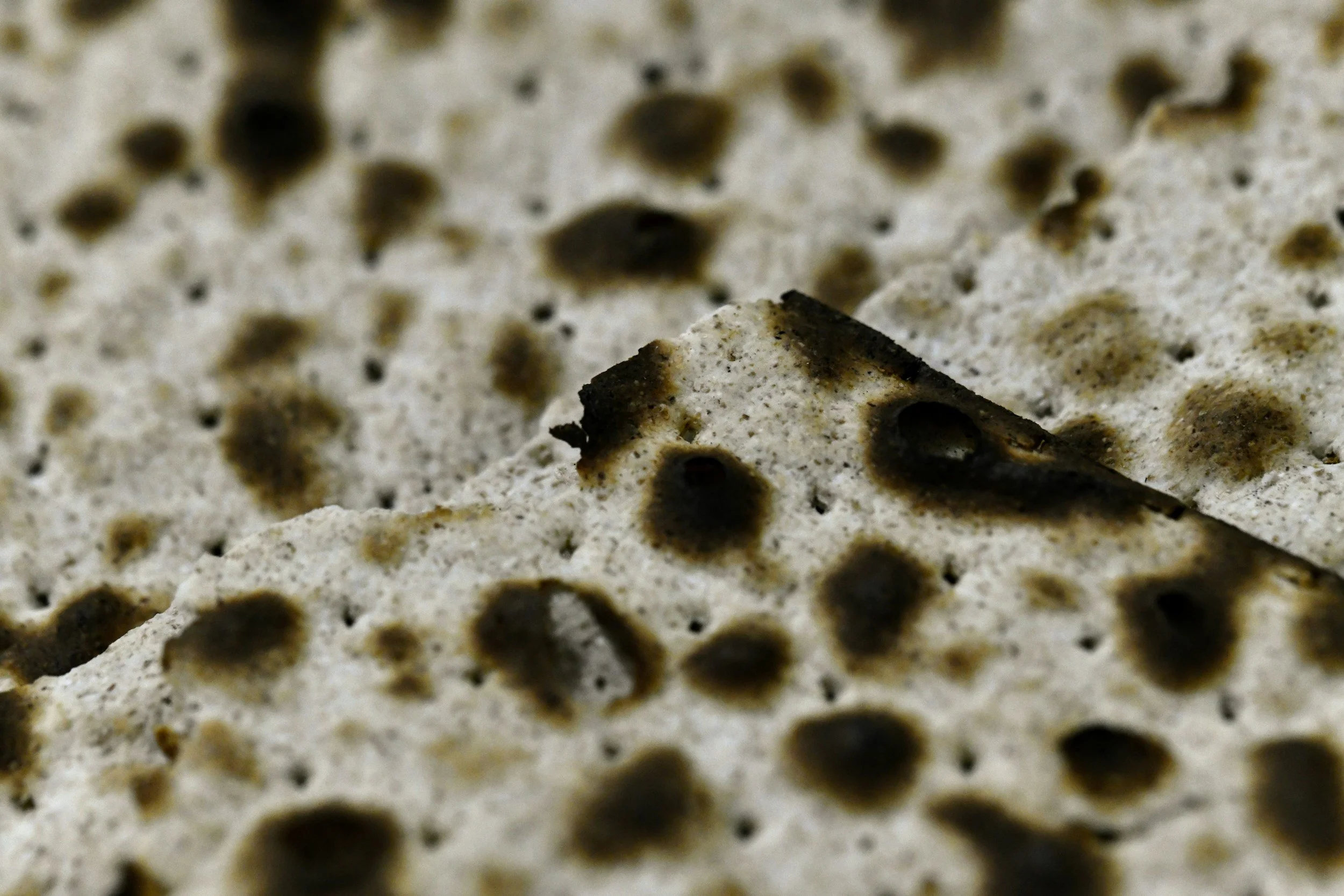
Read More(ESSAY) When Passover arrives each spring, Jewish families around the world gather at their tables to retell a story passed down for thousands of years. At ritual dinners known as Seders, they recount the Exodus, the biblical story of the Israelites’ liberation from slavery in Egypt — asking questions, singing songs and explaining the meaning behind symbolic foods like matzo.
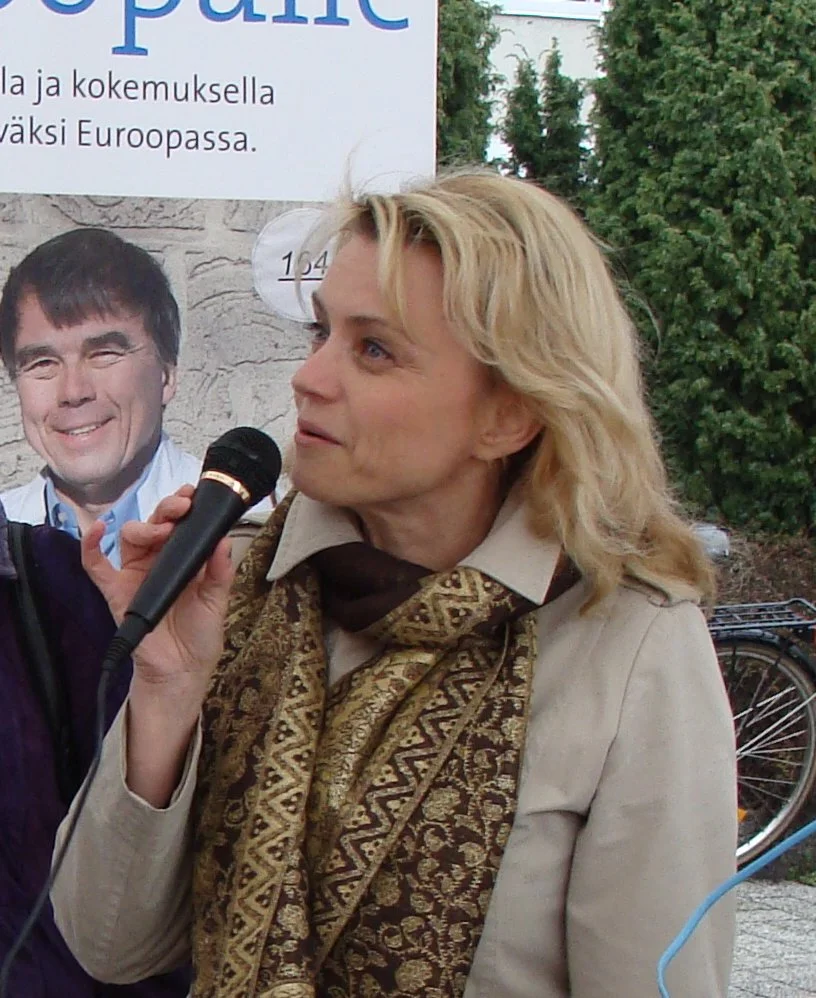
Read More(ANALYSIS) Finland’s Supreme Court convicted Päivi Räsänen and Bishop Juhana Pohjola over a 2004 booklet on homosexuality, ordering its removal. The ruling, alongside developments in Canada and Iceland, raises concerns about expanding hate speech laws and their impact on religious expression and free speech in Europe and beyond.
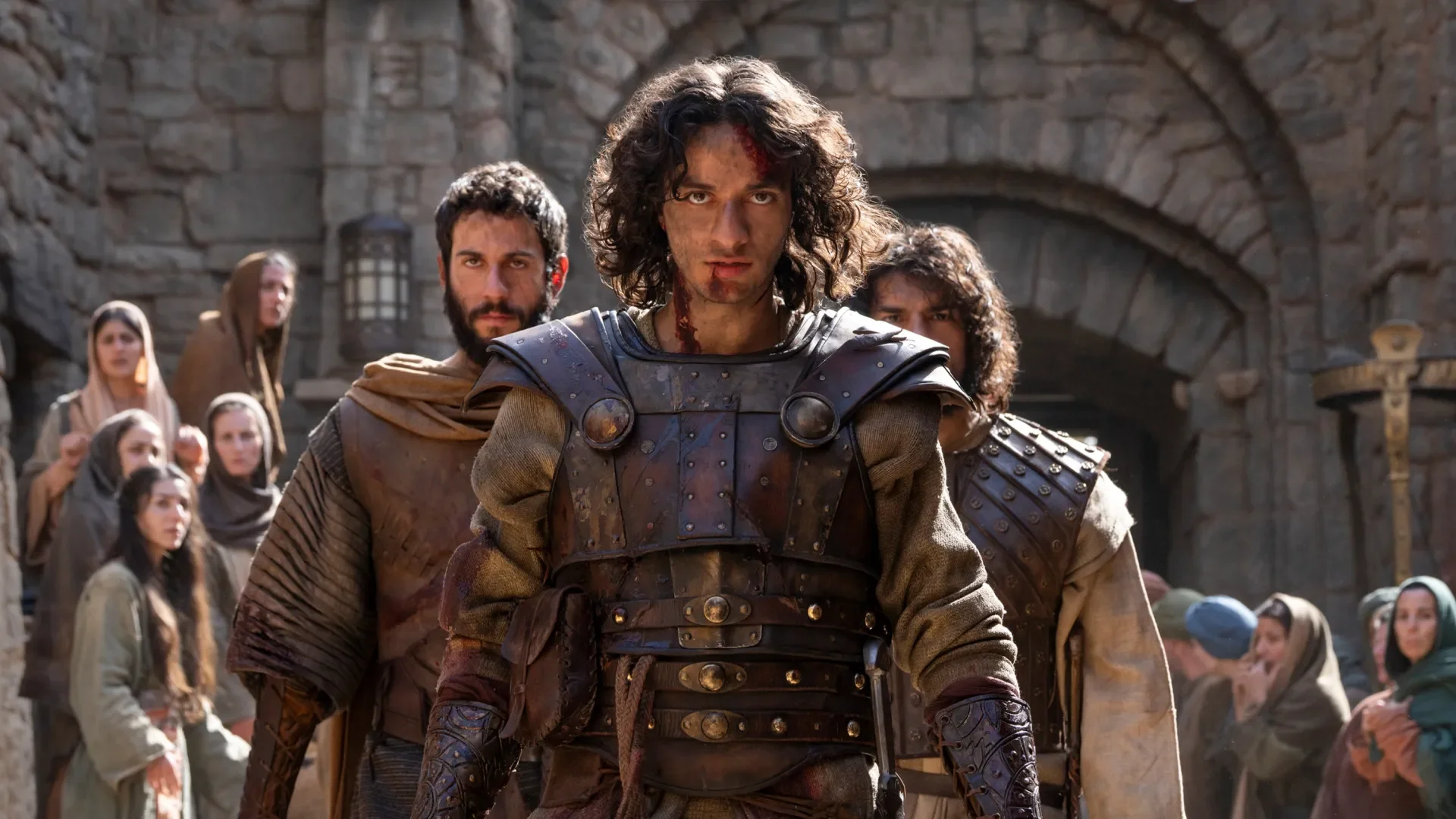
Read More(REVIEW) “The House of David” Season Two improves on its strengths while refining its flaws, delivering a compelling biblical epic about power, faith and leadership. Despite some uneven pacing and character development, it offers a timely, countercultural vision of heroism grounded in moral responsibility.
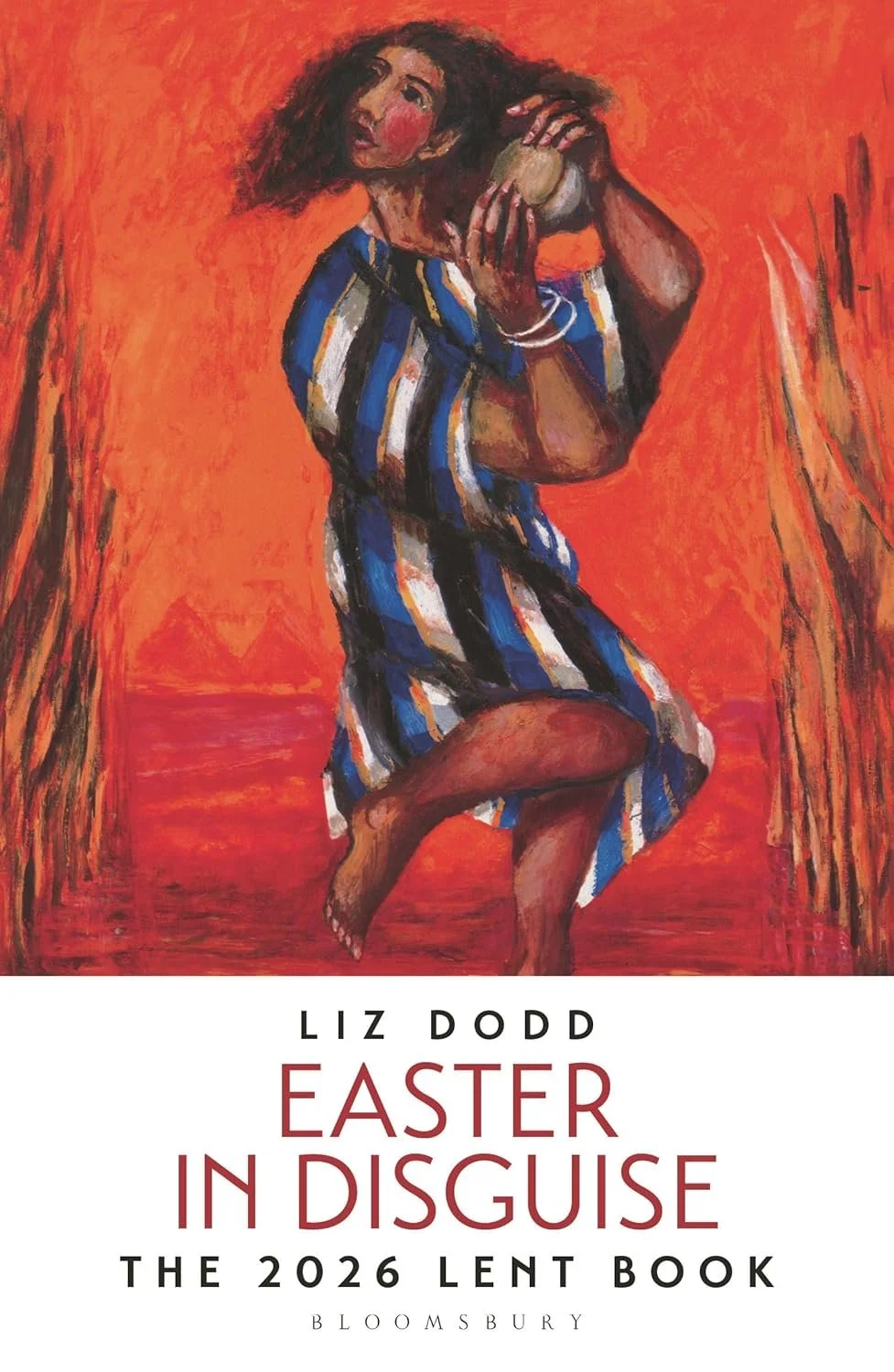
Read More(REVIEW) Easter traditions like hot cross buns and chocolate eggs are widely enjoyed, but their deeper Christian meaning is often overlooked. Sister Liz Dodd’s book “Easter in Disguise” urges a return to the festival’s spiritual roots, encouraging reflection on justice, peace and radical discipleship during Lent and Holy Week.
Read More(ANALYSIS) Israel briefly barred Cardinal Pierbattista Pizzaballa from the Church of the Holy Sepulchre on Palm Sunday, citing wartime security and triggering concerns over religious freedom. Prime Minister Benjamin Netanyahu reversed the decision, highlighting tensions between security measures and preserving Jerusalem’s sensitive religious status quo.
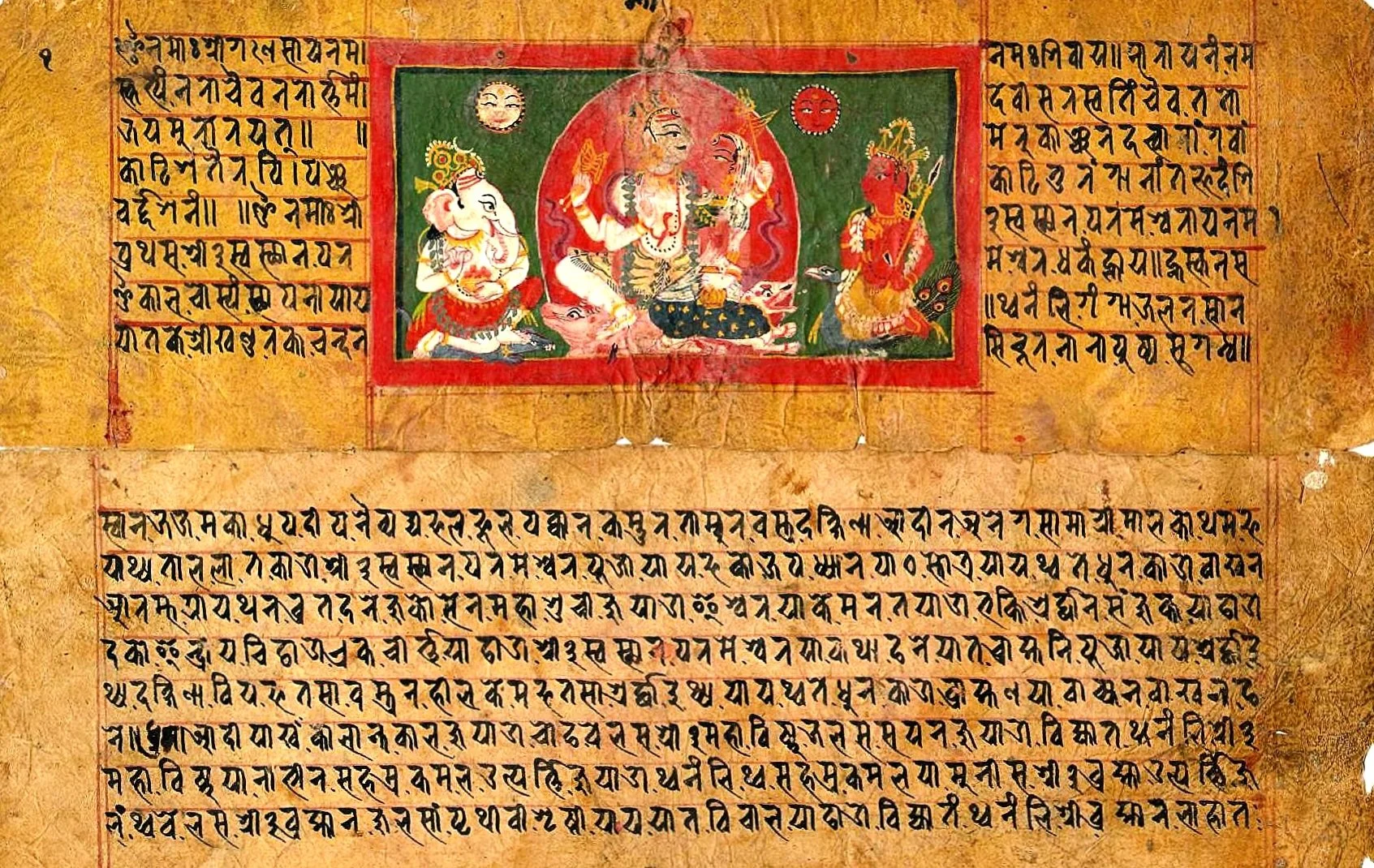
Read MoreThe text tells the story, or “katha,” of the ritual vow, or “vrata,” that women devotees perform to earn the favor of Swasthani, a local Nepali Hindu goddess.
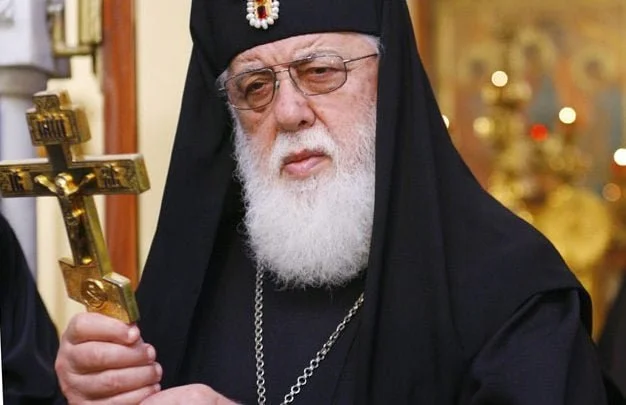
Read MoreWhen Americans call President George Washington the “Father of His Country” it’s an honorary title based on politics and history. When modern citizens of the Republic of Georgia refer to Patriarch Ilia II as the “Godfather of Our Land” they are being quite literal, in terms of the rites and traditions of the Eastern Orthodox Christian faith.
Read More(ANALYSIS) In an era when religious and moral differences often feel like threats to identity, cultivating an individual ethic of pluralism may be one of the most critical civic tasks before us. Pluralism is not who we are by default. But it can be who we become — slowly, deliberately and together.
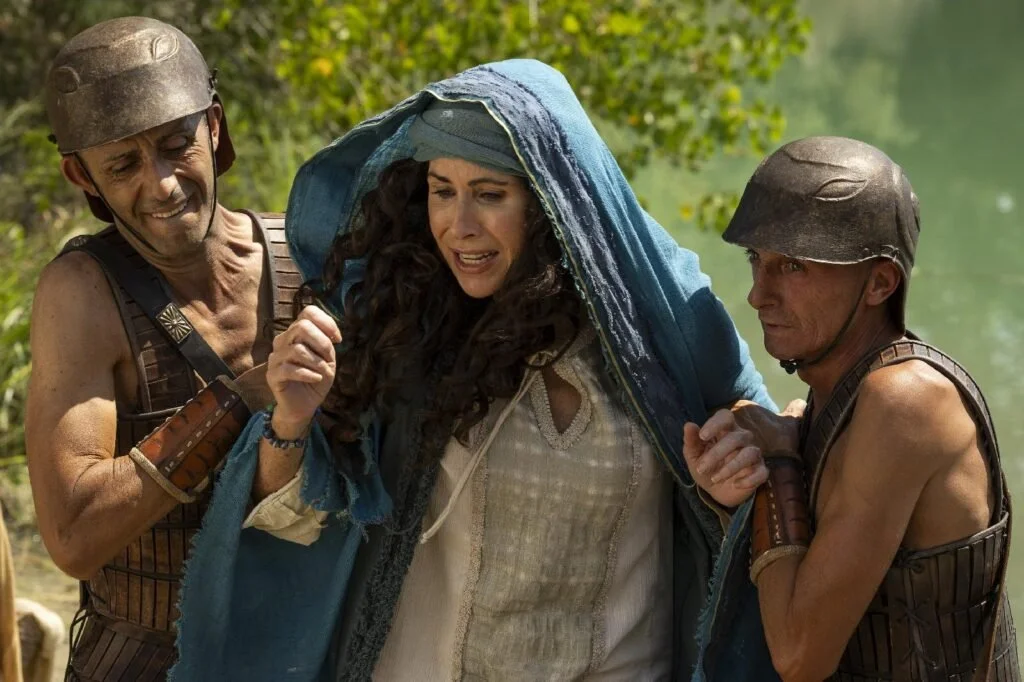
Read MoreWhen “The Faithful: Women of the Bible” trusts the Bible’s voice, it does a great job of giving voice to the women that it portrays. Unfortunately, far too often, the filmmakers shout their own voices too loud for you to hear the real women they claim to be elevating.
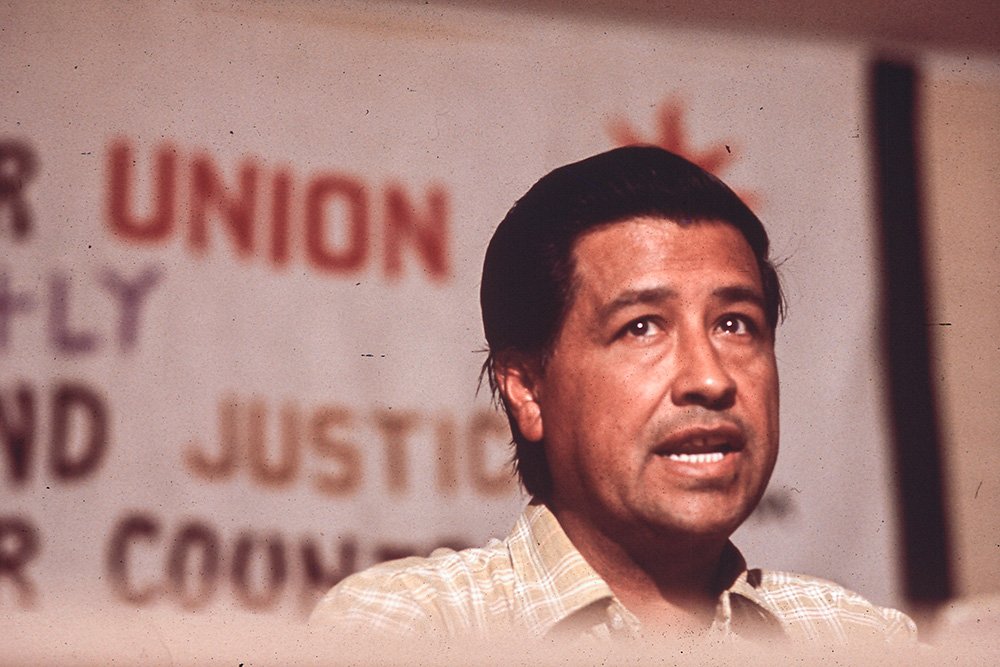
Read More(ANALYSIS) Cesar Chavez, revered labor leader and co-founder of the United Farm Workers, built a legacy of nonviolent activism rooted in the Catholic faith. New allegations of decades-old sexual abuse now challenge his image, raising questions about power, morality and how society should reassess historical figures and their complicated legacies.
Read More(REVIEW) In 1954, the Oscar-winning composer Erich Wolfgang Korngold staged a European homecoming with a new operetta. How this came to pass — and how his planned comeback failed to materialize — is even more convoluted than the piece’s farcical plot. Korngold, a Jewish refugee from Vienna, first came to Hollywood to adapt Felix Mendelssohn’s music for Max Reinhardt’s 1935 film of “A Midsummer Night’s Dream.”
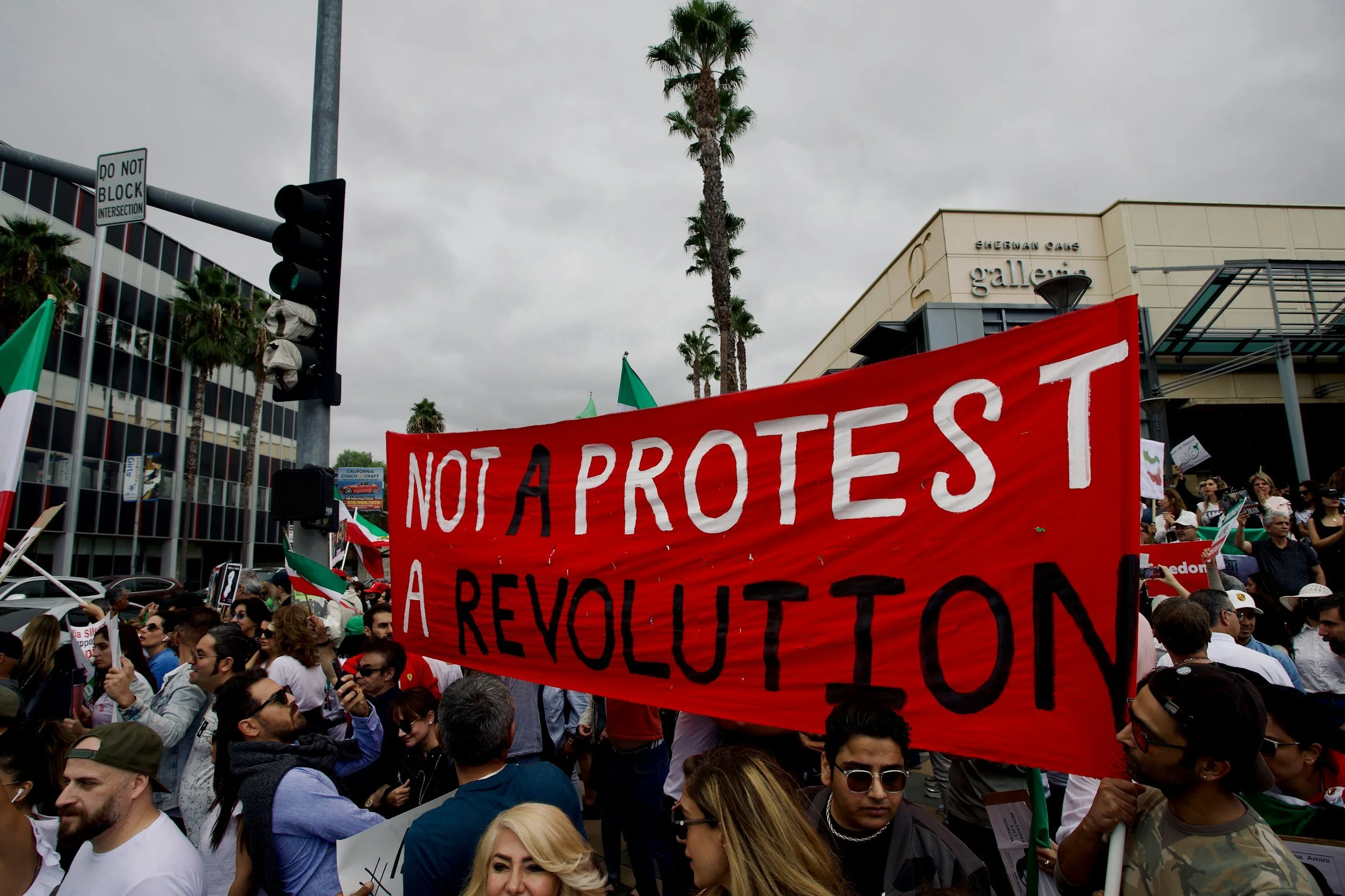
Read MoreBefore the war broke out, knowledgeable observers agreed that a vast majority of long-suffering Iranians despised the ruling theocracy’s incompetence and oppression. So a revolution now might seem as likely as in 1979, when such widespread revulsion brought down one dictator, only to be replaced by another one.
Read MoreIn the past three years, Bahrain, a small Middle-Eastern country off the coast of the Arab Peninsula, has been promoting women’s empowerment despite its strict religious laws and criticism from religious clerics.
Read More