(ANALYSIS) Former Irish President Mary McAleese argues that infant baptism violates children’s human rights by imposing church membership without consent. Critics respond that parents possess religious freedom in child-rearing, note historical and biblical defenses of infant baptism, and compare similar birth rituals across Christianity, Judaism, Islam, Hinduism, Buddhism and Sikhism.
Read MoreLunar New Year is a widely celebrated cultural and religious festival observed across Asia and worldwide. Marking the start of a new lunar cycle, it blends ancient traditions, spiritual practices and symbolic foods that express hopes for prosperity, health and happiness while emphasizing family unity, renewal and reflection.
Read MoreThe Pew study measured diversity by dividing the global population into seven categories — Christians, Muslims, Hindus, Buddhists, Jews, followers of other religions and people with no religious affiliation — and assessing how evenly those groups are distributed within each country.
Read More(ANALYSIS) Religious traditions across cultures have often treated menstruation and childbirth as sources of ritual impurity. In Chinese Buddhism, the “Blood Bowl Scripture” condemned women to “Blood Pond Hell.” Today, women reinterpret these beliefs, emphasizing maternal sacrifice, agency and alternative understandings of female bodies.
Read MoreBehind the medals and records, some Olympians say faith and spirituality play a meaningful role in how they train and compete. Faith can offer athletes a framework for resilience, especially in a world defined by so much pressure and scrutiny. This year’s Winter Games in Milan/Cortina will conclude on Feb. 22.
Read MoreThere are about 800 kung fu nuns in the Himalayas, from little girls to adult women — and when they aren’t engaging in hand-to-hand combat, you can find them bicycling hundreds of miles across Asia. The order has an estimated 1,000 monastic centers and millions of followers worldwide, but their mission and purpose remains a mystery to many.
Read More(OPINION) What we are witnessing is not politics or social protest. Not public policy or propaganda. It is virtue made visible. Peace practiced rather than pronounced. Compassion offered without condition or agenda. Perhaps we need to wait and see what fruit this pilgrimage bears. Perhaps God is at work here, walking slowly among us.
Read More(ESSAY) Flee the clamor of urban life, and take a drive through this beautiful desert and wilderness area. Meet three faith leaders who found the solitude and peace they were looking for — and who ultimately made this stunning landscape their home. Across New Mexico, religious communities locate themselves in remote areas in order to gain solitude and silence.
Read More(ANALYSIS) Before Martin Luther King Jr. was killed, he asked several of his friends to continue his life’s work building what he called “beloved community.” One of the people he invited was the Vietnamese Zen Buddhist monk, poet and mindfulness teacher Thich Nhat Hanh. Their shared vision shows how democracy could flourish when citizens practice compassion and peaceful action.
Read More(ANALYSIS) The Japanese tea ceremony is deeply rooted in the ideals of Zen Buddhism, but the current matcha hype has little to do with the tea ceremony. Green tea has become part of the on-the-go coffee culture. On social media, a centuries-old spiritual practice is compressed into a 15-second reel.
Read MoreRather than answering blood with blood, many residents in one part of India turned to prayer, ritual and mutual care. This response has become as much a political statement as a spiritual one. In the days after deadly clashes took place, monks were visible in the streets. They organized food for families stranded by an imposed curfew, led quiet gatherings — and urged people to avoid retaliation.
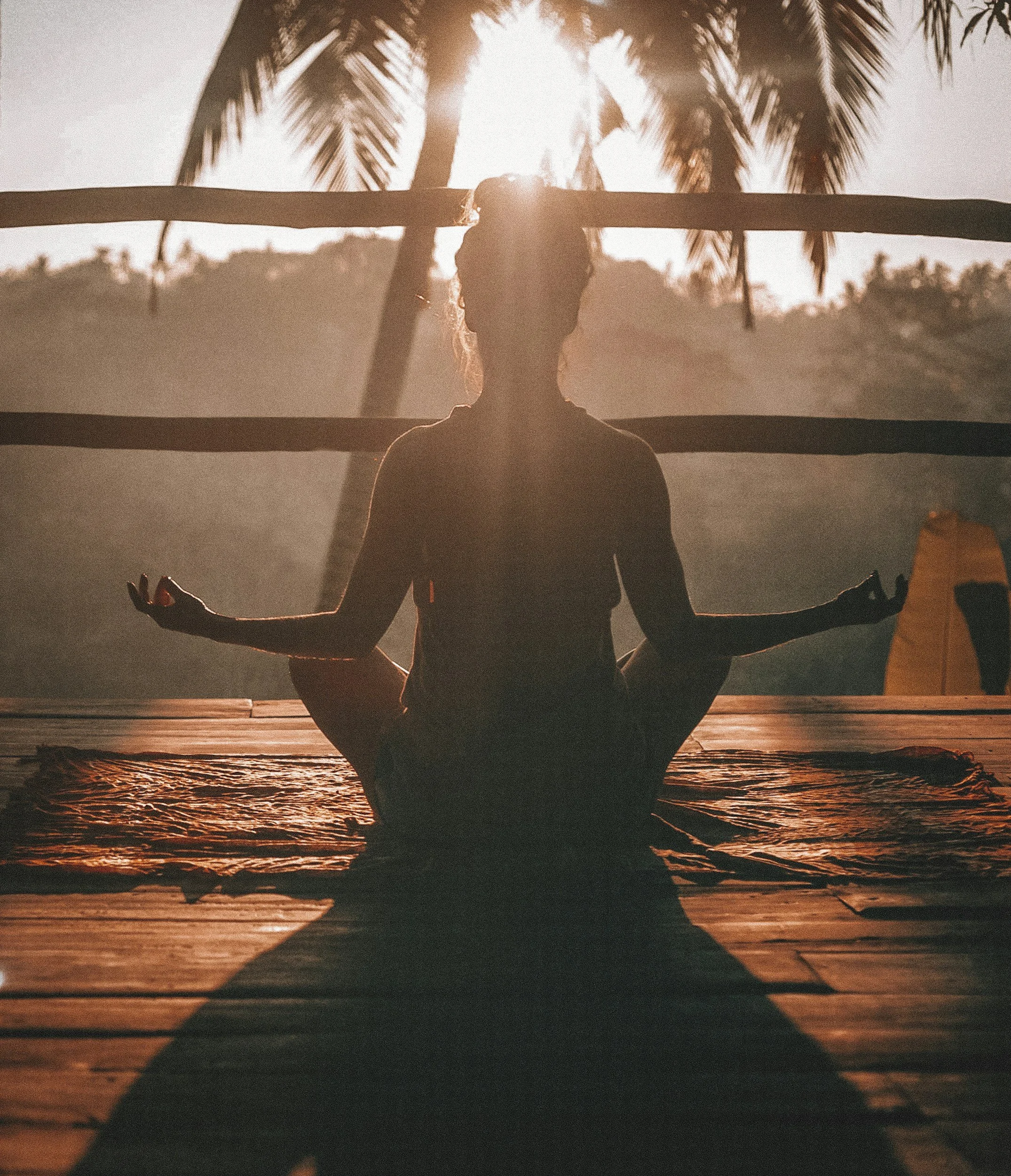
Read More(ANALYSIS) Regular mindfulness practice has been linked to many positive health benefits, including reduced stress and anxiety, better sleep and quicker healing after injury and illness. Mindfulness can help us to be present in a distracted world, especially as we start a new year, and to feel more at home in our bodies and in our lives.
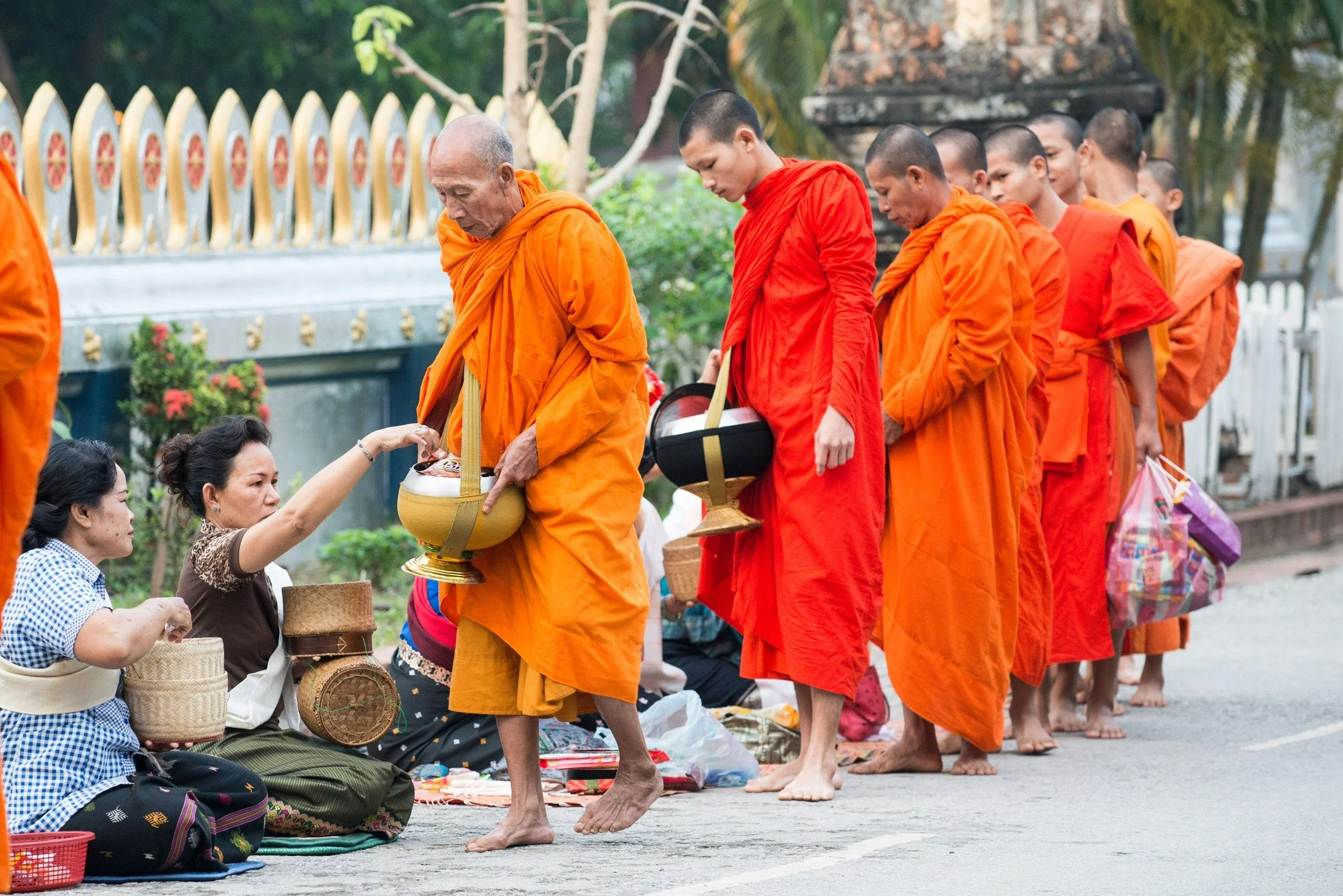
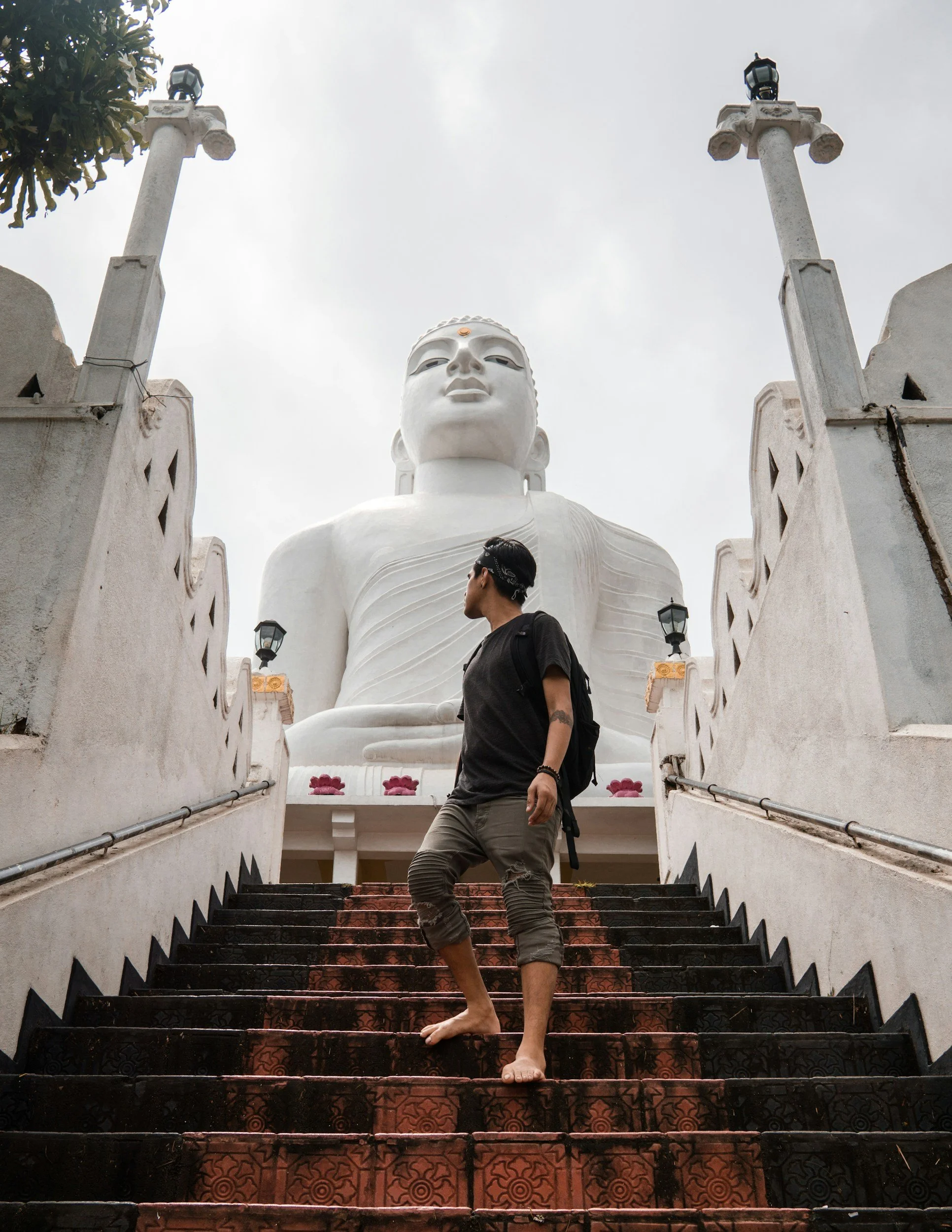
Read MoreBuddhism, founded by Siddhartha Gautama — the Buddha — is a spiritual tradition centered on compassion, mindfulness, and the path to liberation from suffering. Over time, it evolved into three major sects. Theravada, practiced mainly in Sri Lanka and Southeast Asia, preserves the earliest teachings and emphasizes individual enlightenment through meditation and discipline.
Read More(ANALYSIS) In Myanmar, when the military has a hard time conscripting enough residents into their ranks, they turn to monks for help. The religious leaders — many of whom have been well-connected to the government — are backing the recruitment drive. The regime has been targeting men across all segments of society — including the urban poor, displaced populations and ethnic and religious minorities.
Read More(ANALYSIS) Nearly 200 Tibetan Buddhist nuns from religious institutions across India and Nepal — a record number — gathered recently at the Dolma Ling Nunnery in northern India to take various levels of the “geshema” examination. These exams are in preparation for one day receiving the geshema degree, comparable with a doctorate in Tibetan Buddhist philosophy.
Read MoreChina has introduced sweeping new regulations that strictly control how clergy from the country’s five state-recognized religions can operate online. The 18-article “Code of Conduct for Religious Clergy on the Internet” bans livestreaming, social media preaching, AI-generated religious content and all online outreach to minors.
Read More(ESSAY) On Aug. 9, 1945, the U.S. dropped a bomb called “Fat Man” on Urakami, Japan, the most Christian suburb of the most Christian city in Japan: Nagasaki. It is the forgotten bomb, the silent bomb. Hiroshima, being the city where the first nuclear bomb, less powerful than the Nagasaki bomb was detonated, is the atomic bombing that all peace movements acclaim: “No more Hiroshimas!”
Read More(ANALYSIS) Nearly five million travelers visit Yellowstone National Park each year, most in the summer months. They come for the geysers, wildlife, scenery and recreational activities such as hiking, fishing and photography. However, few realize that religion has been part of Yellowstone’s appeal throughout the park’s history.
Read MoreAs the U.S. prepares to celebrate its 250th anniversary next year, another significant institution hits that milestone this week. The Army Chaplains Corps formed on July 29, 1775, at the behest of the Second Continental Congress and the request of General George Washington. The Navy Chaplains Corps would follow in November of that same year.
Read More(REVIEW) The devotional art of Jainism, Buddhism and Hinduism share many similarities, even some gods. To understand why, you need to examine the ancient Indian origins of these religions and their iconographies, which can be traced back to the powerful nature spirits and divine serpents once worshipped across the subcontinent.
Read More