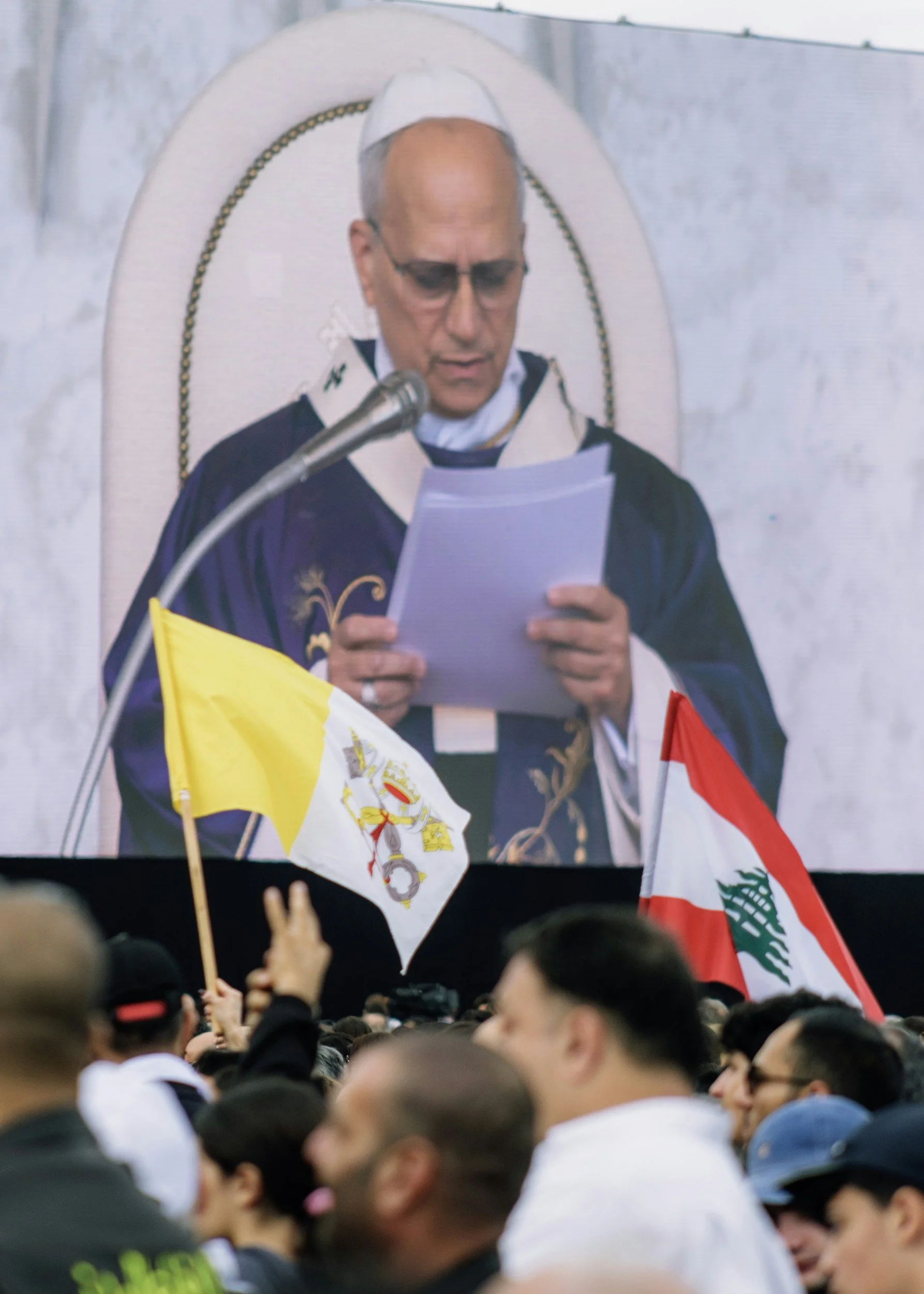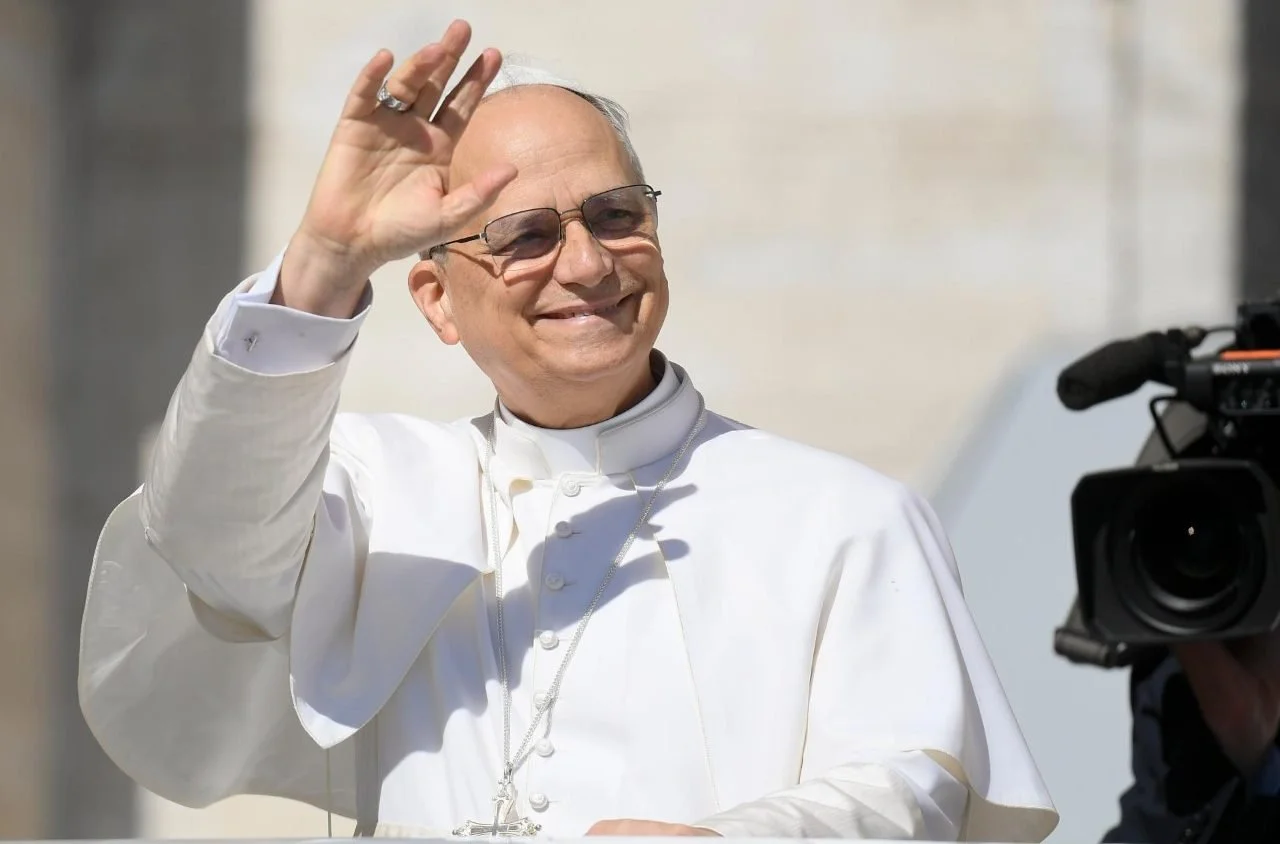
Some 1,800 horsemen flooded the streets of Colina, a rural municipality on the outskirts of Santiago, for the Feast of Cuasimodo on April 12. They accompanied the priests who traveled in a carriage to bring communion to the elderly and the sick on the Sunday after Easter, a tradition that dates back to the early years of Chile as a republic.
Read MoreUnos 1.800 jinetes inundaron las calles de Colina, un municipio rural en las afueras de Santiago, para la Fiesta de Cuasimodo el 12 de abril. Acompañaron a los sacerdotes que viajaban en una carreta para llevar la comunión a los ancianos y a los enfermos el domingo después de Pascua, una tradición que se remonta a los primeros años de Chile como república.
Read More(ANALYSIS) In the midst of a civil war, married couple Ernesto and Linda Fuentes fled their home country of El Salvador and headed for Philadelphia, via Mexico, in November 1983. Ernesto was an activist who dispensed food and medicine in Salvadoran refugee camps. Linda was a union organizer for banks and clothing factories.
Read More(ANALYSIS) As the complexities in Venezuela continue to evolve, President Donald Trump held his first face-to-face meeting with democratic opposition leader Maria Corina Machado. Universal consensus says her party won the 2024 presidential vote by two-thirds or better, whereupon dictator Nicolás Maduro, now imprisoned in New York City, stole the office.
Read MoreCatholic affiliation is declining across much of Latin America, while the number of religiously unaffiliated adults is rising sharply, according to a new Pew Research Center survey. Despite these shifts, belief in God, prayer and the personal importance of religion remain widespread throughout the region.
Read MoreEl dominio histórico de la Iglesia católica en América Latina continúa debilitándose, incluso cuando la mayoría de las personas en la región sigue siendo profundamente religiosa, según nuevos datos de encuestas del Pew Research Center.
Read MoreNigeria, Rwanda, China, Mozambique and Mexico were the most dangerous countries for Christians from 2023-2025 in five distinct categories of persecution, Global Christian Relief said in its second annual Red List.
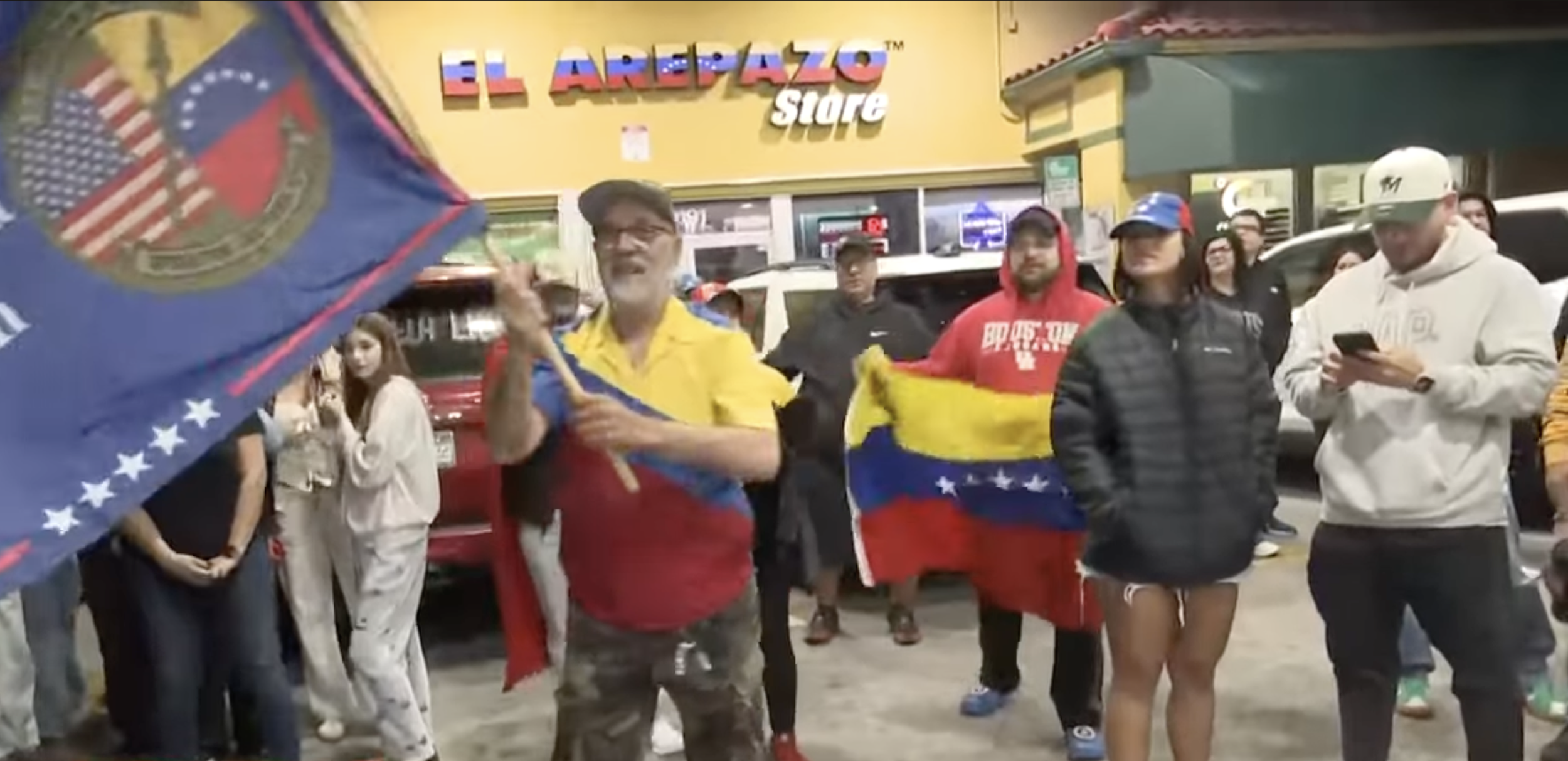
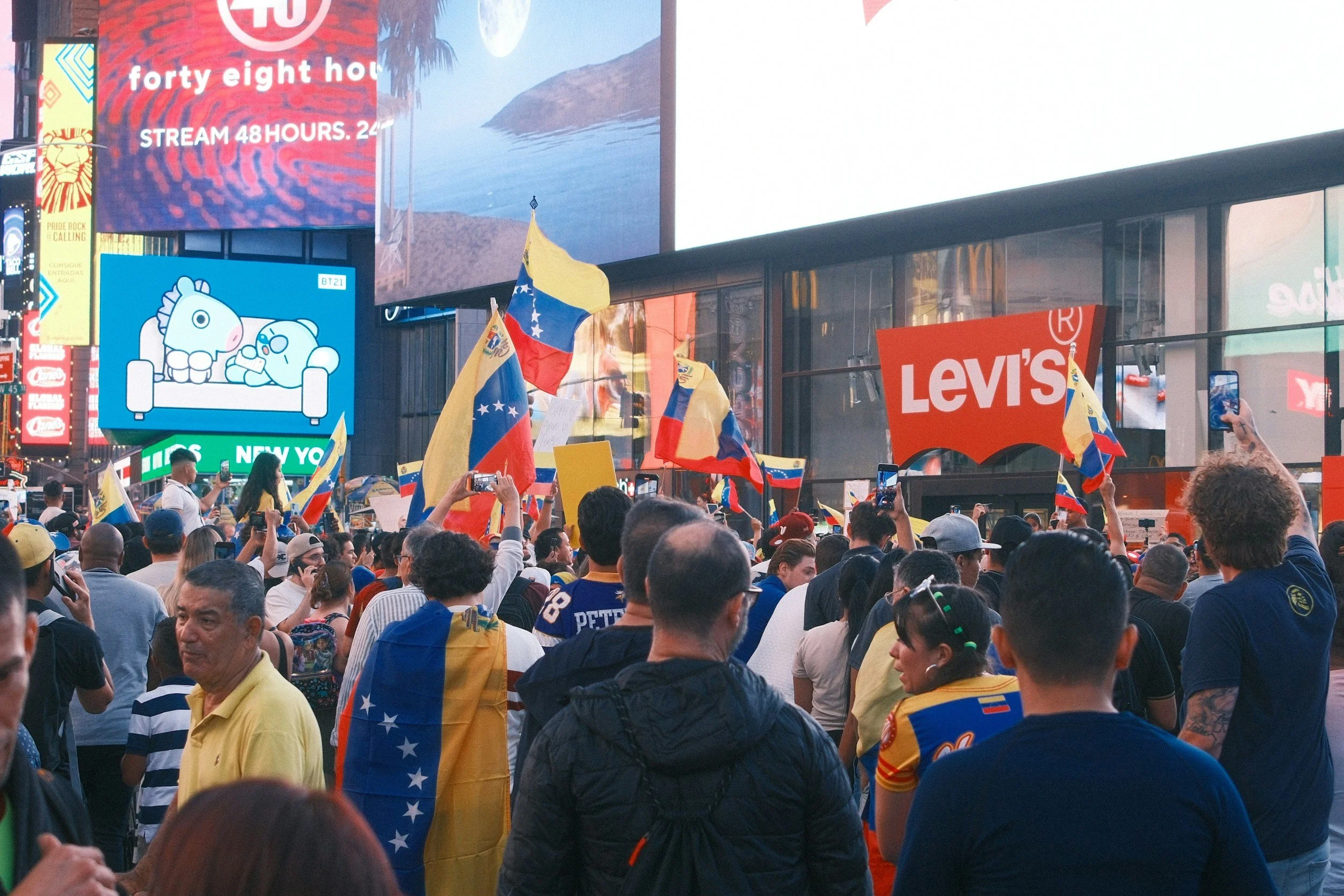
Read MoreMany Venezuelans, including Christians at home and abroad, expressed cautious hope after U.S. forces captured President Nicolás Maduro. While rejecting violence, they welcome the possibility of justice after years of repression. Church leaders now see the moment as a difficult beginning toward rebuilding peace.
Read MoreAs President Nicolás Maduro is being transferred to New York to stand trial for drug trafficking and terrorism crimes, after having been captured early this morning by U.S. forces on the orders of President Donald Trump, a series of calls to prayer have been issued by evangelical leaders and church organizations in response to the situation the country is experiencing.
Read MoreMientras el presidente Nicolás Maduro es trasladado a Nueva York para enfrentar un juicio por delitos de narcotráfico y terrorismo, tras haber sido capturado en horas de la madrugada por fuerzas estadounidenses por orden del presidente Donald Trump, una serie de llamados a la oración han sido emitidos por líderes evangélicos y organizaciones eclesiales ante la situación que vive el país.
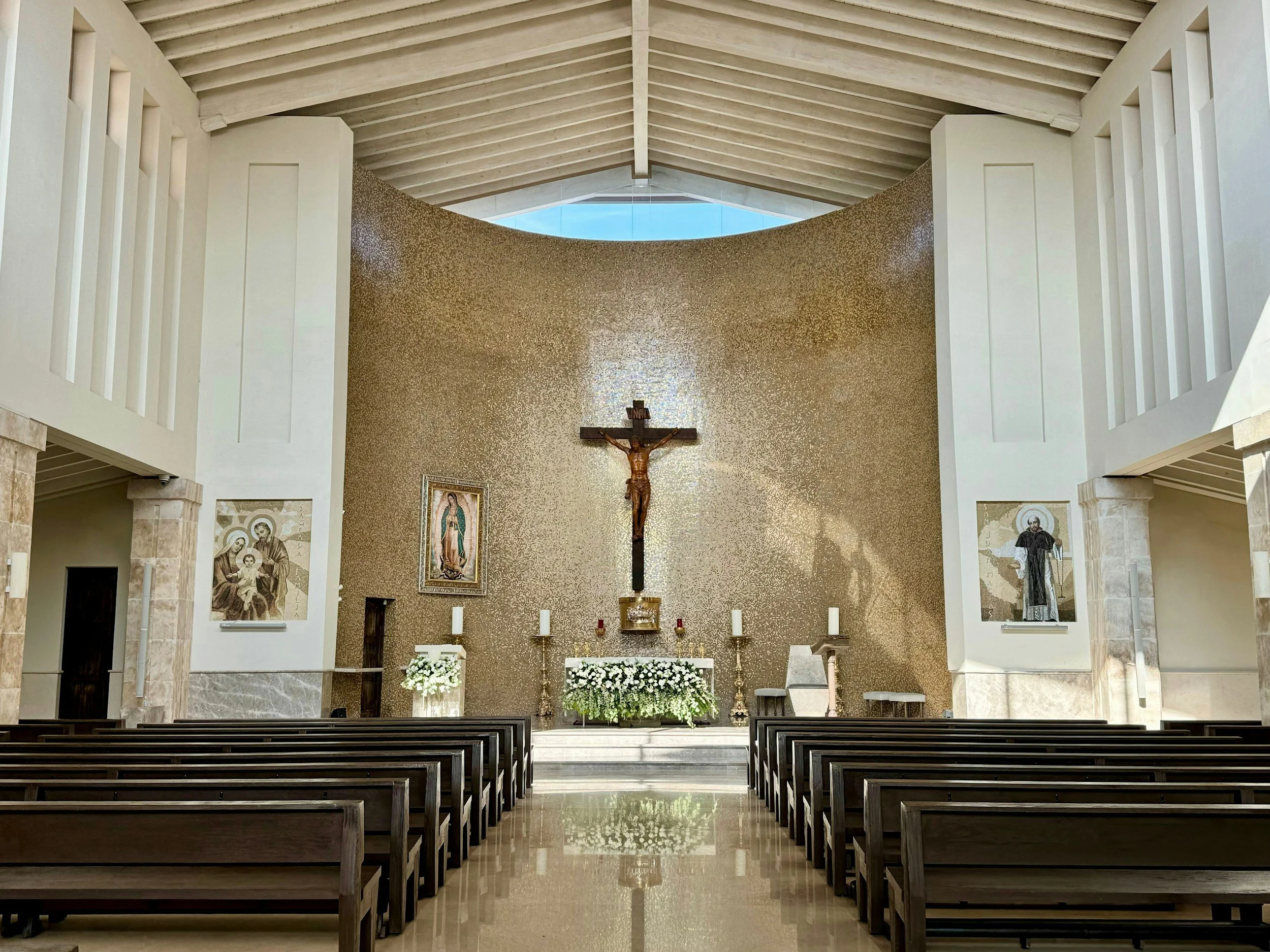
Read More(ANALYSIS) In a region known for its tumultuous change, one idea remained remarkably consistent for centuries: Latin America is Catholic. The region’s 500-year transformation into a Catholic stronghold seemed capped in 2013, when Jorge Mario Bergoglio of Argentina was elected as the first Latin American pope. Once a missionary outpost, Latin America is now the heart of the Catholic Church.
Read MoreIt’s been occupied twice by military forces; it’s been expanded to house Franciscan friars, and these days, it’s part museum, part sacred space. The Church of San Francisco’s building tells the history of its host city, La Paz. Founded in 1549, the church is best known by the name of the founder of the Franciscans, which was one of the first orders to arrive with the Spanish conquerors.
Read MoreLa Basílica y Convento de San Francisco, fundados en el siglo XVI, son un símbolo fundamental de la identidad paceña. Reconstruida tras el colapso de su primera estructura, la actual iglesia barroca mestiza se erigió entre 1743 y 1800. A lo largo de la historia, el complejo fue ocupado por fuerzas independentistas y remodelado varias veces, siendo declarado monumento nacional en 1967.
Read More(ANALYSIS) Bad Bunny is more than a global music phenomenon; he’s a bona fide symbol of Puerto Rico. The church choir boy turned “King of Latin Trap” has songs, style and swagger that reflect the island’s mix of pride, pain and creative resilience.
Read MoreA leading religious freedom advocacy group joined Christians in southern Mexico Oct. 17 demanding answers after the latest murder of a Catholic priest in the region torn by drug cartels.
Read MoreLa derrota del socialismo en la primera vuelta de las elecciones presidenciales de Bolivia, el 17 de agosto, marcó un punto de inflexión para la Iglesia Católica.
Read MoreLa historia de la Iglesia San Francisco en Valparaíso está tan entrelazada con la ciudad portuaria chilena que, cuando un incendio destruyó el edificio en 2013, una vecina sintió que estaba perdiendo a un amigo.
Read MoreThis regular school day at the Professor Humberto González School Center would have been impossible four years ago. The neighborhood surrounding the campus used to be the grounds of a turf war between the MS-13 and 18th Street gangs. The student body, which once numbered 1,200, dropped to about 50
Read More(ANALYSIS) During his time in the South American nation, Pope Leo XIV lived alongside his parishioners through a bloody civil war, a decade-long dictatorship and an unstable post-dictatorship period that has so far led to three former presidents being handed prison sentences.
Read More(REVIEW) “Vote of Faith” combines ethnographic storytelling with academic analysis. Readers might find the engaging stories and conversations captivating, like a great novel. However, some sections filled with jargon and less common vocabulary may slow down the reading pace. Overall, the book is well-researched and intriguing, providing valuable insights into the relationship between religion and politics.
Read More