Posts tagged Buddhism
Growing Up During Sri Lanka’s Civil War Taught Me Bridging Divides Is A Virtue

(ANALYSIS) In an era when religious and moral differences often feel like threats to identity, cultivating an individual ethic of pluralism may be one of the most critical civic tasks before us. Pluralism is not who we are by default. But it can be who we become — slowly, deliberately and together.

Read More
What This Philosopher Says About Our Obsession With College Rankings

(ANALYSIS) Each March, many of the country’s most selective colleges and universities release their admissions decisions, reviving debates over the roles of race, wealth and privilege — and putting Americans’ cultural obsession with rankings back in the spotlight.

Read More
The History Of Silent Meditation Retreats And Those Who Shaped Them

(ANALYSIS) Silent retreats have become increasingly common in the United States in recent years. To calm down and reset their nervous systems, people relinquish their phones and reading materials and commit to speaking at a bare minimum to learn practices of self-awareness.

Read More
‘KPop Demon Hunters’ And The Spiritual Divide Behind The Christian Backlash

(ANALYSIS) “KPop Demon Hunters,” a global hit, has sparked debate among Christians over whether its themes are spiritually dangerous. The controversy reflects deeper cultural shifts in Korea and the U.S., where declining organized religion and rising spirituality are widening divides between traditional beliefs and a newer ethos.

Read More
Should Religions Have Rituals Such As Baptism For Infants?

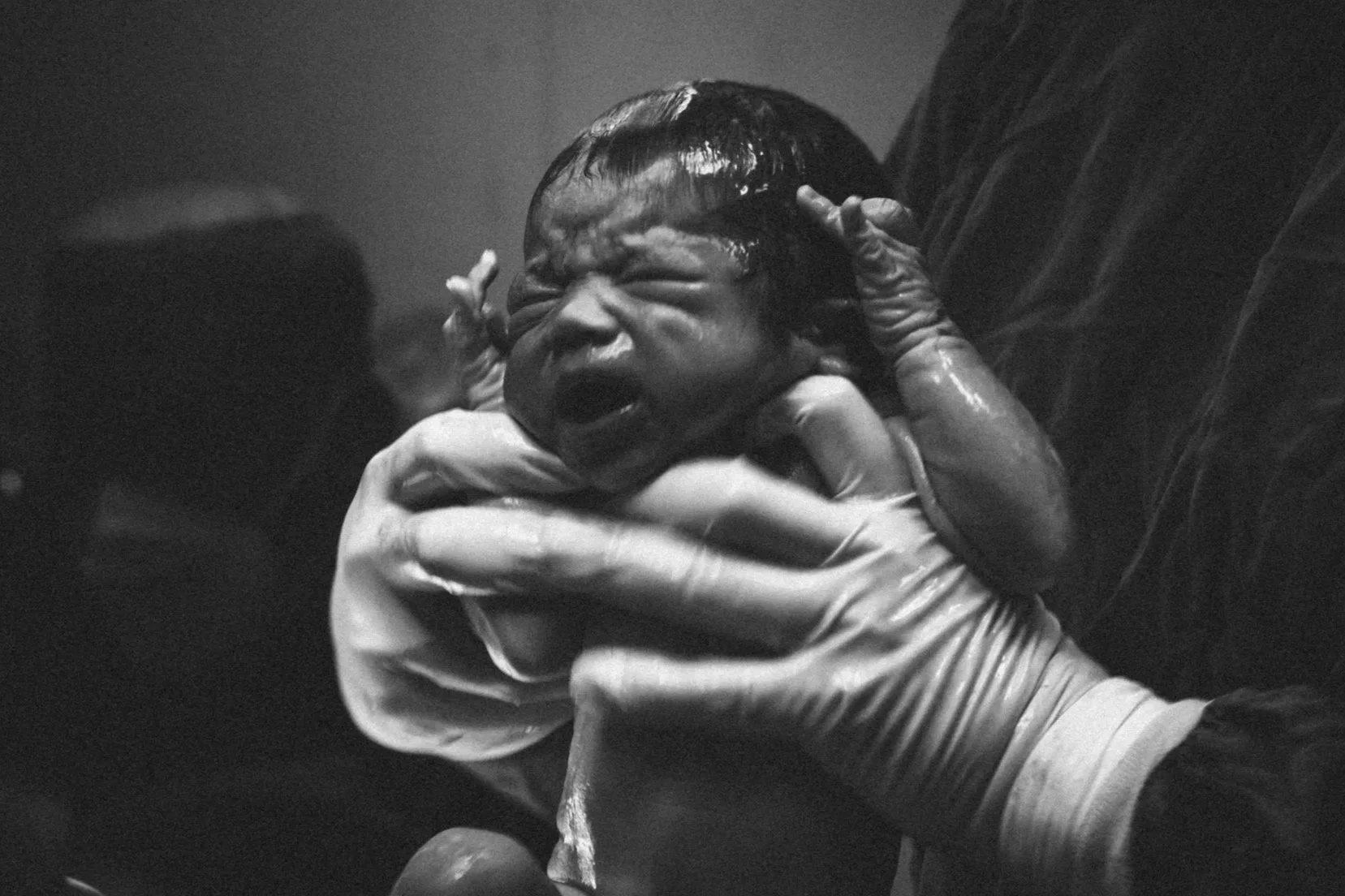
(ANALYSIS) Former Irish President Mary McAleese argues that infant baptism violates children’s human rights by imposing church membership without consent. Critics respond that parents possess religious freedom in child-rearing, note historical and biblical defenses of infant baptism, and compare similar birth rituals across Christianity, Judaism, Islam, Hinduism, Buddhism and Sikhism.

Read More
Romantasy: The Book Genre That Blends Love, Magic ... And Moral Dilemmas?

Romantasy is the literary genre that has become all the rage around the world. Combining imaginative scope of fantasy with the emotional intensity of romance, these books use love as a central narrative driver. At the same time, the setting provides a chance for world-building and supernatural elements that heighten the stakes of romance.  

Read More
Sacrifice And Rituals: Rethinking Menstruation In Chinese Buddhism

(ANALYSIS) Religious traditions across cultures have often treated menstruation and childbirth as sources of ritual impurity. In Chinese Buddhism, the “Blood Bowl Scripture” condemned women to “Blood Pond Hell.” Today, women reinterpret these beliefs, emphasizing maternal sacrifice, agency and alternative understandings of female bodies.

Read More
Religion As Cultural Identity: What It Means For Jews, Catholics And Others

(ANALYSIS) When we’re asked, “Are you religious?” There are a number of different ways someone might justify an affirmative answer. It could be that they attend a house of worship regularly or pray frequently. It could be that they hold specific beliefs about Jesus Christ or Muhammad. Those would be behavior and belief measures of religion. But there’s a third dimension that often gets overlooked: Belonging.

Read More
5 Winter Olympians Who Rely On Faith In The Quest For Gold Medals

Behind the medals and records, some Olympians say faith and spirituality play a meaningful role in how they train and compete. Faith can offer athletes a framework for resilience, especially in a world defined by so much pressure and scrutiny. This year’s Winter Games in Milan/Cortina will conclude on Feb. 22.

Read More
Amid Stunning Landscapes, A Monk, Zen Priest And Muslim Leader Feel At Home

(ESSAY) Flee the clamor of urban life, and take a drive through this beautiful desert and wilderness area. Meet three faith leaders who found the solitude and peace they were looking for — and who ultimately made this stunning landscape their home. Across New Mexico, religious communities locate themselves in remote areas in order to gain solitude and silence.

Read More
MLK And Thich Nhat Hanh: The Friendship That Shaped A ‘Beloved Community’

(ANALYSIS) Before Martin Luther King Jr. was killed, he asked several of his friends to continue his life’s work building what he called “beloved community.” One of the people he invited was the Vietnamese Zen Buddhist monk, poet and mindfulness teacher Thich Nhat Hanh. Their shared vision shows how democracy could flourish when citizens practice compassion and peaceful action.

Read More
Is Bhutan Leading The World Spiritually?

Buddhism, founded by Siddhartha Gautama — the Buddha — is a spiritual tradition centered on compassion, mindfulness, and the path to liberation from suffering. Over time, it evolved into three major sects. Theravada, practiced mainly in Sri Lanka and Southeast Asia, preserves the earliest teachings and emphasizes individual enlightenment through meditation and discipline.

Read More
The Buddhist Monk-Military Alliance Taking Over Myanmar

(ANALYSIS) In Myanmar, when the military has a hard time conscripting enough residents into their ranks, they turn to monks for help. The religious leaders — many of whom have been well-connected to the government — are backing the recruitment drive. The regime has been targeting men across all segments of society — including the urban poor, displaced populations and ethnic and religious minorities.

Read More
Why The Dalai Lama Helped Tibetan Buddhist Nuns Get Advanced Degrees

(ANALYSIS) Nearly 200 Tibetan Buddhist nuns from religious institutions across India and Nepal — a record number — gathered recently at the Dolma Ling Nunnery in northern India to take various levels of the “geshema” examination. These exams are in preparation for one day receiving the geshema degree, comparable with a doctorate in Tibetan Buddhist philosophy.

Read More
China Tightens Digital Grip On Clergy With Sweeping New Rules

China has introduced sweeping new regulations that strictly control how clergy from the country’s five state-recognized religions can operate online. The 18-article “Code of Conduct for Religious Clergy on the Internet” bans livestreaming, social media preaching, AI-generated religious content and all online outreach to minors.

Read More
80 Years Later: Remembering Nagasaki As Holy Ground

(ESSAY) On Aug. 9, 1945, the U.S. dropped a bomb called “Fat Man” on Urakami, Japan, the most Christian suburb of the most Christian city in Japan: Nagasaki. It is the forgotten bomb, the silent bomb. Hiroshima, being the city where the first nuclear bomb, less powerful than the Nagasaki bomb was detonated, is the atomic bombing that all peace movements acclaim: “No more Hiroshimas!”

Read More
Tackling Africa’s Wildlife Crimes From The Religious Front

Religious demand for wildlife products can be just as relentless as demand for items used in traditional medicine, status symbols or investments. From African elephant ivory carved into crucifixes for Catholics to Islamic prayer beads and Coptic crosses to amulets and carvings for Buddhists and Taoists in Thailand, the list is very long.

Read More
Yellowstone A ‘Sacred Wonderland’ Of Spiritual Power For Centuries

(ANALYSIS) Nearly five million travelers visit Yellowstone National Park each year, most in the summer months. They come for the geysers, wildlife, scenery and recreational activities such as hiking, fishing and photography. However, few realize that religion has been part of Yellowstone’s appeal throughout the park’s history.

Read More
Does Religious Tolerance Remain A Distant Dream In Taiwan?

(ANALYSIS) Taiwan’s international rating on freedom of religion is undisputedly very high. The 2021 Report on International Religious Freedom, published by the U.S. Department of State, also noted Taiwan’s constitutional protection of the freedom of religion as well as the diversity of religious beliefs, but questions are asked about how freely can one practice their religion.  

Read More
Sri Lanka’s New Mass Grave Reveals Failure Of ‘Peace’ Through Violence

(ANALYSIS) To this day, there are no national memorials for the victims. Instead, triumphalist military monuments, many of them built in Tamil-majority areas, celebrate a victory in a war whose collateral damage amounted to war crimes and crimes against humanity.

Read More