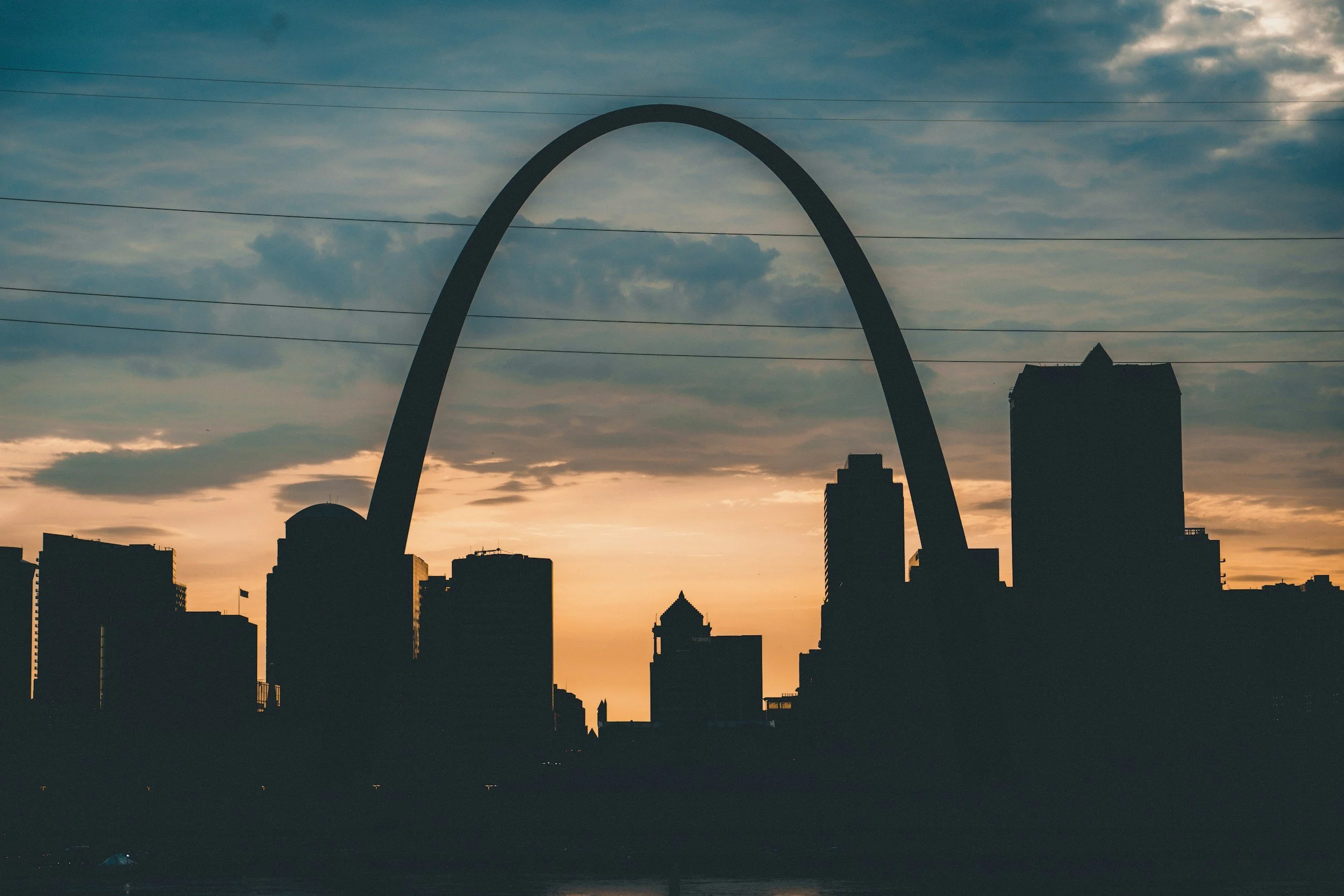
(ANALYSIS) Imagine a world where crimes are stopped before they even take place. Science fiction has imagined this world, most famously in the 2002 film âMinority Report,â where society can predict criminal acts and allow authorities to intervene in advance. Thanks to AI, this dystopian reality could be coming to your neighborhood in the not-so-distant future.
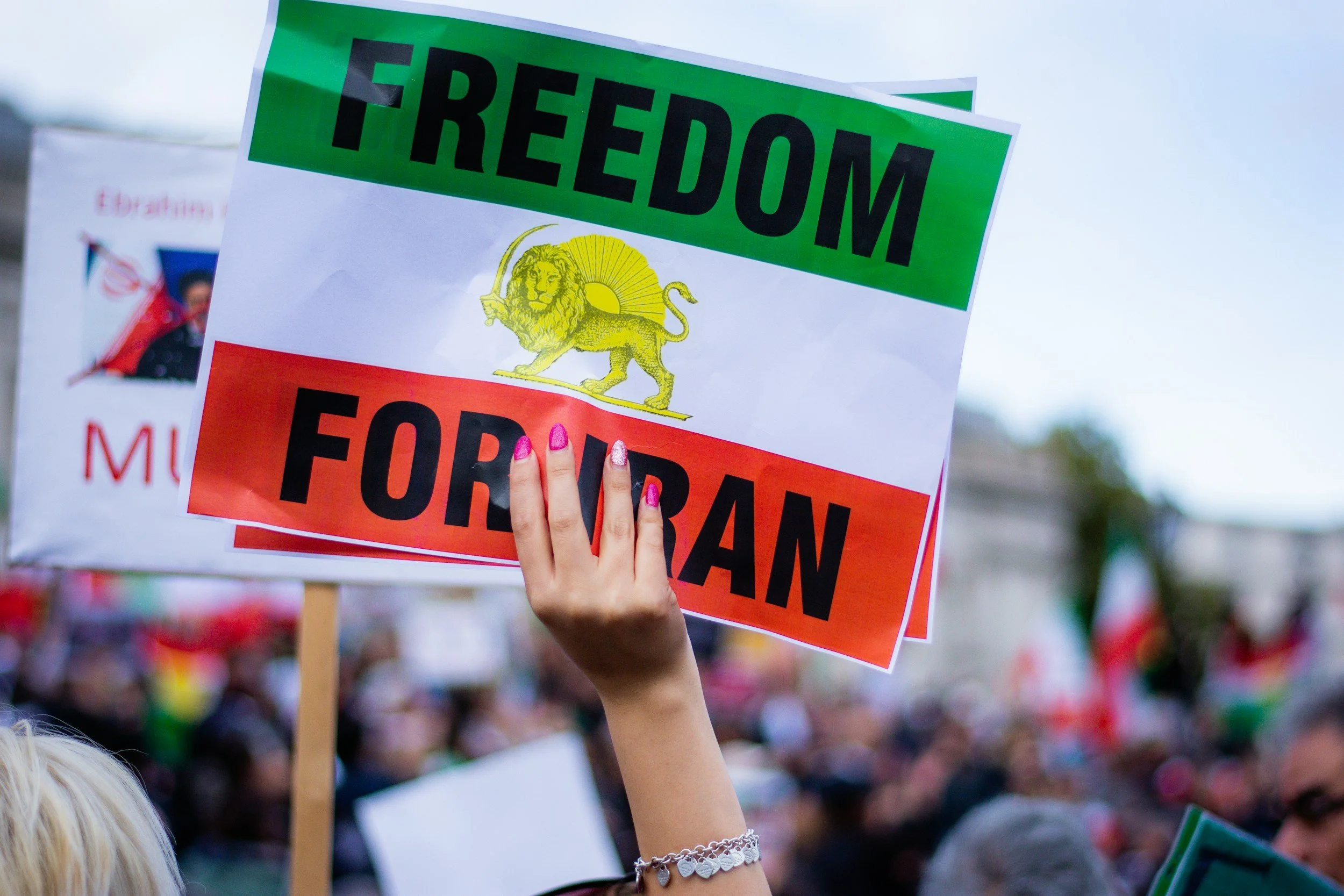
Read More(ANALYSIS) The joint U.S.âIsraeli strike on Iranian targets on Saturday marked a dramatic escalation in the decades-long confrontation with the Islamic Republic â and raised two profound questions: Is this a real attempt at regime change? What would that mean for religious freedom inside Iran?
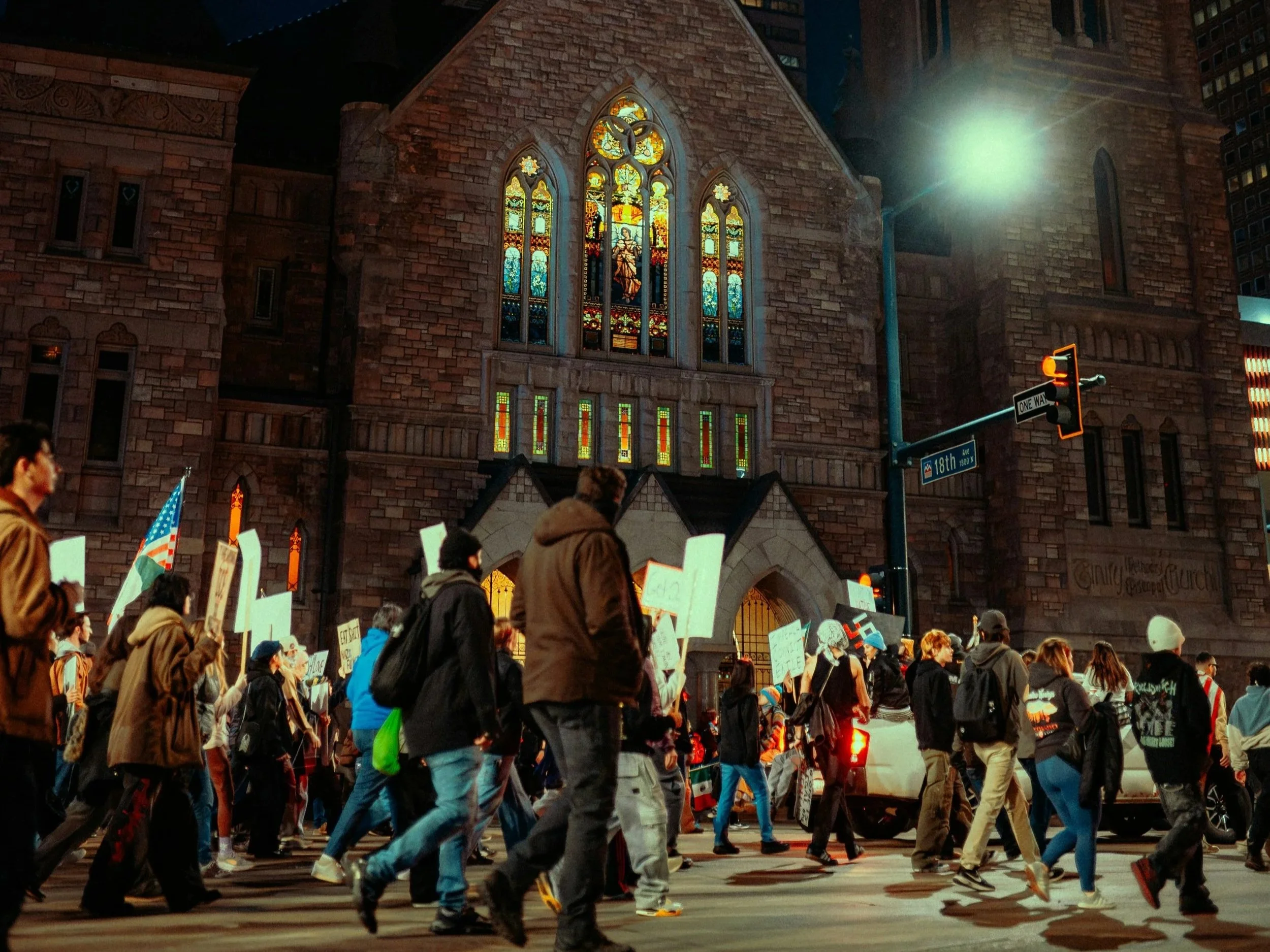
Read More(ANALYSIS) Recent events in Minnesota have exposed a thin understanding of religious freedom, reducing it to boundary enforcement rather than sustaining institutions that form moral life. The moment calls for deeper discernment: protecting worship without criminalizing dissent.
Read More(ANALYSIS) Be warned â this one is super nerdy and goes very deep into the weeds of survey methodology. I want this newsletter to be really accessible to the average American, but I think itâs helpful every once in a while to pull back the curtain on stuff that I see in the data that just doesnât sit right with me.
Read MoreItâs also important that this unconventional religious leaderâs social ties to Epstein continued long after the financier became a convicted sex offender, after he pled guilty in 2008 to soliciting prostitution from an underage girl.
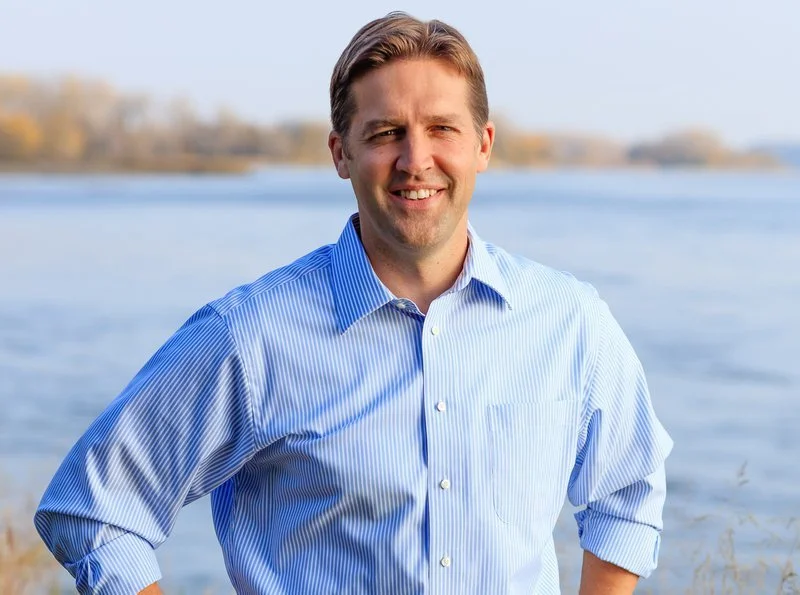
Read MoreFormer U.S. Sen. Ben Sasse reflects on his pancreatic cancer diagnosis and limited prognosis. In a Hoover Institution interview, Sasse speaks candidly about pain, mortality and Christian hope, urging believers to face death without despair while serving others with whatever time remains.
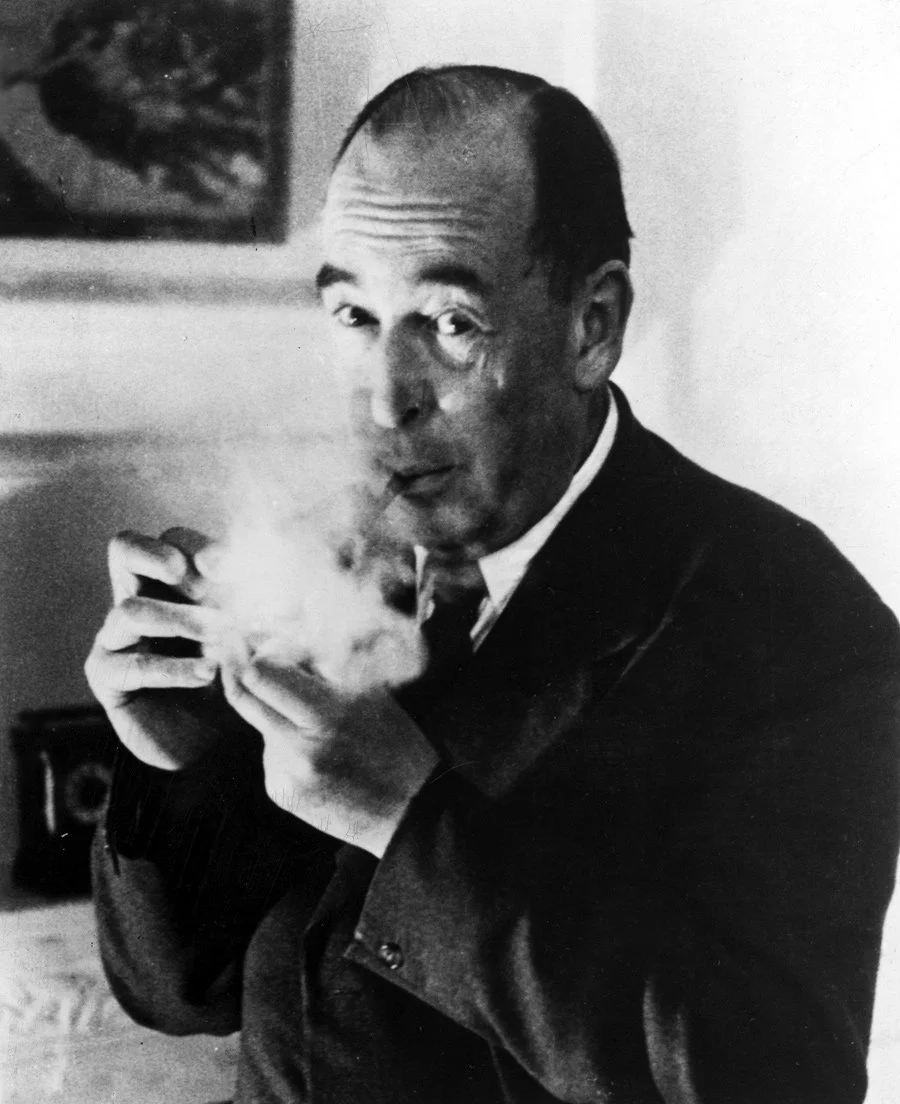
Read MoreLewisâs 1945 novel âThat Hideous Strengthâ was marketed as fiction, but it read like more like a prophecy. Lewisâ warning at the time cuts deep for modern-day readers. The danger is not artificial intelligence itself. The danger, Lewis argues, is what happens when humans regard tech tools as oracles. Itâs about what happens when humanity stops kneeling before God and starts bowing to its own tools.
Read More(ANALYSIS) What do you envision when you think of meekness? You probably see a mousy doormat, someone sheepishly acquiescing to the will of the stronger. When Jesus says, âBlessed are the meek, for they shall inherit the earth,â you might think that those wimps will hand it over without a whimper or word of objection to stronger, more ambitious people.â
Read MoreThe Fifth Circuit ruled in Roake v. Brumley that Louisiana may proceed with its Ten Commandments school display law, holding that challenges are premature because no specific display yet exists. The court did not decide on the constitutionality, stressing that any judgment depends on the context and implementation of future displays.
Read More(ANALYSIS) After 188 years of illustrious efforts worldwide, the PCUSAâs foreign mission agency is disbanding. The denomination said it would no longer dispatch a corps of career missionaries overseas, though it will continue to aid international partners.
Read More(ANALYSIS) Understanding others requires charitable interpretation: Seeing them as protagonists doing their best within imperfect circumstances. While we can misjudge by overlooking faults or inventing virtues, it is often worse to dismiss others outright. Balancing agency and generosity fosters humility, productive disagreement and cooperation across personal, cultural and political divides.
Read More(ANALYSIS) Respondents were first asked the standard question: âWhat is your present religion, if any?â They were given about a dozen response options, ranging from Protestant to Catholic to Jewish to agnostic. After answering that question, respondents were given a follow-up battery that asked: âAside from religion, do you consider yourself to be any of the following in any way (for example, ethnically, culturally, or because of your familyâs background)?â
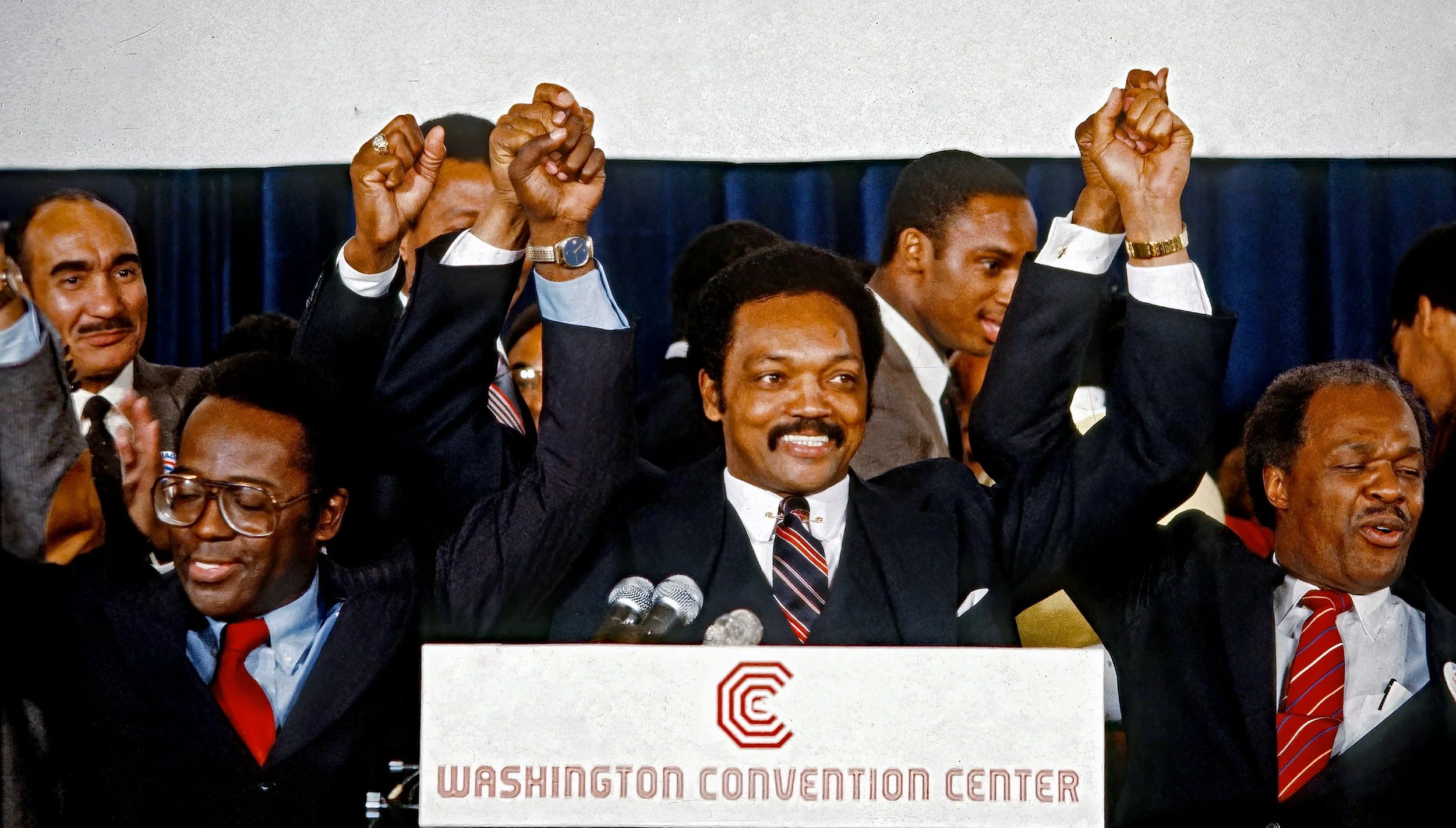
Read MoreThe Rev. Jesse Jacksonâs life was not without controversy. Still, the civil rights iconâs immense influence was evident in the wake of his passing.
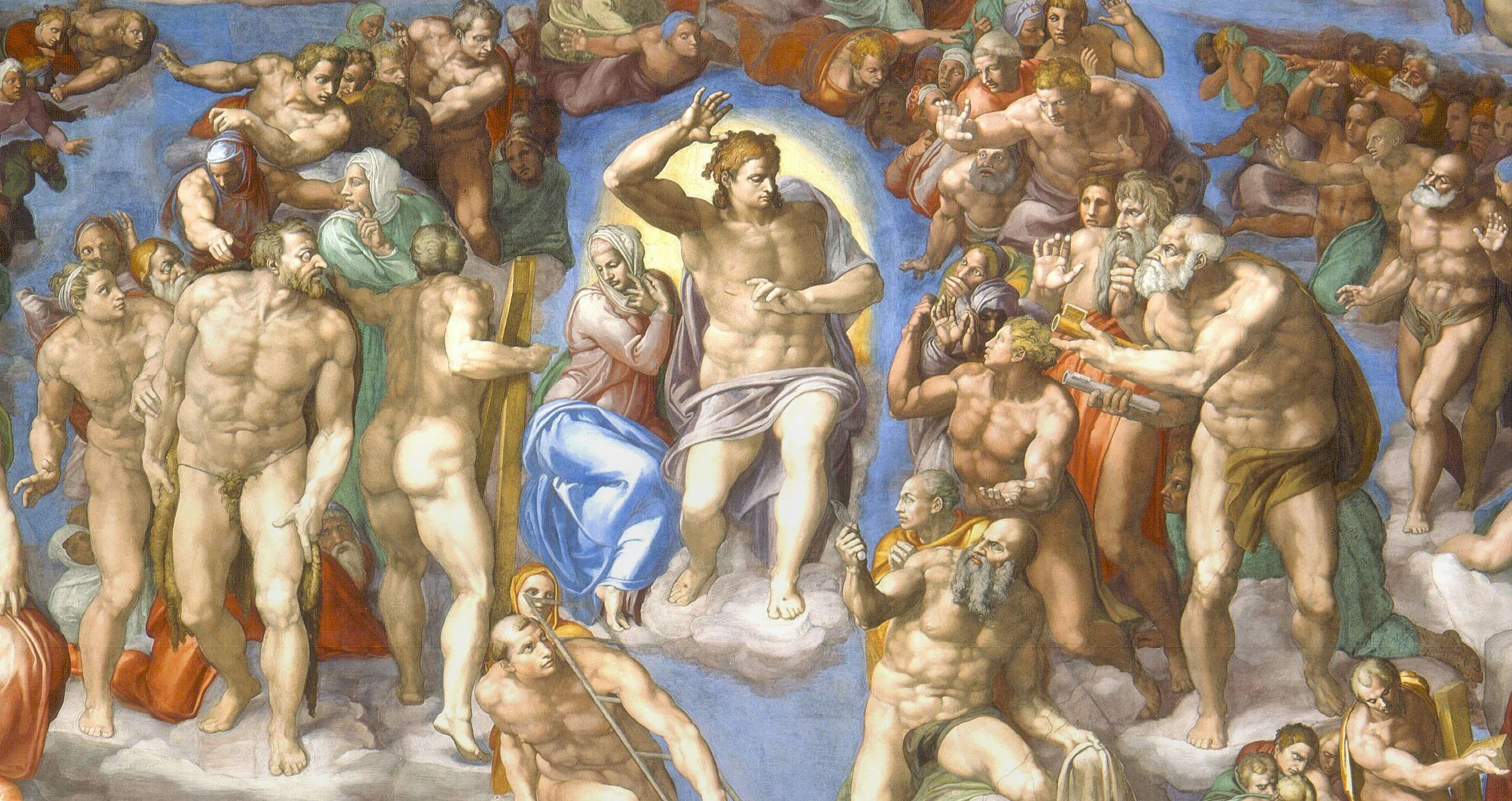
Read More(ANALYSIS) Michelangeloâs âThe Last Judgmentâ in the Sistine Chapel will undergo a three-month restoration. The monumental fresco, completed in 1541, is famed for its dramatic imagery, bold nudes and layered Christian and pagan symbolism. A digital reproduction will be displayed to visitors during conservation work.
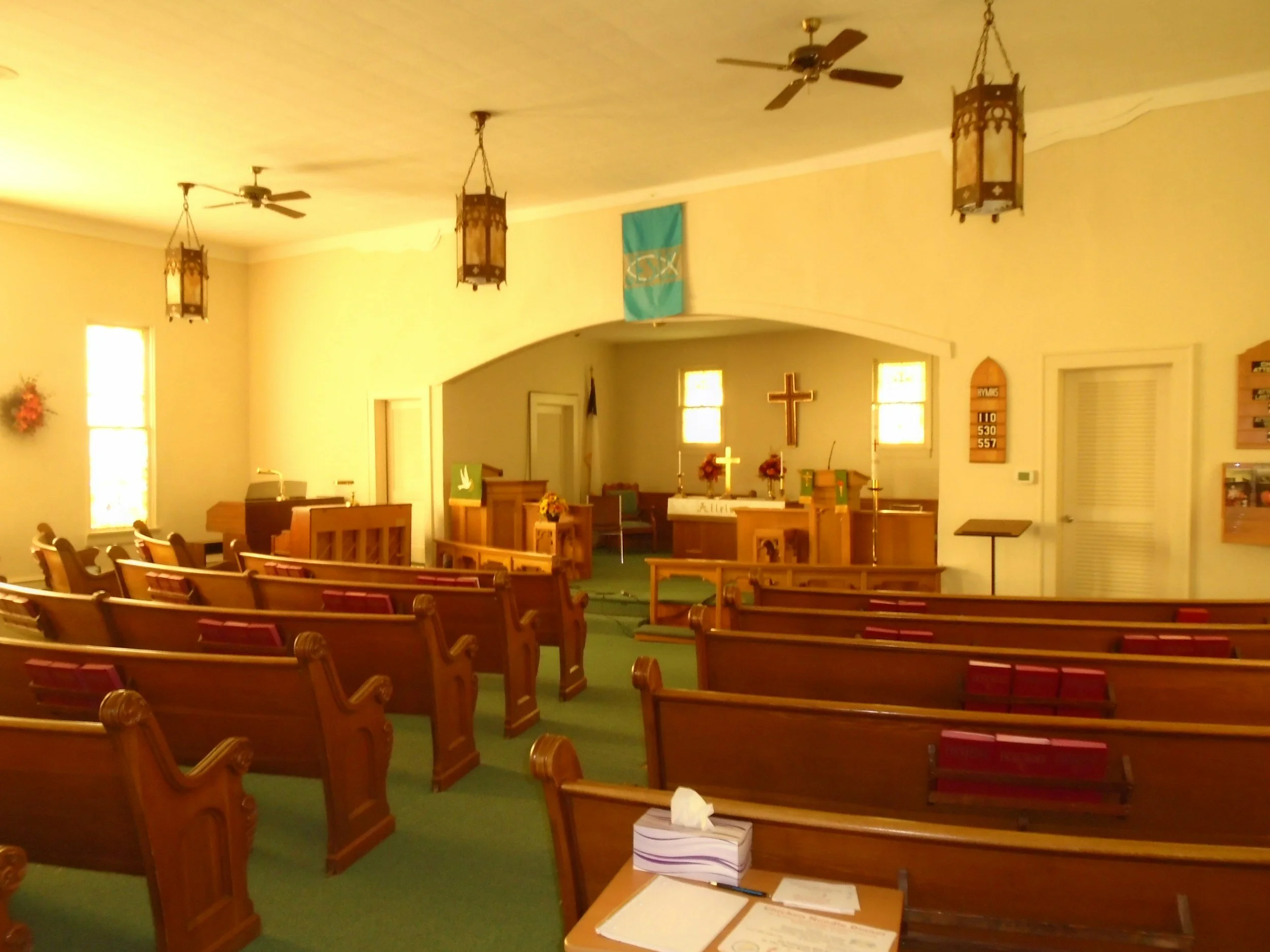
Read MoreWhile most âCrossroadsâ podcasts focus on religion angles in major news stories, this weekâs episode focused, you guessed it, on a short news âbrief.â The problem is that we are talking about a brief about a Lutheran Church-Missouri Synod story that, if the details had been accurate, was worthy of an A1 feature.
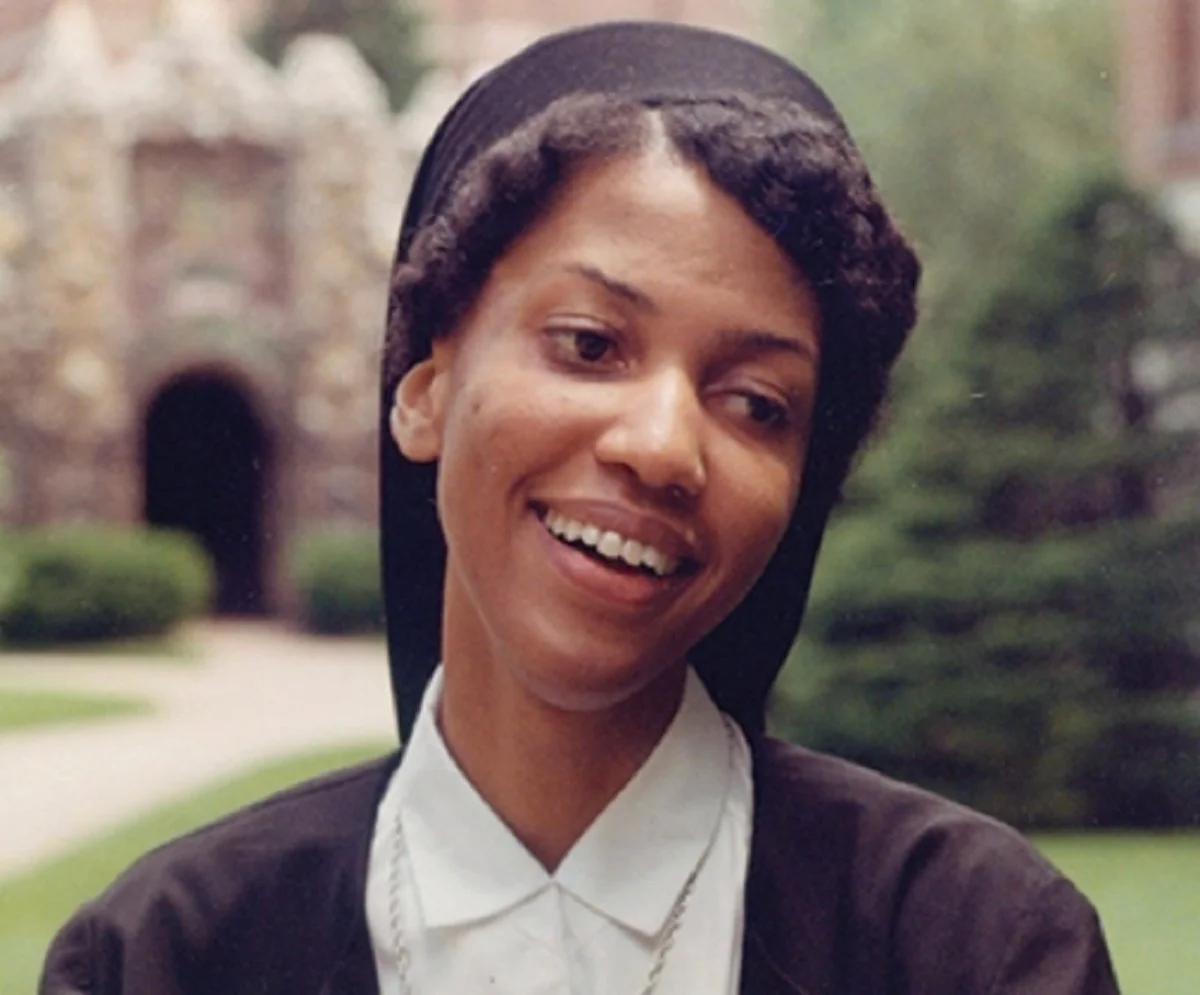
Read MoreAs the Diocese of Jackson advances Sister Thea Bowmanâs cause for sainthood, Catholics reflect on her prophetic witness. A Mississippi teacher, scholar and evangelist, she challenged the church to recognize Black faith and everyday holiness â urging believers to see saints not only in Romeâs past, but in their own families.
Read More(ANALYSIS) Itâs become my hobby horse at this point â non-denominational Protestant Christianity. I swear, itâs somehow gotten more legs than the ânonesâ in the larger cultural discussion about religion.
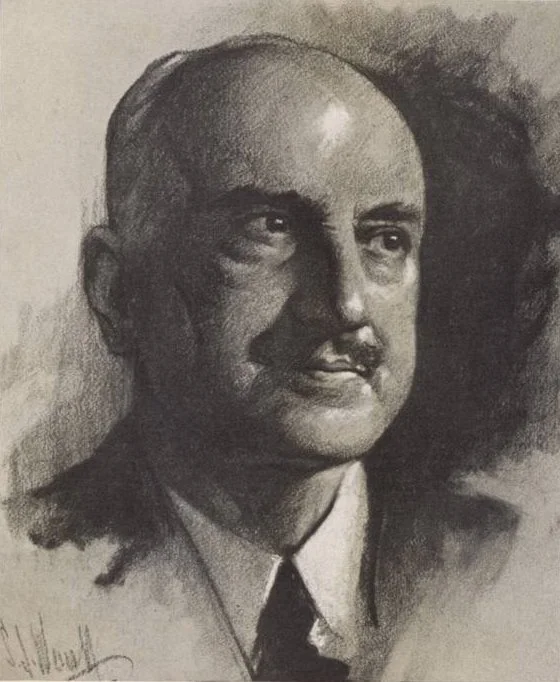
Read More(ANALYSIS) People love to talk about âprofoundâ philosophers. Socrates with his questions. Nietzsche with his hammer. Marx with his systems. But George Santayana rarely gets the same reverence, despite the unsettling precision of his view of modern life. Santayana is hard to place, which may be why he is often skipped.
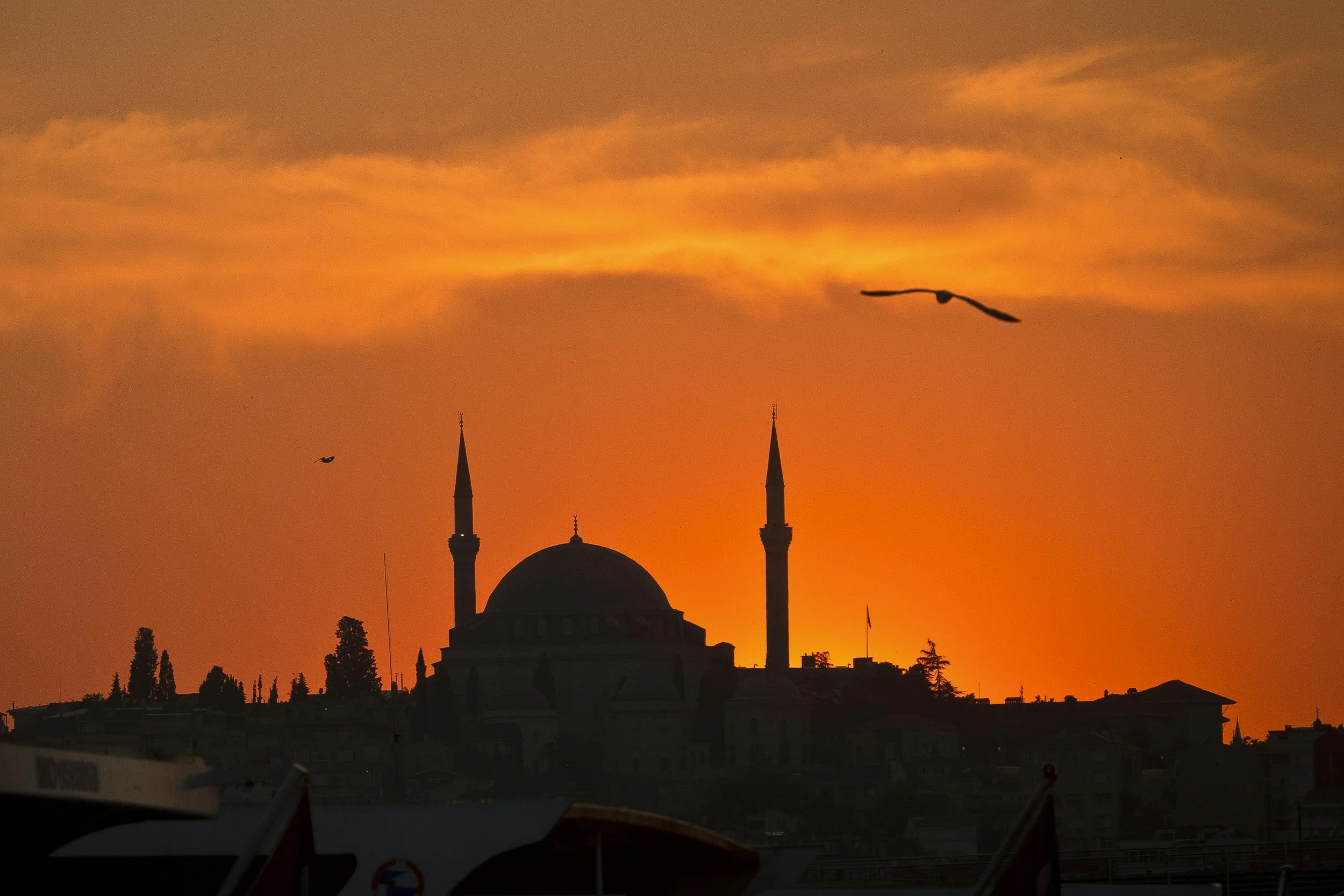
Read More(ANALYSIS) Once again, Muslims across the globe are nearing the arrival of Ramadan â a sacred month in which Muslims fast from dawn to dusk. Ramadan is a time of strengthening our faith, cleansing both body and soul, counting our blessings and giving whatever we can to those less fortunate.
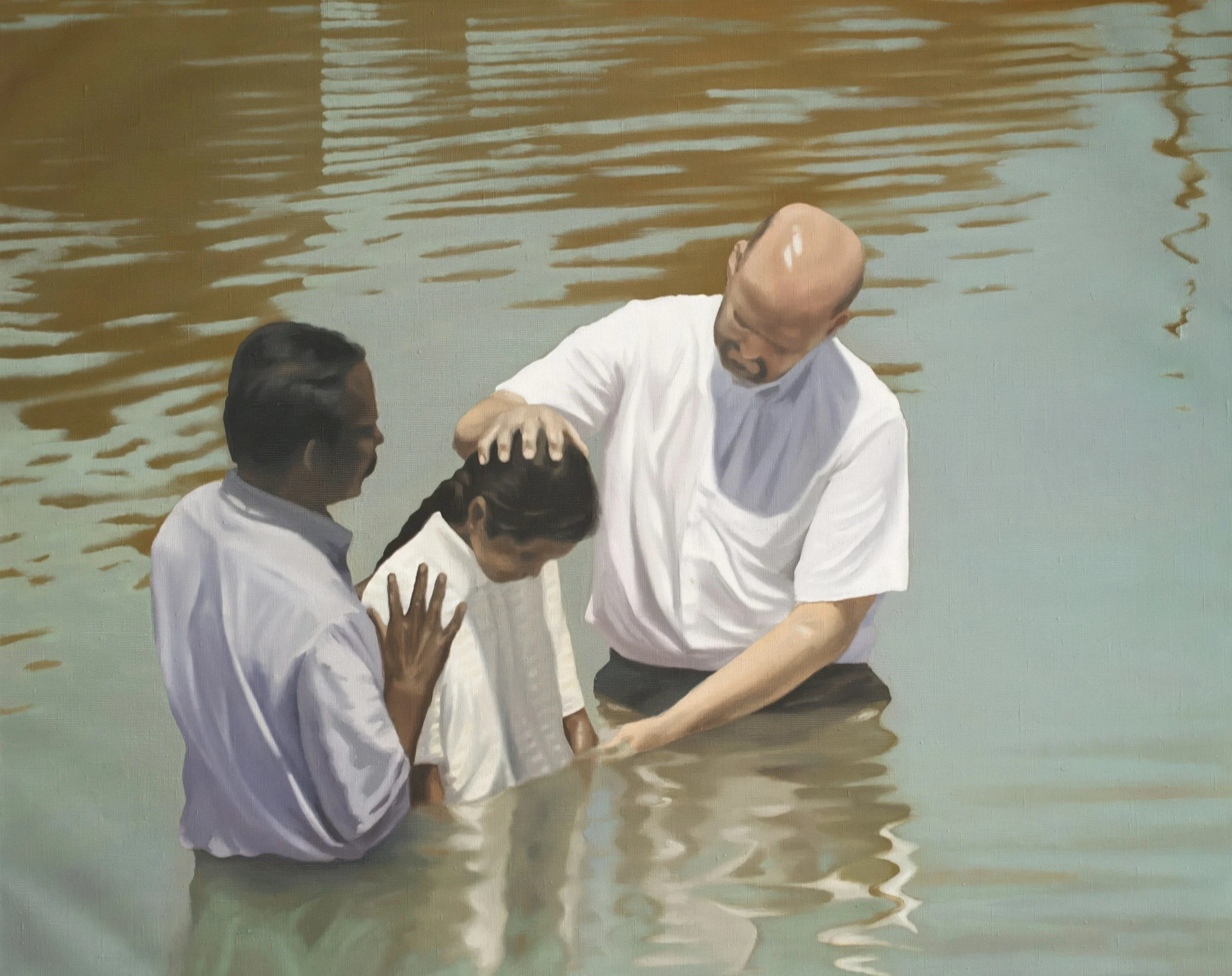
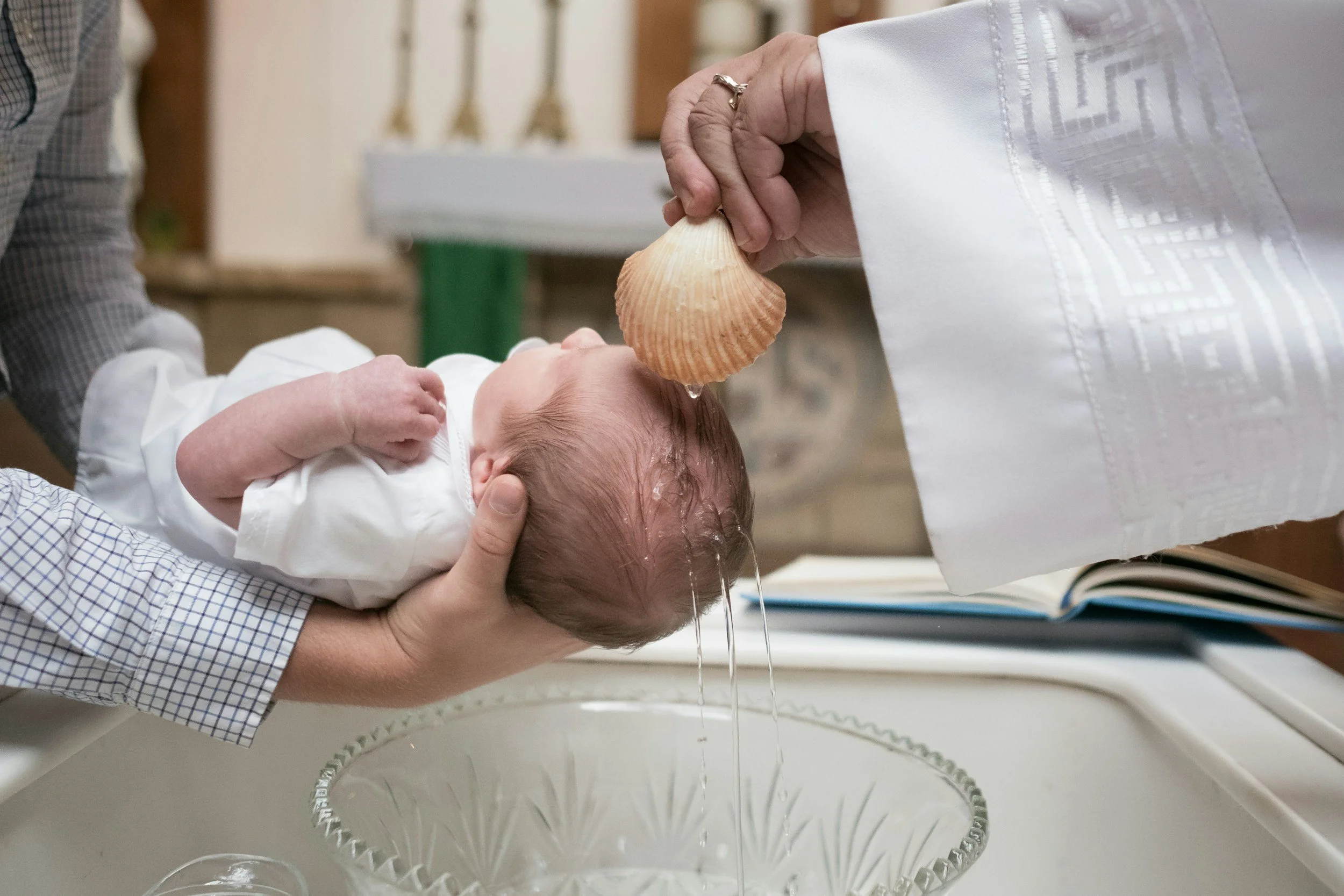
Read More(ANALYSIS) Former Irish President Mary McAleese argues that infant baptism violates childrenâs human rights by imposing church membership without consent. Critics respond that parents possess religious freedom in child-rearing, note historical and biblical defenses of infant baptism, and compare similar birth rituals across Christianity, Judaism, Islam, Hinduism, Buddhism and Sikhism.
Read More