Posts in Science
UFOs, Demons Or Something Else?: Mystery Grows Around Sacred African Mountain

The highest peak in Zimbabwe, standing at 2,592 meters above sea level, has been the source of local intrigue for decades: People have gone missing, strange natural phenomena have created inexplicable mystical experiences, and now, some are even claiming the mountain is home to UFOs. Whatever the case, it has attracted curious travelers from around the world.

Read More
‘Sowing And Growing’: UK Churches Bring Back Community Gardens

More than 9,000 Anglican churches and chapels across the United Kingdom participate in the A Rocha U.K. Eco-Church movement, which encourages congregations to care for the environment around their buildings. This has become a bigger part of church outreach, especially in the six years since the pandemic.

Read More
Crossroads Podcast: The Search For An AI Soul

Today’s urgent questions about artificial intelligence, consciousness and morality are all the rage. This week, we examine Anthropic’s efforts to teach Claude virtue, the theological implications of AI “souls,” and humanity’s growing struggle to define — and control — machine choices.

Read More
Was Marx Right About Religion?: The Human Brain Has Entered the Debate

(OPINION) Marx saw religion as a top-down sedative administered by elites to dull the pain of feudalism. History offers a different perspective.

Read More
‘The Arrogant Ape’: Reimagining Humanity’s Place In The Natural World

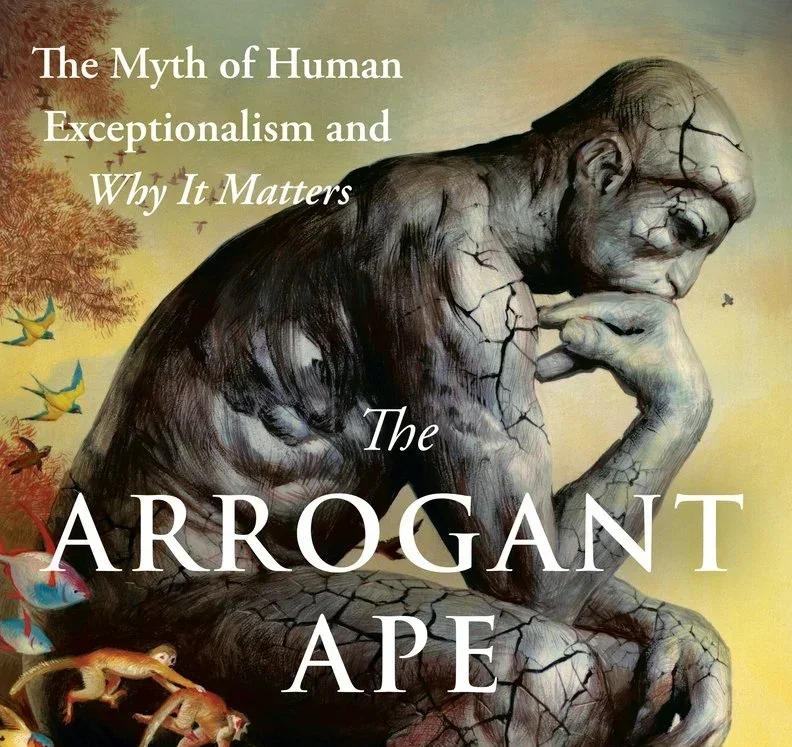
(REVIEW) Are humans really all that different than primates? Harvard primatologist Christine Webb blends science, philosophy and legal developments to challenge humanity’s presumed supremacy over nature. Drawing on evolution, animal cognition research and Indigenous worldviews, she argues that consciousness extends beyond humans.

Read More
Beyond The Abortion Debate: Embryo Personhood Moving Closer To The Political Center

(ANALYSIS) To be sure, embryo adoption occupies a small corner of U.S. fertility medicine. Few people choose to donate remaining embryos for procreative use. Nor is embryonic personhood a popular idea: Only 39% of Americans support laws declaring that human life begins at fertilization. A majority of white evangelical Protestants, Hispanic Protestants and Latter-day Saints support that view, yet majorities of these religious groups also oppose banning IVF.

Read More
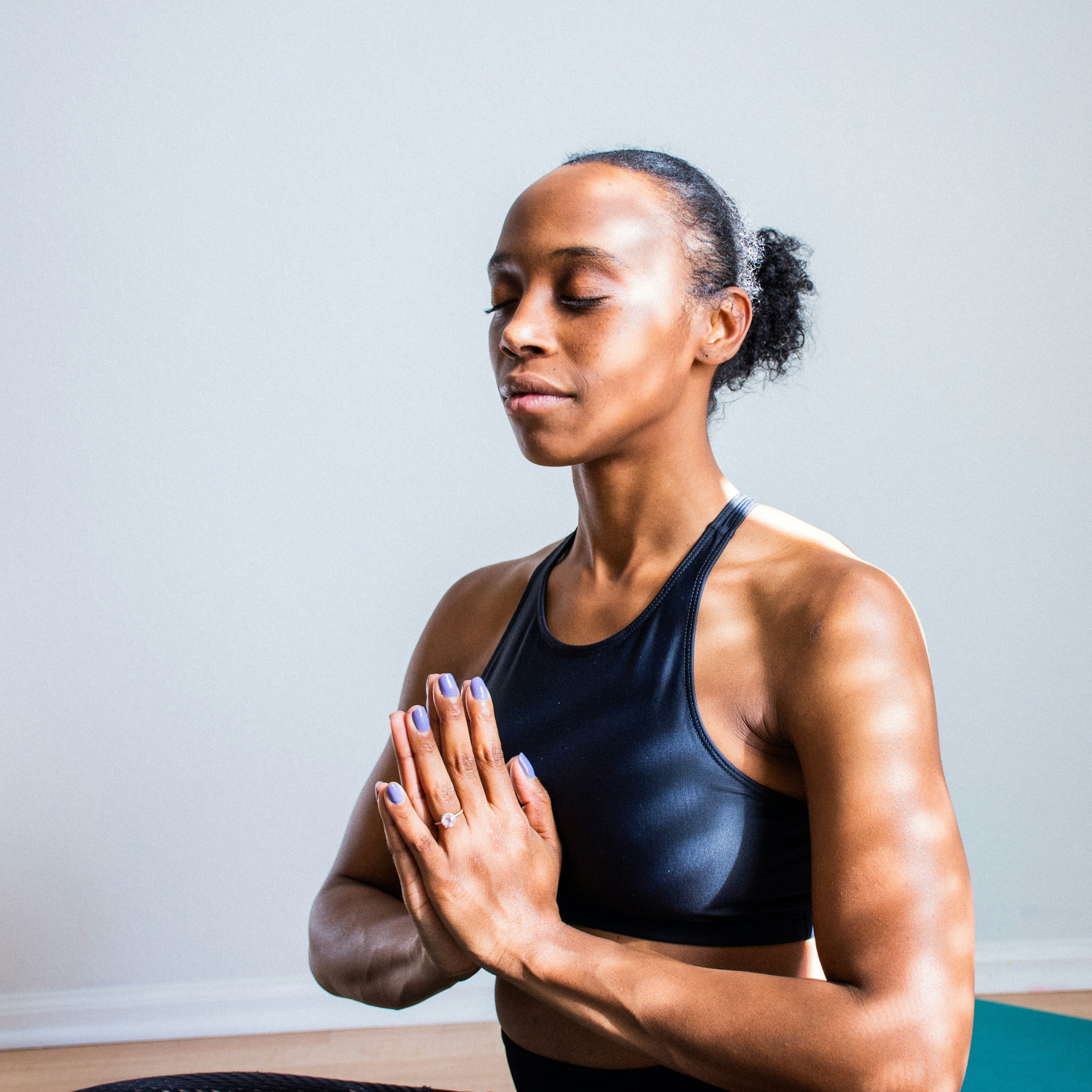
Mindfulness And The Challenge Of Its Buddhist Roots

(ANALYSIS) The question is no longer “Does mindfulness work?” Scientists now ask: “For whom does it work?” “Under what conditions?” “What kinds of support are needed?” To answer these, there is growing interest in screening, safety protocols and individualized approaches.

Read More
How India’s Houses Of Worship Save Lives Amid Historic Heatwave

Across India, another brutal summer stretches into its third month, killing workers and others caught in the heat. In a country where only 30% of people can afford air conditioning, faith communities — including Hindus, Christians and Sikhs — are stepping up to provide life-saving shade and water.

Read More
Christians Turn To Tobacco Farming Despite Religious Objections

As members of the Johane Masowe, an African Apostolic sect, tobacco was a big “no” for their Christian faith. But today, many of its members are among the best tobacco farmers in the country and having joined the growing bandwagon of those who were tempted to reconsider their position, finding the lure of the tobacco dollar too riveting to resist.

Read More
Supreme Court Rules Schools May Separate Sports Teams By Biological Sex

The Supreme Court ruled 6-3 that schools may separate athletic teams based on biological sex, upholding Idaho and West Virginia laws challenged under Title IX and the Equal Protection Clause. The decision drew praise from the ERLC, Alliance Defending Freedom and West Virginia Baptists supporting protections for women's sports.

Read More
Chatbots And The Soul: Has AI Transformed Religion?

(ANALYSIS) It seemed inevitable that the first encyclical from the first American pope, the forward-looking and worldly-wise Leo XIV, would focus on the growing furor over artificial intelligence. The pope’s encyclical comes as the culmination of various articles during recent weeks about the implications of AI on faith, ethics and morals.

Read More
Crossroads Podcast: The Pope, The Press And AI

In this week’s episode, we tackle Pope Leo’s first encyclical and what it means for AI, politics and, more importantly, Catholic doctrine.

Read More
Pope Leo Positions AI As The Biggest Test Of Christian Ethics

(ANALYSIS) With the release of his encyclical letter “Magnifica Humanitas” on May 25, Pope Leo XIV has signaled that he wants the church to respond to artificial intelligence much as a predecessor, Pope Leo XIII, responded to upheavals during the Industrial Revolution over a century ago.

Read More
UNC Grads Cheer Eric Church’s Message On Faith And Finding Purpose

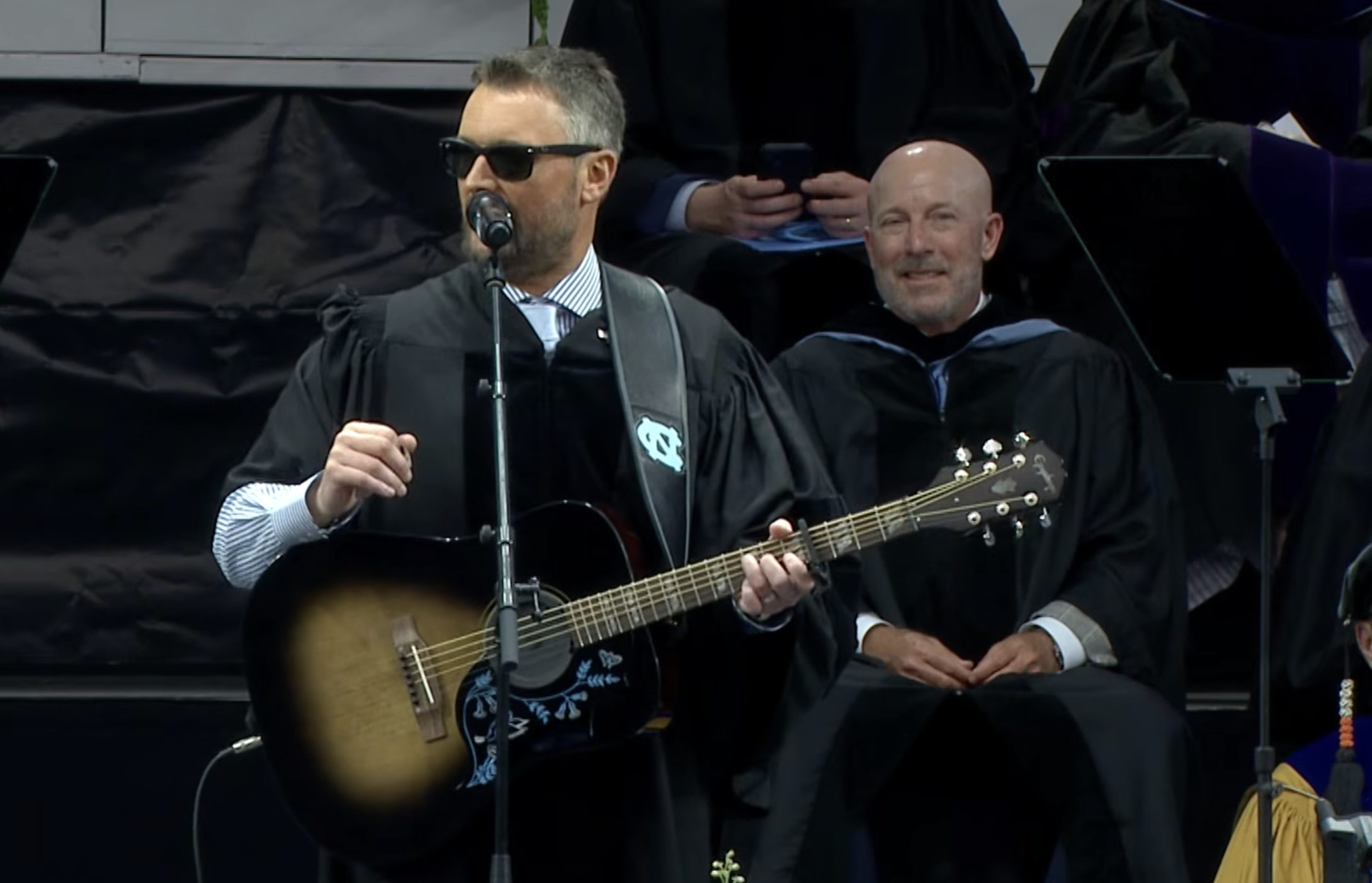
(ANALYSIS) When addressing the 2026 graduates of the University of North Carolina at Chapel Hill, country music star Eric Church used words rarely heard in secular campus rites, such as “faith,” “family,” “grace” and “soul.”

Read More
Why Murder Investigations Can Be Complicated By Ashkenazi Jewish DNA

Thirty years ago, a woman was found dead by the side of the road in Arizona. Today, her body has still not been identified. To find out the strange reason why, I spoke to Hannah Feuer, a reporter at Forward.

Read More
AI Can Generate Text, But Is It Really Writing?

(ANALYSIS) From Enheduanna to Plato and Aristotle, ancient thinkers viewed writing as a deeply human act that expresses experience and transforms audiences. AI may generate convincing text, but lacking thought, emotion and lived experience, it may produce something closer to “generwriting” than true writing.

Read More
Angels, Demons And Lots Of Theological Questions About UFOs

(ANALYSIS) For centuries, stargazers of many kinds have debated the meaning of unidentified objects in the heavens and encounters with mysterious beings on earth. “Each new discovery, even every new theory, is held at first to have the most wide-reaching theological and philosophical consequences.

Read More