
US-Israeli Airstrikes Take Aim At Iran’s Theocracy: 3 Future Outcomes
(ANALYSIS) The joint U.S.–Israeli strike on Iranian targets on Saturday marked a dramatic escalation in the decades-long confrontation with the Islamic Republic — and raises a profound question: Is this a real attempt at regime change? If so, what would that mean for religious freedom inside Iran?
When Donald Trump urged Iranians to “take over your government” during his early morning remarks, he moved beyond the language of deterrence and into the territory of political transformation. Israeli Prime Minister Benjamin Netanyahu echoed the same sentiment, suggesting the operation would create conditions for Iranians to “take their fate into their own hands.”
Both statements frame the joint military action not merely as a counter-proliferation effort, but as a bid to weaken and topple Iran’s mullahs and its theocratic system.
READ: Iran Survives The Uprising — But The Islamic Republic Is Hollowing Out From Within
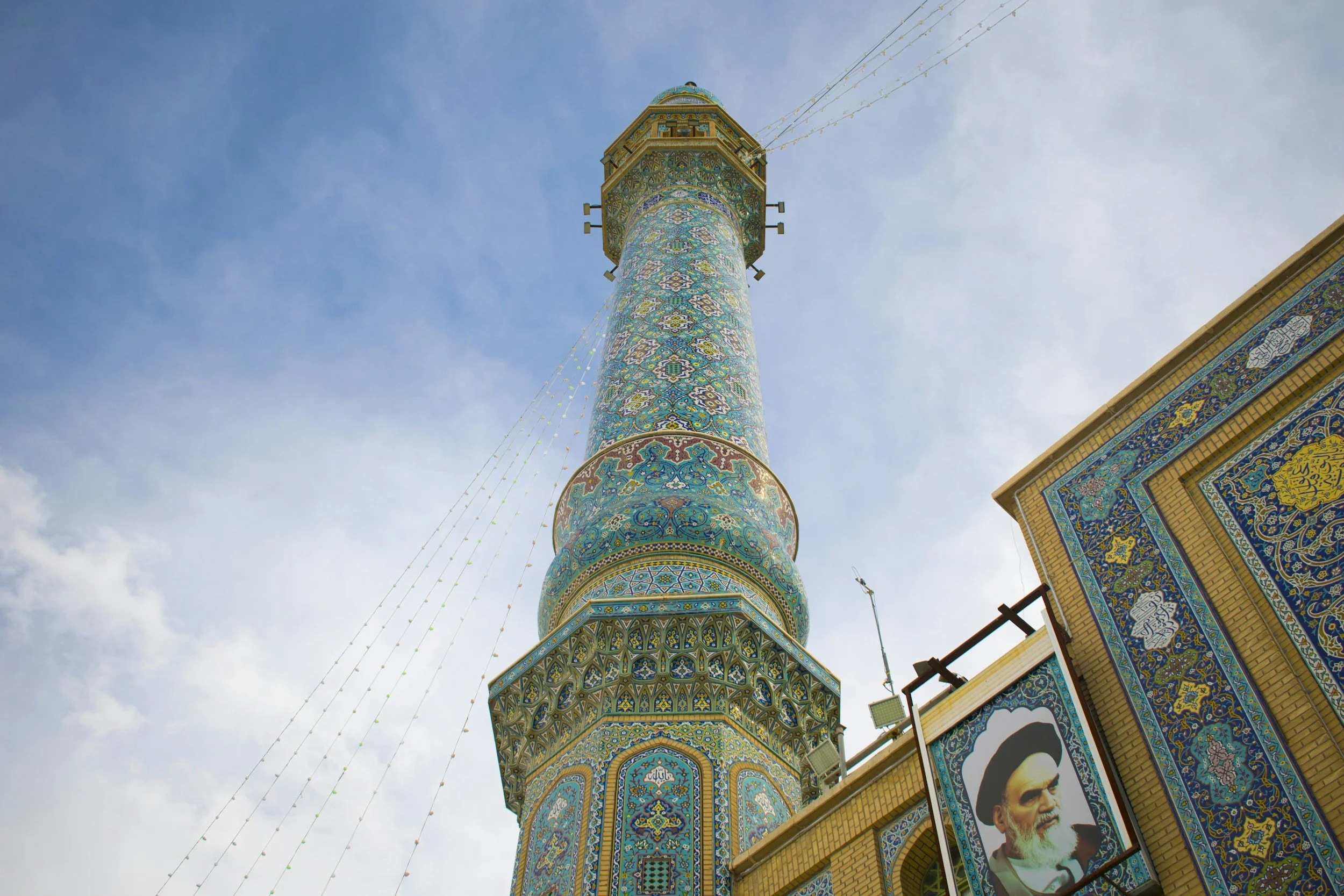
The targeting of facilities linked to Iran’s leader Ali Khamenei underscores the symbolic weight of the operation. As Iran’s Supreme Leader, Khamenei embodies the fusion of clerical authority and state power that has defined Iran’s system since 1979. Striking near his compound signals an attack not just on infrastructure, but on the ideological core of the regime.
History suggests limits to what air campaigns can achieve. Security analyst Phillips O’Brien said air power can degrade a regime’s assets, but it cannot ensure who replaces it. Without defections from security forces or a sustained public mobilization, bombing alone rarely produces stable political transitions.
Trump’s calculus may also be constrained by domestic politics. A full-scale U.S.-led ground invasion — historically the most direct path to regime change — would risk American casualties and political backlash at home. If Trump is unwilling to commit troops, it must rely on internal Iranian dynamics to carry change forward. That remains an uncertain bet.
Unsplash photo
Theocracy and religious control
Iran’s political order is not merely authoritarian, but explicitly theocratic. The Supreme Leader wields ultimate authority as a senior Muslim cleric and the constitution enshrines Islamic jurisprudence as the foundation of governance. The Islamic Revolutionary Guard Corps serves not only as a military force, but as a guardian of ideological orthodoxy.
This structure has had profound implications for religious freedom. Shi’a Islam is privileged, shaping law, education and public morality. Christians, Jews and Zoroastrians have limited, constitutionally recognized status — but operate under tight restrictions and are often imprisoned. At the same time, Baha’is, converts from Islam (especially those who become Christians) and some Sunni Muslim communities face widespread discrimination and detention.
A series of blasphemy laws can carry severe penalties, chilling dissent and interfaith dialogue. In this context, talk of regime change inevitably intersects with questions about religious freedom. A post-theocratic Iran could, in theory, dismantle clerical oversight and expand protections for belief and conscience.
Iran’s retaliatory drone and missile strikes on Israel and on other Gulf states soon after the airstrikes shows the risk of regional spillover. Saudi Arabia’s condemnation of Iranian aggression suggests a widening Sunni Arab alignment against Tehran. However, if the conflict deepens in the coming days and weeks, regional instability could complicate any internal reform movement within Iran.
Moreover, regime change narratives carry historical baggage. U.S.-backed interventions in the Middle East — most notably in Iraq and Afghanistan — have often produced unintended consequences. For religious minorities, like Christians, sudden state collapse can be as dangerous as entrenched authoritarianism.
Unsplash photo
Possible future scenarios
Religious minorities have faced even more challenges following the protests that erupted in late 2025, which called for the end of the Islamic Republic’s leadership. Watchdog organizations had already observed a major crackdown, with reports of 30,000 killed since the start of the year.
The U.S. Agency for Global Media said it had “significantly expanded” Voice of America’s Persian-language service in recent weeks and had broadcast Trump’s speech announcing the attack “to the brave people of Iran across every available platform, including satellite.”
As a result of these latest U.S. airstrikes, there are three possible paths forward regarding Iran’s future:
— Elite fragmentation and reformist transition: If elements of the military or political establishment conclude that the current leadership endangers national survival, they could push for a controlled transition. This might preserve aspects of the Islamic framework while loosening clerical dominance. Religious freedom could expand incrementally, though not necessarily transform overnight.
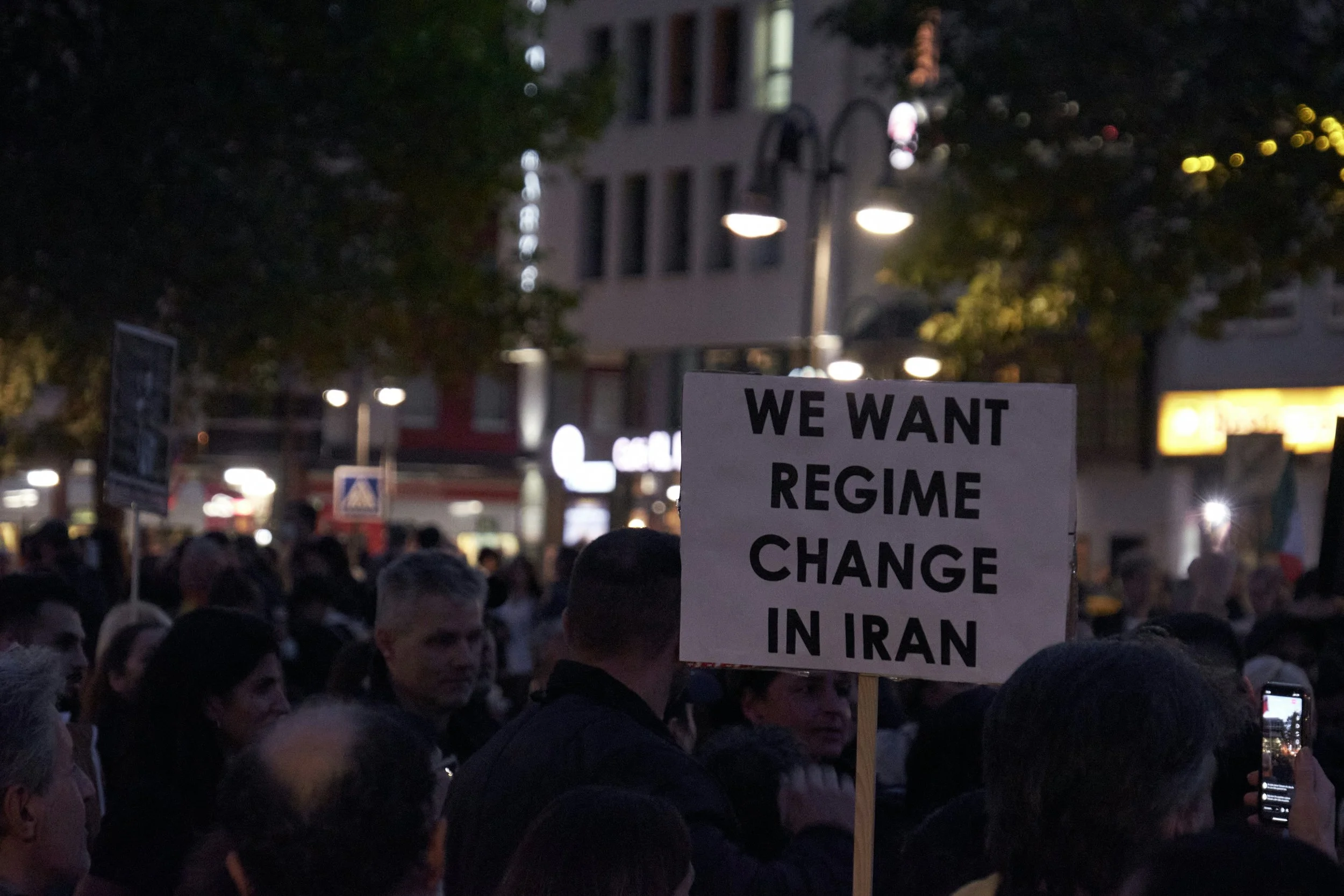
— Popular Uprising: Iran has experienced repeated waves of protest over economic hardship and social restrictions. If strikes catalyze broader unrest and security forces hesitate to suppress it, a sweeping political reordering could follow. In this scenario, demands for secular governance and full religious equality could gain traction.
— Regime Consolidation: External attacks can strengthen hardliners. Nationalist sentiment could rally support around the current leadership, leading to intensified repression. Under this outcome, religious minorities and dissidents might face harsher crackdowns, framed as countermeasures against foreign subversion.
If the Trump administration truly seek a freer Iran, it must grapple with the complexity of engineering political change from abroad. Expanding religious liberty requires dismantling coercive institutions and building a civil society — both processes that cannot be bombed into existence.
Ultimately, the decisive factor will not be the bombings. Whether this moment becomes a catalyst for greater religious freedom will depend less on airstrikes and more on internal changes and cohesion.
Clemente Lisi is executive editor at Religion Unplugged.