As the United States prepares to celebrate its 250th birthday on July 4th, the neo-Gothic cathedral has emerged once again as one of the nation’s most symbolic gathering places. It’s not just a church, but also a civic sanctuary where Americans wrestle with questions of identity, memory, grief, hope and democracy.
Read More(ANALYSIS) Ten years after “Hillbilly Elegy” catapulted its author into public view, JD Vance is publishing a new memoir, “Communion: Finding My Way Back to Faith.” The vice president explains the book as a sort of self-help guide for the spiritually lost: “… by sharing my journey I might be helpful to others — Catholic, Protestant, or otherwise — who are seeking reconciliation with God.”
Read MoreYorktown has a landscape layered with meaning. It’s where cannon fire once settled an empire’s fate and the birth of a new nation. It’s also the place where the “Hand of Providence” prevailed.
Read More(ANALYSIS) The trend in Spain is also a reflection of a pan-European phenomenon. According to various surveys such as the European Social Survey, in southern European countries, including Spain, younger generations exhibit less attachment to religious institutions but maintain nuanced and pluralistic spiritual orientations.
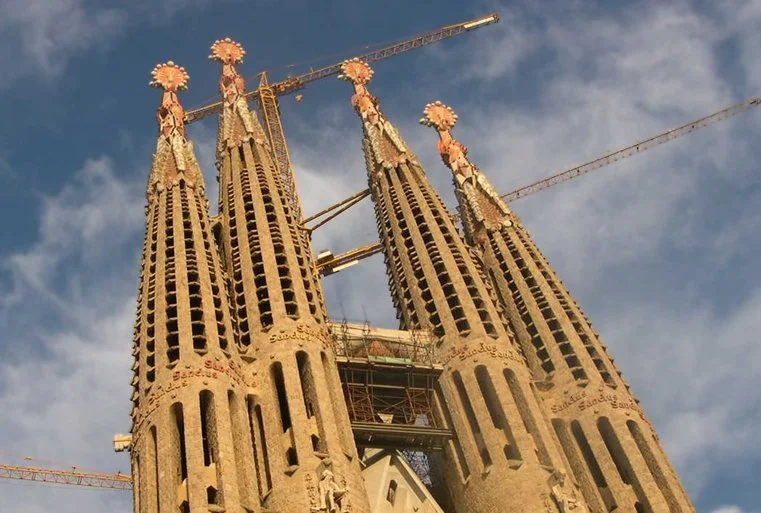
Read More(ANALYSIS) Once the cranes disappear, the basilica will cease from being an evolving construction project and instead become something more fixed — a monument subject to preservation battles, increased tourism pressures and the inevitable weight of history. Nonetheless, Pope Leo’s Spain trip, with a stop in Barcelona, represents the fulfillment of decades of hard work.
Read MoreDuring the American Revolution, women like Abigail Adams asserted moral and spiritual authority despite lacking legal rights. Through religion, household leadership and revival movements, they shaped communities and laid groundwork for later reforms in abolition, education and women’s rights.
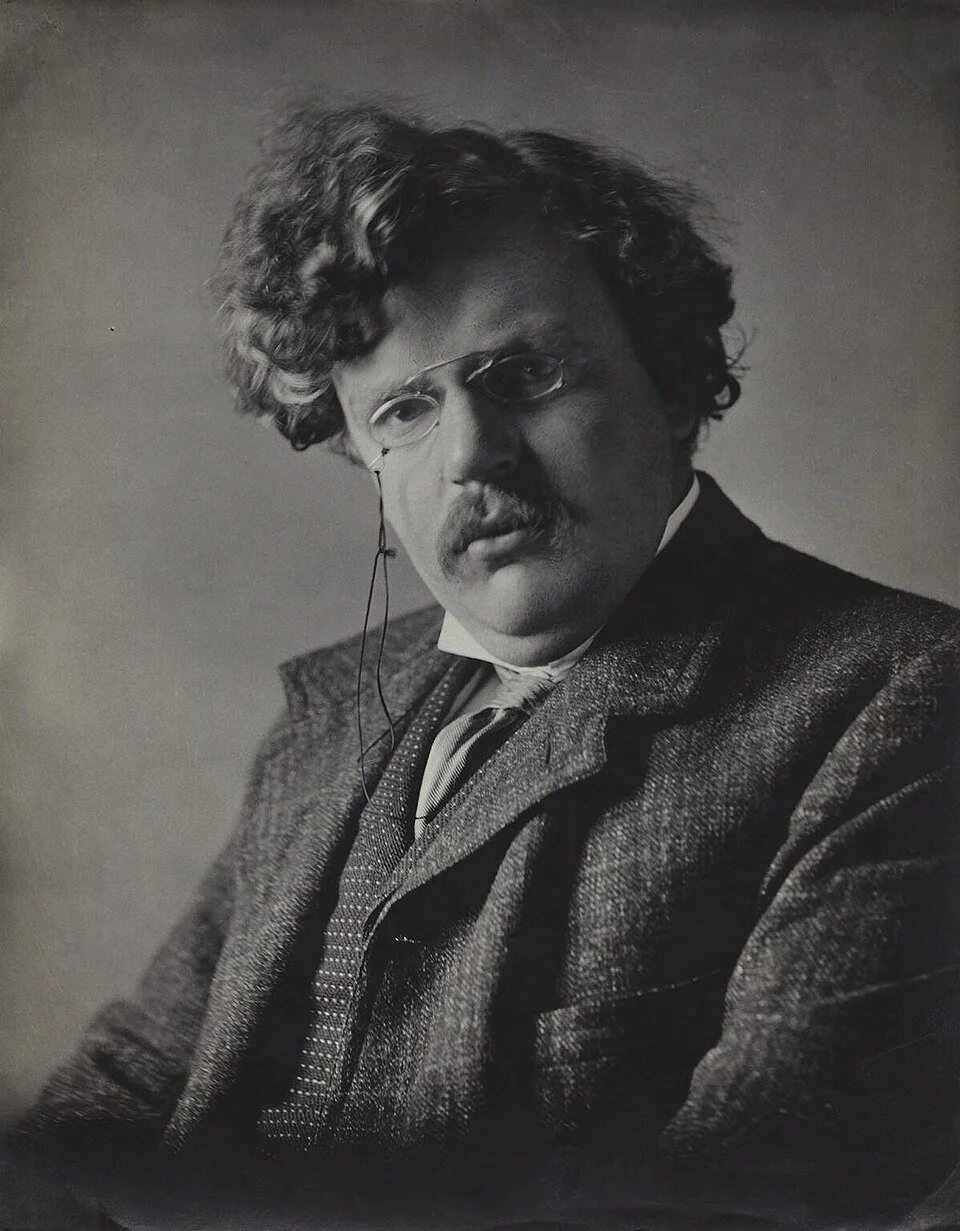
Read More(ANALYSIS) G.K. Chesterton blended humor and philosophy; he turned belief into something wondrous, culturally alive, and fiercely imaginative. The man made God fun. That sounds like a modest achievement until you consider how desperately the task still needs doing, and how spectacularly everyone since has failed at it.
Read More(ANALYSIS) In the data from 2024, 57% of white evangelicals were weekly attenders compared to 25% of white Catholics. So not controlling for attendance gives us a much different sample when analyzing evangelicals and Catholics.
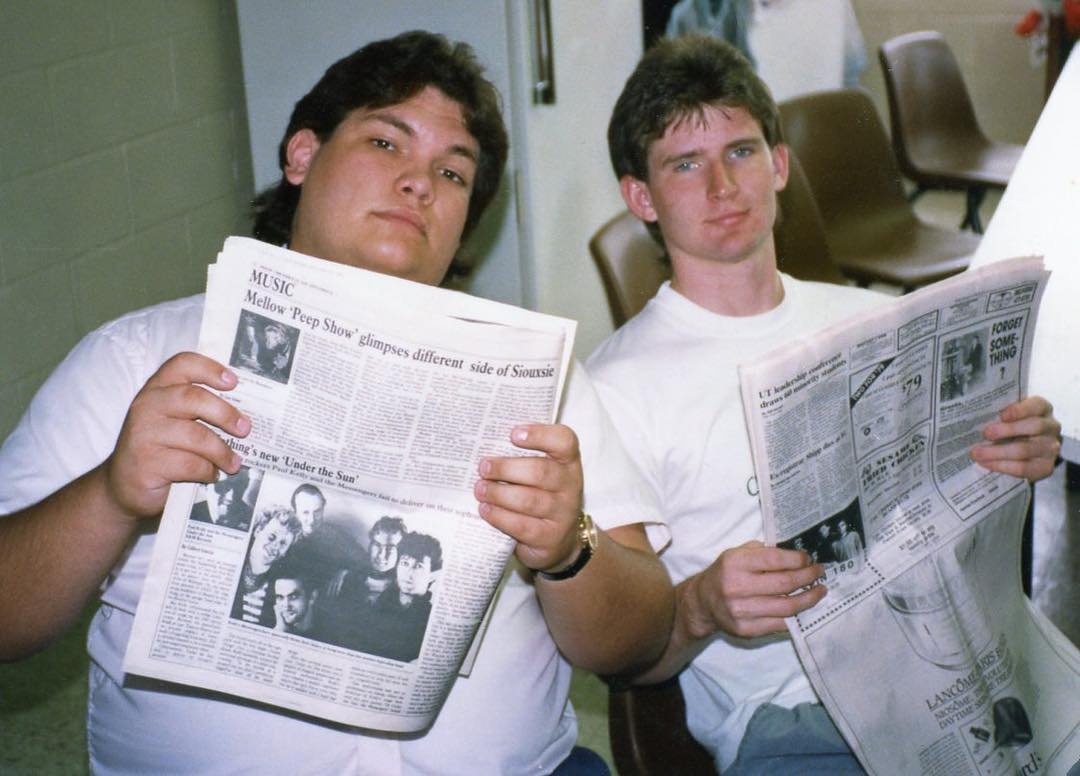
Read MoreAt the 40th anniversary of his 1986 high school graduation, our Weekend Plug-in columnist reflects on the journalism lessons he learned as a student — and which still resonate with him four decades later.
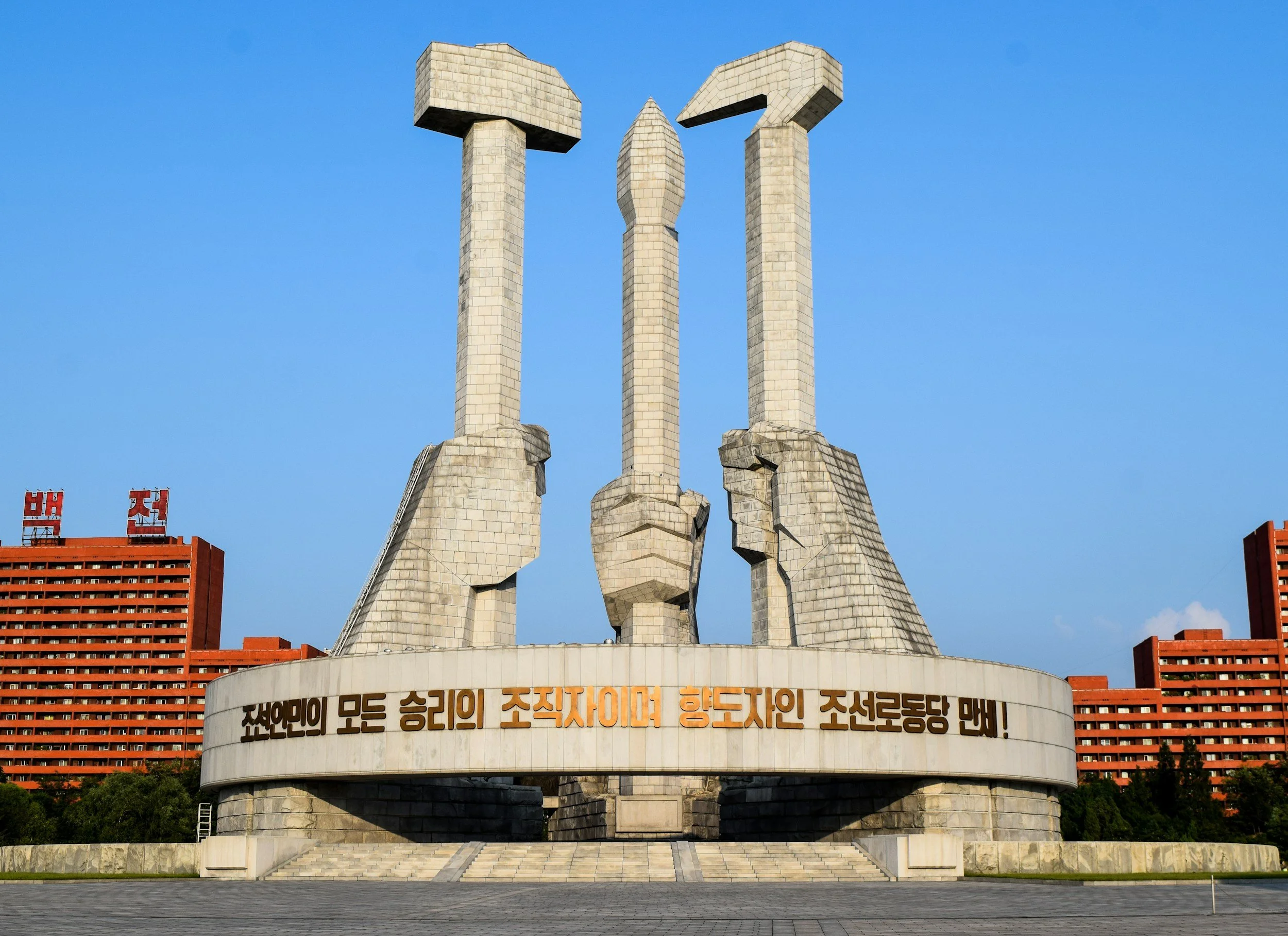
Read More(REVIEW) How did Christianity shape North Korea? A new 745-page book argues the regime built by Kim Il Sung resembles a national religion that borrows some ideas from Christianity — complete with myths, rituals and a central, quasi-divine figure — rather than a typical authoritarian state.
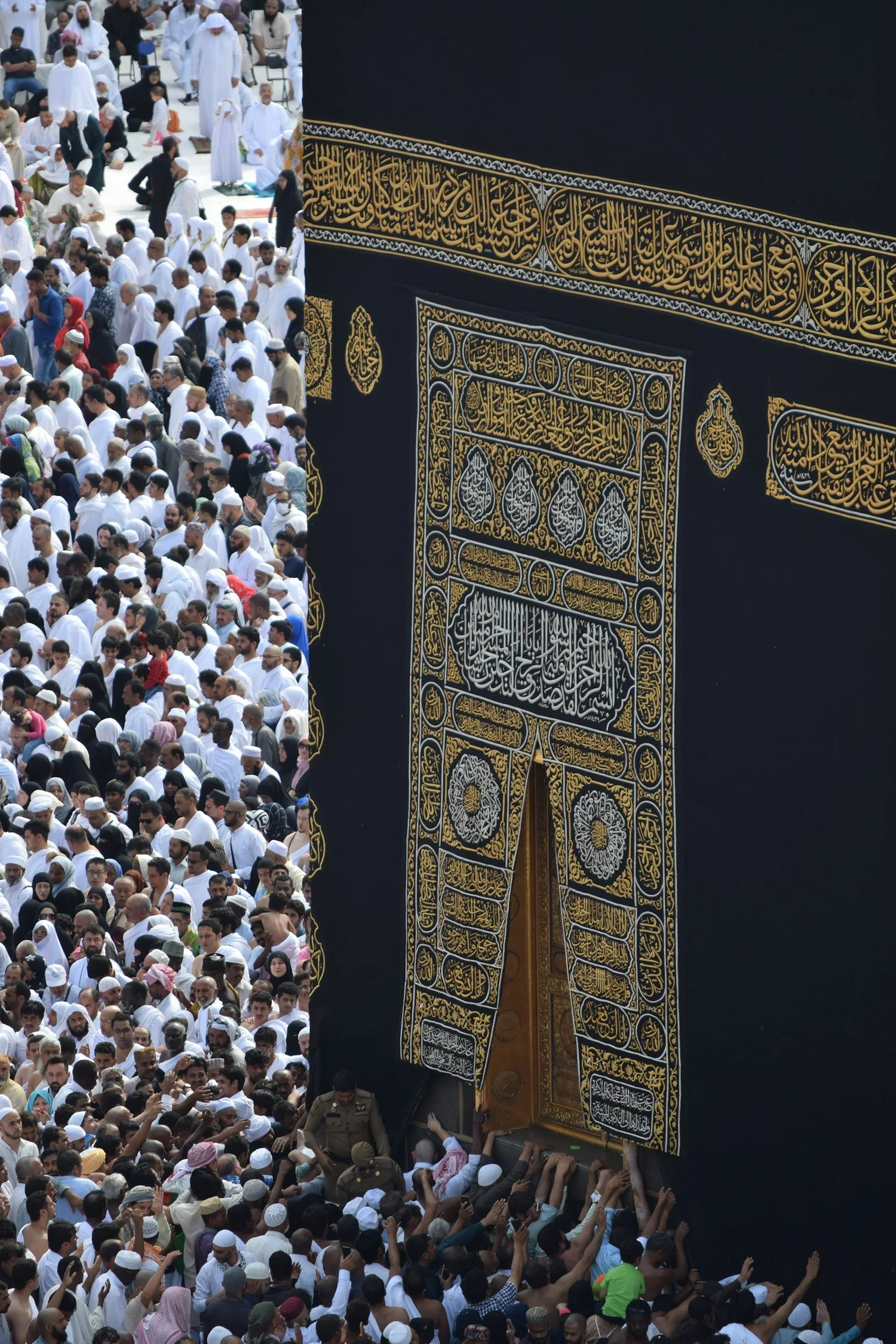
Read More(ANALYSIS) As Muslims gather for the annual pilgrimage of Hajj in Mecca, Saudi Arabia, they will circle around the “Kaaba,” a black cube draped in gold-embroidered cloth. A ceremonial textile — known as the “kiswah” — covers the Kaaba, around which Muslims will walk seven times in a ritual known as “tawāf.” It is the central act of the annual pilgrimage.
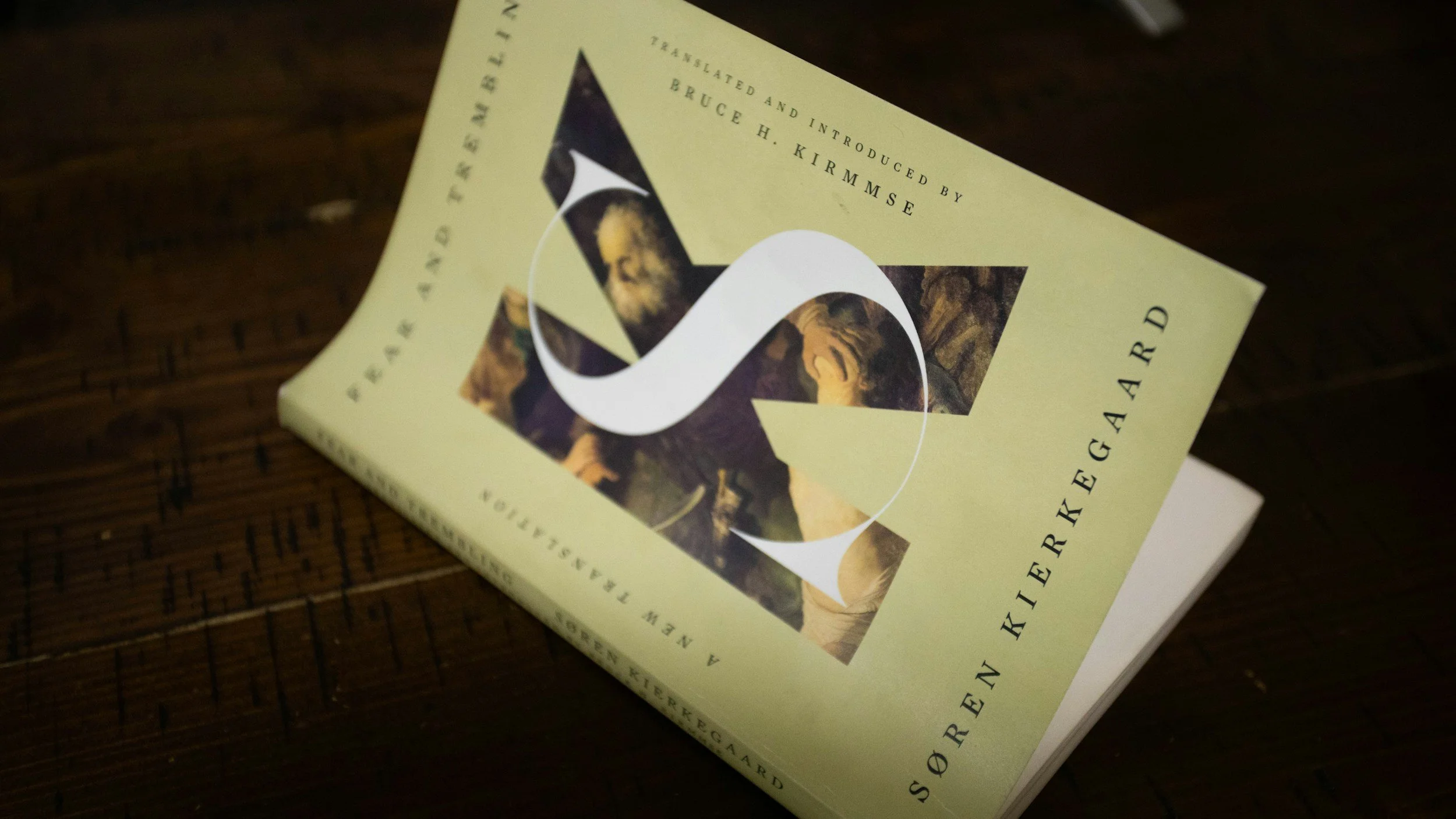
Read More(ANALYSIS) What most people get wrong about the great Dane is that they remember the existential dread and forget the destination.
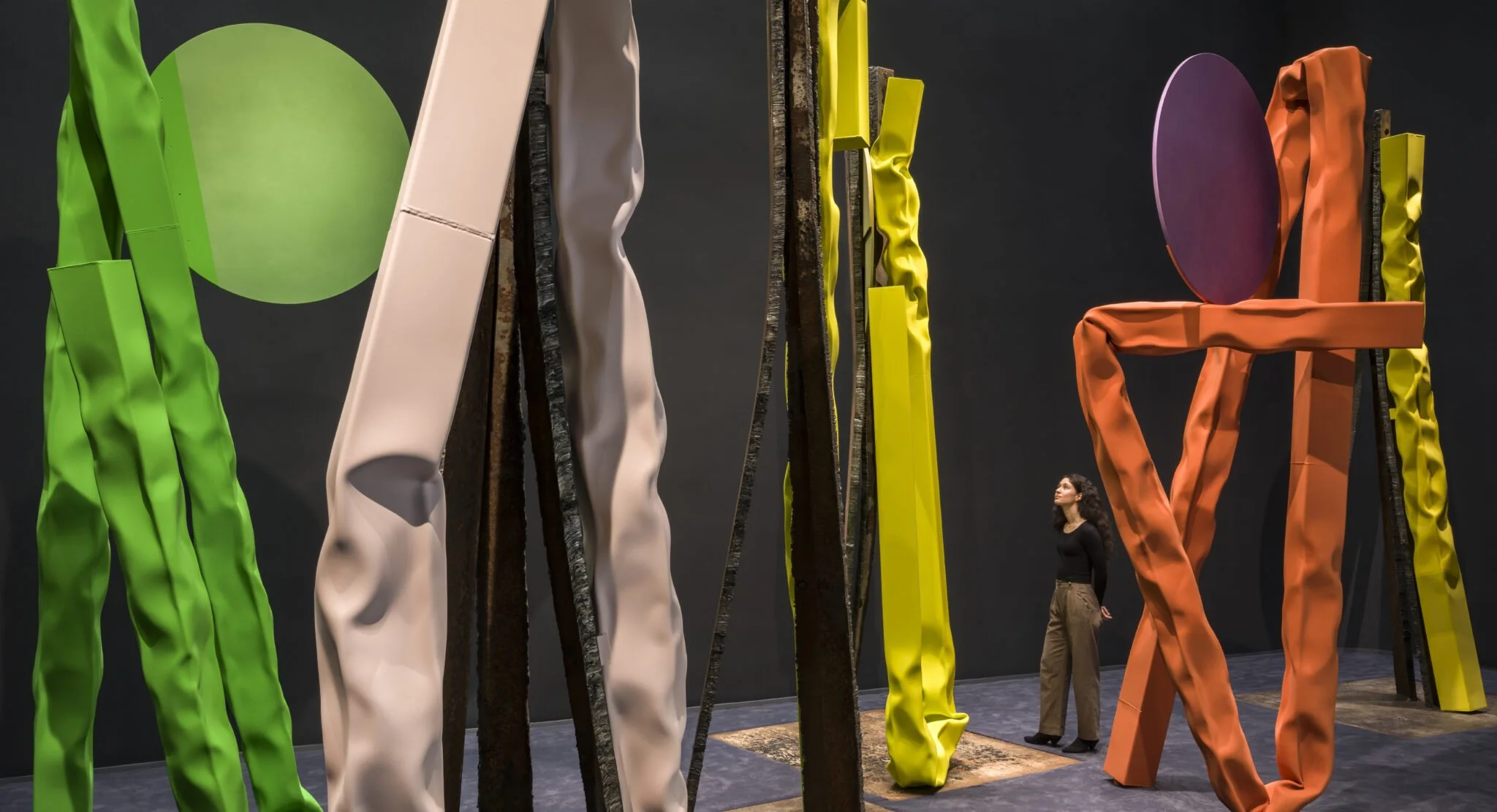
Read More(REVIEW) Carol Bove’s Guggenheim survey reveals how Zen Buddhism, countercultural spirituality and mystical philosophy underpin her sculptures and installations. From bookshelf assemblages to monumental crushed steel works, Bove uses art to challenge perception, evoke presence and explore the intersection of modernism, meditation and embodiment.
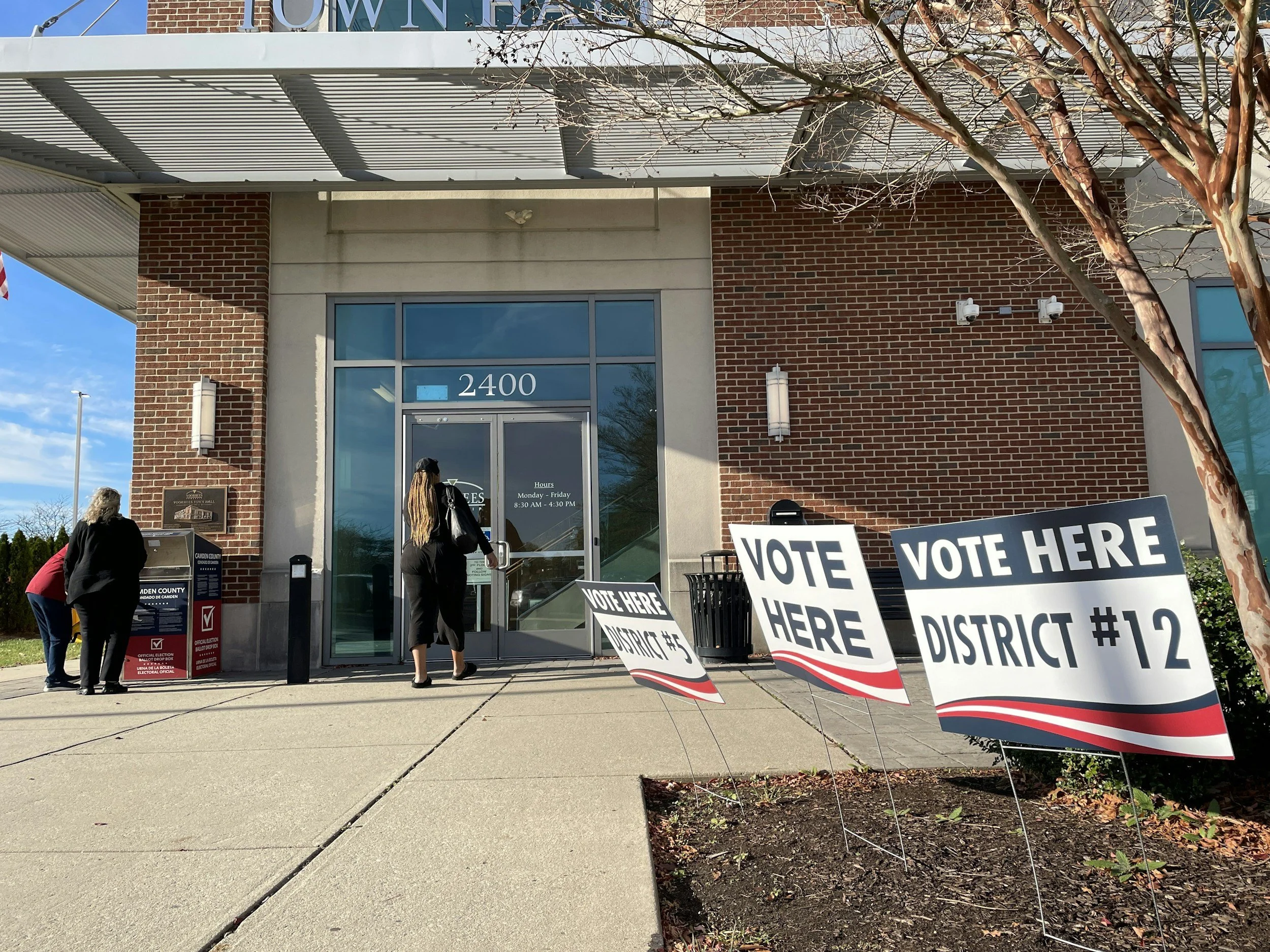
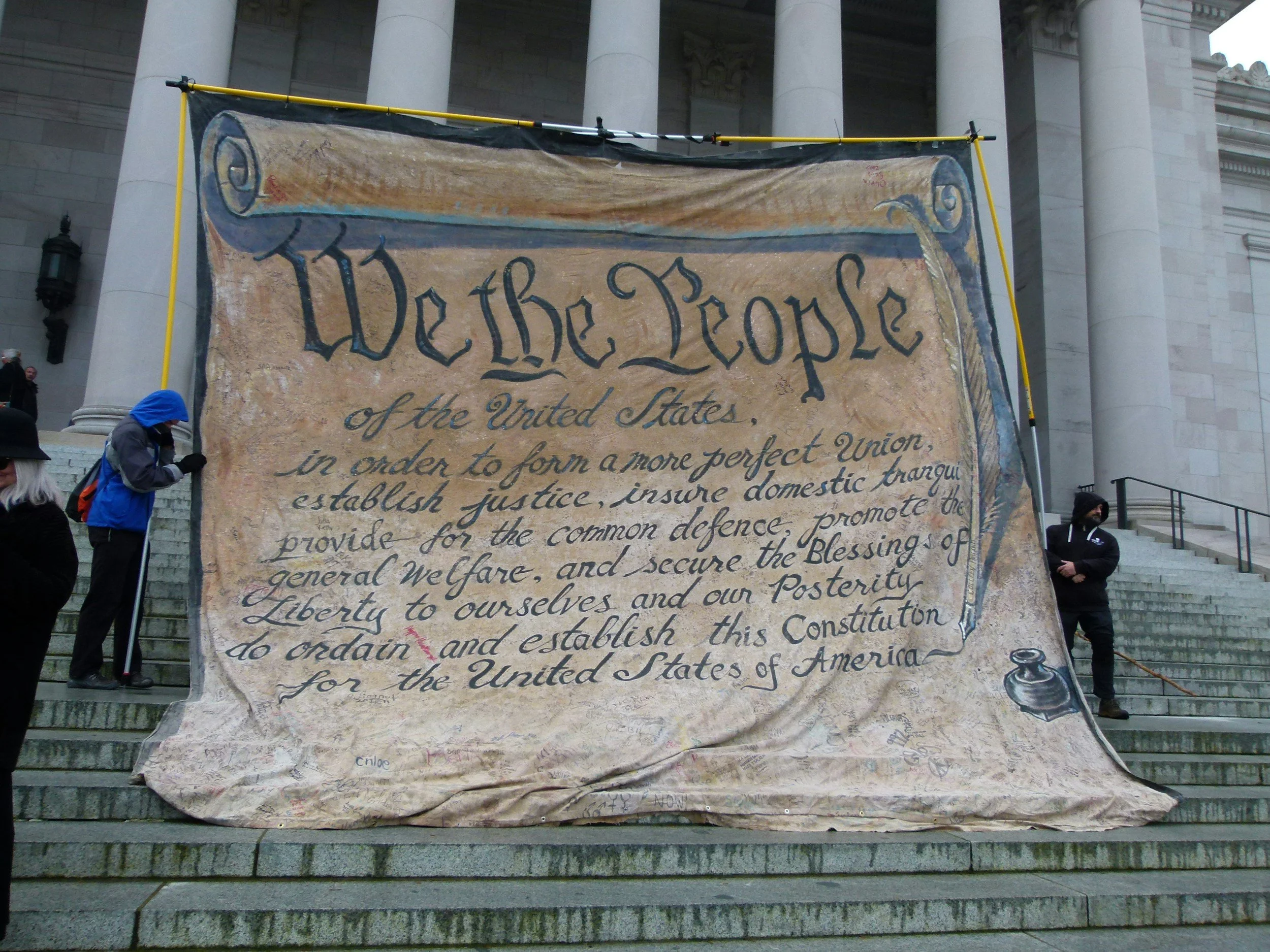
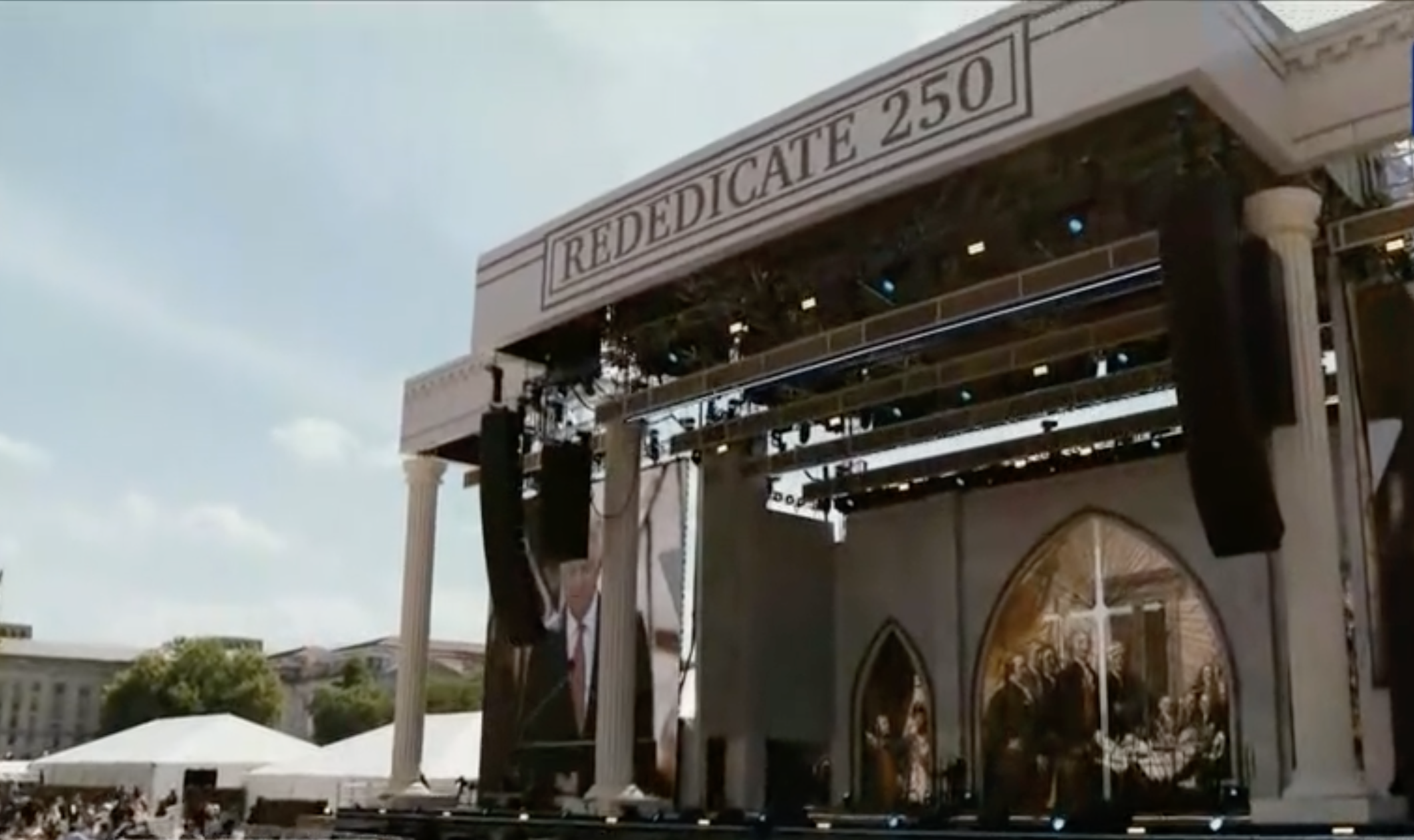
Read More(ANALYSIS) Thousands of Americans prayed on the National Mall on May 17, during “Rededicate 250”: a day-long rally to “come together in prayer and worship ahead of the nation’s 250th birthday,” as organizers described it. U.S. House Speaker Mike Johnson, one of many Republican politicians and conservative Christian leaders to speak, led a prayer to “rededicate the United States of America as one nation under God.”
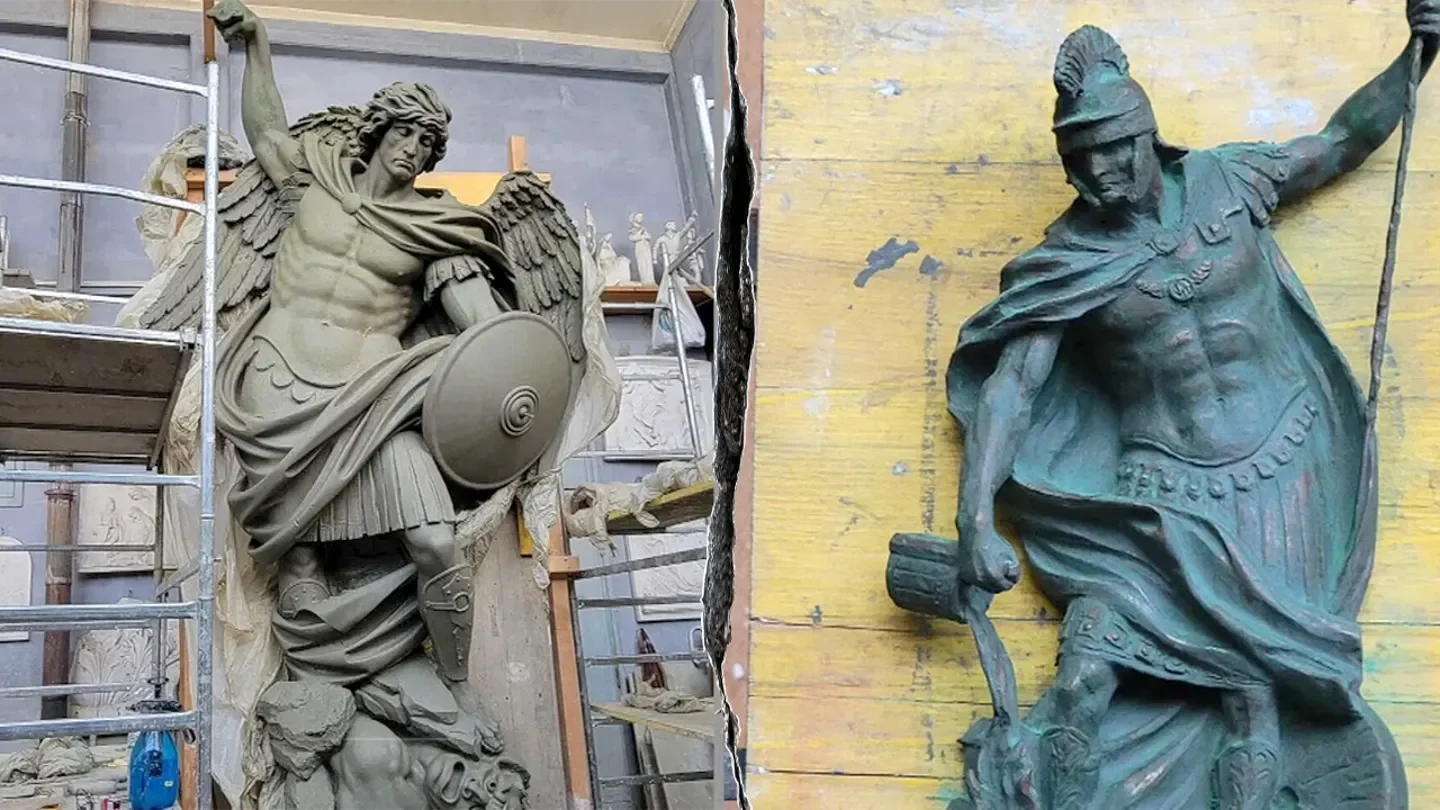
Read MoreAt a time when statues are coming down, this is a case about two that are proposed to go up. A city in Massachusetts plans to erect two statues featuring Catholic saints, but some residents have said that it shows favoritism to one religion. Now, it’s up to the courts to decide what to do next in a case that could reach the Supreme Court.
Read More(ANALYSIS) “Rededicate 250” was billed as a prayer rally celebrating America’s 250th anniversary. But the event on the National Mall also became a revealing snapshot of how faith, politics and national identity are increasingly intertwined during the Trump era.
Read MoreThe Liberty Bell symbolizes American freedom, rooted in Scripture and shaped by Pennsylvania’s Quaker ideals. Its inscription from Leviticus reflects Jewish teachings on justice and freedom, while Quaker beliefs in equality and tolerance influenced the nation’s founding principles, leaving a lasting moral framework as the U.S. marks its 250th anniversary.
Read More(ANALYSIS) While neither of the “Devil Wears Prada” movies revolve around Christianity, the invocation of the devil taps into an older moral rhetoric. For centuries, fashion was cast as the troublesome, if not villainous, enemy of a pure and spiritual Christianity — a symbol of putting material desires before holy ones. For example, 18th-century cleric and founder of Methodism John Wesley urged his followers to show their faith by dressing “plainly.”
Read MoreIn just a few days, crowds are expected to descend on Washington for an explicitly Christian event, celebrating the U.S. 250th anniversary. Later this month, many churches will swap hymns for patriotic songs and dress their sanctuary in American flags, mingling patriotism and Christianity. When do these patriotic actions cross over into Christian Nationalism?
Read MoreThe Big Idea for this podcast? The social-credits system shifted into high gear the year after China, in 2018, launched sweeping new regulations to crush religious activities that lacked formal government approval. Digital technology is at the heart of China’s efforts to control the beliefs of its citizens.
Read More