
Washington’s National Cathedral Serves As A Place For Reflection
WASHINGTON — High above the nation’s capital, the towers of the Washington National Cathedral rise as a symbol of the American experiment itself, always reaching upward.
As the United States prepares to celebrate its 250th birthday on July 4th, the neo-Gothic cathedral has emerged once again as one of the nation’s most symbolic gathering places. It’s not just a church, but also a civic sanctuary where Americans wrestle with questions of identity, memory, grief, hope and democracy.
For over a century, the Washington National Cathedral has stood at the crossroads of faith and public life. Presidents have prayed there during moments of both triumph and tragedy. National funerals and memorial services have been held there.
READ: The Liberty Bell And Its Moral Foundations
At the end of May, the cathedral hosted The Understory, a three-day festival organized by Comment magazine, where hundreds gathered on “how we might rehumanize our common life and renew trust between people and within institutions at this particular moment in history.” While the festival was not tied to the 250th anniversary of America, it did allow for Christians of all denominations to reflect on the nation’s past and ponder its future.
As America approaches its semiquincentennial — the 250th anniversary of the signing of the Declaration of Independence — the cathedral is positioning itself not simply as a ceremonial backdrop, but as a place for national reflection. For example, the cathedral, part of the Episcopal Church, has also served as a temporary home to several congregations in the past, including a Jewish synagogue and an Eastern Orthodox community.
The National Cathedral’s upcoming “We Hold These Truths to be Self-Evident” service, scheduled for July 3, reflects this very ambition. The event will gather religious leaders to explore both the ideals and contradictions embedded in the American story.
America’s 250th anniversary arrives during a period of deep political polarization over the meaning of patriotism itself. Across the country, anniversary programming ranges from historical exhibitions and fireworks to political messaging campaigns and large-scale festivals. In Washington, D.C., the federal government, tourism organizations and civic groups are planning commemorations on the National Mall and throughout the city.
The idea for a national cathedral dates back to 1791, when President George Washington commissioned Pierre L’Enfant to design a new capital. His original design included plans for “a great church for national purposes.” Some 100 years later, the Protestant Episcopal Cathedral Foundation, under the first seven bishops of Washington, erected the cathedral under a charter passed by Congress on Jan. 6, 1893. The National Cathedral took decades to build. Construction began in 1907 and continued for 80 years, spanning wars, social upheaval and cultural transformation.
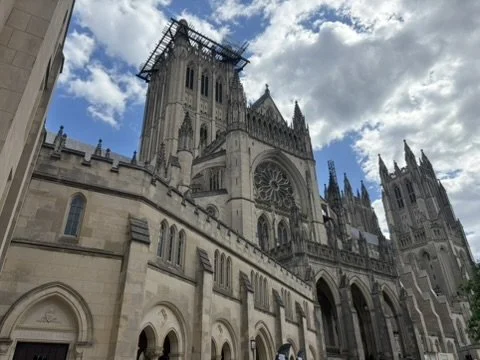
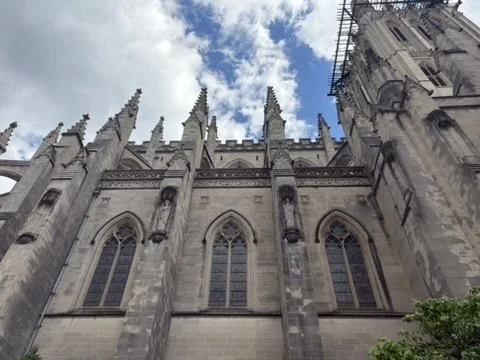
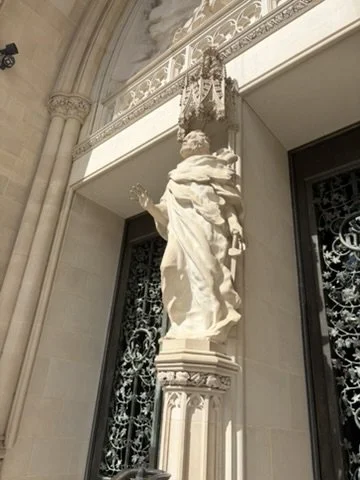
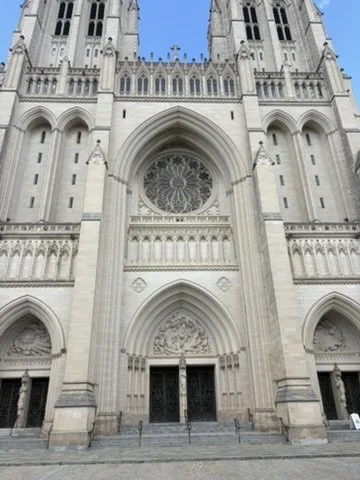
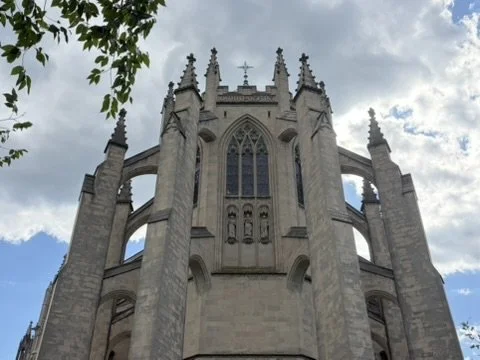
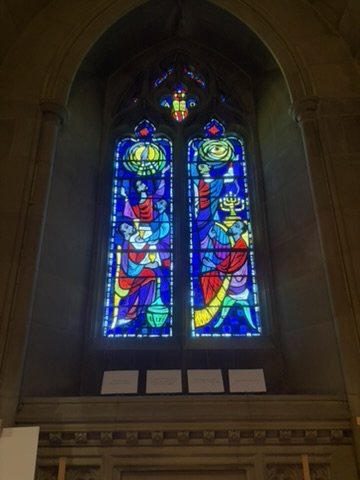
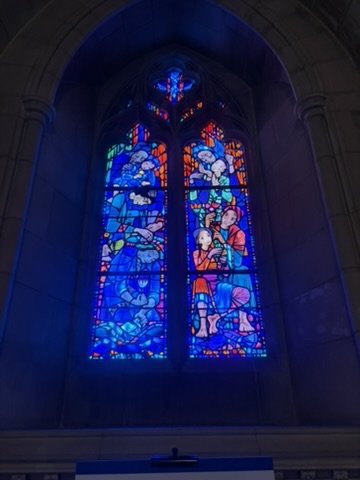
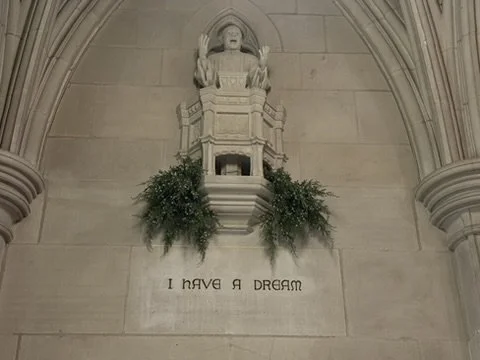
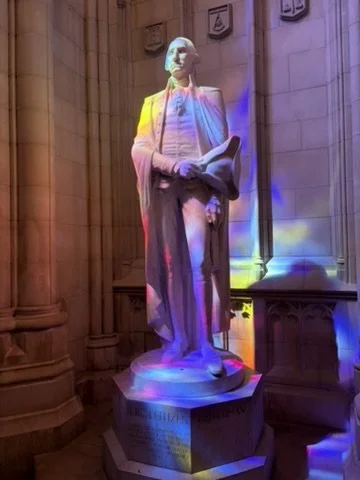
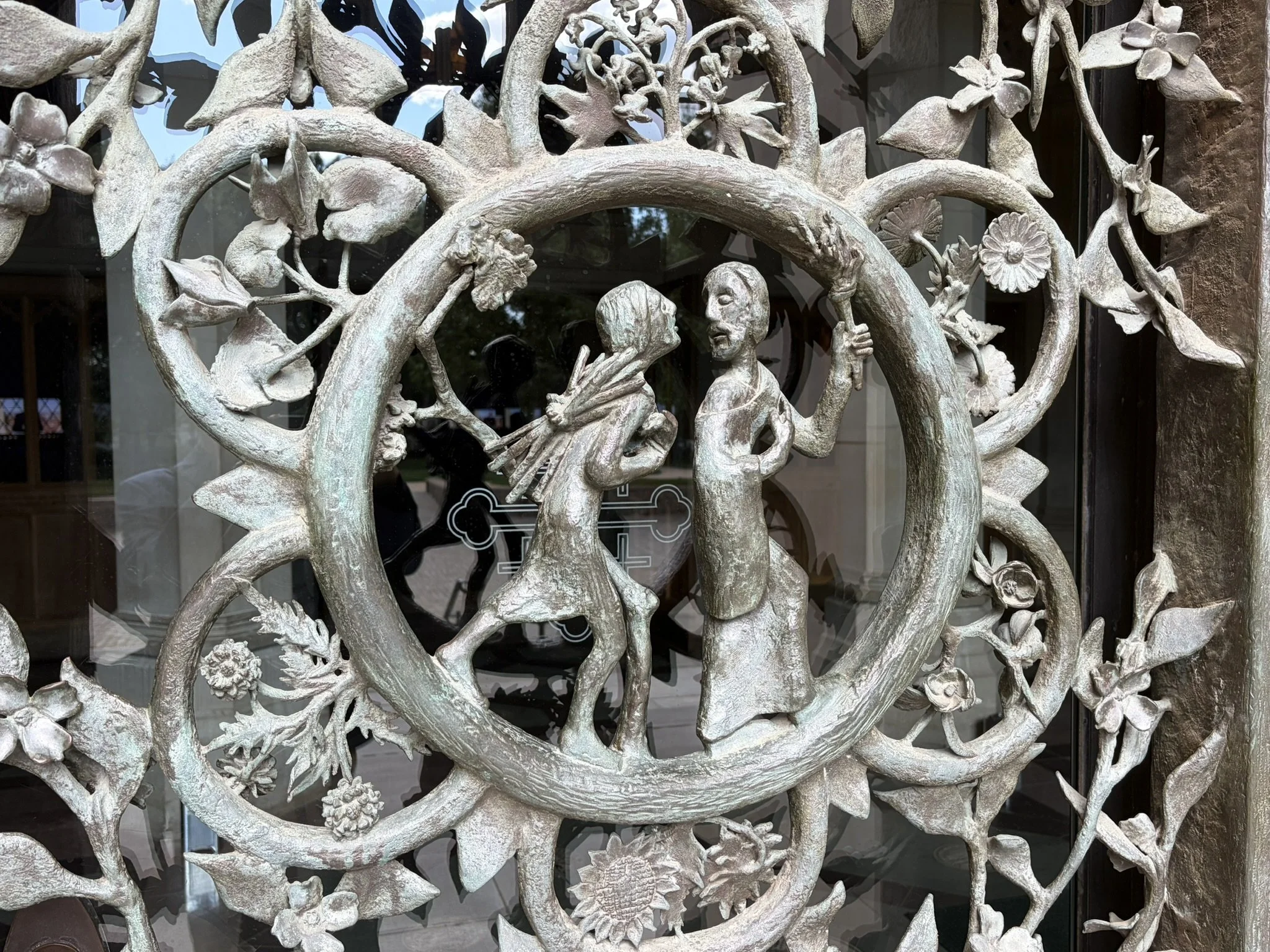
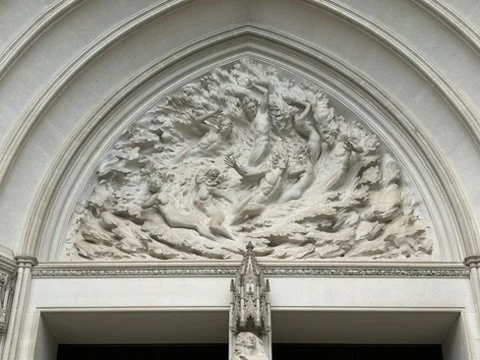
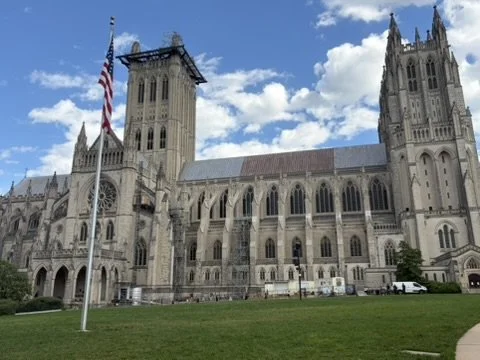
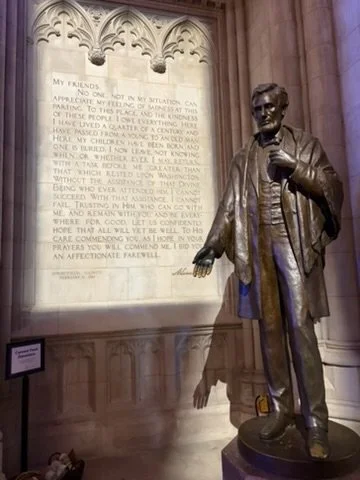
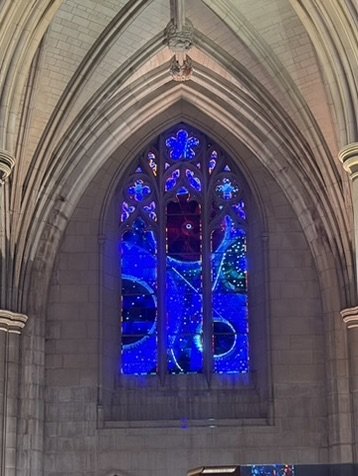
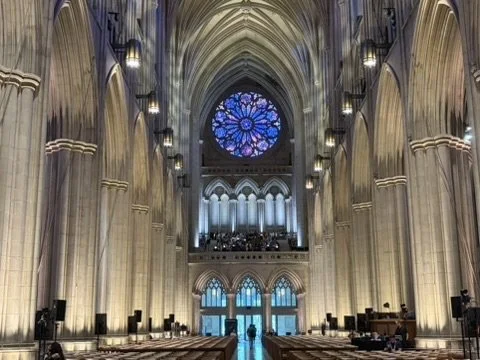
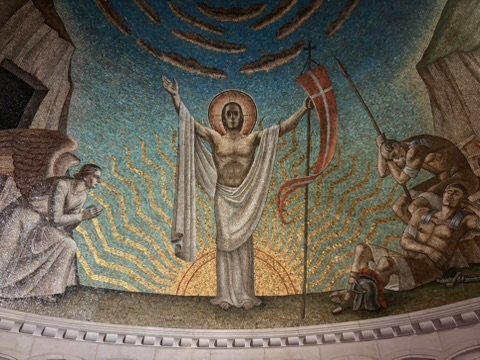
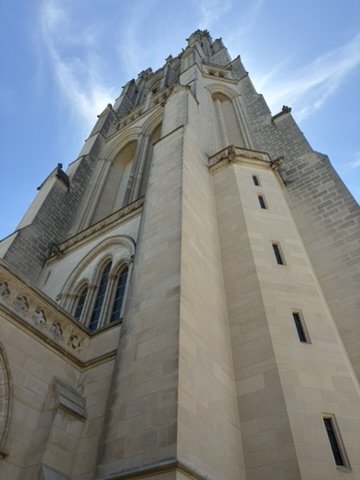
Photos by Clemente Lisi
From its earliest days, the cathedral has been promoted as more than simply an Episcopal cathedral. Planners hoped it would play a role similar to London’s Westminster Abbey. They wanted it to be a national shrine and a venue for great services. For much of the cathedral's history, this was captured in the phrase “a house of prayer for all people.”
Built in the style of Europe’s great cathedrals, it nevertheless contains distinctly American touches: Statues of George Washington and Abraham Lincoln, carvings of civil rights figures, references to scientific achievement and even the famous “Space Window,” which contains a fragment of a moon rock from Apollo 11. The cathedral is also unique in North America for having both a carillon (53 bells) and a set of 10 ringing bells. Former President Woodrow Wilson is also buried there.
This symbolism will resonate during the America 250 observances.
The cathedral was damaged in August 2011 during an earthquake. Several gargoyles and other carvings were damaged, and a hole was punched through the metal-clad roof by falling masonry. The cathedral, which had no earthquake insurance, struggled to cope with the cost of the damage. It closed from Aug. 24 to Nov. 7, 2011, as $2 million was spent to stabilize the structure and remove damaged or loose stones. That same year, the cathedral received a $700,000 preservation work matching grant from the Save America's Treasures program, a public-private partnership operated by the nonprofit National Trust for Historic Preservation.
In recent years, the cathedral’s leadership has spoken openly about race, democracy and political violence while also preserving its role as a place for prayer. Following the Jan. 6 riot at the U.S. Capitol, cathedral leaders framed the building as a space for healing civic trust. During presidential funerals and memorials, the National Cathedral has consistently projected continuity and a reminder that institutions can endure even through crisis.
The cathedral’s architecture — highlighted by an immense nave — allows visitors to enter beneath towering stone arches. Located on the highest point in D.C., the cathedral features flying buttresses, vaulted ceilings, 112 gargoyles (including one featuring the face of Darth Vader) and 231 stained-glass windows.
The America 250 celebrations may ultimately ask Americans not only what the nation has achieved, but what kind of country it hopes to become over the next century and beyond.
Clemente Lisi serves as executive editor at Religion Unplugged.