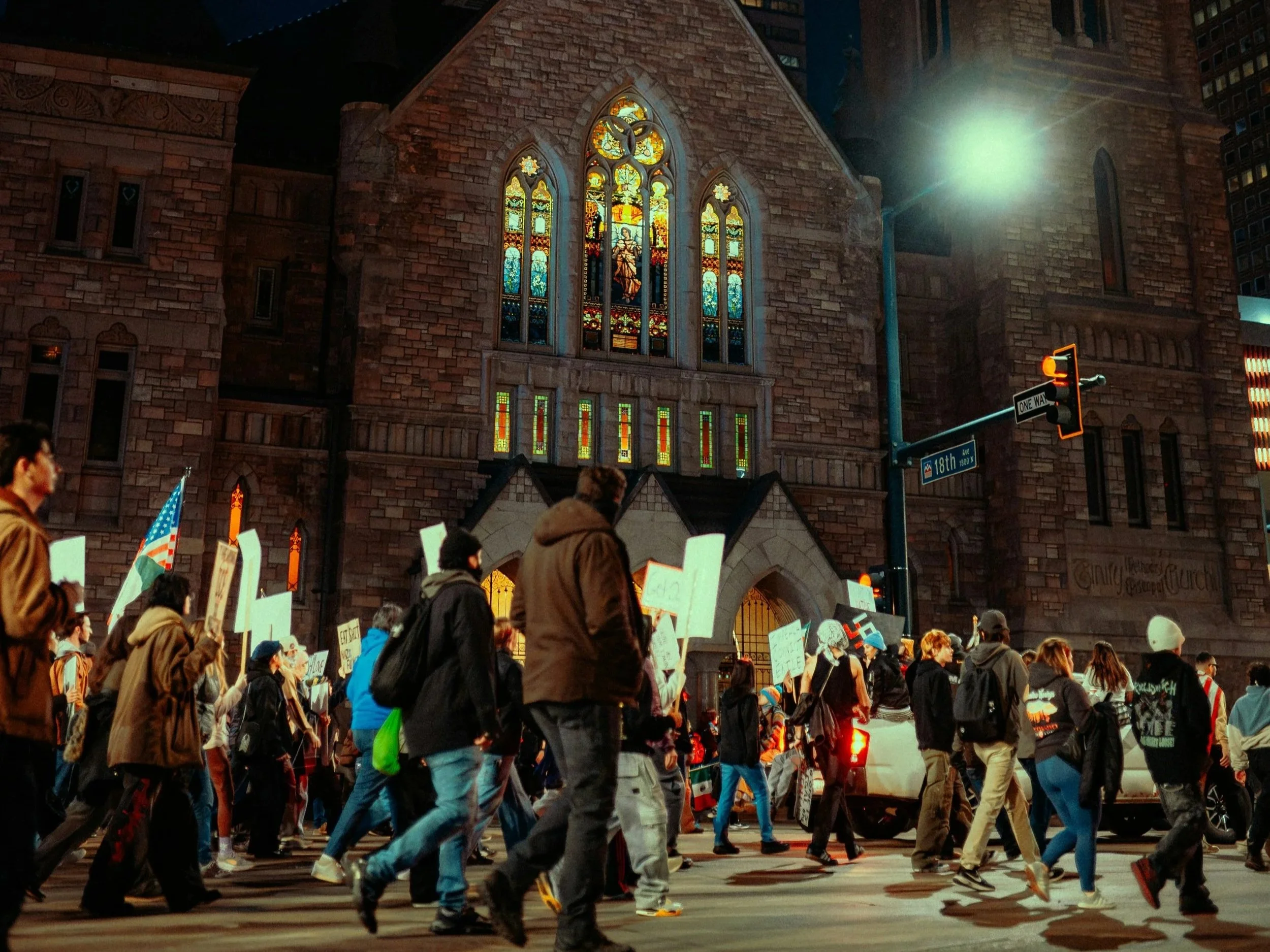
(ANALYSIS) Recent events in Minnesota have exposed a thin understanding of religious freedom, reducing it to boundary enforcement rather than sustaining institutions that form moral life. The moment calls for deeper discernment: protecting worship without criminalizing dissent.
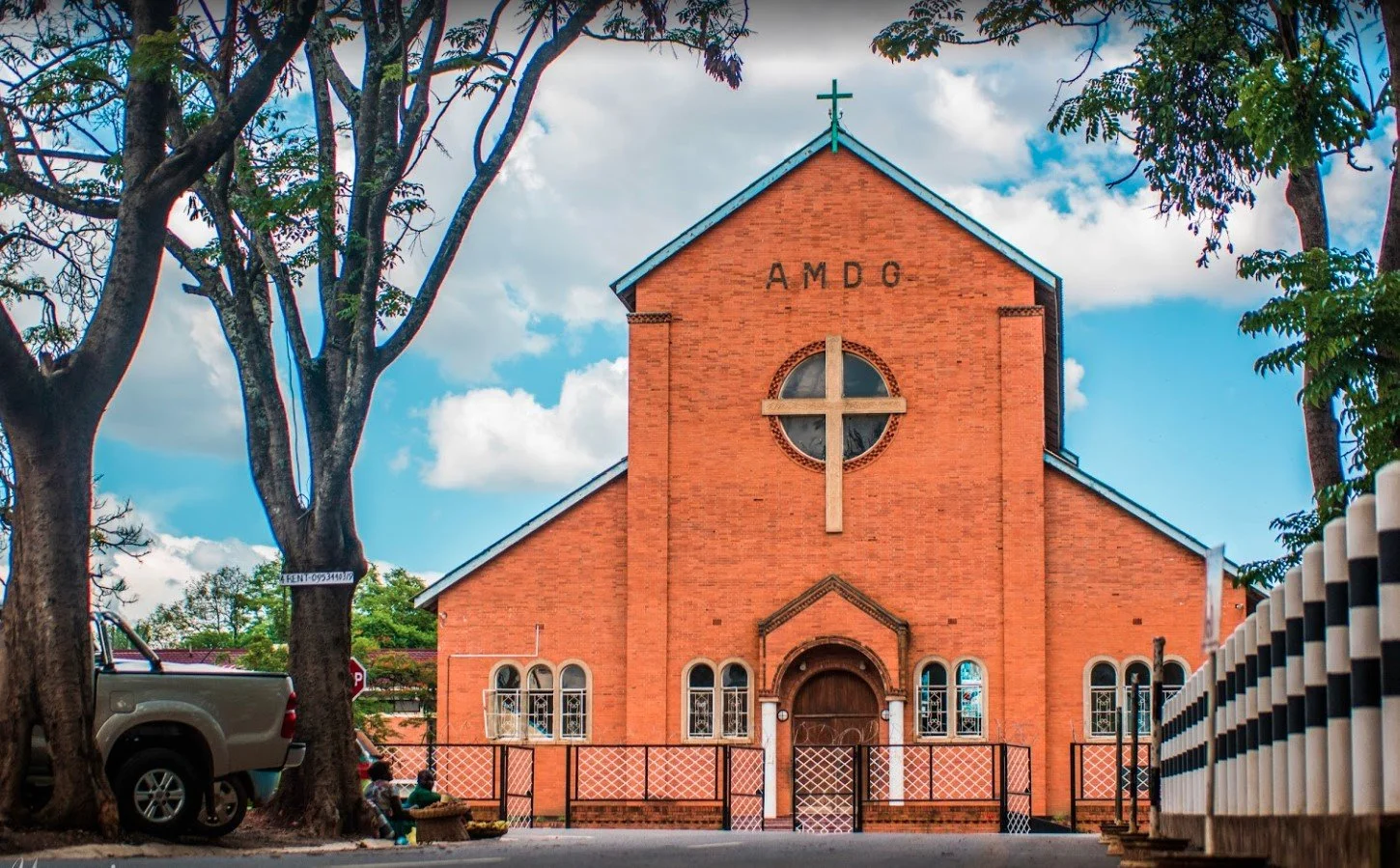
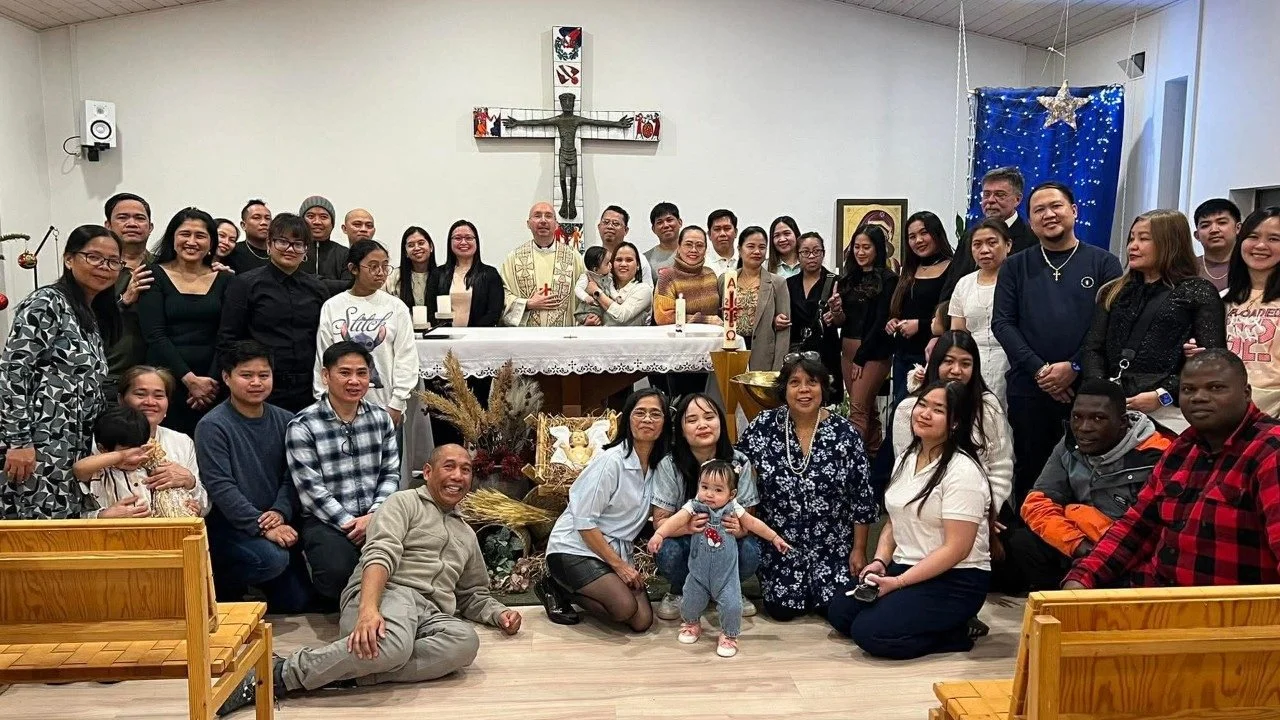
Read MoreGreenland, a remote, ice-covered territory three times the size of Texas, has just one Catholic church, Christ the King, in Nuuk, where Pastor Tomaz Majcen serves a tiny, mostly immigrant congregation. Amid harsh conditions, social struggles and global attention, the Catholic community provides faith, support and connection in the world’s least-Catholic land.
Read MoreIn a profoundly positive appraisal of the Protestant Reformation, high-ranking Vatican officials are championing the Augsburg Confession — a pivotal Lutheran text — highlighting it as a shared basis for Christian unity, as the 500th anniversary of the document approaches in 2030. It would be a profound shift should Pope Leo decide to embrace the centuries-old document.
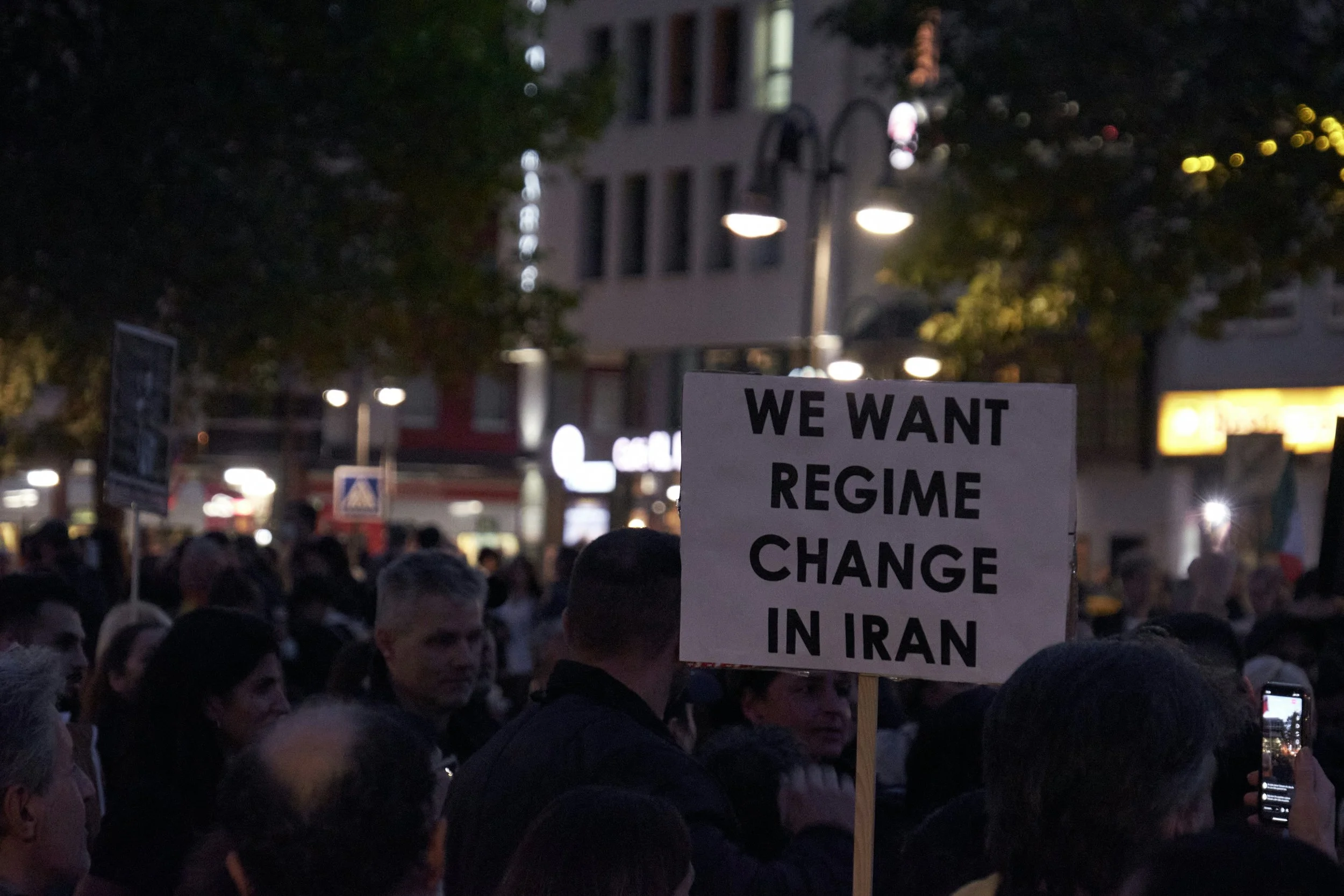
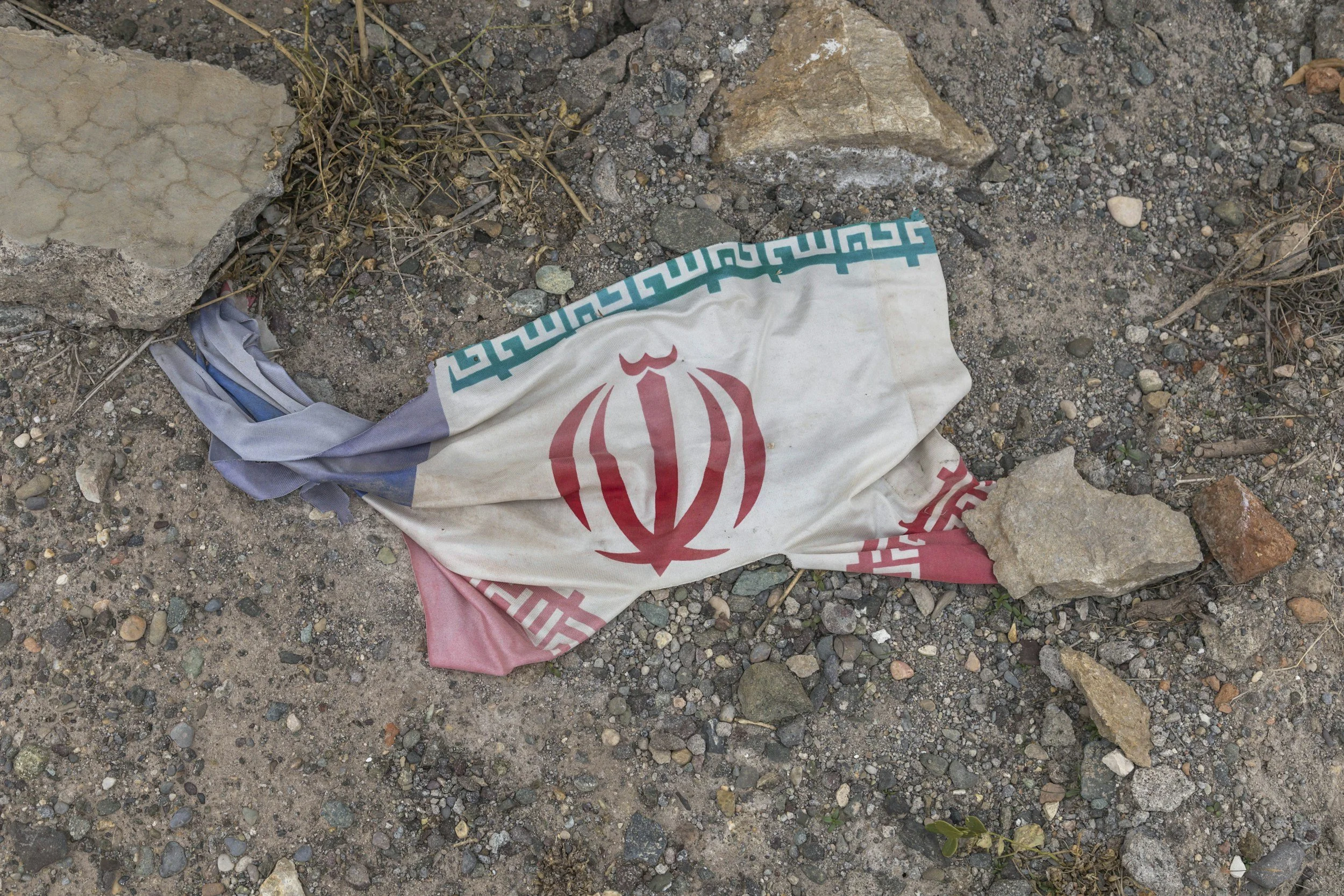
Read MoreReligious minorities in Iran are facing more persecution, human rights watchdog organizations warned in a report released on Thursday. Some policy analysts said last year’s conflict with Israel and the U.S. may have pushed the regime to look for a “scapegoat” to blame — and found it in religious and ethnic minorities.
Read MoreSince Frederick Chiluba declared Zambia a Christian nation in 1991, religious rhetoric has shaped governance and elections in the African nation. Despite widespread faith, political corruption, poverty and inequality persists — leading some critics to argue the declaration remains largely symbolic rather than transformative in practice today.
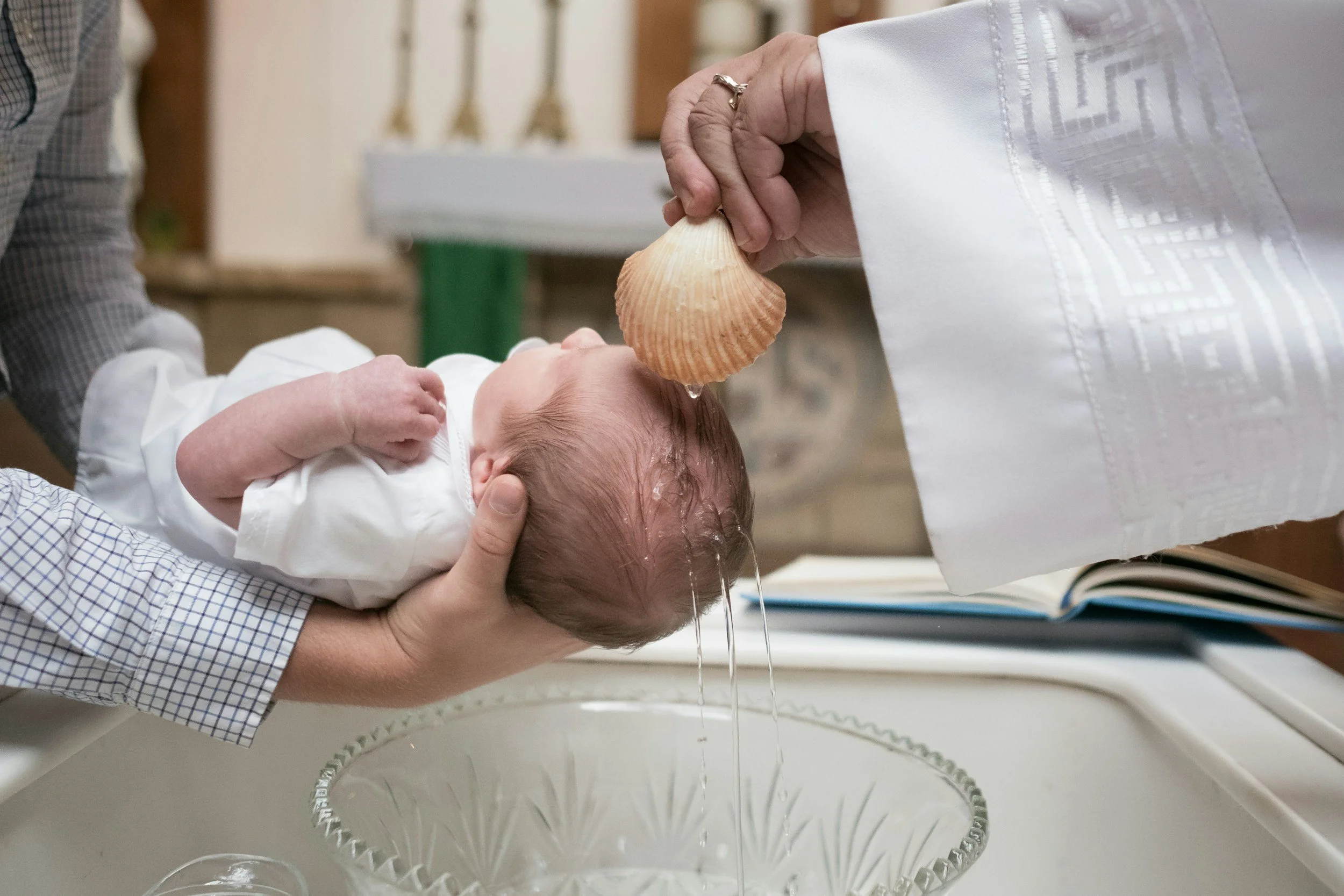
Read More(ANALYSIS) Former Irish President Mary McAleese argues that infant baptism violates children’s human rights by imposing church membership without consent. Critics respond that parents possess religious freedom in child-rearing, note historical and biblical defenses of infant baptism, and compare similar birth rituals across Christianity, Judaism, Islam, Hinduism, Buddhism and Sikhism.
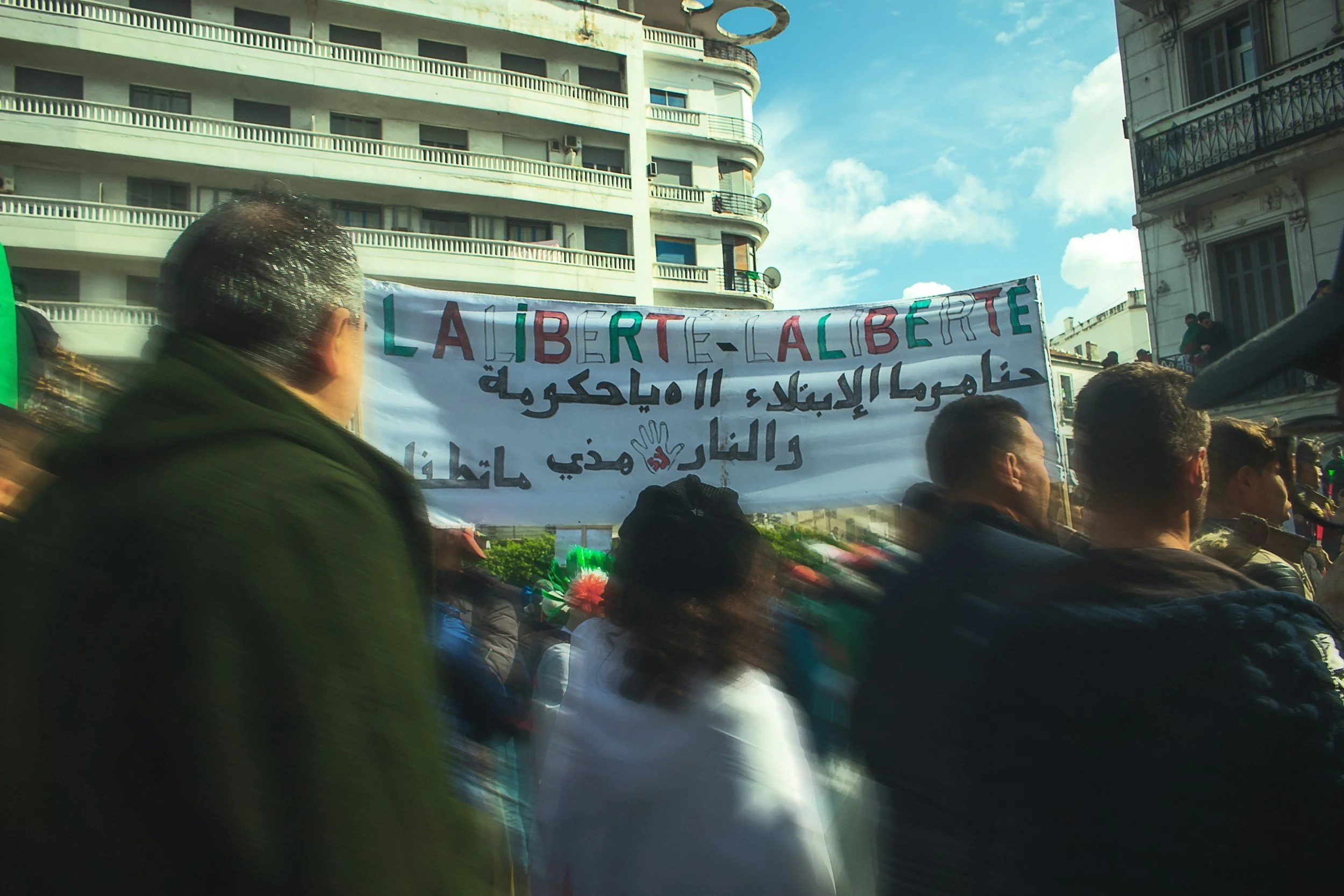
Read More(ANALYSIS) Fifteen years ago, Egyptians from all walks of life took to the street to demand “bread, freedom, social justice.” They were protesting the oppressive 30-year rule of Hosni Mubarak. Egypt had been under martial law for 31 years. This meant that political opposition was silenced, and opponents were often imprisoned and tortured. Police brutality was the norm.
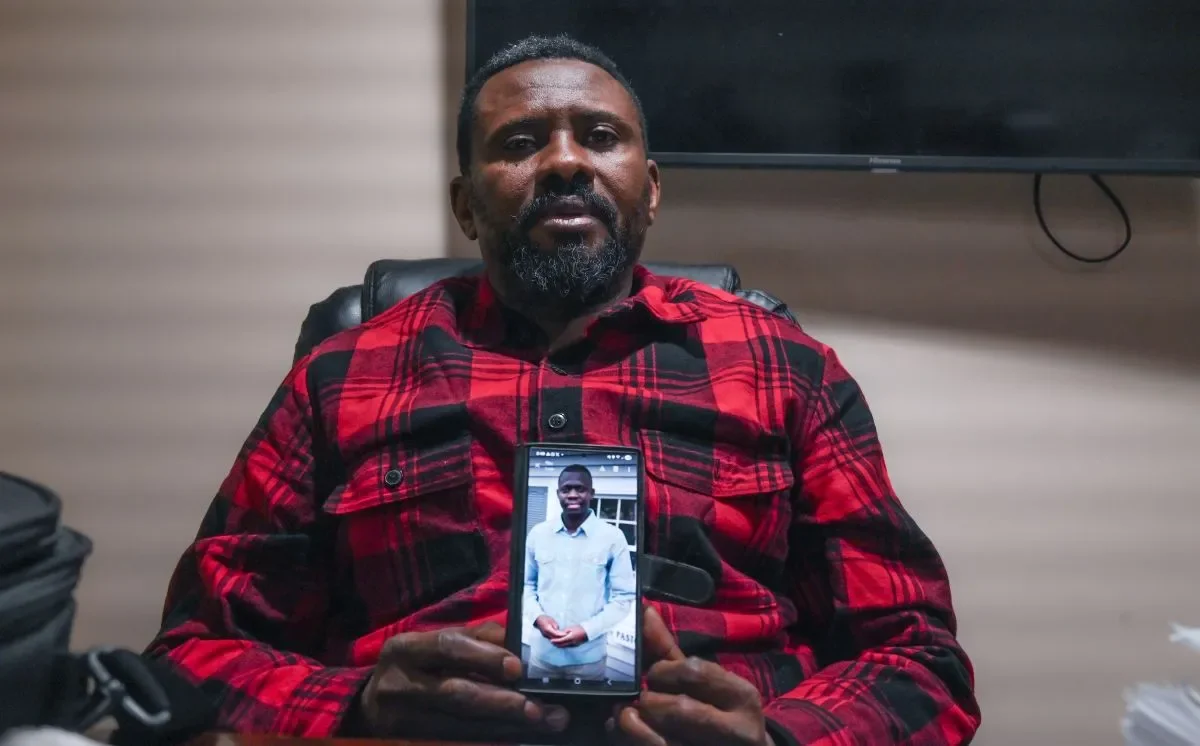
Read MoreOn Jan. 22, pastor Carlos Nzolameso received a call from a member of his congregation who was searching for a roommate. Evaristo Kalonji had not shown up to work. Several congregants also reached out to Nzolameso, concerned that Kalonji, an asylum seeker from Angola, was missing. Nzolameso, who leads Maine’s Rehoboth Christian Church, said Kalonji, is like a son.
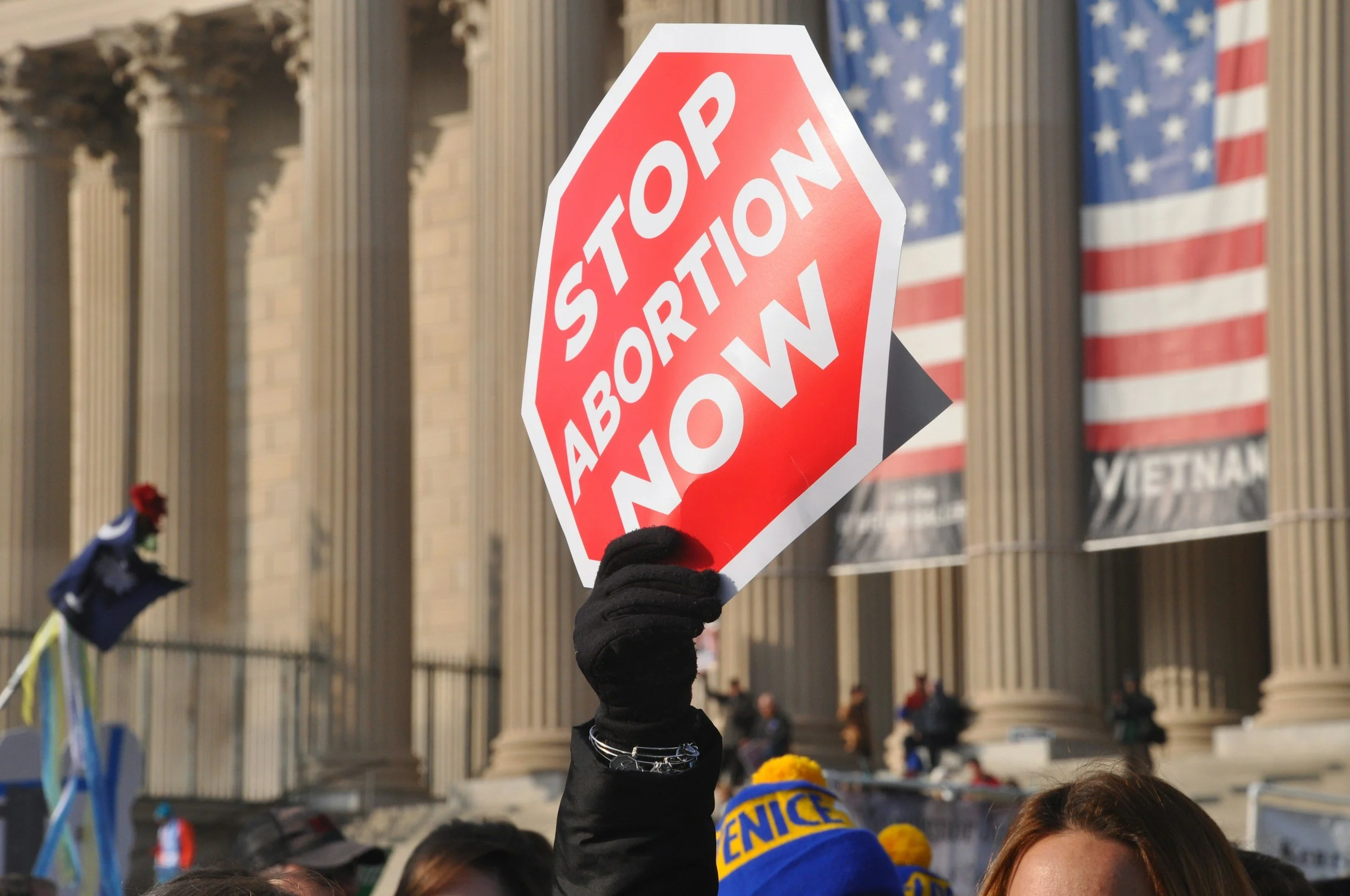
Read More(ANALYSIS) Beyond the debate over who is polarized in the U.S., there’s an adjacent, and perhaps more critical, discussion I want to tackle today: What drives polarized views? There is ample reason to think that religiosity impacts views on topics like abortion, same-sex marriage, and gender identity.
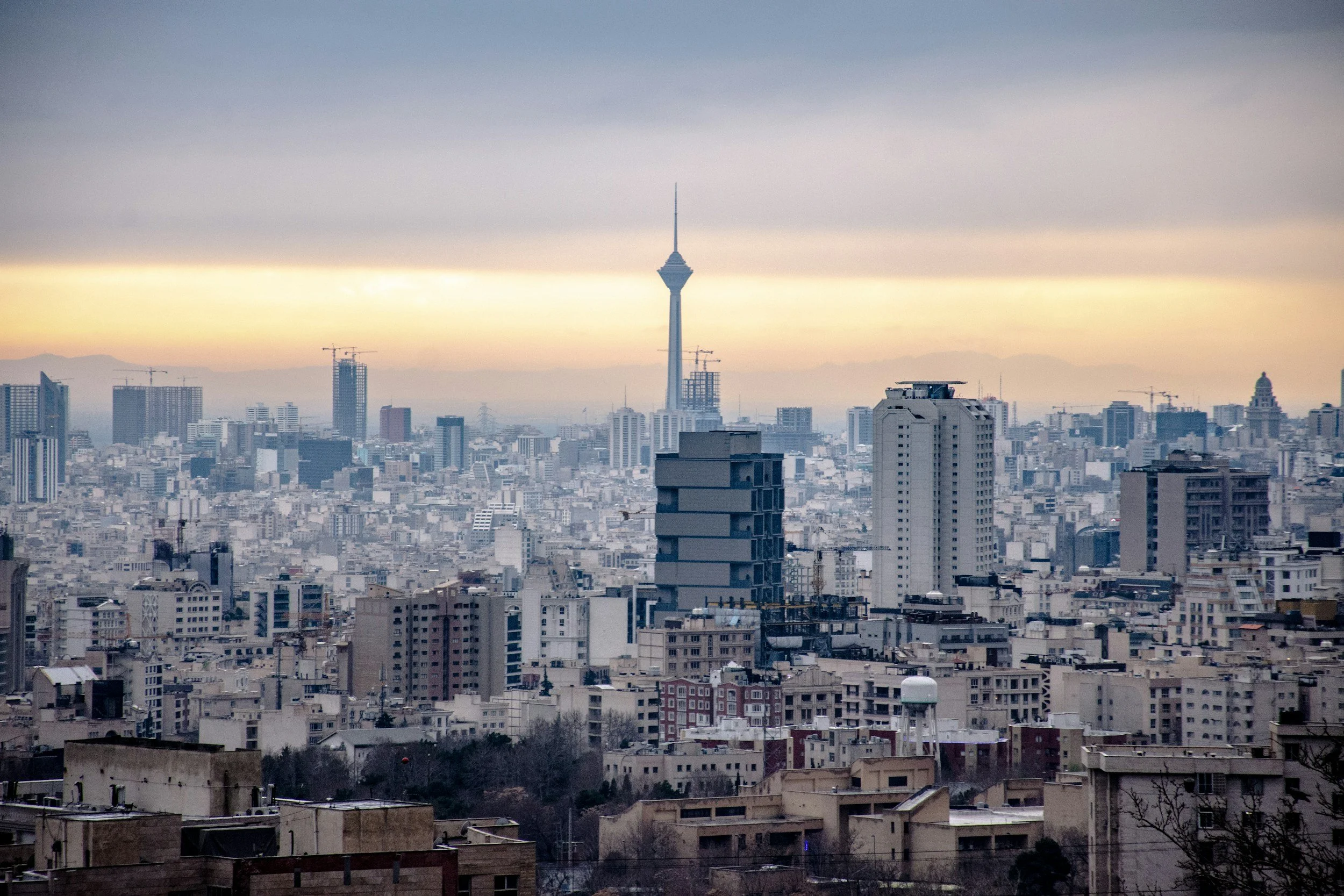
Read More(ANALYSIS) You’ve seen the headlines about Iran’s uprising, but there is a deeper story: Two-thirds of the nation’s mosques, 50,000 out of 75,000, have been closed due to declining worship attendance, according to a high-ranking cleric. What does that mean for Iran and for Islam?
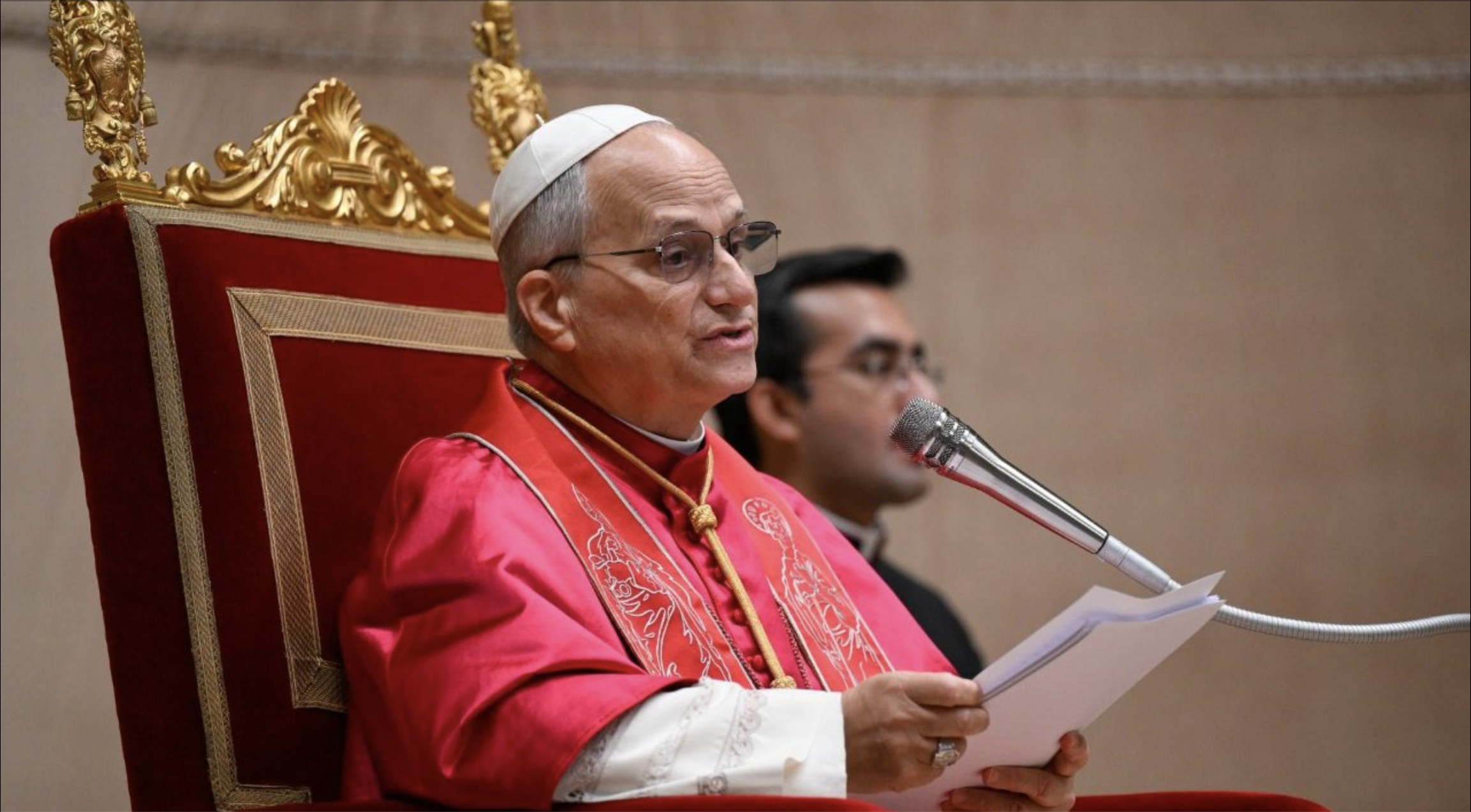
Read More“It is painful to see how, especially in the West, the space for genuine freedom of expression is rapidly shrinking," said Leo.
Read MoreFor someone who once appeared on a U.S. black list, Philippa Winkler seems calm, almost proud. Despite the exalted company she keeps, in the eyes of some, this makes her dangerous. The list she ended up on was the notorious S.H.I.T. List (Self-Hating and/or Israel Threatening), maintained by a pro-Israel group.
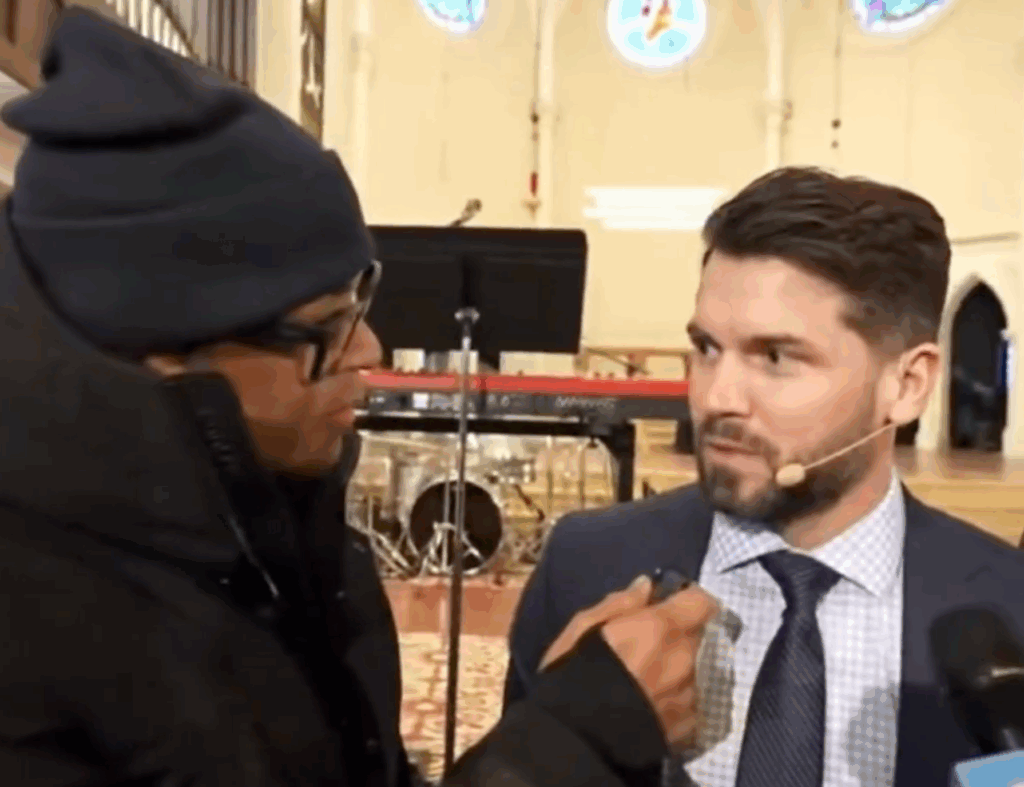
Read MoreLeaders of Cities Church condemned protestors who disrupted a St. Paul worship service, calling the conduct unlawful and intimidating. Pastor Jonathan Parnell addressed the incident biblically, urging perseverance. The Department of Justice began investigating, while church leaders affirmed their mission and called on authorities to protect religious freedom rights broadly.
Read MoreViolence against Christians has reached an all-time high in 15 countries, with 388 million people facing severe persecution worldwide, Open Doors reported. Nigeria remains the deadliest nation, while Syria saw the largest single-year rise amid instability. Other dangerous parts of the world include North Korea, Somalia and Yemen.
Read More(ANALYSIS) Religious freedom in Hong Kong and Macau seems to be at the mercy of the ruling authoritarian Chinese Communist Party in People's Republic of China. Falun Gong, a spiritual discipline that was banned by the People’s Republic of China in 1999, but remained active in Hong Kong and Macau, has been gradually losing its religious freedom.
Read More(OPINION) Days of protest across Iran left hundreds dead as authorities imposed an unprecedented internet blackout to suppress dissent. Social media nevertheless shaped mobilization, documentation and global awareness through diaspora networks and dissident media, revealing escalating demands for regime change through the use of technology.
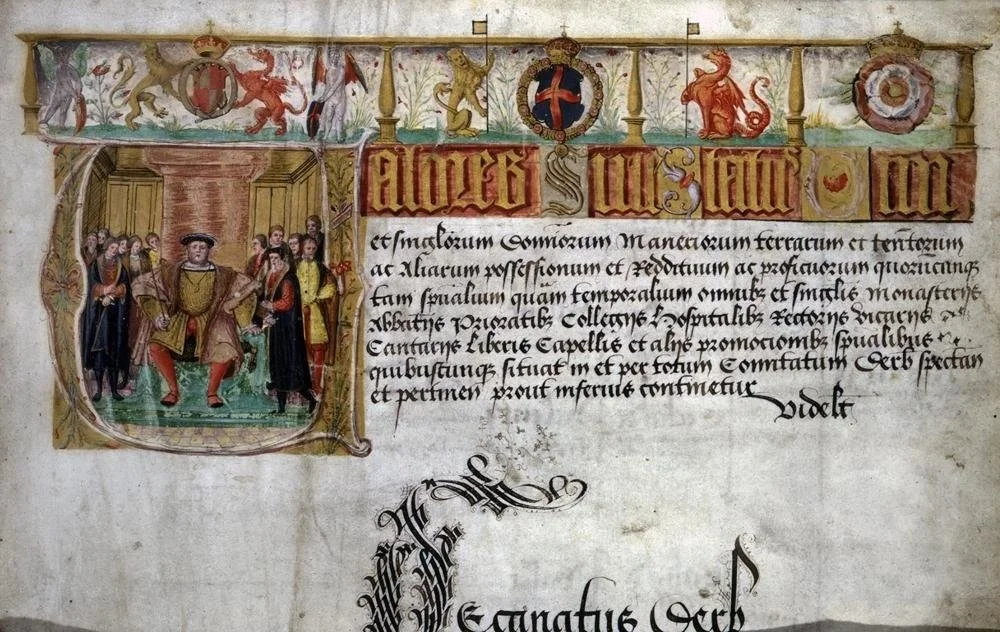
Read MoreHistory nerds rejoice! An incredibly detailed land-use survey and census from the 1500s, commissioned by none other than Henry VIII, will soon be digitally available to everyone, including genealogists, educators, researchers and community groups, thanks to a new $2 million project. The historic records, published under the title “Valor Ecclesiasticus,” or Value of the Church, were the Tudor equivalent of the Domesday Book.
Read MoreNigeria, Rwanda, China, Mozambique and Mexico were the most dangerous countries for Christians from 2023-2025 in five distinct categories of persecution, Global Christian Relief said in its second annual Red List.
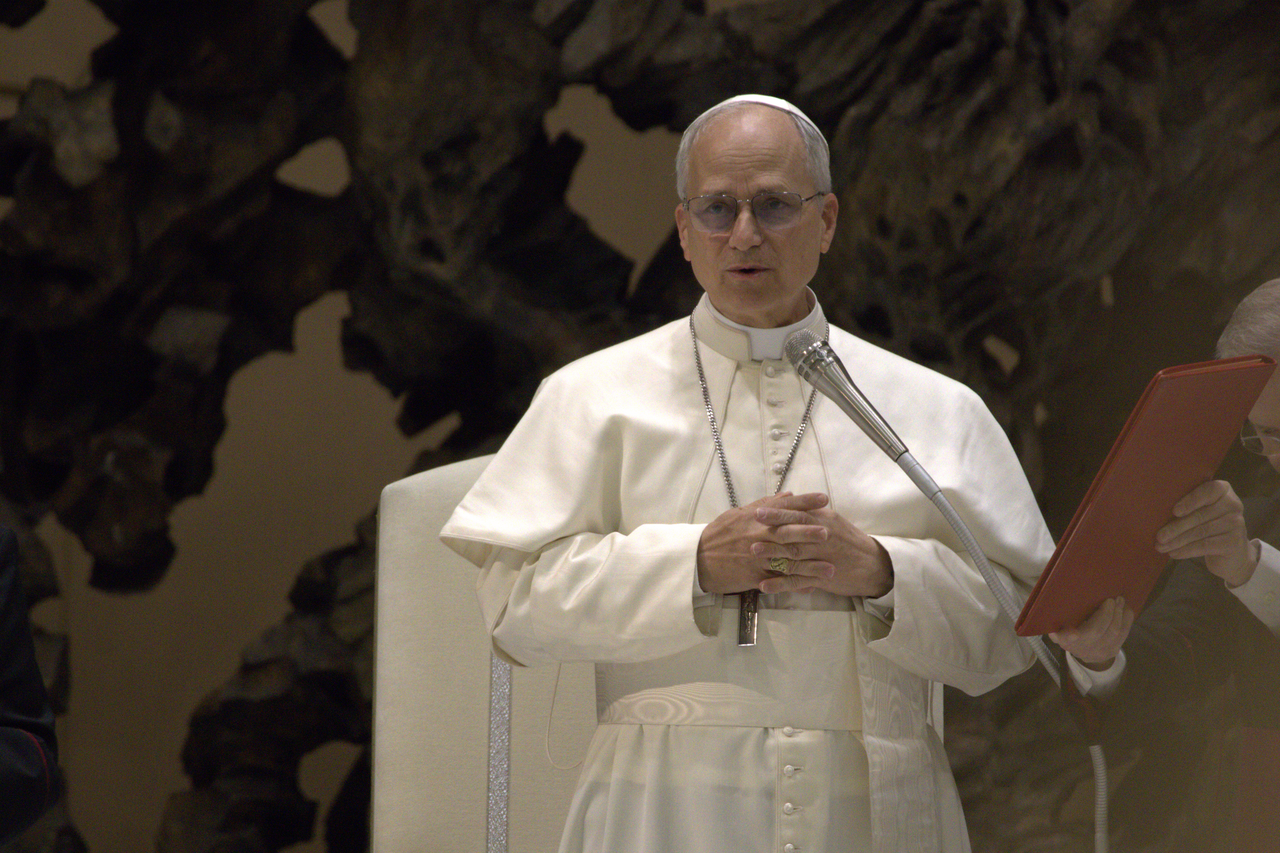
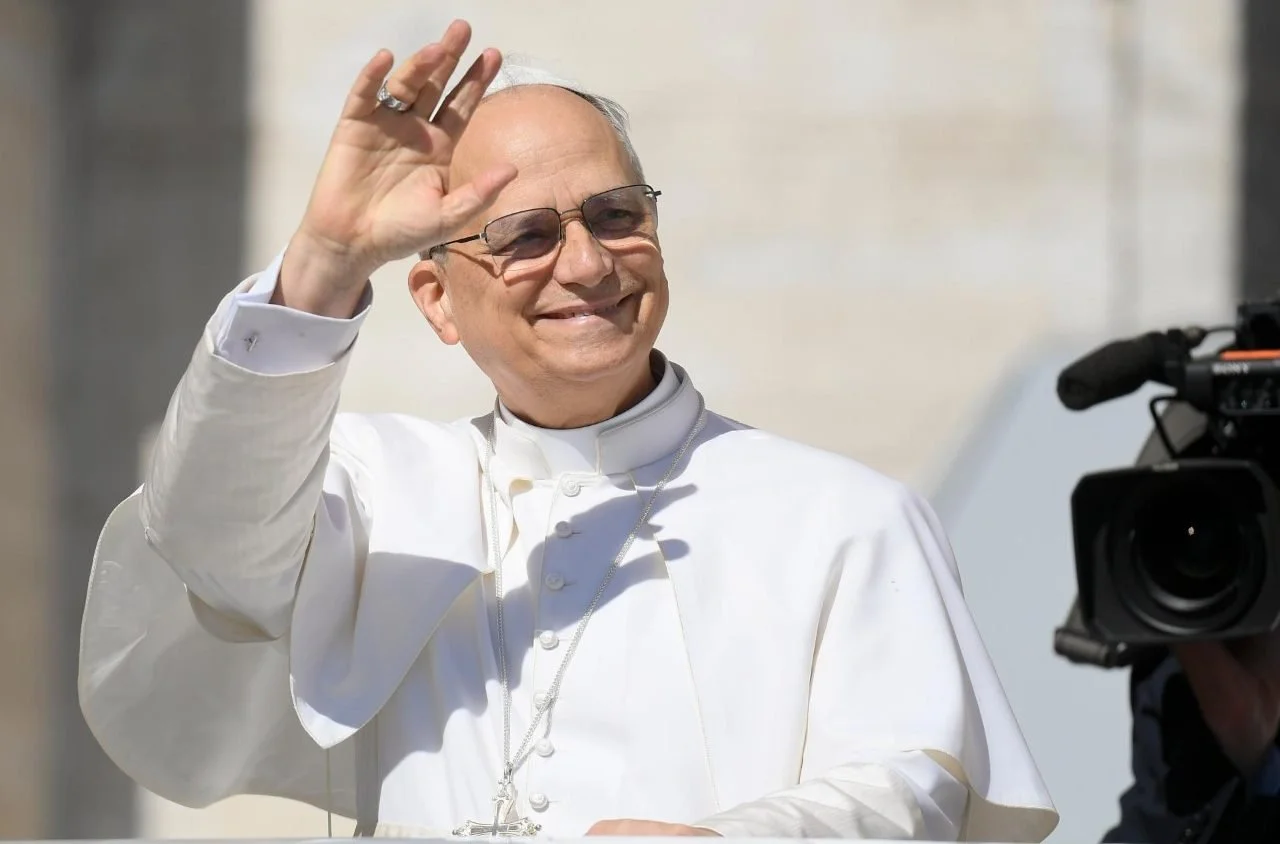
Read More(ANALYSIS) Pope Leo XIV used an annual address to Vatican diplomats to warn that global politics had shifted toward militarism and force. Without naming any political leaders, he criticized war, erosion of international law and weakened human rights, positioning the Holy See as a moral counterweight to rising geopolitical tensions in many places around the world.
Read MoreIt is a fraught time to lead a Christian congregation. Church leaders are navigating concerns about President Donald Trump’s second term, ongoing ICE raids, difficult conversations following Charlie Kirk’s murder — and also trying to dodge spiritual and occupational burnout along the way.
Read More