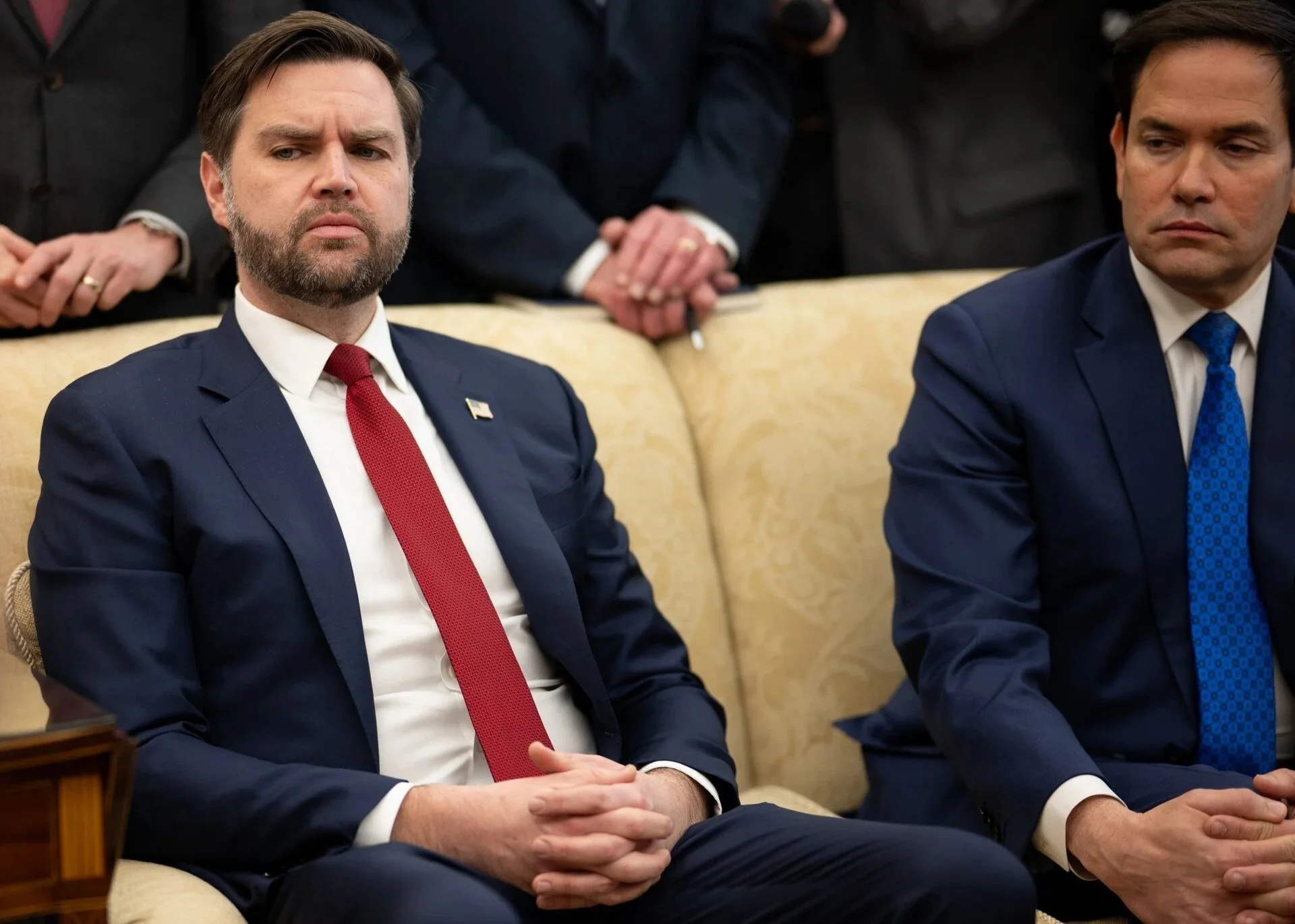
It isn’t normal for the New York Times to publish a Bible study about a huge story in American politics.
Read More
It isn’t normal for the New York Times to publish a Bible study about a huge story in American politics.
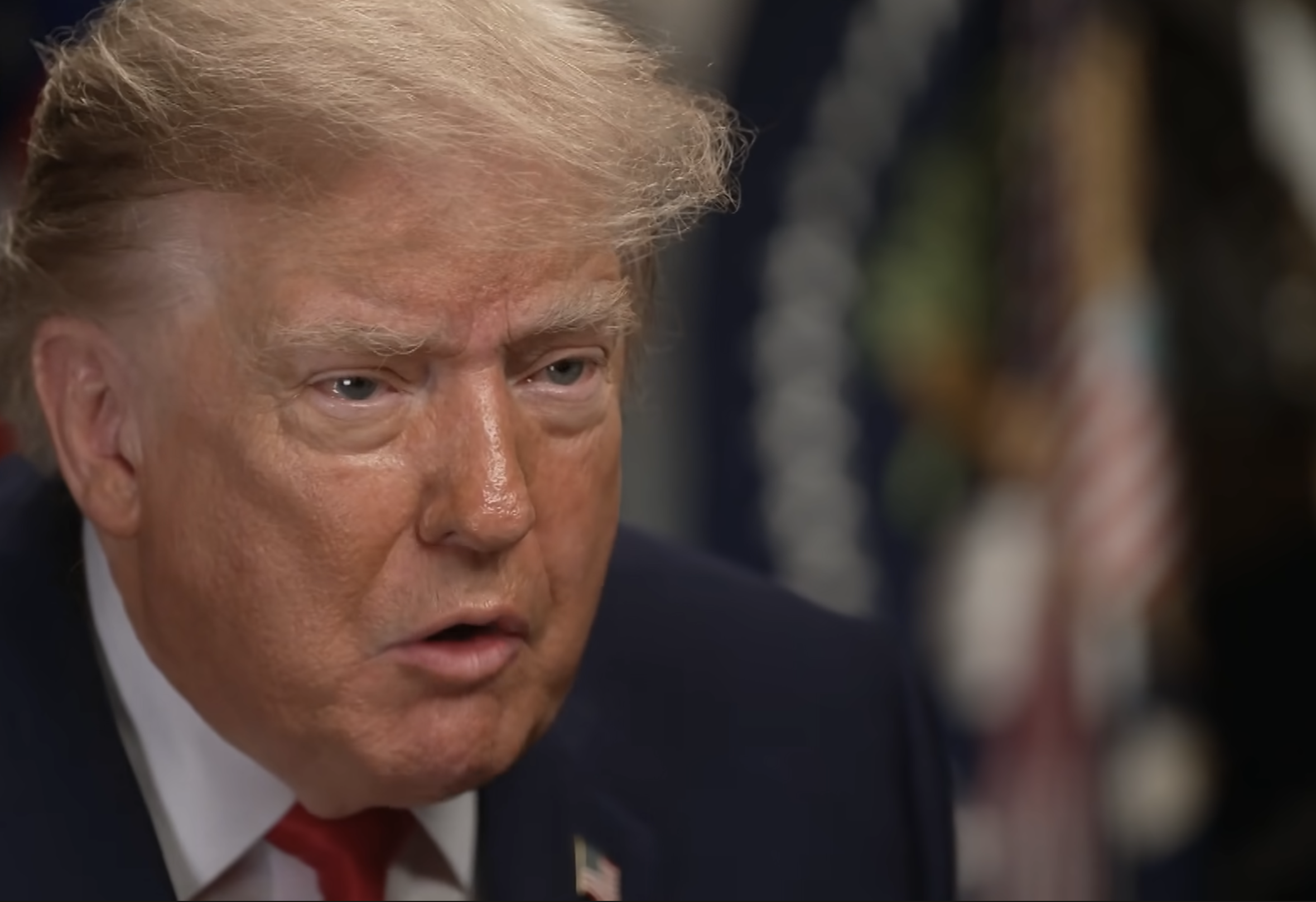
Read More(ANALYSIS) It was a striking exchange, not least because it touched on one of Christianity’s most fundamental teachings. Forgiveness is not an optional extra in the Christian faith, nor is it simply a virtue reserved for particularly compassionate people. It lies at the very heart of the relationship between humanity and God.
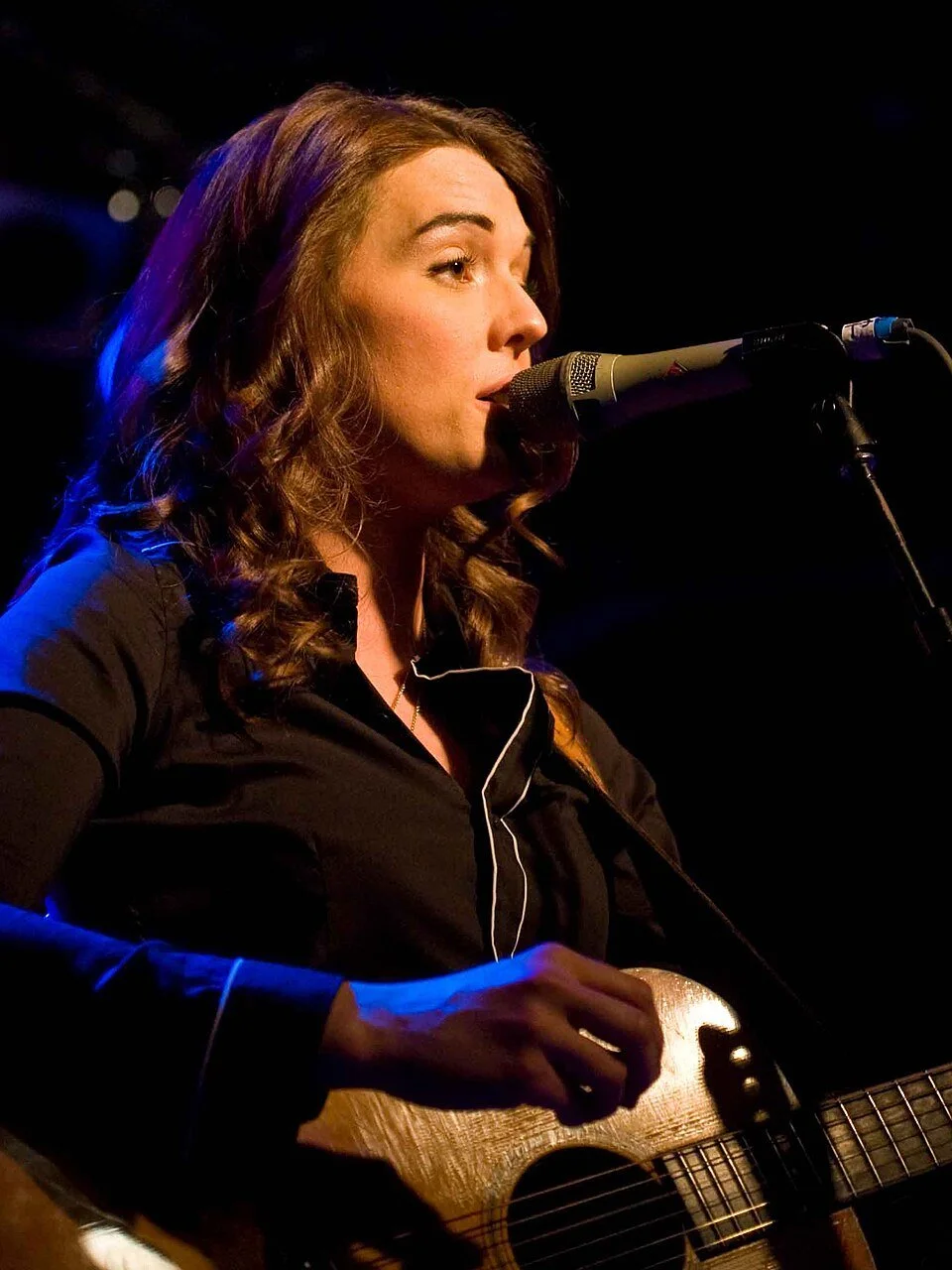
Read More(OPINION) I have a confession: I’ve tried for years to interview Carlile about the spirituality in her music. It hasn’t happened yet, but I’m holding onto the dream. Brandi, if you’re reading this, it’s OK to change your mind!
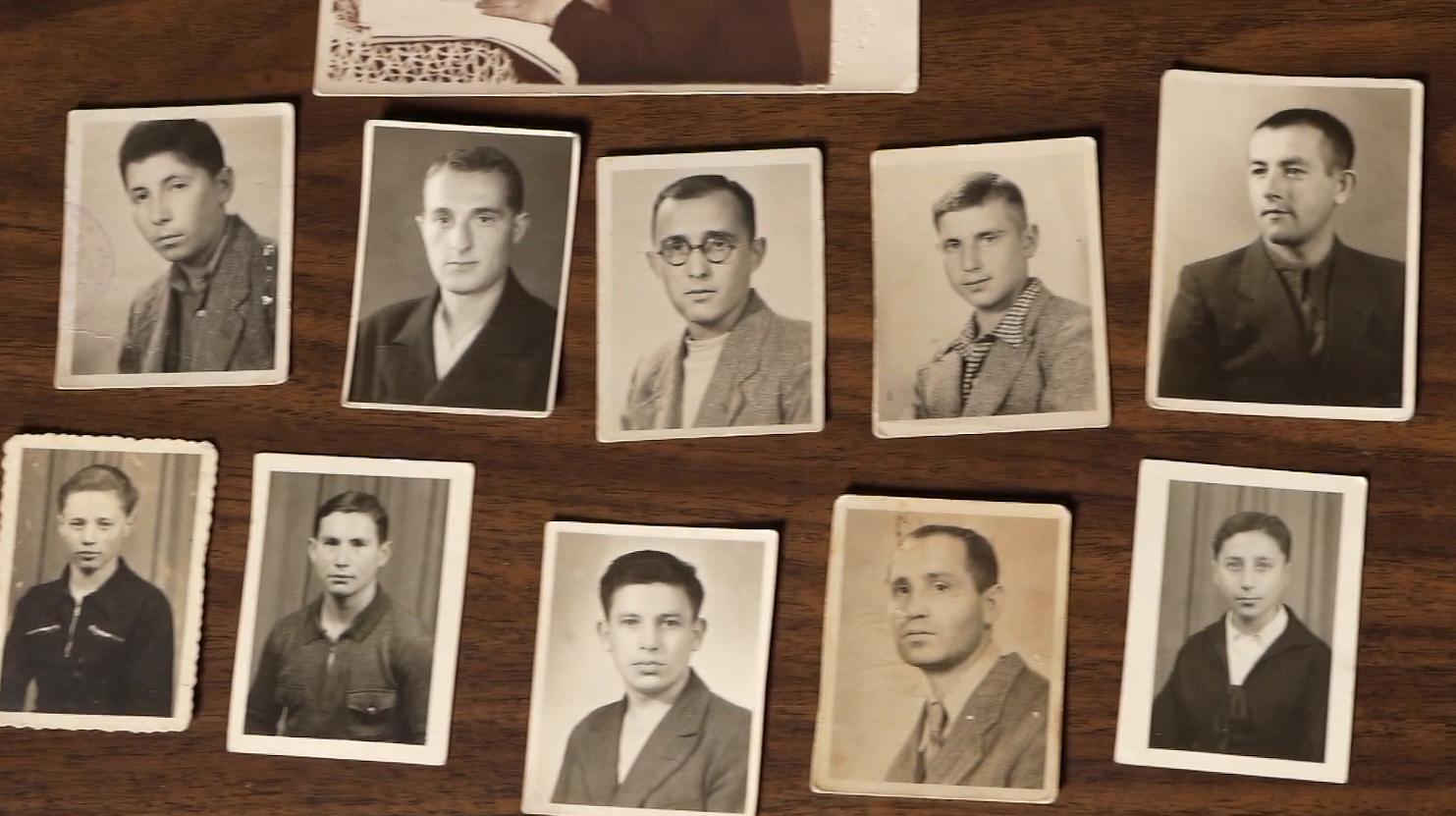
Read MoreFor over a quarter-century, Anna Salton Eisen has worked to uncover — and share — the secrets of her father George Lucius Salton’s Holocaust experience. Her new documentary “In My Father’s Words” mixes interviews with her late father with historical footage, documents and pictures.
Read More(ANALYSIS) As both parties begin positioning themselves for the 2028 presidential election, faith could become one of the defining factors in determining which candidates connect with voters. The lesson from the midterms is that religious voters should no longer be viewed as a single political constituency.
Read MoreFaith emerged as one of the defining storylines of this election, influencing how candidates presented themselves, how voters understood issues and how young people connected their personal beliefs with their political choices. From James Talarico’s progressive interpretation of Christianity to Abdul El-Sayed, a practicing Muslim, religion became more than personal identity.
Read MoreThe results demonstrate that faith and politics often intersect in various ways. Moral questions are often put to voters, candidates’ interpretations of religious teachings and debates over the constitutional place of religion in public life were all on the ballot this year. These results are a prelude as voters prepare for the 2028 presidential race.
Read More(OPINION) If our own freedom were at stake, we would insist on a fair weighing of the facts. Our neighbors deserve that same standard. So does the democracy we share.
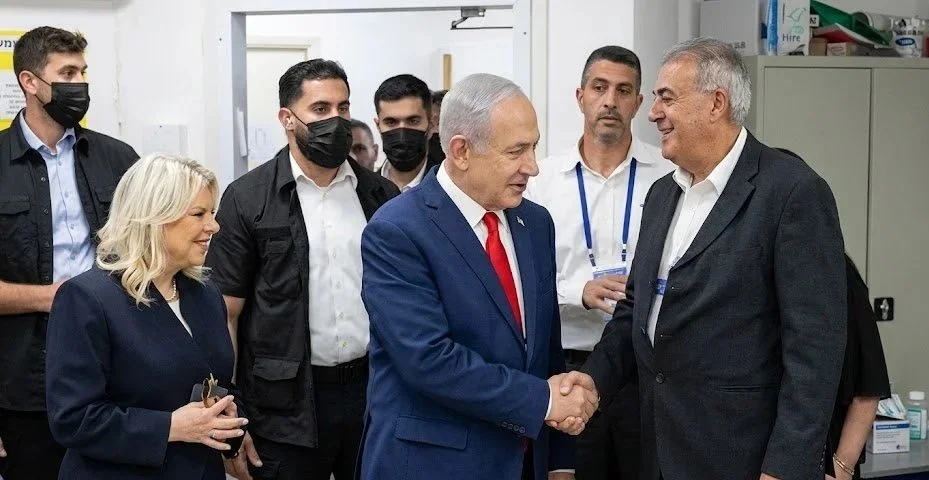
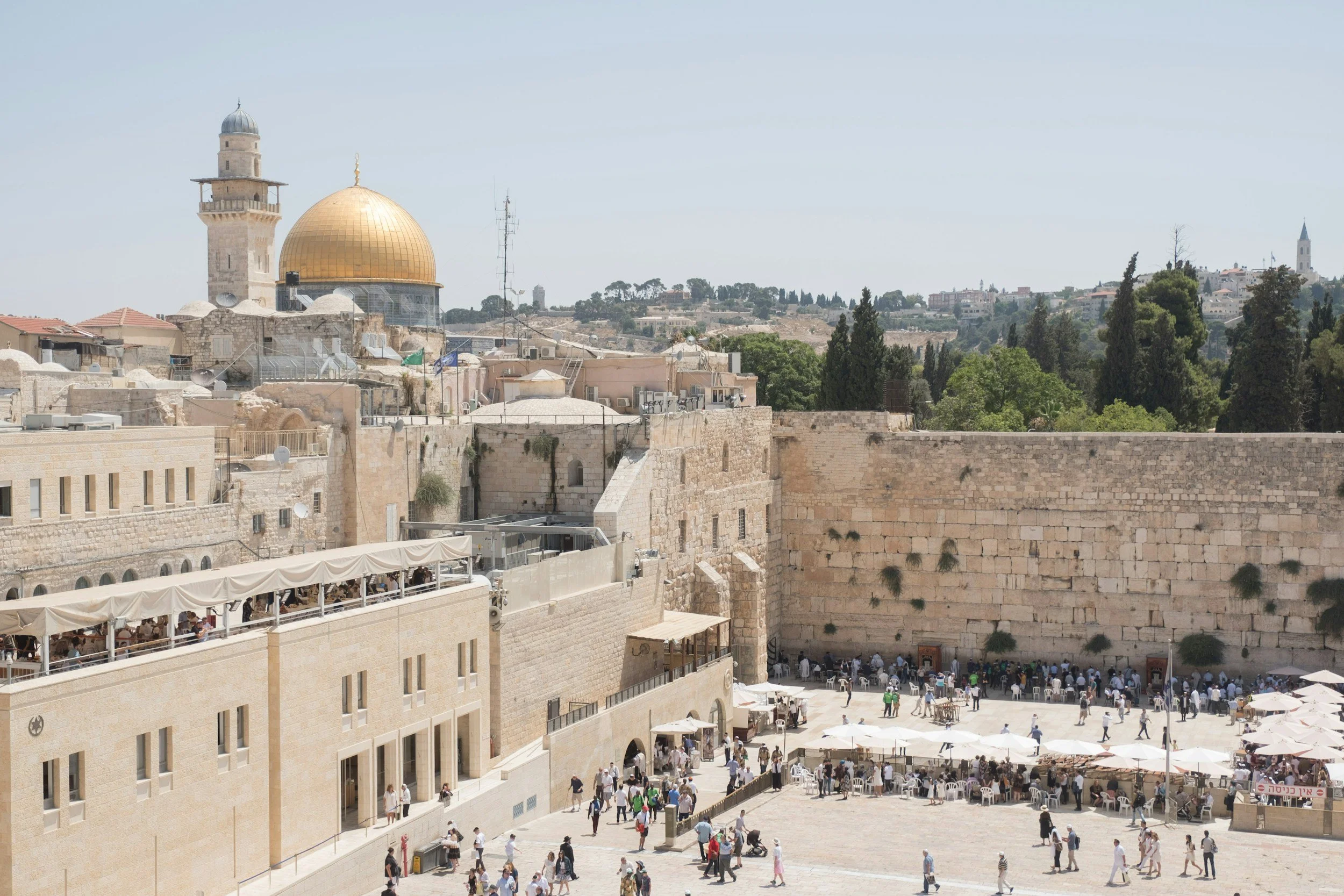
Read More(ANALYSIS) In almost any other parliamentary democracy, such a result would be understood as a decisive victory for the forces seeking a change of government. Yet Israel may be heading toward the extraordinary spectacle of an opposition that wins a commanding majority and nevertheless allows the incumbent, Prime Minister Benjamin Netanyahu and his allies, to remain in power.
Read More(ANALYSIS) Military service is mandatory for most groups in Israel, although Muslim and Christian Arab citizens are exempted. Jewish Israelis see conscription as a unifying experience and a demonstration of commitment to the state. Starting at 18, most women serve two years and men serve almost three. For decades, however, Haredi men received de facto exemptions.
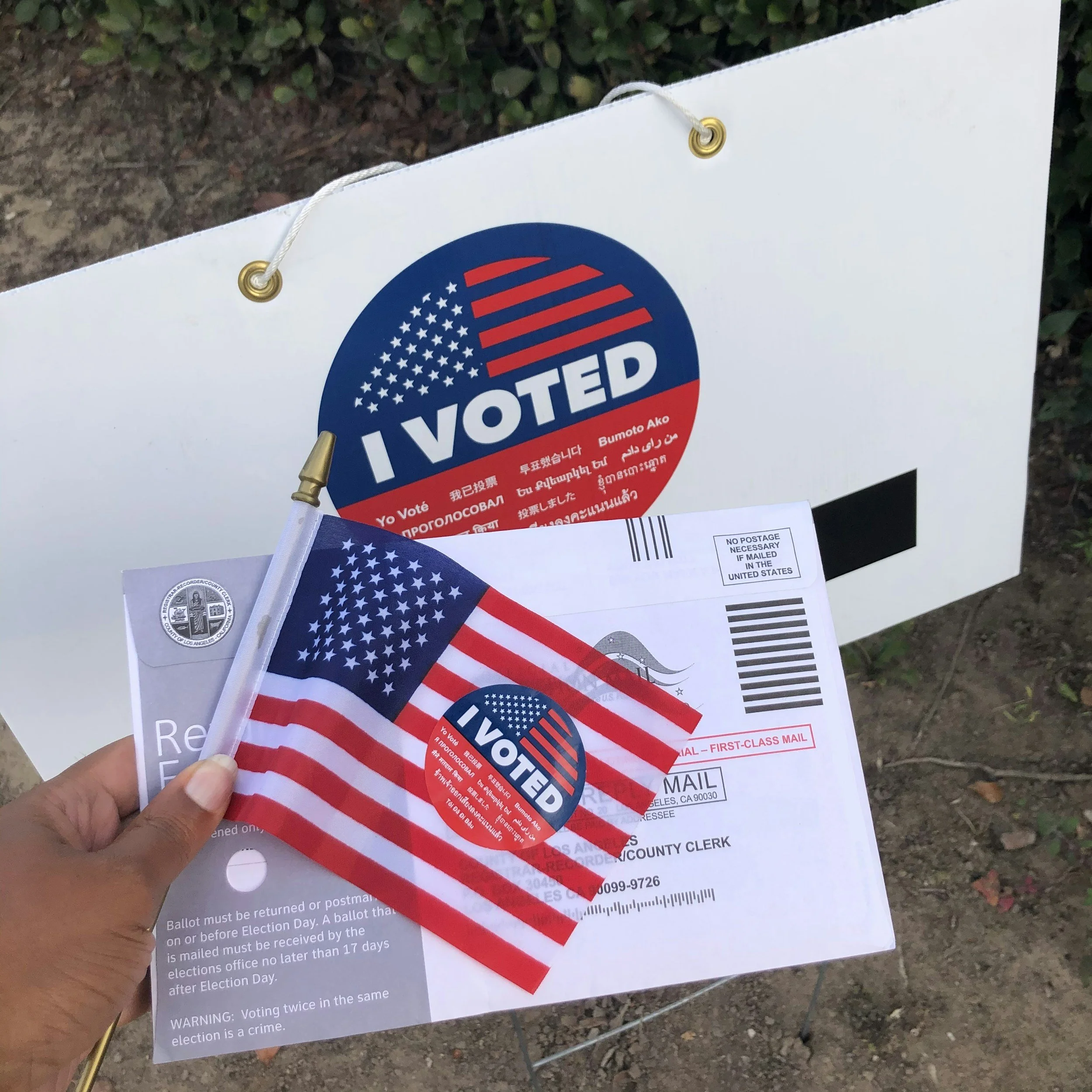
Read More(ANALYSIS) Where do you go to vote on Election Day? I am assuming that all you readers are actually voting. If you don’t, it’s my solemn duty as a classically trained political scientist to tell you that your vote matters and all that. I’ve voted in a bunch of different places in my life, especially when I was in college and graduate school.
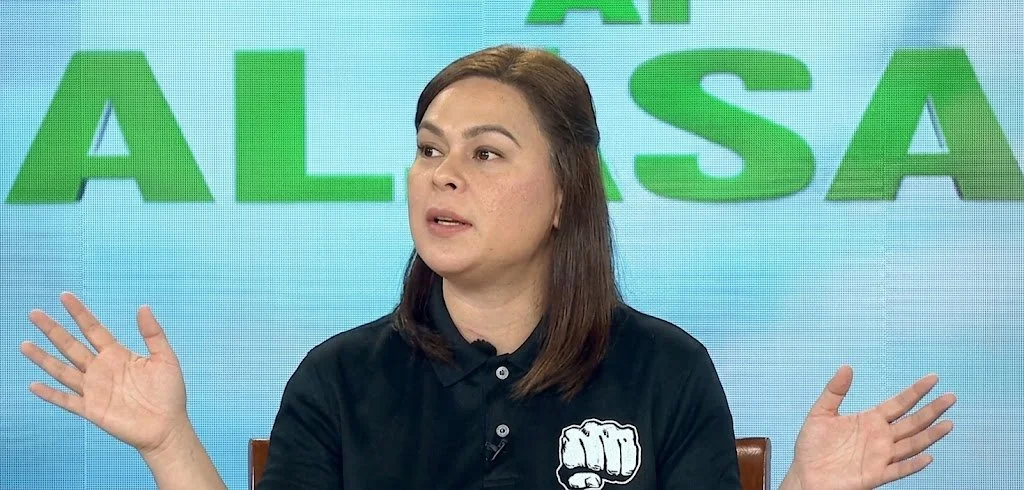
Read MoreDay after day, the senator-judges begin proceedings by asking God for the same things — truth, wisdom, justice and freedom from bias. As they prepare to decide Vice President Sara Duterte’s fate, those prayers have become an implicit measure of the responsibility they have assumed: To turn appeals for divine guidance into a verdict determined by evidence, law and conscience.
Read More(ANALYSIS) It’s a fact that surprises people who don't follow the data and history very closely: Throughout the 1990s and even in the 2000 presidential election, a majority of Muslim Americans voted Republican. But now, most lean Democrat. Can the Democrats hold on to their new base in the 2026 elections?
Read MoreAcross several of the country’s most competitive congressional contests, religious identity has become a central issue for many voters. Here’s a look the the Senate and House races where faith has become a major issue.
Read More(ANALYSIS) Democrats hope Texas state legislator and Presbyterian seminarian James Talarico can win a U.S. Senate seat by appealing to religious voters. Republicans are highlighting his progressive positions on gender, sexuality, abortion, and church-state issues as evidence he is out of step with Texas conservatives.
Read MoreJackson Lahmeyer and Frederick D. Haynes III couldn’t be any more different politically. But both are pastors. Both are running for Congress. And both could win in November.
Read More(ANALYSIS) The Democratic Senate candidacy of James Talarico in Texas represents more than a conventional partisan contest. If he succeeds, it would signal a reopening of that religious space for the left. If he fails, it will only reinforce the notion that overtly Christian rhetoric remains the domain of conservative politics.
Read MoreIt’s a rupture that may not be reversible. Conservative Anglicans from around the world voted to part ways with the church’s leadership in England. When Sarah Mullally — the first woman chosen as the Archbishop of Canterbury — is formally installed later this month, she will be inheriting a church already reorganizing itself without her.
Read More(ANALYSIS) You’ve seen the headlines about Iran’s uprising, but there is a deeper story: Two-thirds of the nation’s mosques, 50,000 out of 75,000, have been closed due to declining worship attendance, according to a high-ranking cleric. What does that mean for Iran and for Islam?
Read More(OPINION) Christian Reconstructionism was a small but influential movement within conservative Protestantism that argued society should be governed by biblical law. Originating with R. J. Rushdoony, its ideas spread through churches, homeschooling, and dominionist networks, shaping debates over religion, politics and culture in the United States.
Read More