(ANALYSIS) Mother’s Day seems like a strange time to celebrate birth control, which, on its most basic level, is about helping people to not become mothers — or not become mothers again.
Read More
(ANALYSIS) Mother’s Day seems like a strange time to celebrate birth control, which, on its most basic level, is about helping people to not become mothers — or not become mothers again.
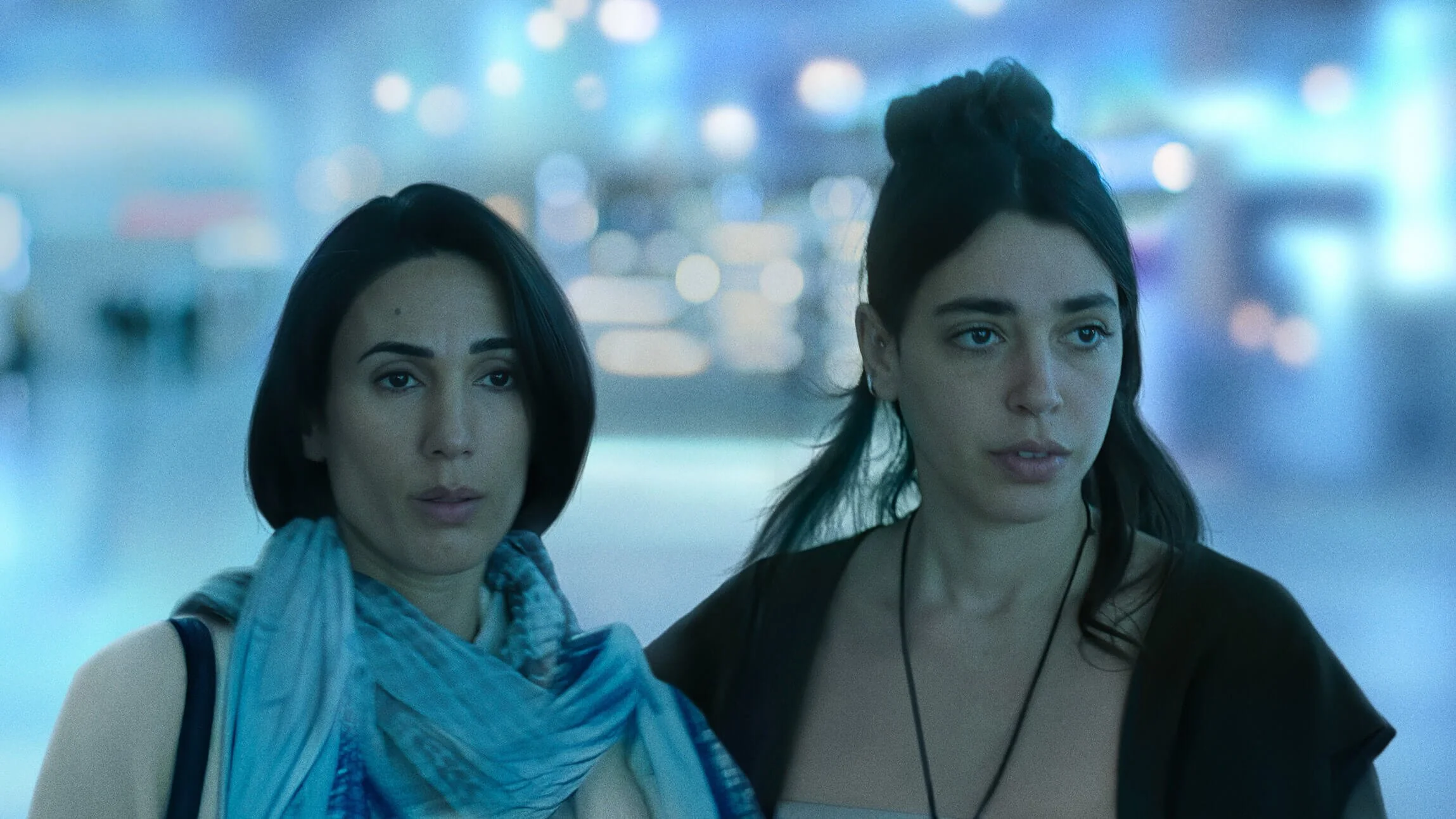
Read MoreThe Israeli thriller “Unconditional” has sparked accusations of “hasbara” before release, but the series proves more complicated than simple propaganda. Following a young Israeli woman imprisoned in Russia, the show explores national image-making, Israeli behavior abroad, and the moral gray zones surrounding identity, war, and public perception.
Read More(ANALYSIS) The general admonition is the same in many faith communities: Try to marry someone who shares your faith background. That’s certainly a well-established norm in Jewish communities.
Read More(ANALYSIS) Mother’s Day in the U.S. now drives about $34 billion in spending, but its founder, Anna Jarvis, envisioned it as a day honoring mothers’ social and moral influence. From ancient traditions to modern activism, mothers have long been seen as protectors and advocates for peace — a legacy often overshadowed today.
Read MorePolls and news coverage explaining the voting habits of “evangelicals” are haunted by the same kinds of questions. Define an “evangelical” voter. Please.
Read More(ANALYSIS) When he was elected pope last May, Robert Prevost, who took the name Leo XIV, greeted the crowd with Christ’s words to his disciples: “Peace be with you.” Peace has become a central theme of the pontificate of the first American pope. In recent months, opposing the war in the Middle East, Leo has said that the “world is being ravaged by a handful of tyrants.”
Read MorePastor Greg Locke retracted years-old allegations accusing Kenneth Copeland, Joel Osteen and others of abuse, admitting he lacked any evidence. The claims unraveled after scrutiny from apologist Mike Winger, prompting Locke to admit he had been misled and been used as an “amplifier.”
Read MoreTo fully understand Atlanta, you have to look beyond its highways and glass towers, back to the broader history of Georgia and its unusual role during colonial America. In that earlier era, a quiet but consequential force — religious diversity — helped shape a mindset that would eventually contribute to the movement for independence in 1776.
Read More(ANALYSIS) For those who have been long-time subscribers to this newsletter, you will know that the predominant approach to measuring religion is called “the three B’s.”
Read MoreThe U.S. Supreme Court has stayed a Fifth Circuit Court of Appeals nationwide ban on mail-order abortion pills, the main mode of pregnancy termination in the U.S.
Read MoreA massive amount of research confirms what your grandma has always told you: Go to church. It’s good for you. And if a church isn’t your scene, a temple, mosque, synagogue or gurdwara would also do. In fact, religious involvement is strongly associated with better mental, physical and social health outcomes, according to a new study.
Read More(ANALYSIS) Ask most people what they know about religion in the Pacific Northwest, and you’ll get a shrug. “Isn’t that the none zone?”
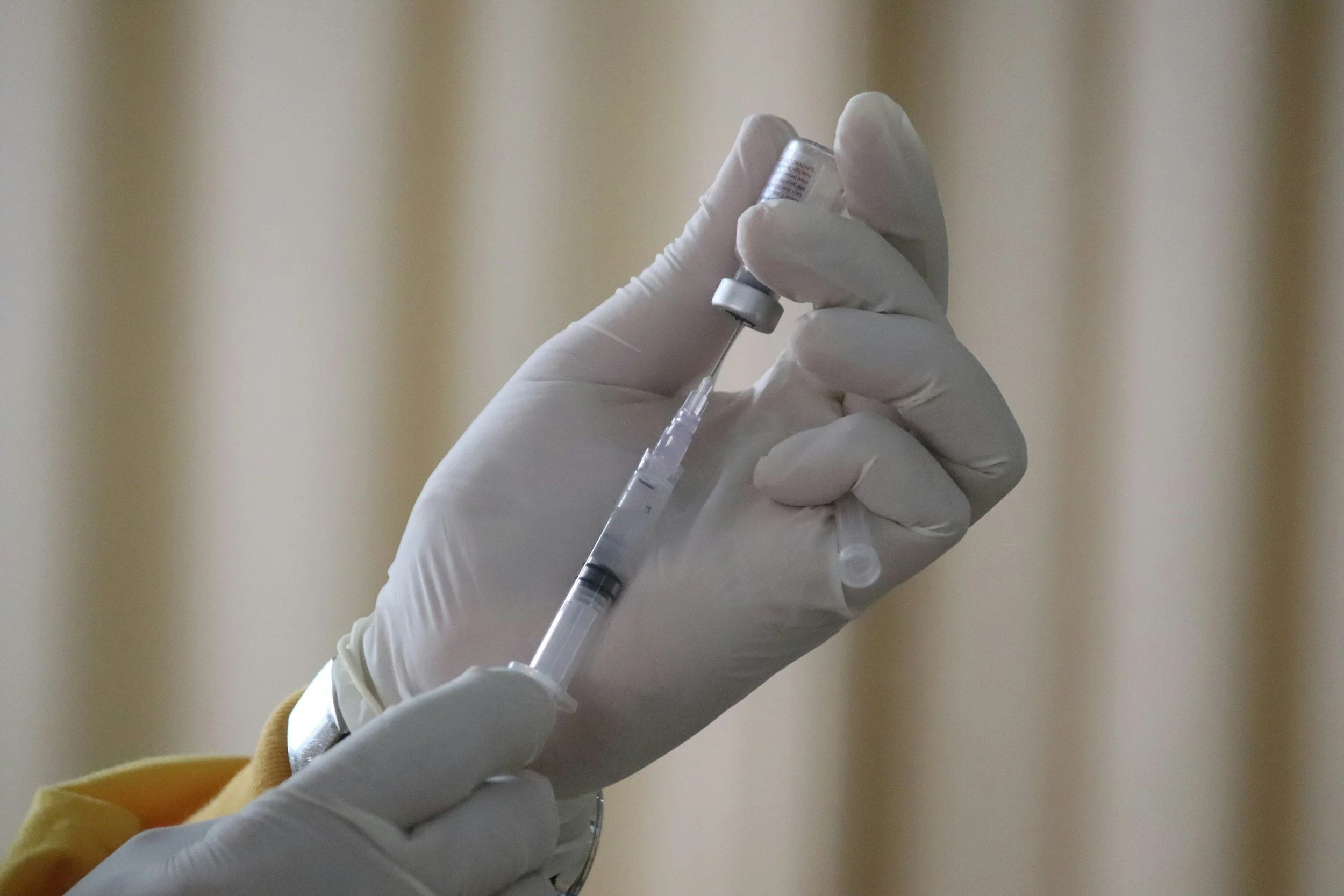
Read MoreIn a new book, a religious studies scholar discusses how the concepts of conversion, testimony and purity can be used to study the vaccine hesitancy movement. Author Kira Ganga Kieffer explains how the vaccine hesitancy movement became bound up with religious liberty activists in trying to preserve their rights.
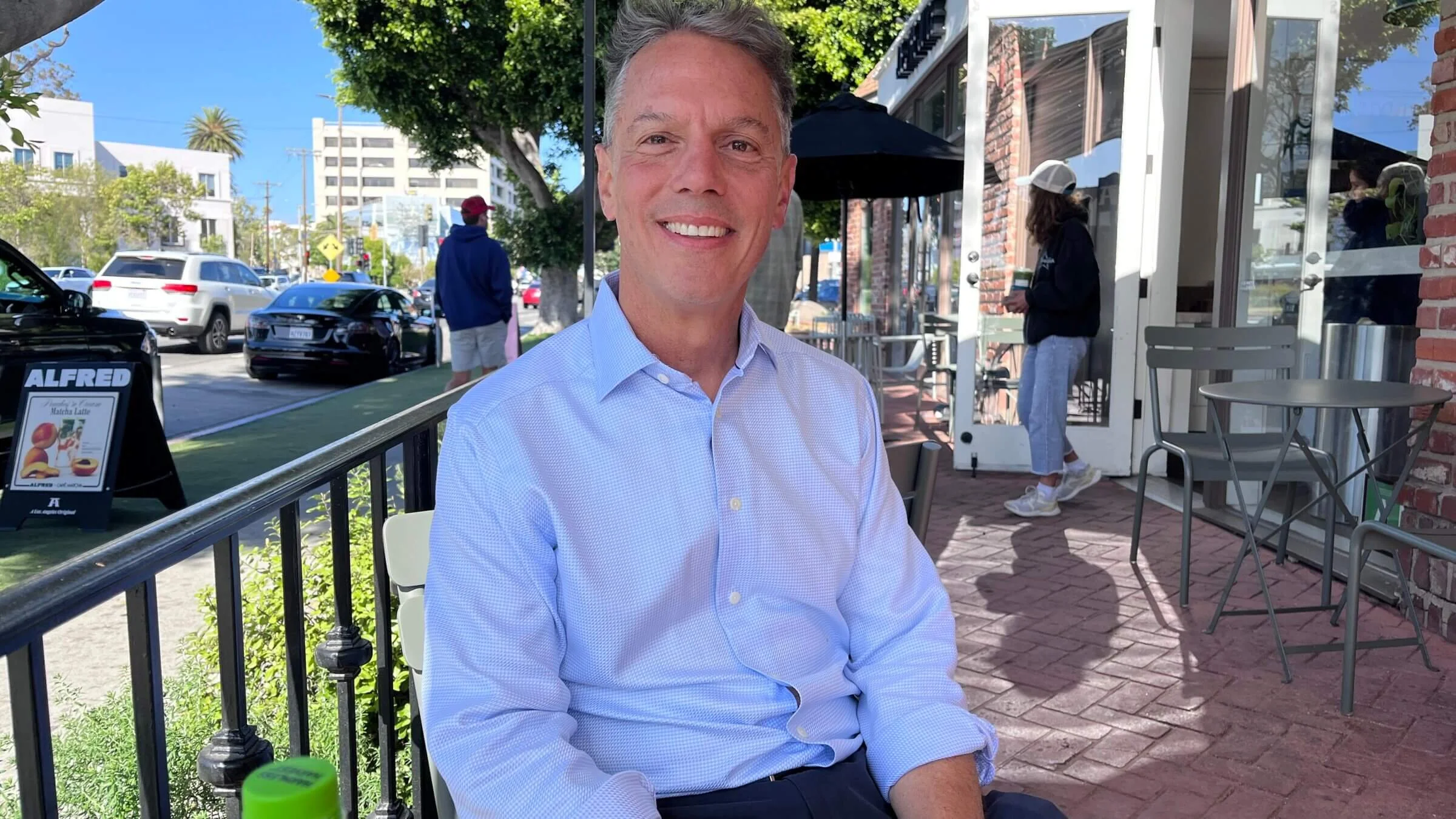
Read MoreAdam Miller, a Los Angeles mayoral candidate and former tech executive, is beginning to highlight his Jewish identity after initially downplaying it. He frames his background and leadership at Ikar as key qualifications, while criticizing city leadership on antisemitism, positioning himself as a moderate alternative in a competitive race.
Read More(ANALYSIS) Using limited existing data, a new large survey examines how nonreligious Americans view religion, exploring whether they feel hostility toward it and what factors shape attitudes.
Read MoreEvery now and then, a current event comes along that waves a red flag at the mainstream media — warning editors and reporters that there is no way around the religious content in this story. What kind of red flag?
Read More(ANALYSIS) Gen Z is driving a renewed interest in in-person life — from bookstores to churches — as a response to digital isolation. But this revival is fragmented, fueled by online subcultures and personal choice. While community is returning, it’s splintered into niche groups, creating connection within silos rather than a shared cultural or social life.
Read More(ANALYSIS) Pope Leo XIV, during his recent Africa visit, warned Catholics against mixing Christian faith with superstition or other religious practices. He emphasized fidelity to Church teachings amid rapid growth in African churches, while renewed attention to past imagery linked to Pachamama has sparked debate about syncretism and theological clarity.
Read More(ANALYSIS) All this has happened even as President Donald Trump has emphasized a particular idea of religious liberty throughout his second term. In his proclamation for Religious Freedom Day in 2026, he emphasized familiar ideas of Americans’ “God-given right to practice their faith, follow their conscience, and worship their God freely and without fear.” But the statement also seemed to reflect a broader project of lending government support to Christianity.
Read More(ANALYSIS) After years of religious decline, it’s understandable that faith leaders would celebrate any indication of renewal. Yet the eagerness to tout young men’s religious interest and relatively muted discussion of young women’s decreased attachment mirrors a current that has washed through many American churches for over a generation.
Read More