
Looking For A Gen Z Revival? Maybe Check Bookstores And Movie Theatres.
(ANALYSIS) Gen Z is quietly — and sometimes not so quietly — creating a revival.
I’m not talking just about religion, although that’s part of it. Many studies have trickled in about Gen Z, causing a surge of interest in in-person bookstores, vinyl records, DVDs, running clubs and movie theaters. Taken together, these stories paint a picture of revival that is distinctly Gen Z, and more complicated than the headlines imply.
People have long worried about social trends in Western society, particularly among Gen Z. In 2023, the Surgeon General declared a “Loneliness Epidemic.” This loneliness increased “the risk for premature death to levels comparable to smoking 15 cigarettes a day. This was concentrated particularly among Gen Z.
READ: Young Men And Women Increasingly Split On Religion
Young people, ages 16 to 24, feel more lonely than any other age group, including people aged 65 and over. Indeed, 73% of Gen-Z report feeling alone sometimes or always.
This desire for in-person community, nostalgia, driven by online personalities, fits really well with what we see in religion, too.
Online figures like Jordan Peterson, Jonathann Pageau, Gavin Ortland, Ben Shapiro, Trent Horn and Gen Zers like Redeemed Zoomer and Young Anglican have created high levels of enthusiasm for religion — particularly among Gen Z men — realigning previous gender gaps.
Commenting across American society, books like Jonathan Haidt’s “The Anxious Generation,” Ryan Burge’s “The Vanishing Church” and Freya India’s “Girls” have painted a bleak picture of Gen Z’s reality, where social media has replaced in-person communities, meaning young people don’t have the confidence or social skills to have the sort of tight-knit in-person relationships we need to thrive.
But Gen Z seems to be taking agency and making strides to buck these trends. When it comes to movie theaters, they are now, according to Variety, “the most active cinemagoing demographic, attending more films per year than their elders, according to a new Fandango study. They’re also spending more per visit on concessions and on premium format screens like Imax.”
The article goes on, “By generation, 87% of Gen Zers and 82% of millennials saw at least one movie theatrically in the past 12 months, compared with 70% of Gen Xers and 58% of baby boomers. Gen Z and millennials also returned more frequently.”
The motivations for going to the theater are also very consistent with the changing attitudes of Gen Z. Millennials see movie theaters as an antidote to the stress of their offline life, whereas Gen Z sees them as an antidote to their online life.
Even so, many times the movies they decide to see are ones that have gone viral from internet trends. Such as “Barbenheimer” creating a swell of interest in seeing both “Barbie” and “Oppenheimer” or the “Minions” and “A Minecraft Movie” viral videos getting people wanting to be in on the fun.
Bookstores are also seen as an antidote to online life. And they also run on influencers from TikTok selling bookstores and reading as nostalgia for a pre-Internet age.
“Helping to turn this new page in the book business are the Gen Zers discussing book trends on TikTok and millennials who are nostalgic for the big-box bookstores they grew up with,” Bloomberg News reported.
For Gen Z, the bookstores of the ‘90s are a symbol of a wistful pre-social media time they never got to experience.
Michael Pankowski, the founder of the Gen Z marketing consulting firm Crimson Connection, previously told Insider that the pandemic’s effect on in-person made the digital world all Gen Z had.
“So we feel nostalgic for a time before the internet had become so omnipresent,” he said.
The generation digitally bonded during quarantine, taking to TikTok to resurge nostalgic trends and talk about their favorite books. But the common thread in youth nostalgia is that it fosters a sense of belonging. And that’s what chain bookstores provide for Millennials and Gen Z.
The desire for community — and relationships — has caused Gen Z to join sports and running clubs where they can meet and interact with other people. Like movie theaters and bookstores, they also gain their followings from the online world. According to Axios, “Neek Robinson, 27, co-founded 515 Run Club with a few friends. Thanks to its popular Instagram, the group now draws 130–200 people to its 2-mile runs.”
A religious revival?
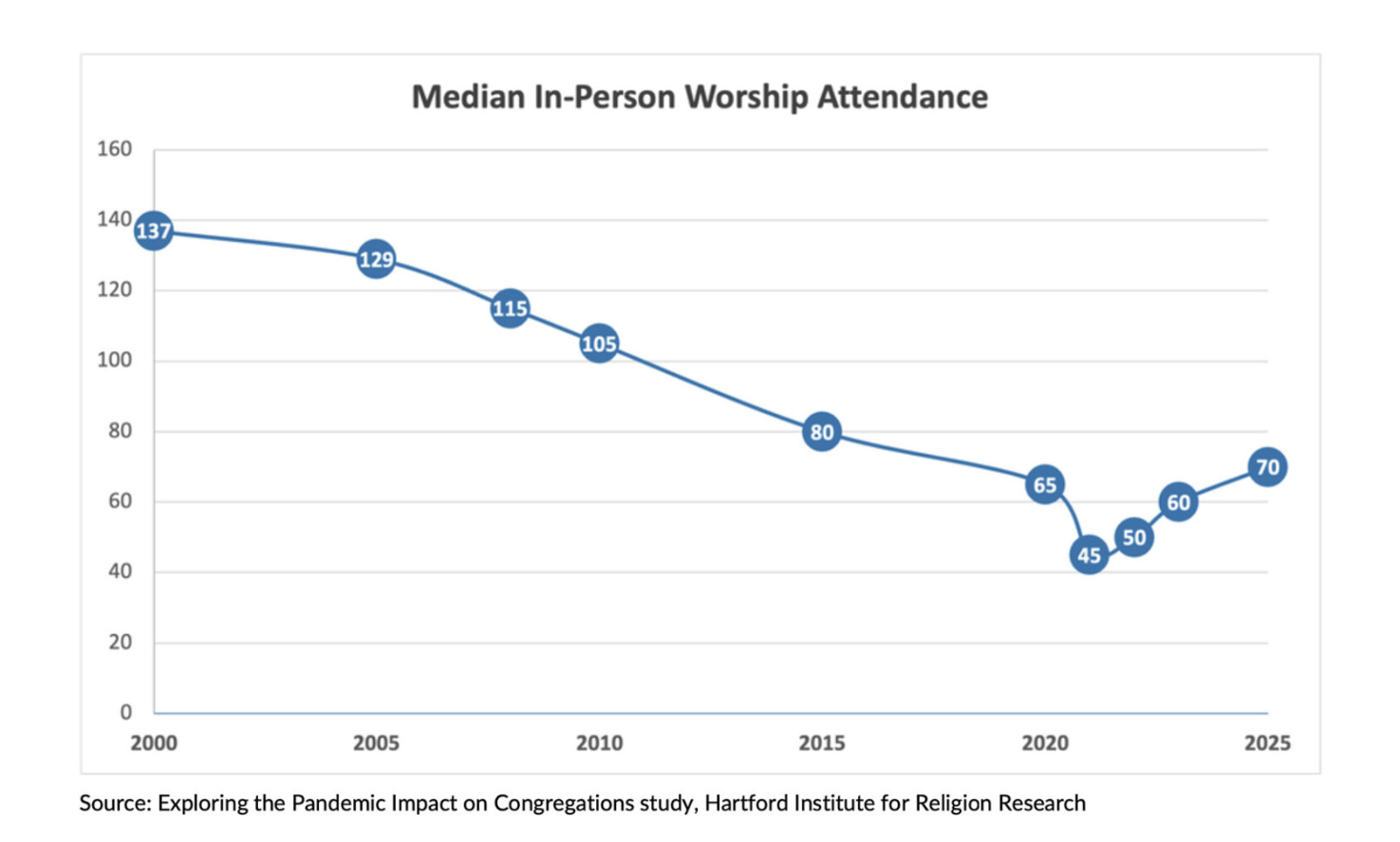
This drive for in-person gatherings has also resulted in a rise in church attendance among young people. In turn, that has translated into lots of stories of conversions and some evidence that Gen Z is outpacing previous generations to return to church in the real world, and surges in Gen Z purchasing Bibles.
Organizations like the Public Religion Institute, however, reported no evidence that there are more Gen Zers who are actually attending church than previous generations. The realignment of men versus women has more to do with women leaving than men joining. But how can the numbers be down while also there being waves of revival and interest?
Ross Douthat, a columnist for The New York Times, gives a helpful possible explanation. He pointed out, “It’s entirely possible for a faith to experience revival and decline simultaneously. … What determines whether a big religion is growing or shrinking is not the convert mentality. It’s how many kids its adherents are having, and whether it feels like a default for those kids to remain with the faith in adulthood. So a certain sense of normalcy is helpful for that kind of religious growth — a feeling that life is basically stable, that your religious worldview is compatible with your practical ambitions, that God is in his heaven and all is right with America.”
Conversion from outside a faith, on the other hand, often proceeds from a sense of cultural abnormalcy — a feeling of dislocation, rupture, crisis.
And some people’s impulse to seek after God in new terrain, to leap or swim into a new tradition, can grow stronger during exactly the sort of unstable cultural moments that make other people less likely to stick with an inherited and loosely held religious commitment.
In such a moment, it’s entirely possible to have a spirit of revival or intensified belief among the restless and spiritually curious — yet also a continued decline in religious practice among cradle believers. And as birthrates drop, a decline in the number of people born into a religion in total.
This combination seems to fit with the broader spirit of the digital age, in which custom and inheritance are ever-weaker forces, and agency and intentionality determine whether people do the kinds of things (make friends, start families, go to church) their ancestors would have done more automatically.”
In other words, there’s both a real surge in religious revival among some young people and a continued mass exodus from religion among other young people. So the absolute numbers still add up to a downward trend or break-even point.
This speaks to what the real “revival” is among Gen Z. Gen Z is still committed to the religion of the age, which, as sociologist Dr. Jean Twenge pointed out, is choice, but they’re simply taking agency to make that choice real rather than virtual. Haidt, in “The Anxious Generation,” pointed out two major problems with the digital age: “First, it took people away from in-person relationships and into digital ones. But it also segregated people into smaller and smaller communities based on people’s algorithmically determined preferences. Much of Gen Z is rebelling against the former problem (being chronically online) but they’re still embracing fully the later problem. They are choosing their in-person relationships based entirely on what they’ve discovered in their private algorithm silo.”
This suggests a future for Gen Z that’s increasingly divided. Some will be in person at church. Others will be in person in bookstores. Others will be in person at running clubs, and others at movie theaters. But they will likely never talk to each other. The town square will be social media, and Gen Z will pick from the cafeteria of choices it offers to determine which in-person community they like best.
There’s still reason to believe religion itself will come out ahead on this in the long term. Religious communities are still the most likely to create the kind of tight-knit social bonding that humans desire and need. They’re also the most likey to have children. And religious communities where the father is particularly enthusiastic are much more likely to pass on the faith to their kids.
It’s important to understand the nature of the revival we’re experiencing. It’s not a religious revival. But it is one that religion may indeed stand to benefit the most from.
Joseph Holmes is an award-nominated filmmaker and culture critic living in New York. He is co-host of the podcast “The Overthinkers” and its companion website theoverthinkersjournal.world, where he discusses art, culture and faith with his fellow overthinkers. His other work and contact info can be found at josephholmesstudios.com.