
Meet Buddhism’s Kung Fu Nuns Of The Himalayas
KATHMANDU, Nepal — High in the Himalayan mountains of Nepal, Druk Amitabha Nunnery is home to 800 nuns of the Drukpa Order of Himalayan Buddhism.
These nuns have practiced kung fu most days of the week for years, in part for self-defense, in part for their health, and most importantly, to show the girls and women of this mountainous region that gender equality is possible.
Jigme Lhamo and Jigme Yamgchen Ghamo — two nuns who have called this place home since they were little girls — sat in front of their phone screens in their shared rooms, headphones in their ears, and told me the stories of their journey to becoming Kung Fu Nuns.
READ: How Churches Are Wrestling With Bible Stories
“Since I was little, gender equality caught my attention, even though I was lucky to grow up in a family with girls only and where our parents supported us,” said Jigme Lhamo, who is now 31.
Originally from Himachal Pradesh in India, she said families in her area sent their sons to better schools, while the girls stayed to study in the villages. Although there have been advancements in gender equality in the Himalayas, the issue remains a challenge.
Child marriage is still common in India and Nepal — 35% of girls marry before the age of 18 in Nepal. Social norms and traditional gender roles make it difficult for girls to access education and later employment opportunities.
Women in Himalayan households often experience work overload and a lack of access to resources, including land. Domestic violence and human trafficking are other threats in the region.
These nuns are raising awareness of all these issues.
When Jigme Lhamo was just 12, she attended a teaching by His Holiness the Gyalwang Drukpa, the spiritual leader of a 1000-year-old Drukpa order. The order has about 1,000 monastic centers and millions of followers worldwide. The Gyalwang Drukpa's humanitarian spirit, which calls for equality and environmental protection, among other things, caught Jigme Lhamo’s attention.
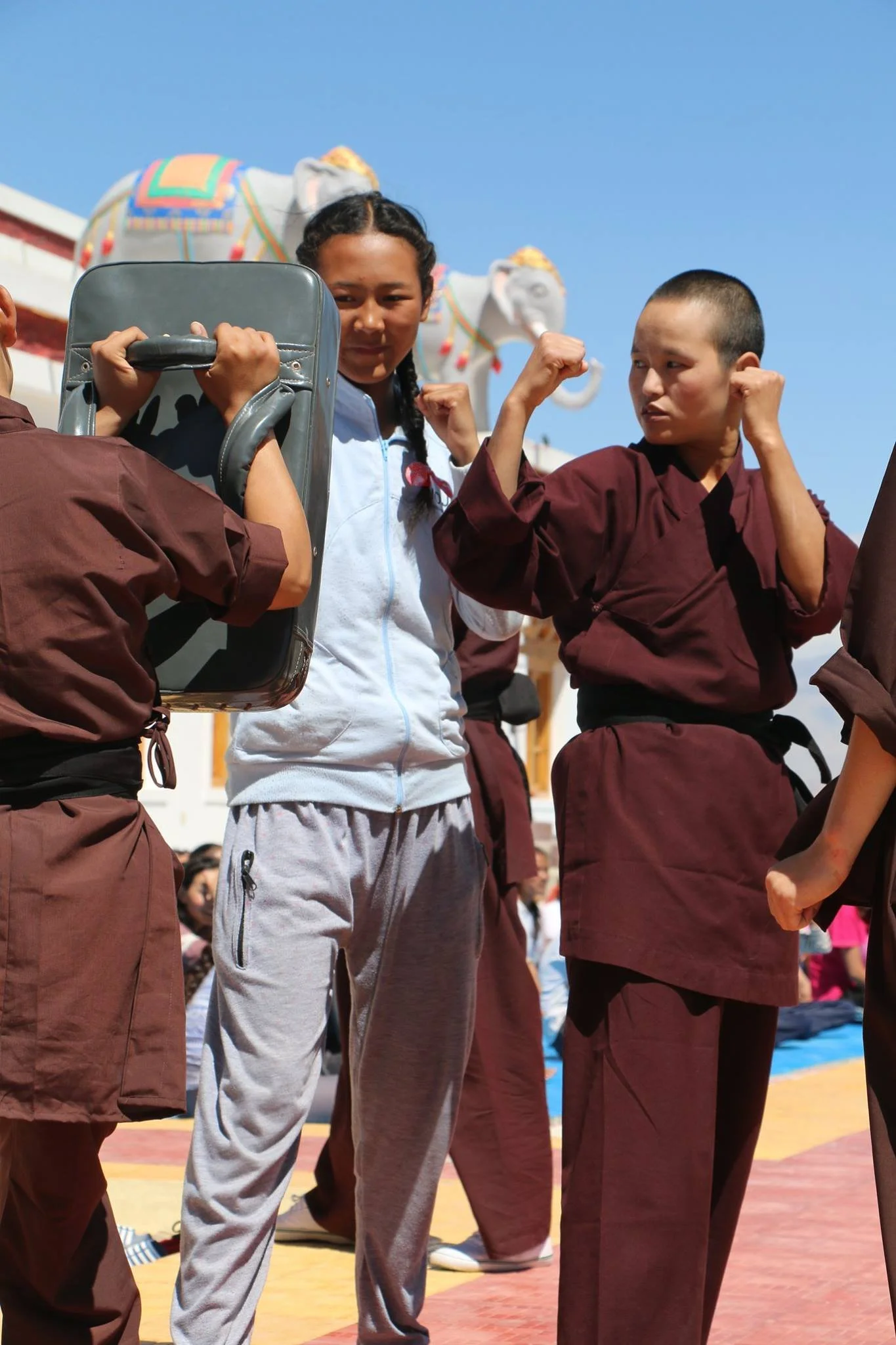
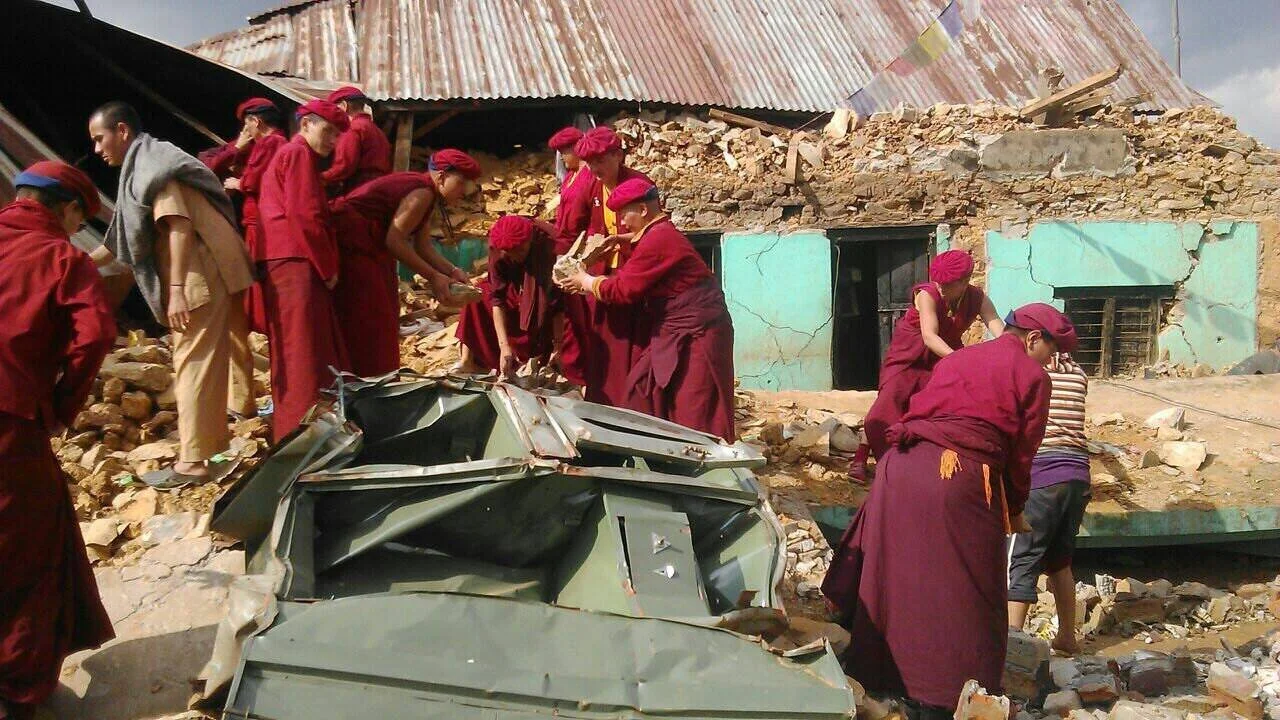
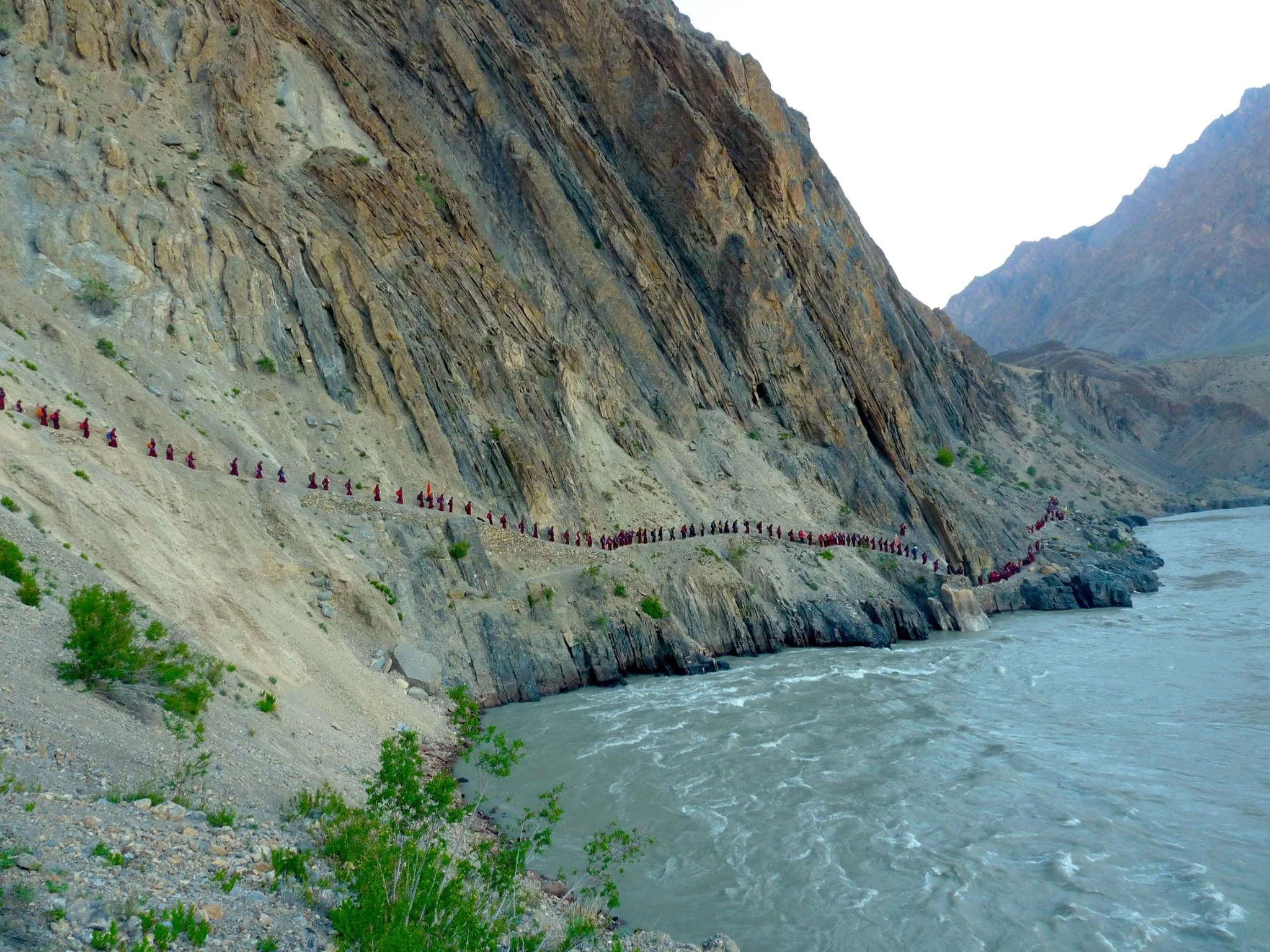
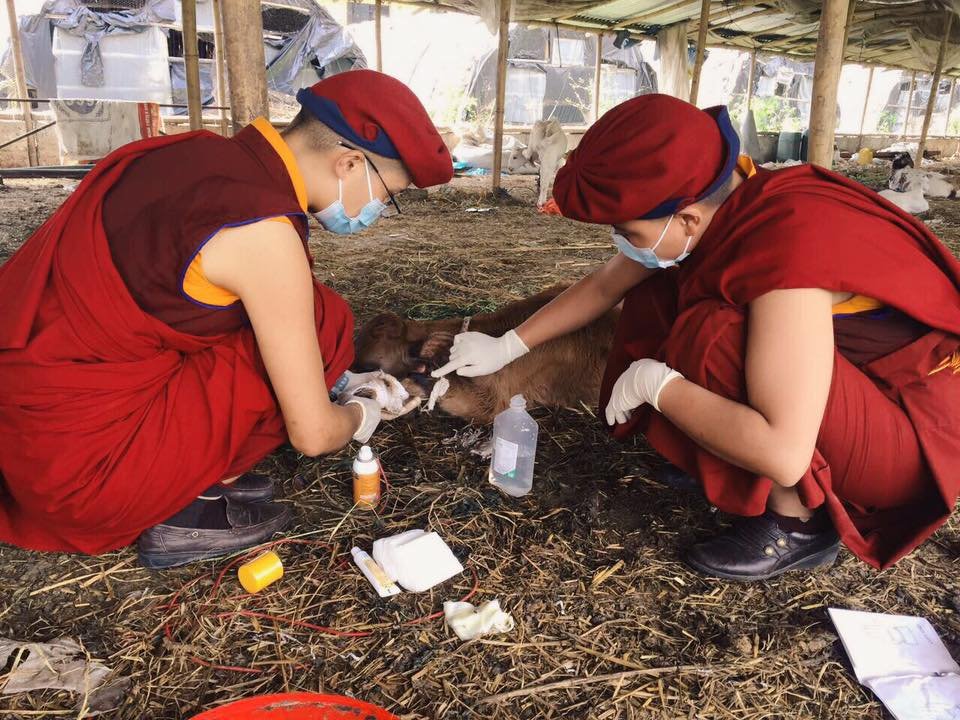
Photos courtesy of Druk Amitabha Nunnery
“He talked about the importance of giving women rights, and it inspired me,” she recalled.
After that, she decided to join the nunnery, despite her parents’ disapproval.
“They wanted me to be a lawyer or a doctor. Everyone in my family was against me becoming a nun,” she added.
Jigme Yamgchen Ghamo had a different experience where her parents were reluctant to send her to the monastery because nuns did not have the same rights as monks. She was ten when she decided to join the nunnery, and at that age, adjusting to the daily schedule was a challenge for her.
“We had to get up at three in the morning and do daily exercises. When you are so young, it is not easy,” she said of the long, busy days during which the nuns meditate, pray, cook, wash dishes and study.
Becoming a Drukpa Kung Fu Nun also requires extra effort from the start.
“In our [homes], it is not common for people to exercise,” said Jigme Yamgchen Ghamo, 27.
It is even less common that Buddhist nuns would perform martial arts.
“People’s perspective is that kung fu is something that brings violence and harm, which does not go with Buddhism,” said Jigme Lhamo.
In 2008, the Gyalwang Drukpa decided to change this perspective, and he invited a Vietnamese Kung Fu Master to teach the nuns martial arts and help them build self-confidence.
More than 15 years later, there are approximately 800 Kung Fu Nuns in the Himalayas, from little girls to adult women. Here, kung fu is practiced through hand-to-hand combat and enhances the use of traditional weapons to improve mental and physical health, as well as concentration. The senior nuns, who have become experts in kung fu, now teach the younger nuns, passing down their knowledge.
Because Buddhist nuns do a lot of meditation, sitting, and breathing exercises, some of their skills translate easily to Kung Fu, but it all requires a lot of concentration.
“Your mind has to be very sharp. In kung fu, it is the same,” said Jigme Lhamo. “You cannot get distracted, or you can get hurt.”
Both meditation and kung fu make her mentally strong.
Through kung fu, these nuns also aim to empower other girls and women in their region to become strong. The nuns visit schools and other places in the region where young people gather, primarily to raise awareness about gender issues.
“We want to show girls that they can stand up for themselves,” said Jigme Yamgchen Ghamo.
She mentioned an example of a school that twice invited the nuns to speak to its students.
“The first time, all the children were mixed. When we came the next year, all the girls were in the front row. It may look like a small step, but for us it is a big one,” she added.
The nuns also give talks and workshops as part of their annual bicycle yatras, a cycling pilgrimage across Nepal and India for a cause. The yatras are organized by the Live to Love organization, also founded by the Gyalwang Drukpa.
They chose to undertake this sacred journey by bicycle because, in addition to promoting gender equality, it also fosters an environmentally friendly lifestyle. For example, plastic bottles are not allowed in the nunnery where Jigme Lhamo and Jigme Yamgchen Ghamo live. Live to Love also supports Himalayan communities in other areas, including providing cataract surgeries and, more recently, medical care, education, and entrepreneurship opportunities.
These Kung Fu Nuns are also involved in some of these projects, such as helping in the eye camps.
“To keep yourself healthy. It is not important that you practice kung fu. It is not important that you play soccer or do something typically considered ‘boyish’. It is important to have your own voice,” Jigme Yangchen said.
“If you have that strong belief that you can do it, then no one can stop you,” she says, recalling one of the yatras she participated in: ‘I have seen nuns who could not ride a bike, but they went on the yatra with us and then decided to learn while riding with us. They were in their fifties, and it was difficult for them. But they still had the dedication to say: I want to use my life for something good.’”
Magdalena Rojo is a freelance journalist focusing on social and global issue. Her work has appeared in The New Humanitarian, Unbias the News, Deutsche Welle as well as U.S. publications such as Religion News Service or Yes! Magazine. Rojo was a journalism fellow for the Spiritual Exemplars Project at the University of Southern California and a journalism fellow at the Chaplaincy Innovation Lab, where she explored how the U.S. population benefits from spiritual care provided by chaplains.