
From Fireworks To Family Dinners: Inside China’s Lunar New Year Traditions
Lunar New Year is one of the most important and widely celebrated festivals in Asia and by many around the world.
Unlike the Gregorian New Year on Jan. 1, Lunar New Year typically falls between late January and mid-February, depending on the cycles of the moon. This year, it falls on Feb. 17, which marks the start of a 15-day celebration known in 2026 as the year of the horse.
While often associated with China — where it is commonly called the Spring Festival — the holiday is also celebrated in countries such as Vietnam, Singapore, Malaysia and others.
READ: Rethinking Menstruation In Chinese Buddhism
Across these countries, Lunar New Year is both a cultural and religious holiday, blending ancient spiritual beliefs, family traditions and symbolic foods that express hopes for prosperity, health and happiness in the coming year.
The origins of Lunar New Year dates back thousands of years to agricultural societies that relied on the moon to track time. The festival historically marked the end of winter and the beginning of spring planting.
Mario Poceski, a professor of Buddhist studies and Chinese religions at the University of Florida, wrote in The Conversation that “at its core,” Lunar New Year is a “celebration that brings the family together.”
In China, legends such as that of a beast known as Nian, who was said to fear loud noises, bright lights and the color red, help explain modern customs like fireworks, lanterns and red decorations. Though these stories are mythical, they reflect deeper spiritual themes of protection and the driving away of evil spirits.
Religion plays a significant role in Lunar New Year celebrations, though the practices vary depending on the country and community. In China and other regions influenced by Chinese culture, traditions are shaped by a blend of Confucianism, Taoism and Buddhism. Cities outside Asia with Asian immigrant populations, including New York and San Francisco, also hold large celebrations.
Confucian values emphasize family unity and respect for ancestors, which is why reunion dinners and ancestral offerings are central to the holiday. Many families clean their homes thoroughly before the New Year to sweep away bad luck and make space for good fortune. In addition, they may offer incense, tea, fruit and other foods at household altars or visit temples to pray for blessings.
Unsplash photo
Taoist and Buddhist practices also influence the spiritual atmosphere of the holiday. Visits to temples are commonplace during the first days of the New Year, where worshippers light incense and make donations, asking for protection, health and good fortune. On the reverse, there are even items one should not buy to avoid bad luck.
“I would say it is the biggest economic driver for Chinatown,” said Donald Liu, who heads the San Francisco Chinese Chamber of Commerce. “Every year, our small businesses and restaurants look forward to the celebration.”
DoorDash, the food delivery service, has highlighted Asian restaurants on its app this month to meet the heightened demand.
“Lunar New Year is a time for gathering and sharing meals that symbolize prosperity and good fortune,” said Ruth Isenstadt, who serves as Head of U.S. Restaurants at DoorDash. “This list represents the incredible diversity and quality of Asian restaurants on our platform, and we’re proud to connect customers with the local favorites that make this holiday so special.”
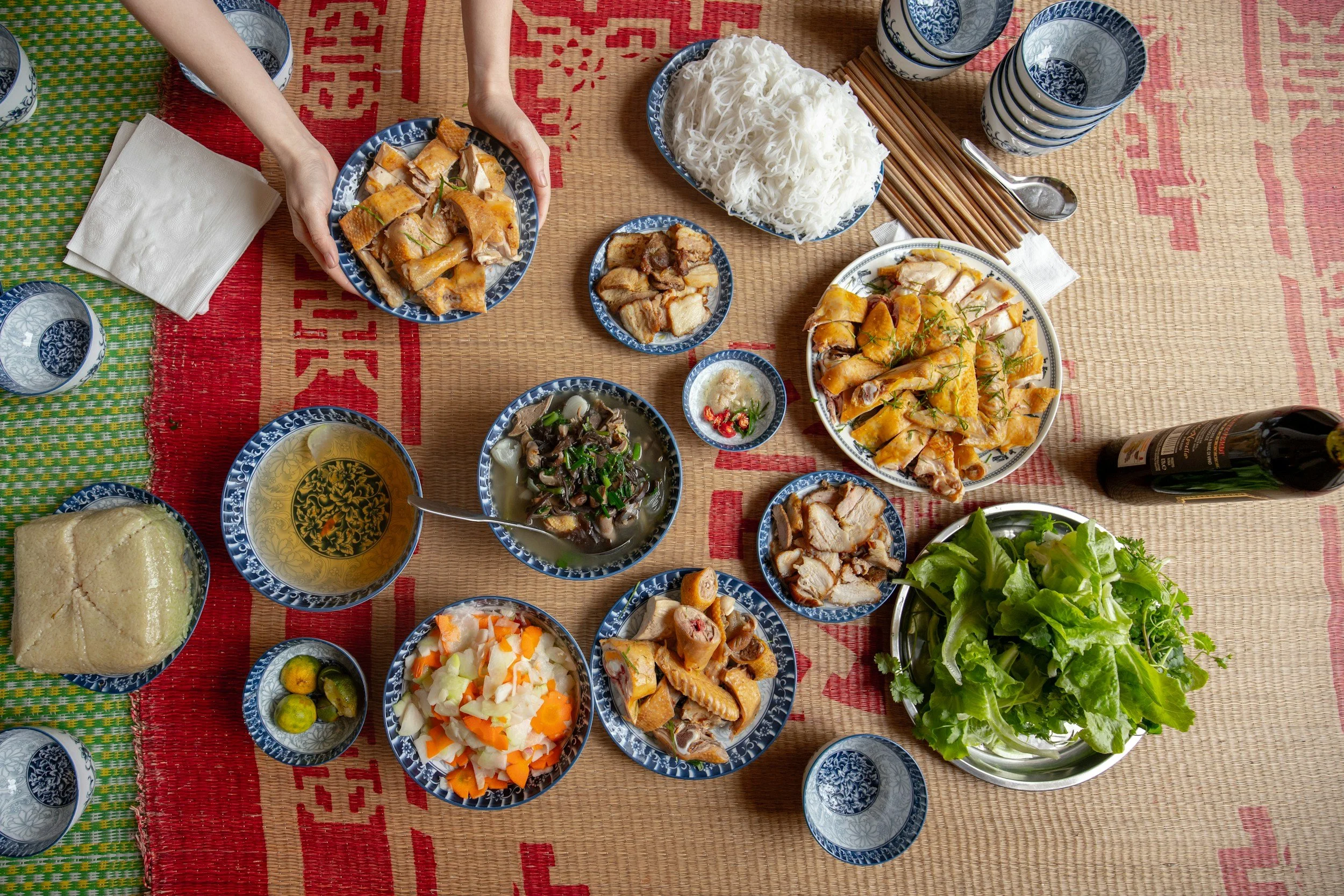
Indeed, food is one of the most meaningful aspects of Lunar New Year celebrations across Asia and in immigrant communities around the world. Each dish carries a symbolic meaning based on pronunciation, shape, or appearance.
“A central event is the family dinner at the New Year's eve,” Poceski said. “The choice of dishes varies, reflecting family customs and local culinary traditions. Often it includes dumplings, spring rolls, cakes, fish and pork dishes. There is also a fair amount of drinking, especially traditional wines or liquor. Many of the dishes are assigned symbolic meanings.”
In China, dumplings are especially popular in northern regions. Their shape resembles ancient Chinese silver or gold ingots, symbolizing wealth and prosperity. Families often gather to make dumplings together, reinforcing family bonds.
Fish is another essential dish, as the Chinese word for the maritime delicacy, “yu,” sounds like the word for surplus or abundance. Serving fish expresses the wish to have more than enough in the coming year. In many homes, the fish is left partially uneaten to symbolize that surplus will continue into the next year.
Nian gao is a sticky rice cake commonly eaten during this time. The word “gao” sounds like “tall” or “high” — symbolizing growth, progress and future success. In parts of southern China and among diaspora Chinese communities, nian gao may be sweet and steamed, while in other regions it may be sliced and stir-fried.
Last year, DoorDash data from the United States revealed that staples remain everyday favorites, with customers placing more than 75,000 orders of fried rice each day during Lunar New Year.
While customs may differ, underlying themes — like gratitude for the present and optimism in the future — remain consistent. Lunar New Year is not only a turning of the calendar, but also a meaningful moment of cultural identity and spiritual reflection for millions around the world.
There’s one important way you can share your love with us this month. We’ve compiled a reader survey that takes less than 60 seconds to fill out. It’ll help us get to know you better and show us important areas we should direct our coverage. You can fill out the survey here.
Clemente Lisi serves as executive editor at Religion Unplugged.