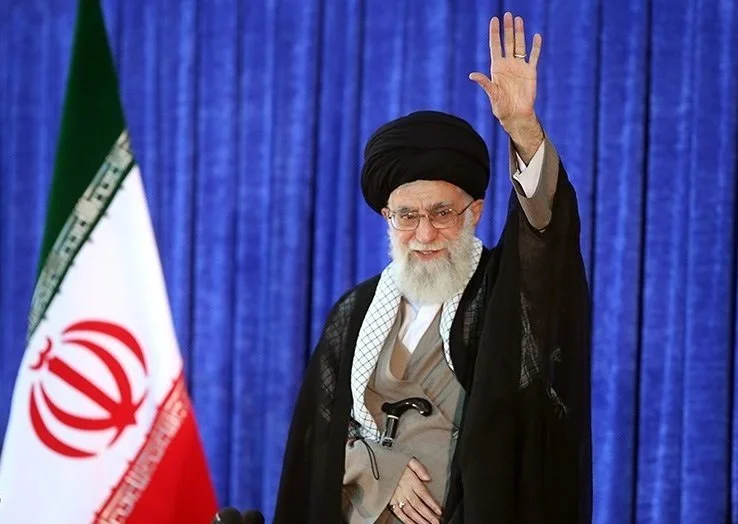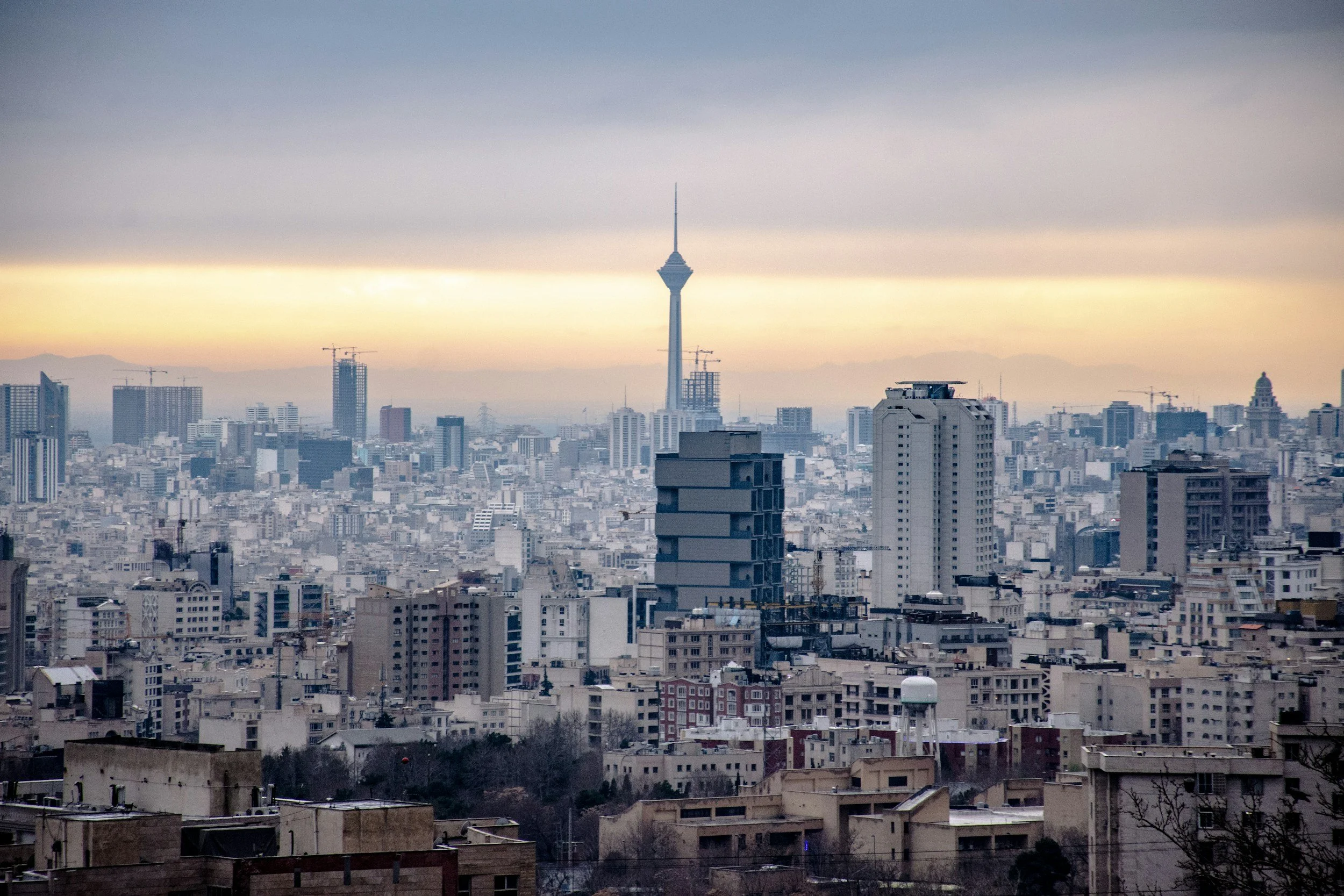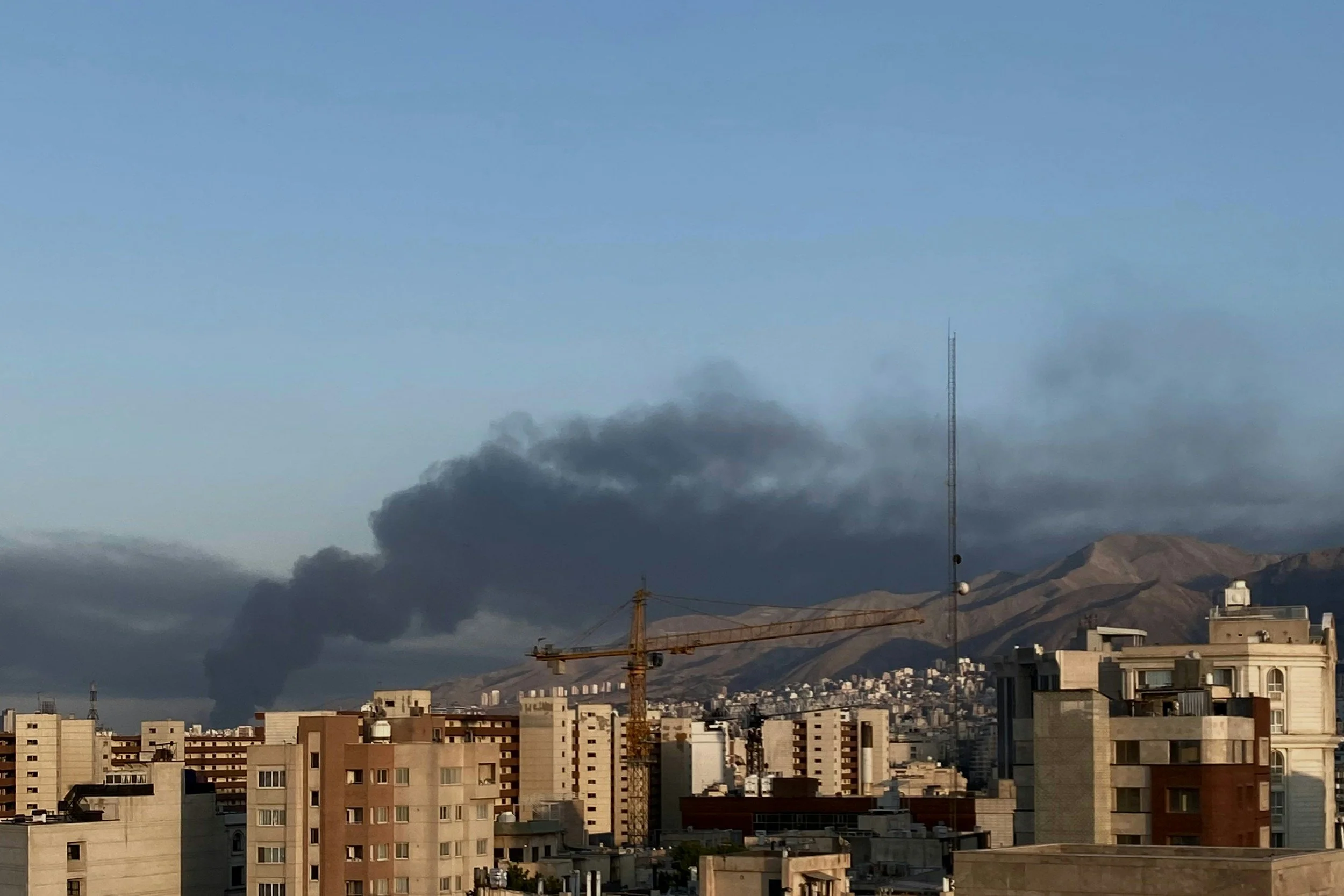
(ANALYSIS) Three rounds of nuclear talks between the U.S. and Iran failed to persuade President Trump that a solution to the nuclear impasse lay in diplomacy, rather than military action. A perceived lack of progress on Feb 26, was enough to prompt Trump to green-light a massive onslaught of missiles that has degraded Iran and killed Ayatollah Ali Khamenei.
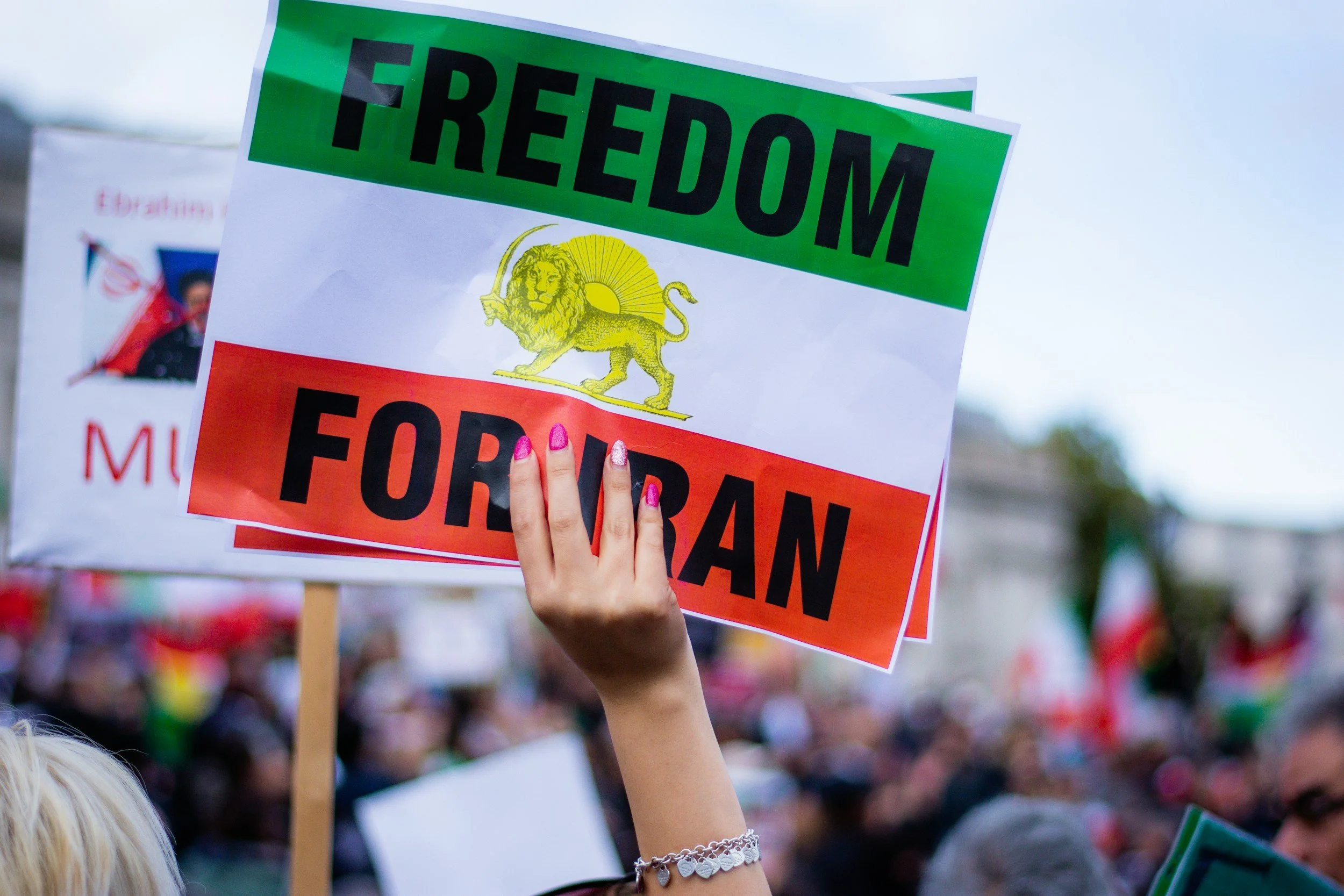
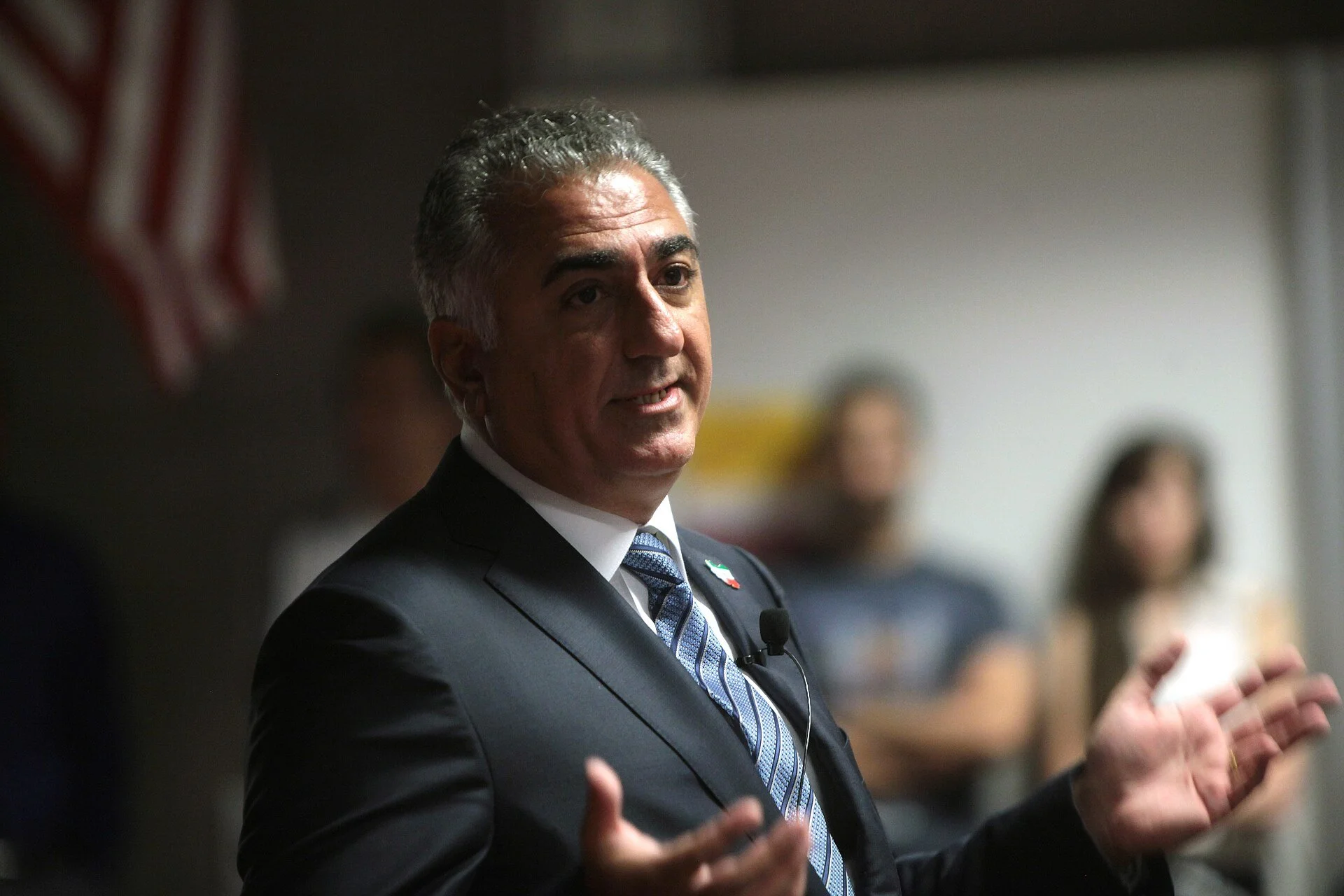
Read MoreWith a U.S.-Israel bombardment underway and President Donald Trump and Prime Minister Benjamin Netanyahu openly pressing for regime change, related questions now loom large: What are the Iranian people prepared for — and who, exactly, is positioned to lead them if the Islamic Republic falls?
Read MoreThe assassination — announced by President Trump hours after Saturday’s airstrikes — is expected to throw the Islamic Republic of Iran’s future into doubt and raises the prospect that the country’s theocratic government could be overthrown after nearly five decades. Trump said the airstrikes and Khamenei’s death is “the single greatest chance for the Iranian people to take back their country.”
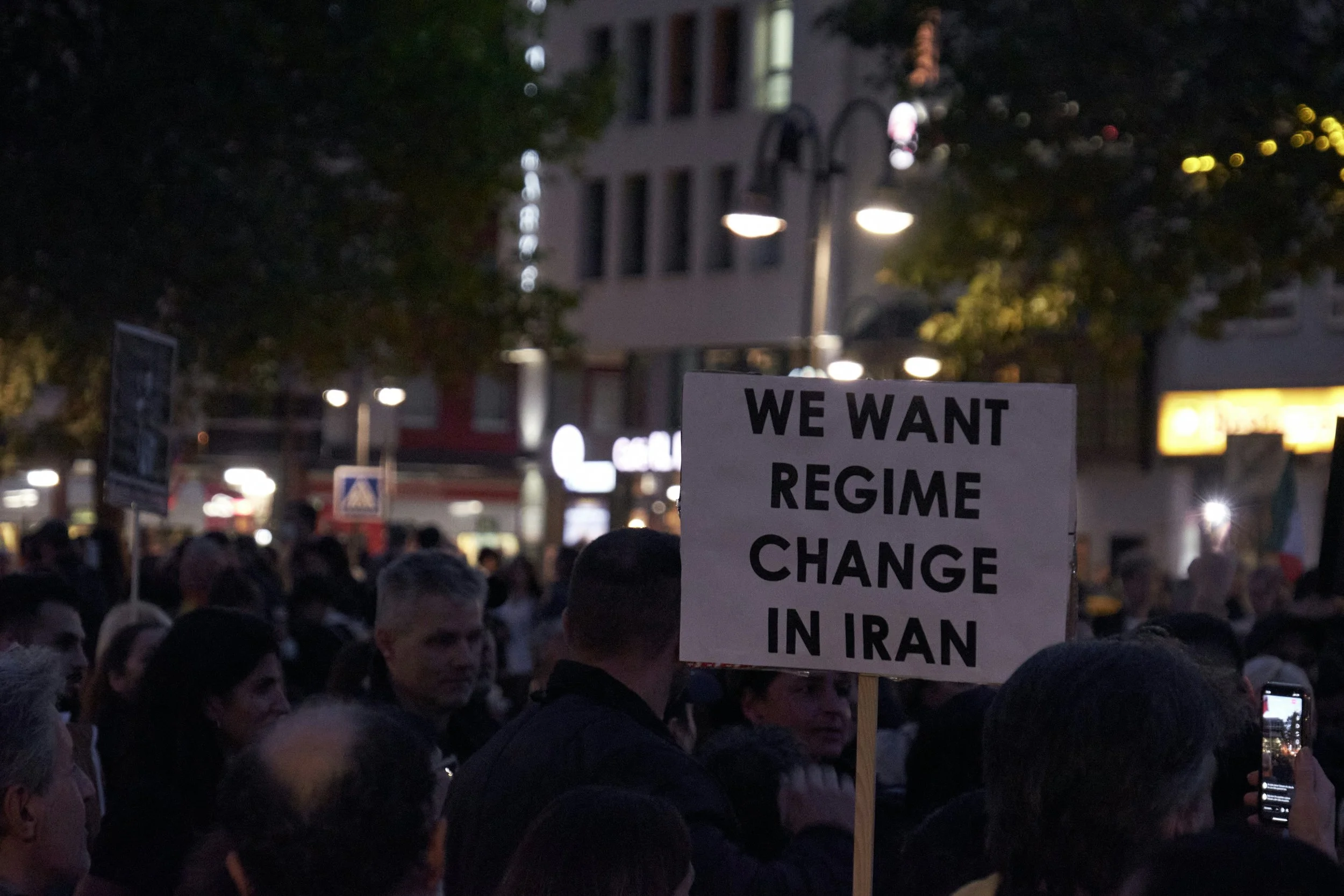
Read More(ANALYSIS) The joint U.S.–Israeli strike on Iranian targets on Saturday marked a dramatic escalation in the decades-long confrontation with the Islamic Republic — and raised two profound questions: Is this a real attempt at regime change? What would that mean for religious freedom inside Iran?
Read More(ANALYSIS) Of Jesus’ 12 disciples, Saint Peter is one of the most important. In the Book of Matthew, Jesus declares that Peter is the “rock” on which “I will build my church.” Catholic tradition considers him the first pope. Martyred in the first century, Peter asked to be crucified upside down so he would not die the same way as Christ. That story, however, is not in the Bible.
Read MoreReligious minorities in Iran are facing more persecution, human rights watchdog organizations warned in a report released on Thursday. Some policy analysts said last year’s conflict with Israel and the U.S. may have pushed the regime to look for a “scapegoat” to blame — and found it in religious and ethnic minorities.
Read More(ANALYSIS) Former Irish President Mary McAleese argues that infant baptism violates children’s human rights by imposing church membership without consent. Critics respond that parents possess religious freedom in child-rearing, note historical and biblical defenses of infant baptism, and compare similar birth rituals across Christianity, Judaism, Islam, Hinduism, Buddhism and Sikhism.
Read MoreA group of people living in India claims to be Israel’s long-lost tribe of Manasseh. After centuries of displacement, they finally have their chance to migrate back to Israel and eventually claim citizenship status. But it remains unclear if the Jewish state will become the accepting, stable home they’ve always wanted.
Read More(ANALYSIS) You’ve seen the headlines about Iran’s uprising, but there is a deeper story: Two-thirds of the nation’s mosques, 50,000 out of 75,000, have been closed due to declining worship attendance, according to a high-ranking cleric. What does that mean for Iran and for Islam?
Read MoreViolence against Christians has reached an all-time high in 15 countries, with 388 million people facing severe persecution worldwide, Open Doors reported. Nigeria remains the deadliest nation, while Syria saw the largest single-year rise amid instability. Other dangerous parts of the world include North Korea, Somalia and Yemen.
Read More(ANALYSIS) When protests began in Tehran’s Grand Bazaar in December, authorities misjudged them as limited economic unrest. Instead, demonstrations spread nationwide, killing thousands and drawing in ethnic minorities. The uprising exposed deep divides over change, revealing that centralized opposition visions failed to address Iran’s ethnic diversity adequately.
Read More(OPINION) Days of protest across Iran left hundreds dead as authorities imposed an unprecedented internet blackout to suppress dissent. Social media nevertheless shaped mobilization, documentation and global awareness through diaspora networks and dissident media, revealing escalating demands for regime change through the use of technology.
Read MoreChristians are bringing light amid the evil, with many treating the wounded at homes to avoid certain arrest at hospitals. Christians are also taking food and water into crowds of protesters amid Iran’s humanitarian crisis. One Christian couple prepared 50 sandwiches, put them in their backpacks along with bottles of water and distributed the food to protesters.
Read More(ANALYSIS) Iran’s leaders warned the United States and Israel of retaliation as nationwide protests challenged the Islamic Republic’s theocracy. Facing mounting deaths and unrest, Iranian officials framed dissent as foreign-backed chaos, tightened repression and escalated external threats, revealing a regime prioritizing clerical survival over popular consent.
Read More(ANALYSIS) Pope Leo XIV used an annual address to Vatican diplomats to warn that global politics had shifted toward militarism and force. Without naming any political leaders, he criticized war, erosion of international law and weakened human rights, positioning the Holy See as a moral counterweight to rising geopolitical tensions in many places around the world.
Read MoreThe climb to Mar Musa al-Habashi monastery is deliberate and demanding — 340 stone steps wind up a stark, treeless mountain ridge in the Qalamun region. But complete the journey, and you’ll find a community of Muslims and Christians committed to interfaith dialogue and healing their nation.
Read More(ANALYSIS) With 2025 now behind us, it was a year filled with significant developments in religion, faith and spirituality — and 2026 is likely to be just as eventful. Here are five key religion-related issues and trends to watch for over the next 12 months in the U.S. and throughout the world.
Read More(REVIEW) A new book traces the footsteps of Christian pilgrims to Jerusalem for nearly a millennium before the Crusades, and the path differs significantly from the path tour guides take travelers on today. “But do the walk as you wish, and commemorate each station however you choose. From revisiting the material to simply enjoying the walk.”
Read More(ANALYSIS) On his recent visit to Turkey and Lebanon, Pope Leo XIV met with political and religious leaders, celebrated Mass and visited historical sites. The trip also marked the 1,700th anniversary of the Council of Nicaea, which resolved core doctrinal differences, with the aim of advancing Christian unity at the time.
Read MoreOne of Christianity’s last strongholds in the Middle East is rapidly losing Christians, who are fleeing the country after years of wars and economic failures. Pope Leo XIV visited Lebanon earlier this month to encourage the nation’s young Catholics. But local young adults say it could be too little, too late.
Read More