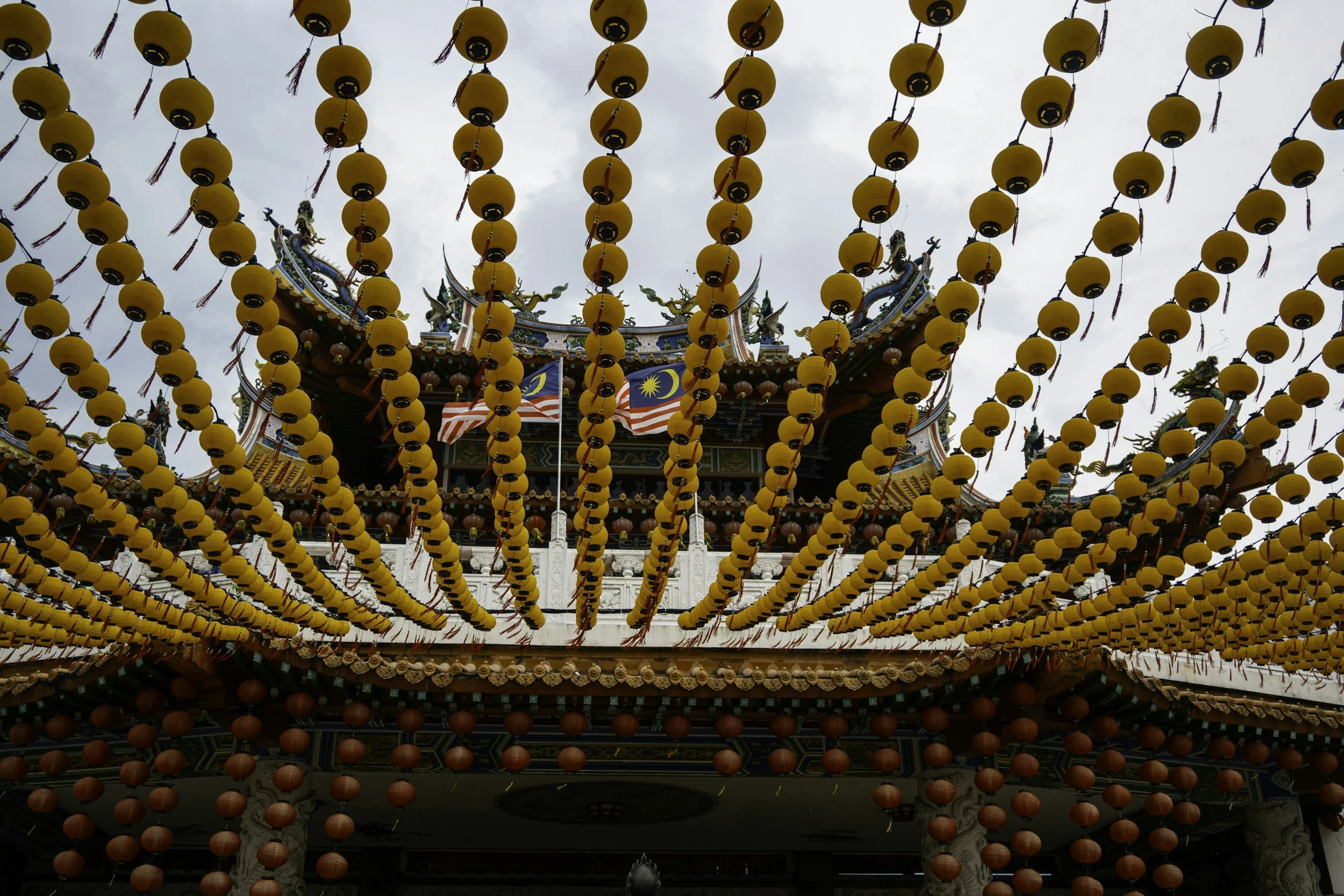
(ANALYSIS) Religious traditions across cultures have often treated menstruation and childbirth as sources of ritual impurity. In Chinese Buddhism, the “Blood Bowl Scripture” condemned women to “Blood Pond Hell.” Today, women reinterpret these beliefs, emphasizing maternal sacrifice, agency and alternative understandings of female bodies.
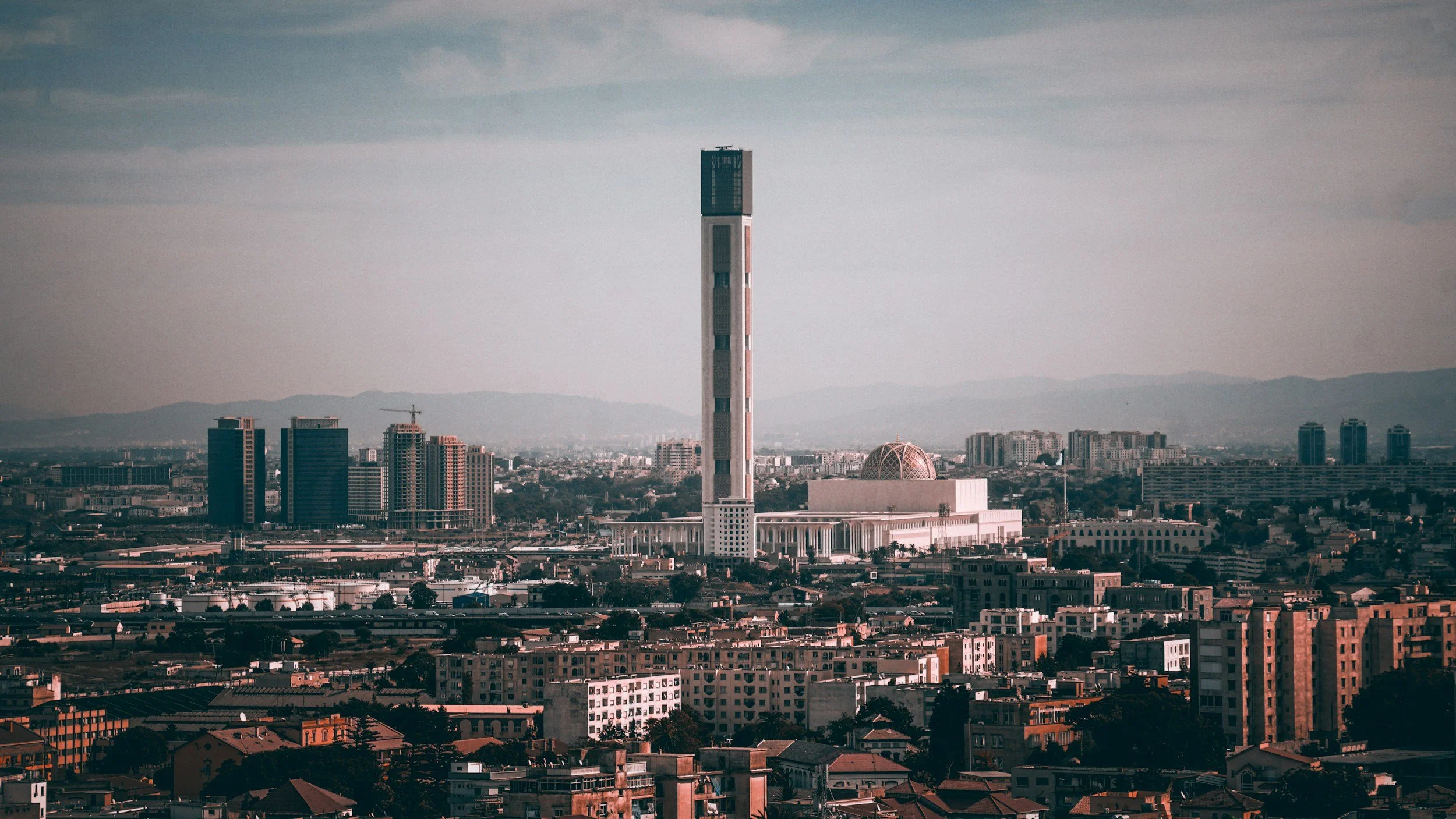
Read MoreKarim Kaarar guides visitors through the church of Saint Augustine and the archaeological ruins of ancient Hippo Regius nearly every day, tracing the footsteps of Augustine, one of Christianity's most influential thinkers. But the Algerian Christian knows that in 2026, this small community will host its most significant visitor yet: Pope Leo XIV.
Read More(ANALYSIS) When we’re asked, “Are you religious?” There are a number of different ways someone might justify an affirmative answer. It could be that they attend a house of worship regularly or pray frequently. It could be that they hold specific beliefs about Jesus Christ or Muhammad. Those would be behavior and belief measures of religion. But there’s a third dimension that often gets overlooked: Belonging.
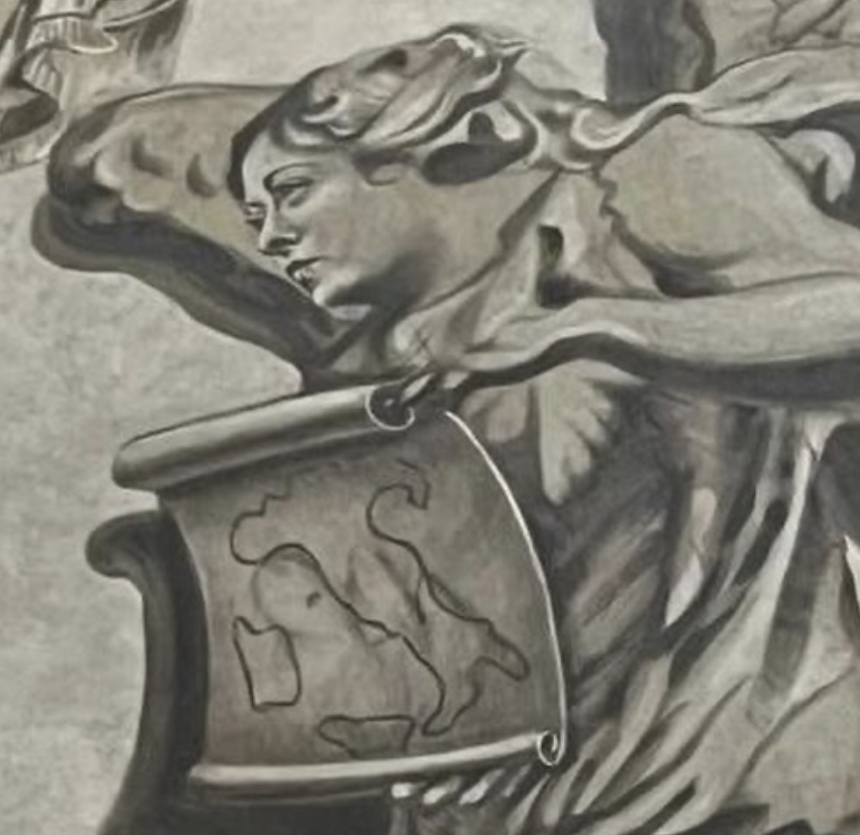
Read More(ANALYSIS) A Roman basilica’s removal of a cherub resembling Italian Prime Minister Giorgia Meloni reveals how quickly sacred art can become political symbolism. The controversy highlighted tensions between church and state, revealing how religious spaces amplify power when contemporary political figures become a part of devotional imagery.
Read MoreBehind the medals and records, some Olympians say faith and spirituality play a meaningful role in how they train and compete. Faith can offer athletes a framework for resilience, especially in a world defined by so much pressure and scrutiny. This year’s Winter Games in Milan/Cortina will conclude on Feb. 22.
Read MoreA group of people living in India claims to be Israel’s long-lost tribe of Manasseh. After centuries of displacement, they finally have their chance to migrate back to Israel and eventually claim citizenship status. But it remains unclear if the Jewish state will become the accepting, stable home they’ve always wanted.
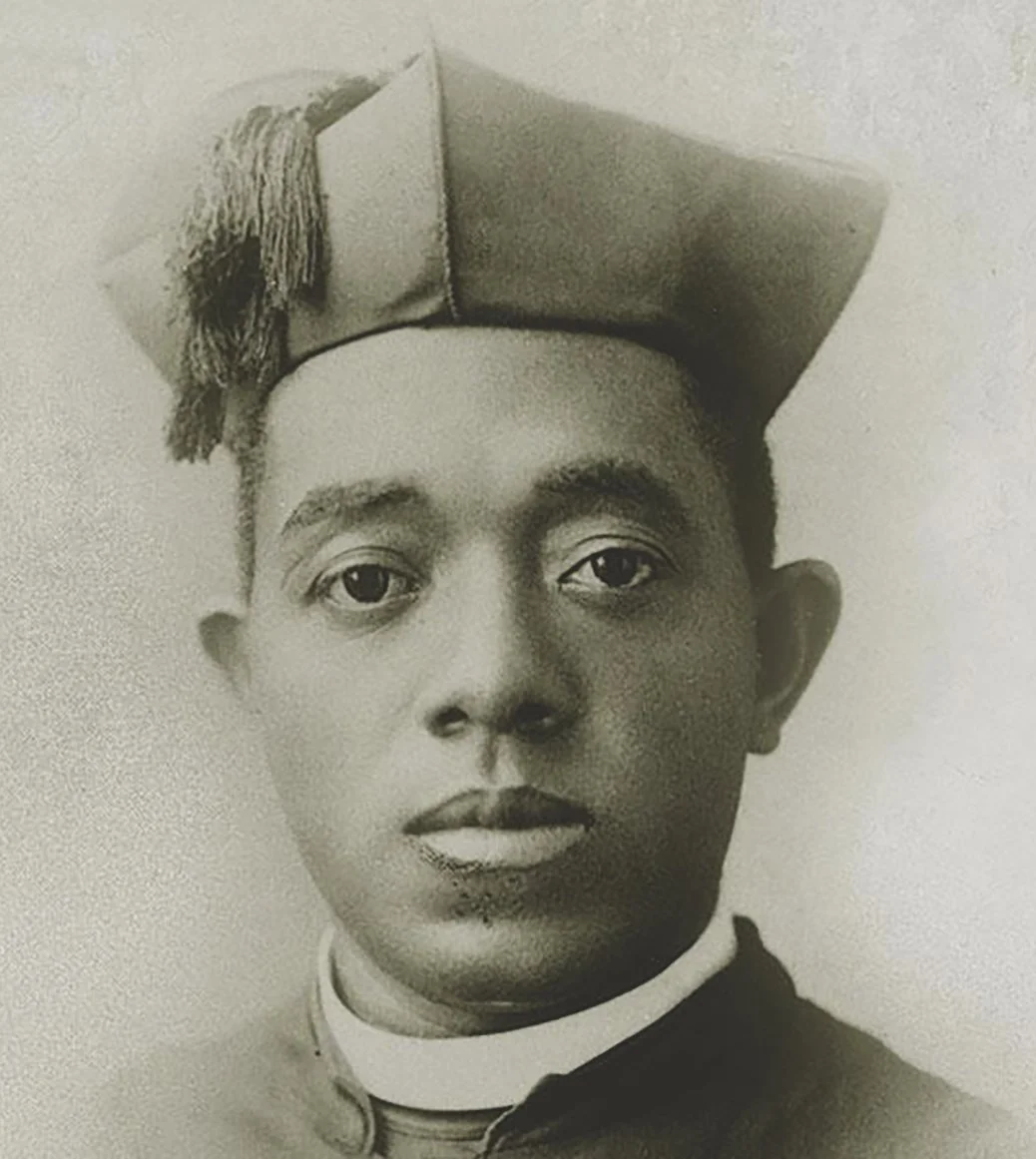
Read MoreBorn enslaved, rejected by U.S. seminaries and ordained in Rome, Augustus Tolton became the first publicly recognized Black Catholic priest in America. His life exposes the Church’s history of racial exclusion while offering a powerful example of perseverance, faith, and legacy — one now recognized in his path toward sainthood.
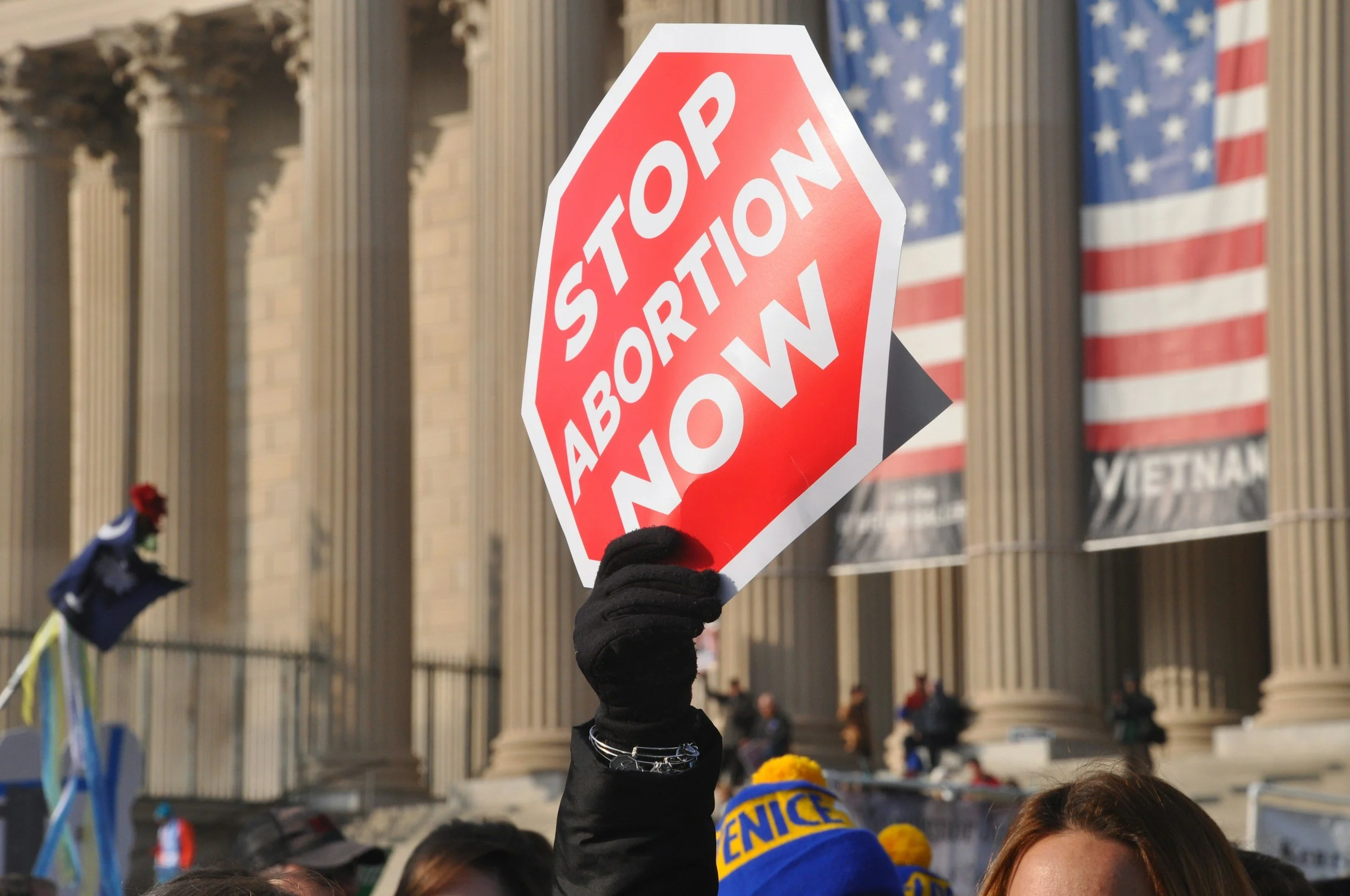
Read More(ANALYSIS) Beyond the debate over who is polarized in the U.S., there’s an adjacent, and perhaps more critical, discussion I want to tackle today: What drives polarized views? There is ample reason to think that religiosity impacts views on topics like abortion, same-sex marriage, and gender identity.
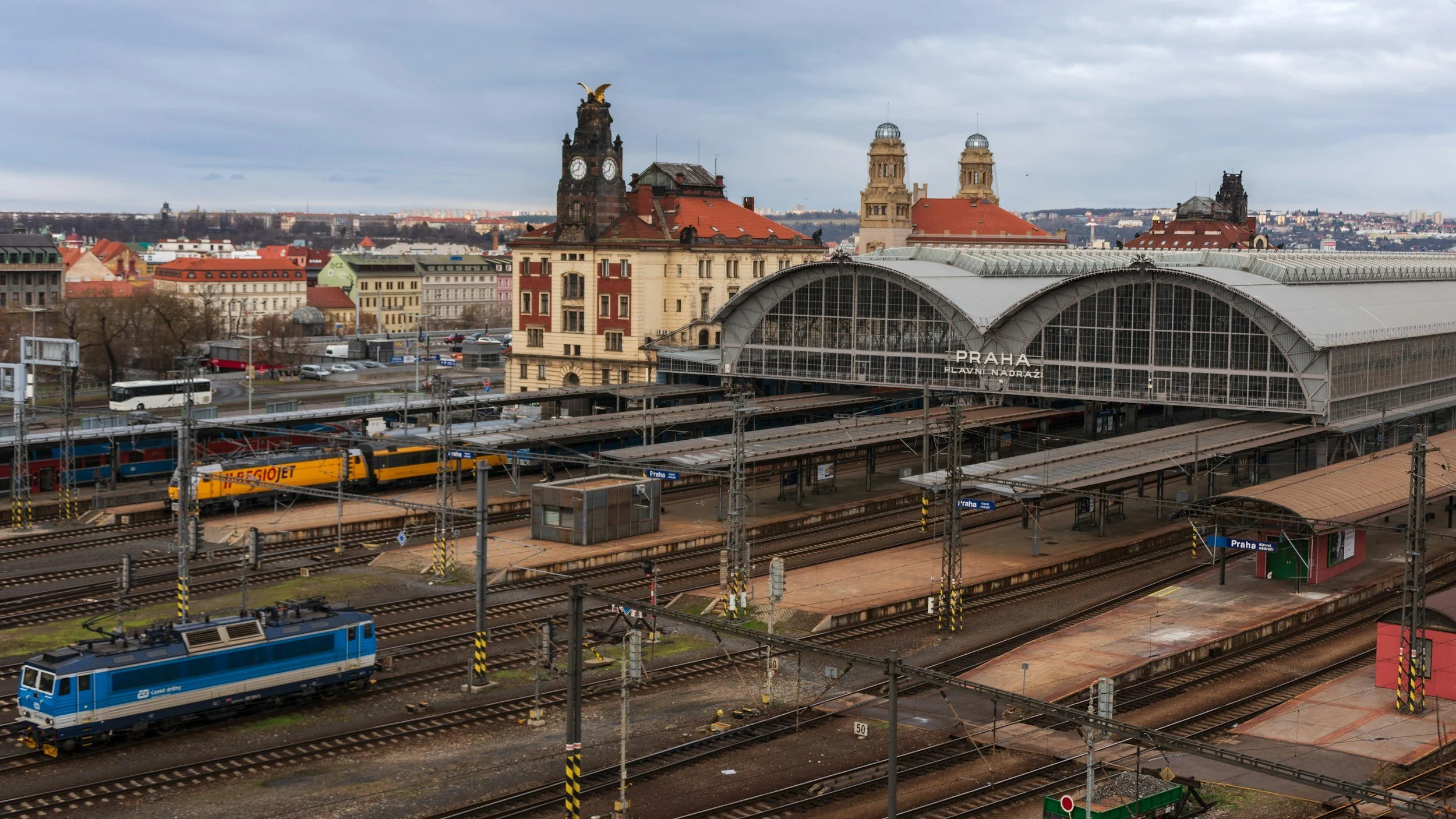
Read MoreThis past Dec. 18, on International Migrants Day, participants in an interfaith prayer group gathered at Winton’s statue with Jewish children. In freezing weather and amid the noise of passing trains, the refugees were remembered by the people who had helped them.
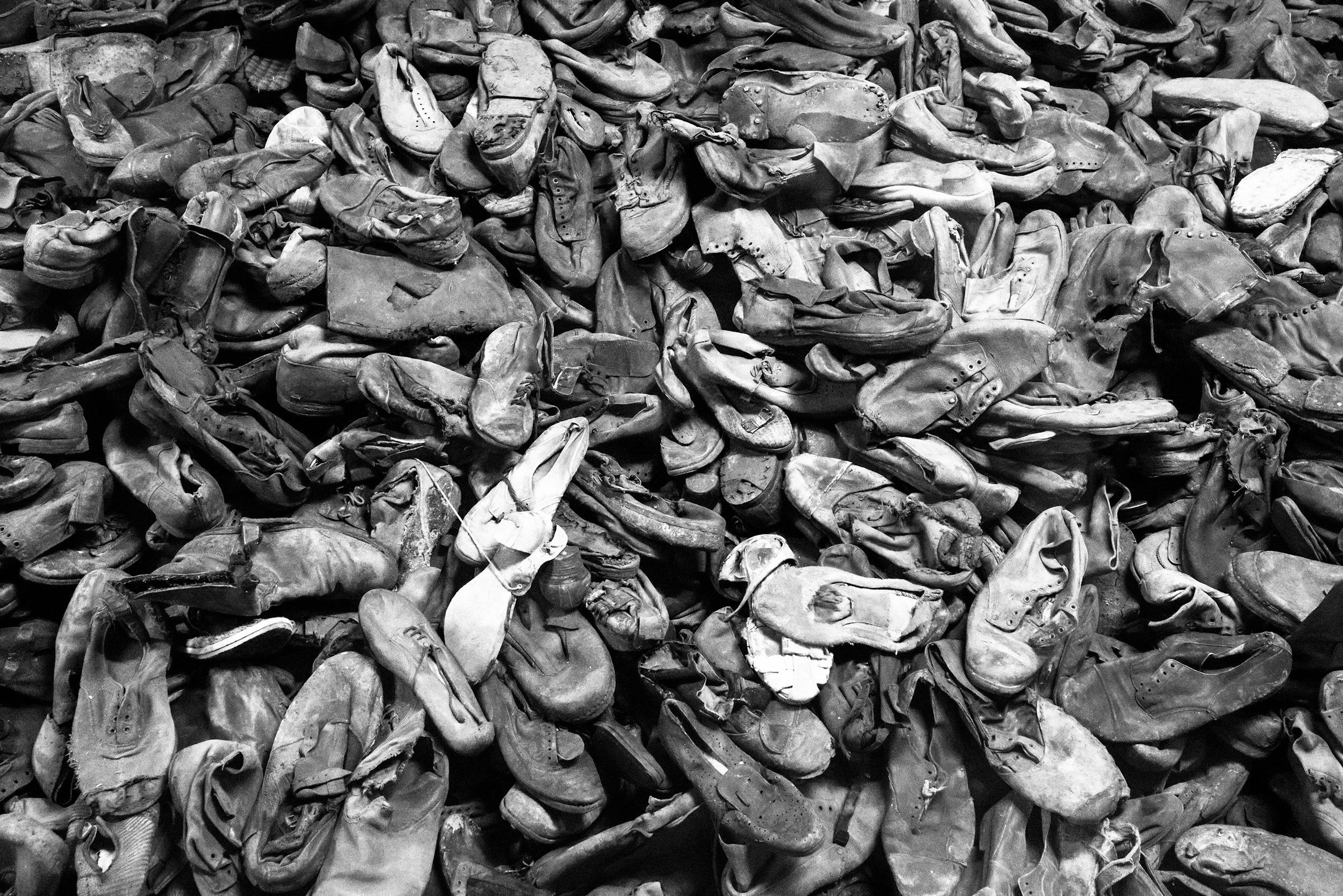
Read More(ANALYSIS) Nothing will ever truly replace the voices of the survivors, but I believe teachers and communities can carry on his work by making history feel local and personal. As everything around us seems to show each day, little could be more important than the lessons of these people, their sources and the Holocaust.
Read MoreMicah Waldman ranks each denomination in four categories after attending a Sunday service: Worship, sermon, hospitality and overall environment. He has no desire to change denominations himself — but instead to experience them himself and educate others about the differences in practice.
Read MoreFor someone who once appeared on a U.S. black list, Philippa Winkler seems calm, almost proud. Despite the exalted company she keeps, in the eyes of some, this makes her dangerous. The list she ended up on was the notorious S.H.I.T. List (Self-Hating and/or Israel Threatening), maintained by a pro-Israel group.
Read MoreCatholic affiliation is declining across much of Latin America, while the number of religiously unaffiliated adults is rising sharply, according to a new Pew Research Center survey. Despite these shifts, belief in God, prayer and the personal importance of religion remain widespread throughout the region.
Read MoreEl dominio histórico de la Iglesia católica en América Latina continúa debilitándose, incluso cuando la mayoría de las personas en la región sigue siendo profundamente religiosa, según nuevos datos de encuestas del Pew Research Center.
Read More(ANALYSIS) Ironically, 2025 was a turbulent year the world over. After so much military aggression in Ukraine, rampant starvation in Gaza and increasing violence of all kinds within the United States, people in many parts of the world were left much more despairing than hopeful for 2026.
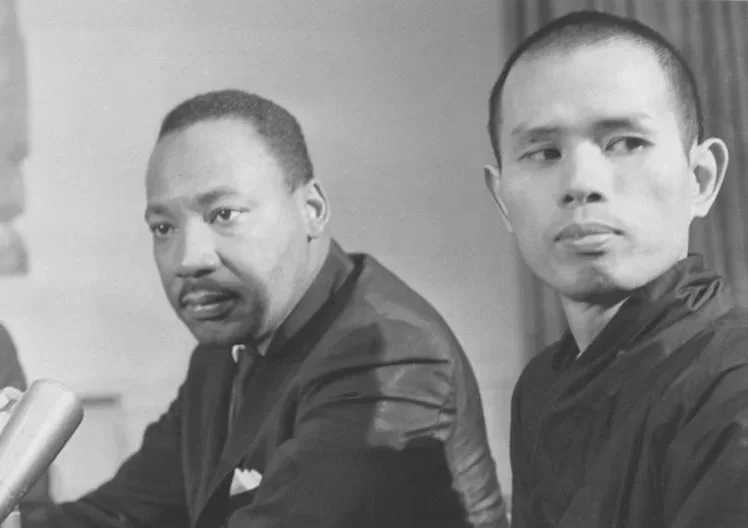
Read More(ANALYSIS) Before Martin Luther King Jr. was killed, he asked several of his friends to continue his life’s work building what he called “beloved community.” One of the people he invited was the Vietnamese Zen Buddhist monk, poet and mindfulness teacher Thich Nhat Hanh. Their shared vision shows how democracy could flourish when citizens practice compassion and peaceful action.
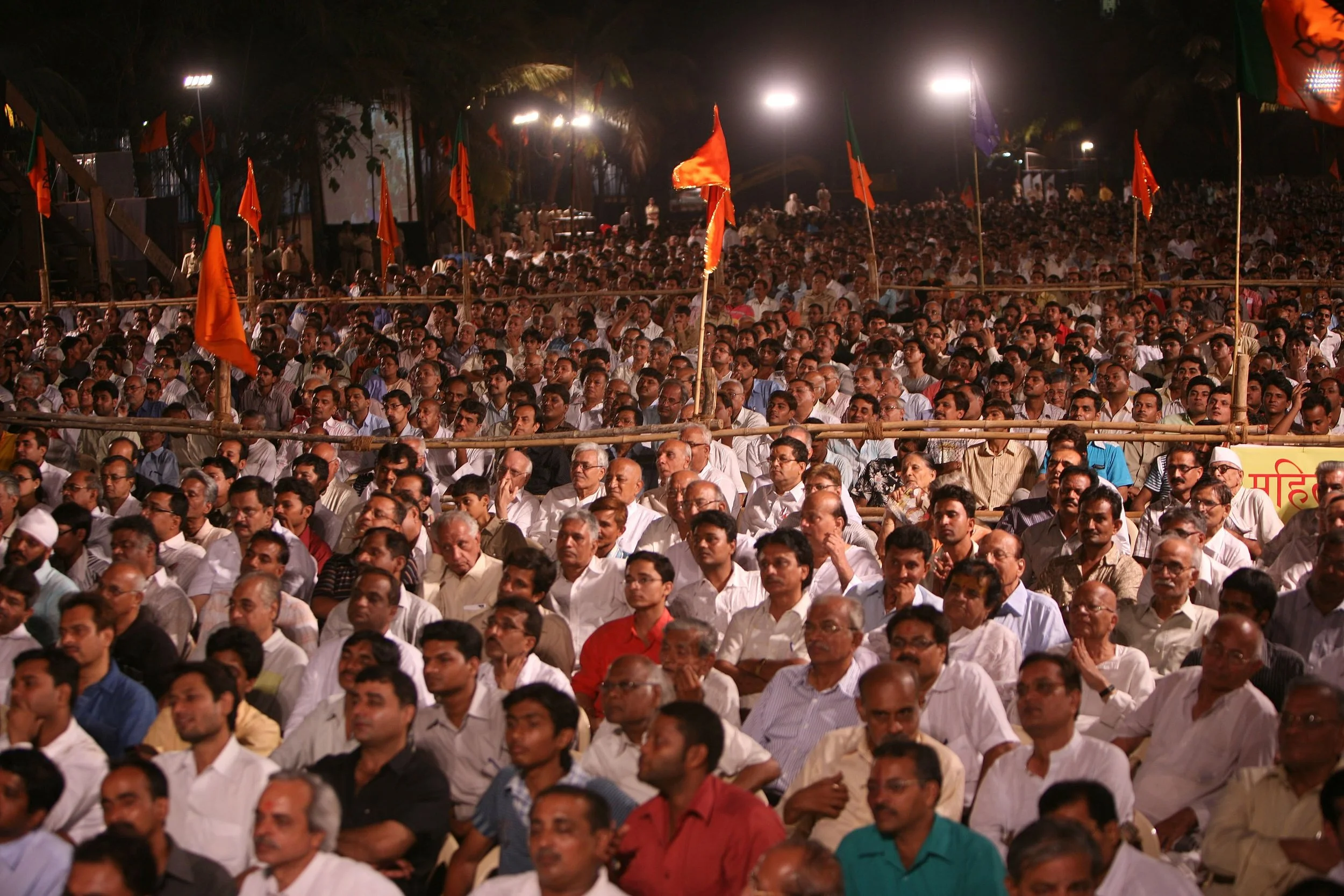
Read MoreIndia recorded 1,318 in-person hate speech incidents in 2025, averaging more than three each day and overwhelmingly led by Hindu nationalist groups affiliated with the ruling Bharatiya Janata Party. The report supports the inference that a political choice is behind the sustained scale of public incitement, which undermines both the rule of law and the idea of equal citizenship.
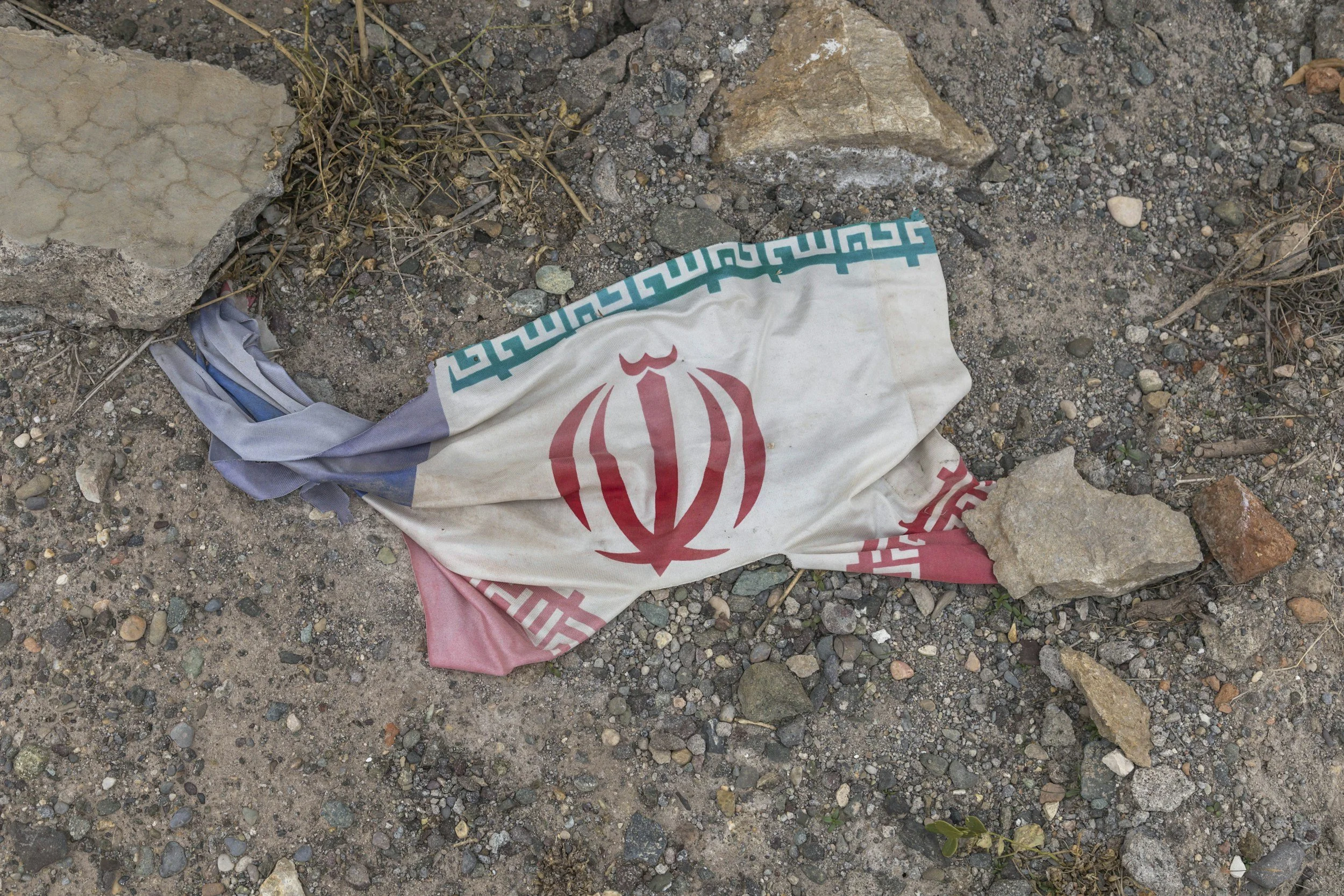
Read More(ANALYSIS) When protests began in Tehran’s Grand Bazaar in December, authorities misjudged them as limited economic unrest. Instead, demonstrations spread nationwide, killing thousands and drawing in ethnic minorities. The uprising exposed deep divides over change, revealing that centralized opposition visions failed to address Iran’s ethnic diversity adequately.
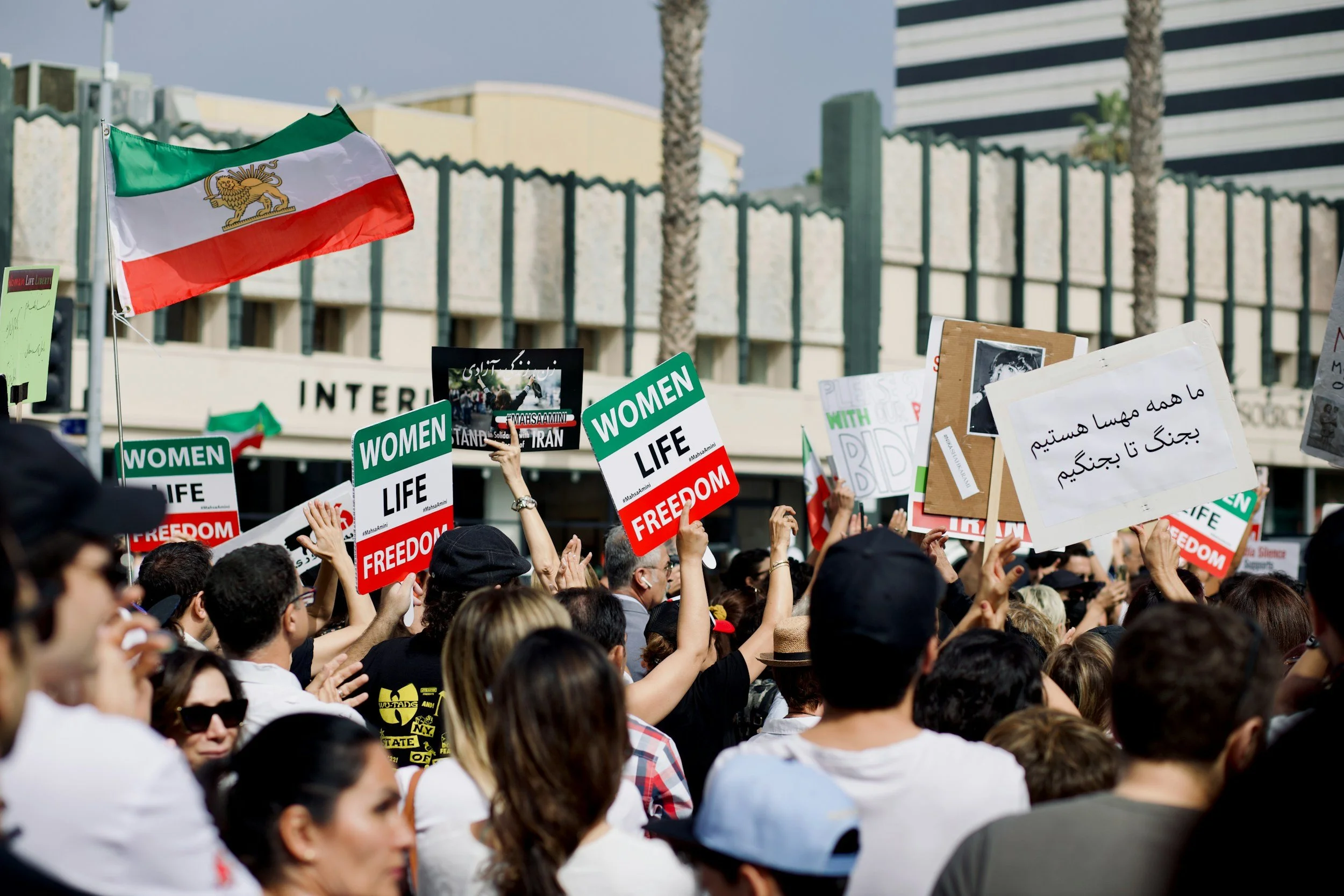
Read More(OPINION) Days of protest across Iran left hundreds dead as authorities imposed an unprecedented internet blackout to suppress dissent. Social media nevertheless shaped mobilization, documentation and global awareness through diaspora networks and dissident media, revealing escalating demands for regime change through the use of technology.
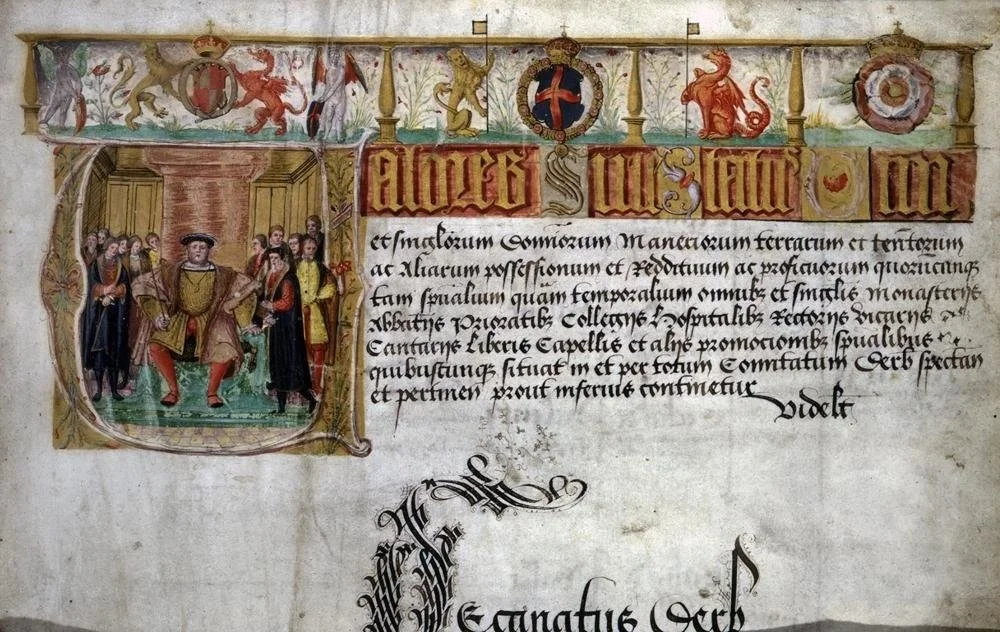
Read MoreHistory nerds rejoice! An incredibly detailed land-use survey and census from the 1500s, commissioned by none other than Henry VIII, will soon be digitally available to everyone, including genealogists, educators, researchers and community groups, thanks to a new $2 million project. The historic records, published under the title “Valor Ecclesiasticus,” or Value of the Church, were the Tudor equivalent of the Domesday Book.
Read More