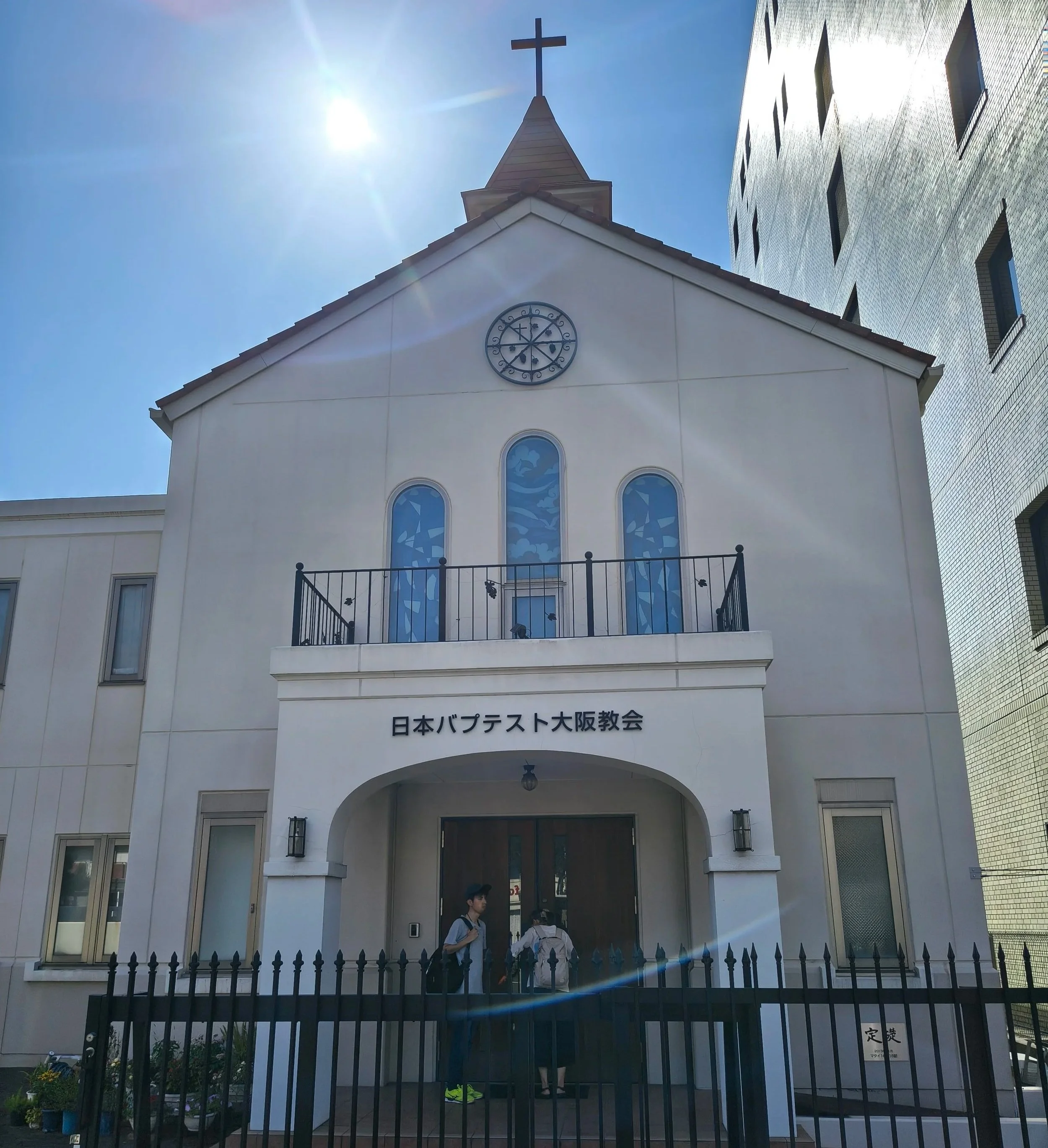
Christians make up roughly 1% of Japan’s population, and churches are increasingly multicultural, welcoming immigrants from neighboring countries. However, national politics have taken a decidedly nationalistic turn in recent years — worrying Christians that they will once again be ostracized and even face persecution.
Read MoreAs the economy strains the U.S. public, pastors report increasing pressures and giving lagging behind inflation. Lifeway Research’s annual tracking survey reveals most U.S. Protestant pastors (54%) report the economy is negatively impacting their congregation. Slightly more than a third (36%) say it’s having no impact, while 8% see a positive economic effect.

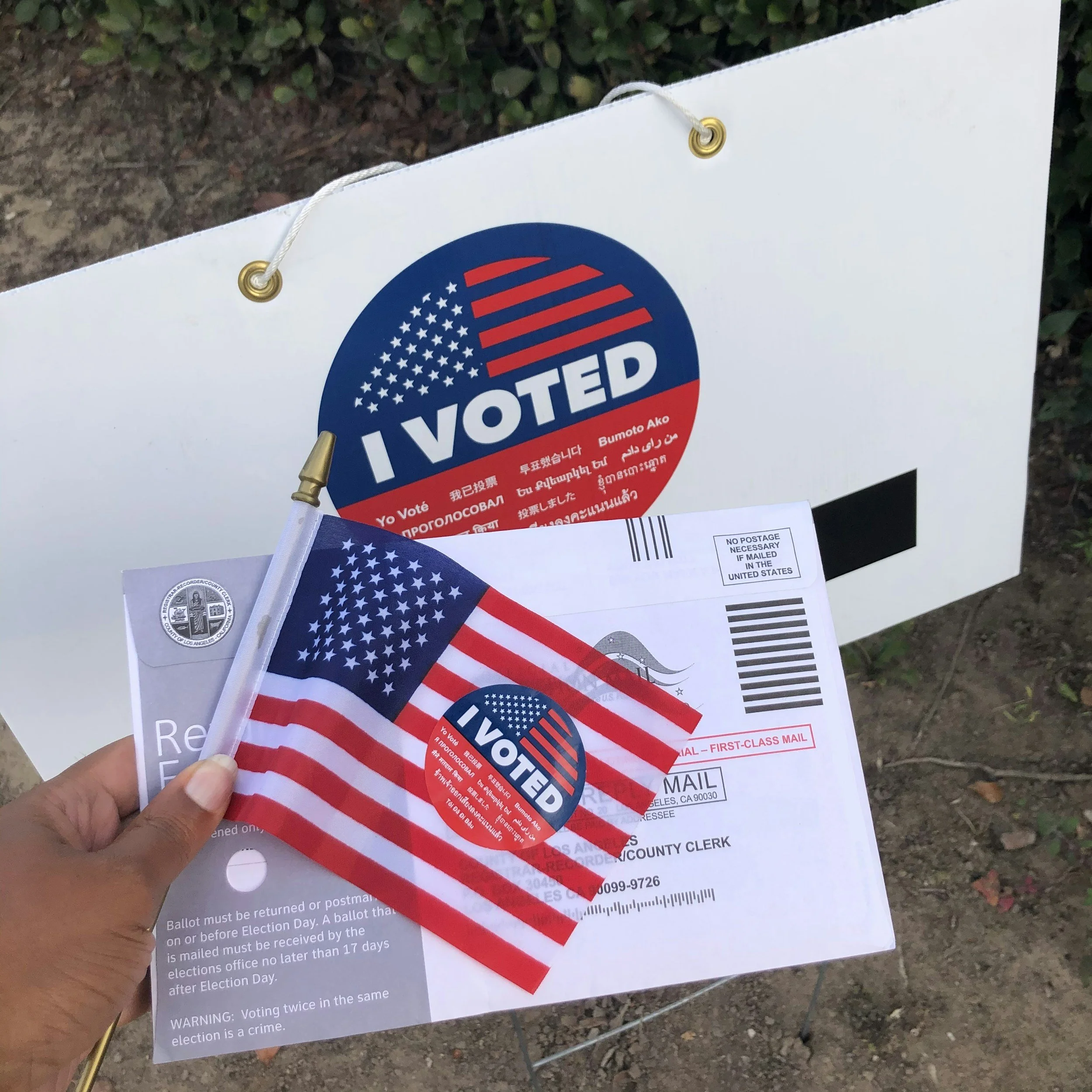
Read More(ANALYSIS) Where do you go to vote on Election Day? I am assuming that all you readers are actually voting. If you don’t, it’s my solemn duty as a classically trained political scientist to tell you that your vote matters and all that. I’ve voted in a bunch of different places in my life, especially when I was in college and graduate school.
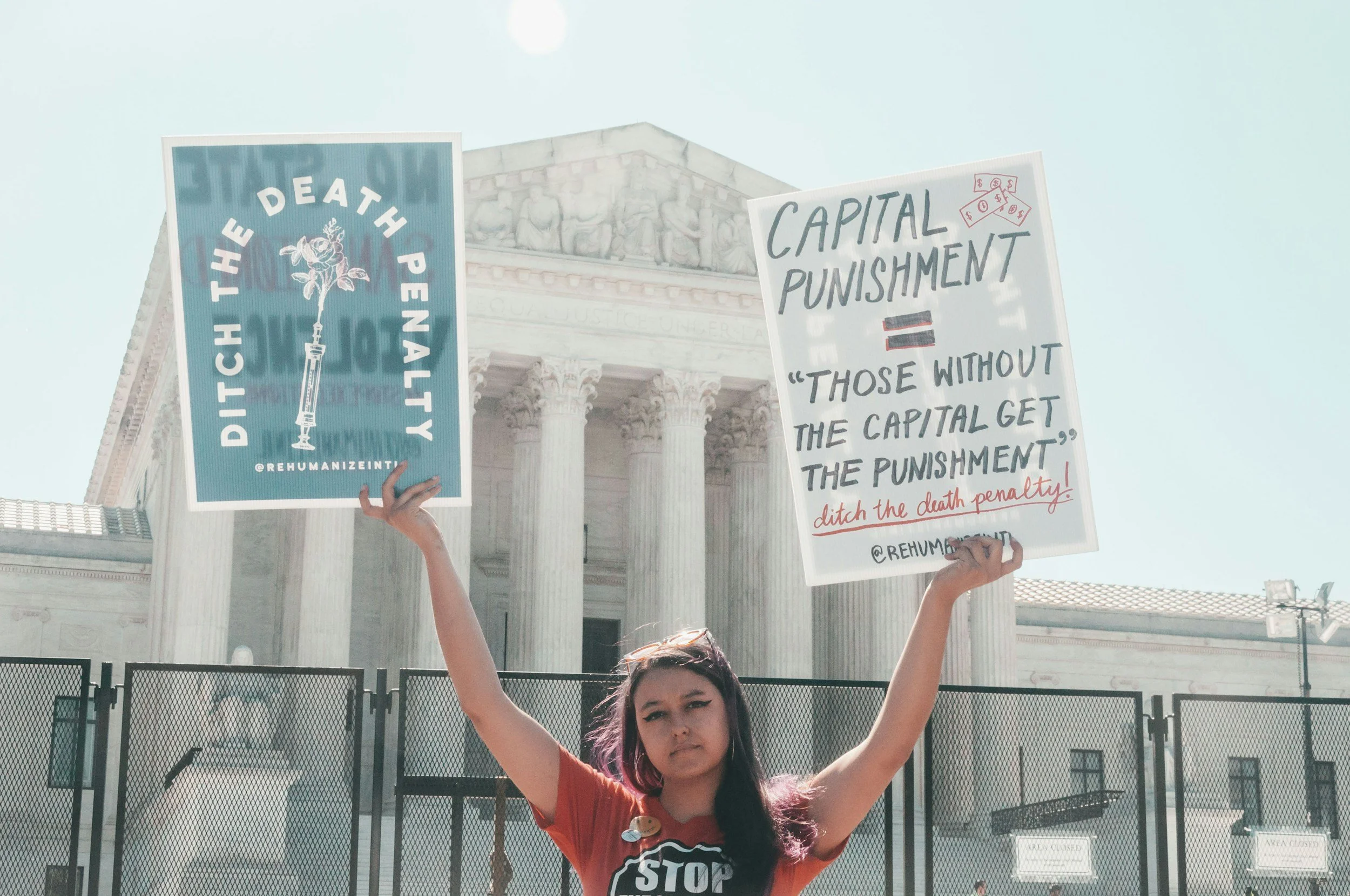
Read More(ANALYSIS) The planned execution of Fort Hood shooter Nidal Hasan sparked renewed debate among Christians over capital punishment. Catholic leaders cited church teaching opposing the death penalty, while some evangelical leaders defended it biblically. Disagreement also centered on whether televising executions promotes justice or glorifies violence.
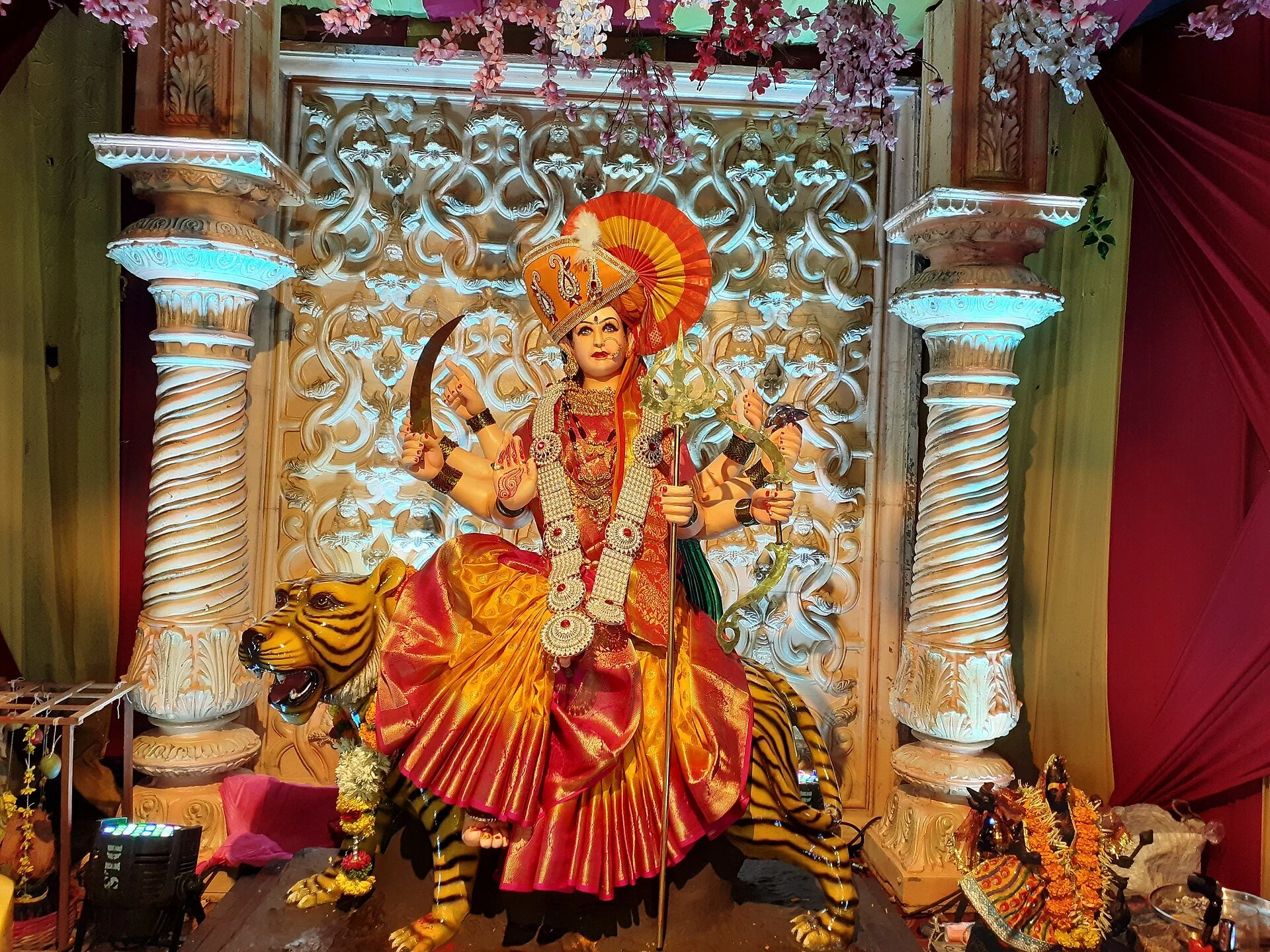
Read More(ANALYSIS) As some religious studies scholars argue, the charge that Hindus worship false gods and idols took hold in American national culture nearly two centuries ago. Nineteenth-century American schoolbooks, shaped by Protestant beliefs, sorted religions into “true and false,” treating Hindu “idolatry” as proof of moral degradation.
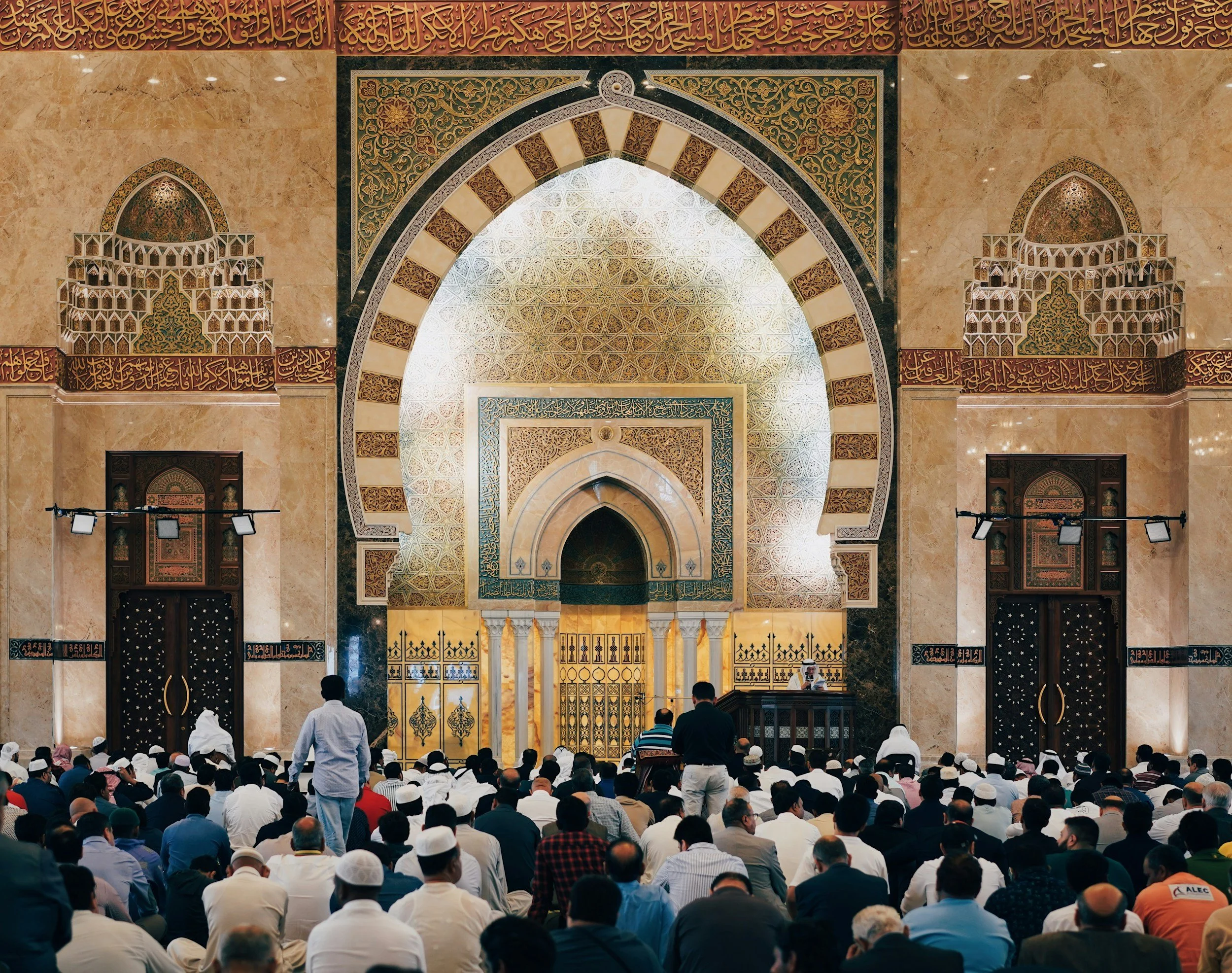
Read MoreSharia, often called Islamic law, is a system of religious guidelines that inform how Muslims understand their responsibilities to God, themselves, their families and society. The Arabic word — sharia — is commonly translated as “the way” or “the path.” It refers to a way of life rooted in Islamic teachings rather than simply a collection of laws enforced by a government.
Read More(ANALYSIS) From the Yazidis to the Rohingya, from the Uyghurs to other communities facing growing threats around the world, the use and abuse of AI, technology and social media must not go unpunished. Ignoring these new methods of persecution means that responses to such atrocities will never be adequate.
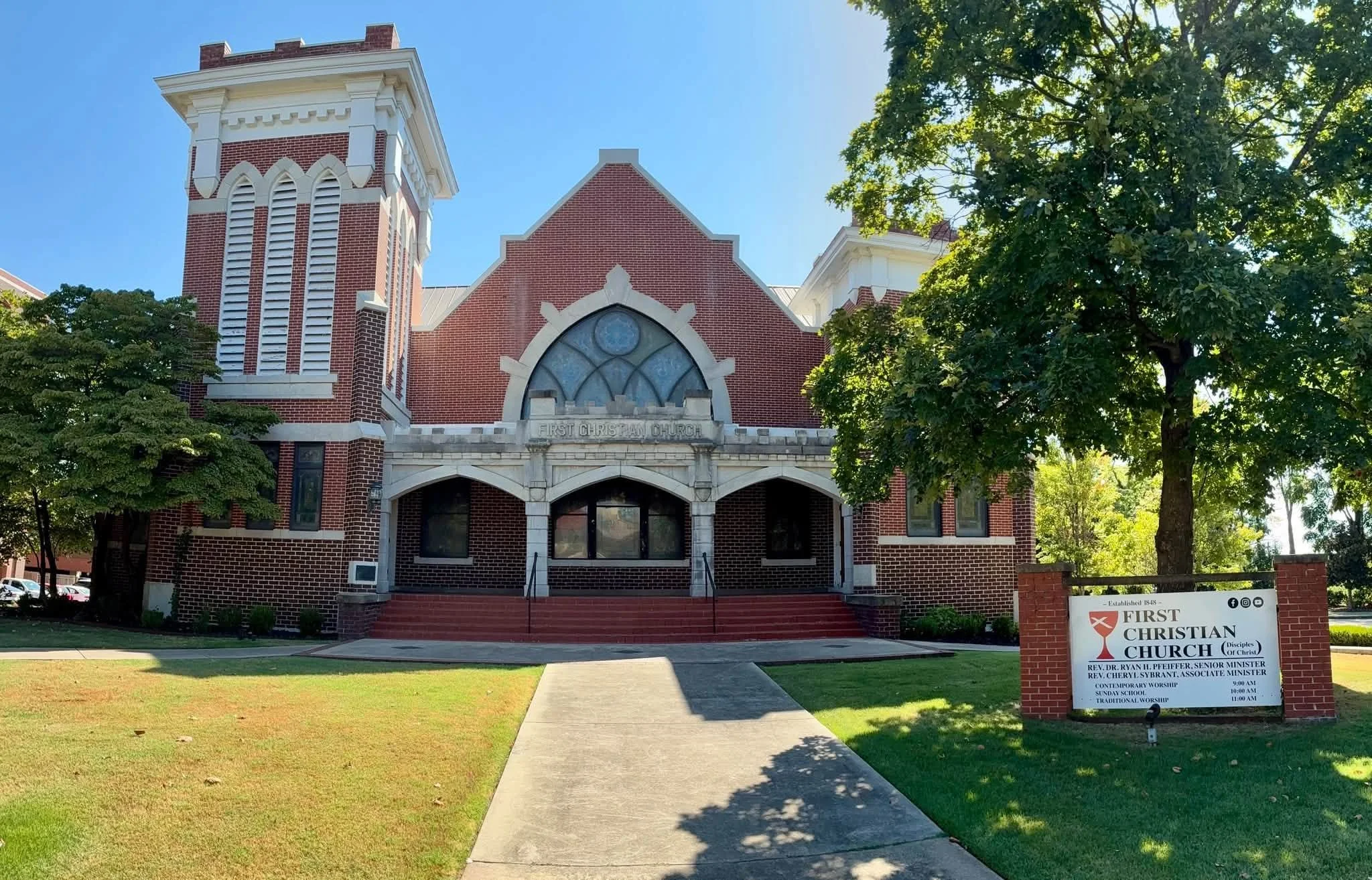
Read MoreThe latest grant round drew 466 applicants and includes the program’s first recipient in Arkansas, as historic houses of worship seek funding to preserve their buildings and community services.
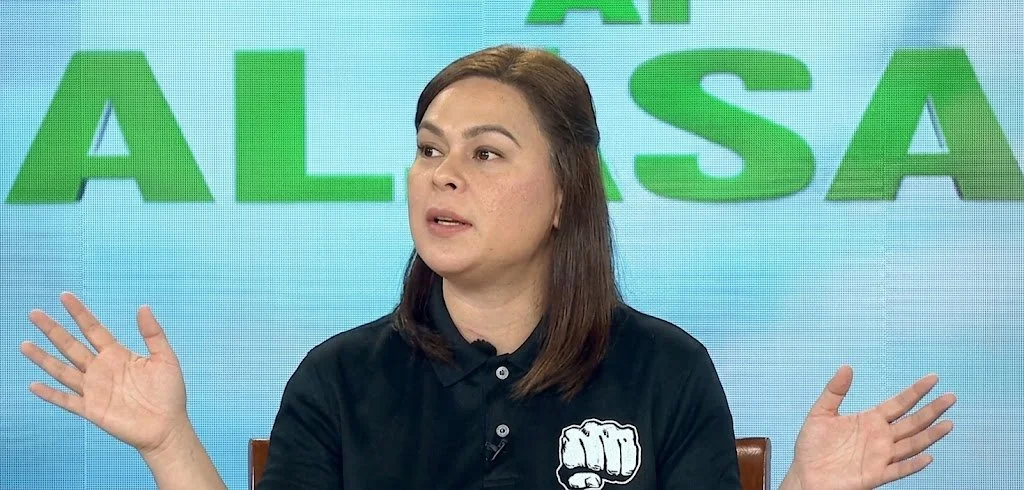
Read MoreDay after day, the senator-judges begin proceedings by asking God for the same things — truth, wisdom, justice and freedom from bias. As they prepare to decide Vice President Sara Duterte’s fate, those prayers have become an implicit measure of the responsibility they have assumed: To turn appeals for divine guidance into a verdict determined by evidence, law and conscience.
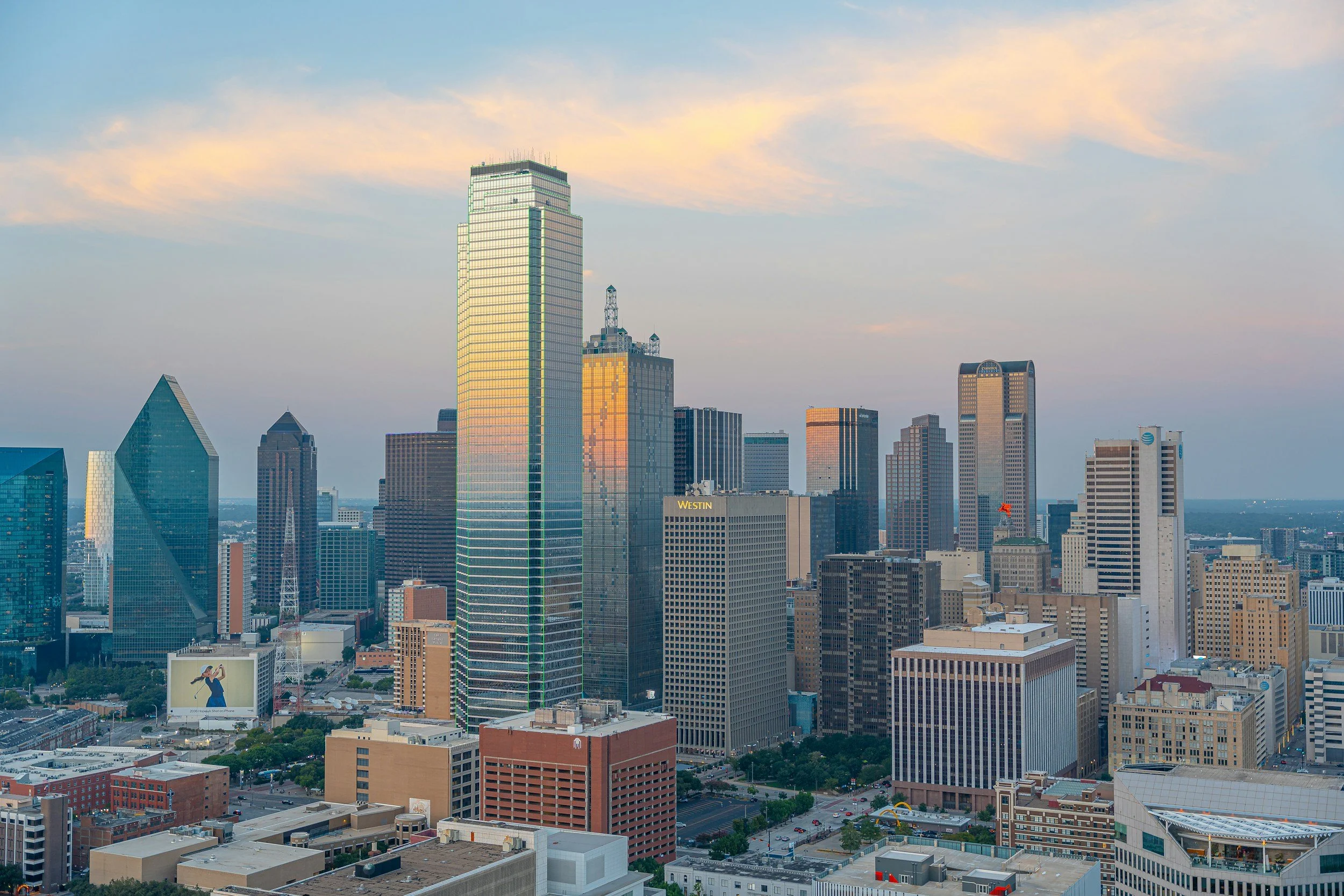
Read MoreWall Street investment banks have discovered what Southern Baptist financial ministries long have known: Dallas is a great place to do business. Goldman Sachs, JPMorgan Chase and Morgan Stanley are among the banks that have established or are considering major offices in Dallas. They join the headquarters of GuideStone Financial Resources and the Baptist Church Loan Corporation.
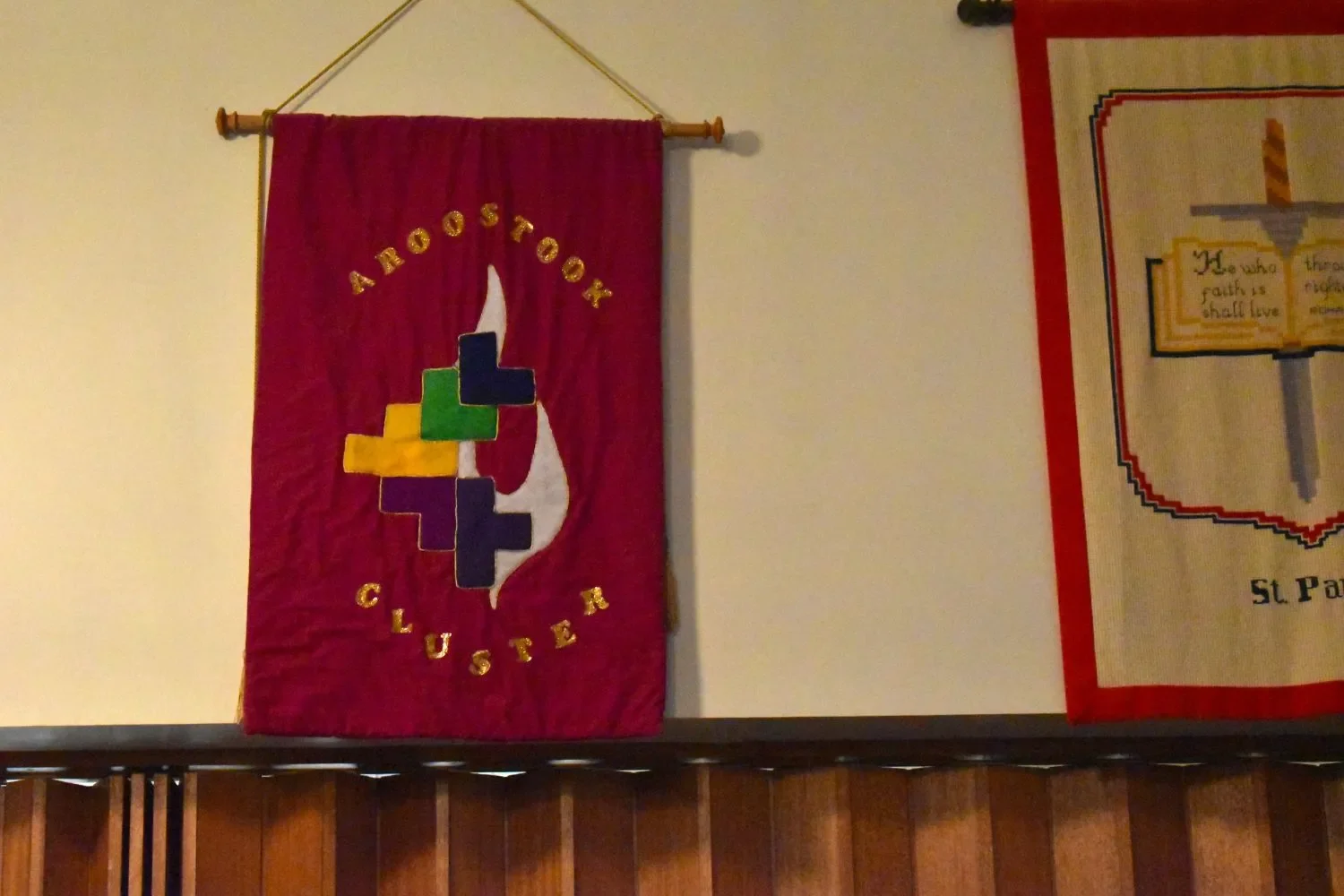
Read MoreSt. John’s and two other Episcopal churches in Maine’s Aroostook County — St. Paul’s Episcopal Church in Fort Fairfield and Church of the Good Shepherd in Houlton — have been without a spiritual director since the priest they shared retired last year.
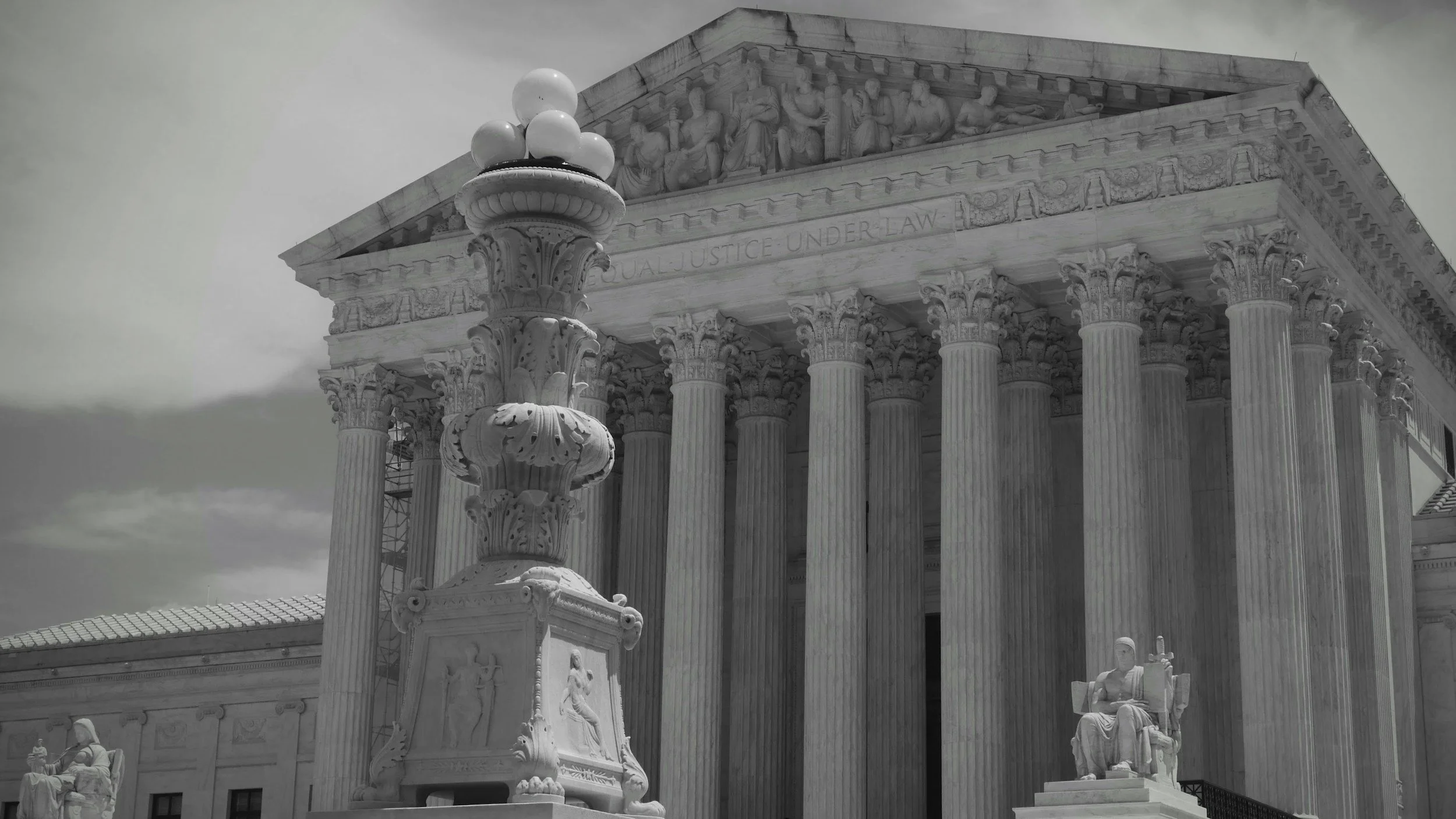
Read More(ANALYSIS) A significant case the U.S. Supreme Court will hear on appeal Nov. 3 evokes major elements of this century’s culture wars. This public policy clash pits claims based upon venerable religious rights against modern-day LGBT rights. It involves money and taxes, the Trump Administration, politicians of both parties, the Catholic Church and an array of national organizations.
Read More(ANALYSIS) Returning to my failed flight to the mountains, my own beloved, a goddess in her own right, reminded me: “You are a student of Hinduism, and you know that the Himalayan peaks are goddesses.” Unlike the Hindus of Nepal, the Buddhists of Bhutan keep a respective distance from the goddess and their kings always banned mountaineering in their own Himalayas.
Read More(ANALYSIS) Americans who trust science and reason more than their churches’ teachings, but still believe in God or attend services, are also more likely to believe in magic than those who prioritize religious teachings.
Read More(ANALYSIS) The Association of Religion Data Archives is awesome for a project like this because I can quickly find the datasets that I need to answer this question from multiple angles. I am going to use two different sources — the General Social Survey, which allows me to trace the contours of American religion all the way back to the early 1970s, and the Pew Religious Landscape Survey, which permits me to do a really deep dive on the state of Catholic retention in the last couple of years.
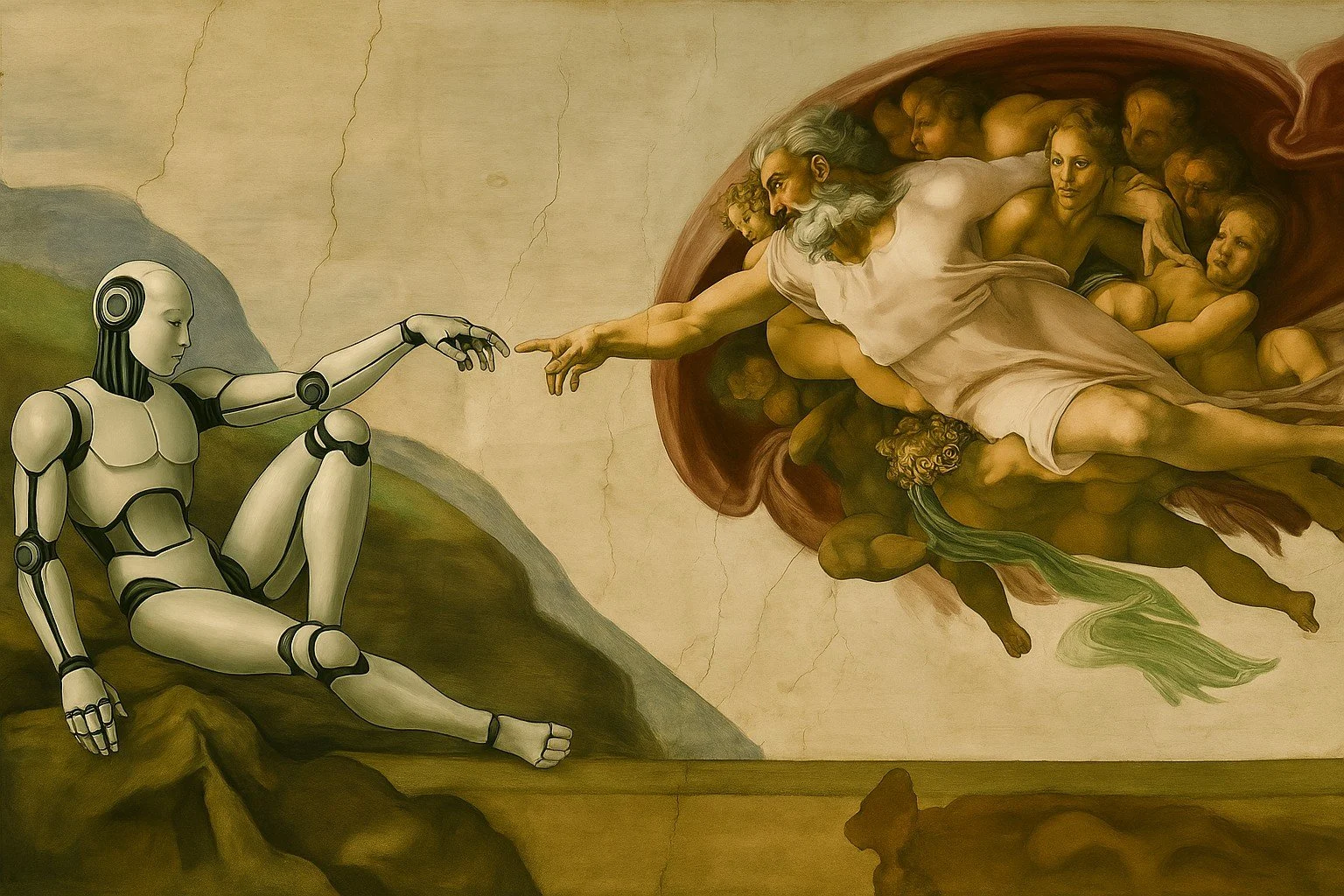
Read More(ANALYSIS) AI is everywhere. While it’s undeniably omnipresent, is anyone actually home upstairs? According to one researcher, the answer is yes. For centuries, religion has held a strict monopoly on the soul. Sentience, moral agency and the “image of God” have served as the sacred divide separating humanity from inanimate matter.
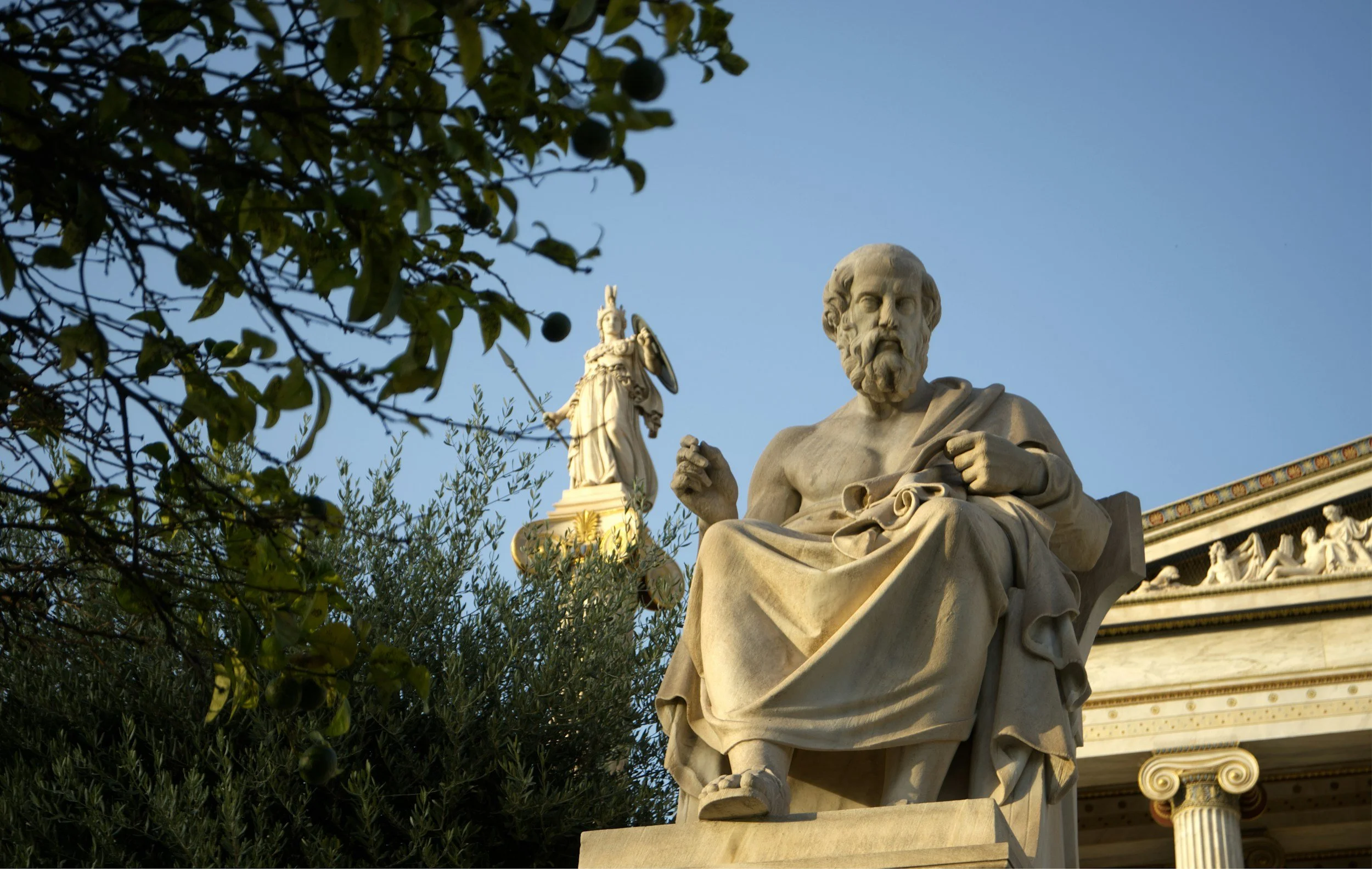
Read More(ANALYSIS) Political shamelessness threatens democracy by weakening leaders’ respect for ethical principles and the rule of law. Drawing on Plato’s Laws, this article explores reverence as a virtue that encourages humility, self-restraint and recognition of human limitations, arguing that responsible leadership requires accountability and respect for principles beyond personal interests.
Read MoreA new report released revealed that several large banks may have followed practices and policies that affected the availability of financial services to groups based on their political or religious beliefs, as well as legal business practices.
Read MoreThere used to be only a few regionalized mainline churches to choose from and husbands were once in total control of family decisions. When the African continent started to rapidly urbanize, family dynamics changed and it has become common for marriages to form across different church denominations, sparking a trend called “two-church families.”
Read More(ANALYSIS) Congregants described how belief and belonging helped them overcome challenges such as loneliness, “feeling stuck” due to their legal precariousness and being exploited at work. I heard stories of employers holding migrants’ passports hostage, or refusing to pay construction workers seriously injured on the job. Migrants told me their churches empowered them.
Read More