(ANALYSIS) In an era when religious and moral differences often feel like threats to identity, cultivating an individual ethic of pluralism may be one of the most critical civic tasks before us. Pluralism is not who we are by default. But it can be who we become — slowly, deliberately and together.
Read MoreLosing one’s sight can be difficult, but Christians who are blind in Kenya are finding new hope through solar-powered audio Bibles. Koki Ann, who works with the Montana-based “Your Network of Praise” in Nairobi, said: “Getting to reach people who are visually impaired was such a great breakthrough and pure providence.”
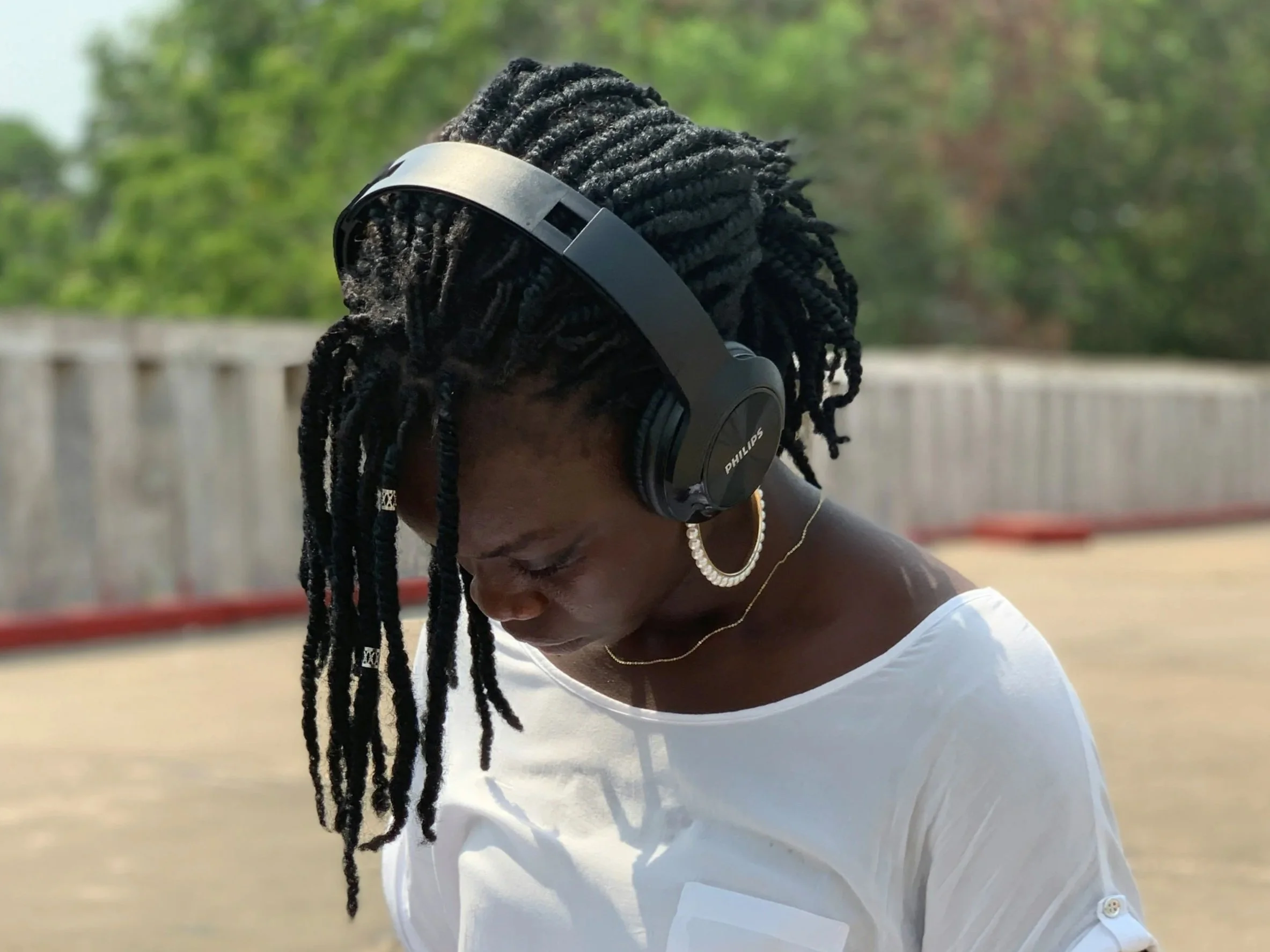
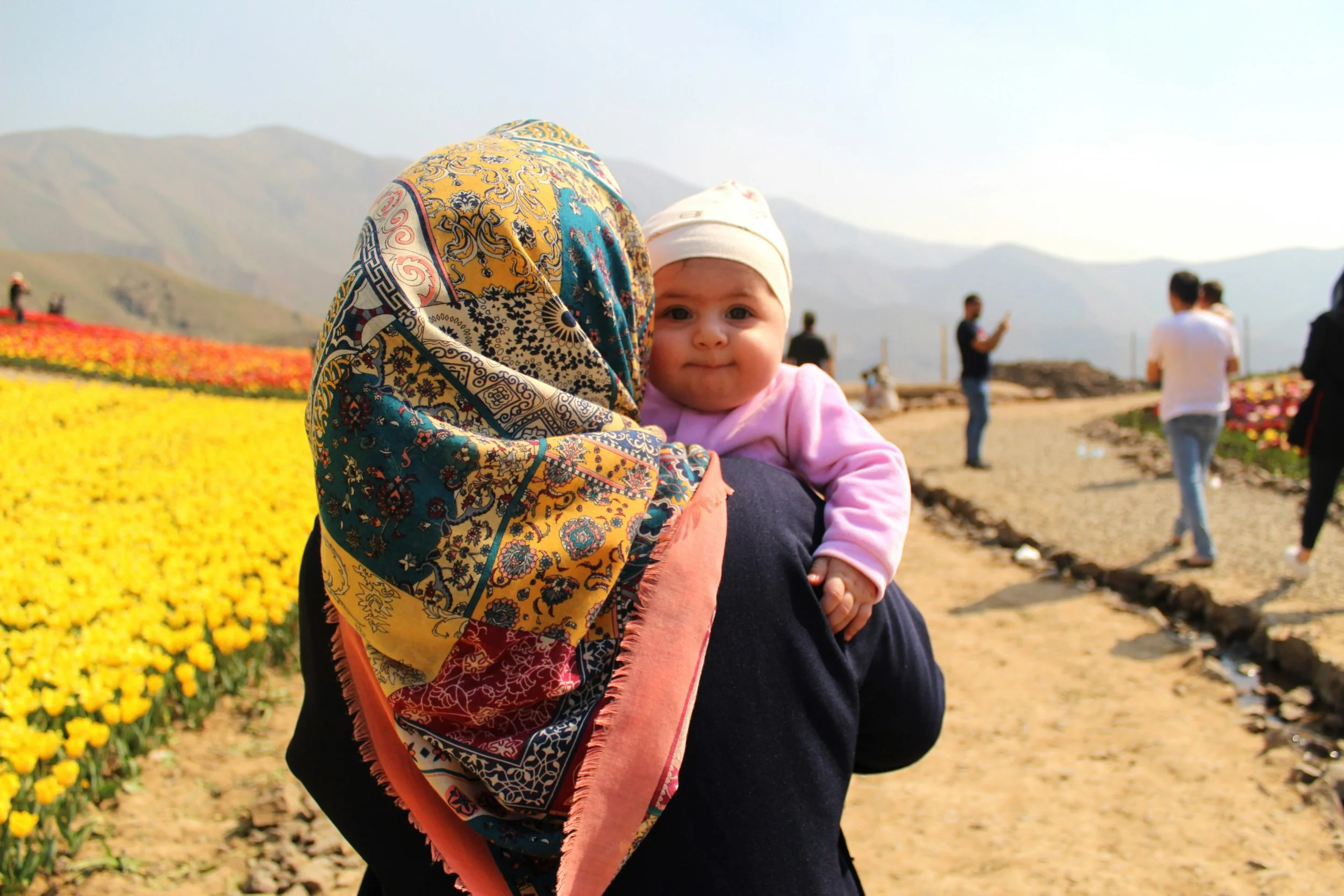
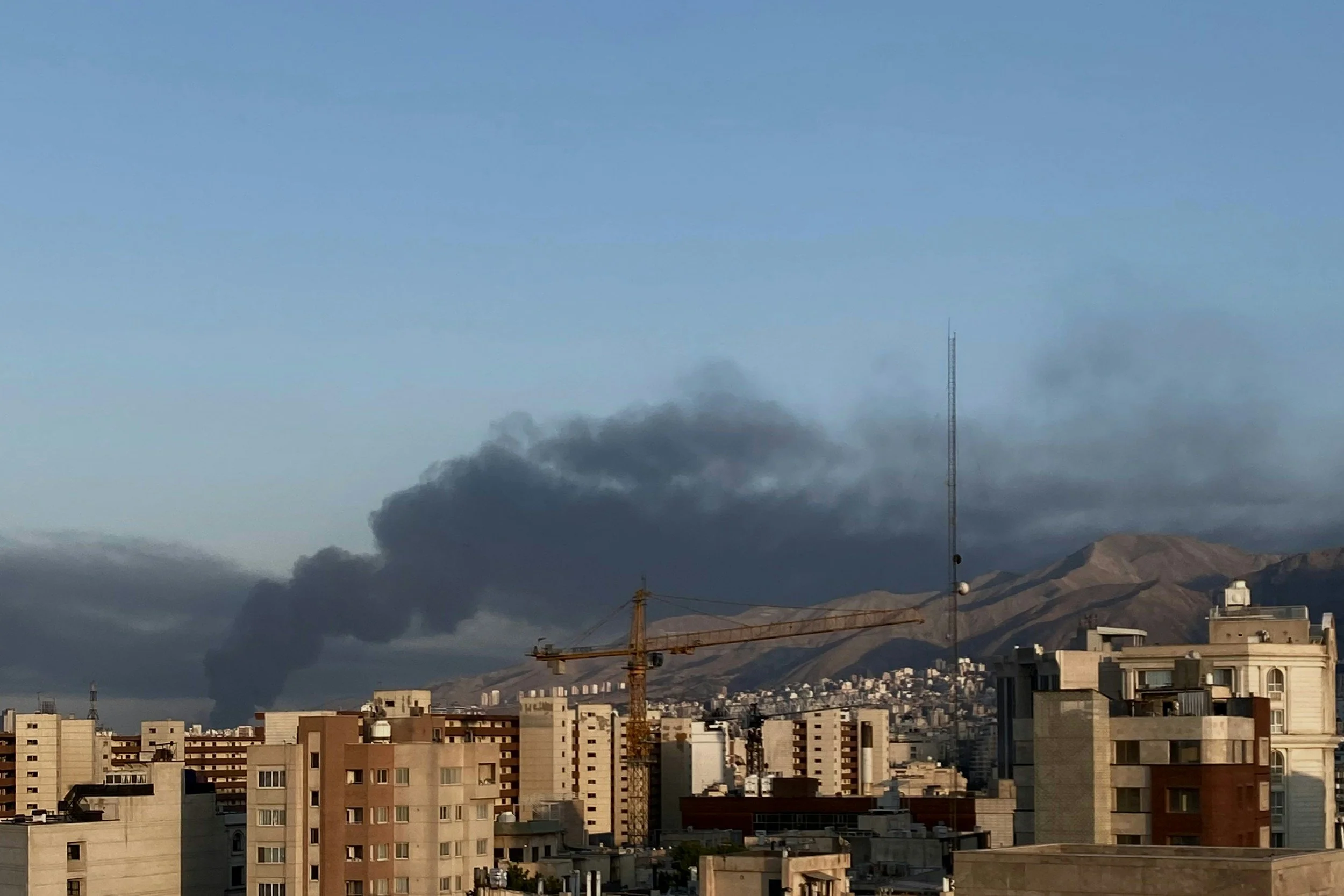
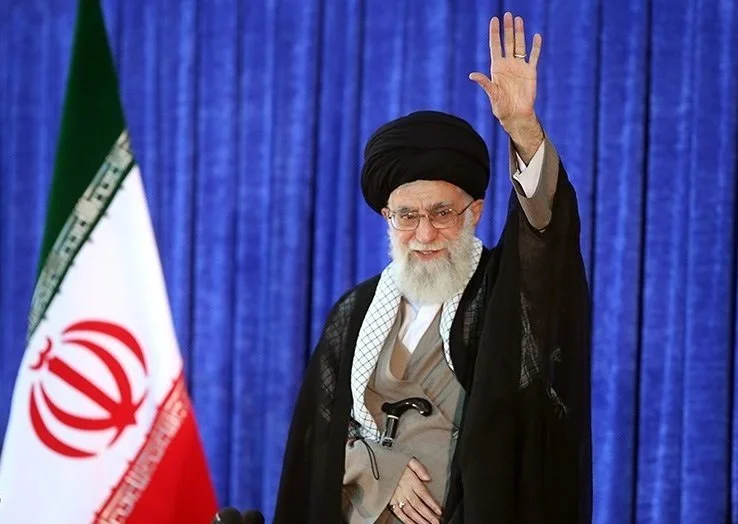
Read MoreIt’s been three weeks since the United States and Israel attacked Iran, killing Supreme Leader Ali Khamenei. It's now worth asking, “What do the Iranian people stand to gain from all this chaos?”
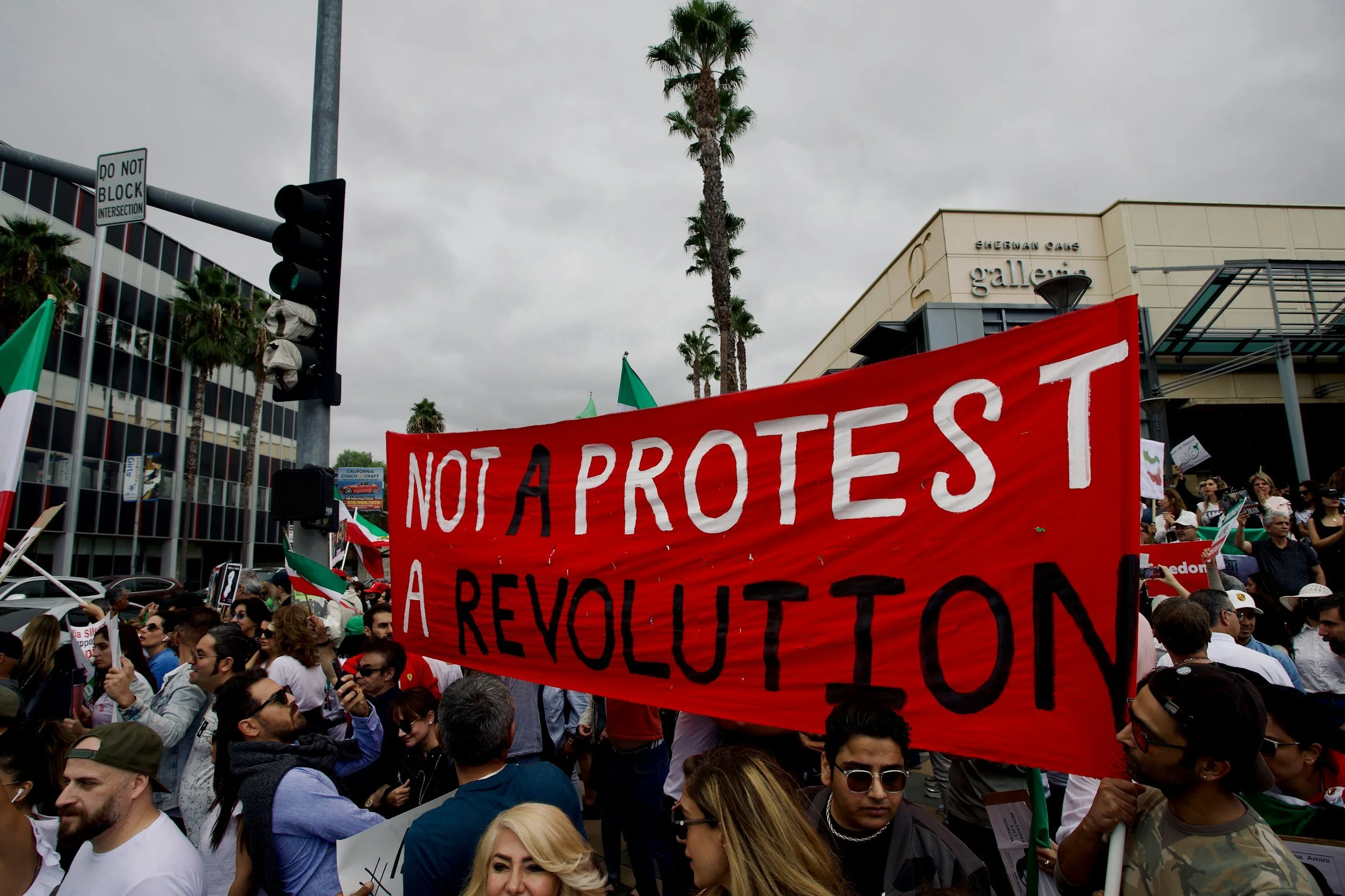
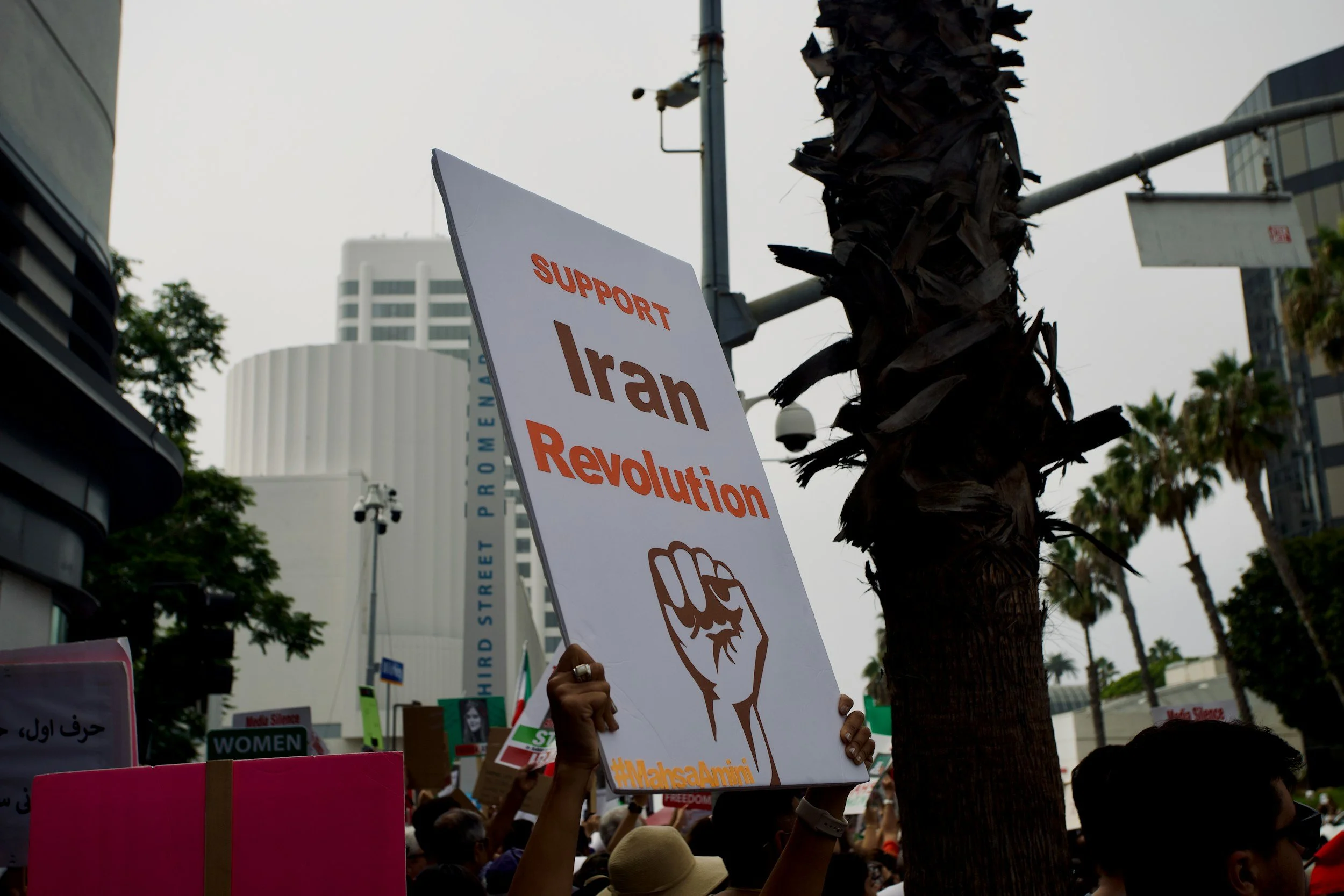
Read MoreBefore the war broke out, knowledgeable observers agreed that a vast majority of long-suffering Iranians despised the ruling theocracy’s incompetence and oppression. So a revolution now might seem as likely as in 1979, when such widespread revulsion brought down one dictator, only to be replaced by another one.
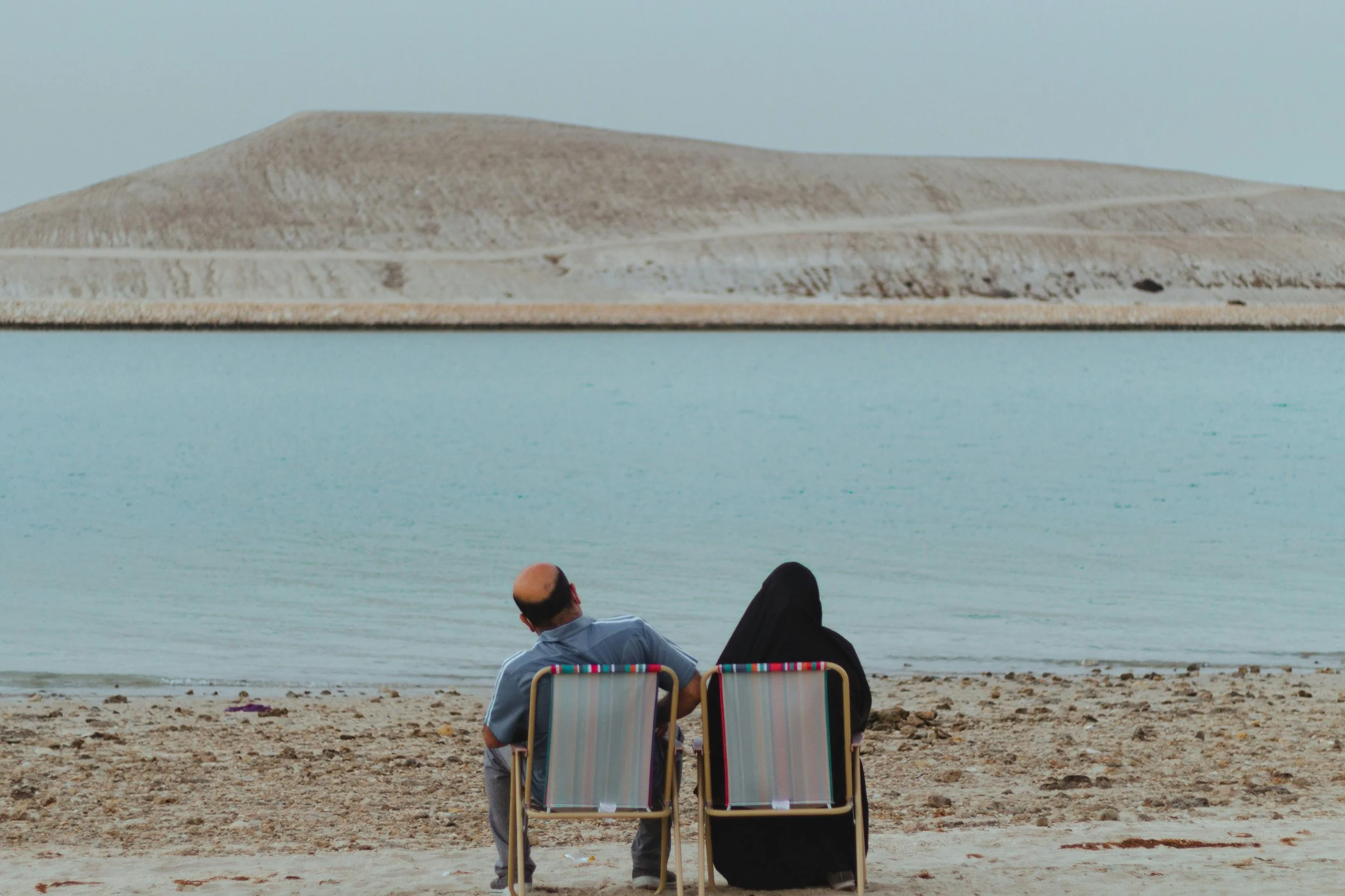
Read MoreIn the past three years, Bahrain, a small Middle-Eastern country off the coast of the Arab Peninsula, has been promoting women’s empowerment despite its strict religious laws and criticism from religious clerics.
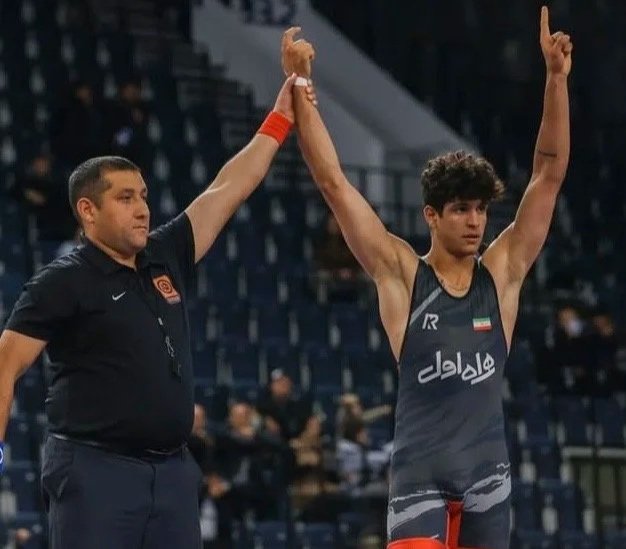
Read More(ANALYSIS) The execution of 19-year-old wrestler Saleh Mohammadi by Iran’s tyrannical regime is not just another macabre hanging in the theocracy’s escalating use of capital punishment, but a revealing incident in how the state confronts ongoing dissent.
Read More(ANALYSIS) In theory, many Christians support pacifism or non-violent resistance, but for Iranian Christians, those theories are challenged by the harsh realities of a hellish regime and an ongoing war. This question of ‘just war’ has a long history, going back to the first centuries of the church.
Read More(ANALYSIS) For millions of Iranians — especially religious minorities — the central political question is no longer simply whether the Islamic Republic can reform itself. After decades of repression, including the criminalization of peaceful religious expression and the systematic restriction of independent faith communities, the deeper question is what kind of political future could realistically secure freedom of religion or belief (FoRB) for all Iranians.
Read More(ANALYSIS) Alasdair MacIntyre’s journey from Marxism to Catholicism wasn’t a retreat from critique but its completion. He concluded that moral language collapsed without God, that virtue needs tradition and that societies survive only when they share a vision of what human life is ultimately for.
Read MoreThe report critiqued other branches of the U.S. government that have undercut protections for religious freedom. It criticized, for example, cuts to USAID programs, since many of those programs were specifically aimed at protecting religious freedom.
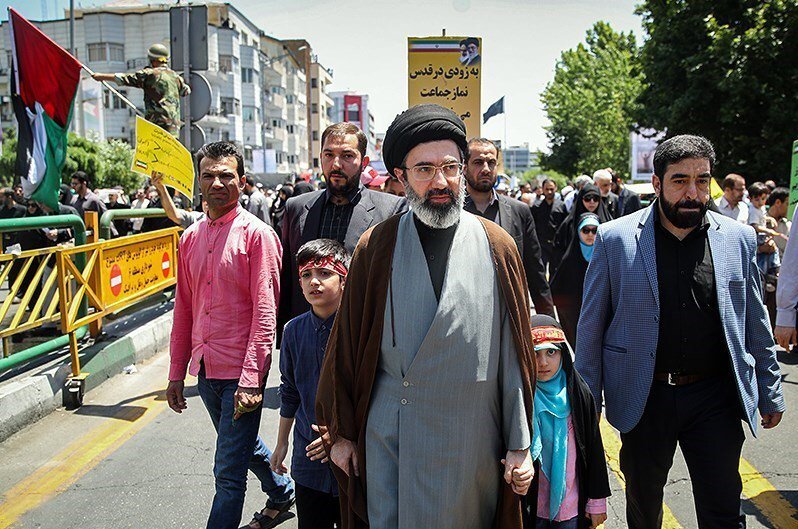
Read More(ANALYSIS) The appointment of Mojtaba Khamenei as Iran’s new supreme leader on Sunday marks a pivotal moment for the country’s political and religious future — and for the religious minorities who have long lived under the constraints of the Islamic Republic’s theocratic government. As the war rages on, it remains to be seen what his elevation means for Iran and the region.
Read More(ANALYSIS) Following the killing of Iran’s Supreme Leader, Ayatollah Ali Khamenei, the country has begun a rare leadership transition overseen by an interim council and the Assembly of Experts. As clerics consider successors such as Mojtaba Khamenei and Alireza Arafi, the process highlights how political loyalty often outweighs religious credentials in selecting Iran’s supreme leader.
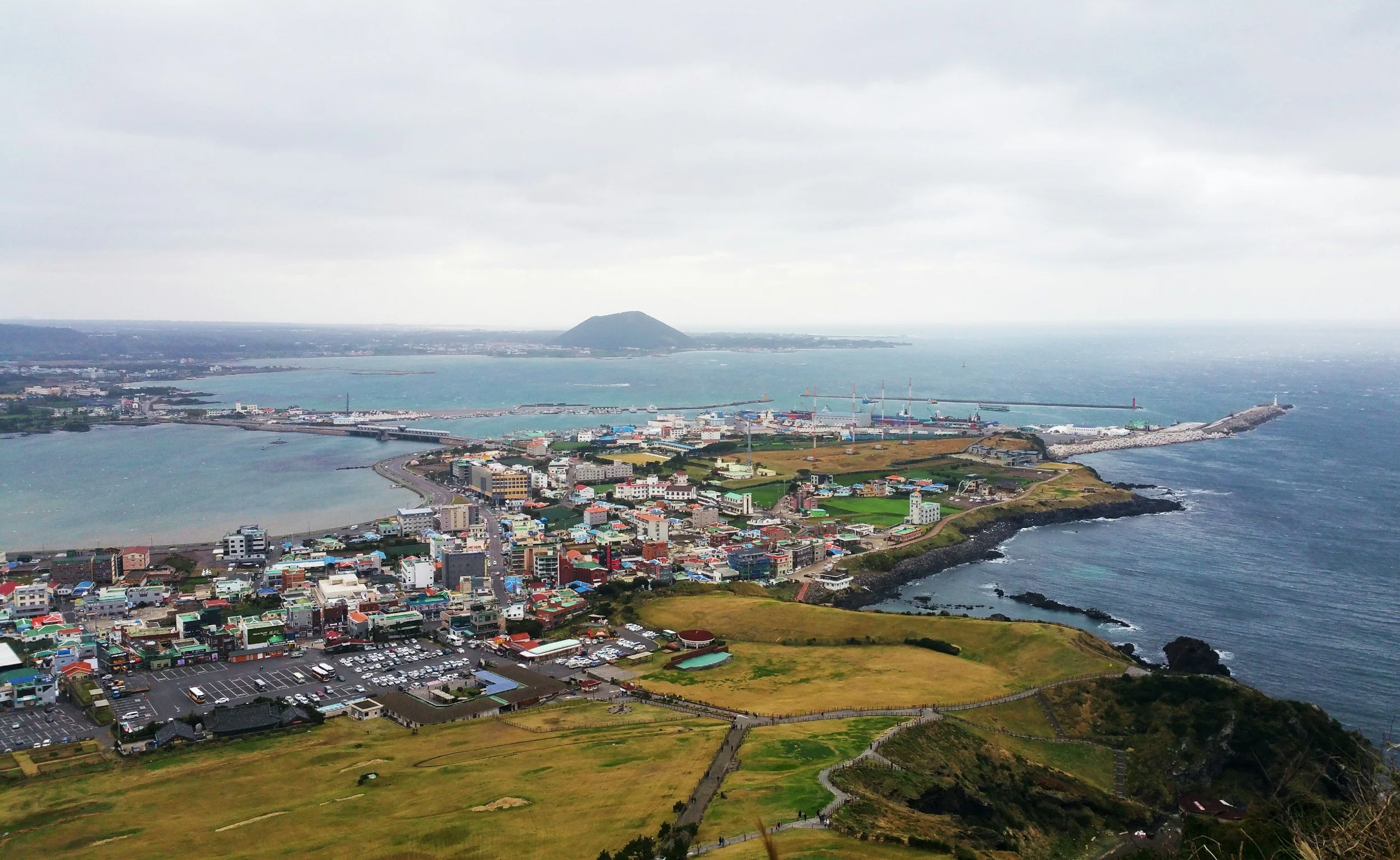
Read MoreThe residents of Jeju Island remember what it is like to resist imperialism and outside interests. Groups that were formed to protest the U.S. naval base construction have now shifted their focus to seek peace in Palestine following the year-long Israel-Gaza war.
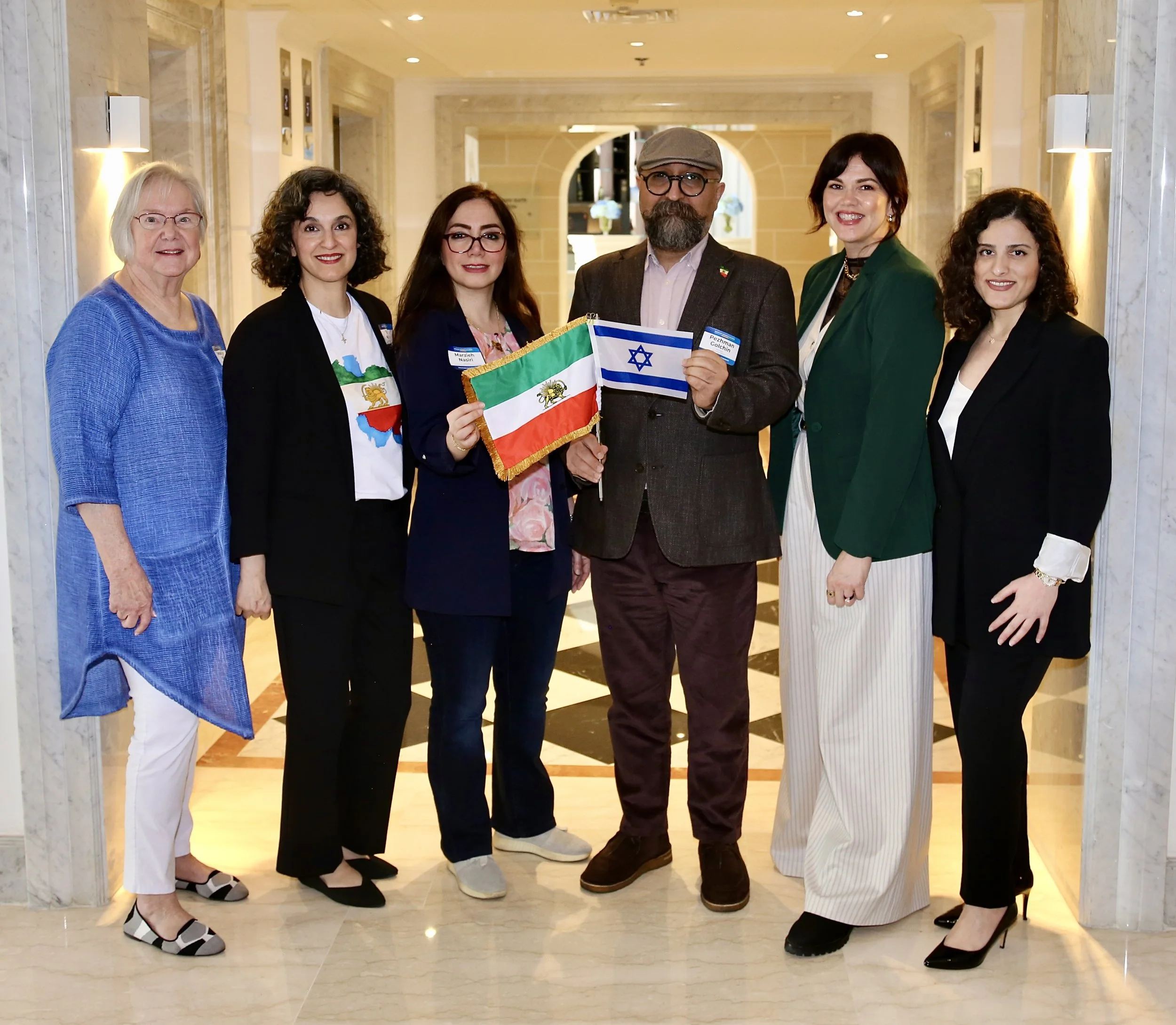
Read MoreThe summit unfolded against a backdrop of escalating geopolitical tension, coinciding with U.S.-Israeli airstrikes on Iran that resulted in the death of Supreme Leader Ayatollah Ali Khamenei and the prospect of regime change in a country gripped by Shi’a rule for nearly 50 years. For many of the attendees who flew to Malta, regime change in Iran is the start of a new era.
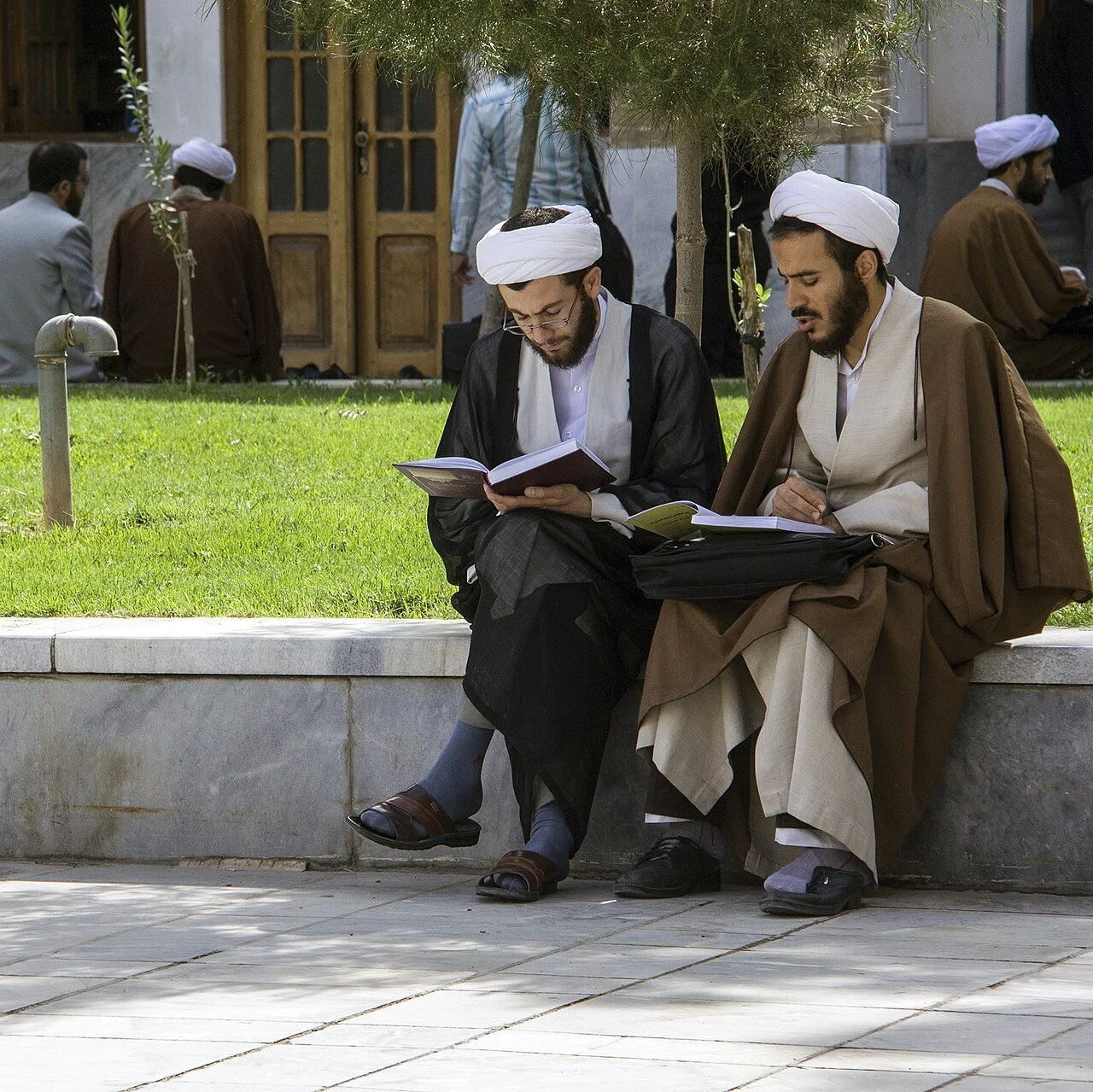
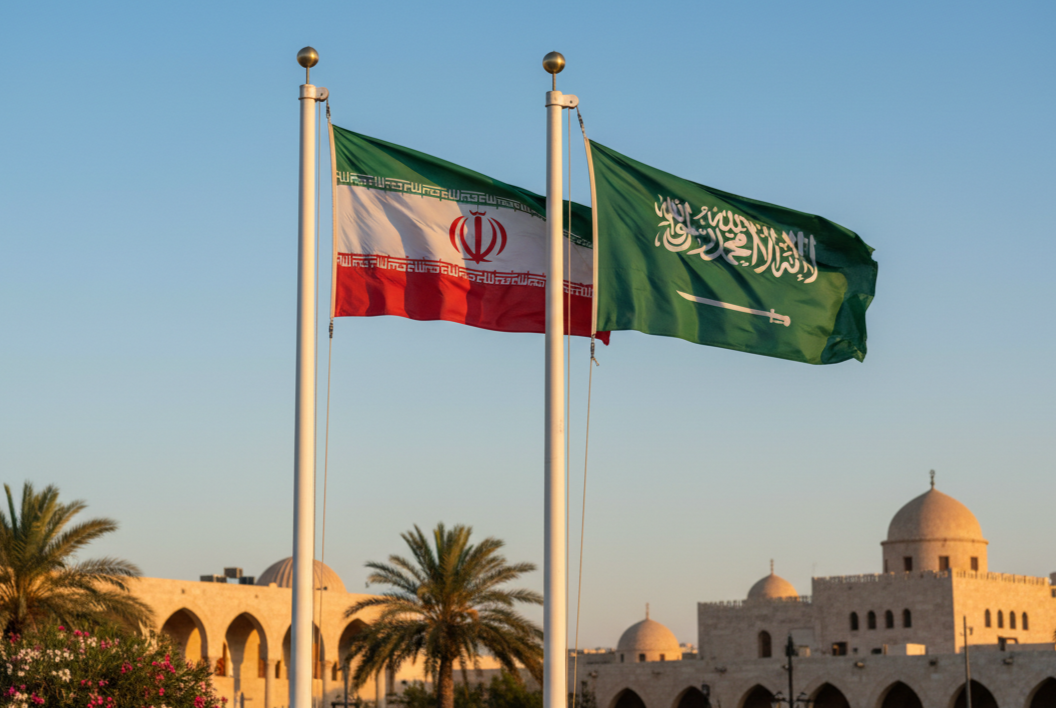
Read More(ANALYSIS) Understanding this distinction can help get past oversimplified narratives. The Middle East’s conflicts are not simply ancient religious feuds. They are modern political struggles shaped by history, identity and political interests. Here’s what you need to know about Sunni and Shia Islam — and how it impacts Iran and the current situation there.
Read MoreVenezuela's president has been in U.S. custody for two months now. But has the situation in Venezuela improved, and what does it mean for religious freedom? We talk with human rights experts about concerns for Latin American liberty at large.
Read More(ANALYSIS) Three rounds of nuclear talks between the U.S. and Iran failed to persuade President Trump that a solution to the nuclear impasse lay in diplomacy, rather than military action. A perceived lack of progress on Feb 26, was enough to prompt Trump to green-light a massive onslaught of missiles that has degraded Iran and killed Ayatollah Ali Khamenei.
Read MoreWith a U.S.-Israel bombardment underway and President Donald Trump and Prime Minister Benjamin Netanyahu openly pressing for regime change, related questions now loom large: What are the Iranian people prepared for — and who, exactly, is positioned to lead them if the Islamic Republic falls?
Read MoreThe assassination — announced by President Trump hours after Saturday’s airstrikes — is expected to throw the Islamic Republic of Iran’s future into doubt and raises the prospect that the country’s theocratic government could be overthrown after nearly five decades. Trump said the airstrikes and Khamenei’s death is “the single greatest chance for the Iranian people to take back their country.”
Read More(ANALYSIS) The joint U.S.–Israeli strike on Iranian targets on Saturday marked a dramatic escalation in the decades-long confrontation with the Islamic Republic — and raised two profound questions: Is this a real attempt at regime change? What would that mean for religious freedom inside Iran?
Read More