
The Sunni-Shi’a Muslim Divide: Why It Matters In The Iran War
(ANALYSIS) The divide between Sunni and Shi’a Muslims is one of the most discussed — and most often misunderstood — issues in global politics.
This difference frequently appears in headlines about the Middle East, like during the U.S. intervention in Afghanistan and later Iraq after Sept. 11. The topic is coming up again following a days-long series of airstrikes by the U.S. and Israel in Iran and Iran’s retaliatory strikes against Saudi Arabia.
Understanding this distinction can help move past oversimplified narratives. The Middle East’s conflicts are not simply ancient religious feuds. They are modern political struggles shaped by history, identity and political interests.
Here’s what you need to know about Sunni and Shi’a Islam — and how it impacts Iran and the current situation there.
When did the Sunni–Shi’a split begin?
The split began in 632 CE following the death of the Prophet Muhammad. The central question at the time was regarding a succession plan. One group believed the leader should be chosen by consultation among the Prophet’s companions. They supported Abu Bakr, a friend and early follower of Muhammad. This group later became known as “Sunnis” from “Ahl al-Sunnah” — meaning “people of the tradition.”
A second group believed leadership should stay within the Prophet’s family. They supported Ali, Muhammad’s cousin and son-in-law. This group became known as “Shi’a,” from “Shi‘at Ali” — meaning “party of Ali.”
At the time, the disagreement was about succession and authority — not theology. Over centuries, political differences evolved into religious distinctions.
What are the main religious differences?
Sunni and Shi’a Muslims share the core beliefs of Islam: Belief in one God, the Qur’an as holy scripture and Muhammad as the final prophet. Both observe the Five Pillars of Islam. The key differences revolve around religious authority and historical memory. Regarding leadership and authority, Sunnis do not believe any one person after the Prophet has divine authority. Religious scholars interpret Islamic law through established schools of jurisprudence.
Shi’a Muslims, on the other hand, believe that certain leaders, known as Imams — beginning with Ali — were divinely guided and spiritually significant. Globally, around 85% of 1.6 billion Muslims are Sunni, while 15% are Shi’a. Shi’a populations are concentrated in Iran and Iraq, with significant communities in Lebanon and Bahrain.
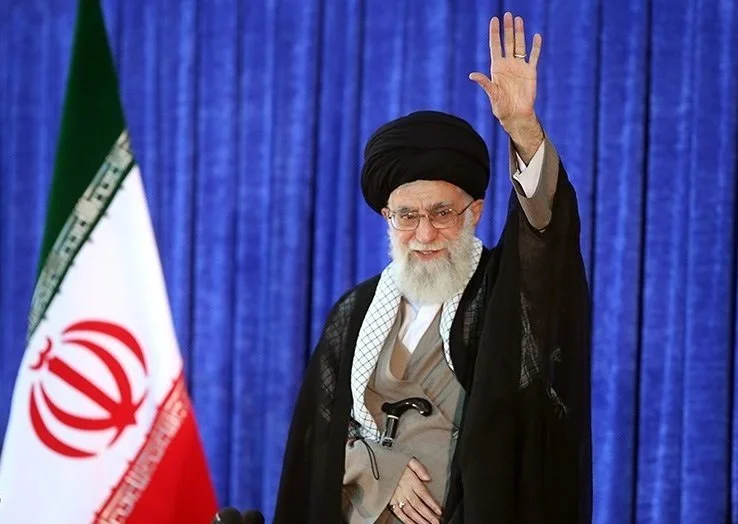
Iran’s Ayatollah Ali Khamenei served both as the country’s political and religious leader. (Wikipedia photo)
Is the Sunni–Shi’a divide mostly about religion today?
Not exactly. While theology matters, modern conflicts labeled “Sunni vs. Shi’a” are often about power, influence, territory and national interests. Political leaders sometimes use sectarian identity to mobilize support, but the driving forces behind most regional conflicts are geopolitical.
How does this divide relate to Saudi Arabia and Iran?
The countries represent two different political and religious models in the region. Saudi Arabia is a Sunni-majority kingdom that positions itself as a leading power in the Arab and Sunni Muslim world. Iran is a Shi’a-majority republic that sees itself as a leader of Shi’a communities and as a revolutionary force challenging Western influence in the region.
The political rivalry intensified after Iran’s 1979 Islamic Revolution, which overthrew a U.S.-backed monarchy and established a theocratic government. Since then, the two states have competed for regional influence in the Middle East and beyond. From Saudi Arabia’s vantage point, Iran presents several concerns. Iran supports terrorist groups across the region. Saudi Arabia views this as an expansion of Iranian influence into Arab states. Also, Iran’s nuclear ambitions are seen by nearby Gulf states and Israel as security threats.
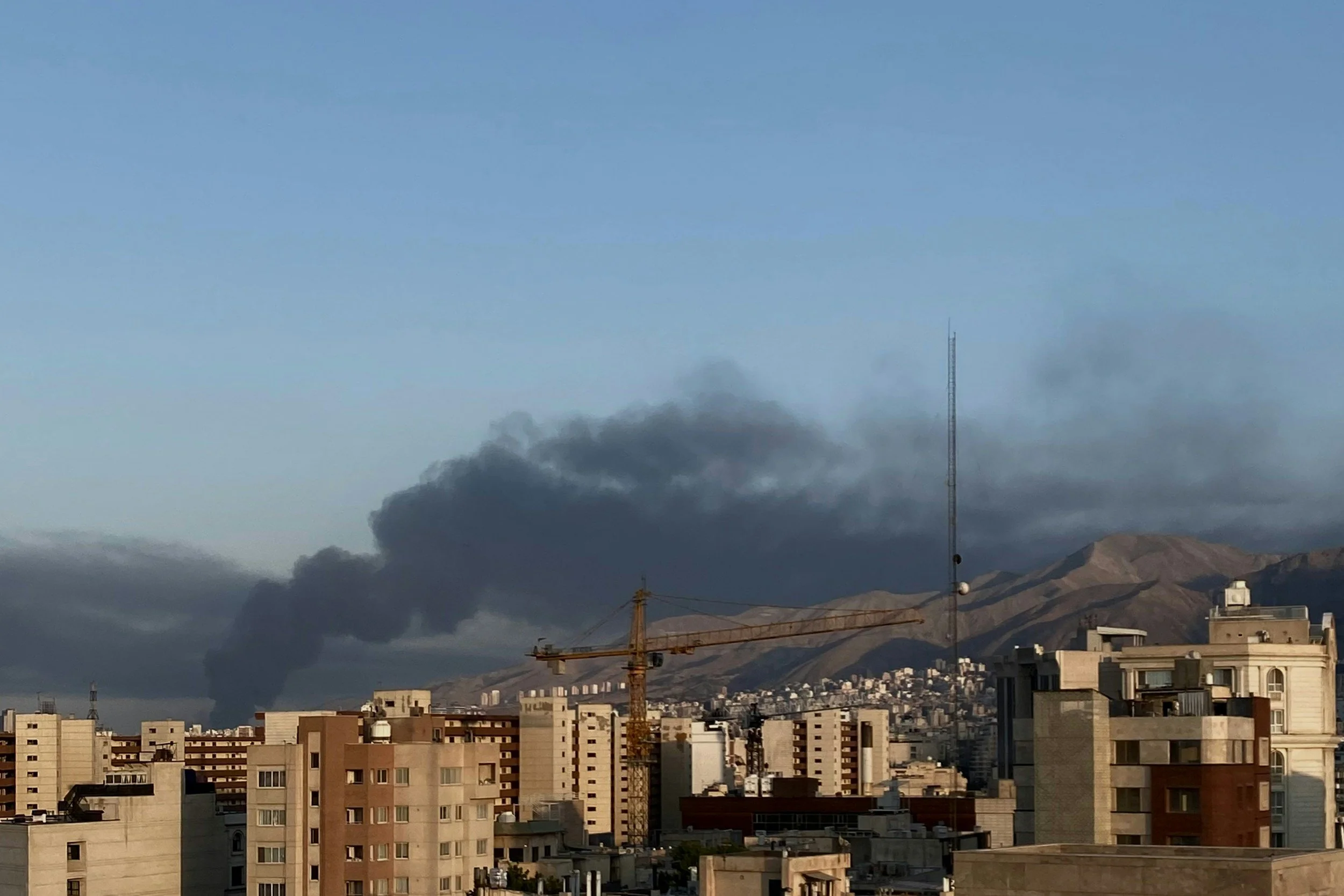
A photo showing a black plume of smoke on Feb. 28 after a U.S. air strike on Iran. (Unsplash photo)
Does Saudi Arabia back the U.S.-Israeli strikes on Iran?
The situation is nuanced. Saudi Arabia and the U.S. have long maintained a security partnership. The U.S. provides military support and defense cooperation to the kingdom. Israel and Iran, meanwhile, are bitter adversaries, particularly over Iran’s support for groups hostile to Israel and its nuclear program.
Whenever tensions escalate between Israel, the U.S., and Iran, Saudi Arabia’s position typically reflects its security concerns about Iran’s power. However, the Saudi leaders also seek regional stability and have, at times, pursued diplomatic engagement with Iran.
In recent strikes, Iran retaliated by lobbing rockets at 10 Middle Eastern nations. Saudi Arabia said Iran struck its capital, Riyadh, and its eastern region. At the same time, Saudi authorities also rejected reports that it had covertly encouraged the US and Israel to mount an attack on Iran in the week leading up to the attack. The damaging charge, if it stuck, would leave the Saudi royal family in difficulties domestically since it had accused Israel of committing genocide in Gaza.
Is this current conflict mainly about Sunni vs. Shi’a?
Not really. While sectarian identity certainly influences the region, the core struggle between Saudi Arabia and Iran is largely about regional leadership, control of political influence and relations with global powers.
Clemente Lisi is executive editor at Religion Unplugged.