
Romantasy: The Book Genre That Blends Love, Magic ... And Moral Dilemmas?
It was one of the biggest book trends of 2025 — and it’s expected to be just as popular this year.
Romantasy, the genre that has become all the rage around the world, combines the imaginative scope of fantasy with the emotional intensity of romance. These books use love as a central narrative driver. At the same time, the setting provides a chance for world-building and supernatural elements that heighten the stakes of romance.
Unlike traditional romance or fantasy, romantasy allows authors to explore the tension between personal desires and larger-than-life circumstances. Key elements of romantasy, for example, includes mythical settings and supernatural beings — both giving heightened danger amid romantic relationships. It’s what some online have called “dark Hallmark.”
READ: From Virgin Birth To Miracles, A New Book Explores Historic Accounts Of Jesus
These books are expected to get an extra boost as we approach Valentine’s Day and over the coming months as summer reading lists emerge. Not surprising, some romantasy include faith-based themes, which serve to deepen the moral, spiritual and philosophical elements to the story. One of the most common ways this occurs is through divine or spiritual influence on characters and events.
Religious responses to romantasy are less about the genre and more about how its themes align with each tradition’s spirituality and morality. For instance, a protagonist might be guided by a prophecy, chosen by a deity or burdened by a holy mission. In such cases, love is not merely personal, but has cosmic or spiritual significance.
Romance and fantasy are not new bedfellows, although the term romantasy is. They have had a long and healthy relationship since Guinevere first saw Lancelot. The most famous 21st-century title is Stephenie Meyer’s “Twilight” from 2005 — the first in a paranormal romance series featuring vampires.
It was a year ago that author Rebecca Yarros’s “Onyx Storm,” the third book in her Empyrean series of novels. The book sold 2.7 million copies in its first week alone — a mania not seen since the “Harry Potter” series two decades ago. Online influencers have often praised the female empowerment they encounter in these books. Some are even naming their kids after their favorite characters.
Romantasy “allows women to have it all,” Instagrammer Christina Clark-Brown told The Guardian.
“There is no damsel who needs saving but rather women are allowed to be powerful, go on epic quests, and find love with a partner who is an equal to them in every way,” she added.
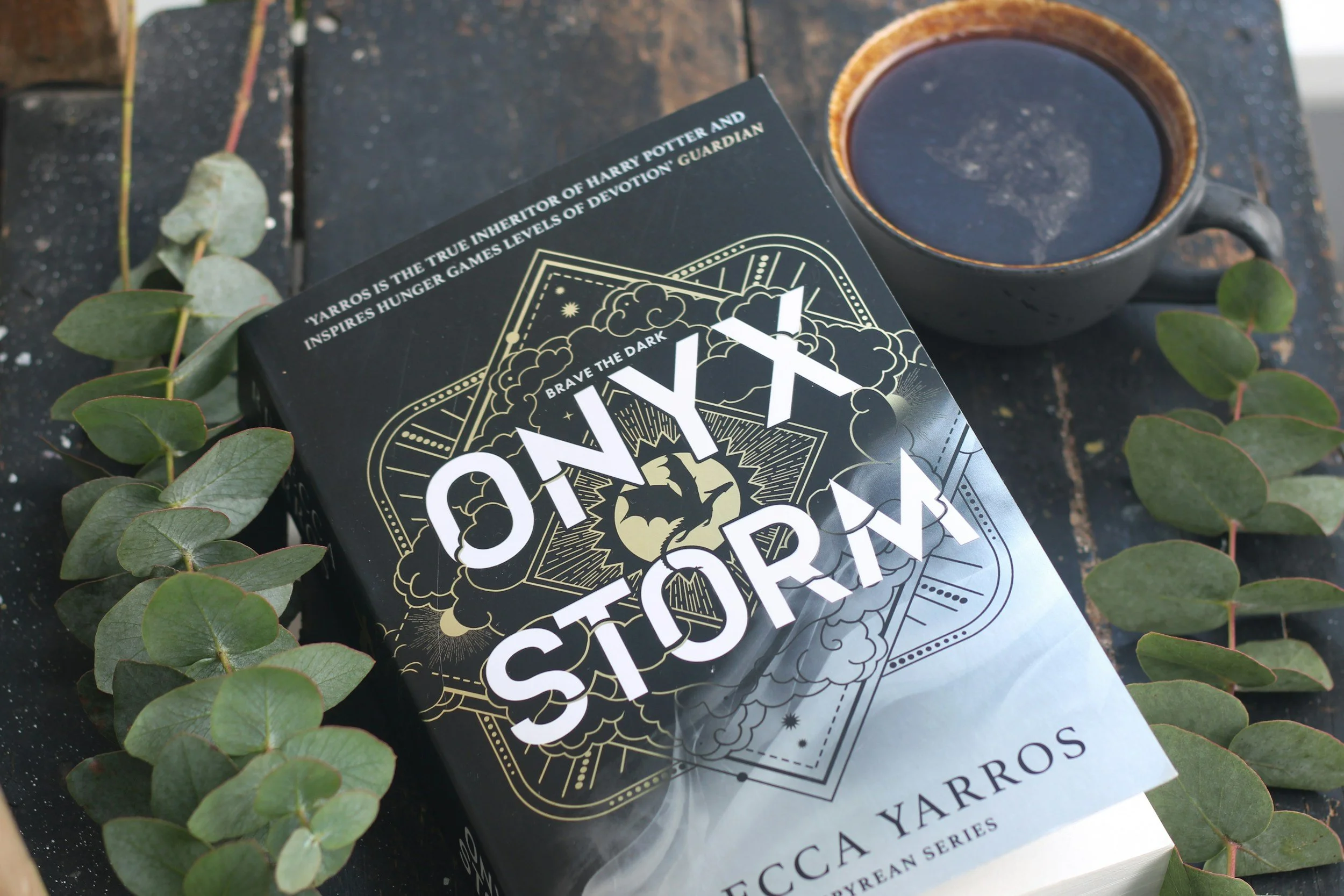
Photo via Unsplash
What Christians think of the genre
Some Christians are not so thrilled about the content in these novels. Christian perspectives vary depending on the content of the book and a person’s beliefs. Since many of these books contain mature content, a growing chorus find them morally troublesome.
The Gospel Coalition, in a post from last year, pointed out: “The erotic content in romantasy poses the greatest concern for Christians. While euphemistically labeled ‘spice,’ these scenes are often explicit. … Even some secular readers have found the depictions alarming.”
Since 82 percent of readers of this growing genre are women, the “soaring popularity of spicy romantasy has implications for the sisters, daughters and mothers who sit beside us in church,” the post added.
On Reddit message boards, however, the allure of this genre – even without the lust – is growing. Others are openly asking, “Is reading romantasy even a sin?”
“I saw an Instagram reel this week of a woman saying, ‘I love Jesus, but I read romantasy.’ And the overwhelming support and agreement in the comments was staggering,” Emily McDonald noted on Substack. “Professing Christian women everywhere are devouring and recommending this.”

Photo via Unsplash
How other faiths see it
Non-Christian faiths do not have an official stance on romantasy as a genre. However, their teachings shape how followers tend to evaluate it. Concerns surrounding sexual explicitness and portrayals of magic or the supernatural remain. As a result, reactions can vary widely depending on faith and geography.
In Islam and Sikhism, the genre is often approached cautiously. Romance itself is not forbidden, but explicit sexual content is generally discouraged by those who adhere to those core beliefs.
Three other faith traditions — such as Judaism, Hinduism and Buddhism — tend to evaluate this genre through an ethical or psychological lens. Judaism, for example, allows for a wide range of literary engagement. Orthodox Judaism, on the other hand, forbid the reading of such books — although there have been exceptions.
Eastern religions also have a different view. Hinduism is generally comfortable with fantastical worlds and divine beings, seeing romance as a natural part of life when balanced by duty and purpose. Buddhism is usually neutral toward fantasy and romance as fiction, but cautions against craving or the type of escapism that may deepen suffering.
There’s one important way you can share your love with us this month. We’ve compiled a reader survey that takes less than 60 seconds to fill out. It’ll help us get to know you better and show us important areas we should direct our coverage. You can fill out the survey here.
Clemente Lisi serves as executive editor at Religion Unplugged.