In Marshall King’s 21 years reporting on food and writing columns, he noticed the intersection of food and faith. His childhood growing up with Amish grandparents and attending conservative Mennonite churches with food-filled fellowship halls planted the seed for his career in food writing.
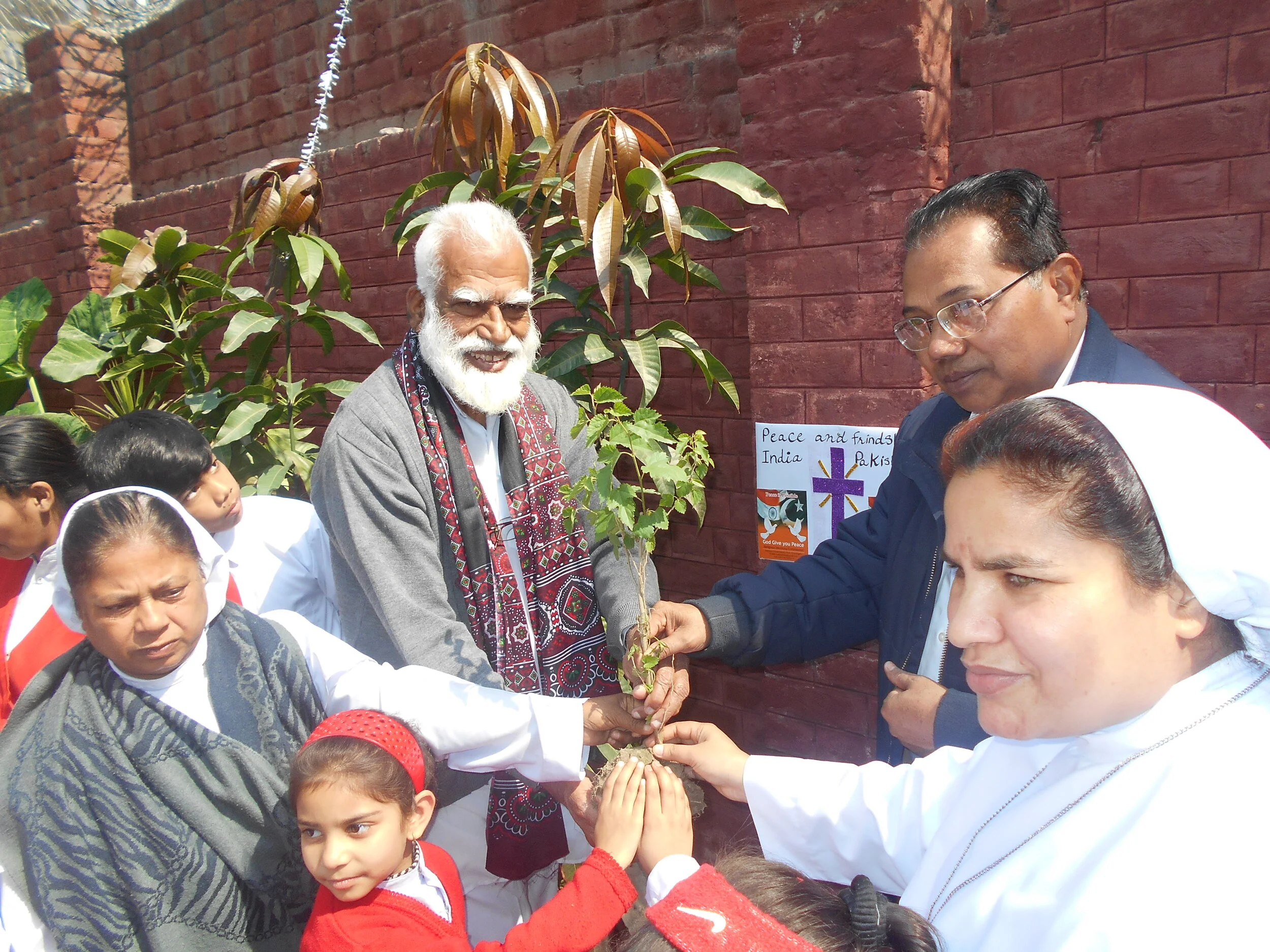
Read MoreWith peace letters written by schoolchildren to friends unknown to them across the border, Jesuit priest Joseph Kalathil set out to build bridges between India and Pakistan—neighbors scarred by decades of conflict and hostility. The challenge seemed not only risky but insurmountable. Yet, Kalathil remained determined.
Read MoreMillions of cicadas, of a type called ‘Brood X’, are emerging from underground this summer from New Jersey to Indiana and Pennsylvania to Virginia. They’re known for casting off their shells and the humming music they create by rubbing their wings. But they also have a long history as symbols of death and rebirth in faith traditions from indigenous practices to Christianity that feels especially relevant as American life emerges from the COVID-19 pandemic.
Read MoreThose who can afford cremation scatter their loved one’s ashes into the water, while the poor often wrap bodies in muslin and release them floating on planks. But during the months-long surge of deaths, cremation expenses soared along with unemployment, and many more of India’s poor are burying bodies in the sand despite the Hindu custom to cremate.
Read MoreThe popular Indian yoga guru and Hindu nationalist Baba Ramdev spread misinformation about vaccines and modern medicine. After India’s national medical association condemned him, Ramdev’s billion-dollar brand Patanjali claimed the doctors are behind a Christian plot to malign yoga and Hindus.
Read MoreCDC guidelines and relaxed regulations have allowed many houses of worship in the U.S. to return to in-person worship. But these churches will maintain a virtual presence even after the pandemic is over, from a hybrid church to a developer creating virtual reality church buildings.
Read MoreOn May 31-June 1, 1921, White mob violence destroyed Tulsa’s Greenwood District — an affluent African American community known as “Black Wall Street” — and claimed as many as 300 lives. For five years, the Broken Arrow Church of Christ, about 15 miles southeast of Tulsa, and the North Sheridan Church of Christ in Tulsa, have engaged their congregations in racial reconciliation work.
Read MoreSamia Omar Bwana, 36, had always dreamed of traveling the world, but as a Muslim woman she was looking for extra accommodations on holiday: halal food, hotels with women-only swimming pools and spas, and prayer facilities nearby. Traveling solo and with her female Muslims friends was difficult, so she started her own company, Halal Safaris Africa, to help religious women find travel arrangements that will uphold their ideals of modesty and sobriety.
Read More(ANALYSIS) Recent polls comparing the news habits of Americans with their faith revealed interesting results, including that White evangelicals regularly watch Fox News, and Muslims and Hindus prefer CNN.
Read MoreTwo of the leading voices raising awareness about the Tulsa Race Massacre attend the same church, a predominantly Black congregation near Greenwood, the area historically called Black Wall Street that endured anti-Black deadly mob violence in 1921.
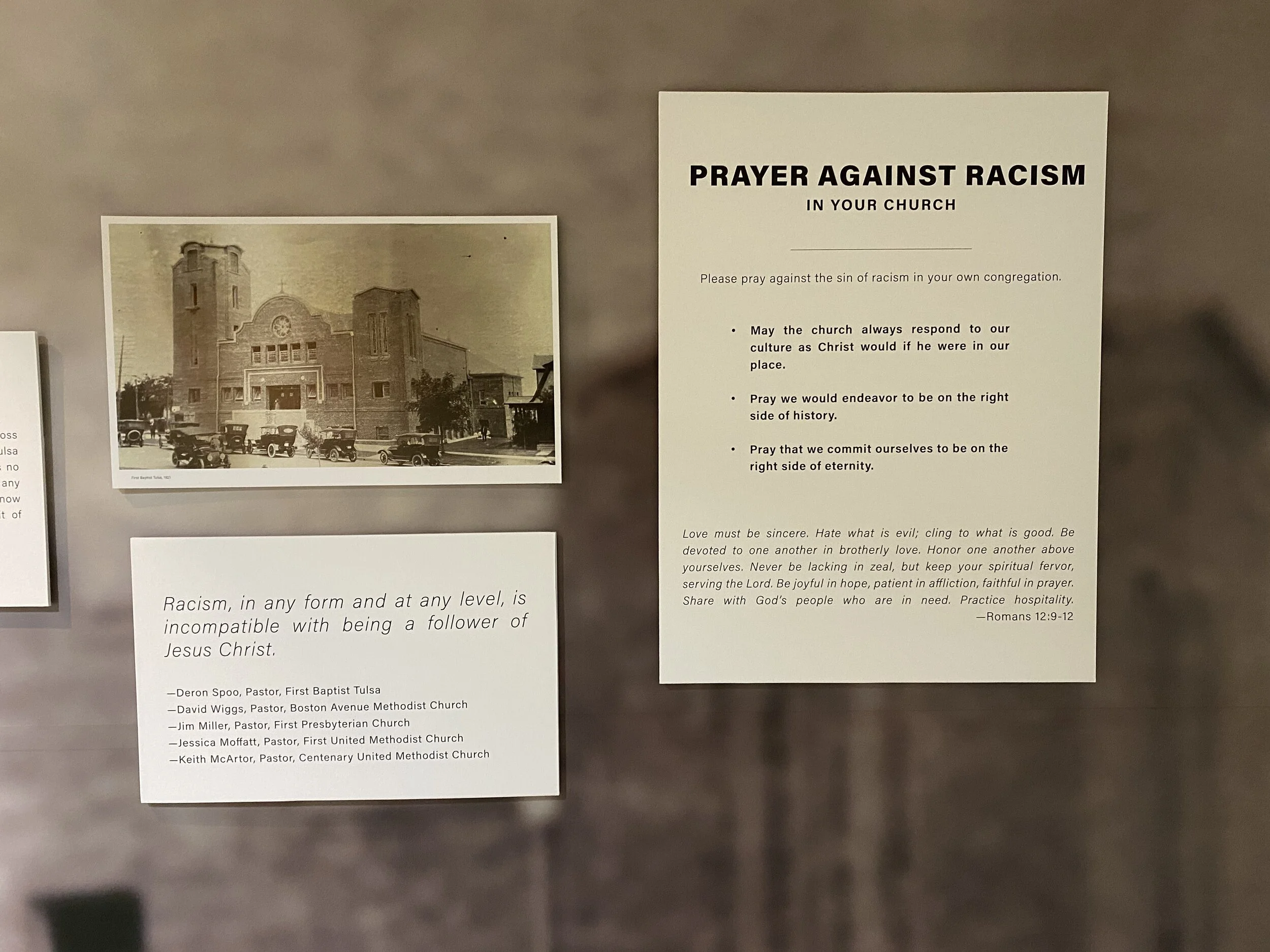
Read MoreAt the 100th anniversary of the Tulsa Race Massacre, pastors in Oklahoma’s second-largest city have issued a joint statement against racism. It’s part of a special prayer room at the First Baptist Church of Tulsa.
Read MoreHarperCollins Christian Publishing Inc. and its publishing groups Zondervan and Thomas Nelson will not publish or manufacture the “God Bless the USA” Bible after a petition launched in response to Religion Unplugged’s reporting earlier this month. The Bible would have melded the New International Version Bible text with the U.S. founding documents and Pledge of Allegiance. Its Tennessee-based seller plans to print the Bible with a public domain translation instead.
Read MoreA church that previously filed a fraudulent deed claiming ownership of Jeffrey Epstein’s Florida mansion is now claiming ownership of his Zorro Ranch in Santa Fe.
Read MoreHarold Camping, a radio preacher from California, became known for predicting the end of the world as May 21, 2011. The then 90-year-old preacher was so convinced of his message that he invested nearly $100 million into an advertising campaign to spread the news. While his predictions were declared heretical by millions of other believers, and Camping died in 2013, a small remnant of listeners remain interested in his teachings, broadcast on a new radio station.
Read MoreSouth Africa’s leading religious and cultural groups are pushing back hard against a proposed marriage law — originally aimed at combating discrimination against religious minorities — that would also allow South African women to have more than one husband at one time. Since 91% of South Africa’s 16,000 marriage officers are faith leaders, the voice of religious leaders carries a lot of weight on the issue.
Read More(ANALYSIS) Despite Berlin’s reputation as Europe’s most secular city, during the COVID-19 pandemic, many Berliners have sought solace in religious communities and their rituals as a means of connection and control in a time of isolation and confusion.
Read MoreNick Hall founded the Christian ministry organization Pulse to bring Jesus to the next generation in innovative ways, like digital campaigns and local revival events. After training and mentoring young evangelists online during the pandemic, partly on how to spread the gospel on social media, more than a million people have responded — more than the ministry’s previous 15 years combined.
Read MoreNumerous congregations across the U.S. also have opened their buildings — allowing state and county health officials to take over their facilities for varying amounts of time to help inoculate residents. Along with churches, many Christian universities have opened the same services for the community.
Read MoreA new Holocaust Museum in Porto, Portugal tells the story of the more than 100,000 Jewish refugees who passed through Porto and Lisbon desperate to book passage from the neutral country to the United States during WWII to escape the Nazis.
Read MoreAs a minority religion of about one percent Zimbabwe’s population, what most citizens know about Islam in the southern African country is largely based on stereotypes shaped by the media. The Muslim community aims to change that.
Read More