
Murders And Theological Debates: Ranking The Anglican Priests Of ‘Grantchester’
After 11 seasons, PBS’s “Masterpiece Mystery!” series “Grantchester” has come to an end. For more than a decade, viewers returned to the quiet village of Cambridgeshire to watch an unlikely crime-solving duo: Anglican vicars and Det. Inspector George “Geordie” Keating.
Between murder investigations, theological debates and countless pints at the local pub, the series (you can read my review here) became as much about friendship and community as it was about solving crimes.
While Geordie remained the show’s emotional constant, the parish priest did not. Over the years, several vicars came and went, eventually becoming something of a running joke. Every few seasons, Geordie seemed to need another clergyman to partner with in solving murders and navigating life’s joys and tragedies.
So which vicar was the best? Everyone has a favorite, but after covering faith and film for years — and recently binge-watching the entire series — here’s my ranking.
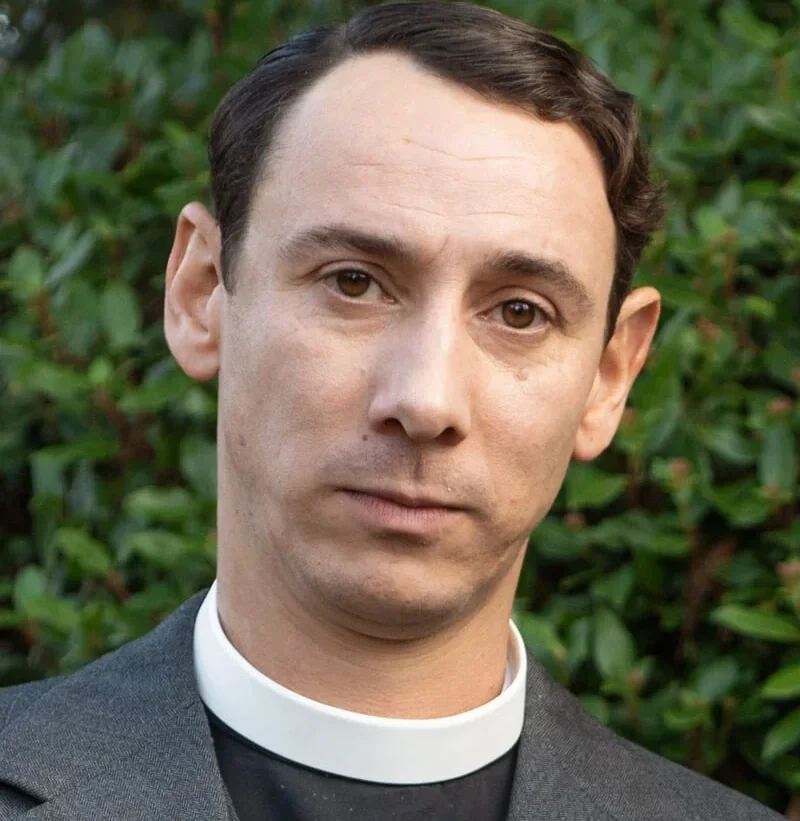
Photo courtesy of ITV
Honorable mention: Leonard Finch
Although Finch was never the parish vicar, he deserves special recognition. As the church’s curate, he appeared from the very first episode to the series finale, making him the longest-running clerical character on the show. More importantly, he arguably has the richest character arc in “Grantchester.”
Initially, Leonard is timid, bookish, deeply devout and painfully insecure. At times he compensates for those insecurities by becoming rigidly judgmental, giving him a complexity few other characters achieve. He genuinely wants to serve God faithfully, yet constantly struggles with fear, loneliness, and self-doubt.
His central conflict — being a sincere Christian while also wrestling with his homosexuality during a period when it was criminalized in Britain — provides some of the series’ most emotionally compelling storytelling. Unlike many of the lead vicars, Leonard’s crises feel earned.
His mistakes have consequences, and his growth comes through suffering rather than melodrama. His failed attempt to build a conventional family, his heartbreaking relationship with his father, his exposure, imprisonment, and long road toward healing all make for one of the strongest arcs in the series.
Conservative Christians will understandably object to the show’s largely one-sided treatment of homosexuality and Christian sexual ethics. Even so, the series succeeds in portraying Leonard as a believable, sympathetic human being rather than reducing him to a stereotype.
Had the writers been willing to give equal weight to more traditional theological perspectives, the show might have become a genuine bridge-builder instead of preaching primarily to one side.
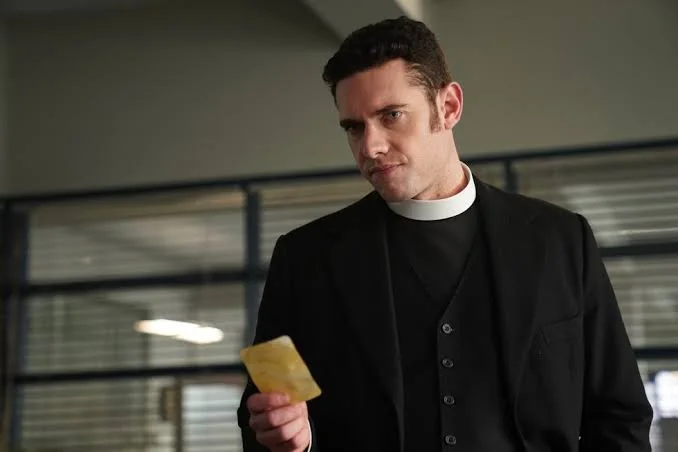
Photo courtesy of ITV
3. Will Davenport
Replacing a beloved lead character is never easy. That’s exactly the challenge Tom Brittney faced when Will Davenport arrived in Season 4 to succeed Sidney Chambers. Unfortunately, despite spending more seasons on the show than any other lead vicar, Will never quite developed into a fully distinct character.
The writers appeared determined at the time to make him simultaneously similar to Sidney and completely different. Like Sidney, Will is impulsive, emotionally restless, and willing to bend convention. Unlike Sidney, he rides a motorcycle, comes from wealth and lacks military experience. Yet for much of his run, these traits feel more cosmetic than substantial.
His romantic life suffers from the same problem. Rather than one defining relationship, Will moves through a series of romances that never quite establish who he is. Instead of feeling like a fully realized character, he often comes across as a less compelling version of Sidney, retaining many of Sidney's flaws without inheriting the emotional depth that made those flaws understandable.
For a time, it appeared the show had found its footing. In Season 5, Geordie’s resentment over Will’s privileged background — particularly the fact that wealth kept him out of military service during World War II — creates genuine tension between the two men.
Will’s growing understanding of Geordie’s post-war trauma helps forge a friendship that finally feels earned. Sadly, later seasons undo much of that progress.
Will becomes increasingly inconsistent, often acting selfishly toward Geordie and the people closest to him. His rushed romance, marriage and eventual departure all feel underdeveloped, leaving his character arc oddly incomplete.
Will is never a bad character, but compared to the other lead vicars, he remains the weakest.
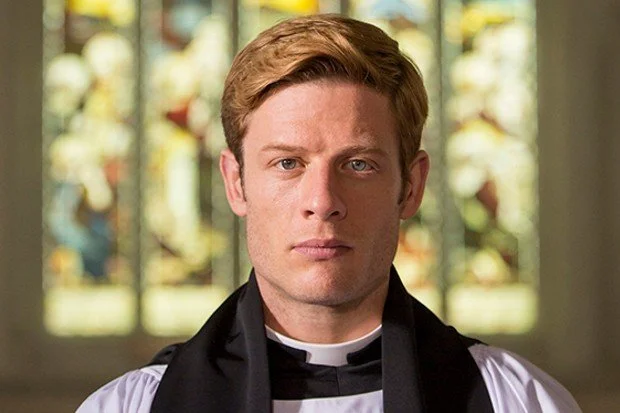
Photo courtesy of ITV
2. Sidney Chambers
The original “Grantchester” vicar remains, for many viewers, the definitive one. He establishes everything that makes the series work. His friendship with Geordie becomes the emotional foundation on which the entire show is built. They disagree constantly — particularly over justice and mercy — but their affection for one another never disappears.
Sidney approaches crime pastorally. He believes murder often grows out of broken people and broken communities that require compassion and restoration. Geordie, by contrast, sees crime primarily as the result of personal responsibility and believes criminals belong behind bars. That tension between justice and grace gives the early seasons much of their dramatic energy.
Sidney also helped redefine what audiences expected from a television priest. He wore the clerical collar but loved jazz, whiskey, and evenings at the pub. Today those characteristics may seem like familiar television shorthand for an "unconventional priest," but James Norton's performance gave them genuine warmth and charm.
Unfortunately, Sidney also established many of the show's recurring weaknesses. His repeated emotional collapses, crises of faith and irresponsible decisions become exhausting over time. He frequently behaves in ways that would almost certainly end a real priest’s ministry, yet the series often treats those choices as evidence of his authenticity rather than genuine moral failure.
The biggest example is his romance with Amanda Hopkins. Because Sidney never pursued her while she was single, he later finds himself entangled in an affair that hurts nearly everyone involved. Rather than accepting the consequences of his indecision, he spends much of the storyline blaming circumstances, the church and even God.
By the time Sidney leaves Grantchester to “find himself,” it’s difficult to root for him. Ironically, many of the personal flaws that later plague other vicars begin with Sidney himself.
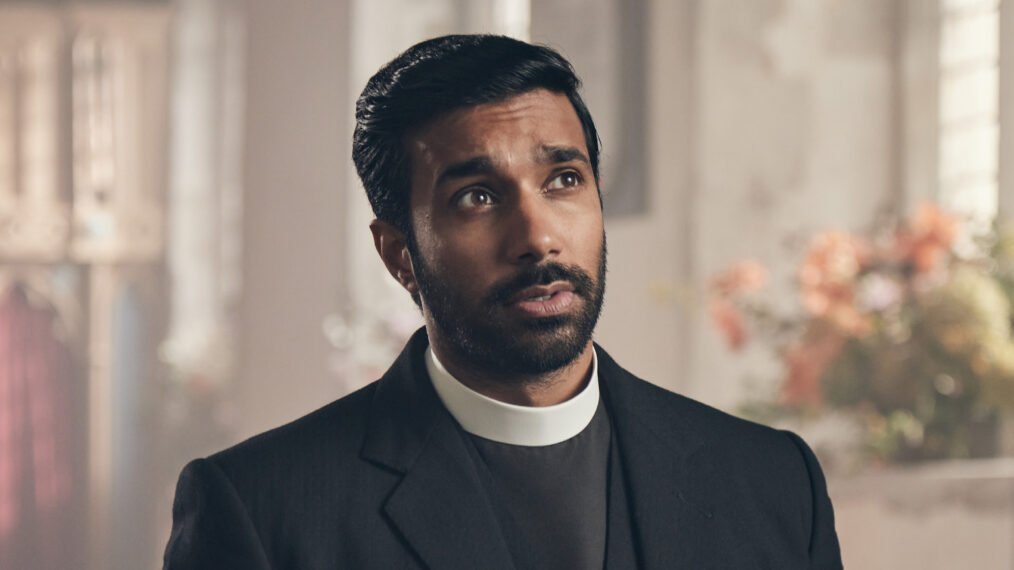
Photo courtesy of ITV
1. Alpheus ‘Alphy’ Kottaram
It’s rare for the final lead in a rotating cast to become the strongest one, but that’s exactly what happened with Alphy Kottaram. Part of the credit belongs to the writers. By the time Alphy arrives, “Grantchester” has become much better at creating believable emotional conflict instead of relying on repetitive romantic melodrama.
But Alphy himself is simply the most well-rounded priest the series produced. His backstory gives his struggles genuine emotional weight. As an Indian man serving an English parish in the 1950s, he faces racism and questions about where he belongs.
As an adopted child, he carries deep wounds surrounding identity, abandonment, and acceptance. His search for his biological mother and the complicated truths he discovers provide fertile ground for some of the show's strongest storytelling.
Unlike previous vicars, Alphy generally responds to hardship with maturity. He certainly struggles, but his failures arise naturally from his past rather than from impulsive or self-destructive behavior. That maturity also benefits the show's romance. His relationship avoids much of the toxic, repetitive drama that weighed down earlier seasons.
The obstacles are believable — his relationship with the bishop's daughter and his unresolved family history — rather than manufactured misunderstandings. As a result, the strengths of “Grantchester” shine brightest during Alphy's tenure: Imperfect people living in authentic community, confessing sin, extending forgiveness, and helping one another bear life's burdens.
Rishi Nair also delivers the strongest performance of the three lead vicars. He combines quiet dignity with vulnerability, creating a priest who feels compassionate without becoming sentimental and confident without becoming arrogant. His only real disadvantage is time. With fewer seasons than Sidney or Will, his friendship with Geordie doesn't have quite as long to develop. Even so, he leaves the strongest overall impression.
In the end, “Grantchester” has always been less about murder mysteries than about friendship, forgiveness, and the complicated work of living faithfully in a broken world. The crimes gave the characters something to solve, but the relationships gave viewers a reason to return every week.
Who’s your favorite vicar from “Grantchester”? Let us know in the comments below.
All 11 seasons of “Grantchester” are available to stream on PBS.
Joseph Holmes is an award-nominated filmmaker and culture critic living in New York. He is co-host of the podcast “The Overthinkers” and its companion website theoverthinkersjournal.world, where he discusses art, culture and faith with his fellow overthinkers. His other work and contact info can be found at josephholmesstudios.com.