
🍑 #RNA2026: Georgia — And The Rise Of Religion Newsletters — On My Mind 🔌
Weekend Plug-in 🔌
Editor’s note: Every Friday, “Weekend Plug-in” meets readers at the intersection of faith and news. Click to join nearly 10,000 subscribers who get this column delivered straight to their inbox. Got feedback or ideas? Email Bobby Ross Jr.
DECATUR, Ga. — Greetings from the Atlanta area, birthplace of the Rev. Martin Luther King Jr. and home of Coca-Cola and the world’s busiest airport.
I’m in “The Big Peach” attending the Religion News Association’s annual conference and planning to check MLB ballpark No. 24 — the Braves’ Truist Park — off my bucket list tonight.
As I connect with fellow Godbeat pros, I thought I’d mention a trend I’ve noticed — the rise of religion newsletters.
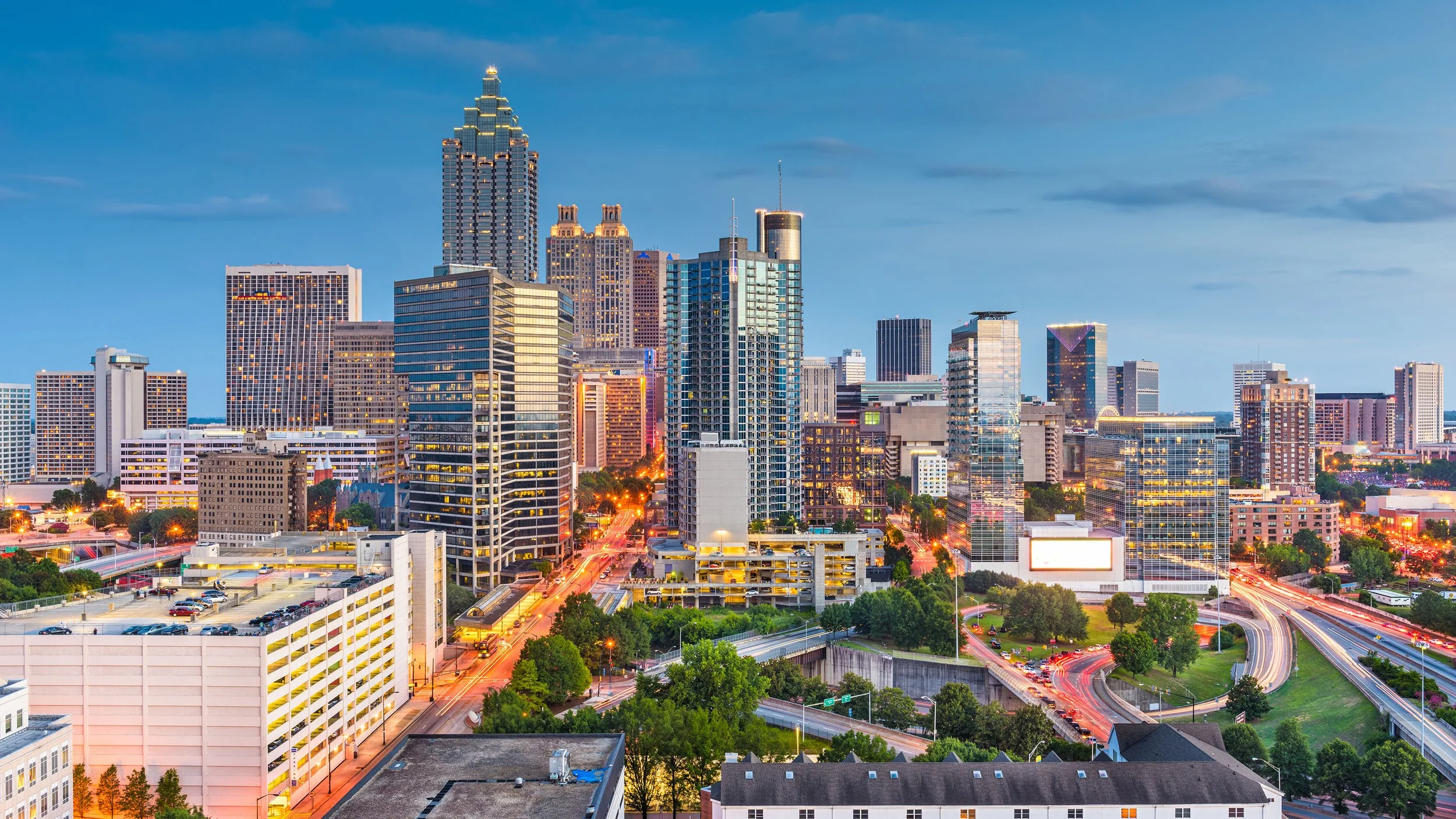
The Religion News Association is conducting its annual meeting in the Atlanta area. (Shutterstock photo)
Just a few weeks ago, I learned that The New York Times has a weekly “Believing” newsletter. Lauren Jackson launched it in the fall of 2025, but I just discovered it when “The Morning” — the Times’ flagship digital newsletter — mentioned it on Easter.
As of last month, the Washington Post also has a weekly religion newsletter, called “Awakenings” and edited by Matthew Schmitz
For a while, news organizations thought social media might serve to drive traffic to their high-quality content. The Facebooks and Twitters of the world — sorry, it’s X now — ruined that notion.
Now, email seems — again? — to be the way to go, as newsletters that pop directly into inboxes thrive with niche audiences interested in topics such as politics, sports and, yes, religion.
By my quick count, this marks the 294th edition of Weekend Plug-in since it debuted in January 2020. So we jumped on this trend a while ago. Sign up, too, for Religion Unplugged’s “Week in Headlines” if you have not already.
Three of my favorite religion newsletters are The Associated Press’ “World of Faith,” the Deseret News’ “State of Faith” and The Dispatch’s “Dispatch Faith.”
I appreciate editors of those newsletters — Holly Meyer, AP’s Nashville, Tennessee-based religion news editor; Mariya Manzhos, a Boston-based journalist for the Deseret News; and Michael Reneau, a Tennessee-based managing editor of The Dispatch — answering a few questions about their work:
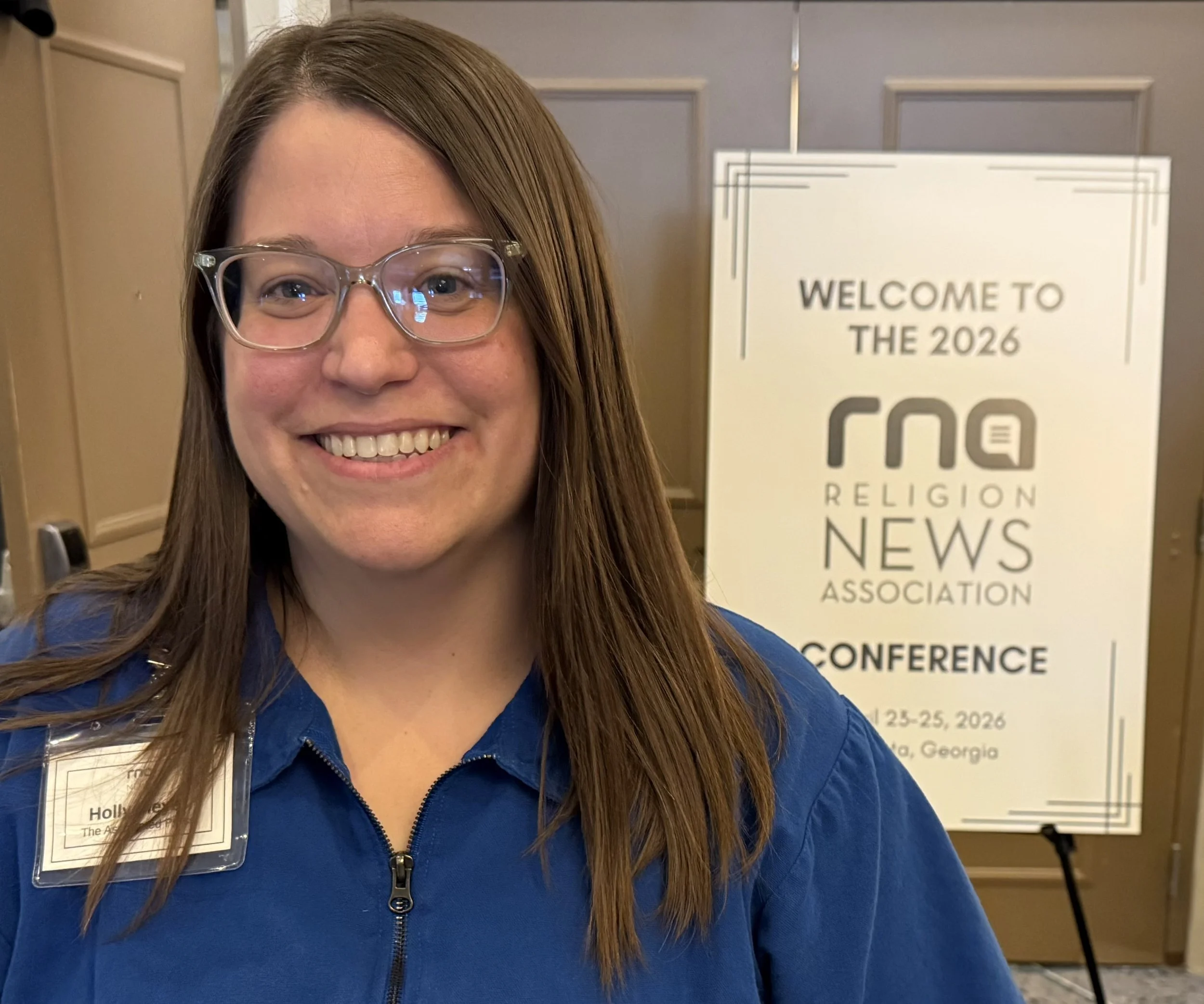
Holly Meyer, religion news editor for The Associated Press, attends the Religion News Association annual conference in Decatur, Georgia. (Photo by Bobby Ross Jr.)
When did you start your religion newsletter — and why?
• Meyer: “We started The Associated Press’ World of Faith newsletter in 2024 with a straightforward mission. Things move fast in our 24/7 news world, and we wanted to make sure the people interested in our religion coverage had an opportunity to see it.
“As the newsletter’s editors, every Friday morning we share what we think is the biggest religion news of the week. We also highlight unexpected news nuggets, AP’s incredible visuals and what the team’s been up to for the past seven days.
“It’s fun for us to put together, including coming up with the weekly quiz question, and we hope it’s an enjoyable experience for our subscribers as well.”
• Manzhos: “The State of Faith was started about a decade ago by Kelsey Dallas, a former faith beat reporter and later an assistant managing editor at the Deseret News. She found a niche writing about how the intersection of faith, religious liberty and the Supreme Court was playing out in the United States and found a loyal readership with her coverage that eventually turned into a newsletter.
“After Kelsey left for the SCOTUSblog last year, my editors offered (to let) me to take over the newsletter, and I gladly agreed. I’m trying to build on what Kelsey started by exploring how faith shapes people’s lives and decisions, as well as its role in politics, culture, the Constitution and various aspects of public life.”
• Reneau: “We launched Dispatch Faith in June 2024. For months we had been intentionally running what we internally refer to as ‘stand-alone’ pieces on our website that touched on religion/faith — some were reported, and some were commentary or essays. They got some of the best engagement on our site and generated great reader feedback (in our inboxes and elsewhere).
“We had made the decision to focus an increasing amount of editorial resources on this because you can't really understand much of what happens in the world without understanding how faith and religion play a part, even if just in the background.
“The response from our readers to these Sunday stand-alone pieces made it easy in the summer of 2024 to develop and launch a full newsletter seeking to do much the same thing.”
What are you trying to accomplish with this newsletter?
• Meyer: “We know there are readers out there who are just as interested as we are in the role religion plays in the world. Why not make it easy on them and bring that curated and consistent news coverage straight to them. If we can build a community and foster enthusiasm for the work we care so much about in the process, that’s a huge bonus.”
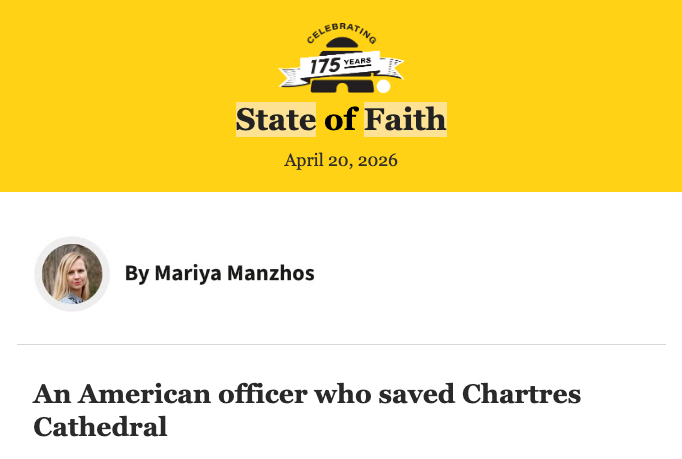
Mariya Manzhos produces the “State of Faith” newsletter for the Deseret News. (Email screenshot)
• Manzhos: “I hope to help people better understand how religion and faith intersect with politics, culture, media, technology and other parts of public life. Both in the newsletter and my other reporting, I’m hoping to get my readers closer to the lived experiences of people practicing their faith in communities they may not know well, and to show how personal beliefs and values shape choices that affect everyone. Another key part of the newsletter is the coverage of religious liberty and making sense of the major cases in the courts.
“The State of Faith, and Deseret’s other religion coverage, is especially important now when Christianity plays such a central role in politics and as long-term patterns of secularism are starting to shift. Young people are thinking about what faith and worship can look like in the modern world — and as a country, we need to understand that transformation as well.
“There’s a clear need for reporting on religion that is accurate and fair and that examines the life of devotion and religious conviction seriously.”
• Reneau: “The pat answer is helping readers understand how faith and religion come to intersect with any and all facets of our public lives together. But it's more than that. I hope Dispatch Faith helps readers (and me!) see how people who believe very different things about certain ultimate questions can still live peaceably together.
“So in that sense I suppose it's about engendering religious pluralism in a democratic society. That doesn't mean we ignore differences between religions or act as if the exclusive truth claims each faith makes somehow melt away. Not everyone is right about how the person of Jesus Christ was/is, for example.
“But I do hope Dispatch Faith helps us remember that a healthy and robust public square in which we're all free to advocate for our beliefs leaves more room for people of various faiths to try to convince each other of the rightness of their positions, as they live their faith each day.
“For a Protestant Christian like me, that means the truths Christianity offers can be more thoroughly argued, tested and proven in the public square. But it means that my friends who are Muslim, Jewish, Buddhist or what have you get their shot to do the same thing. I hope Dispatch Faith helps readers better participate in these conversations by better understanding the arguments and ideas our writers put forth.”
How wide an audience do you reach, and is this reach growing? Any specifics you want to share would be welcome.
• Meyer: “Since the start of 2025, we have seen a 27% increase in our World of Faith subscribers, and its audience is among the most engaged of AP’s newsletter audiences.
“You can sign up for World of Faith and the AP’s other newsletters at apnews.com/newsletters.”
• Manzhos: “Over the past decade, the State of Faith has cultivated a loyal readership that grew by 15% last year. It’s often referenced in roundups, like the one by RealClear Religion, and is read by policymakers and academics studying religion.”
• Reneau: “I need to be intentionally vague here in saying that Dispatch Faith gets some of the highest reader engagement we see in any of our editorial products, and it's been that way since the day it launched.”
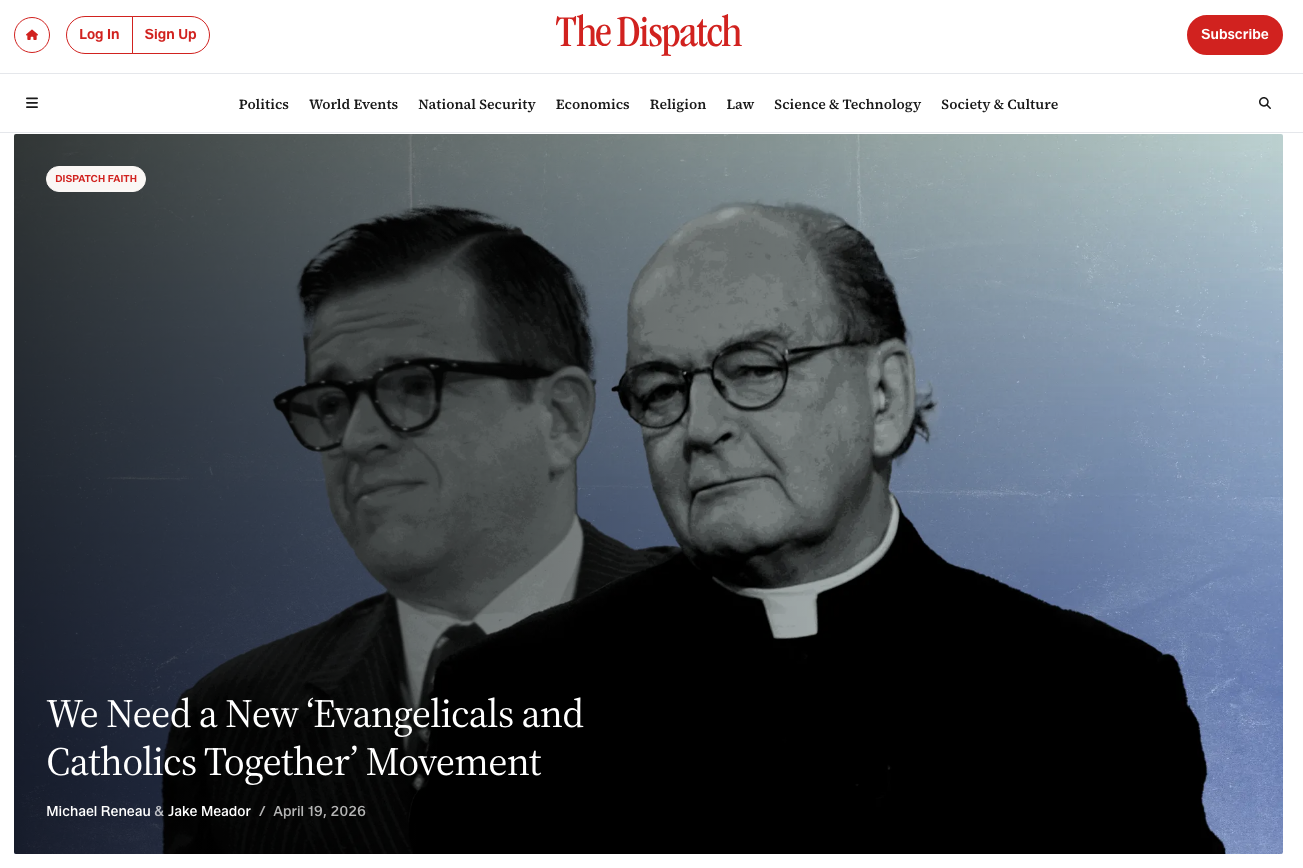
Michael Reneau produces the “Dispatch Faith” newsletter for The Dispatch. (Website screenshot)
Are you, like me, noticing a rise in such newsletters? If so, to what do you attribute this trend?
• Meyer: “No, but we can say that newsletters are part of newsroom toolboxes for good reason. As the media landscape and reader habits shift, newsletters offer an opportunity to get your news coverage in front of a loyal audience that really wants to see it. For readers with special interests, topic-driven newsletters, like AP’s World of Faith, bring stories they care about straight to their inboxes. And they do it consistently.
“You can also find our work in This Week in Religion, a weekly newsletter produced in collaboration with Religion News Service and The Conversation. You can sign up here.”
• Manzhos: “I’ve definitely noticed that and have even thought that it would be fun to collaborate or exchange tips and best practices with other newsletter writers/editors. For too long, religion coverage has been underfunded and undersupported, partly because faith was seen as something best kept private. But there’s a growing recognition that religion has always played and will continue to play a significant role in public life, and it deserves to be covered accordingly.
“I also think we’ve hit a lot of lows as a society when it comes to mental health and political polarization, and more people in the media are becoming open to looking at religion both as a spiritual framework and a social structure for addressing those challenges.”
• Reneau: “Yes, definitely. I think it's a pretty simple answer: Readers, viewers and listeners hold religious and faith beliefs as closely as they hold anything else. As the media environment has become more atomized and more customizable, news outlets and websites have picked up on the fact that not addressing those concerns or interests of readers was leaving a lot of opportunity on the table.
“I'd also like to think that more journalists and editors have recognized that despite the so-called ‘rise of the nones,’ Americans by and large are a people whose beliefs about the metaphysical run deep.”
Inside The Godbeat
“Come on in, brother! Come on!”
I heard the welcoming voice of my friend and colleague Hamil R. Harris as soon as I stepped out of my car in his Washington, D.C.-area driveway.
On a recent East Coast trip, I welcomed the opportunity to see Harris, a former longtime Washington Post reporter and Religion Unplugged senior contributor. I wrote a Christian Chronicle column about the huge impact he’s made both as a journalist and a minister.
“Hamil is a celebrity in the D.C. journalism scene,” Michelle Boorstein, the Post’s longtime religion writer, told me. “Hamil is respected by and connected to so, so many people active in religious life in the D.C. area.”
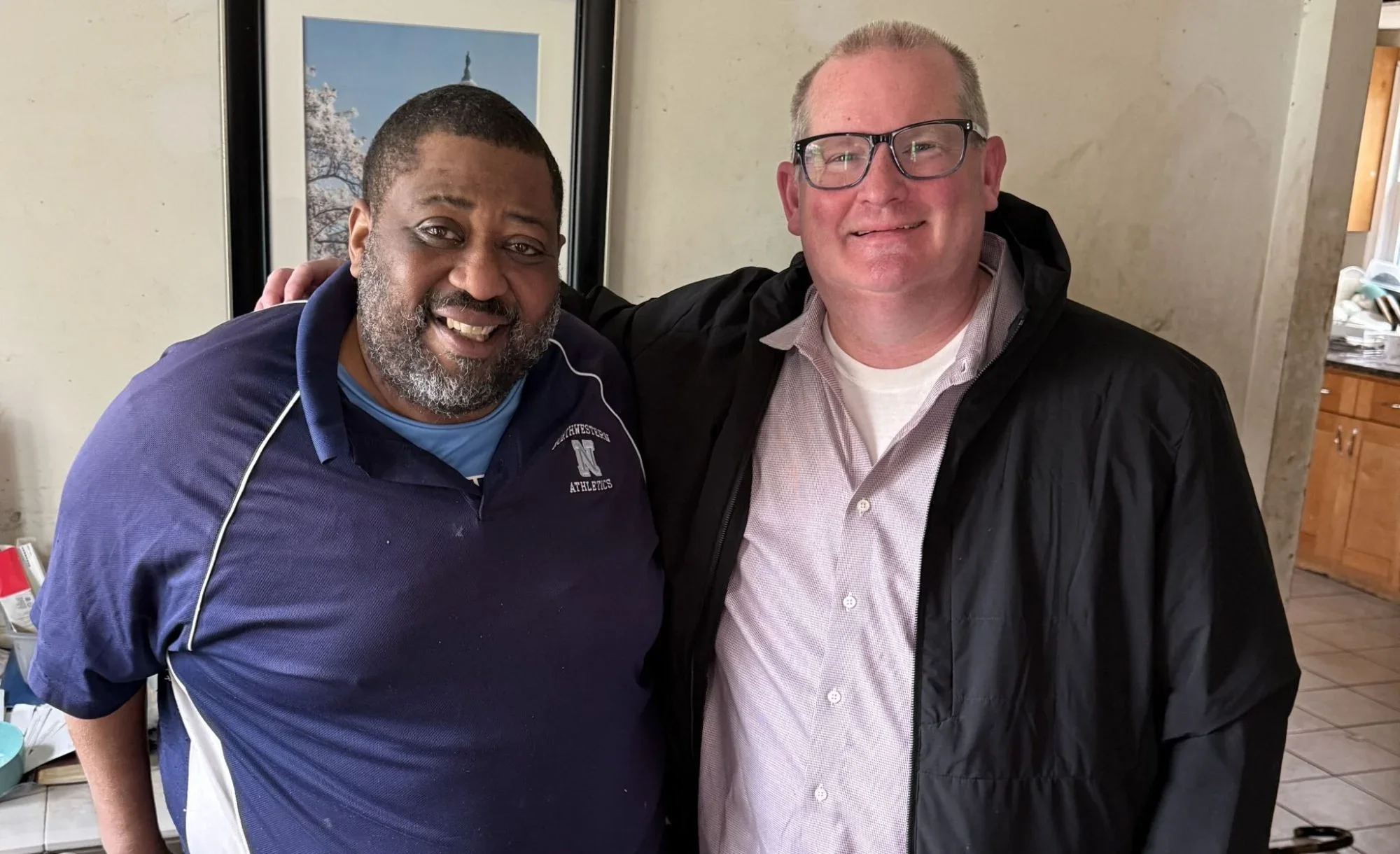
Hamil R. Harris and Bobby Ross Jr. pose for a photo at Harris’ Washington, D.C.-area home. (Photo by Brady Ross)
The Final Plug
Besides the newsletters I highlighted above, I’ll make a shameless plug for the relatively new Substacks of two Godbeat friends: Daniel Silliman and Kate Shellnutt.
Silliman’s “Transient Ground” and Shellnutt’s “Past Deadline” newsletters both offer insight from the perspective of experienced religion writers. For example, Shellnutt wrote this week about “45 Things to Do When You Get Writer’s Block.”
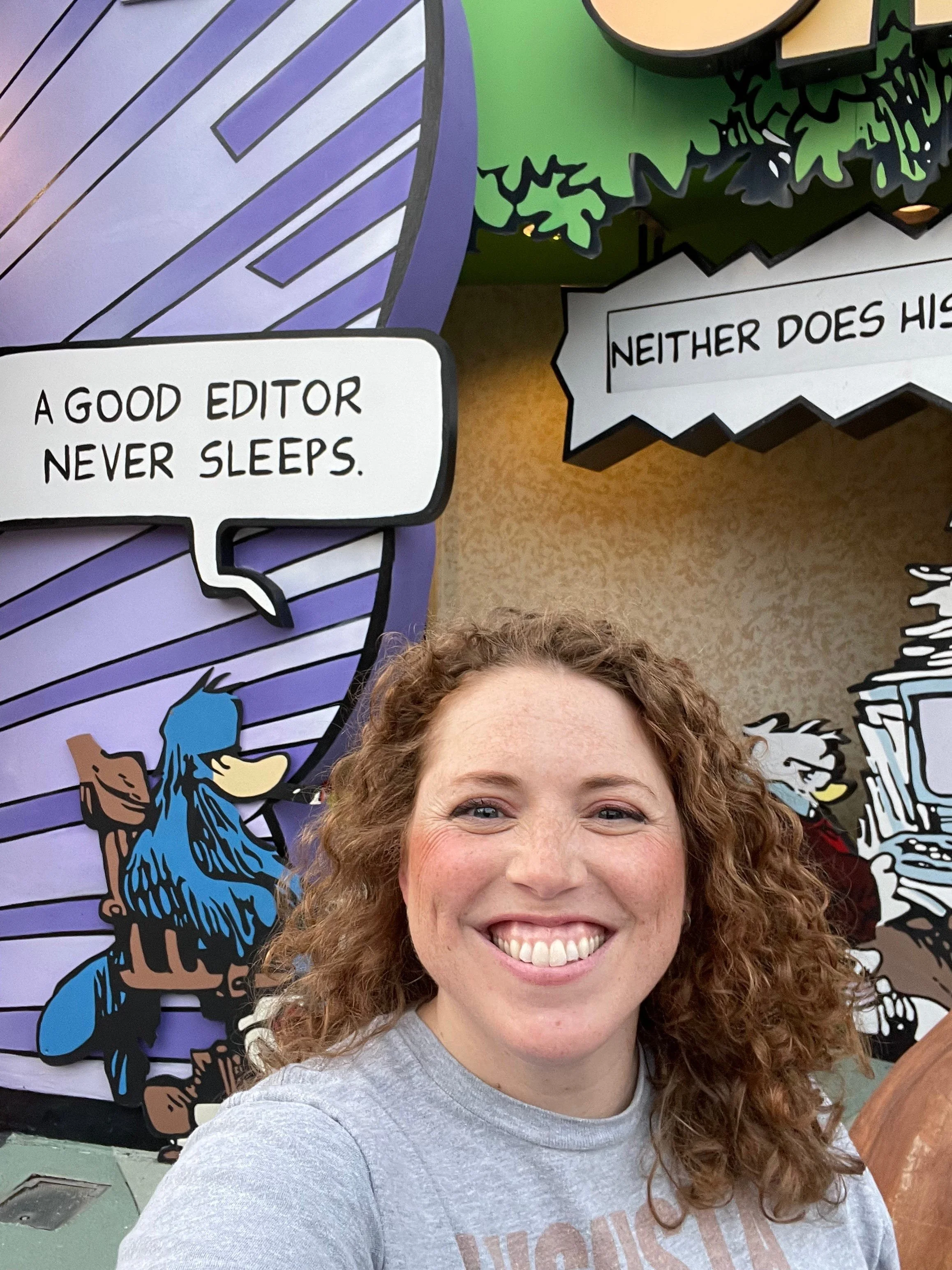
Kate Shellnutt’s Substack is called “Past Deadline.” (Photo provided by Kate Shellnutt)
Happy Friday, everyone! Enjoy the weekend.
Bobby Ross Jr. writes the Weekend Plug-in column for Religion Unplugged and serves as editor-in-chief of The Christian Chronicle. A former religion writer for The Associated Press and The Oklahoman, Ross has reported from all 50 states and 20 nations. He has covered religion since 1999.