
Why A Church Tore Down Its Own Building To Combat The Housing Crisis
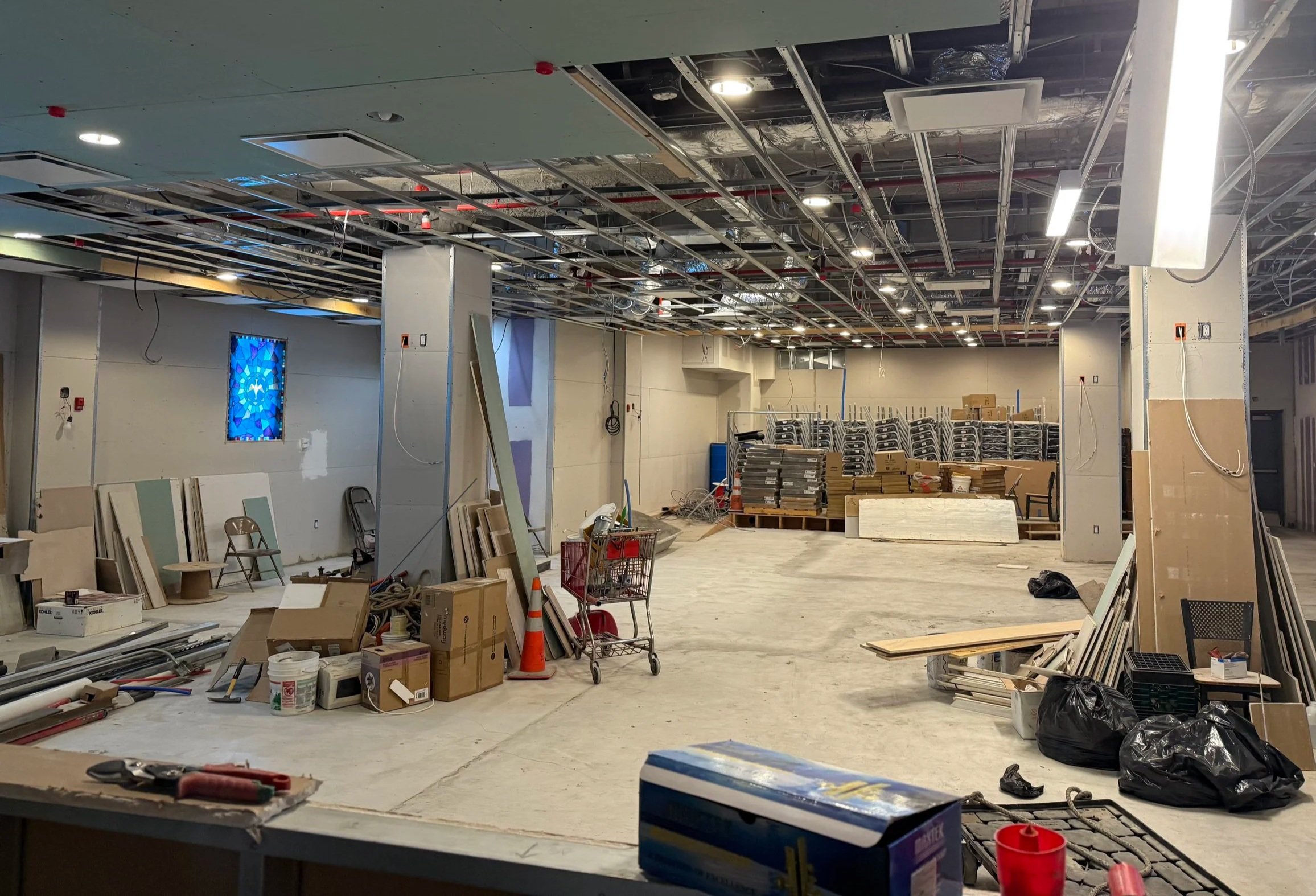
The new Faith Forward Church has been a construction site for years. (Photo by Matthew Peterson)
NEW YORK — On a gray spring day, Pastor Vivian Grubb unlocked the door of an apartment building on the corner of Eastern Parkway and Atlantic Avenue in the Brooklyn neighborhood of Ocean Hill.
The purplish-gray structure — 10 stories tall and with many windows — has a side door with a paper sign taped to the inside of the glass. The sign reads, “Faith Forward Community Church” in block letters. Only the second “C” in “Church” was colored in. Above the words hung an also-partially-colored-in logo of three arrows in a circle.
Faith Forward Church, where Grubb serves as pastor, began meeting in the lower levels of this apartment building during the spring. But the real newcomer to the block isn’t the church — it’s the 67 units of affordable housing stacked on top of it. And it wasn’t some money-hungry contractor’s decision to knock down the church’s old building. It was the church’s idea.

Before the plot of land became an apartment building, and even before it housed a church, it was the site of a sandpaper factory. The church, which was originally named True Holy Church and opened in 1952, bought the factory in 1993 after decades of meeting in storefronts and beauty parlors in the neighborhood. But with a low budget to make renovations, the congregation was unable to move in until 2005.
Despite spending its entire existence without a building to call its own, True Holy Church spent just over a decade meeting in the old factory before tearing it down.
The story of Faith Forward Community Church demonstrates how religious institutions can play a vital role in addressing the needs of their surrounding communities. Rather than prioritizing the preservation of its own building, the church chose to replace its former space with 67 units of affordable housing in response to New York City’s growing housing crisis.
“The culture of our church has always been ‘what does the community need?’ We’re not in the community, we’re part of the community,” Grubb said. Eight years ago, He saw that the community’s biggest need was affordable housing. And it needed it badly.
Homelessness in the city increased by at least 70% since 2020 and affordable housing had been disappearing for decades by the time True Holy Church got involved. From 1991 to 2023, the city “experienced a net loss of over 600,000 units with rents of $1,500 or less (in inflation-adjusted 2023 dollars),” according to the most recent New York City Housing and Vacancy Survey.
Grubb is a tall Black man with a gray goatee and thick-framed glasses who carries himself with relaxed confidence. When he brought me into his office to speak, he opted to sit with me in one of the two guest chairs in front of his desk instead of reclining in his office chair and putting the large wooden table between us.
Before becoming a pastor, Grubb worked on Wall Street for 13 years. His transition to ministry also brought a stint working for Prison Fellowship and for City Seminary, where he still teaches today. Grubb grew up at True Holy Church. Before he became pastor in 2006, his father had been the church’s assistant pastor.
When Grubb was younger, the church did its part during the 1980s to fight the crack epidemic by picking up men and women from detox centers each week, taking them to a church service and feeding them a meal. In 1988, the weekly meal evolved into an additional weekly effort to pack and distribute grocery bags. Between the two food ministries, the church served about 40 people a week.
“We were chest bumping and high-fiving each other because that’s 40 people we impacted,” Grubb recalled.
Today, the weekly food pantry continues, but instead of serving 40 people, the church distributes food to 300 families each weekend. Grubb said that the initial pantry served almost exclusively people experiencing homelessness in the neighborhood. But today, people from all kinds of financial situations show up to receive food.
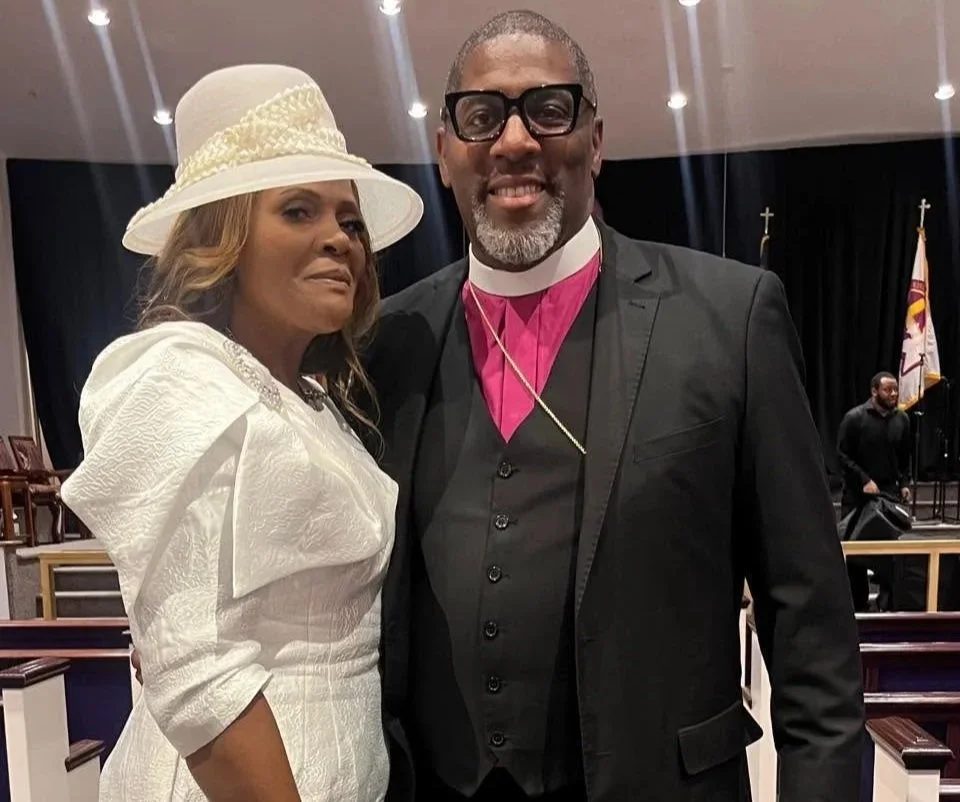
Pastor Vivian Grubb (right) has served his Brooklyn community for decades. (Photo courtesy of Faith Forward Church)
Expanding the ministry
It was through the pantry that the church’s next service opportunity surfaced. In 2016, a deacon who had discovered True Holy Church through his own use of the food pantry approached Grubb with a question: Would the church consider partnering with a homeless shelter?
The Coalition for the Homeless has estimated that 96,000 people sleep in New York City homeless shelters every night and a staggering 30,000 of them are children.
The deacon explained that he had been homeless once and that when a shelter is full, it partners with churches, synagogues, temples and mosques and uses them as overflow rooms.
Grubb said he was unsure about the idea at first, but recalled that “God has a sense of humor.” A week later, a woman who worked for a shelter that operated down the block from the church approached him with the exact same request: Would his church be willing to partner with them as a drop-off center?
Grubb suspected the deacon had gone down and spoken to her. She told him no and that it had been a coincidence.
“If he didn’t talk to me, I wouldn’t have been as open to the conversation with her,” Grubb said.
From then on, the church provided six beds on two nights a week. Men would arrive at around 7 p.m., eat dinner, stay the night and leave at around 5:30 a.m.
“We learned some great lessons,” Grubb said. “Sometimes you have a misnomer on what homelessness is about.”
He said that some of the men sheltering with them had had their apartments burned down.
“These were working individuals that just happened to be in the shelter,” he added.
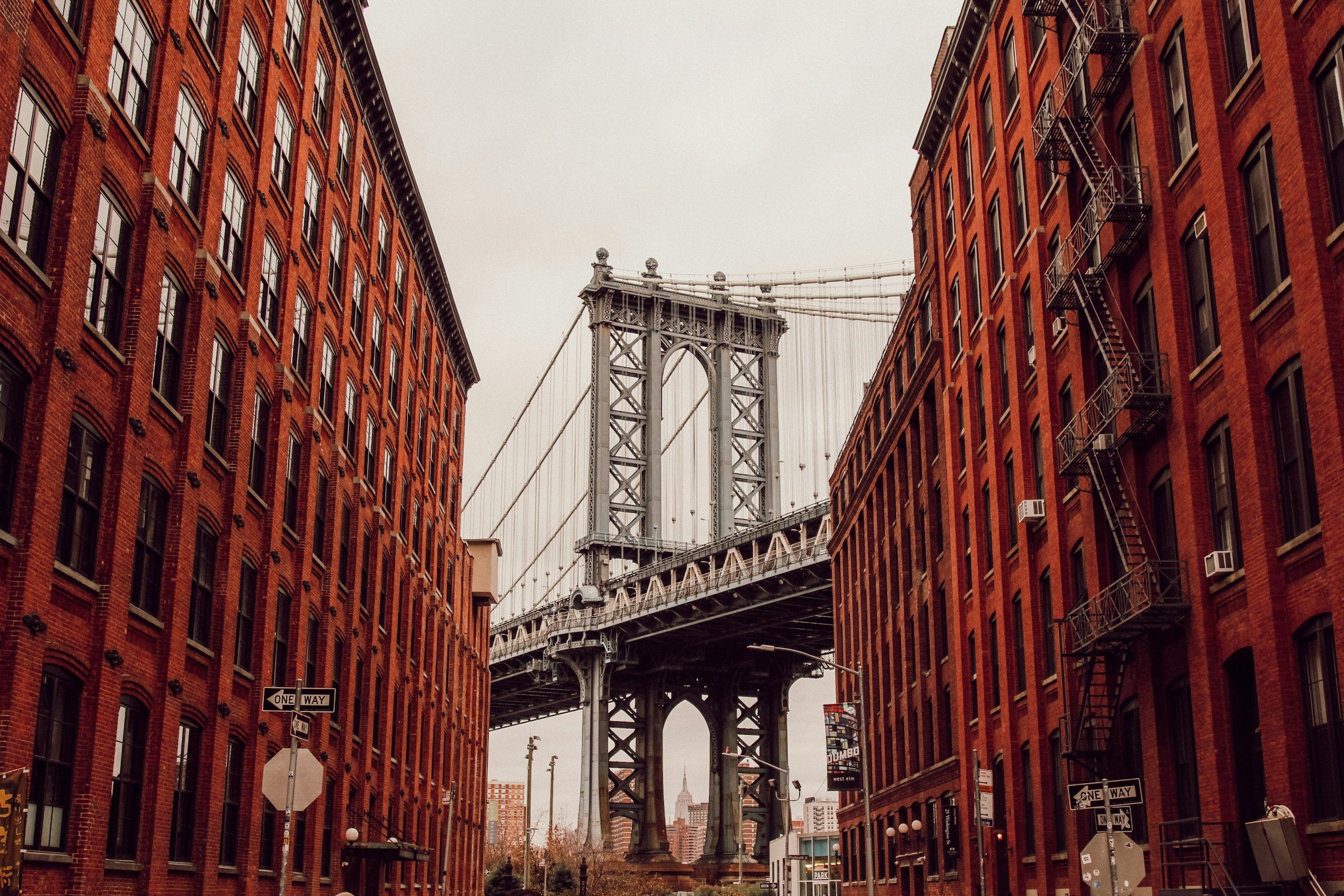
The average rent in Brooklyn has reached, on average, $4,000 per month. (Unsplash photo)
The housing question
Not long after they began the shelter partnership, the church was pushed even further. On a Sunday morning just before Grubb was going out to preach, a woman he called “Mother Brown” came into his office crying.
“She goes, ‘Pastor, my landlord came in, slapped some paper on the wall, raised my rent,” he recalled. “I can’t afford to live there anymore. I gotta move and the only place I have to go is in The Bronx.’”
Sure enough, Mother Brown was forced to move, leaving her neighborhood and church behind. Grubb said that left him asking, “What are we gonna do about it? How are we going to impact that?”
The solution came when Grubb was looking for something else. Since he became pastor, Grubb had hoped to build upward on the one-story building that housed his church, using the real estate to build a recreation center for neighborhood youth and perhaps some additional offices.
One of his pastor friends connected him with a developer. Grubb and the developer met, and “she nodded me to death and she goes, ‘alright, I’m gonna come back with something,’” Grubb recalled.
To Grubb’s surprise, she returned with a proposal for an affordable housing development.
“And so I sat up in my chair and I’m like ‘what are you talking about? I don’t have any money! Where would I do that?’ Blah, blah, blah,” Grubb said.
The developer explained that then-New York Mayor Bill de Blasio’s administration had started an initiative to use churches with underutilized properties as a way to expand affordable housing and that programs could help churches do this if they were interested.
Despite the good news about funding, Grubb saw one immediate problem. Although the church had been meeting in an old factory, its space was sizable. The developer had presented a plan for a seven-story building with a small sanctuary that Grubb knew the church “would never go for.”
But the developer was persistent. What if they could build a 10-story building with more space dedicated to the church? Grubb saw this as “a more attractive deal,” but it would require them to go before the local community board for approval.
When they got to the meeting, Grubb was wearing his clerical collar and “looking very pastoral,” he said. He told the board who he was, but nobody seemed to know of him or his church. But the mood in the room changed when they asked him where the church was located. He said, “I’m on the corner of Eastern Parkway and Atlantic and they’re like ‘that church that feeds all the people?’ And I’m like ‘yeah!’”
Getting the board’s cooperation was no problem. The board approved the rezoning for 10 stories.
“They didn’t know our name, but they knew our work,” Grubb said.
The church took a vote and decided to move forward with the project.
“There was no emotional attachment to the physical space,” Grubb recalled, adding that “the congregation was all-in.”
While the congregation supported the project, many of Grubb’s pastor friends did not.
“If I talked to 10 of them, nine of them said don’t do it,” Grubb said, “because there have been horror stories over the years of developers stealing properties from churches.”
Construction began in 2018, with completion originally planned for as late as 2022. In the meantime, the church was able to purchase what Grubb referred to as a “dilapidated property” just down the street, where the congregation worshipped, continued to operate the food pantry and even hosted an after-school program for local children.
The space worked well as a food pantry since people cycled in and out. But as a meeting place, it was limited. The building could fit only about 70 people for Sunday service, a stark contrast to the old factory, which accommodated upwards of 300.
When the pandemic hit in 2020, the congregation met online but continued to gather physically to run the food pantry.
“At that point, all the members wanted to come to the pantry … that was the only way they could physically see people,” Grubb said.
It was amid the chaos of COVID-19 that True Holy Church officially changed its name to Faith Forward Church, a name that Grubb said came to him in a dream.
COVID-19 didn’t just disrupt their fellowship, but it also disrupted the construction timeline. While the apartments were finished and occupied by 2022, the church space would not be completed in time. The city funded the construction of the housing units and allocated a certain sum for the church. But after the pandemic, the budget needed to fully finish the space had doubled, leaving the church to find ways to raise the remaining money on its own.
While the situation was not perfect, the church still enjoyed watching its property be used to provide affordable housing to the community. The city defines affordable housing as “a monthly rent that is no more than 30 percent of the occupant’s monthly gross household income.” The typical renter now spends more than half of their income on rent.
“Affordable housing,” said Grubb, “that’s a relative phrase. Affordable for who? So one of the things that we made sure happened is it really reflected this community. It’s truly affordable in its context.”
Hopeful tenants applied through the housing lottery. The 67 units, which are all fully accessible to people with disabilities, drew 35,000 applications. The units range from three-bedroom apartments to studios and cost anywhere from $250 to 1,200 per month — a remarkable figure given the average Brooklyn rent is more than $4,000.
The total number of housing lottery applications across the city from 2022 to 2024 exceeded 10 million. When the congregation felt safe gathering again, many were still wary of meeting in an overly tight space. So, while they waited for their sanctuary to be finished, they partnered with a church in Queens and worshipped alongside that congregation until this past spring.
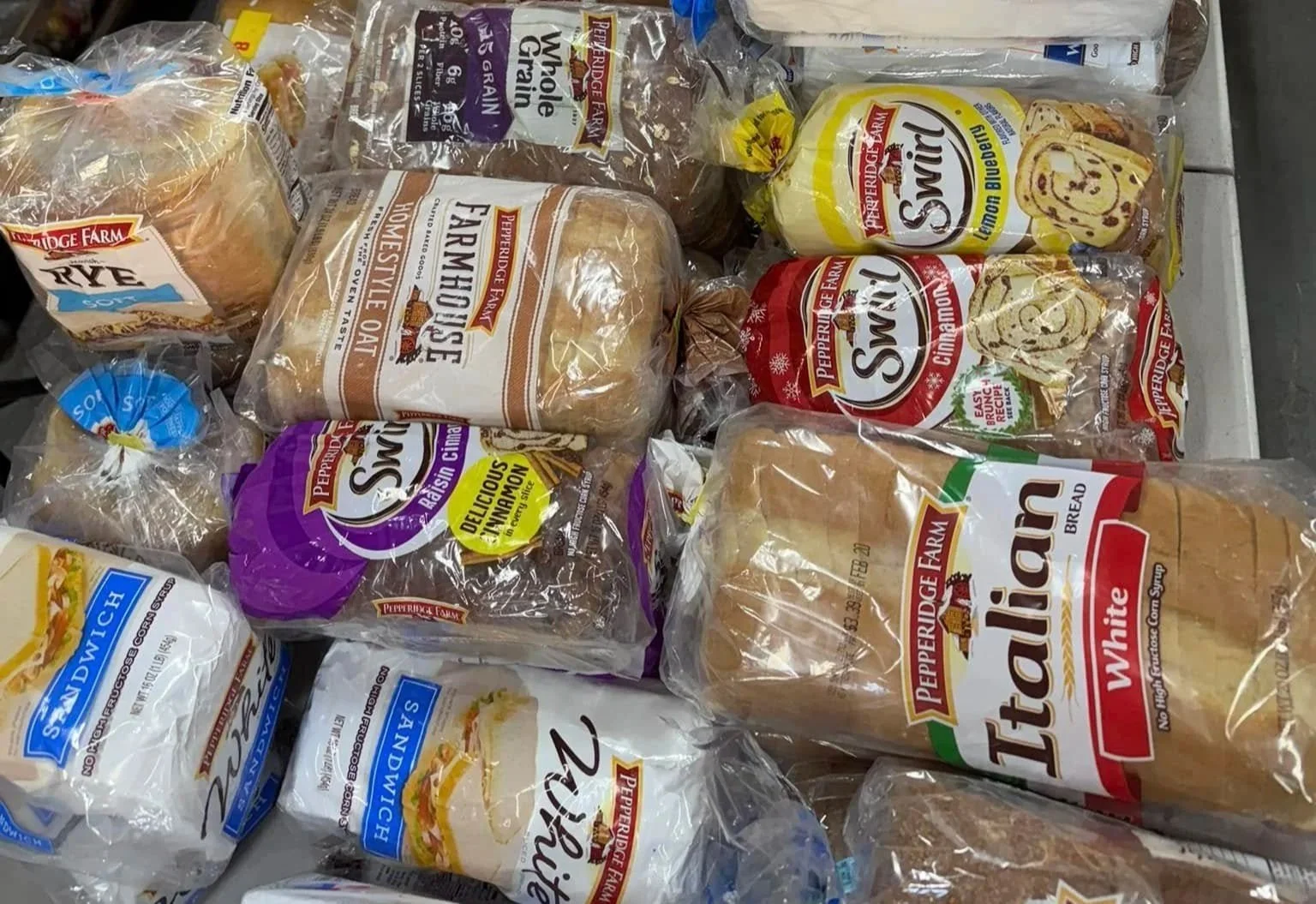
Faith Forward distributes food to the homeless and poor every weekend. (Photo courtesy of Faith Forward Church)
Not the only ones
Faith Forward is not the first church to seek solutions to the housing crisis in such a direct way. Twenty years ago, Astoria Presbyterian Church in Astoria, Queens, sold its historic building to a developer who built a low-income residential building for seniors in its place.
More recently, another New York church housing project has been moving full steam ahead in Brooklyn. The project is spearheaded by the Christian Cultural Center and its founding pastor A.R. Bernard. The church is working to create not just a building but an entire community.
Instead of destroying its church building, which is the largest evangelical church building in the city, the church will develop six acres of additional land that Bernard purchased in 1999. They are calling it the Innovative Urban Village and plan to build 10 buildings totaling 2,000 housing units. The village will also provide 24/7 child care for residents, senior support, a performing arts center, outdoor spaces and a grocery store.
On Oct. 15, the first 386 units opened their doors.
“Pastor Bernard has said that he lives at the intersection of faith and culture,” said CCC Minister Adam Durso, “If there’s a tangible way of saying ‘this is that intersection,’ then it's the innovative urban village.”
After 20 years of being a pastor with his father in Queens, Durso has worked with CCC for 10 years, in addition to his other work in Christian leadership development.
He said he’s excited about the prospect of CCC offering a different solution to affordable housing.
“[In the past] you just put a bunch of people who are under-resourced on top of each other in the worst part of New York City possible,” Durso said. “This is not that.”
Half of the Innovative Urban Village’s residents will be people earning low to extremely low incomes, with the other half split between those earning moderate to low incomes.
Durso said his dream is that CCC’s efforts will cause a chain reaction.
“My hope is that it'll inspire other pastors and other faith leaders in different communities to think about their building and their space differently,” he said.
Grubb said he feels the same, hoping other churches can do the same. But he warned congregations not to jump into a project like this without an established presence in the community.
“If a church wants to do this and isn't right now super plugged into their community, then they need to take a few steps back and start getting plugged into their community first,” he said.
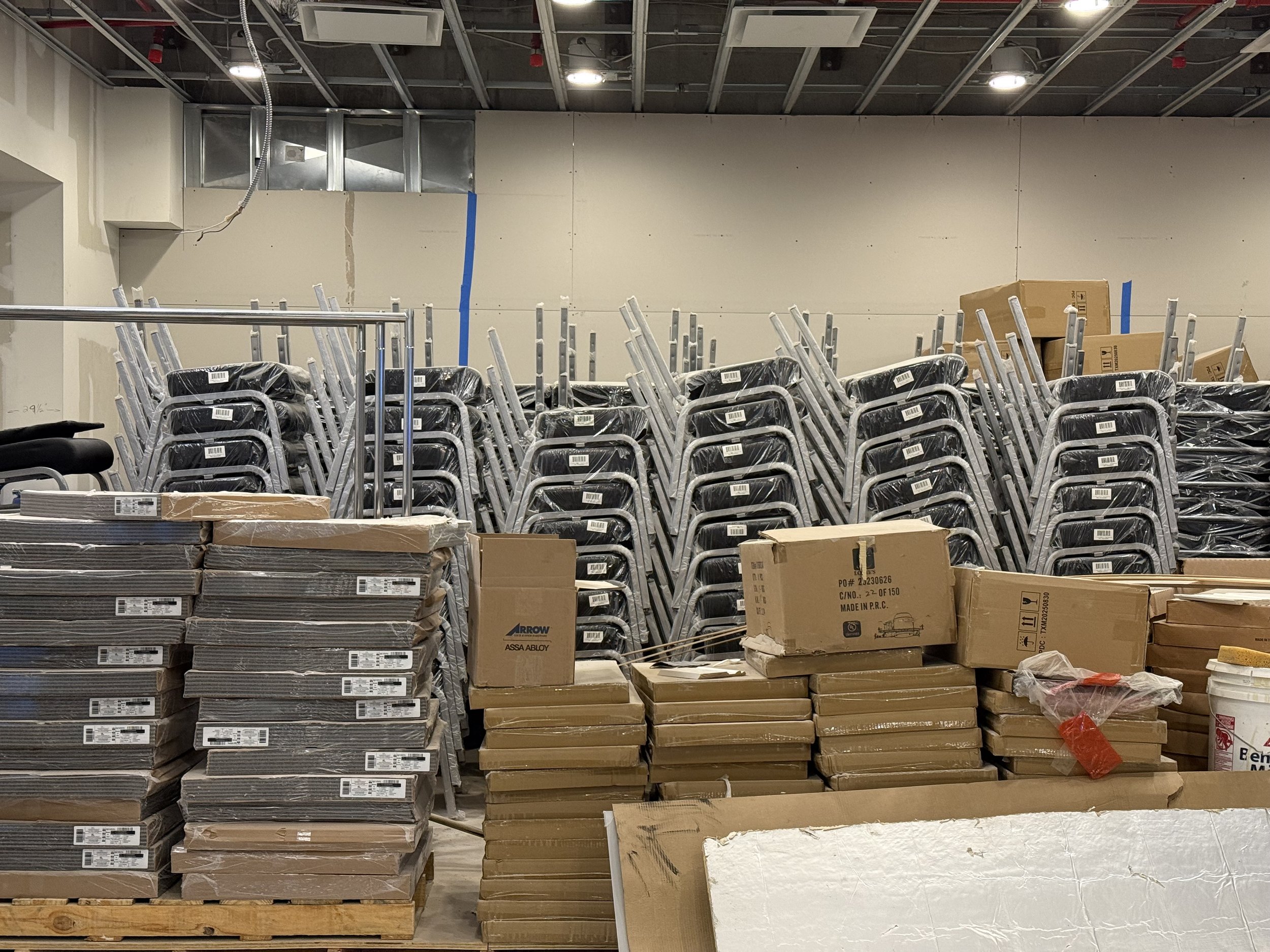
A series of stacked chairs inside Faith Forward’s new facility. (Photo by Matthew Peterson)
Looking ahead
Faith Forward is operating under a ground lease. This means the church still owns the property at Atlantic and Eastern Parkway, but for the next 60 years the building will pay the church for the right to house tenants selected through the housing lottery.
The church does not receive rent directly from tenants. At the end of 60 years, however, the entire building, including the apartment units, will belong to the church. Grubb said his ultimate hope with the project is “to put the future generation in a position to be creative about ministry.”
When I spoke with Grubb in April, the church was meeting in its mostly finished fellowship hall in the basement. The sanctuary was a jumble of tools, building materials, cardboard boxes and wires.
On Oct. 10, the church hosted a grand reopening and dedication ceremony as members finally gathered in their completed sanctuary below 67 affordable residential units. Four hundred people showed up to the ceremony, with some coming from as far away as England to celebrate with the church.
Grubb said that after the service, one of the church elders came over to him, grabbed his hands and said “do what I do.”
They both took a deep breath and then exhaled.
“That’s the great way to sum it all up, it was a great way to exhale. I’ve been walking around with a smile since Saturday,” Grubb said.
The building is still not completely finished. The offices need some work and the kitchen doesn’t have all the appliances it needs just yet. But the major construction is finished and Faith Forward is now meeting in the room its members have been waiting for.
When the initial housing lottery for the building opened, Grubb was disappointed that none of his congregants were approved, even though he knew approval had never been promised. During the church’s opening weekend, two families from the building came down to join the worship celebration.
Grubb said there is a separation between church and building. He said the structure was intentionally constructed to place a laundry room directly above the sanctuary, serving as a buffer between loud Sunday worship and the privacy of those living in the building.
But even if they do get loud, Grubb said he hopes the problem will solve itself.
“If there are issues, we will try to find ways to mitigate that,” he said, “But, I hope we get all the members to come so nobody’s upstairs, they’ll all be down here!”
Matthew Peterson is Religion Unplugged’s podcast editor and audience development coordinator. He took part in the 2025 European Journalism Institute held in Prague, an annual program co-sponsored by The Media Project.