
Jamestown Marks Where America Began In Hardship And Faith
JAMESTOWN, Virginia — Near the banks of the James River, where the fast waters run under a beating sun, lies Jamestown. The island is the place where the story of English America first took root. Today, it feels quiet, but four centuries ago, this marshy land pulsed with ambition, desperation and the fragile start of what would be a new nation.
In 1606, the Virginia Company of London set its sights across the Atlantic Ocean. Backed by King James I and fueled by dreams of wealth and empire, the first settlers landed a year later. The 104 men and boys, led by explorer John Smith, who made the trip, stepped into a landscape both beautiful — it was compared to the Garden of Eden — and unforgiving.
In the years that followed, the colonists suffered hardship and disease as tensions rose with the neighboring Powhatan Confederacy, made up of American Indian tribes. Walking the island today, it’s hard to imagine the desperation of what historians now call the “Starving Time,” when hunger reduced the colony to the brink of collapse.
Yet that struggle is part of what gives Jamestown its gravity. This is not just a historic site, but a place that asks you to consider what endurance really means. It is a place where desperation, especially between 1609 and 1610, and a lack of food, even led to cannibalism.
Tucked within the settlement’s remains stands the Jamestown Church Tower, its weathered bricks rising above the landscape like a sentinel. It’s the last visible remnant of a series of churches that once anchored the colony’s spiritual life. Step inside and you can almost hear the sermons among the rows of wooden benches.
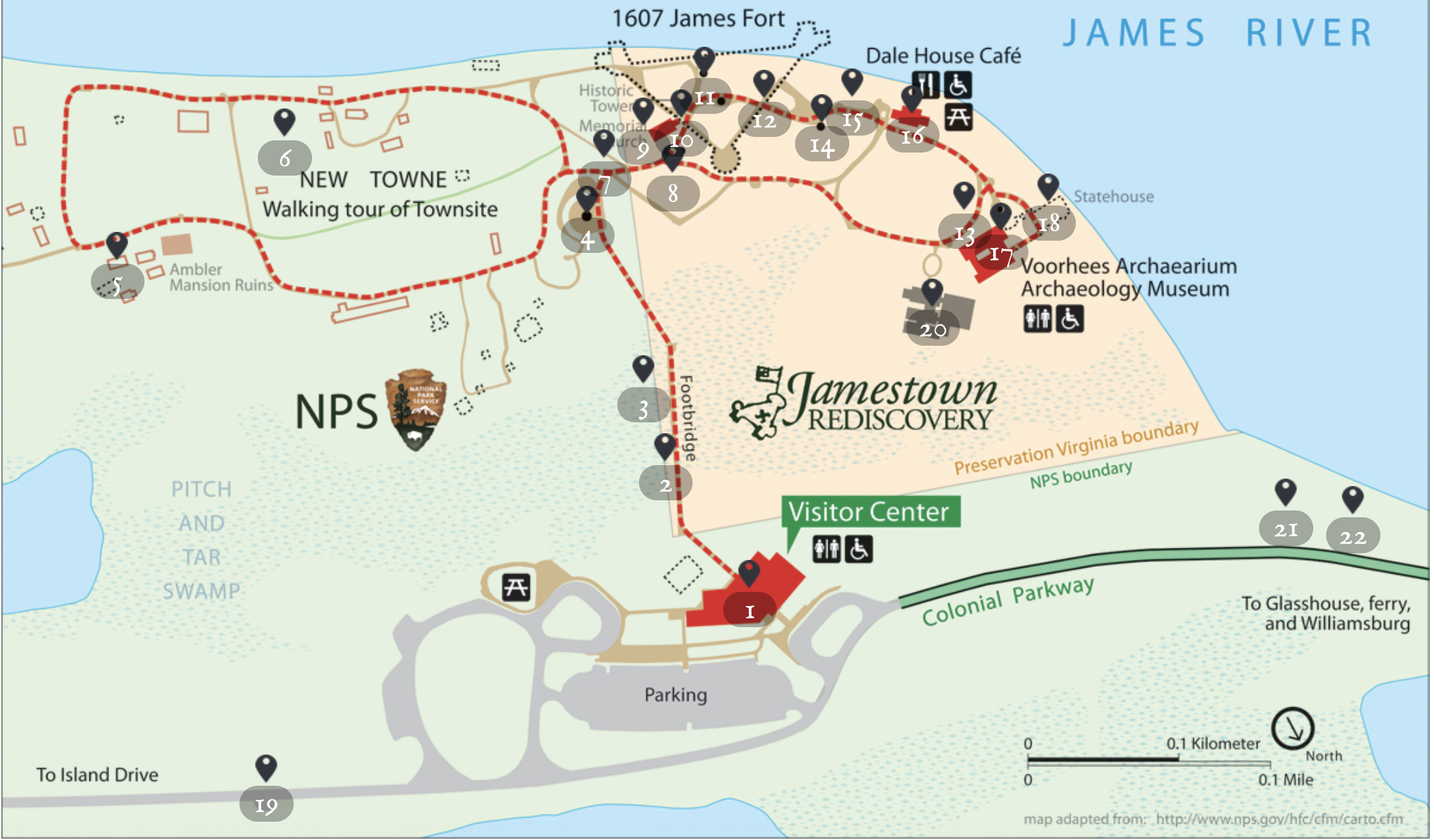
Map courtesy of Preservation Virginia
The 17th-century brick tower is the last surviving above-ground structure from the days when Jamestown served as Virginia’s capital. The tower, built around 1680, has survived fires, the fortification of the area during the American Civil War and decades in which it was left to molder in the thick woods that grew after the colony’s capital moved to Williamsburg in 1699.
In those years, religion here was not optional, but a part of daily life. The settlers were members of the Church of England (although archeologists found remains that reveal some may have been Catholic), bringing with them the traditions of Anglican worship.
In colonial America and for the two centuries that followed, services were mandatory. The church during that time also served as a meeting place where laws were made and news was shared. It was at this site where colonists laid the roots of American independence by establishing the first representative government in British North America.
The legislative body — known as the House of Burgesses — was created in 1619. It marked America’s first democratically elected legislative body, a precedent that helped George Washington and the Founding Fathers fight for independence against British rule in 1776.
While intended as a homogenous Anglican society, the Virginia colony experienced some religious diversity, though the House of Burgesses maintained strict Anglican conformity, often resisting dissenters like Puritans and Baptists. Unlike the Spanish, English settlers did not seek to convert the native populations they were at war with in those years.
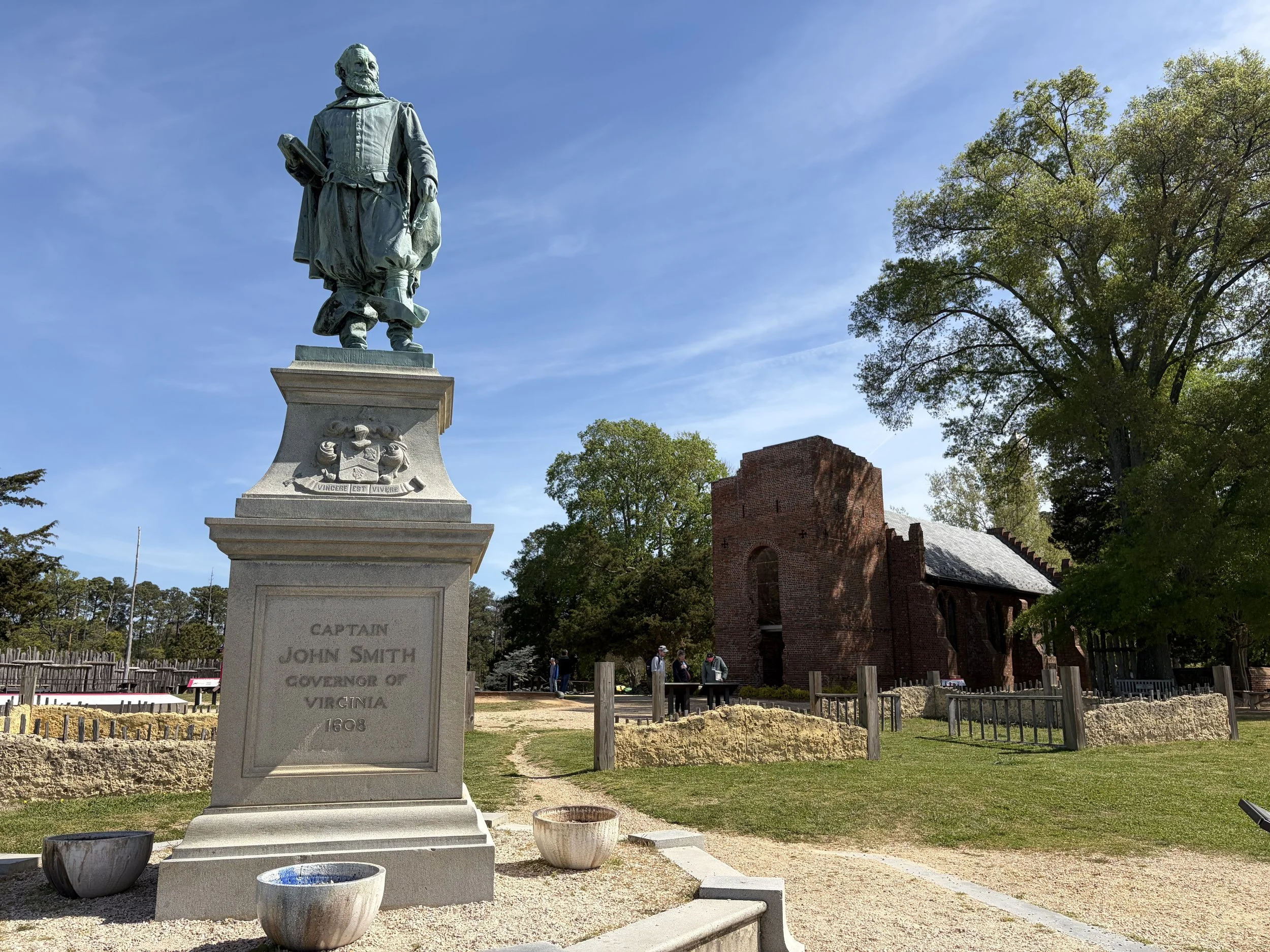
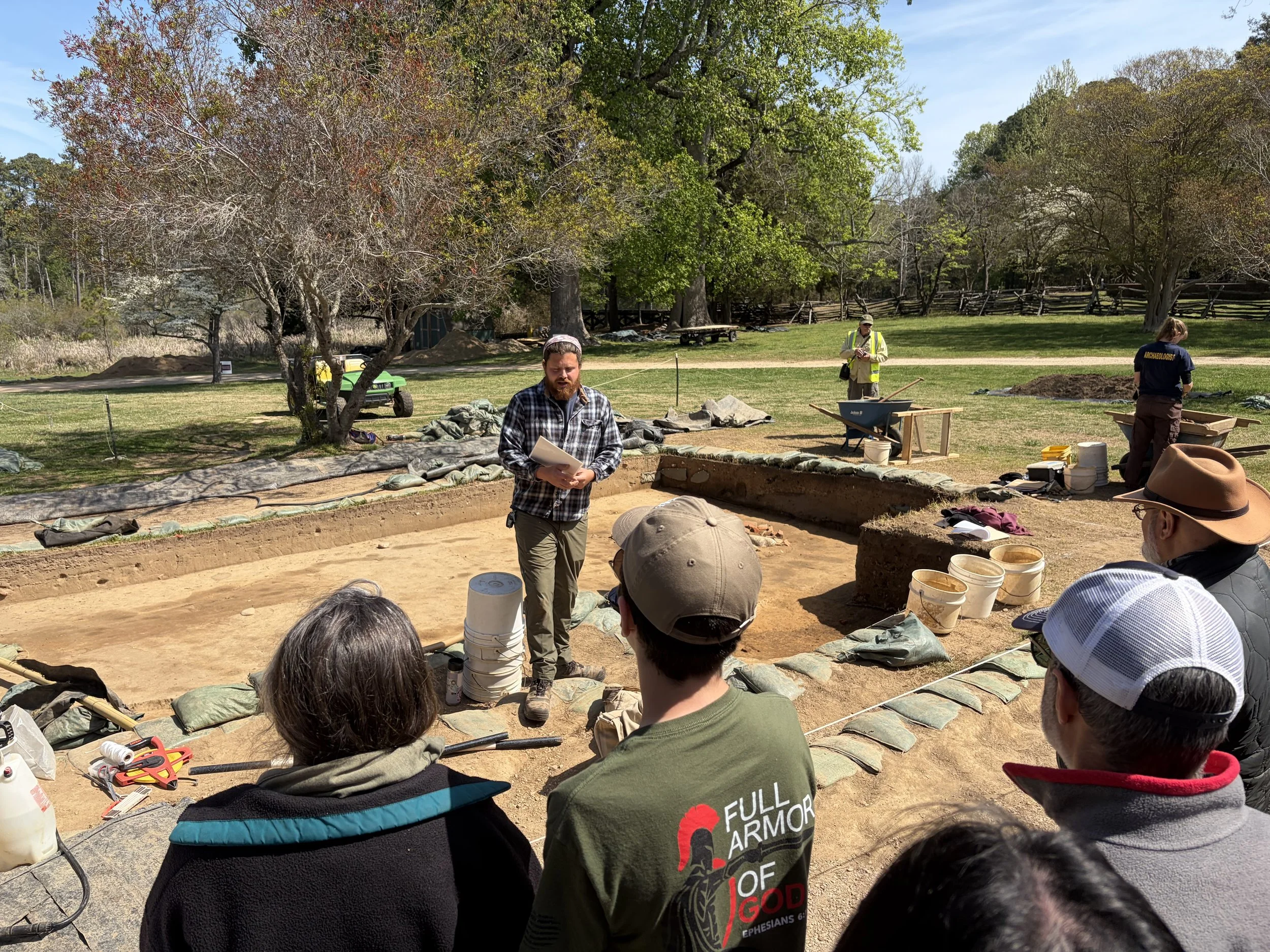
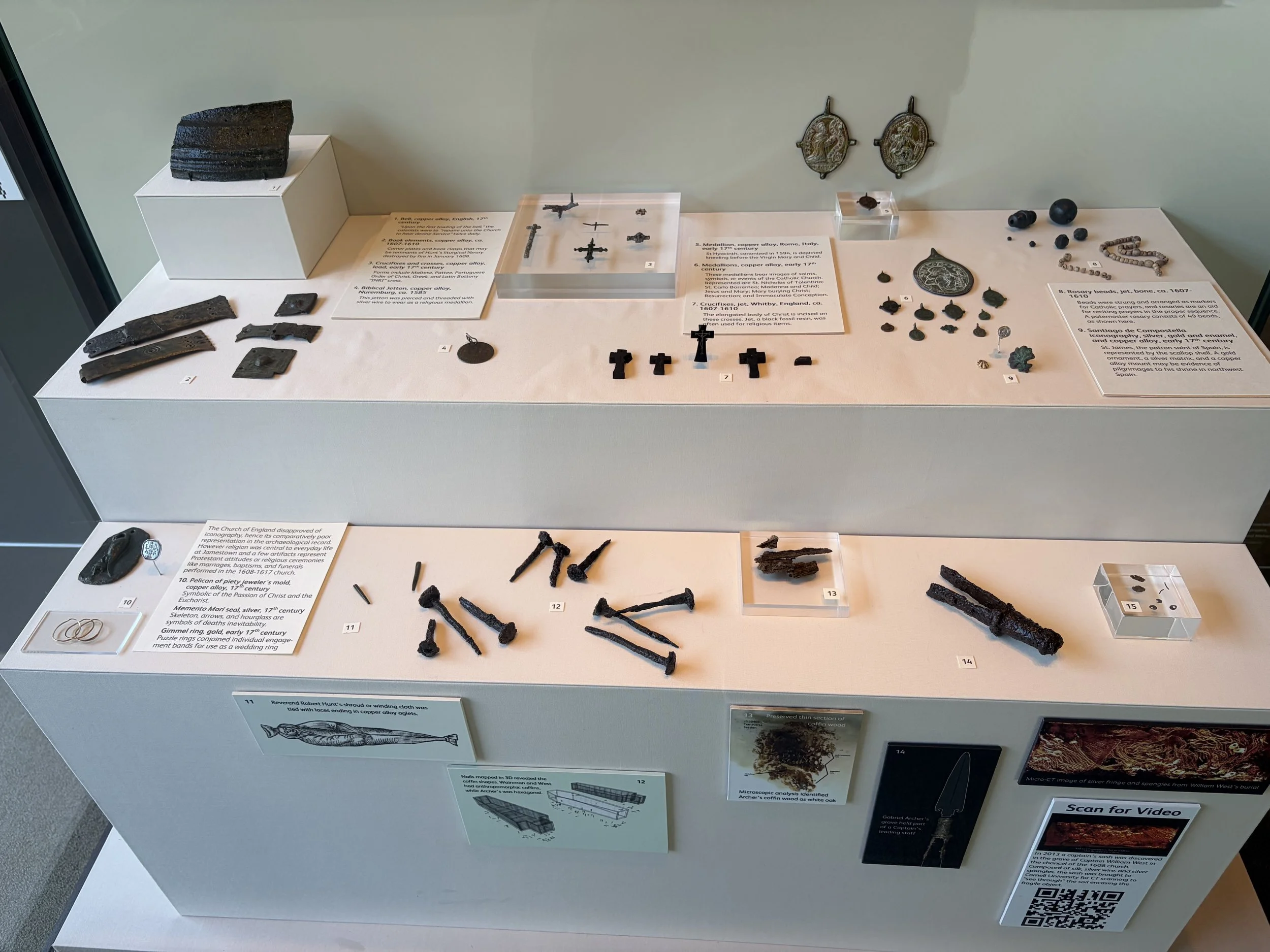
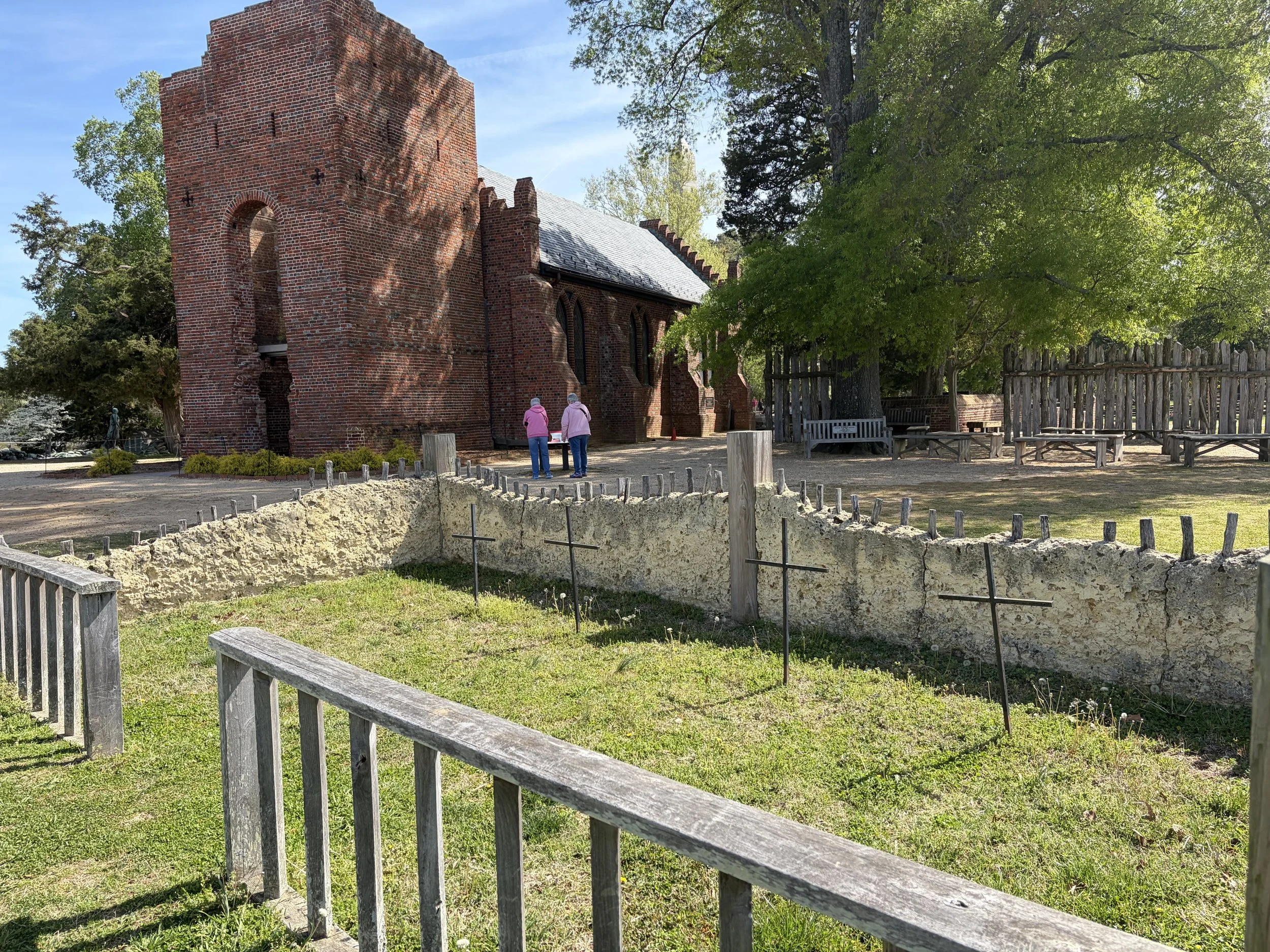
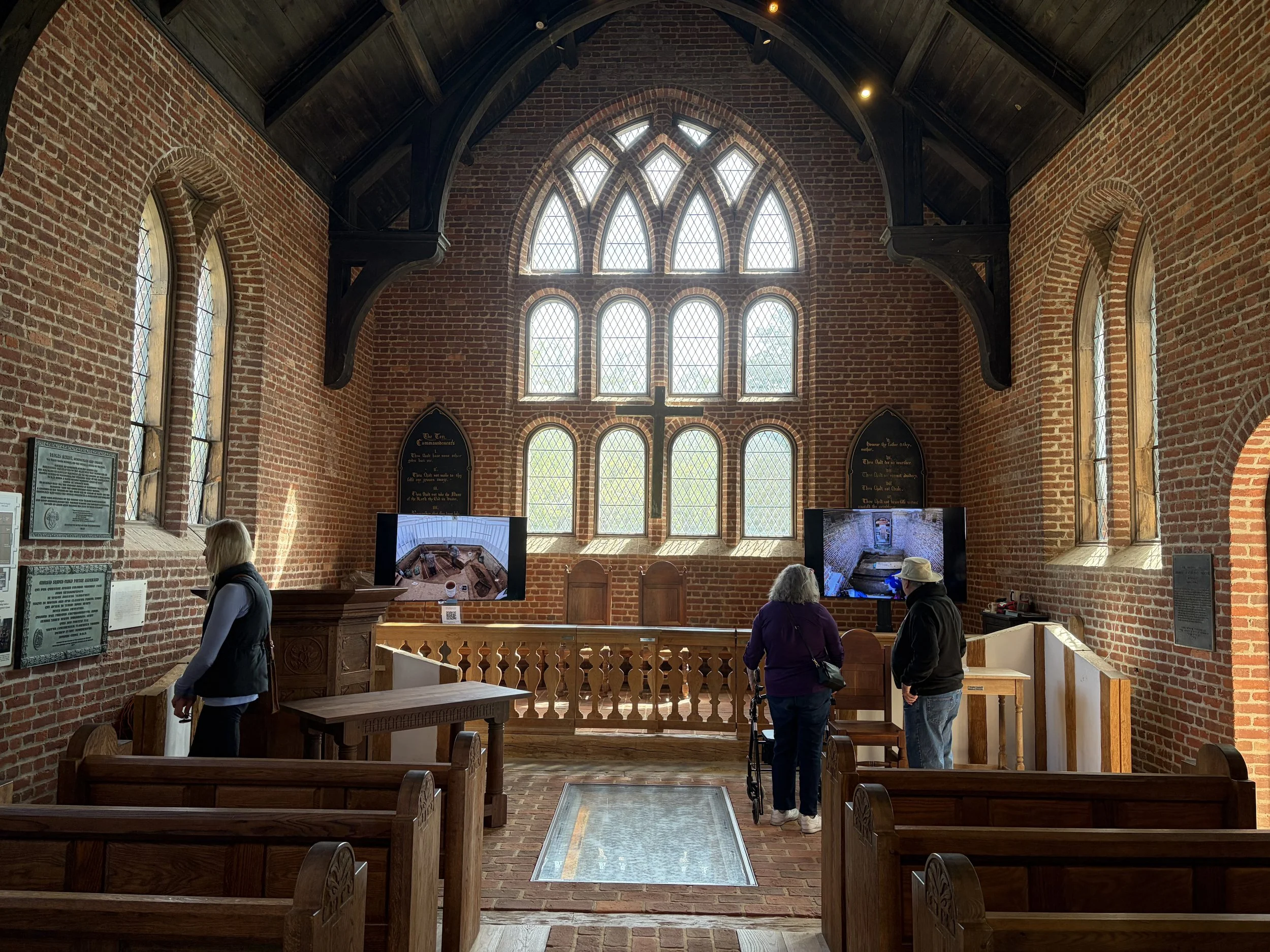
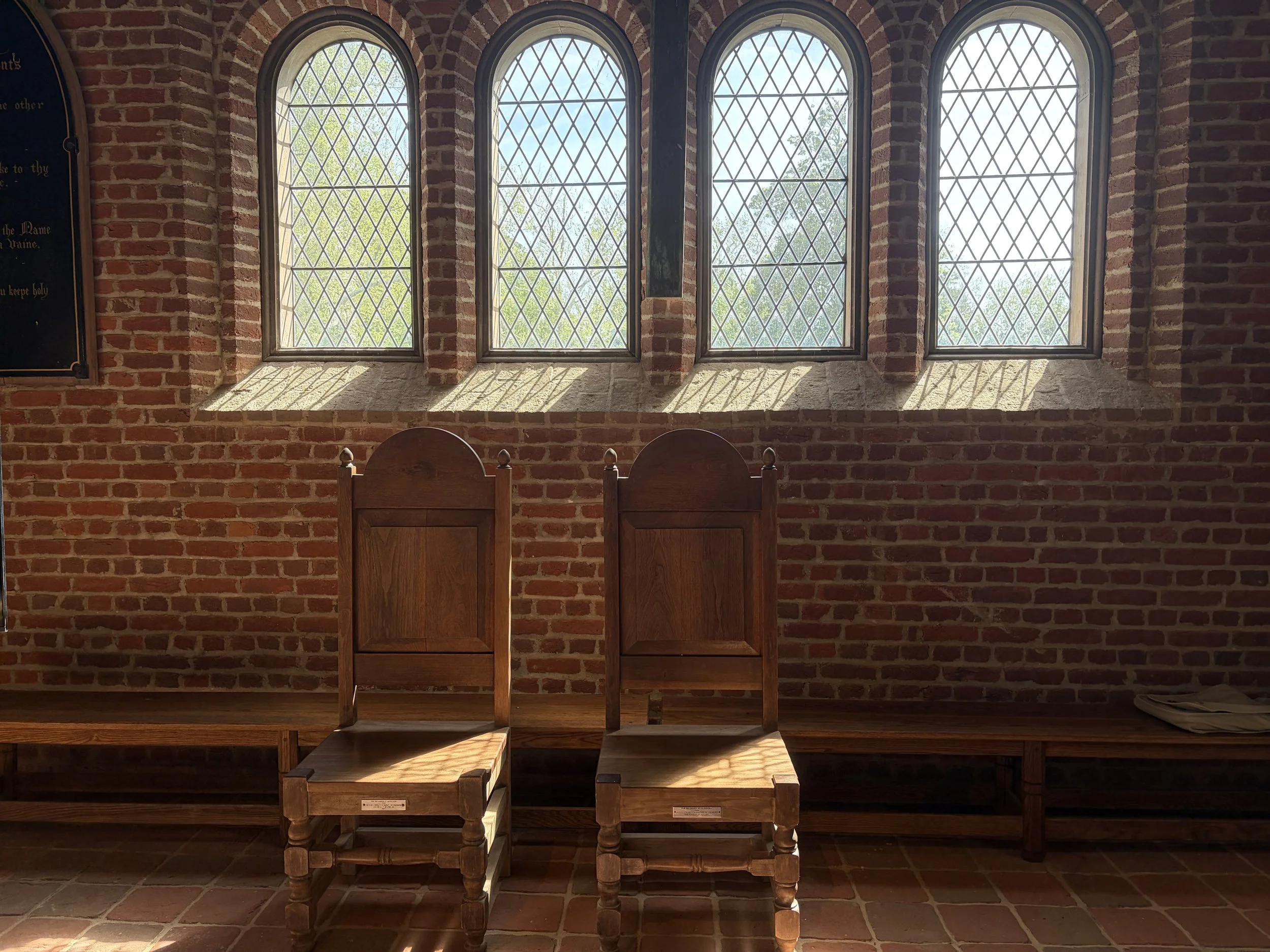
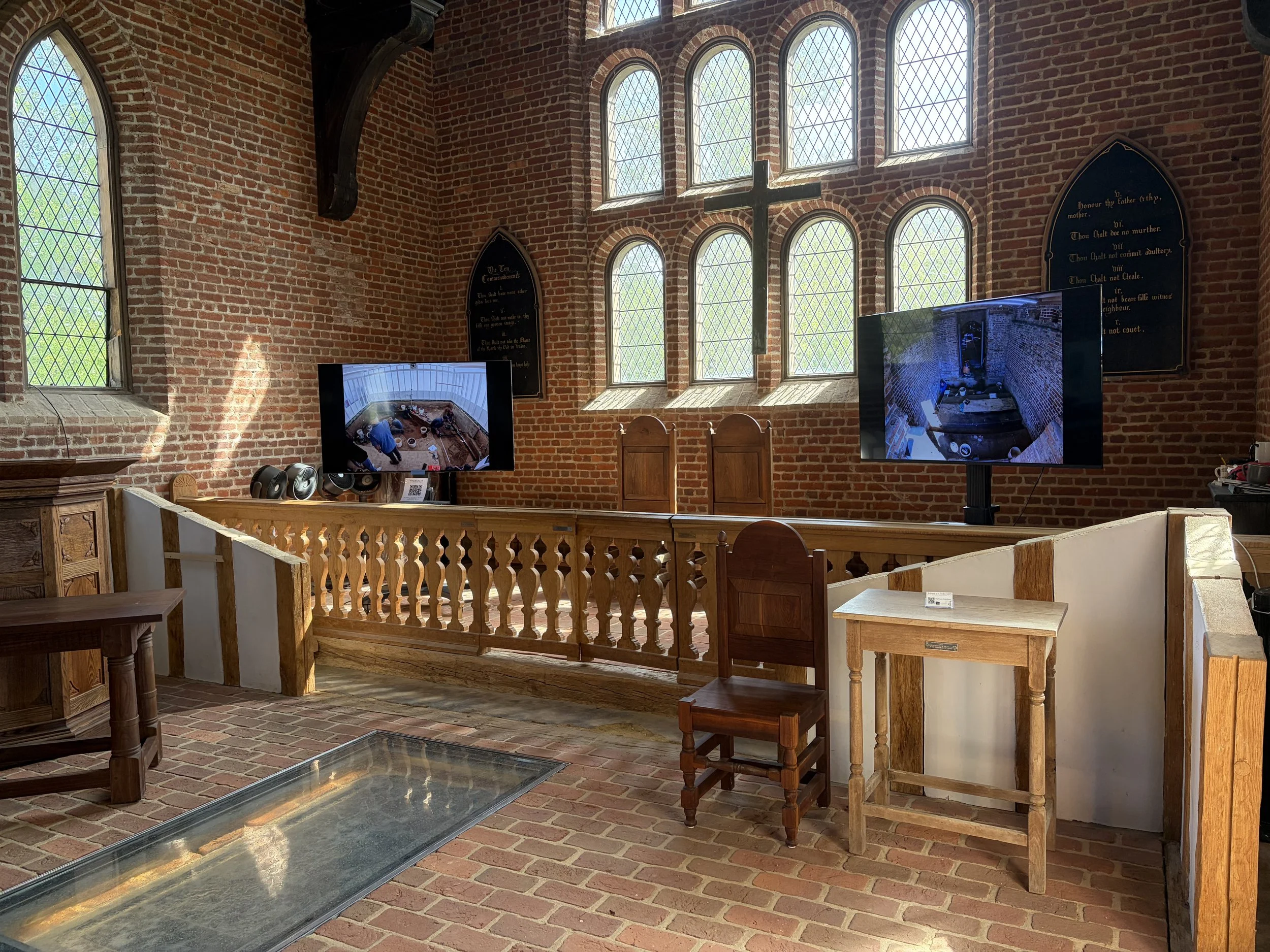
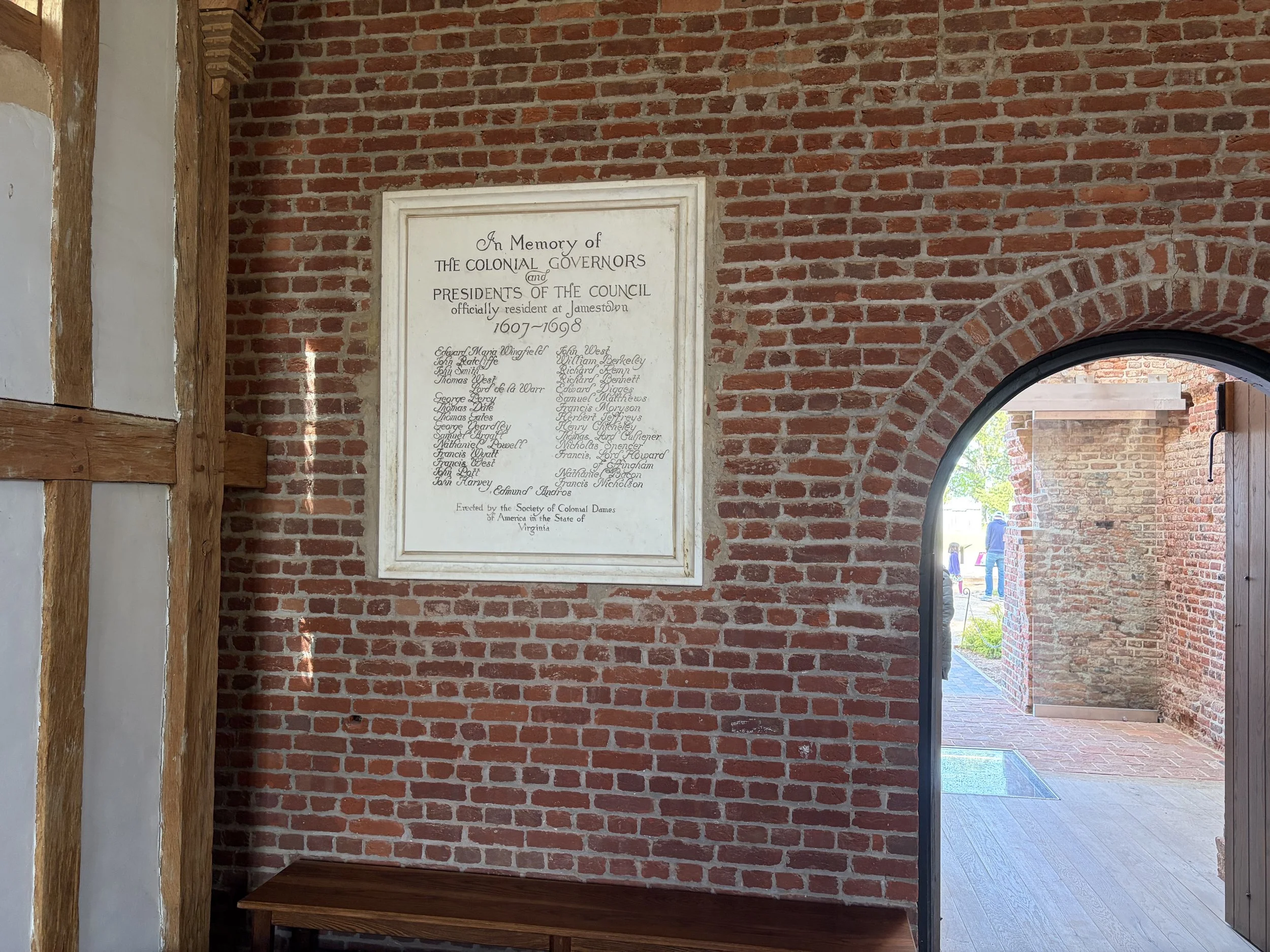
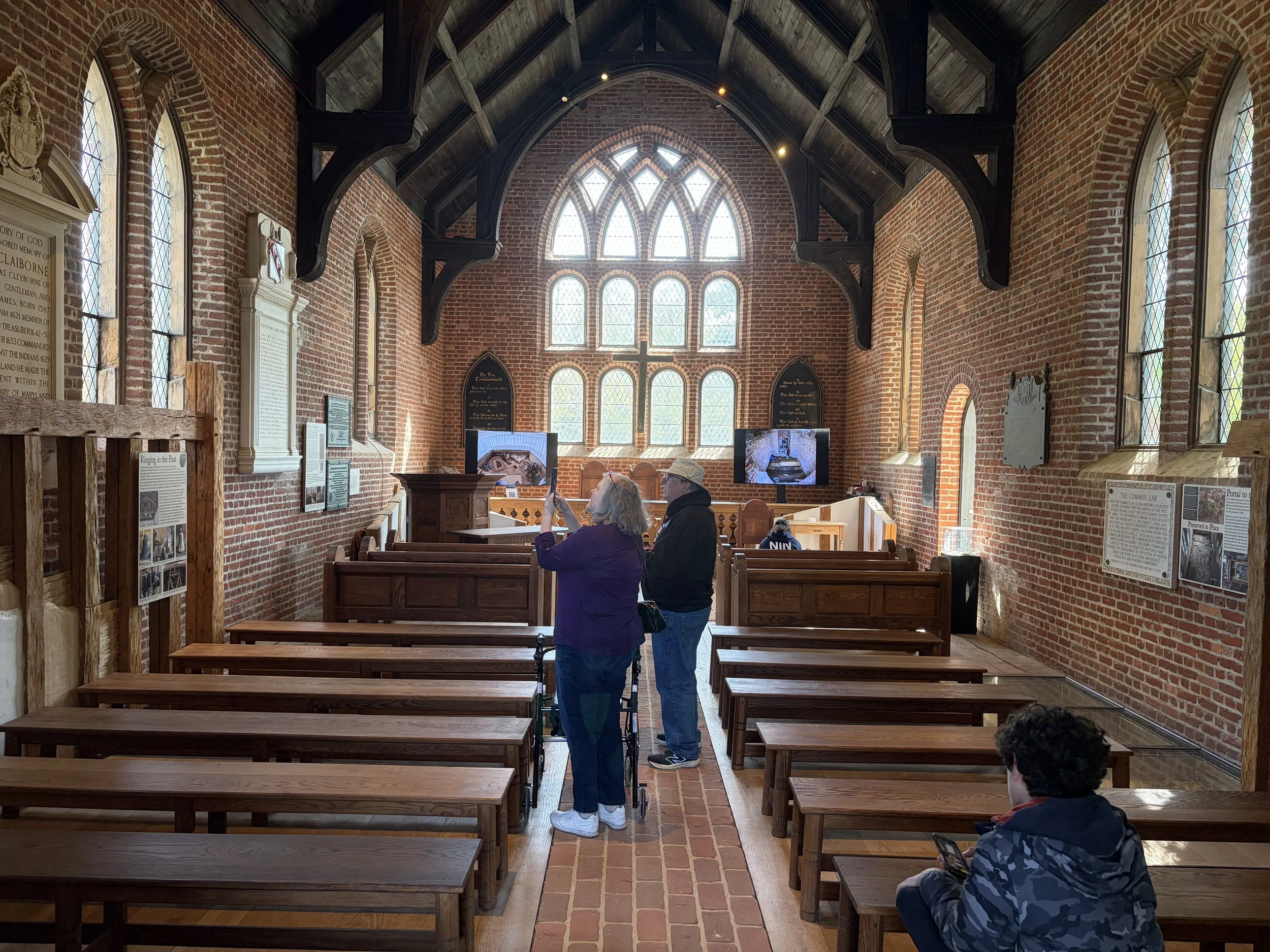
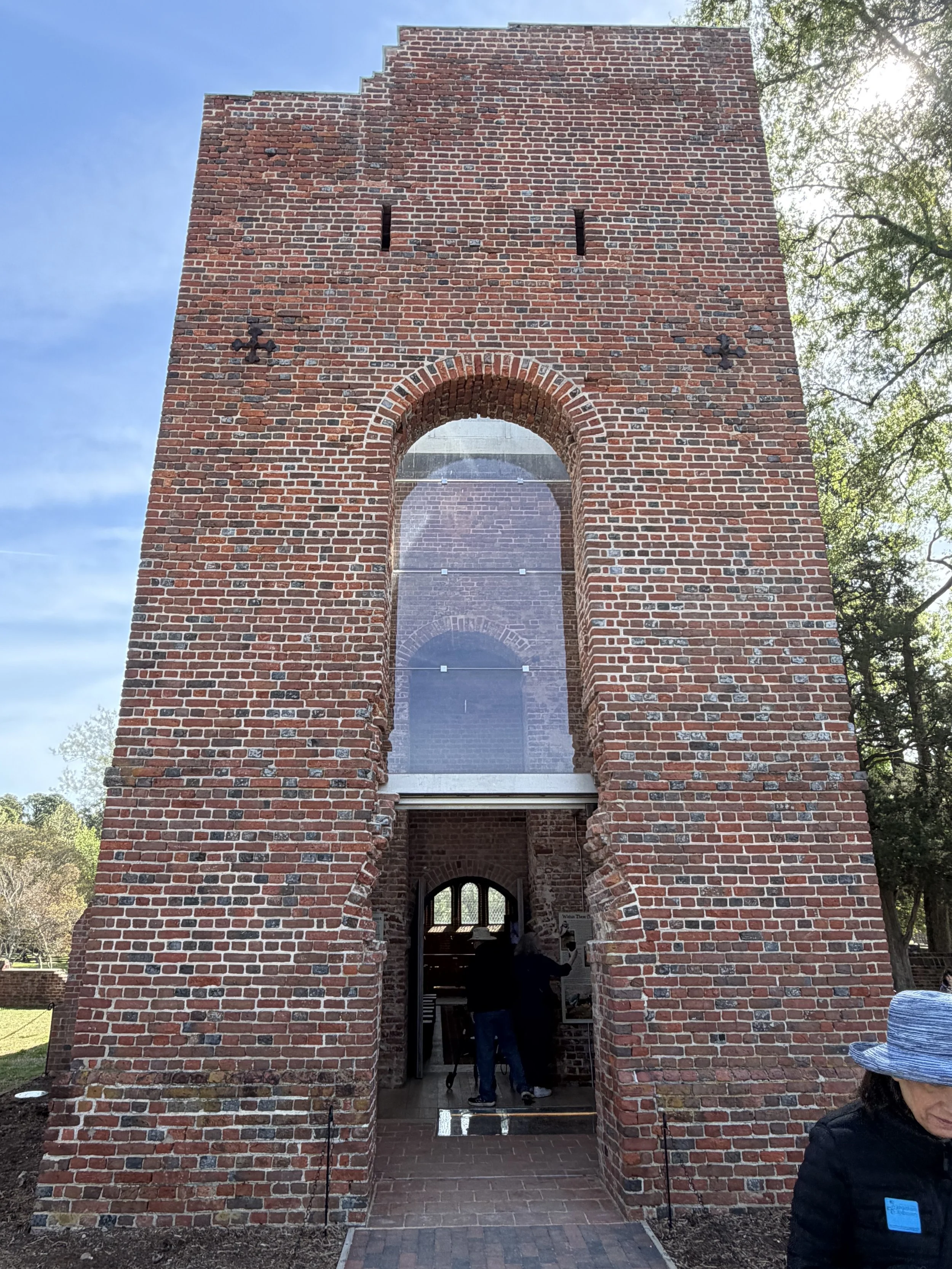
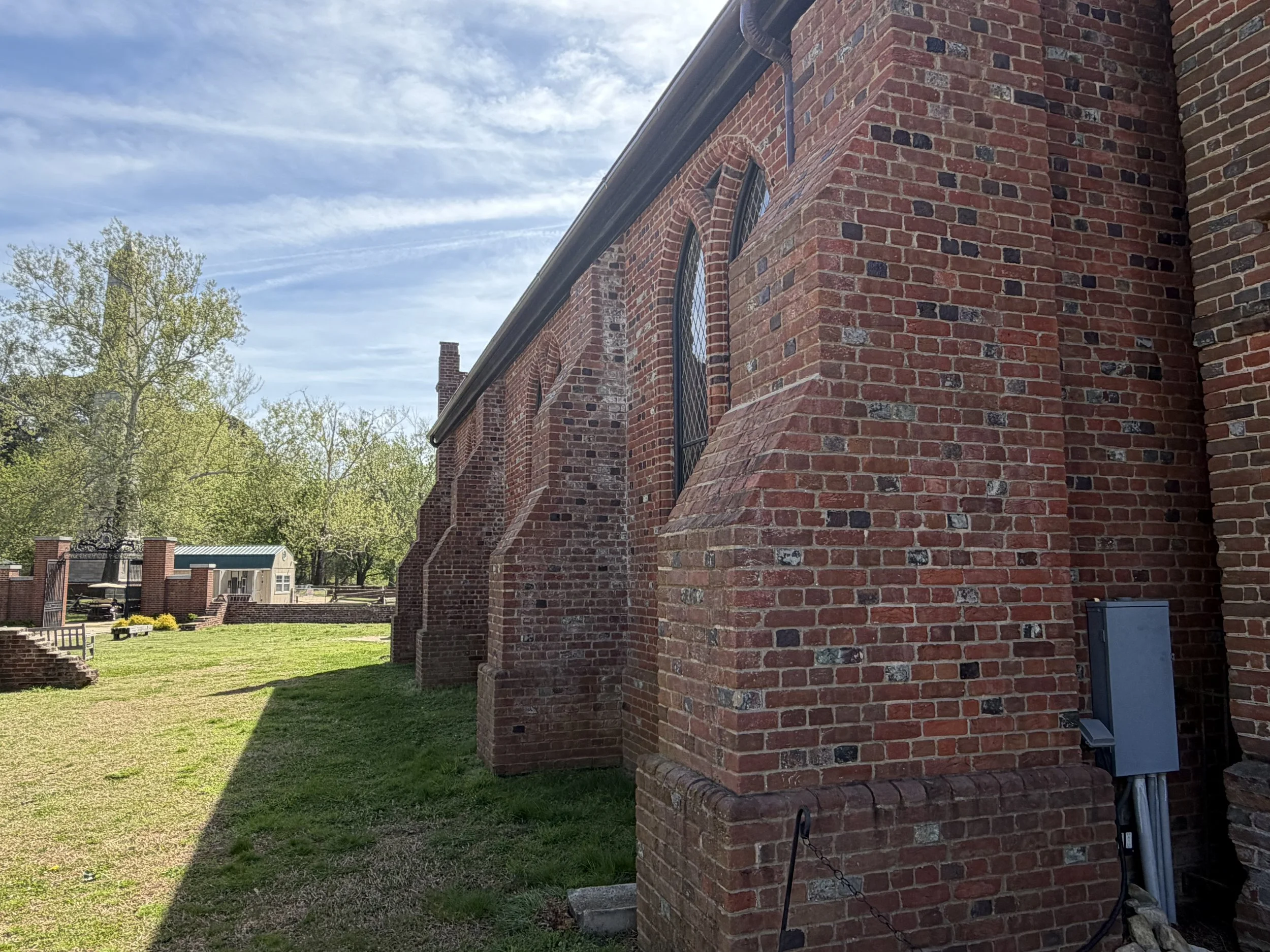
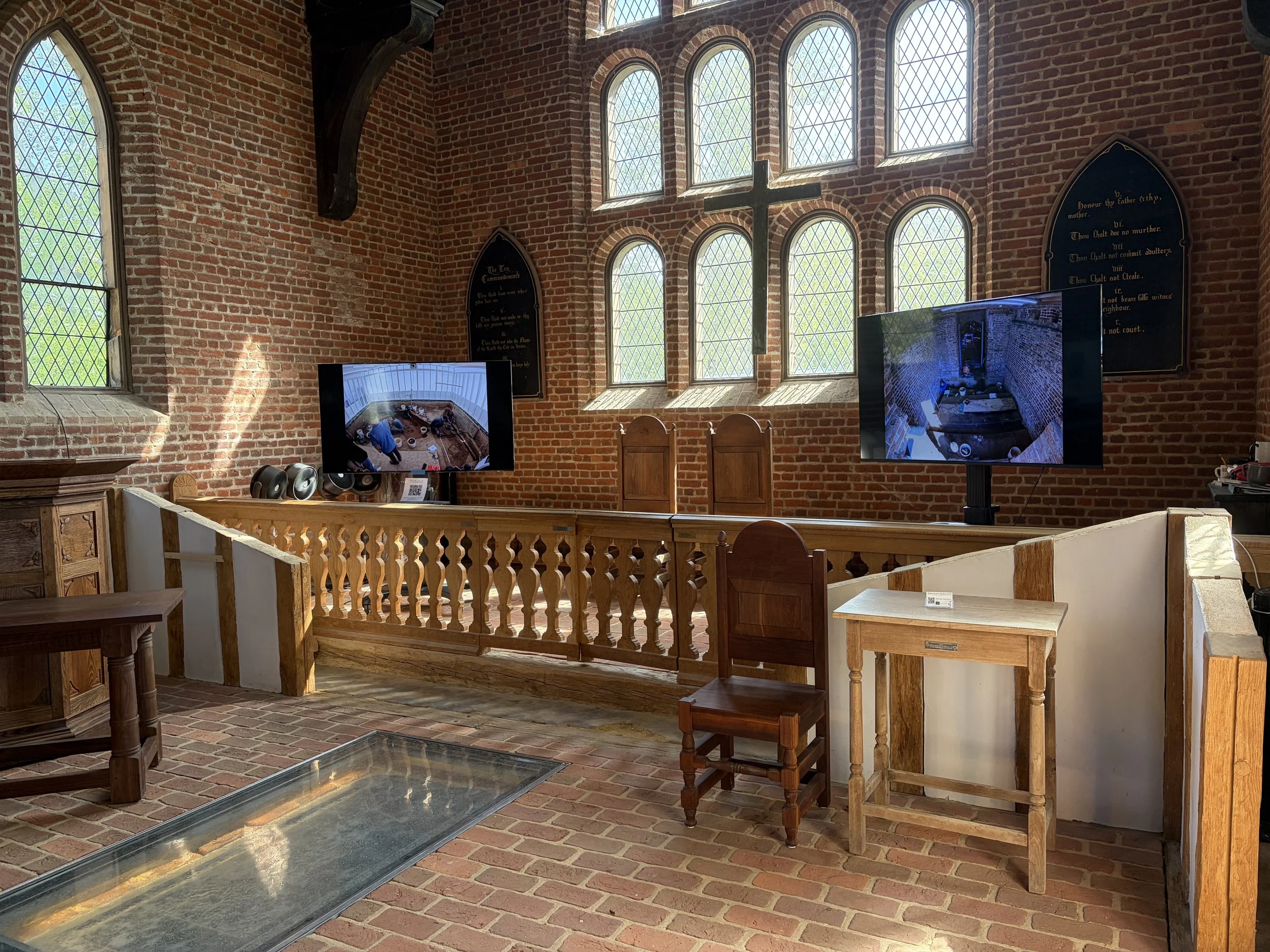
Photos by Clemente Lisi
In 1699, the churchwardens of James City Parish asked Virginia’s General Assembly for funding to help pay for the “steeple of their church, and towards the repairing of the church.” A visitor in 1702 said the Jamestown church had “a tower and a bell.” The church continued to serve a congregation until about 1750, when it moved to a new church built about three miles away.
The Association for the Preservation of Virginia Antiquities (now known as Preservation Virginia) purchased the tower and 22.5 acres around it in 1893. Repairs were made and a new brick church, known as the Memorial Church, was built next to it for the 300th anniversary of Jamestown.
“Our mission is one of preservation and education,” said Dr. James Horn, president of the Jamestown Rediscovery Foundation, adding that the site is visited by 130,000 people each year.
Starting in 2013, a series of major repairs were made to the church tower’s crumbling bricks. The project was part of a collaboration between Preservation Virginia and the Colonial Williamsburg Foundation for the operation of Historic Jamestowne. In 2024, following a years-long preservation effort, the church got its first roof in over two centuries made of stainless steel weighing over two tons.
What makes Jamestown especially compelling as a destination today is its complicated history. What began as a search for gold became one dominated by tobacco fields, a crop that resulted in the arrival of Black slaves from Africa in 1619. In fact, colonists like John Rolfe (he would later marry Pocahontas, daughter of Native American leader Powhatan, at the site of the original church) would ultimately transform the colony’s fortunes through tobacco farming.
The Indians the English came upon were the Powhatan — part of the Algonquian-speaking tribes) — whose religion was polytheistic and animistic. They believed in multiple gods and spirits, primarily worshiping Ahone (a creator god) and Oke (an evil spirit), whose favor was managed by shamans through rituals.
The current site also has a physical museum that showcases what archeologists have found over the last 30 years.
“There is plenty to see,” Horn said, “and, of course, one of the jewels in the crown is the church.”
Today, Jamestown is very much a place that calls on visitors to reflect on America’s past and present. Walk the archaeological grounds. Stand in the shadow of the church tower. As Americans prepare to celebrate the 250th anniversary of the country’s founding, look out over the same river the settlers first saw and consider how uncertain their future must have felt.
Historic Jamestowne is operated by the National Park Service and Preservation Virginia. Because of this unique partnership, you will need two tickets to see the entire island. You can purchase both tickets at the Visitor Center upon arrival. Click here for tickets and more information.
Clemente Lisi is executive editor at Religion Unplugged.